Anti-Inflammatory Roasted Garlic Butter Recipe

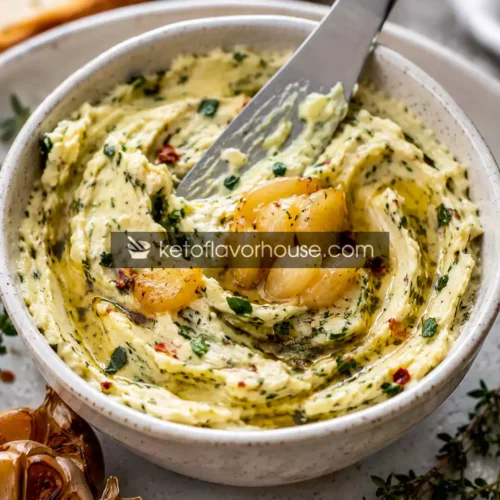
This Anti-Inflammatory Roasted Garlic Butter Recipe is rich, creamy, comforting, and packed with deep roasted garlic flavor balanced by fresh herbs and lemon. It supports anti-inflammatory eating by using wholesome ingredients like garlic, olive oil, parsley, and thyme while keeping the recipe simple and satisfying. Whether spread onto vegetables, proteins, or keto bread, this flavorful herb butter instantly upgrades everyday meals with minimal effort.
Ingredients
- 2 whole heads garlic
- 1 cup unsalted butter softened
- 2 tablespoons extra virgin olive oil
- 2 tablespoons fresh parsley chopped
- 1 tablespoon fresh thyme chopped
- 1 tablespoon lemon juice
- ½ teaspoon sea salt
- ½ teaspoon black pepper
- ¼ teaspoon turmeric optional
Instructions
- Preheat your oven to 400°F and allow it to fully heat while you prepare the garlic. Starting with a properly heated oven helps the garlic roast evenly and develop that rich, sweet flavor without drying out too quickly.
- Take the whole garlic heads and use a sharp knife to carefully slice about ¼ inch off the tops. This exposes the tops of the garlic cloves and allows the heat, olive oil, and natural juices to circulate through the garlic while roasting. Try to keep the heads intact so the cloves stay soft and moist during cooking.
- Place each garlic head onto a sheet of aluminum foil large enough to wrap completely around it. Drizzle the exposed cloves generously with olive oil, making sure some oil seeps down between the cloves. The olive oil helps the garlic caramelize gently while creating a buttery, rich texture once roasted.
- Wrap the foil tightly around each garlic head to seal in steam and moisture. Place the wrapped garlic into a small baking dish or oven-safe pan. Keeping the garlic enclosed prevents it from burning and helps create soft, spreadable cloves instead of dry roasted garlic.
- Roast the garlic for 35–45 minutes, depending on the size of the garlic heads. The garlic is ready when the cloves feel very soft when pressed and the tops appear lightly golden and caramelized. Your kitchen should smell warm, savory, and slightly sweet. Avoid roasting too long, as overly dark garlic can develop a bitter flavor.
- Remove the garlic from the oven and let it cool for several minutes until it’s comfortable to handle. Carefully unwrap the foil because steam will escape. Once slightly cooled, gently squeeze the softened garlic cloves out of their skins and into a bowl. The cloves should slide out easily with very little pressure.
- Use a fork to mash the roasted garlic into a smooth, creamy paste. Take your time here to break up any larger pieces so the garlic blends evenly into the butter mixture later. The smoother the paste, the creamier and more luxurious your finished garlic butter will taste.
- In a medium mixing bowl, add the softened butter, olive oil, mashed roasted garlic, chopped parsley, chopped thyme, lemon juice, sea salt, black pepper, and optional turmeric. Use a spoon, spatula, or hand mixer to blend everything together until fully combined and creamy. The herbs should be evenly distributed throughout the butter, and the texture should look smooth and spreadable.
- Taste the garlic butter and adjust the seasonings based on your preference. If you want more brightness, add a little extra lemon juice. For a deeper herb flavor, stir in additional parsley or thyme. If you enjoy mild heat, add a small pinch of red pepper flakes or black pepper.
- Transfer the finished butter into an airtight container, glass jar, or shape it into a butter log using parchment paper. If making a butter log, roll it tightly and twist the ends to help it hold its shape once chilled.
- Refrigerate the garlic butter for at least 1 hour before serving. Chilling allows the flavors to fully develop and helps the butter firm up into a rich, creamy spread. Before serving, let it sit at room temperature for a few minutes for the best texture and easiest spreading.