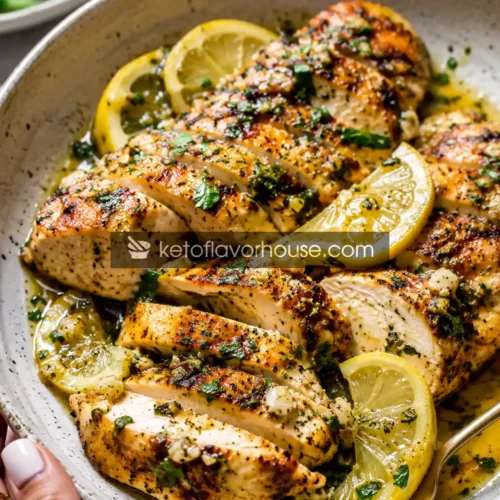
Anti-Inflammatory Lemon Garlic Chicken Recipe

This Anti-Inflammatory Lemon Garlic Chicken Recipe is fresh, comforting, and packed with bright Mediterranean-inspired flavor. The combination of juicy chicken, garlic, lemon, herbs, and olive oil creates a satisfying high-protein dinner that feels nourishing without being heavy. It’s easy enough for busy weeknights while still tasting special enough to make again and again. Whether you’re meal prepping or serving a healthy family dinner, this recipe delivers flavor, balance, and comfort in every bite.
Ingredients
- 4 boneless skinless chicken breasts
- 3 tablespoons extra virgin olive oil
- 6 garlic cloves minced
- ¼ cup fresh lemon juice
- 1 teaspoon lemon zest
- ½ teaspoon turmeric
- 1 teaspoon dried oregano
- 1 teaspoon paprika
- 1 teaspoon sea salt
- ½ teaspoon black pepper
- ¼ cup fresh parsley chopped
- ½ cup chicken broth
- 1 teaspoon grated ginger optional
Instructions
- Remove the chicken breasts from the refrigerator about 15–20 minutes before cooking so they can come closer to room temperature. This helps them cook more evenly and stay juicy inside. Pat each chicken breast completely dry using paper towels, making sure to remove excess moisture from all sides. Dry chicken develops a much better golden crust during cooking instead of steaming in the skillet. Season both sides generously with sea salt, black pepper, paprika, dried oregano, and turmeric, gently pressing the seasonings into the surface of the chicken so they stick well.
- In a medium mixing bowl, combine the extra virgin olive oil, freshly minced garlic, fresh lemon juice, lemon zest, and grated ginger if using. Whisk everything together until the mixture looks smooth and slightly emulsified. The olive oil helps carry the garlic and citrus flavors into the chicken while also keeping the meat tender and moist during cooking. Fresh lemon juice gives the dish its bright flavor, while garlic and ginger add warmth and depth.
- Place the seasoned chicken breasts into the bowl with the marinade and coat them thoroughly on all sides. Use tongs or clean hands to make sure every piece is evenly covered with the garlic lemon mixture. Let the chicken marinate for at least 20 minutes at room temperature, or refrigerate it for a few hours for even deeper flavor. Avoid marinating too long in lemon juice because the acidity can start breaking down the chicken texture and make it slightly mushy.
- Heat a large skillet or cast-iron pan over medium heat for a few minutes until evenly hot. Add a small drizzle of olive oil and swirl it around the pan to lightly coat the surface. Allow the oil to warm before adding the chicken. A properly preheated skillet helps create that beautiful golden crust while locking moisture inside the chicken.
- Carefully place the marinated chicken breasts into the hot skillet, laying them away from you to avoid oil splatter. Leave a little space between each piece so the chicken browns properly instead of steaming. Let the chicken cook undisturbed for about 5–6 minutes on the first side until a deep golden crust forms naturally. Resist the urge to move or flip the chicken too early, as this prevents proper browning and flavor development.
- Once the first side is golden brown, use tongs to carefully flip each chicken breast. Cook the second side for another 5–6 minutes until the chicken is fully cooked through and reaches an internal temperature of 165°F. If the chicken breasts are very thick, lower the heat slightly and cook for an extra couple of minutes to avoid burning the outside before the center finishes cooking. The chicken should feel firm but still juicy when pressed gently.
- Reduce the heat to medium-low and slowly pour the chicken broth into the skillet. The liquid will loosen all the flavorful browned bits stuck to the bottom of the pan, creating a rich lemon garlic sauce. Use a wooden spoon to gently scrape the bottom of the skillet while stirring the broth into the remaining marinade and seasonings. This step adds incredible depth of flavor without needing heavy cream or flour-based sauces.
- Allow the sauce to simmer gently for several minutes until it reduces slightly and becomes glossy. Spoon some of the warm sauce over the chicken while it simmers so the meat absorbs even more flavor. Avoid boiling the sauce aggressively because high heat can reduce the freshness of the lemon and make the garlic taste bitter.
- Add a few thin fresh lemon slices directly into the skillet if desired for extra citrus aroma and presentation. Spoon the warm garlic lemon sauce over each chicken breast several times before serving. The sauce should lightly coat the chicken without becoming too thick or heavy.
- Sprinkle freshly chopped parsley generously over the finished chicken for freshness, color, and a bright herbal finish. Remove the skillet from the heat and allow the chicken to rest for about 5 minutes before slicing or serving. Resting helps the juices redistribute throughout the meat, keeping every bite tender and flavorful instead of dry. Serve warm with your favorite vegetables, cauliflower rice, salad, or roasted sides.