This post may contains Amazon affiliate and other affiliate links. If you make a purchase through these links, I may earn a small commission at no extra cost to you. Your support helps me continue to provide quality content. I only recommend products I personally trust and believe will add value to your experience. For more details, please visit my Privacy Policy.
Introduction
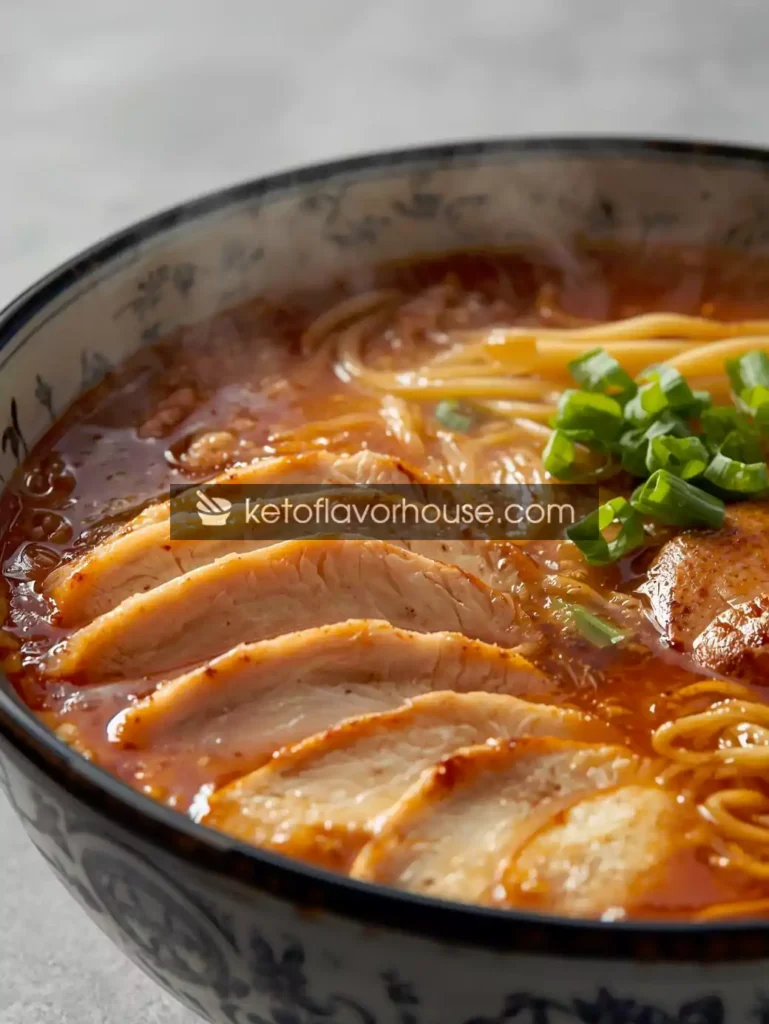
There’s something deeply comforting about a bowl of saucy noodles. They’re quick, cozy, and hit that familiar takeout-style craving almost instantly. For a long time, though, noodle dishes were something I associated with indulgence rather than nourishment. They tasted great, but left me hungry again far too soon — the classic sign of a meal that’s heavy on carbs and light on protein.
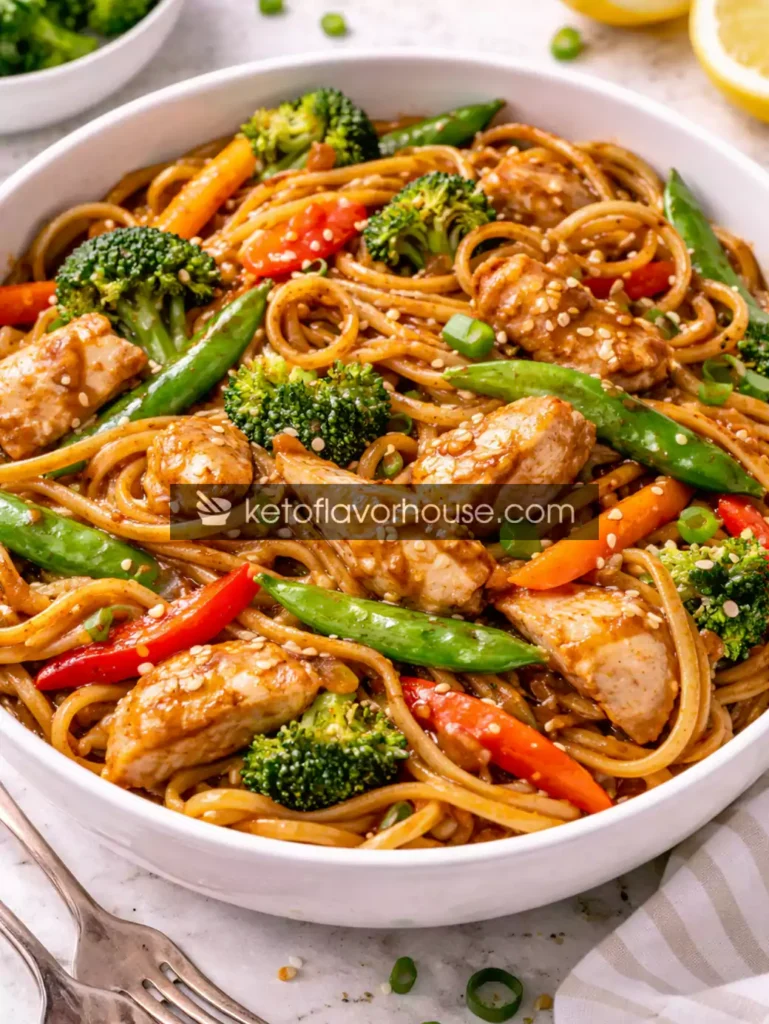
That’s exactly why this High-Protein Teriyaki Noodles with Veggies recipe came to life.
I wanted a noodle dish that delivered the same glossy, savory-sweet teriyaki flavor you’d expect from your favorite takeout spot, but with a completely different nutritional backbone. One that actually supports a high-protein lifestyle, keeps you full for hours, and still feels fun and satisfying to eat.
This recipe does all of that without being complicated. It’s fast enough for weeknights, flexible enough for meal prep, and balanced enough to fit into fitness, weight-loss, or maintenance goals. Most importantly, it proves that noodles don’t have to be “off limits” when protein is the priority.
If you’ve ever craved teriyaki noodles but wanted them to work for your goals instead of against them, this recipe is exactly what you need.
Why You’ll Love This Recipe
- 🍜 Saucy, glossy teriyaki flavor without takeout heaviness
- 🥦 Packed with colorful, crunchy vegetables
- 💪 High-protein and deeply satisfying
- ⏱️ Ready in under 30 minutes
- 🍱 Perfect for meal prep and leftovers
- 👨👩👧 Family-friendly and customizable
My Personal Experience
The first version of this recipe was honestly a disappointment. I used regular noodles, loaded up the veggies, and added a homemade teriyaki sauce. It tasted good — but an hour later, I was hungry again. That’s when it clicked: the dish needed structure, not just flavor.
Once I rebuilt it around protein, everything changed. I swapped in high-protein noodles, added a generous portion of lean protein, and adjusted the sauce so it coated instead of drowned the dish. Suddenly, it wasn’t just tasty — it was satisfying.
Now, this is one of my go-to meals on days when I want something fast but filling. It’s the kind of dish I’ll make after a workout or prep for busy weekdays. Even people who don’t care about macros love it, which is always the real test.
Required Equipment
Large Skillet or Wok
This is essential for evenly cooking the protein and vegetables while allowing the sauce to coat everything without steaming.
Alternative: A wide, deep frying pan works well.
Medium Saucepan
Used to cook the noodles separately so they don’t overcook or absorb too much sauce.
Alternative: Any pot large enough to boil noodles.
Mixing Bowl
Helpful for whisking together the teriyaki sauce ingredients smoothly.
Tongs or Spatula
Makes tossing noodles, protein, and vegetables easier without breaking the noodles.
Ingredients & Substitutions
Protein Base
Lean Protein (1–1½ lbs total)
This recipe works beautifully with chicken breast, shrimp, lean beef strips, or turkey.
- Chicken breast → lean, neutral, versatile
- Shrimp → cooks quickly, very high protein
- Beef → richer flavor, slightly higher fat
Plant-based option: Extra-firm tofu or tempeh.
Noodles
High-Protein Noodles (8–10 oz dry)
This is what transforms the dish from carb-heavy to protein-forward.
- Chickpea noodles
- Lentil noodles
- Edamame noodles
Avoid: Regular white noodles if protein is the goal.
Vegetables
- Bell peppers (sliced)
- Broccoli florets
- Carrots (julienned)
- Snap peas or green beans
Vegetables add volume, texture, and fiber, making the dish more filling without excess calories.
Teriyaki Sauce
- Low-sodium soy sauce or tamari
- Rice vinegar
- Garlic and ginger
- Sweetener (honey, maple, or sugar-free option)
- Cornstarch or arrowroot (small amount, for thickness)
The goal is a glossy sauce that coats — not pools.
How to Make High-Protein Teriyaki Noodles with Veggies
Cook the noodles separately according to package instructions, stopping just before fully tender. Drain and set aside.
While the noodles cook, heat a large skillet over medium-high heat and cook your chosen protein until fully done and lightly browned. Remove and set aside.
In the same skillet, sauté the vegetables just until tender-crisp. You want color and crunch, not softness.
Whisk the teriyaki sauce ingredients together and pour into the skillet. Let it simmer briefly until thickened.
Add the noodles and protein back into the skillet, tossing gently until everything is evenly coated and glossy.
Common Mistakes to Avoid
- Using regular noodles, which lowers protein density
- Overcooking vegetables until soft and watery
- Drowning the dish in sauce instead of coating it
- Cooking everything at once, which leads to steaming
Pro Tips for Best Results
- Cook protein and vegetables separately for best texture
- Use medium-high heat to keep vegetables crisp
- Add sauce gradually so you control thickness
- Finish with a squeeze of lime or sesame oil for depth
High-Protein Nutrition & Strategy
This recipe works because protein isn’t optional — it’s the foundation. Between high-protein noodles and a generous portion of lean protein, the dish delivers steady energy, supports muscle recovery, and keeps hunger in check.
It’s ideal for:
- Post-workout meals
- High-protein dinners
- Balanced meal prep
- Takeout-style cravings without the crash
Variations You Can Try
One of the biggest strengths of these High-Protein Teriyaki Noodles with Veggies is how easily they adapt to different tastes, diets, and protein needs without losing their saucy, satisfying identity.
High-Protein Chicken Teriyaki Noodles
Use sliced chicken breast as the primary protein and marinate it briefly in a tablespoon of the teriyaki sauce before cooking. This boosts flavor while keeping the dish lean and protein-dense.
Shrimp Teriyaki Noodles
Swap chicken for shrimp to create a lighter, faster-cooking version. Shrimp cooks in minutes and delivers excellent protein with very little fat.
Beef Teriyaki Noodles
Use lean beef strips for a richer, more savory flavor. Slice thinly against the grain so the beef stays tender and cooks quickly.
Plant-Based Protein Teriyaki Noodles
Use extra-firm tofu or tempeh, pan-seared until golden. Pair with edamame noodles to keep protein levels high without animal products.
Spicy Teriyaki Noodles
Add chili garlic sauce, sriracha, or crushed red pepper flakes to the sauce for heat. The spice balances beautifully with the sweet-savory teriyaki flavor.
Each variation keeps the protein-first structure intact while allowing you to rotate flavors week to week.
Tips for This Recipe
Use high-protein noodles that hold their shape well. Chickpea, lentil, or edamame noodles work best and won’t turn mushy when tossed with sauce.
Cut vegetables into similar sizes so they cook evenly and maintain a pleasant crunch.
Taste the sauce before adding it to the skillet. Teriyaki balance matters — slightly salty, lightly sweet, and just enough acidity to keep it bright.
If the sauce thickens too quickly, add a splash of water or broth to loosen it without diluting flavor.
Optional Additions
- Edamame: Adds extra plant-based protein and texture
- Cashews or peanuts: Adds crunch and healthy fats
- Sesame seeds: Light nutty finish
- Green onions: Fresh bite and visual contrast
Optional add-ins should enhance texture and nutrition without overwhelming the sauce.
Serving Ideas
These high-protein teriyaki noodles are incredibly versatile:
- Serve hot as a complete one-bowl dinner
- Portion into containers for meal-prep lunches
- Pair with a simple cucumber salad for freshness
- Serve family-style for easy weeknight meals
They’re satisfying enough on their own but flexible enough to pair with lighter sides.
Storage Recommendations
- Refrigerator: Store in airtight containers for up to 4 days
- Freezer: Freeze portions for up to 1 month (texture holds best with chickpea or lentil noodles)
Reheating Tips
Reheat gently in a skillet or microwave with a splash of water to refresh the sauce and prevent dryness.
Frequently Asked Questions (FAQ)
Is this recipe really high-protein?
Yes. Using high-protein noodles plus a generous protein portion makes this a balanced, protein-forward meal.
Can I make this vegetarian or vegan?
Absolutely. Use tofu or tempeh and plant-based protein noodles.
Is this good for post-workout meals?
Yes. It provides protein for muscle recovery and carbs for glycogen replenishment.
Can I use store-bought teriyaki sauce?
You can, but choose low-sugar and low-sodium versions for better macro control.
Is this meal-prep friendly?
Very. It reheats well and maintains texture for several days.
Can I make it gluten-free?
Yes. Use gluten-free noodles and tamari instead of soy sauce.
Nutritional Breakdown (Per Serving)
Approximate values (based on chicken and chickpea noodles, 4 servings):
- Calories: ~430
- Protein: ~38 g
- Fat: ~10 g
- Total Carbs: ~40 g
- Fiber: ~7 g
- Net Carbs: ~33 g
- Sugar: ~6 g
- Sodium: ~620 mg
📌 Recipe Snapshot
- Prep Time: 15 minutes
- Cook Time: 15 minutes
- Total Time: 30 minutes
- Course: Dinner
- Cuisine: Asian-Inspired
- Servings: 4
- Calories (per serving): ~430
- Protein (per serving): ~38 g
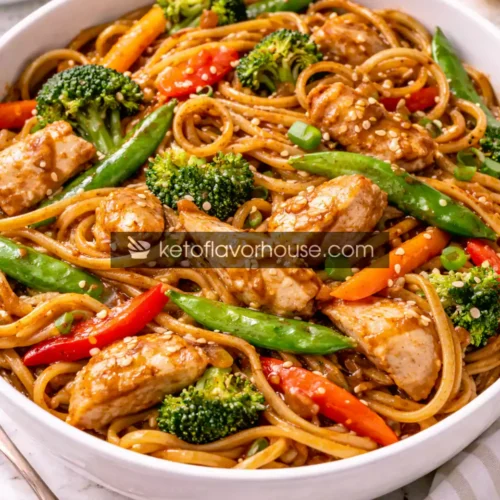
High-Protein Teriyaki Noodles with Veggies Recipe

Ingredients
- High-protein noodles – 8–10 oz
- Lean protein chicken, shrimp, beef, or tofu – 1–1½ lbs
- Mixed vegetables – 3–4 cups
- Low-sodium soy sauce or tamari
- Garlic ginger, sweetener
Instructions
- Bring a large pot of well-salted water to a rolling boil and cook the high-protein noodles according to the package instructions. Stir once or twice during cooking so they don’t stick together. As soon as the noodles are just tender (not mushy), drain them thoroughly and set aside. If they tend to stick, toss lightly with a few drops of oil.
- Heat a large skillet or wok over medium-high heat and add a small amount of oil. Once hot, add your chosen protein (such as chicken breast, shrimp, tofu, or beef strips) in a single layer. Let it cook undisturbed for a minute to develop color, then stir and continue cooking until fully cooked through and lightly browned. Season lightly with salt and pepper, remove from the skillet, and set aside so it stays juicy.
- In the same skillet, add a little more oil if needed and lower the heat slightly. Add the vegetables, starting with firmer ones like carrots or broccoli, followed by quicker-cooking veggies like bell peppers, snap peas, or zucchini. Sauté, stirring frequently, until the vegetables are tender-crisp — cooked through but still vibrant and slightly crunchy.
- While the vegetables cook, whisk all the teriyaki sauce ingredients together in a small bowl until smooth and well combined. Taste the sauce at this stage and adjust sweetness, saltiness, or acidity as needed so it suits your preference.
- Pour the teriyaki sauce into the skillet with the vegetables and bring it to a gentle simmer. Let it cook for a minute or two, stirring constantly, until the sauce slightly thickens and becomes glossy. This step helps concentrate the flavor and ensures the sauce will cling to the noodles.
- Add the cooked noodles and the reserved protein back into the skillet. Use tongs or two spatulas to gently lift and toss everything together, making sure the noodles, vegetables, and protein are evenly coated with the sauce.
- Continue tossing over low heat for another 1–2 minutes until everything is heated through and the dish looks shiny and well combined. Remove from heat immediately, taste one last time, adjust seasoning if needed, and serve hot while the noodles are perfectly saucy and satisfying.
Subscribe to our newsletter!