This post may contains Amazon affiliate and other affiliate links. If you make a purchase through these links, I may earn a small commission at no extra cost to you. Your support helps me continue to provide quality content. I only recommend products I personally trust and believe will add value to your experience. For more details, please visit my Privacy Policy.
Feeling constantly bloated, tired, inflamed, sluggish, or stuck in a cycle of cravings and low energy can sometimes be connected to more than just stress or lack of sleep. For many people, chronic low-grade inflammation quietly affects digestion, hunger signals, recovery, hormones, energy levels, and overall wellness.
While inflammation is a natural immune response designed to protect the body, modern eating habits often keep the body in a prolonged inflammatory state. Highly processed foods, excess sugar, poor sleep, chronic stress, and nutrient deficiencies may all contribute to this cycle.
The good news is that your daily meals can become one of the most powerful tools for supporting recovery and balance.
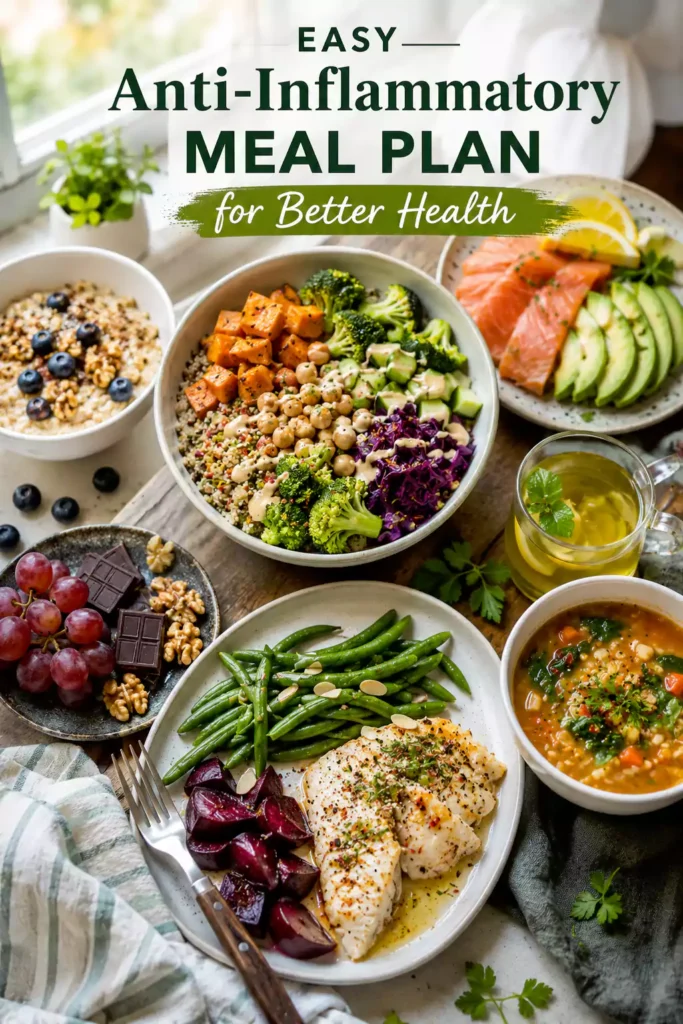
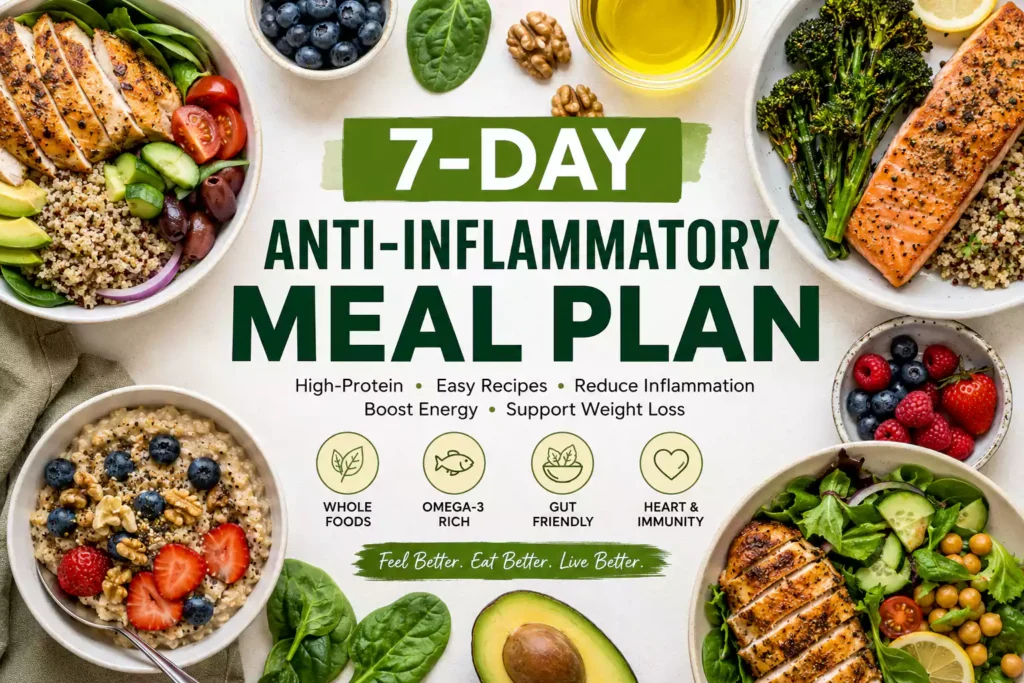
This 7-day anti-inflammatory meal plan was designed to help you eat in a way that feels realistic, satisfying, and sustainable — not restrictive. Instead of focusing on starvation, detox gimmicks, or complicated rules, this plan emphasizes nutrient-dense whole foods that nourish the body while naturally supporting healthier eating habits.
Inside this guide, you’ll find:
- A complete 7-day anti-inflammatory meal plan
- High-protein balanced meals
- Easy anti-inflammatory foods for beginners
- Gut-friendly ingredients
- Blood-sugar-supportive meal ideas
- Anti-inflammatory grocery recommendations
- Science-backed nutrition strategies
- Expert tips to make the diet sustainable long term
Whether your goal is reducing bloating, supporting weight loss, improving energy, or simply eating cleaner, this meal plan gives you a practical starting point.
What Is an Anti-Inflammatory Diet?
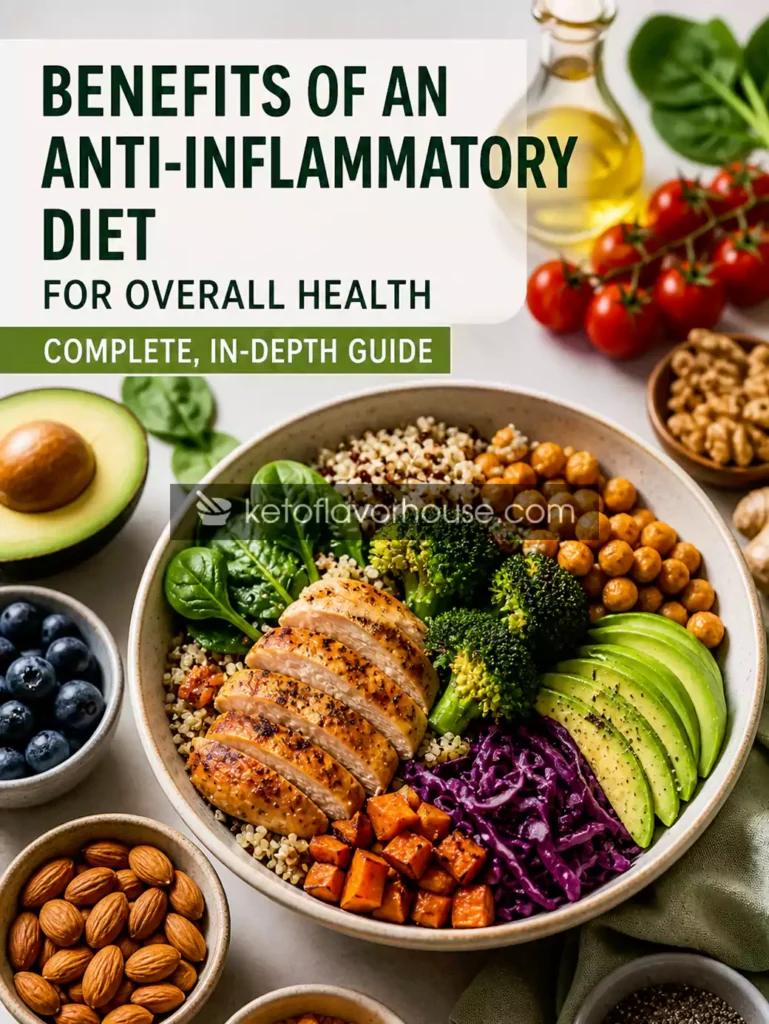
An anti-inflammatory diet is an eating pattern centered around foods that may help reduce chronic inflammation while supporting overall metabolic, digestive, cardiovascular, and immune health.
Rather than being a strict “diet,” it is better understood as a long-term lifestyle approach focused on:
- Whole foods
- Nutrient density
- Blood sugar balance
- Healthy fats
- Fiber-rich carbohydrates
- Lean protein
- Antioxidant-rich produce
At the same time, it limits foods commonly associated with increased inflammatory stress, including:
- Ultra-processed foods
- Excess added sugar
- Refined carbohydrates
- Deep-fried foods
- Trans fats
- Highly processed meats
- Excess alcohol
One reason anti-inflammatory eating is so sustainable is because it does not rely on extreme restriction. Instead, it focuses on improving overall food quality and dietary patterns over time.
Signs Your Diet May Be Contributing to Inflammation
Chronic inflammation is not always obvious. Many people experience subtle symptoms for years without realizing nutrition may play a role.
Common signs include:
- Persistent bloating
- Brain fog
- Low energy
- Sugar cravings
- Poor recovery
- Joint stiffness
- Digestive discomfort
- Frequent hunger
- Skin flare-ups
- Difficulty losing weight
Although food alone is not a cure-all, improving dietary quality can significantly support overall wellness.
The Science Behind Anti-Inflammatory Foods
Many anti-inflammatory foods are rich in compounds that help combat oxidative stress and support cellular health.
These include:
- Omega-3 fatty acids
- Polyphenols
- Antioxidants
- Fiber
- Magnesium
- Vitamin C
- Flavonoids
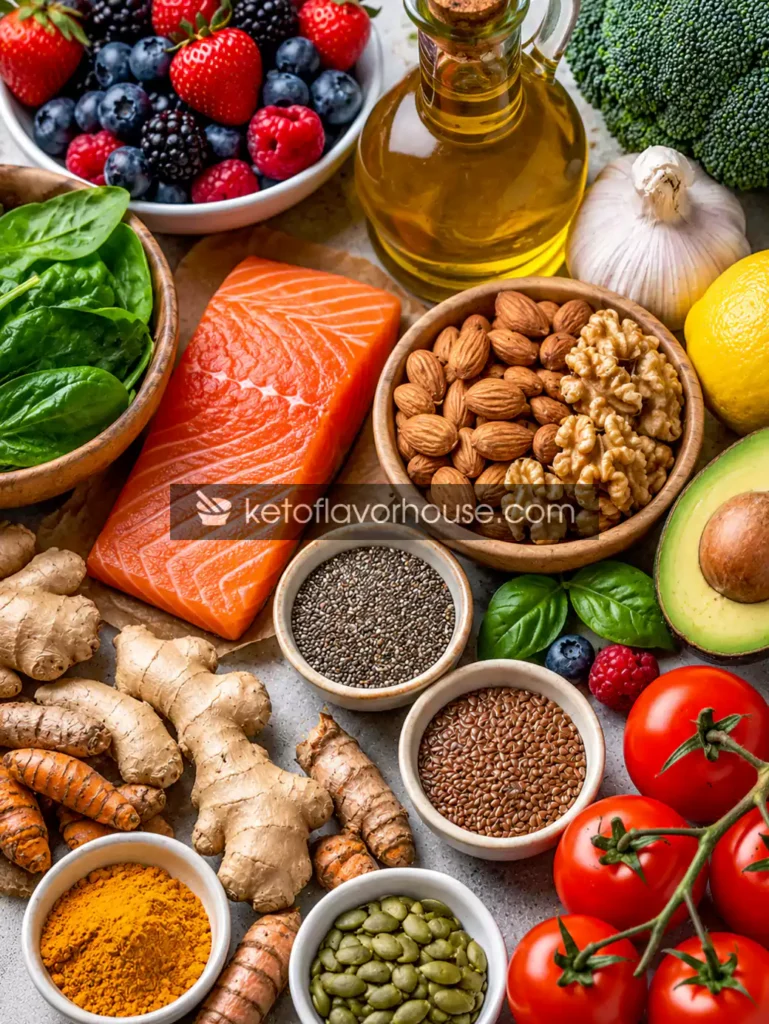
Foods like salmon, berries, leafy greens, olive oil, walnuts, and legumes are frequently associated with lower inflammatory markers in research because they provide a combination of these protective nutrients.
Additionally, high-fiber foods help nourish beneficial gut bacteria. Since gut health and inflammation are closely connected, improving the quality of your diet may positively influence digestion, satiety, and immune function.
Core Principles of This Meal Plan
This anti-inflammatory meal plan was built around five major nutrition principles.
1. Prioritizing Protein at Every Meal
Many anti-inflammatory meal plans online are too low in protein, which can leave people hungry and unsatisfied.
This guide includes balanced protein sources to help:
- Support fullness
- Reduce cravings
- Maintain lean muscle
- Improve meal satisfaction
- Stabilize energy levels
2. Focusing on Whole Foods
Most meals are built from minimally processed ingredients like vegetables, fish, lean proteins, nuts, seeds, legumes, and healthy fats.
3. Supporting Blood Sugar Stability
Meals combine:
- Protein
- Fiber
- Healthy fats
- Complex carbohydrates
This combination may help reduce large energy crashes and excessive hunger.
4. Including Gut-Friendly Foods
Fiber-rich ingredients help support digestive health and microbiome diversity.
5. Keeping Meals Realistic
The best meal plan is the one you can actually follow consistently. Every meal in this guide is practical for everyday life.
7-Day Anti-Inflammatory Meal Plan
Day 1 — Reset & Nourish
Breakfast
Blueberry Walnut Greek Yogurt Bowl
Creamy plain Greek yogurt topped with fresh blueberries, chopped walnuts, chia seeds, cinnamon, and a light drizzle of honey.
Why it works:
This breakfast delivers protein, probiotics, omega-3 fats, antioxidants, and fiber while helping keep blood sugar more stable than sugary breakfast cereals.
Lunch
Mediterranean Chicken Salad
Grilled chicken breast served over spinach, cucumbers, cherry tomatoes, red onion, avocado, olives, and extra virgin olive oil vinaigrette.
Why it works:
Olive oil and avocado provide healthy monounsaturated fats while colorful vegetables increase antioxidant intake.
Dinner
Garlic Herb Salmon with Quinoa & Roasted Broccoli
Oven-roasted salmon fillet served with fluffy quinoa and crispy roasted broccoli tossed in olive oil and garlic.
Why it works:
Salmon is one of the richest dietary sources of omega-3 fatty acids, which are heavily studied for their anti-inflammatory benefits.
Snack
Apple slices with almond butter and cinnamon
Day 2 — Gut Health Support
Breakfast
Cinnamon Berry Oatmeal
Rolled oats cooked in unsweetened almond milk with strawberries, flaxseeds, cinnamon, and crushed pecans.
Why it works:
Oats and flaxseeds provide soluble fiber that may support digestion and fullness.
Lunch
Turkey Avocado Lettuce Wraps
Lean sliced turkey wrapped in crisp romaine leaves with avocado, cucumber, carrots, hummus, and pumpkin seeds.
Dinner
Shrimp & Zucchini Skillet
Garlic shrimp sautéed with zucchini, bell peppers, spinach, and herbs served over cauliflower rice.
Why it works:
This dinner is lower in refined carbohydrates while remaining high in protein and vegetables.
Snack
Walnuts and green tea
Day 3 — Energy & Blood Sugar Balance
Breakfast
Spinach Mushroom Omelet
Two eggs cooked with spinach, mushrooms, onions, herbs, and olive oil.
Lunch
Anti-Inflammatory Quinoa Bowl
Quinoa layered with chickpeas, cucumbers, parsley, tomatoes, lemon dressing, and grilled chicken.
Why it works:
Combining fiber and protein may help support more stable energy levels throughout the afternoon.
Dinner
Lemon Chicken with Roasted Sweet Potatoes
Herb-marinated chicken breast paired with roasted sweet potatoes and asparagus.
Snack
Greek yogurt with cinnamon and chia seeds
Day 4 — High-Protein Recovery Day
Breakfast
Berry Protein Smoothie
Protein powder blended with spinach, mixed berries, chia seeds, almond milk, and frozen cauliflower for creaminess.
Lunch
Tuna Stuffed Avocados
Avocados filled with tuna salad made using olive oil mayo, celery, herbs, and lemon juice.
Dinner
Turkey Meatballs with Cauliflower Mash
Lean turkey meatballs served with garlic cauliflower mash and roasted Brussels sprouts.
Snack
Carrots and hummus
Day 5 — Fiber & Digestive Support
Breakfast
Avocado Egg Toast
Whole grain toast topped with smashed avocado, eggs, chili flakes, and hemp seeds.
Lunch
Hearty Lentil Soup
Slow-simmered lentils with carrots, celery, tomatoes, onions, garlic, and herbs served alongside a simple side salad.
Why it works:
Lentils are rich in fiber, plant protein, magnesium, and slow-digesting carbohydrates.
Dinner
Baked Cod with Green Beans & Quinoa
Lightly seasoned cod baked with olive oil, garlic, and herbs served with green beans and quinoa.
Snack
Mixed berries with almonds
Day 6 — Omega-3 & Antioxidant Focus
Breakfast
Cottage Cheese Power Bowl
Cottage cheese topped with strawberries, walnuts, hemp seeds, and cinnamon.
Lunch
Chicken Vegetable Stir-Fry
Chicken breast stir-fried with broccoli, peppers, snap peas, mushrooms, garlic, and ginger.
Dinner
Crispy Salmon with Sautéed Spinach
Pan-seared salmon served with garlic spinach and roasted cauliflower.
Why it works:
Dark leafy greens contain antioxidants and minerals that support overall health and recovery.
Snack
Dark chocolate with walnuts
Day 7 — Mediterranean-Inspired Balance
Breakfast
Berry Chia Pudding
Chia seeds soaked overnight in almond milk and topped with raspberries, blueberries, and crushed pistachios.
Lunch
Mediterranean Chicken Bowl
Grilled chicken with quinoa, cucumbers, tomatoes, olives, hummus, greens, and tahini drizzle.
Dinner
Lean Turkey Chili
Ground turkey simmered with beans, tomatoes, peppers, onions, garlic, and spices.
Snack
Cucumber slices with guacamole
Best Foods to Include on an Anti-Inflammatory Diet
Fatty Fish
- Salmon
- Sardines
- Trout
- Mackerel
High-Fiber Foods
- Oats
- Lentils
- Beans
- Chia seeds
- Vegetables
Healthy Fats
- Olive oil
- Avocados
- Walnuts
- Almonds
Antioxidant-Rich Produce
- Berries
- Spinach
- Kale
- Broccoli
- Tomatoes
Herbs & Spices
- Turmeric
- Ginger
- Garlic
- Cinnamon
Foods to Limit
For best results, reduce:
- Sugary drinks
- Excess alcohol
- Deep-fried foods
- Processed meats
- Packaged desserts
- Refined snack foods
- Fast food
- Excess added sugars
This does not mean you must eat perfectly. Focus on progress rather than extremes.
Anti-Inflammatory Grocery List
Proteins
- Salmon
- Chicken breast
- Turkey
- Tuna
- Eggs
- Greek yogurt
- Cottage cheese
Produce
- Spinach
- Broccoli
- Cauliflower
- Zucchini
- Blueberries
- Strawberries
- Avocados
- Sweet potatoes
Pantry Staples
- Olive oil
- Quinoa
- Oats
- Chia seeds
- Flaxseeds
- Lentils
- Almond butter
Expert Tips to Make This Meal Plan Sustainable
Prep Protein Ahead of Time
Cook chicken, turkey, or salmon in advance to make weekday meals easier.
Keep Healthy Snacks Visible
Easy access influences food choices more than motivation alone.
Build Balanced Plates
Aim for:
- Protein
- Vegetables
- Healthy fats
- Fiber-rich carbohydrates
at most meals.
Prioritize Sleep & Stress Management
Poor sleep and chronic stress may increase inflammatory markers regardless of diet quality.
Can an Anti-Inflammatory Diet Help With Weight Loss?
Many people naturally lose weight when transitioning from highly processed foods to more nutrient-dense meals.
This happens because anti-inflammatory eating patterns often:
- Increase fullness
- Improve protein intake
- Reduce excessive snacking
- Stabilize blood sugar
- Reduce ultra-processed foods
The result is usually better appetite control and improved diet quality overall.
Frequently Asked Questions
What is the fastest way to reduce inflammation in the body?
Improving sleep, reducing ultra-processed foods, eating more whole foods, increasing fiber intake, and managing stress may all help support lower inflammation levels over time.
Are eggs inflammatory?
For most healthy individuals, eggs can fit well into a balanced anti-inflammatory diet.
Is coffee allowed on an anti-inflammatory diet?
Coffee may fit into an anti-inflammatory eating pattern when consumed in moderation without excessive sugar.
What are the top anti-inflammatory foods?
Some of the most widely recommended options include:
- Salmon
- Olive oil
- Berries
- Leafy greens
- Walnuts
- Avocados
- Turmeric
Final Thoughts
An anti-inflammatory diet is not about perfection, detox teas, or cutting out entire food groups forever. The real goal is improving overall dietary quality while creating sustainable habits that support long-term wellness.
This 7-day anti-inflammatory meal plan focuses on realistic, high-protein, nutrient-dense meals designed to help you feel more energized, satisfied, and balanced while reducing reliance on highly processed foods.
Small consistent changes often create the biggest long-term results.