This post may contains Amazon affiliate and other affiliate links. If you make a purchase through these links, I may earn a small commission at no extra cost to you. Your support helps me continue to provide quality content. I only recommend products I personally trust and believe will add value to your experience. For more details, please visit my Privacy Policy.
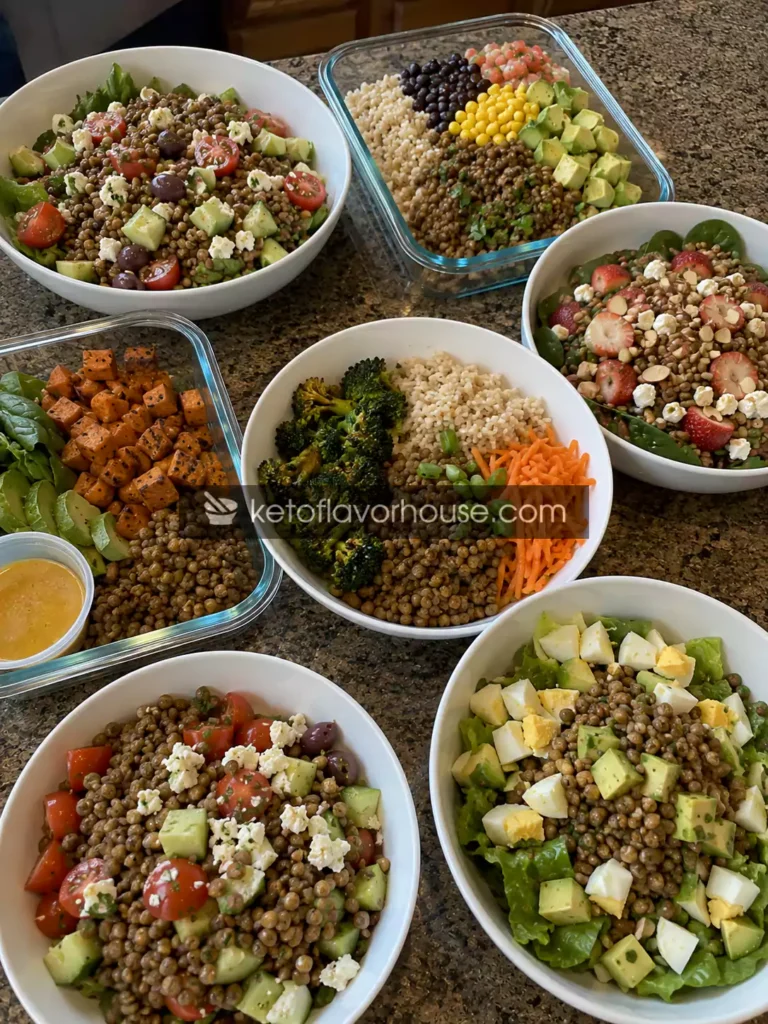
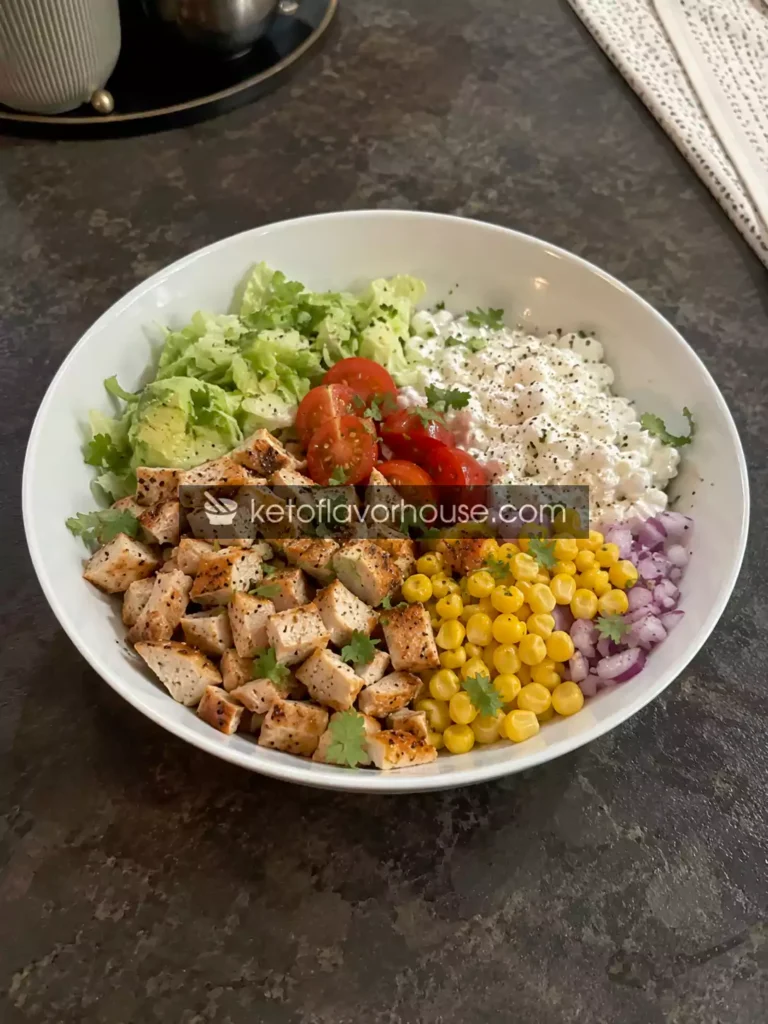
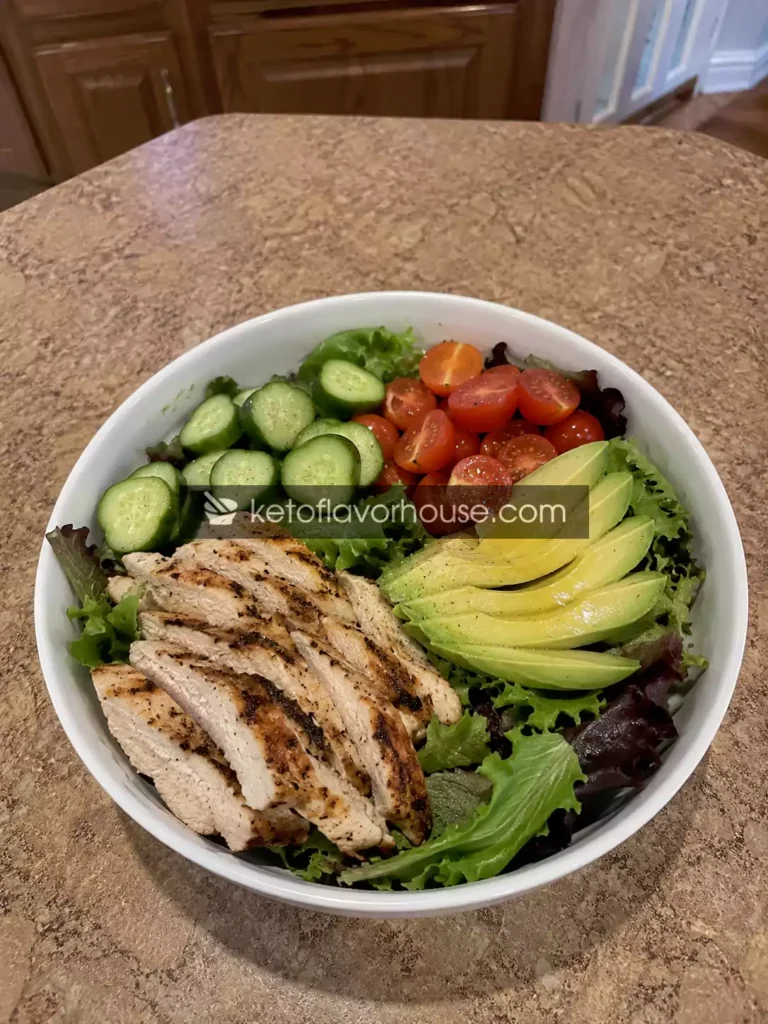
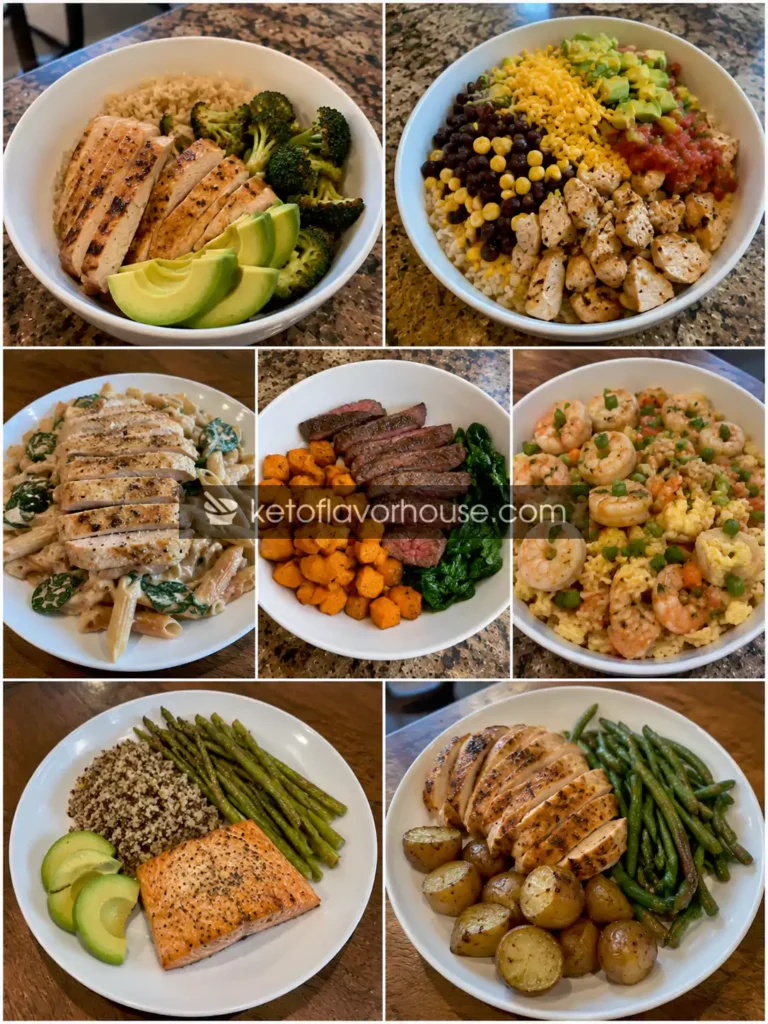
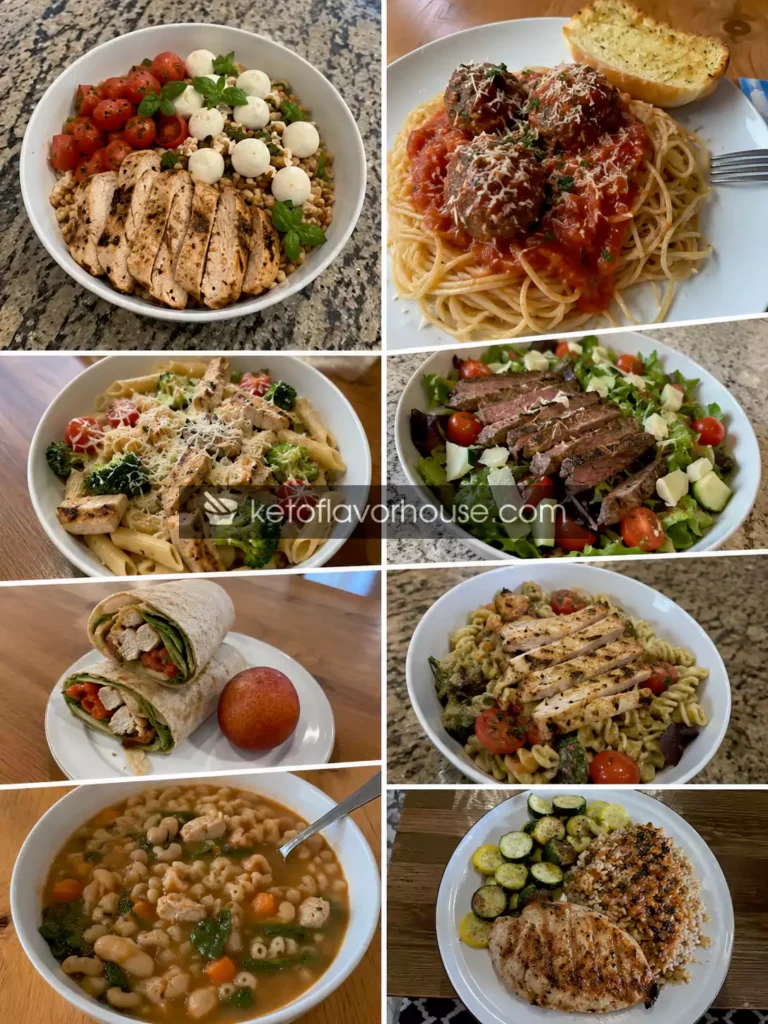
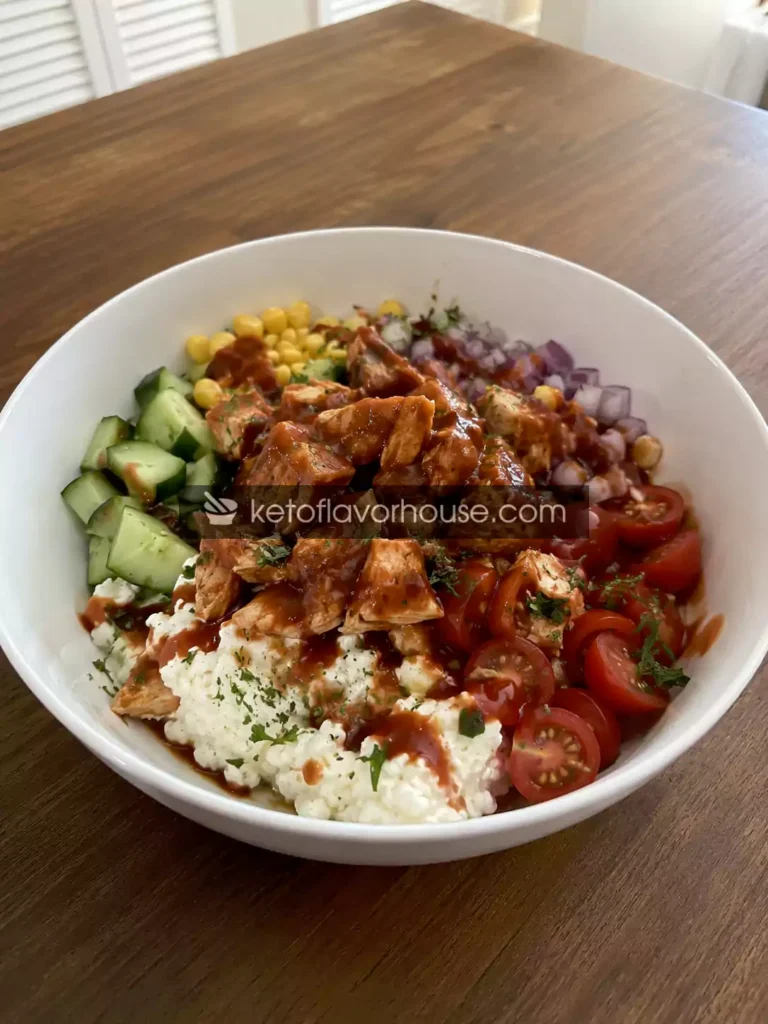
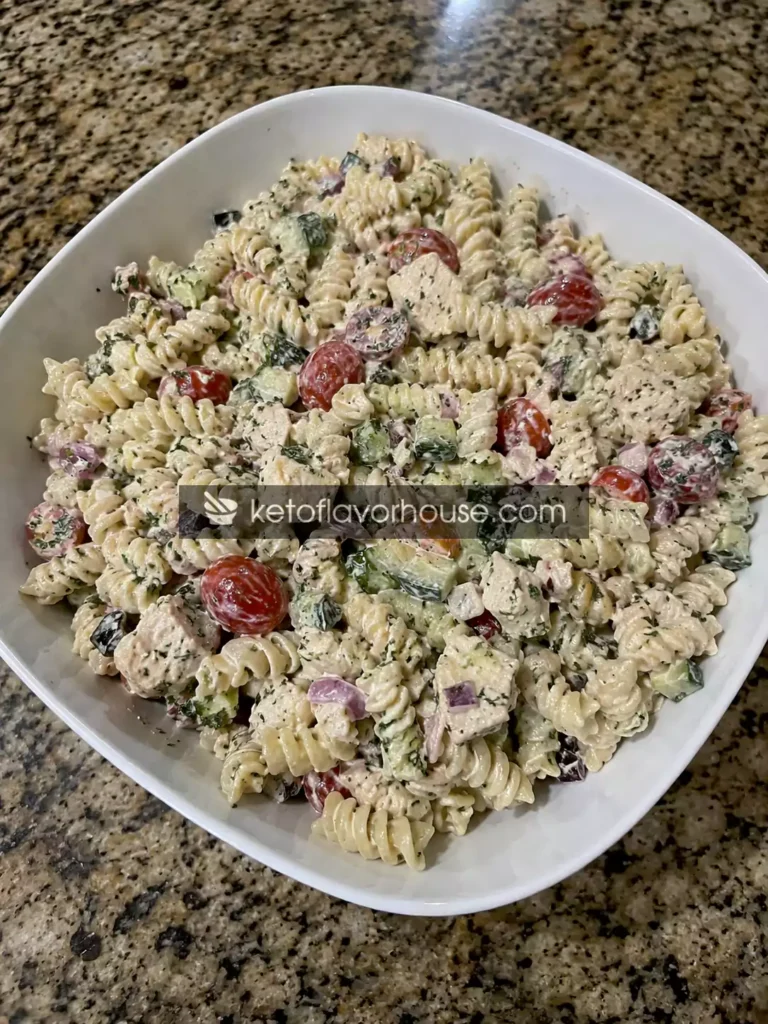
There are some recipes that become regulars in the kitchen almost by accident, and this 36g Protein Chicken Cottage Cheese Pasta Salad is exactly one of those meals for me. It started on a busy weekday when I wanted something filling enough to keep me energized for hours but refreshing enough to enjoy even on a warm afternoon. I had leftover grilled chicken, a container of cottage cheese waiting in the refrigerator, and some high-protein pasta from meal prep earlier in the week. Instead of making another ordinary chicken salad, I decided to combine everything into one creamy, colorful bowl—and it quickly became one of my favorite lunches.
If you’re trying to eat more protein without sacrificing flavor, this 36g Protein Chicken Cottage Cheese Pasta Salad deserves a permanent spot in your weekly rotation. Every bite delivers tender chicken, creamy cottage cheese, perfectly cooked pasta, crunchy vegetables, and a bright homemade dressing that ties everything together. It tastes indulgent while being packed with the nutrients your body needs for muscle recovery, satiety, and sustained energy.
One thing I appreciate most about this recipe is how balanced it feels. Unlike many pasta salads that rely heavily on mayonnaise or oil-based dressings, this version gets much of its creaminess from cottage cheese. That simple swap dramatically boosts the protein content while keeping the dish lighter and fresher. The result is a meal that feels satisfying instead of heavy.
Whether you’re someone who spends time at the gym, works long office hours, manages a busy household, or simply wants healthier lunches throughout the week, this recipe checks nearly every box. It stores beautifully, tastes even better after chilling, and can easily be customized based on what’s already in your refrigerator.
Another reason I keep returning to this recipe is its versatility. Sometimes I enjoy it after a workout when I need something rich in protein. Other times it becomes an easy packed lunch that keeps me full until dinner. I’ve even served it at family gatherings, and most people never realize they’re eating a healthier version of classic creamy pasta salad until I tell them the secret ingredient.
High-protein meals don’t have to be complicated or expensive. They certainly don’t have to taste bland. This recipe proves that simple ingredients can create something incredibly flavorful while supporting your nutrition goals at the same time.
The colorful vegetables add freshness and crunch, the chicken provides lean protein, the pasta makes the meal satisfying, and the cottage cheese creates an unbelievably creamy texture that blends beautifully into the dressing. Together, these ingredients create a balanced meal that’s delicious enough to crave and practical enough to prepare every week.
Whether your goal is building muscle, supporting weight loss, improving recovery after workouts, or simply eating meals that keep you satisfied longer, this protein-packed pasta salad delivers exactly what you’re looking for.
Why You’ll Love This Recipe
- 🥗 Delivers an impressive 36 grams of protein per serving.
- 🍗 Uses lean chicken breast for satisfying, high-quality protein.
- 🧀 Cottage cheese creates an ultra-creamy dressing without heavy mayonnaise.
- 🌈 Loaded with fresh vegetables for color, crunch, and nutrition.
- ⏱ Ready in about 30 minutes.
- 📦 Excellent for meal prep and weekday lunches.
- ❄ Tastes even better after chilling in the refrigerator.
- 💪 Great for post-workout recovery meals.
- 👨👩👧 Family-friendly and easy to customize.
- 🥄 Naturally filling, helping reduce unnecessary snacking.
- 🌿 Fresh herbs and seasonings create bright, vibrant flavor.
- 🥣 Easy enough for beginner cooks while still impressive enough to serve guests.
My Personal Experience
I’ll admit something—I used to think pasta salad was mostly reserved for summer picnics or backyard cookouts. Growing up, the versions I knew were loaded with mayonnaise, had very little protein, and often left me feeling hungry again just a couple of hours later.
Everything changed once I started focusing on eating more protein throughout the day.
One afternoon after finishing a workout, I realized I had leftover grilled chicken in the refrigerator and a nearly full container of cottage cheese that needed to be used. I also had some cooked high-protein pasta sitting in a meal prep container. Rather than making another chicken bowl, I decided to experiment.
At first, I wasn’t entirely convinced that cottage cheese belonged in pasta salad. It sounded unusual, and I wondered whether the texture would work. Instead of leaving it chunky, I blended it until completely smooth with a few pantry ingredients.
The transformation surprised me.
The blended cottage cheese became silky, creamy, and rich—almost like a healthier ranch dressing. Once everything was mixed together with the chicken and vegetables, you couldn’t even tell cottage cheese was the base. It simply tasted fresh, creamy, and incredibly satisfying.
Since then, this recipe has become one of my most reliable meal-prep lunches.
I usually make a large batch on Sunday afternoon while grilling chicken for the week. By Monday, the flavors have blended together beautifully. Tuesday and Wednesday lunches become effortless because everything is already prepared.
One unexpected benefit has been how filling it is.
Meals with enough protein help me avoid reaching for snacks an hour later. Instead of feeling sluggish during the afternoon, I stay energized for much longer. That’s something I never experienced with traditional pasta salads.
Friends who’ve tried this recipe are often surprised when I mention the dressing contains cottage cheese instead of lots of mayonnaise. Many have started making it themselves because it offers the creamy texture everyone loves while significantly increasing the protein content.
It’s also one of those meals that never feels repetitive. Some weeks I add extra herbs, other weeks I toss in roasted vegetables, and occasionally I add a little spice with crushed red pepper or jalapeños. The basic recipe stays the same, but small variations keep it exciting.
Whenever someone asks me for a meal that’s healthy, filling, easy to prepare, and genuinely delicious, this is one of the first recipes I recommend.
Required Equipment
Large Mixing Bowl
A spacious mixing bowl makes combining all of the ingredients much easier without spilling vegetables or pasta over the countertop. I always reach for my largest bowl because tossing everything gently helps keep the chicken tender and the vegetables crisp. If you don’t have one large bowl, two medium bowls work just as well before combining everything together.
Medium Saucepan
A reliable saucepan is essential for cooking the high-protein pasta evenly. I like using a heavy-bottomed saucepan because it distributes heat more consistently and prevents sticking. Be sure to cook the pasta until it’s just al dente since it will continue absorbing some moisture as it chills.
Colander
Properly draining the pasta is one of the easiest ways to improve the final texture. A sturdy colander removes excess water quickly and allows the pasta to cool evenly. I usually rinse the pasta briefly under cold water to stop the cooking process and keep the noodles from becoming too soft.
Grill Pan or Skillet
If you aren’t using leftover chicken, a grill pan or skillet is perfect for cooking juicy chicken breasts. I personally enjoy using a grill pan because the light char marks add wonderful flavor to the finished salad. A regular nonstick skillet also works beautifully.
Blender or Food Processor
This is probably my favorite tool for the recipe. Blending the cottage cheese creates a dressing that’s incredibly smooth and creamy. It’s the easiest way to make cottage cheese disappear into the sauce while keeping all of its protein.
If you don’t own a blender, an immersion blender or even vigorous whisking with very small-curd cottage cheese can still produce a good result, although the dressing won’t be quite as silky.
Chef’s Knife
Fresh vegetables make this pasta salad shine, so having a sharp chef’s knife makes prep work much quicker and safer. Uniformly diced vegetables also help every bite include a little bit of everything.
Cutting Board
I prefer using one cutting board exclusively for vegetables and another for raw chicken to avoid cross-contamination. If you’re working with pre-cooked chicken, a single cutting board is perfectly fine after washing it thoroughly.
Measuring Cups and Measuring Spoons
Accurate measurements help maintain the right balance between the creamy dressing, vegetables, pasta, and chicken. While experienced cooks often eyeball ingredients, measuring ensures consistent results every single time.
Silicone Spatula
A silicone spatula helps scrape every bit of the creamy dressing from the blender into the bowl. It’s also gentle enough to fold everything together without breaking apart the pasta or shredding the chicken too much.
Meal Prep Containers
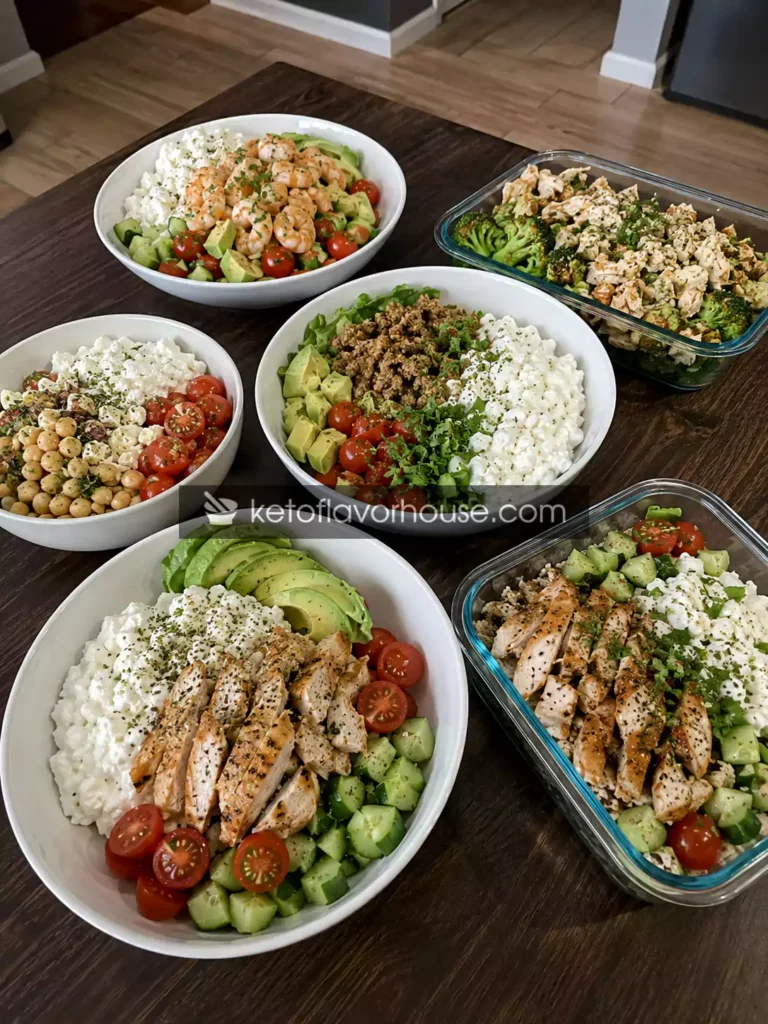
One reason I make this recipe so often is because it stores beautifully. Airtight meal prep containers keep the salad fresh for several days, making weekday lunches incredibly convenient. I like dividing the salad into individual portions immediately after mixing so lunch is already prepared whenever I need it.
Ingredients & Substitutions
One of the best things about this 36g Protein Chicken Cottage Cheese Pasta Salad is that every ingredient has a purpose. Instead of simply adding ingredients for appearance, each one contributes to the flavor, texture, or nutritional value of the finished dish. Together, they create a meal that’s balanced, satisfying, and packed with protein.
For the Pasta Salad
2 cups cooked high-protein pasta
High-protein pasta forms the hearty base of this recipe. Compared to traditional pasta, it contains significantly more protein and fiber, helping you stay full longer while supporting muscle recovery and daily protein goals.
Choose shapes like:
- Rotini
- Fusilli
- Penne
- Cavatappi
These shapes hold onto the creamy dressing much better than long noodles.
Substitutions
- Whole wheat pasta
- Chickpea pasta
- Lentil pasta
- Edamame pasta
- Regular pasta (protein content will be lower)
8 ounces grilled chicken breast, diced
Chicken breast is the star protein source in this recipe. It’s naturally lean, incredibly versatile, and absorbs seasonings beautifully.
For the juiciest chicken:
- Season generously before cooking.
- Avoid overcooking.
- Allow it to rest for at least five minutes before dicing.
Resting helps keep the meat moist instead of letting the juices run onto the cutting board.
Protein Benefits
Chicken breast is rich in complete protein, meaning it contains all nine essential amino acids that help build and repair muscle tissue.
Substitutions
- Rotisserie chicken
- Grilled turkey breast
- Shredded chicken thighs (slightly higher in fat)
- Leftover baked chicken
- Plant-based chicken substitute
½ cup low-fat cottage cheese
This ingredient completely transforms the recipe.
Instead of relying solely on mayonnaise, cottage cheese provides incredible creaminess while dramatically increasing the protein content.
When blended, it becomes silky smooth, almost like a creamy ranch dressing.
Many people who normally dislike cottage cheese don’t even realize it’s there.
Nutrition Benefits
Cottage cheese provides:
- Slow-digesting casein protein
- Calcium
- Vitamin B12
- Phosphorus
These nutrients support bone health and muscle recovery.
Substitutions
- Full-fat cottage cheese
- Reduced-fat cottage cheese
- Plain Greek yogurt
- Blended ricotta cheese
Greek yogurt creates a slightly tangier dressing while maintaining excellent protein levels.
¼ cup plain Greek yogurt
Adding Greek yogurt makes the dressing even lighter while introducing a pleasant tang.
It also increases protein without adding excessive calories.
Greek yogurt works especially well alongside cottage cheese because the two ingredients create a smooth, balanced consistency.
Substitutions
- More blended cottage cheese
- Skyr yogurt
- Light sour cream
¼ cup diced cucumber
Fresh cucumber brings coolness and crunch.
It balances the creamy dressing and keeps every bite refreshing.
English cucumbers are my favorite because they’re less watery and contain fewer seeds.
Substitutions
- Persian cucumbers
- Celery
- Chopped zucchini (raw)
¼ cup cherry tomatoes, halved
Cherry tomatoes add bursts of sweetness and acidity that brighten the entire salad.
Their natural juices mix with the dressing, creating even more flavor after chilling.
Substitutions
- Roma tomatoes
- Grape tomatoes
- Diced heirloom tomatoes
If using larger tomatoes, remove some seeds to prevent excess moisture.
¼ cup diced red onion
Red onion adds a mild sharpness that balances the creamy ingredients.
Finely dicing the onion distributes flavor evenly throughout the salad.
If you’re sensitive to raw onion, soak the diced pieces in cold water for 10 minutes before adding them.
This simple trick removes much of the bite while preserving flavor.
Substitutions
- Green onions
- Shallots
- Sweet onion
2 tablespoons chopped fresh parsley
Fresh parsley gives the salad a clean, bright finish.
It also adds:
- Vitamin C
- Vitamin K
- Antioxidants
Fresh herbs make the recipe taste lighter and more vibrant.
Substitutions
- Fresh dill
- Fresh basil
- Fresh cilantro
- Chives
1 tablespoon chopped fresh dill (optional)
Dill pairs beautifully with cottage cheese.
Its slightly grassy, tangy flavor makes the dressing taste fresher and more complex.
If you’re already a fan of creamy cucumber salads, you’ll probably love adding dill here.
For the Creamy High-Protein Dressing
2 tablespoons light mayonnaise
Although cottage cheese does most of the work, a small amount of mayonnaise adds richness and helps create that familiar pasta salad flavor.
Keeping the amount small prevents the salad from becoming overly heavy.
Substitutions
- Extra Greek yogurt
- Extra blended cottage cheese
- Light avocado mayonnaise
1 tablespoon Dijon mustard
Dijon mustard provides:
- Tanginess
- Mild spice
- Depth of flavor
It also helps emulsify the dressing.
Substitutions
- Yellow mustard
- Whole-grain mustard
- Spicy brown mustard
1 tablespoon fresh lemon juice
Fresh lemon juice brightens every ingredient.
It cuts through the richness while enhancing the fresh vegetables.
Freshly squeezed lemon always tastes better than bottled juice.
Substitutions
- Apple cider vinegar
- White wine vinegar
- Fresh lime juice
1 teaspoon garlic powder
Garlic powder adds savory depth without overpowering the dressing.
It distributes more evenly than fresh garlic.
Substitutions
- One minced garlic clove
- Roasted garlic
1 teaspoon onion powder
Onion powder enhances the natural sweetness of the vegetables while deepening the dressing’s overall flavor.
½ teaspoon smoked paprika
Smoked paprika contributes subtle smoky notes that pair especially well with grilled chicken.
It also gives the dressing a warm color.
Substitutions
- Regular paprika
- Chipotle powder (spicier)
- Cajun seasoning
Salt and freshly ground black pepper to taste
Season gradually.
Remember that cottage cheese already contains sodium, so taste before adding extra salt.
How to Make 36g Protein Chicken Cottage Cheese Pasta Salad
Making this salad is surprisingly simple, but paying attention to a few small details will make the difference between a good pasta salad and one that’s absolutely outstanding.
Step 1: Cook the Pasta
Bring a large pot of generously salted water to a boil.
Cook the high-protein pasta according to the package directions until it’s al dente.
Avoid overcooking.
Protein pasta tends to soften more quickly than regular pasta after it’s mixed with dressing.
Mini Tip
Start checking the pasta about one minute before the package suggests.
Slightly firm pasta produces the best texture after chilling.
Step 2: Drain and Cool
Drain the pasta immediately.
Rinse briefly under cool water to stop the cooking process.
Spread the pasta across a baking sheet or large plate for a few minutes.
Cooling prevents the dressing from becoming watery later.
Mini Tip
Don’t leave the pasta sitting in the colander too long.
It may continue steaming and become mushy.
Step 3: Cook the Chicken
Season the chicken breast with:
- Salt
- Black pepper
- Garlic powder
- Paprika
Heat a grill pan or skillet over medium-high heat.
Cook the chicken for approximately 5–7 minutes per side, depending on thickness.
The internal temperature should reach 165°F (74°C).
Allow the chicken to rest before dicing.
Mini Tip
Never cut into chicken immediately after cooking.
Resting keeps the juices inside the meat instead of running onto the cutting board.
Step 4: Prepare the Cottage Cheese Dressing
Add to a blender:
- Cottage cheese
- Greek yogurt
- Mayonnaise
- Dijon mustard
- Lemon juice
- Garlic powder
- Onion powder
- Smoked paprika
- Salt
- Pepper
Blend until perfectly smooth.
The dressing should resemble a creamy ranch-style sauce.
Mini Tip
Blend for an extra 30 seconds longer than you think necessary.
The smoother the dressing becomes, the creamier the finished salad will taste.
Step 5: Chop the Vegetables
Dice the cucumber.
Halve the cherry tomatoes.
Finely chop the onion.
Roughly chop the parsley and dill.
Try to keep everything a similar size so every bite has a balanced combination of flavors and textures.
Step 6: Combine Everything
In your large mixing bowl, combine:
- Cooked pasta
- Diced chicken
- Cucumbers
- Tomatoes
- Onion
- Herbs
Pour the creamy dressing over the top.
Using a silicone spatula, gently fold everything together until evenly coated.
Mini Tip
Avoid stirring aggressively.
Gentle folding keeps the vegetables crisp and prevents the pasta from breaking apart.
Step 7: Chill Before Serving
Cover the bowl and refrigerate for at least 30 minutes.
This resting time allows:
- The pasta to absorb flavor
- The dressing to thicken slightly
- The herbs to become more fragrant
Honestly, I think the salad tastes even better after two or three hours.
It’s one of those recipes that improves as the flavors have time to mingle.
Optional Air Fryer Chicken Method
If you love using your air fryer, it’s an excellent option for preparing the chicken.
- Preheat to 380°F (193°C).
- Lightly coat the seasoned chicken with cooking spray.
- Cook for 14–16 minutes, flipping halfway through.
- Verify the internal temperature reaches 165°F.
- Let the chicken rest before dicing.
Air-fried chicken stays juicy inside while developing a lightly crisp exterior that adds extra texture to the salad.
Optional Oven Method
Preheat the oven to 400°F (204°C).
Place the seasoned chicken breasts on a parchment-lined baking tray.
Bake for 20–25 minutes, depending on thickness, until fully cooked.
Allow the chicken to rest for five minutes before cutting.
Baking is one of the easiest hands-off methods and works especially well when you’re preparing several portions for meal prep.
Optional Stovetop Method
Heat one tablespoon of olive oil in a large skillet over medium heat.
Cook the seasoned chicken for 5–7 minutes per side, adjusting the time based on thickness.
Avoid constantly flipping the chicken.
Letting it cook undisturbed creates better browning and locks in moisture.
Once cooked, remove it from the pan and let it rest before dicing and adding it to the salad.
Common Mistakes to Avoid
Even though this recipe is simple, a few small mistakes can affect the texture, flavor, and overall quality of the finished pasta salad. Over the years, I’ve made nearly every mistake possible, and learning from them has made this one of the most dependable meals in my weekly rotation.
Overcooking the Pasta
One of the biggest mistakes is cooking the pasta too long. High-protein pasta behaves a little differently than traditional wheat pasta. It continues to soften after it’s mixed with dressing and refrigerated.
If the pasta is already very soft when you drain it, it can become mushy after chilling.
Fix: Cook only until al dente and rinse briefly with cool water to stop the cooking process.
Mixing the Dressing with Hot Pasta
Warm pasta absorbs dressing unevenly and can cause the dairy ingredients to separate slightly.
Instead of a creamy salad, you may end up with a watery dressing.
Fix: Let the pasta cool completely before combining everything.
Using Dry Chicken
Chicken breast is naturally lean, which means it’s easy to overcook.
Dry chicken can make the entire salad feel less enjoyable.
Fix: Cook only until the internal temperature reaches 165°F (74°C), then let it rest before dicing.
Skipping the Resting Time
Many people want to eat the salad immediately after mixing.
While it certainly tastes good right away, it becomes significantly better after chilling.
The dressing thickens, the pasta absorbs flavor, and the herbs become more aromatic.
Fix: Refrigerate for at least 30 minutes before serving.
Under-Seasoning the Dressing
Because the dressing contains cottage cheese and yogurt, it needs enough seasoning to keep the flavors vibrant.
Taste before serving.
Sometimes a little extra lemon juice, black pepper, or fresh herbs is all it needs.
Adding Too Many Watery Vegetables
Vegetables like tomatoes and cucumbers naturally release moisture.
Adding excessive amounts can thin the dressing after several hours.
Fix: Stick close to the recipe measurements and remove excess seeds from larger tomatoes if necessary.
Stirring Too Aggressively
Pasta salads don’t need vigorous mixing.
Over-stirring can break the pasta and bruise the vegetables.
Fix: Fold everything together gently using a silicone spatula.
Forgetting to Taste Before Serving
Cold foods naturally mute flavors.
A salad that tastes perfectly seasoned while warm may taste bland after refrigeration.
Always taste once it’s chilled.
A squeeze of lemon or pinch of salt often brings everything back to life.
Pro Tips for Best Results
Little details make a huge difference with recipes like this. These are the habits I’ve developed after making this pasta salad dozens of times.
Blend the Cottage Cheese Until Completely Smooth
This is my number one recommendation.
Even if you don’t normally enjoy cottage cheese, blending transforms it into an incredibly creamy dressing.
No noticeable curds.
No grainy texture.
Just silky smooth goodness.
Season Every Layer
Instead of seasoning only the dressing, lightly season:
- Chicken
- Pasta water
- Dressing
Layering flavor creates a much richer final dish.
Use Fresh Herbs
Fresh parsley and dill completely outperform dried herbs here.
They add freshness that makes the salad taste homemade instead of store-bought.
Grill the Chicken Whenever Possible
Those light grill marks contribute smoky flavor that pairs beautifully with the creamy dressing.
It’s a small step that adds big flavor.
Chill Before Eating
I actually prefer this salad after it’s been refrigerated for several hours.
Everything tastes more balanced.
Add Crunch Right Before Serving
If adding nuts or crispy toppings, wait until serving time.
This keeps every bite pleasantly crunchy.
Keep Calories in Check While Boosting Protein
One of my favorite strategies is replacing most of the mayonnaise with blended cottage cheese and Greek yogurt.
You still get a creamy dressing but with:
- More protein
- Less saturated fat
- Fewer calories
That’s one reason this recipe feels satisfying without feeling overly heavy.
Double the Recipe for Meal Prep
Since the salad stores well, I often make a double batch.
Lunches are already prepared for several busy weekdays, which saves both time and money.
High-Protein Nutrition & Strategy
One reason I enjoy developing high-protein recipes is because they’re practical for almost everyone—not just athletes.
Protein plays an important role in repairing tissues, maintaining muscle, supporting immune function, and helping you stay satisfied after meals. Many people focus only on calories, but protein deserves equal attention because it affects how long you stay full and how well your body recovers from everyday activity.
This recipe combines several excellent protein sources into one balanced meal.
The grilled chicken provides complete, lean protein that supports muscle maintenance and recovery. Cottage cheese contributes slow-digesting casein protein, which helps provide a steady supply of amino acids over time. Greek yogurt adds another boost of protein while also contributing calcium and beneficial nutrients.
High-protein pasta adds even more protein compared to traditional pasta, making every serving more satisfying without dramatically changing the familiar texture people already enjoy.
Together, these ingredients create a meal that’s balanced instead of relying on a single protein source.
Why Protein Matters
Protein supports many essential functions, including:
- Muscle growth and maintenance
- Recovery after exercise
- Increased satiety
- Stable energy throughout the day
- Healthy aging
- Everyday tissue repair
Including protein in every meal can also make it easier to manage hunger, especially during busy workdays.
Perfect for Meal Prep
This recipe was practically made for meal prep.
Unlike leafy salads that wilt after a day, this pasta salad actually improves after chilling.
I often portion it into individual containers immediately after making it.
By lunchtime the next day, the flavors have blended beautifully.
It saves valuable time during hectic weekdays and reduces the temptation to order less nutritious takeout.
Excellent Post-Workout Fuel
After strength training or an intense workout, your muscles need protein to recover.
This recipe supplies a generous amount of complete protein while also providing carbohydrates from the pasta to help replenish energy stores.
That combination makes it an ideal post-workout meal.
Great for Everyday Eating
Even if you never step inside a gym, protein-rich meals still have tremendous value.
They help keep you satisfied longer, support daily energy levels, and provide nutrients your body uses every day.
This isn’t just “fitness food.”
It’s simply delicious food that also happens to support healthy eating goals.
Variations You Can Try
One reason this recipe never becomes boring is how easy it is to customize.
Here are some of my favorite variations.
Spicy Southwest Version
Add:
- Jalapeños
- Chili powder
- Smoked paprika
- Pepper Jack cheese
- Cilantro
This variation has a bold kick while maintaining similar protein levels.
Buffalo Chicken Version
Mix buffalo sauce into the dressing and finish with diced celery and green onions.
It’s creamy, spicy, and perfect for anyone who loves buffalo chicken.
Mediterranean Style
Replace parsley with basil and add:
- Kalamata olives
- Cucumbers
- Feta cheese
- Roasted red peppers
This version becomes bright, fresh, and colorful.
Keep in mind that adding feta slightly changes the protein-to-fat ratio while increasing the savory flavor.
Ranch Style
Add:
- Ranch seasoning
- Chopped chives
- Dill
- Extra black pepper
The dressing tastes remarkably similar to traditional ranch while remaining much higher in protein.
Extra Cheesy Version
Mix in:
- Reduced-fat cheddar
- Parmesan
- Mozzarella pearls
Adding cheese increases both protein and calories, making the salad even more satisfying.
Avocado Chicken Pasta Salad
Fold in diced avocado immediately before serving.
The avocado contributes healthy fats and an incredibly creamy texture.
Since avocado browns quickly, avoid adding it until you’re ready to eat.
Garden Vegetable Version
Increase the vegetables by adding:
- Bell peppers
- Broccoli florets
- Carrots
- Snap peas
- Radishes
The extra vegetables increase fiber and volume while only slightly affecting calories.
Turkey Version
Replace grilled chicken with roasted turkey breast.
The protein content remains nearly identical while offering a slightly different flavor profile.
Lower-Carb Version
Reduce the amount of pasta and replace part of it with:
- Cauliflower florets
- Broccoli
- Zucchini
This lowers total carbohydrates while maintaining a satisfying serving size.
Tips for This Recipe
A few simple serving tricks can make this already delicious recipe even better.
Serve it well chilled for the freshest flavor and creamiest texture. The dressing thickens slightly as it rests, coating every piece of pasta and chicken more evenly.
For an attractive presentation, sprinkle freshly chopped parsley, cracked black pepper, and a light dusting of smoked paprika over the top just before serving. These finishing touches add color without much extra effort.
If you’re packing this salad for lunch, keep a lemon wedge on the side. A quick squeeze of fresh lemon right before eating brightens all of the flavors and makes the salad taste freshly made.
Want an even bigger protein boost? Stir in a few extra spoonfuls of blended cottage cheese just before serving. It blends seamlessly into the dressing while increasing protein without significantly changing the flavor.
Another easy trick is to prepare the chicken a day in advance. Chilled chicken dices more neatly and saves valuable time when assembling the salad.
If you’re serving this at a picnic or gathering, keep it chilled over ice or in an insulated cooler. Since the dressing contains dairy, maintaining a cool temperature preserves both texture and food safety.
Finally, don’t be afraid to adjust the consistency. If the salad thickens after a day in the refrigerator, simply stir in a tablespoon or two of plain Greek yogurt or a splash of milk to restore its creamy texture without diluting the flavor.
Optional Additions
One of the things I love most about this 36g Protein Chicken Cottage Cheese Pasta Salad is how easy it is to customize. Whether your goal is increasing protein, adding healthy fats, improving texture, or simply using ingredients you already have on hand, there are countless ways to make this recipe your own.
The key is to choose additions that complement the creamy dressing without overpowering the fresh vegetables and tender chicken. Here are some of my favorite mix-ins that I’ve experimented with over time.
Chia Seeds
Chia seeds may be tiny, but they’re packed with nutrition. They provide fiber, plant-based protein, omega-3 fatty acids, and important minerals like calcium and magnesium.
Adding one or two teaspoons won’t noticeably change the flavor, but it will increase the fiber content and make the salad even more satisfying.
Nutrition Impact
- Adds fiber
- Slight protein boost
- Healthy fats
- Mild crunch
Hemp Hearts
Hemp hearts are one of my favorite ways to add extra protein without changing the overall taste of the recipe.
They have a mild, nutty flavor and blend seamlessly into the creamy dressing.
They’re also rich in healthy fats and minerals, making them an excellent addition for anyone looking to improve the nutritional value of their meals.
Nutrition Impact
- Extra complete plant protein
- Healthy omega fats
- Creamy texture
Chopped Hard-Boiled Eggs
If you’re looking for an even more filling meal, chopped hard-boiled eggs work beautifully in this pasta salad.
The yolks make the dressing taste even richer while the whites contribute additional high-quality protein.
Nutrition Impact
- More complete protein
- Added vitamins
- Richer texture
Extra Cottage Cheese
Sometimes I simply fold in another few tablespoons of cottage cheese instead of blending all of it.
The small curds create a pleasant texture while increasing the protein content even further.
If you enjoy cottage cheese, this is an easy way to boost protein without adding many extra calories.
Reduced-Fat Shredded Cheese
A small handful of shredded cheddar, mozzarella, or Monterey Jack adds another layer of flavor.
While cheese increases calories slightly, it also contributes extra protein and calcium.
I recommend using reduced-fat varieties if you’re trying to keep the recipe lighter.
Roasted Chickpeas
For a little crunch, roasted chickpeas are fantastic.
Unlike croutons, they also contribute protein and fiber.
Add them immediately before serving to keep them crispy.
Sunflower Seeds
Sunflower seeds add a subtle nutty flavor and satisfying crunch.
They’re especially good if you’re preparing this salad for picnics or outdoor lunches because they hold their texture well.
Sliced Almonds
Toasted sliced almonds create a completely different texture.
Just a small handful adds crunch without overwhelming the creamy dressing.
They also provide healthy fats and vitamin E.
Diced Avocado
Fresh avocado creates an incredibly creamy bite while contributing heart-healthy monounsaturated fats.
Because avocado browns quickly, I always add it immediately before serving rather than mixing it into meal-prep containers.
Fresh Herbs
Never underestimate what fresh herbs can do.
Besides parsley and dill, consider adding:
- Basil
- Chives
- Cilantro
- Tarragon
Fresh herbs make the entire salad taste brighter and fresher.
Red Pepper Flakes
If you enjoy a little heat, sprinkle in some crushed red pepper flakes.
The creamy dressing balances the spice perfectly.
Everything Bagel Seasoning
This seasoning blend adds:
- Garlic
- Onion
- Sesame seeds
- Poppy seeds
It’s an easy shortcut for adding lots of flavor without extra work.
Whey Protein (Not Recommended)
Some people ask whether they can mix unflavored whey protein directly into the dressing.
Technically, yes—but I usually don’t recommend it.
It can make the dressing noticeably thicker and slightly chalky if too much is added.
If you decide to try it, start with a very small amount and blend thoroughly.
Personally, I think the chicken, cottage cheese, Greek yogurt, and high-protein pasta already provide more than enough protein without needing supplements.
Serving Ideas
This pasta salad is incredibly versatile, which is one of the reasons I make it so often. It works equally well as a quick weekday lunch, a satisfying dinner, or part of a larger spread for family gatherings.
Meal Prep Lunches
This is probably my favorite way to enjoy it.
Divide the salad into individual airtight containers after it’s finished chilling.
When lunchtime arrives, simply grab a container from the refrigerator.
No reheating.
No extra dishes.
Just a balanced, protein-packed meal that’s ready to eat.
Post-Workout Recovery Meal
Thanks to its combination of lean protein and carbohydrates, this salad makes an excellent recovery meal after exercise.
The protein supports muscle repair, while the pasta helps replenish energy stores.
It’s filling without feeling overly heavy.
Light Summer Dinner
On warm evenings, I often pair this salad with:
- Fresh fruit
- Sparkling water with lemon
- Steamed vegetables
- A simple green salad
The result is a refreshing dinner that doesn’t require turning on the oven again.
Potlucks and Family Gatherings
Traditional pasta salads are always popular, but this protein-packed version offers something a little different.
Guests often comment on how creamy it is without realizing cottage cheese is the secret ingredient.
It also travels well, making it perfect for picnics and cookouts.
Office Lunch
Unlike many lunches that leave you hungry an hour later, this one stays satisfying throughout the afternoon.
I especially appreciate that it tastes great straight from the refrigerator.
No microwave required.
Weekend Meal Prep
Every Sunday I like to grill several chicken breasts.
Making this salad at the same time allows me to prepare multiple lunches in one session.
Future me is always thankful.
Protein-Packed Picnic Meal
Pack the salad in a chilled cooler alongside:
- Fresh vegetables
- Whole grain crackers
- Fresh berries
- Bottled water
It’s refreshing, filling, and easy to transport.
Family Dinner Side Dish
Although hearty enough to serve as a complete meal, this salad also pairs beautifully alongside:
- Grilled chicken
- Turkey burgers
- Baked fish
- Roasted vegetables
Storage Recommendations
One of the biggest advantages of this recipe is how well it stores.
In fact, I often think it tastes even better the following day.
Refrigerator
Store the pasta salad in an airtight container in the refrigerator for up to 4 days.
The flavors continue blending overnight, creating an even more delicious salad.
If the dressing thickens after chilling, stir in:
- One tablespoon Greek yogurt
- A splash of milk
- A teaspoon of lemon juice
This restores the creamy consistency without watering it down.
Freezer
Because the dressing contains cottage cheese, Greek yogurt, and fresh vegetables, I generally do not recommend freezing this recipe.
Freezing changes the texture of the dairy and vegetables considerably.
The salad may become watery after thawing.
If you want to prepare portions in advance, freeze only the cooked chicken separately and assemble the salad fresh later.
Best Reheating Method
Since this is a cold pasta salad, reheating usually isn’t necessary.
However, if you prefer the chicken slightly warm, remove it from the salad before heating.
Warm the chicken gently in the microwave for 20–30 seconds, then return it to the chilled pasta salad just before serving.
This creates a pleasant contrast between the warm chicken and cool creamy pasta.
Meal Prep Tips
For maximum freshness:
- Store in airtight containers.
- Keep herbs fresh by adding extra chopped parsley just before serving.
- Add avocado only when ready to eat.
- Keep crunchy toppings separate until serving.
- Stir before eating to redistribute the dressing evenly.
With these simple habits, your meal-prep lunches will stay fresh, creamy, and delicious throughout the week.
Frequently Asked Questions (FAQ)
Can I use regular pasta instead of high-protein pasta?
Absolutely. Regular pasta works perfectly if that’s what you have available. However, using traditional pasta will reduce the overall protein content per serving. If your goal is maximizing protein intake, high-protein pasta is the better choice.
Can I make this recipe ahead of time?
Yes, and I actually recommend it.
Preparing the salad several hours in advance allows the dressing to soak into the pasta and helps all of the flavors blend together. Many people, myself included, think it tastes even better the next day.
Is this recipe good for meal prep?
Definitely.
It’s one of my favorite meal-prep lunches because it stores well for several days, doesn’t require reheating, and stays filling thanks to its high protein content.
Can I use rotisserie chicken?
Yes.
Rotisserie chicken is one of the easiest shortcuts for busy days.
Simply remove the skin if you prefer a leaner meal, then shred or dice the meat before mixing it into the salad.
Can I use plant-based protein instead of chicken?
Absolutely.
You can substitute grilled tofu, tempeh, or your favorite plant-based chicken alternative.
Keep in mind that the protein content and flavor profile will vary slightly depending on the product you choose.
Is this recipe suitable after a workout?
Yes.
The combination of lean protein, dairy protein, and carbohydrates makes it an excellent post-workout meal.
It helps replenish energy while providing the protein your muscles need for recovery.
Can I make it lower in carbohydrates?
Yes.
Replace part of the pasta with steamed broccoli, cauliflower florets, zucchini, or extra cucumbers.
You’ll reduce the carbohydrate content while still enjoying a satisfying, protein-rich meal.
Can I use full-fat cottage cheese?
Certainly.
Full-fat cottage cheese creates an even richer and creamier dressing.
It will increase the calorie and fat content slightly, but it still provides excellent protein and works beautifully in this recipe.
Nutritional Breakdown (Per Serving)
Approximate values. Nutrition may vary slightly depending on the specific brands of high-protein pasta, cottage cheese, Greek yogurt, and other ingredients used.
| Nutrient | Amount Per Serving |
|---|---|
| Calories | 445 |
| Protein | 36g |
| Total Fat | 12g |
| Saturated Fat | 3g |
| Carbohydrates | 42g |
| Fiber | 8g |
| Net Carbs | 34g |
| Sugar | 6g |
| Sodium | 590mg |
| Calcium | 220mg |
| Iron | 3mg |
The combination of lean chicken breast, cottage cheese, Greek yogurt, and high-protein pasta creates a meal that’s exceptionally satisfying without being overly heavy. It delivers an excellent balance of protein, carbohydrates, and healthy fats, making it suitable for lunch, dinner, or post-workout recovery.
📌 Recipe Snapshot
Recipe Name: 36g Protein Chicken Cottage Cheese Pasta Salad
Prep Time: 15 minutes
Cook Time: 15 minutes
Total Time: 30 minutes
Course: Lunch, Main Course, Meal Prep
Cuisine: American
Servings: 4
Calories: 445 per serving
Protein: 36g per serving
36g Protein Chicken Cottage Cheese Pasta Salad

Ingredients
- 2 cups cooked high-protein rotini or penne pasta
- 8 ounces grilled chicken breast diced
- ½ cup low-fat cottage cheese
- ¼ cup plain Greek yogurt
- 2 tablespoons light mayonnaise
- 1 tablespoon Dijon mustard
- 1 tablespoon fresh lemon juice
- ¼ cup diced cucumber
- ¼ cup halved cherry tomatoes
- ¼ cup diced red onion
- 2 tablespoons chopped fresh parsley
- 1 tablespoon chopped fresh dill optional
- 1 teaspoon garlic powder
- 1 teaspoon onion powder
- ½ teaspoon smoked paprika
- Salt to taste
- Black pepper to taste
Instructions
- Bring a large pot of salted water to a boil and cook the high-protein pasta according to the package directions until it reaches an al dente texture. Be careful not to overcook, as the pasta will continue to soften slightly after being mixed with the dressing. Drain the pasta, rinse briefly under cool water to stop the cooking process, and allow it to cool completely.
- While the pasta cooks, season the chicken breast with salt, black pepper, garlic powder, and a light sprinkle of smoked paprika. Cook the chicken in a skillet, grill pan, air fryer, or oven until it reaches an internal temperature of 165°F (74°C). Let it rest for at least five minutes before cutting it into bite-sized pieces to keep it juicy.
- Add the cottage cheese, Greek yogurt, light mayonnaise, Dijon mustard, fresh lemon juice, garlic powder, onion powder, smoked paprika, salt, and black pepper to a blender or food processor. Blend for about one minute, or until the dressing becomes completely smooth, creamy, and lump-free.
- Dice the cucumber into small, even pieces, halve the cherry tomatoes, finely chop the red onion, and chop the fresh parsley and dill. Preparing the vegetables in similar sizes helps create balanced bites throughout the salad.
- Place the cooled pasta into a large mixing bowl. Add the diced grilled chicken, cucumber, tomatoes, red onion, parsley, and dill.
- Pour the creamy cottage cheese dressing over all of the ingredients. Using a silicone spatula or large spoon, gently fold everything together until every piece of pasta, chicken, and vegetable is evenly coated with the dressing. Avoid stirring aggressively to prevent breaking the pasta.
- Taste the salad and adjust the seasoning if necessary. Add an extra squeeze of fresh lemon juice, more black pepper, or a pinch of salt depending on your preference.
- Cover the bowl tightly and refrigerate the pasta salad for at least 30 minutes before serving. This chilling time allows the dressing to thicken slightly and gives the flavors time to blend together beautifully.
- Before serving, stir the salad once more to redistribute the dressing. If it has thickened too much in the refrigerator, mix in a tablespoon of Greek yogurt or a splash of milk until it reaches your preferred consistency.
- Garnish with additional chopped parsley, fresh dill, cracked black pepper, or a light sprinkle of smoked paprika for extra color and flavor. Serve chilled and enjoy immediately, or portion into airtight meal-prep containers for convenient lunches throughout the week.