This post may contains Amazon affiliate and other affiliate links. If you make a purchase through these links, I may earn a small commission at no extra cost to you. Your support helps me continue to provide quality content. I only recommend products I personally trust and believe will add value to your experience. For more details, please visit my Privacy Policy.
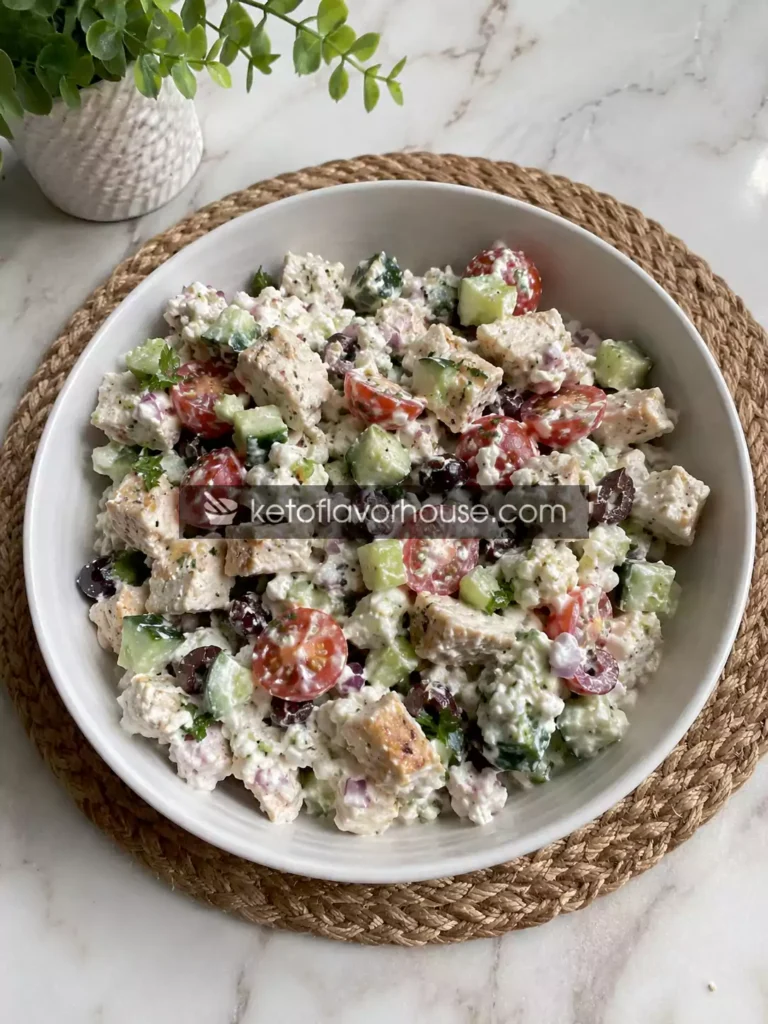
If you’re searching for the High Protein Chicken Cottage Cheese Salad that is creamy, satisfying, incredibly filling, and actually tastes like something you’ll crave again and again, you’re in the right place. This recipe has quickly become one of my favorite high-protein lunches because it combines tender chicken, creamy cottage cheese, crisp vegetables, fresh herbs, and simple seasonings into one refreshing bowl that feels indulgent without being heavy. Every bite is loaded with texture, freshness, and an impressive 36 grams of protein, making it an excellent choice whether your goal is building muscle, staying full longer, or simply eating healthier.
There are days when I don’t want another boring grilled chicken breast with steamed vegetables. I want something creamy, flavorful, colorful, and satisfying without spending an hour in the kitchen. That’s exactly how this recipe came to life. I had leftover grilled chicken in the refrigerator, a container of cottage cheese that needed to be used, and a few fresh vegetables sitting in the produce drawer. Instead of making another ordinary salad with mayonnaise, I decided to let cottage cheese become the creamy base.
The result completely surprised me.
The cottage cheese added richness without making the salad feel overly heavy, while the chicken provided hearty bites of lean protein. Fresh cucumber, juicy tomatoes, crunchy celery, and herbs balanced everything with freshness. A squeeze of lemon brightened every bite, and a few simple seasonings transformed basic ingredients into something that tasted like it came from a neighborhood café.
Now this recipe appears in my weekly meal-prep rotation almost every single week.
One thing I love about this salad is how adaptable it is. Whether you’re following a high-protein lifestyle, trying to lose weight, increasing your protein intake for muscle recovery, or simply looking for healthier lunches that actually taste amazing, this recipe checks every box.
Unlike many creamy chicken salads that rely heavily on mayonnaise, this version uses cottage cheese to provide creaminess while dramatically increasing the protein content. It’s a small change that makes a huge nutritional difference without sacrificing flavor.
Another reason I continue making this recipe is convenience.
Most of the ingredients are pantry or refrigerator staples, which means I rarely need a special grocery trip. Leftover grilled chicken works perfectly, rotisserie chicken makes preparation even faster, and the vegetables can easily be swapped depending on what’s in season.
Busy weekdays become much easier when a bowl of this salad is waiting in the refrigerator.
Because it’s served chilled, it’s also perfect during warmer months when turning on the oven is the last thing anyone wants to do. The refreshing vegetables and creamy dressing make every bite cool and satisfying.
Fitness enthusiasts often focus on protein shakes and grilled meat, but meals like this prove that healthy eating doesn’t have to feel repetitive. Cottage cheese adds complete protein, calcium, and a naturally creamy texture, while lean chicken supplies essential amino acids that support muscle repair and recovery after workouts.
Even if fitness isn’t your primary goal, protein plays an important role in keeping you satisfied for longer periods. Instead of reaching for snacks an hour after lunch, you’ll likely stay comfortably full until your next meal.
Another hidden benefit is portion control.
Because protein is naturally filling, meals like this help reduce unnecessary snacking throughout the day without making you feel deprived.
The combination of creamy cottage cheese, juicy chicken, crunchy vegetables, fresh herbs, and bright lemon creates a balance of flavors that’s refreshing enough for summer lunches but hearty enough for dinner.
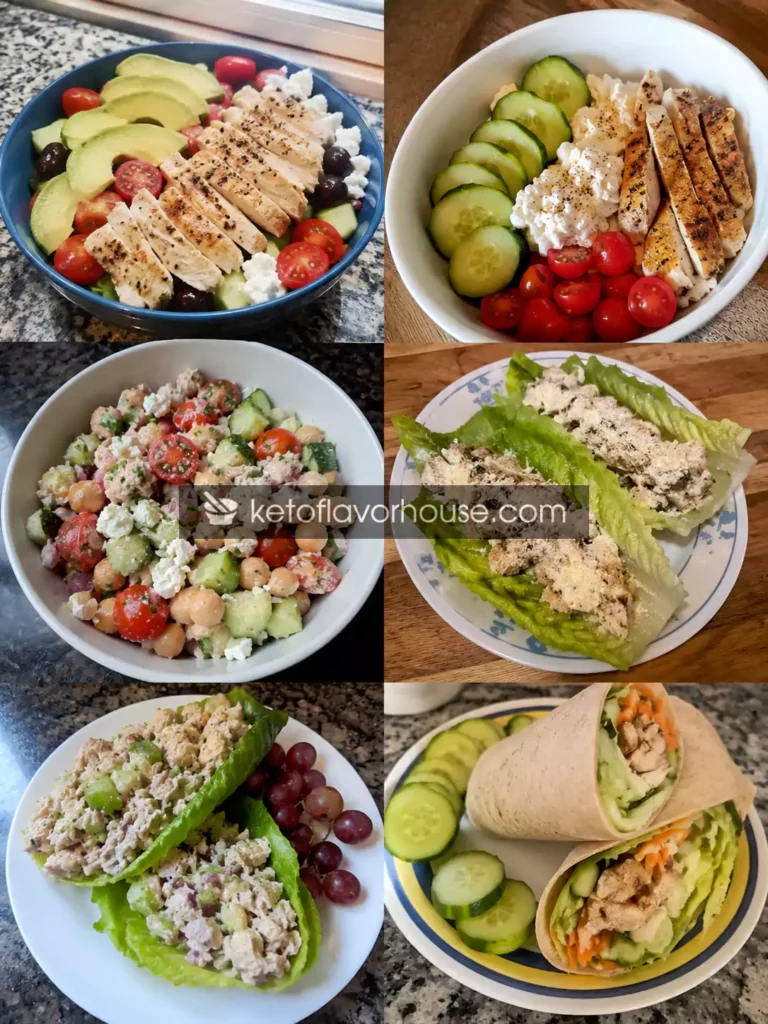
Whether you enjoy it on its own, tucked into lettuce wraps, stuffed inside low-carb tortillas, spooned over mixed greens, or paired with sliced avocado, this salad is versatile enough to fit almost any meal.
Over the years I’ve experimented with countless high-protein recipes, but very few have become regular staples in my kitchen. This one earned that place because it’s easy, dependable, nutritious, affordable, and genuinely delicious.
Once you make it, don’t be surprised if it becomes part of your weekly meal prep too.
Why You’ll Love This Recipe
There are so many reasons this recipe has become one of my favorite protein-packed meals. Here are just a few:
- 🥗 Packed with 36 grams of protein per serving.
- 🥒 Fresh, crisp vegetables add satisfying crunch.
- 🧀 Cottage cheese creates a creamy dressing without heavy mayonnaise.
- 🍗 Perfect for post-workout meals and muscle recovery.
- ⏱ Ready in about 15–20 minutes.
- 📦 Excellent for weekly meal prep.
- 💪 Keeps you full for hours.
- ❤️ Naturally lower in carbs than traditional chicken salad.
- 🌿 Fresh herbs brighten every bite.
- 👨👩👧 Family-friendly and easy to customize.
- 🥙 Delicious in wraps, sandwiches, lettuce cups, or on its own.
- ❄ Tastes even better after chilling in the refrigerator.
- 💰 Budget-friendly ingredients.
- 🥄 Great for healthy lunches, dinners, or quick snacks.
- ⭐ Beginner-friendly with simple ingredients.
My Personal Experience
I still remember the afternoon I accidentally created this recipe.
It wasn’t planned at all.
I had finished meal prepping grilled chicken earlier in the week, and by Friday I was getting tired of eating the same chicken with vegetables every day. I opened the refrigerator hoping something would inspire me.
There sat an almost-full container of cottage cheese that I’d originally bought for breakfast bowls.
Next to it were cucumbers, cherry tomatoes, celery, parsley, and half a lemon.
At first, I almost reached for mayonnaise because that’s what I had always used in traditional chicken salad. Then I paused for a second and wondered if cottage cheese could do the same job while adding more protein.
I blended a small portion until smooth, mixed everything together, seasoned it generously, and took my first bite.
Honestly, I expected it to taste “healthy.”
Instead, it tasted fresh.
Creamy.
Bright.
The lemon made the flavors pop, the herbs added freshness, and the cottage cheese gave the salad a rich texture without making it overly heavy.
It was one of those recipes where I immediately knew I’d be making it again.
Since then, I’ve experimented with dozens of different versions.
I’ve added avocado for healthy fats.
I’ve stirred in chopped olives for a Mediterranean twist.
I’ve mixed in diced peppers for extra crunch.
I’ve even served it inside lettuce cups during hot summer afternoons when nobody wanted a warm meal.
Every version has been delicious, but I keep coming back to the original because of its simplicity.
Another thing I appreciate is how filling this recipe is.
There have been many busy workdays when I only had ten minutes for lunch. A serving of this salad kept me comfortably satisfied for hours without leaving me sluggish or sleepy afterward.
That’s something I rarely experience with carb-heavy lunches.
From a meal-prepping perspective, it’s become one of my most dependable recipes.
On Sundays, I’ll cook several chicken breasts, chop vegetables while listening to music, and prepare a large batch of this salad. By Monday morning, lunch is already waiting in the refrigerator.
There’s something comforting about opening the fridge during a hectic day and knowing a nutritious meal is already prepared.
I’ve also served this recipe to friends who claimed they didn’t like cottage cheese.
Interestingly, most of them had no idea it was the ingredient creating the creamy texture.
Instead of overpowering the dish, it blends beautifully with the lemon juice, herbs, garlic, and chicken, creating a balanced flavor that’s rich without being overwhelming.
Another lesson I learned was not to skip the fresh herbs.
The very first version I made without parsley tasted good.
The second version with freshly chopped parsley tasted fantastic.
Small ingredients often make the biggest difference.
If you’re trying to eat more protein but don’t want every meal to revolve around protein shakes, this recipe offers a refreshing alternative.
It feels like real food.
Fresh food.
The kind of meal that satisfies both your hunger and your taste buds.
That’s why it has earned a permanent place in my recipe collection, and I genuinely hope it becomes one of your favorites too.
Required Equipment
Having the right kitchen tools makes preparing this salad quick, easy, and enjoyable. None of these are fancy or expensive, but each one helps create the best texture and flavor. They’re also tools I find myself reaching for almost every day.
Large Mixing Bowl
A spacious mixing bowl is one of the most important tools for this recipe. It gives you plenty of room to combine the chicken, vegetables, cottage cheese, and seasonings without ingredients spilling over the sides. I always use a bowl that’s larger than I think I need because it makes mixing much easier and keeps the vegetables from getting crushed.
If you don’t have a large mixing bowl, any deep serving bowl or salad bowl will work just as well.
Cutting Board
Every great salad starts with evenly chopped ingredients. A sturdy cutting board provides a safe surface for slicing chicken, cucumbers, celery, tomatoes, herbs, and onions into bite-sized pieces.
I like using a larger board because it gives me enough space to prep everything before combining the ingredients. If possible, use separate cutting boards for raw meat and fresh vegetables to help maintain good food safety practices.
Sharp Chef’s Knife
A quality chef’s knife makes prep work faster, safer, and much more enjoyable. Instead of crushing vegetables or tearing herbs, a sharp knife creates clean cuts that help preserve texture and freshness.
Even an affordable knife that’s kept sharp performs far better than an expensive dull one.
Measuring Cups
Accurate measurements help maintain the perfect balance between creamy cottage cheese, tender chicken, and crunchy vegetables. Measuring cups are especially helpful if you’re tracking protein intake or preparing multiple servings for meal prep.
If you’re comfortable cooking by eye, feel free to adjust ingredients to your own taste after making the recipe once.
Measuring Spoons
Seasonings may seem like small additions, but they make a huge difference in flavor. Measuring spoons help ensure you don’t accidentally overpower the salad with garlic powder, black pepper, or salt.
Once you’ve made this recipe a few times, you’ll naturally start adjusting the seasoning to match your personal preferences.
Silicone Spatula
I almost always reach for a silicone spatula when mixing creamy salads. It gently folds everything together without breaking apart the chicken or crushing the vegetables. It also scrapes every bit of dressing from the sides of the bowl, so nothing goes to waste.
A large spoon works perfectly well if you don’t have a spatula.
Citrus Juicer
Fresh lemon juice brings the entire salad to life. A small citrus juicer helps extract every drop quickly while keeping seeds out of the bowl.
If you don’t own one, simply squeeze the lemon by hand and remove any seeds before mixing.
Food Processor or Blender (Optional)
If you prefer an ultra-smooth dressing, blending the cottage cheese for about 20–30 seconds creates an incredibly creamy consistency that resembles Greek yogurt. This isn’t required, but it’s a trick I often use when serving guests who aren’t familiar with cottage cheese.
Ingredients & Substitutions
One of my favorite things about this High Protein Chicken Cottage Cheese Salad is that every ingredient serves a purpose. Nothing is included just for appearance. Each one contributes protein, texture, freshness, or flavor while working together to create a balanced meal.
Cooked Chicken Breast – 12 ounces (about 3 cups), diced
Chicken breast is the star of this recipe and the primary source of lean, high-quality protein. It’s naturally low in fat while providing essential amino acids that support muscle maintenance, recovery, and long-lasting fullness.
I usually grill chicken breasts earlier in the week specifically for recipes like this because they’re incredibly versatile.
Substitutions:
- Rotisserie chicken
- Shredded turkey breast
- Grilled chicken thighs (slightly higher in fat)
- Canned chicken (drained well)
Low-Fat Cottage Cheese – 1 cup
Instead of relying on mayonnaise, cottage cheese creates a creamy base while adding a significant protein boost. It also provides calcium and a mild flavor that blends beautifully with fresh herbs and lemon.
Blending it creates a silky dressing, while leaving it whole gives the salad extra texture.
Substitutions:
- Plain Greek yogurt
- Blended ricotta cheese
- Skyr
- High-protein plain yogurt
Cucumber – 1 cup, diced
Fresh cucumber adds coolness, hydration, and crisp texture that balances the creamy ingredients. It also keeps the salad feeling light and refreshing.
Substitutions:
- English cucumber
- Persian cucumber
- Diced zucchini (raw)
Cherry Tomatoes – 1 cup, halved
Cherry tomatoes provide sweetness, acidity, and bright color while contributing vitamins and antioxidants. Their juicy texture contrasts perfectly with the creamy dressing.
Substitutions:
- Roma tomatoes
- Grape tomatoes
- Vine-ripened tomatoes (seeded and diced)
Celery – ½ cup, finely diced
Celery delivers a satisfying crunch and subtle savory flavor that gives the salad more texture. It’s one of those simple ingredients that quietly makes the entire dish better.
Substitutions:
- Diced bell peppers
- Fennel
- Chopped cucumber for extra freshness
Red Onion – ¼ cup, finely diced
Red onion adds just enough sharpness to brighten the salad without overwhelming it.
Substitutions:
- Green onions
- Shallots
- Sweet onion
Fresh Parsley – 2 tablespoons, chopped
Fresh parsley brings vibrant color and a clean, herbal flavor that ties everything together beautifully.
Substitutions:
- Fresh dill
- Chives
- Cilantro (for a different flavor profile)
Fresh Lemon Juice – 2 tablespoons
Fresh lemon juice lifts every ingredient and balances the richness of the cottage cheese.
Substitutions:
- Lime juice
- Apple cider vinegar
- Red wine vinegar
Dijon Mustard – 1 teaspoon
A small amount of Dijon mustard adds depth and helps emulsify the dressing while contributing a subtle tang.
Substitutions:
- Yellow mustard
- Whole grain mustard
Garlic Powder – 1 teaspoon
Garlic powder evenly distributes savory flavor throughout the salad without overpowering the fresh ingredients.
Substitutions:
- One fresh garlic clove, finely minced
- Roasted garlic paste
Dried Oregano – ½ teaspoon
Oregano gives the salad a Mediterranean-inspired flavor that pairs perfectly with chicken and cottage cheese.
Substitutions:
- Italian seasoning
- Dried basil
- Thyme
Salt – ½ teaspoon (or to taste)
Salt enhances every ingredient and brings out the natural flavors of the vegetables and chicken.
Black Pepper – ½ teaspoon
Freshly cracked black pepper adds mild heat and aromatic depth.
Extra Virgin Olive Oil – 1 tablespoon (optional)
Although optional, a small drizzle of olive oil adds richness and healthy fats while helping carry the herbs and seasonings throughout the salad.
Substitutions:
- Avocado oil
- Omit for a slightly lighter version
Optional Garnishes
- Crumbled feta cheese
- Sliced olives
- Fresh dill
- Avocado
- Pumpkin seeds
- Sunflower seeds
- Everything bagel seasoning
- Paprika for extra color
These simple ingredients come together to create a creamy, refreshing, protein-packed salad that’s satisfying enough for lunch, dinner, or weekly meal prep while delivering exceptional flavor in every bite.
How to Make 36g Protein Chicken Cottage Cheese Salad
One of the reasons I love making this recipe so often is that it doesn’t require complicated cooking techniques. Most of the work involves chopping fresh ingredients and combining everything in a large bowl. Even if you’re a beginner in the kitchen, you’ll find this recipe approachable and forgiving.
The key is preparing each ingredient carefully so every bite has the perfect balance of creamy cottage cheese, juicy chicken, crisp vegetables, and fresh herbs.
Step 1: Cook the Chicken
If you’re starting with raw chicken breasts, season them lightly with salt, black pepper, garlic powder, onion powder, paprika, and a drizzle of olive oil.
You have several cooking options depending on what you prefer.
Stovetop Method
Heat a large skillet over medium heat.
Cook the chicken breasts for about 5–7 minutes per side, depending on thickness, until the internal temperature reaches 165°F (74°C).
Avoid pressing down on the chicken while it cooks. Letting it cook undisturbed helps lock in the juices.
Once cooked, transfer the chicken to a cutting board and let it rest for at least 5–10 minutes before cutting. This resting period allows the juices to redistribute throughout the meat instead of running onto the cutting board.
Oven Method
Preheat the oven to 400°F (200°C).
Place the seasoned chicken breasts on a baking tray lined with parchment paper.
Bake for approximately 20–25 minutes, depending on thickness, until fully cooked.
Allow the chicken to rest before dicing.
Air Fryer Method
Preheat your air fryer to 380°F (193°C).
Arrange the chicken in a single layer without overlapping.
Cook for 14–18 minutes, flipping halfway through cooking.
Again, allow the chicken to rest before cutting.
Step 2: Dice the Chicken
Using a sharp chef’s knife, cut the cooled chicken into small bite-sized cubes.
Try to keep the pieces relatively uniform. Evenly sized chicken creates a better texture throughout the salad and ensures every forkful contains plenty of protein.
Mini Tip:
Avoid shredding the chicken too finely. Slightly larger chunks stay juicier and give the salad a heartier texture.
Step 3: Prepare the Vegetables
Wash and dry all of your fresh vegetables thoroughly.
Dice the cucumber into small cubes.
Halve the cherry tomatoes.
Finely dice the celery.
Finely chop the red onion.
Roughly chop the parsley.
Keeping everything roughly the same size helps every ingredient blend together evenly.
Mini Tip:
Pat the cucumber dry with paper towels after cutting.
Removing excess moisture prevents the dressing from becoming watery later.
Step 4: Prepare the Cottage Cheese Dressing
If you enjoy the texture of cottage cheese curds, simply place the cottage cheese into the mixing bowl.
If you prefer an ultra-creamy dressing, blend the cottage cheese for about 20–30 seconds until completely smooth.
Add:
- Lemon juice
- Dijon mustard
- Garlic powder
- Oregano
- Salt
- Black pepper
If using olive oil, whisk it into the dressing as well.
Taste the dressing before mixing everything together.
This is the easiest time to adjust seasoning.
Need more brightness?
Add another squeeze of lemon.
Want more herbs?
Sprinkle in extra parsley or oregano.
Step 5: Combine Everything
Place the diced chicken into the large mixing bowl.
Add:
- Cottage cheese dressing
- Cucumbers
- Tomatoes
- Celery
- Onion
- Parsley
Using a silicone spatula, gently fold everything together.
Rather than stirring aggressively, fold the ingredients slowly.
This keeps the vegetables crisp while maintaining the texture of the chicken.
Mini Tip:
Overmixing can crush tomatoes and release too much liquid.
Gentle folding gives a much fresher final texture.
Step 6: Chill Before Serving
Although you can eat the salad immediately, I strongly recommend refrigerating it for 20–30 minutes before serving.
During this time, the flavors blend together beautifully.
The herbs become more aromatic.
The lemon mellows.
The chicken absorbs some of the dressing.
Everything simply tastes better.
Whenever I prepare this salad for guests, I always make it slightly ahead of time for this reason.
Step 7: Taste One Last Time
After chilling, give the salad one gentle stir.
Taste again.
Sometimes refrigerated foods need a tiny bit more salt or an extra squeeze of lemon before serving.
Those small finishing touches make a noticeable difference.
Common Mistakes to Avoid
Although this recipe is simple, a few small mistakes can affect both flavor and texture. Fortunately, they’re easy to avoid once you know what to watch for.
Using Warm Chicken
Adding hot chicken directly into the cottage cheese dressing can cause the dressing to separate slightly and wilt the vegetables.
Fix:
Always allow the chicken to cool before mixing.
Skipping the Lemon Juice
Lemon juice may seem optional, but it balances the richness of the cottage cheese beautifully.
Without it, the salad can taste flat.
Fix:
Fresh lemon juice is always worth using.
Using Watery Vegetables
Fresh cucumbers and tomatoes naturally release water.
If they aren’t dried well, the dressing becomes thinner after sitting in the refrigerator.
Fix:
Pat vegetables dry after washing.
Overmixing
Aggressive stirring crushes tomatoes and softens cucumbers.
Fix:
Fold gently with a spatula.
Underseasoning
Protein-rich foods often require more seasoning than people expect.
Chicken and cottage cheese both benefit from herbs, pepper, garlic, and lemon.
Fix:
Taste before serving and adjust.
Overcooking the Chicken
Dry chicken creates a dry salad.
Fix:
Cook only until the internal temperature reaches 165°F.
Allow it to rest before cutting.
Using Low-Quality Cottage Cheese
Since cottage cheese is one of the main ingredients, its quality matters.
Creamier brands generally produce a richer dressing.
Fix:
Choose a cottage cheese with a mild flavor and creamy consistency.
Pro Tips for Best Results
After making this recipe many times, I’ve picked up several small tricks that consistently make it even better.
Blend the Cottage Cheese
Even if you normally enjoy cottage cheese curds, blending creates a silky dressing that feels almost like a high-protein ranch or creamy yogurt sauce.
Guests often can’t tell cottage cheese is the secret ingredient.
Cook Extra Chicken
Whenever I grill chicken for dinner, I intentionally make extra.
The leftovers become this salad the next day, reducing prep time to about 10 minutes.
Use Fresh Herbs
Fresh parsley completely changes the flavor.
It’s brighter, fresher, and more aromatic than dried herbs.
Chill Before Eating
Patience pays off.
The salad tastes noticeably better after resting in the refrigerator.
Add Crunch Right Before Serving
If you’re using nuts, seeds, or crispy chickpeas, wait until serving time.
They stay much crunchier.
Don’t Skip Resting the Chicken
Rested chicken stays significantly juicier.
Even five extra minutes makes a difference.
Protein Boost Without Many Calories
Want even more protein?
You can easily add:
- Extra grilled chicken
- More cottage cheese
- Plain Greek yogurt
- Chopped hard-boiled egg whites
Each option increases protein while keeping calories relatively moderate.
High-Protein Nutrition & Strategy
One reason this recipe fits so well into a healthy lifestyle is its balance of lean protein, fresh vegetables, healthy fats, and satisfying texture.
Many people associate high-protein eating with plain chicken breasts and protein shakes, but real meals like this demonstrate that nutrition can be enjoyable, colorful, and deeply satisfying.
Chicken breast is considered one of the highest-quality lean protein sources available. It provides all nine essential amino acids, making it a complete protein that supports muscle repair, recovery, and maintenance. Whether you’re strength training, trying to preserve lean muscle during weight loss, or simply aiming to stay fuller between meals, chicken is an excellent foundation.
Cottage cheese complements chicken beautifully because it also contains complete protein, including casein, a slower-digesting protein that can help provide a steady release of amino acids over time. That means this salad doesn’t just satisfy your hunger immediately—it can also help you stay full for hours afterward.
The fresh vegetables contribute fiber, vitamins, minerals, and antioxidants while adding volume without dramatically increasing calories. Cucumber provides hydration, tomatoes offer vitamin C and lycopene, celery contributes crunch and fiber, and parsley supplies vitamins A, C, and K along with fresh herbal flavor.
From a meal-prep perspective, this recipe is one of the easiest ways to consistently reach your daily protein goals. Preparing several servings at once means you always have a nutritious lunch or post-workout meal ready to grab from the refrigerator. It also helps reduce the temptation to rely on convenience foods that are often lower in protein and higher in refined carbohydrates.
I also appreciate how flexible this salad is throughout the week. One day I’ll enjoy it over mixed greens, the next I’ll spoon it into lettuce wraps, and another day I’ll pair it with sliced avocado or whole-grain crackers. That variety keeps healthy eating from becoming repetitive.
For those focused on weight management, meals like this can be especially helpful. Protein and fiber work together to promote satiety, making it easier to feel satisfied with appropriate portions. Instead of chasing snacks throughout the afternoon, a protein-rich lunch often keeps hunger comfortably under control until dinner.
This recipe also works well for post-workout recovery. After resistance training or an intense cardio session, your body benefits from high-quality protein to support muscle repair. Pairing this salad with a serving of fruit or whole grains can provide a balanced combination of protein and carbohydrates that replenishes energy while supporting recovery.
Ultimately, the strength of this recipe lies in its simplicity. It uses wholesome ingredients you can recognize, requires minimal preparation, and fits naturally into a wide variety of nutrition goals without feeling restrictive.
Variations You Can Try
One of the best things about this salad is how easy it is to customize. Small ingredient swaps can completely change the flavor while still keeping the meal protein-rich and satisfying.
Mediterranean Style
Add chopped kalamata olives, crumbled feta cheese, roasted red peppers, fresh dill, and a sprinkle of oregano. This version has a bright, savory flavor that pairs beautifully with grilled chicken.
Protein impact: Feta adds a small protein boost while increasing richness.
Buffalo Chicken Version
Mix buffalo sauce into the cottage cheese dressing and add diced celery, green onions, and a little shredded cheddar cheese. Serve with crisp lettuce for a spicy twist.
Protein impact: Cheese adds additional protein but also slightly increases fat.
Southwest Version
Stir in black beans, corn, diced bell peppers, cilantro, and a squeeze of lime. Finish with chili powder and cumin for bold, smoky flavor.
Protein impact: Beans increase both protein and fiber.
Ranch Herb Version
Blend fresh dill, chives, parsley, garlic, onion powder, and a little Greek yogurt into the cottage cheese for a creamy ranch-inspired dressing.
Protein impact: Greek yogurt increases protein while maintaining a creamy texture.
Avocado Chicken Salad
Fold in diced avocado just before serving for extra creaminess and healthy fats.
Protein impact: Protein remains similar, while healthy fats increase satiety.
Spicy Jalapeño Version
Add finely diced fresh jalapeños, smoked paprika, cayenne pepper, and cilantro for a little heat.
Protein impact: The protein content remains virtually unchanged, making this a great option if you enjoy spicy meals.
Crunchy Nut Version
Top the finished salad with chopped almonds, walnuts, or roasted sunflower seeds just before serving.
Protein impact: Nuts and seeds add a modest amount of extra protein along with healthy fats and satisfying crunch.
Greek Yogurt Blend
Replace half of the cottage cheese with plain Greek yogurt for an even smoother dressing with a slightly tangier flavor.
Protein impact: Protein stays high while the dressing becomes lighter and silkier.
No matter which variation you choose, the heart of this recipe remains the same: a delicious, satisfying combination of lean chicken, creamy cottage cheese, and fresh ingredients that make healthy eating something to genuinely look forward to.
Tips for This Recipe
After making this High Protein Chicken Cottage Cheese Salad countless times, I’ve discovered that a few small details can make a big difference. None of these tips are complicated, but together they help create a salad that’s fresher, creamier, and more satisfying every single time.
One of my favorite tricks is to prepare all of the vegetables just before mixing the salad. Freshly chopped cucumbers, tomatoes, celery, and herbs retain their crisp texture and vibrant color much better than vegetables that have been sitting in the refrigerator for several days.
If you’re making the salad for meal prep, consider storing the chopped vegetables separately from the dressing and chicken. Combine everything the night before or the morning you plan to eat it. This keeps the vegetables exceptionally crisp.
Always taste the dressing before mixing it with the chicken. Cottage cheese brands vary in saltiness and creaminess, so adding an extra squeeze of lemon, a pinch of salt, or a little black pepper can make the flavors shine.
If you’re using leftover grilled chicken, allow it to come close to room temperature for about 10 minutes before combining it with the dressing. Ice-cold chicken can dull the flavors, while slightly tempered chicken blends more naturally with the creamy dressing.
For an even higher protein meal, increase the chicken by 2–3 ounces or stir in an additional ¼ cup of cottage cheese. This small adjustment raises the protein content without dramatically changing the texture.
Fresh herbs should be added at the end rather than mixed in hours ahead whenever possible. This helps preserve their bright color and aromatic flavor.
Finally, don’t underestimate presentation. Serve the salad in a wide bowl with extra parsley, cracked black pepper, and a lemon wedge on the side. It transforms a simple meal into something that feels café-worthy.
Optional Additions
One reason this recipe stays in my weekly rotation is how easy it is to customize. Whether you’re trying to increase protein, add healthy fats, or simply change the flavor, there are countless ways to personalize it.
Chopped Hard-Boiled Egg Whites
Egg whites are one of the easiest ways to increase protein without adding much fat. Finely chop two or three egg whites and gently fold them into the salad.
Nutrition Impact: Adds approximately 7–10 grams of extra protein per serving.
Plain Greek Yogurt
Mixing a few tablespoons of plain Greek yogurt into the cottage cheese creates an even creamier dressing with additional protein.
Nutrition Impact: Adds protein while making the dressing lighter and tangier.
Chia Seeds
A teaspoon or two of chia seeds adds fiber, omega-3 fatty acids, and a subtle crunch.
Nutrition Impact: Increases fiber and healthy fats while adding a small amount of protein.
Hemp Hearts
These tiny seeds blend seamlessly into the salad without changing the flavor.
Nutrition Impact: Adds complete plant protein, healthy fats, magnesium, and iron.
Pumpkin Seeds
Sprinkle roasted pumpkin seeds over the top immediately before serving.
Nutrition Impact: Adds crunch, zinc, magnesium, healthy fats, and additional protein.
Sunflower Seeds
These provide a pleasant crunch and mild nutty flavor.
Nutrition Impact: Slight protein increase with heart-healthy fats.
Avocado
Fresh avocado creates an even creamier texture while adding potassium and healthy monounsaturated fats.
Nutrition Impact: Raises healthy fat content while making the meal even more satisfying.
Crumbled Feta Cheese
A small amount of feta creates a Mediterranean flavor profile that pairs beautifully with lemon and herbs.
Nutrition Impact: Adds modest protein along with calcium.
Diced Bell Peppers
Red, yellow, or orange peppers provide natural sweetness and vibrant color.
Nutrition Impact: Adds vitamin C and extra crunch without significantly affecting calories.
Protein Powder (Unflavored)
Although not necessary, a small amount of unflavored protein powder can be blended into the dressing for athletes with particularly high protein needs.
Nutrition Impact: Significantly increases protein while keeping carbohydrates low.
Serving Ideas
This salad is incredibly versatile, making it suitable for nearly any meal of the day. Depending on how you serve it, it can feel like a light lunch, a hearty dinner, or a satisfying post-workout meal.
One of my favorite ways to enjoy it is straight from the bowl with plenty of fresh herbs and cracked black pepper. It’s refreshing, filling, and requires no additional preparation.
For a lower-carb option, spoon the salad into crisp romaine or butter lettuce leaves. These lettuce cups create a light, refreshing meal that’s perfect during warmer months.
If you’re preparing lunches for work, divide the salad into meal-prep containers alongside sliced cucumbers, carrots, or bell peppers. Everything stays fresh, and lunch is ready to grab on busy mornings.
Whole-grain wraps or high-protein tortillas also work beautifully. Roll the salad into a wrap with spinach and sliced avocado for a portable meal.
Another favorite is serving it over a large bed of mixed greens. The cottage cheese dressing lightly coats the lettuce, creating an effortless salad dressing.
For a heartier dinner, pair it with roasted sweet potatoes, quinoa, brown rice, or roasted vegetables.
It also makes an excellent filling for stuffed tomatoes, avocado halves, or hollowed bell peppers.
During summer gatherings, I often serve it as part of a healthy lunch spread alongside fresh fruit, sparkling water with lemon, and whole-grain crackers.
No matter how you serve it, this recipe adapts beautifully to your schedule and nutritional goals.
Storage Recommendations
Proper storage keeps this salad tasting fresh while preserving both texture and food safety.
Refrigerator
Store the salad in an airtight container for 3–4 days.
The flavors often improve after the first day as the herbs and seasonings have time to blend.
If the salad releases a little liquid during storage, simply stir it gently before serving.
Freezer
I generally do not recommend freezing this recipe.
Cottage cheese and fresh vegetables tend to lose their texture after thawing, resulting in a watery salad.
If you want to prepare ingredients ahead, freeze only the cooked chicken and prepare the vegetables fresh later.
Meal Prep
Divide the salad into individual containers immediately after making it.
This makes weekday lunches effortless while helping with portion control.
For maximum freshness, keep delicate garnishes like avocado, nuts, and seeds separate until serving.
Best Reheating Method
Since this salad is intended to be served chilled, reheating isn’t necessary.
If using refrigerated leftover grilled chicken before making the salad, allow it to sit at room temperature for about 10–15 minutes to remove the chill before mixing.
Frequently Asked Questions
Can I use rotisserie chicken?
Absolutely. Rotisserie chicken is one of the easiest ways to prepare this recipe quickly. Remove the skin if you’d like to keep the meal leaner.
Can I replace cottage cheese with Greek yogurt?
Yes. Plain Greek yogurt creates a creamy dressing with a slightly tangier flavor while maintaining a high protein content.
Is this recipe good for meal prep?
Definitely. It stores well for several days in the refrigerator and actually tastes even better after the flavors have blended overnight.
Can I use canned chicken?
Yes. Drain the chicken thoroughly before mixing it into the salad to prevent excess moisture.
Is this good after a workout?
Yes. The combination of lean chicken and cottage cheese provides complete protein that’s ideal for supporting muscle recovery.
Can I make it dairy-free?
Yes. Use a dairy-free high-protein yogurt alternative instead of cottage cheese. The flavor will be slightly different, but the salad will still be delicious.
Can I add protein powder?
Yes, but only use an unflavored protein powder. Blend a small amount into the dressing if you need additional protein for athletic goals.
Can I make this vegetarian?
You can replace the chicken with baked tofu, tempeh, or another high-protein plant-based alternative. The protein content will vary depending on the substitution.
Nutritional Breakdown (Per Serving)
Approximate values
- Calories: 355
- Protein: 36g
- Fat: 14g
- Total Carbohydrates: 10g
- Fiber: 2g
- Net Carbohydrates: 8g
- Sugar: 6g
- Sodium: 620mg
Nutrition values are estimates and will vary depending on ingredient brands and substitutions.
📌 Recipe Snapshot
Prep Time: 15 minutes
Cook Time: 20 minutes
Total Time: 35 minutes
Course: Lunch, Dinner, Main Course, Salad
Cuisine: American, High-Protein
Servings: 4
Calories: 355 per serving
Protein: 36g per serving
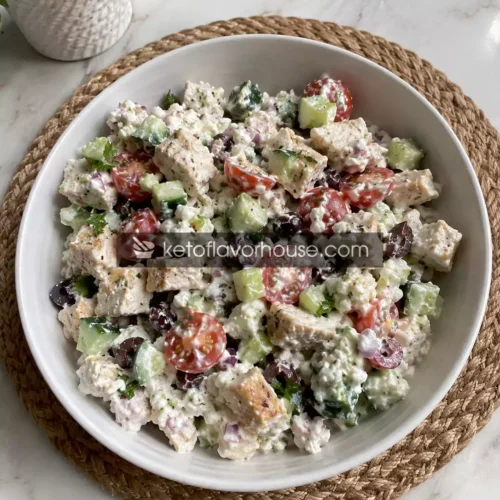
36g Protein Chicken Cottage Cheese Salad

Ingredients
- 12 ounces cooked chicken breast diced
- 1 cup low-fat cottage cheese
- 1 cup diced cucumber
- 1 cup cherry tomatoes halved
- ½ cup finely diced celery
- ¼ cup finely diced red onion
- 2 tablespoons chopped fresh parsley
- 2 tablespoons fresh lemon juice
- 1 teaspoon Dijon mustard
- 1 teaspoon garlic powder
- ½ teaspoon dried oregano
- ½ teaspoon salt or to taste
- ½ teaspoon black pepper
- 1 tablespoon extra virgin olive oil optional
Instructions
- Cook the chicken using your preferred method—grill, bake, air fry, or pan-sear—until it reaches an internal temperature of 165°F (74°C). If grilling or pan-searing, cook over medium heat for about 5–7 minutes per side, depending on the thickness. For baking, place the chicken in a 400°F (200°C) oven for 20–25 minutes. If using an air fryer, cook at 380°F (193°C) for 14–18 minutes, flipping halfway through. Once fully cooked, transfer the chicken to a cutting board and let it rest for 5–10 minutes before dicing it into bite-sized cubes. Resting the chicken helps lock in the juices, keeping every piece tender and flavorful.
- While the chicken is resting, prepare the vegetables. Wash the cucumber, cherry tomatoes, celery, parsley, and red onion thoroughly under cool running water. Dry everything well with a clean kitchen towel or paper towels, as excess moisture can make the salad watery. Dice the cucumber and celery into small, even pieces, halve the cherry tomatoes, finely chop the red onion, and roughly chop the fresh parsley. Keeping the vegetables similar in size ensures every bite has a perfect balance of flavors and textures.
- In a medium mixing bowl, prepare the creamy cottage cheese dressing. Add the cottage cheese, fresh lemon juice, Dijon mustard, garlic powder, dried oregano, salt, black pepper, and olive oil if you’re using it. Stir everything together until well combined. If you prefer a silky-smooth dressing instead of visible cottage cheese curds, blend the mixture in a blender or food processor for about 20–30 seconds until smooth and creamy. Taste the dressing and adjust the seasoning if you’d like a little more lemon juice, pepper, or herbs.
- Place the diced cooked chicken into a large mixing bowl. Add the diced cucumber, halved cherry tomatoes, chopped celery, red onion, and fresh parsley. Spread the ingredients out evenly before adding the dressing so it coats everything more uniformly.
- Pour the prepared cottage cheese dressing over the chicken and vegetables. Using a silicone spatula or a large spoon, gently fold the ingredients together until every piece of chicken and every vegetable is lightly coated. Mix slowly and carefully to keep the tomatoes intact and the vegetables crisp. Avoid vigorous stirring, as it can crush the vegetables and make the salad lose its fresh texture.
- Taste the finished salad and make any final adjustments. Add an extra pinch of salt or black pepper if needed, squeeze in a little more fresh lemon juice for extra brightness, or sprinkle in additional chopped parsley for a fresher flavor. If you’d like even more Mediterranean flavor, you can also mix in a little extra dried oregano at this stage.
- Cover the bowl with plastic wrap or transfer the salad to an airtight container and refrigerate it for 20–30 minutes before serving. Chilling allows the dressing to absorb into the chicken while giving the herbs and seasonings time to blend together, resulting in a creamier and more flavorful salad.
- Serve the salad chilled as a complete meal on its own or over a bed of mixed greens for extra freshness. It also makes a delicious filling for lettuce wraps, whole-grain or high-protein tortillas, pita pockets, or sandwiches. Before serving, garnish with a little extra chopped parsley, freshly cracked black pepper, and any optional toppings such as crumbled feta cheese, sliced avocado, pumpkin seeds, sunflower seeds, or a light drizzle of extra virgin olive oil for even more flavor and texture.