This post may contains Amazon affiliate and other affiliate links. If you make a purchase through these links, I may earn a small commission at no extra cost to you. Your support helps me continue to provide quality content. I only recommend products I personally trust and believe will add value to your experience. For more details, please visit my Privacy Policy.
A Refreshing Tropical Breakfast Packed With Protein
Some recipes come from hours of testing in the kitchen, while others happen completely by accident. This High-Protein Pineapple Cottage Cheese Bowl falls into the second category for me, and honestly, those are often the recipes that end up becoming household favorites.
A few years ago, I was looking for a quick breakfast after an early morning workout. I wanted something refreshing because it was already warm outside, but I also needed enough protein to keep me satisfied until lunch. Protein shakes are convenient, but sometimes I want to eat real food instead of drinking my breakfast. I opened my refrigerator, spotted a container of cottage cheese, and remembered I had a fresh pineapple sitting on the counter. Within minutes, this simple bowl came together, and after the first bite, I knew it would become a regular part of my meal rotation.
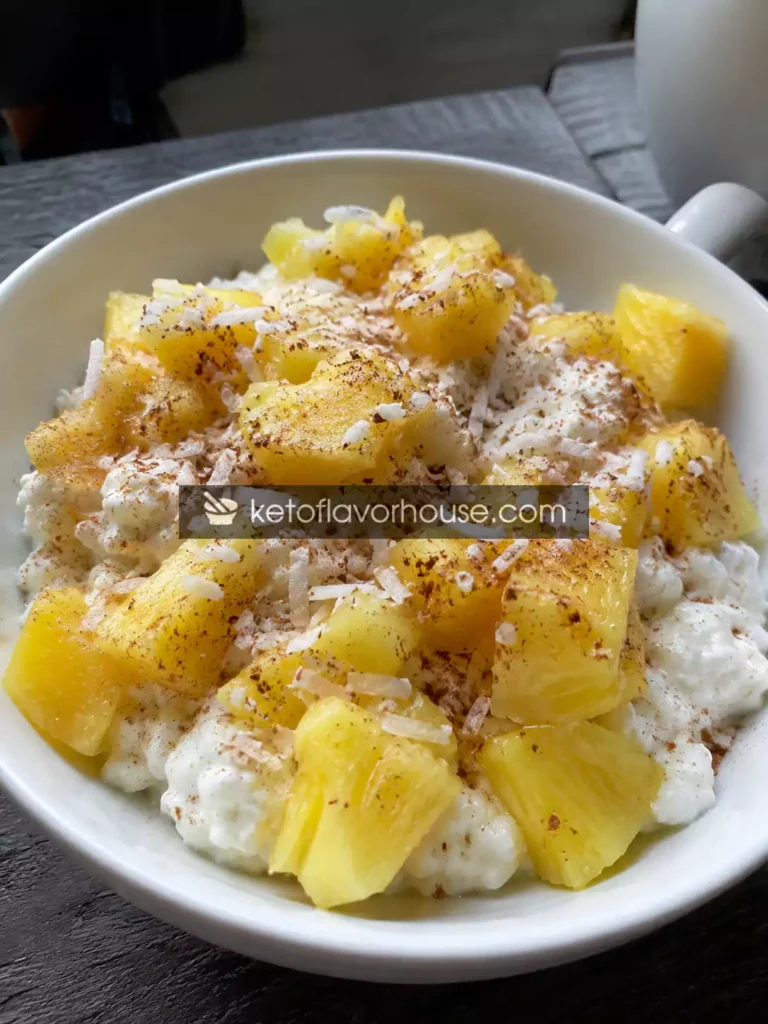
This High-Protein Pineapple Cottage Cheese Bowl combines creamy cottage cheese, sweet juicy pineapple, tropical coconut, and warm cinnamon into a breakfast or snack that tastes surprisingly indulgent while supporting your nutrition goals. It has the perfect balance of protein, natural sweetness, and refreshing flavor.
If you’re trying to increase your protein intake, lose weight, maintain muscle, support workout recovery, or simply stay fuller longer throughout the day, this recipe is an excellent addition to your routine. Unlike many high-protein recipes that require cooking, baking, or blending, this bowl comes together in just a few minutes using ingredients you can easily find at almost any grocery store.
One of the biggest misconceptions about high-protein eating is that every meal needs to revolve around chicken breasts, eggs, or protein shakes. While those foods certainly have their place, there are countless creative ways to enjoy protein-rich meals that feel exciting and satisfying. Cottage cheese has become incredibly popular among nutrition-conscious eaters because it’s versatile, affordable, and naturally packed with protein.
The pineapple adds a burst of tropical sweetness that transforms plain cottage cheese into something that feels closer to a dessert than a healthy breakfast. The coconut enhances the tropical flavor profile, while cinnamon brings warmth and depth that ties everything together beautifully.
Another reason I love this recipe is its versatility. Some days I enjoy it as a quick breakfast before starting work. Other times, it becomes my afternoon snack when I’m craving something sweet but don’t want the sugar crash that comes from processed treats. It’s also fantastic after a workout because it provides protein for recovery along with carbohydrates from fruit to help replenish energy stores.
Whether you’re new to cottage cheese or already a fan, this recipe offers a delicious way to enjoy one of the most protein-rich foods available. It’s simple, nutritious, satisfying, and incredibly easy to customize based on your personal preferences.
If you’re searching for a healthy recipe that doesn’t sacrifice flavor, you’re in the right place.
Why You’ll Love This Recipe
There are plenty of reasons why this tropical protein bowl deserves a spot in your weekly meal plan.
- 🍍 Naturally sweet from fresh pineapple without needing lots of added sugar
- 💪 High in protein to support muscle growth and recovery
- ⏱ Ready in just 5 minutes from start to finish
- 🥣 Perfect for breakfast, snacks, or post-workout meals
- 🌴 Refreshing tropical flavor that feels like a vacation in a bowl
- 🧊 Great for meal prep and busy mornings
- ❤️ Keeps you full longer than many traditional breakfasts
- 👨👩👧 Family-friendly and kid-approved
- 🥥 Creamy, crunchy, and juicy textures in every bite
- ⚖️ Supports weight-management goals through increased satiety
- 🛒 Made with simple, affordable ingredients
- 😋 Feels like a treat while providing valuable nutrition
The combination of textures is one of my favorite parts of this recipe. You get the creamy richness of cottage cheese, the juicy freshness of pineapple, the subtle chewiness of coconut, and the aromatic warmth of cinnamon. Every spoonful delivers something a little different, making it far more exciting than a standard bowl of yogurt or cereal.
My Personal Experience
I’ll be completely honest: I wasn’t always a cottage cheese enthusiast.
Growing up, cottage cheese was one of those foods I rarely saw on the table. When I finally tried it as an adult, I wasn’t immediately impressed. The texture felt unusual compared to yogurt, and on its own, it seemed a little plain.
Everything changed when I started focusing more intentionally on my daily protein intake.
Like many people, I found myself getting hungry just a couple of hours after breakfast. Even meals that seemed healthy weren’t keeping me satisfied for very long. I started experimenting with higher-protein breakfasts and quickly noticed a difference in my energy levels and hunger throughout the day.
One morning after a workout, I had cottage cheese in the refrigerator and some freshly cut pineapple left over from another recipe. I decided to combine them simply because they were available.
That first bowl surprised me.
The sweetness of the pineapple balanced the slight tanginess of the cottage cheese perfectly. Instead of tasting like a typical “healthy” breakfast, it tasted refreshing, light, and genuinely enjoyable.
Over time, I started adding coconut and cinnamon, which elevated the flavor even further. The result was a simple bowl that felt far more satisfying than the effort required to make it.
What really sold me on this recipe was how long it kept me full. Instead of reaching for snacks an hour later, I felt satisfied for much longer. On busy mornings when I had meetings, errands, or writing projects, this breakfast consistently provided steady energy without feeling heavy.
I also discovered that it worked wonderfully as a post-workout snack. After exercise, your body benefits from protein to support muscle recovery, and this bowl offers a quick, convenient option without requiring cooking or meal prep.
Today, this recipe remains one of my favorite high-protein breakfasts because it proves that healthy eating doesn’t need to be complicated. Sometimes the simplest combinations become the most memorable.
Whenever friends tell me they don’t like cottage cheese, this is often the recipe I recommend first. More often than not, they end up changing their minds after trying it.
Required Equipment
One of the best things about this recipe is that you don’t need any fancy kitchen gadgets. However, having a few basic tools makes preparation easier and more enjoyable.
Mixing Bowl
A good mixing bowl is essential for assembling the recipe comfortably. I prefer using a medium-sized bowl because it gives plenty of room to add toppings and stir everything together without making a mess.
Over the years, I’ve learned that having a dedicated bowl for breakfast recipes makes mornings feel a little easier. A bowl that’s too small can make mixing difficult, while a bowl that’s too large can make portions look smaller than they actually are.
Alternative: Any serving bowl or cereal bowl works perfectly.
Measuring Cups
Accurate measuring cups help maintain consistent portions and nutritional values.
When you’re tracking protein intake or following specific nutrition goals, measuring ingredients becomes especially helpful. I don’t measure every ingredient in every recipe anymore, but for protein-focused meals, it’s nice to know exactly what you’re getting.
Alternative: Estimating portions works fine if you’re not tracking macros.
Measuring Spoons
Small ingredients like cinnamon and coconut are easiest to portion using measuring spoons.
It may seem like a minor tool, but proper measurements help maintain the balance of flavors that make this bowl so enjoyable.
Alternative: Standard kitchen teaspoons can be used if measuring spoons aren’t available.
Cutting Board
If you’re using fresh pineapple, a sturdy cutting board makes preparation much safer and easier.
Fresh pineapple has significantly better flavor than canned varieties in my opinion, so I usually recommend starting with a whole pineapple whenever possible.
A stable cutting surface helps create uniform pieces that are easier to eat and distribute throughout the bowl.
Alternative: Pre-cut pineapple eliminates the need for a cutting board altogether.
Sharp Chef’s Knife
A quality knife makes cutting pineapple much more efficient.
I’ve learned the hard way that trying to cut pineapple with a dull knife can be frustrating and potentially dangerous. A sharp blade creates cleaner cuts and reduces waste.
Alternative: Purchase fresh pre-cut pineapple chunks from the produce section.
Serving Spoon
A simple serving spoon makes it easy to mix and enjoy the finished bowl.
I often leave the layers visible because the presentation looks beautiful, but sometimes I gently stir everything together before eating.
Alternative: Any eating spoon works perfectly.
Ingredients & Substitutions
The beauty of this recipe lies in its simplicity. Each ingredient serves an important purpose and contributes to the overall flavor, texture, and nutritional profile.
½ Cup Low-Fat Cottage Cheese
Cottage cheese is the protein powerhouse of this recipe.
It provides a rich source of complete protein, meaning it contains all nine essential amino acids your body needs. This makes it particularly valuable for muscle maintenance, recovery, and overall health.
In addition to protein, cottage cheese contains calcium, phosphorus, selenium, and several B vitamins.
I typically use low-fat cottage cheese because it offers an excellent balance of protein and calories, but full-fat versions work beautifully as well.
Why It’s Important
- Primary protein source
- Supports muscle recovery
- Helps increase satiety
- Provides calcium and essential nutrients
- Creates the creamy base of the bowl
Substitutions
- Greek yogurt
- Skyr yogurt
- Ricotta cheese
- Blended cottage cheese
- High-protein yogurt
Each substitute slightly changes the texture, but all work well depending on your preferences.
½ Cup Fresh Pineapple Chunks
Pineapple provides natural sweetness, vibrant flavor, and refreshing juiciness.
It transforms plain cottage cheese into something that tastes tropical and exciting. Pineapple is also rich in vitamin C and contains bromelain, a naturally occurring enzyme found in the fruit.
Fresh pineapple offers the best flavor and texture, though frozen pineapple can work when thawed properly.
Why It’s Important
- Adds natural sweetness
- Provides vitamin C
- Creates refreshing flavor
- Adds moisture and texture
- Balances cottage cheese tanginess
Substitutions
- Mango
- Strawberries
- Blueberries
- Peaches
- Kiwi
- Papaya
Each fruit creates a slightly different flavor profile while maintaining the refreshing nature of the recipe.
1 Tablespoon Unsweetened Shredded Coconut
The coconut enhances the tropical theme while adding texture and richness.
Even a small amount makes a noticeable difference. It introduces subtle sweetness and creates a pleasant contrast to the creamy cottage cheese.
Why It’s Important
- Adds texture
- Enhances tropical flavor
- Provides healthy fats
- Makes the bowl more satisfying
Substitutions
- Chopped almonds
- Chopped walnuts
- Hemp hearts
- Pumpkin seeds
- Sunflower seeds
¼ Teaspoon Ground Cinnamon
Cinnamon might seem like a small addition, but it brings warmth and depth that ties the entire recipe together.
Without it, the bowl tastes good. With it, the flavors become more balanced and complex.
Why It’s Important
- Enhances sweetness naturally
- Adds warmth and aroma
- Complements pineapple perfectly
- Boosts overall flavor
Substitutions
- Nutmeg
- Pumpkin pie spice
- Apple pie spice
- Ground ginger
Even small spice variations can create exciting new flavor combinations while maintaining the recipe’s high-protein foundation.
How to Make High-Protein Pineapple Cottage Cheese Bowl
One of the reasons this recipe has become a staple in my kitchen is because it takes almost no effort to prepare. There is no cooking involved, no complicated techniques, and no special equipment required beyond a bowl and a spoon.
Even though it’s simple, a few small details can make a big difference in flavor and texture. Here’s exactly how I make it.
Step 1: Prepare the Pineapple
Start by washing and cutting your fresh pineapple into small, bite-sized chunks.
If you’re using a whole pineapple, remove the top and bottom, slice away the outer skin, and cut the fruit into manageable pieces. Remove any tough core sections before dicing.
The smaller pieces distribute more evenly throughout the bowl and ensure you get pineapple in every bite.
Mini Tip
If your pineapple is extremely juicy, place the chunks on a paper towel for a minute before adding them to the bowl. This helps prevent excess liquid from collecting at the bottom.
Step 2: Add the Cottage Cheese
Spoon the cottage cheese into a serving bowl.
Spread it evenly across the bottom to create a creamy base for the toppings.
If you’re someone who doesn’t love the traditional texture of cottage cheese, this is a great time to blend it briefly in a food processor. Blended cottage cheese becomes smooth, creamy, and almost cheesecake-like.
Mini Tip
Use cold cottage cheese straight from the refrigerator. The chilled texture pairs perfectly with the fresh pineapple.
Step 3: Layer the Pineapple
Scatter the pineapple chunks evenly across the cottage cheese.
Try not to pile all the fruit in one area. Even distribution ensures a balanced combination of sweet pineapple and creamy cottage cheese in every spoonful.
The contrast between the juicy fruit and creamy dairy is what makes this recipe so satisfying.
Mini Tip
Taste your pineapple before adding it. If it’s especially sweet, you likely won’t need any additional sweeteners.
Step 4: Sprinkle the Coconut
Add the unsweetened shredded coconut over the top.
This ingredient might seem small, but it contributes both texture and flavor. The coconut reinforces the tropical theme while adding a slight chewiness that makes the bowl more interesting.
Mini Tip
For extra flavor, lightly toast the coconut in a dry skillet for 1–2 minutes before using. Allow it to cool completely before adding.
Step 5: Finish with Cinnamon
Lightly dust the entire bowl with ground cinnamon.
The aroma alone makes a huge difference. Cinnamon adds warmth and complexity while helping balance the sweetness of the pineapple.
Mini Tip
Use freshly opened cinnamon when possible. Older spices tend to lose their potency and aroma.
Step 6: Serve and Enjoy
The bowl can be enjoyed immediately or chilled for 10–15 minutes before serving.
I personally love it ice-cold during warm weather because it feels incredibly refreshing and almost dessert-like.
Grab a spoon and enjoy every creamy, tropical bite.
Common Mistakes to Avoid
Although this recipe is simple, a few common mistakes can affect the final result.
Using Watery Cottage Cheese
Some brands contain more liquid than others.
Too much moisture can make the bowl feel diluted and less flavorful.
Fix
Drain excess liquid before assembling the recipe.
Choosing Unripe Pineapple
Pineapple that’s too firm or underripe can be overly tart and unpleasant.
Fix
Look for a pineapple with a sweet aroma and slightly golden exterior.
Using Sweetened Coconut
Many packaged coconut products contain added sugar.
This can dramatically increase calories and sugar content.
Fix
Choose unsweetened shredded coconut whenever possible.
Overloading the Bowl with Toppings
It’s tempting to add lots of extras, but too many toppings can overpower the original flavors.
Fix
Start with the basic recipe and gradually add extras as desired.
Skipping the Cinnamon
Many people assume cinnamon is optional.
Technically it is, but it contributes much more flavor than you’d expect.
Fix
Even a light sprinkle can transform the finished bowl.
Using Warm Ingredients
Warm fruit and room-temperature cottage cheese create a less refreshing experience.
Fix
Keep ingredients chilled until serving.
Ignoring Portion Sizes
Healthy foods can still contribute significant calories when portions become excessive.
Fix
Measure ingredients when tracking calories or macros.
Pro Tips for Best Results
After making this recipe countless times, I’ve discovered several tricks that consistently improve the final result.
Use Fresh Pineapple Whenever Possible
Fresh pineapple provides better texture and flavor than canned varieties.
The natural sweetness is brighter and more vibrant.
Chill the Serving Bowl
A cold bowl helps keep the recipe refreshing longer.
This small step is especially enjoyable during summer months.
Blend the Cottage Cheese
If texture has prevented you from enjoying cottage cheese in the past, blending it can completely change your opinion.
The result becomes silky smooth and incredibly creamy.
Add Protein Without Extra Volume
If you’re trying to increase protein intake, mix a scoop of vanilla protein powder into the cottage cheese before assembling.
This boosts protein significantly without making the portion much larger.
Toast the Coconut
Toasted coconut adds a deeper, richer flavor profile.
Just a minute or two in a dry skillet can make a surprising difference.
Add Fiber for Fullness
Mix in chia seeds or ground flaxseed to increase fiber content and improve satiety.
This combination can help keep you full even longer.
Use High-Protein Cottage Cheese Brands
Not all cottage cheese products contain the same amount of protein.
Compare nutrition labels and choose options with the highest protein content when available.
Balance Calories Carefully
If you’re aiming for weight loss, focus on increasing protein rather than adding large amounts of nuts or sweeteners.
Protein contributes significantly to fullness while helping maintain lean muscle mass.
High-Protein Nutrition & Strategy
Why Protein Matters
Protein is one of the most important nutrients for overall health and body composition.
It plays a critical role in:
- Building and maintaining muscle
- Supporting workout recovery
- Helping regulate appetite
- Supporting healthy aging
- Promoting satiety
Many people focus heavily on calories while overlooking protein intake. However, increasing protein often makes healthy eating easier because it helps reduce hunger naturally.
Why Cottage Cheese Is Such a Great Protein Source
Cottage cheese contains complete protein, meaning it provides all essential amino acids.
One of its biggest advantages is its casein protein content.
Casein digests more slowly than some other protein sources, which can help provide a steady release of amino acids and prolong feelings of fullness.
That’s one reason many athletes and fitness enthusiasts include cottage cheese in their nutrition plans.
How This Recipe Supports Weight Loss
Weight loss becomes easier when meals help control hunger.
The combination of protein, fruit, and healthy fats in this bowl creates a satisfying balance that may reduce cravings later in the day.
Instead of reaching for processed snacks, this recipe helps keep you feeling satisfied between meals.
Post-Workout Benefits
After exercise, your body benefits from both protein and carbohydrates.
The cottage cheese provides protein for muscle recovery, while the pineapple contributes carbohydrates that help replenish energy stores.
This makes the recipe an excellent post-workout option.
Meal Prep Strategy
One of my favorite ways to use this recipe is through meal prep.
At the beginning of the week:
- Portion cottage cheese into containers.
- Cut fresh pineapple.
- Store coconut separately.
- Add cinnamon just before serving.
This approach creates grab-and-go breakfasts or snacks that require almost no effort during busy days.
Everyday High-Protein Lifestyle Tips
If you’re trying to increase protein intake consistently:
- Include protein at every meal.
- Prioritize whole-food protein sources.
- Use snacks strategically.
- Keep high-protein ingredients available.
- Prepare protein-rich foods ahead of time.
Small habits add up quickly, and recipes like this make those habits much easier to maintain.
Variations You Can Try
One reason I never get bored with this recipe is because it’s incredibly customizable.
Here are some delicious variations.
Tropical Paradise Bowl
Add:
- Mango
- Kiwi
- Pineapple
This creates a fruit-forward tropical experience.
Protein Impact
Protein remains similar to the original recipe.
Vanilla Protein Bowl
Mix vanilla protein powder into the cottage cheese.
The result tastes almost like cheesecake filling.
Protein Impact
Can increase protein by 15–25 grams depending on the product used.
Chocolate Pineapple Bowl
Add:
- Chocolate protein powder
- Cocoa powder
The chocolate-pineapple combination is surprisingly delicious.
Protein Impact
Significantly increases overall protein content.
Berry Pineapple Bowl
Combine pineapple with:
- Strawberries
- Blueberries
- Raspberries
This version is colorful and antioxidant-rich.
Protein Impact
Protein remains largely unchanged.
Crunchy Protein Bowl
Add:
- Chopped almonds
- Hemp hearts
- Pumpkin seeds
The added crunch creates a completely different texture.
Protein Impact
Protein increases moderately.
Peanut Butter Pineapple Bowl
Mix in powdered peanut butter.
This creates a sweet-and-savory flavor combination.
Protein Impact
Adds extra protein while keeping calories reasonable.
Cinnamon Roll Bowl
Increase cinnamon and add vanilla extract.
The flavor becomes warm, comforting, and dessert-like.
Protein Impact
Minimal change in protein.
Tips for This Recipe
Serve in a clear glass bowl for beautiful presentation.
Use ripe pineapple for maximum sweetness.
Taste before adding sweeteners.
Keep ingredients cold until serving.
Add toppings immediately before eating.
Increase cottage cheese for additional protein.
Blend cottage cheese for a smoother texture.
Use meal-prep containers for convenience.
Choose low-fat or full-fat cottage cheese based on your goals.
Experiment with seasonal fruits for variety.
The biggest secret is keeping the recipe simple. The natural flavors are what make it special.
Optional Additions
One of the easiest ways to customize this bowl is by adding ingredients that support your nutritional goals.
Chia Seeds
Chia seeds provide:
- Fiber
- Omega-3 fats
- Additional protein
They create a thicker texture as they absorb moisture.
Hemp Hearts
Hemp hearts are one of my favorite protein boosters.
They provide:
- Complete plant protein
- Healthy fats
- Minerals
Their mild flavor works perfectly in this recipe.
Vanilla Whey Protein
For those aiming to maximize protein intake, vanilla whey protein is an excellent addition.
It enhances sweetness while dramatically increasing protein content.
Ground Flaxseed
Flaxseed contributes:
- Fiber
- Healthy fats
- Additional nutrients
It blends seamlessly into the cottage cheese.
Pumpkin Seeds
Pumpkin seeds add:
- Crunch
- Protein
- Magnesium
- Healthy fats
They create a satisfying texture contrast.
Almond Butter
A small drizzle adds richness and nutty flavor.
Just remember that it also increases calories.
Fresh Mint
Fresh mint provides a refreshing flavor that complements pineapple beautifully.
Additional Fruit
Try:
- Mango
- Kiwi
- Strawberries
- Blueberries
- Peaches
These additions create endless flavor possibilities.
Collagen Peptides
Collagen powder dissolves easily into cottage cheese and provides an additional protein boost without significantly affecting flavor.
Serving Ideas
One of the reasons I keep coming back to this High-Protein Pineapple Cottage Cheese Bowl is its versatility. While it’s wonderful on its own, there are countless ways to serve it depending on the occasion, your hunger level, or your nutrition goals.
As a Quick Breakfast
This is probably how I enjoy it most often.
Busy mornings can make it tempting to skip breakfast or grab something less nutritious, but this bowl comes together in minutes and provides enough protein to help you start the day feeling satisfied.
Pair it with:
- Black coffee
- Green tea
- A boiled egg
- Turkey breakfast sausage
- Whole-grain toast (if it fits your dietary preferences)
The combination creates a balanced meal that supports energy and focus throughout the morning.
As a Post-Workout Recovery Meal
After a workout, your body needs protein to support muscle recovery and carbohydrates to replenish energy stores.
This bowl naturally provides both.
The cottage cheese delivers high-quality protein, while the pineapple contributes natural carbohydrates that help restore glycogen levels.
It’s much lighter than a large meal but still incredibly satisfying.
As an Afternoon Snack
The afternoon slump is real.
Many people find themselves reaching for sugary snacks around 2 or 3 p.m. when energy levels begin to dip. This bowl offers a healthier alternative that provides sustained energy without the crash that often follows highly processed snacks.
Because it’s rich in protein, it helps curb hunger until your next meal.
As a Healthy Dessert
One of my favorite tricks for maintaining healthy eating habits is finding nutritious foods that satisfy dessert cravings.
This recipe accomplishes exactly that.
The sweet pineapple, creamy cottage cheese, tropical coconut, and warm cinnamon create a dessert-like experience without requiring excessive sugar.
For an extra treat, try adding:
- A sprinkle of cocoa powder
- A few dark chocolate shavings
- Vanilla extract
- Toasted coconut
For Meal Prep
If you’re someone who likes having healthy options ready throughout the week, this recipe is ideal.
Prepare several portions in advance and store them in individual containers. Having protein-rich snacks readily available makes it much easier to stay consistent with your nutrition goals.
For Summer Gatherings
Because of its tropical flavor profile, this bowl works beautifully for warm-weather occasions.
Serve smaller portions in clear cups for:
- Brunches
- Baby showers
- Family gatherings
- Healthy snack tables
The bright pineapple and creamy cottage cheese create an attractive presentation that guests often enjoy.
Storage Recommendations
Although this recipe is best enjoyed fresh, proper storage allows you to prepare it ahead of time.
Refrigerator Storage
Store the assembled bowl in an airtight container in the refrigerator for up to 2 days.
For the best texture:
- Keep coconut separate until serving.
- Add cinnamon just before eating.
- Use fresh pineapple whenever possible.
The flavors often become even more blended after a few hours of chilling.
Meal Prep Storage
For weekly meal prep, I recommend storing ingredients separately.
Best Method
Container 1:
- Cottage cheese
Container 2:
- Pineapple chunks
Small container:
- Coconut and cinnamon
Assemble immediately before eating for optimal freshness and texture.
Freezer Storage
Freezing is generally not recommended.
Cottage cheese tends to develop a grainy texture after thawing, and pineapple becomes softer than desired.
While technically safe to freeze, the quality will not be as good as a freshly prepared bowl.
Reheating Instructions
No reheating is necessary.
In fact, this recipe is designed to be enjoyed chilled.
If it has been refrigerated, simply stir and serve.
Frequently Asked Questions (FAQ)
Can I add protein powder to this recipe?
Absolutely.
Vanilla protein powder works particularly well because it complements both the pineapple and coconut flavors. Simply mix the protein powder into the cottage cheese before adding the toppings.
This can increase the protein content significantly.
Is this recipe good for weight loss?
Yes.
Protein is known for promoting satiety, which can help reduce hunger and unnecessary snacking.
This bowl combines protein, fruit, and healthy fats to create a filling snack or meal while remaining relatively moderate in calories.
Can I use frozen pineapple?
Yes.
Allow the pineapple to thaw completely and drain excess liquid before using. Too much moisture can make the bowl watery.
Fresh pineapple generally provides the best texture and flavor, but frozen pineapple is a convenient alternative.
Is cottage cheese healthier than yogurt?
Both can be nutritious choices.
However, cottage cheese often contains more protein per serving than traditional yogurt.
Greek yogurt is one of the closest competitors in terms of protein content.
The best option depends on your personal preferences and nutritional goals.
Can I make this recipe dairy-free?
Yes.
Several dairy-free cottage cheese alternatives are now available. You can also substitute high-protein dairy-free yogurt.
Keep in mind that nutritional values may vary depending on the product used.
Is this recipe suitable for meal prep?
Definitely.
It’s one of the easiest high-protein recipes to prepare ahead of time.
Store ingredients separately for the best texture and assemble shortly before eating.
What type of cottage cheese works best?
Both low-fat and full-fat cottage cheese work beautifully.
If you’re focused on reducing calories while maximizing protein, low-fat varieties are often preferred.
If you prioritize creaminess and richness, full-fat cottage cheese is an excellent option.
Can I eat this recipe before a workout?
Yes.
The combination of protein and carbohydrates provides a good source of fuel before exercise.
For best comfort, consume it about 60–90 minutes before a workout.
Can children enjoy this recipe?
Absolutely.
Most children enjoy the naturally sweet pineapple and creamy texture.
If desired, you can reduce or omit the cinnamon depending on their preferences.
Nutritional Breakdown (Per Serving)
The following values are estimates and may vary depending on ingredient brands and exact measurements used.
Calories: 170
Protein: 15g
Fat: 5g
Total Carbohydrates: 15g
Fiber: 2g
Net Carbs: 13g
Sugar: 11g
Sodium: 350mg
One serving delivers an impressive amount of protein while keeping calories relatively moderate, making it a fantastic option for anyone looking to improve their overall protein intake.
Recipe Snapshot
Recipe Name: High-Protein Pineapple Cottage Cheese Bowl
Prep Time: 5 minutes
Cook Time: 0 minutes
Total Time: 5 minutes
Course: Breakfast, Snack
Cuisine: American
Difficulty: Easy
Servings: 1
Calories: 170
Protein: 15
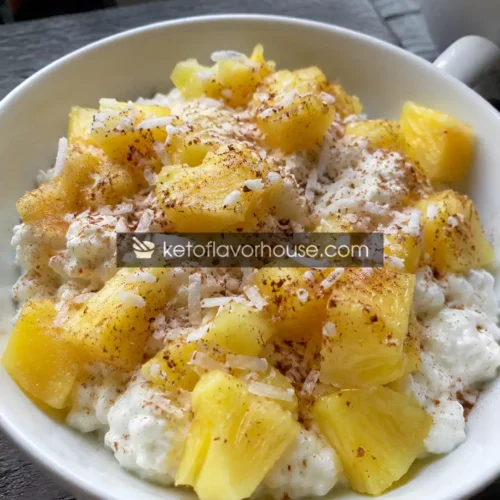
High-Protein Pineapple Cottage Cheese Bowl Recipe

Ingredients
- ½ cup low-fat cottage cheese
- ½ cup fresh pineapple chunks
- 1 tablespoon unsweetened shredded coconut
- ¼ teaspoon ground cinnamon
Instructions
- Wash and prepare the pineapple by removing the skin and core, then cut it into small bite-sized chunks.
- Place the cottage cheese into a serving bowl and spread it evenly across the bottom to create a creamy base.
- Add the pineapple chunks evenly over the cottage cheese so each bite contains a balance of fruit and protein.
- Sprinkle the unsweetened shredded coconut across the entire bowl for added texture and tropical flavor.
- Dust the cinnamon evenly over the top of the pineapple and cottage cheese mixture.
- If desired, gently stir the ingredients together or leave them layered for a more attractive presentation.
- Place the bowl in the refrigerator for 10 to 15 minutes if you prefer a colder and more refreshing texture.
- Serve immediately and enjoy as a high-protein breakfast, snack, or post-workout meal.