This post may contains Amazon affiliate and other affiliate links. If you make a purchase through these links, I may earn a small commission at no extra cost to you. Your support helps me continue to provide quality content. I only recommend products I personally trust and believe will add value to your experience. For more details, please visit my Privacy Policy.
There are days when my body craves something warm and comforting, but the thought of a heavy meal just doesn’t sound appealing. Usually, it happens after a particularly stressful week when I’ve been running on too little sleep, juggling a packed schedule, and relying a little too much on convenience foods. By the time dinner rolls around, I want something that feels nourishing and satisfying without leaving me feeling sluggish afterward.
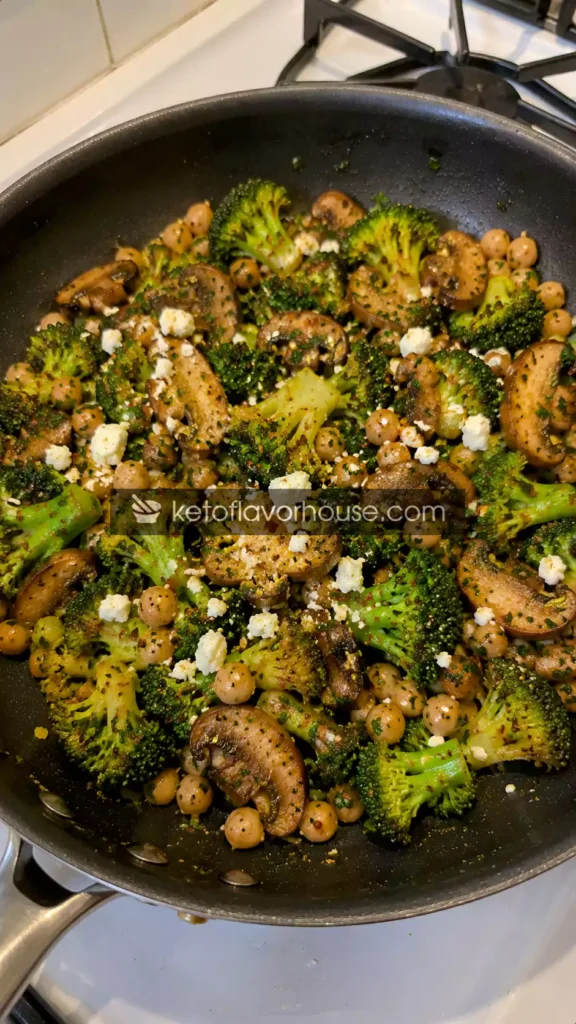
That’s exactly why this Anti-Inflammatory Broccoli and Mushroom Skillet Recipe (Healthy & Easy) has become one of my favorite meals to make.
For a long time, I believed that comfort food had to be rich, indulgent, and time-consuming. But over the years, I’ve discovered that some of the most satisfying meals are often the simplest ones. Fresh vegetables sautéed in olive oil, fragrant garlic, warming spices, bright lemon juice, and a handful of fresh herbs can transform ordinary ingredients into something genuinely comforting.
This broccoli and mushroom skillet is proof of that.
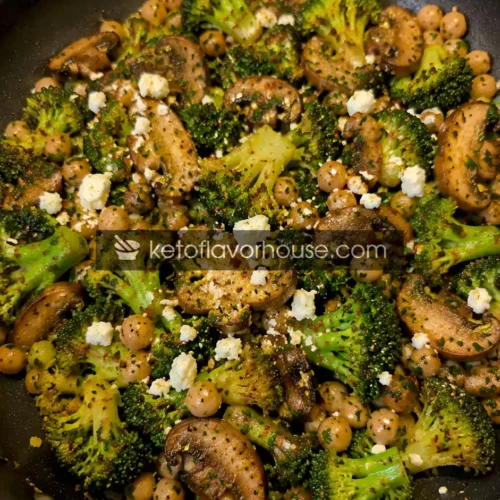
Tender broccoli florets, golden mushrooms, garlic, turmeric, oregano, and extra virgin olive oil come together in one pan to create a meal that feels wholesome without sacrificing flavor. A squeeze of fresh lemon juice at the end brightens everything beautifully, while parsley adds a fresh finish that makes the entire dish taste vibrant and balanced.
What I love most about this recipe is how effortlessly it fits into busy lifestyles. It comes together in about 20 minutes, requires minimal cleanup, and works equally well as a light vegetarian main dish or a flavorful side. It also adapts easily to whatever you have available. Sometimes I add chickpeas for extra protein, sprinkle on a little feta cheese, or serve it alongside quinoa for a more substantial meal.
The ingredients naturally align with an anti-inflammatory approach to eating. Broccoli, mushrooms, olive oil, garlic, turmeric, lemon, and fresh herbs all contribute flavor and nourishment while helping create meals centered around whole, minimally processed foods.
If you’ve been searching for an easy healthy dinner recipe that feels comforting, supports balanced eating habits, and genuinely tastes delicious, this anti-inflammatory broccoli and mushroom skillet might quickly become one of your favorites too.
💚 Why You’ll Love This Recipe
- 🥬 Packed with anti-inflammatory ingredients: Broccoli, garlic, turmeric, olive oil, lemon, and fresh herbs come together to create a nourishing Mediterranean-inspired dish.
- ⚡ Supports balanced energy: Fiber-rich vegetables and healthy fats help create a satisfying meal without feeling overly heavy.
- 🍽️ Comforting yet light: This skillet delivers cozy flavors while still leaving you feeling refreshed and energized.
- 👩🍳 Quick and easy to prepare: Everything cooks in one pan and comes together in about 20 minutes.
- 🧡 Bursting with flavor: Garlic, oregano, lemon juice, and earthy mushrooms create layers of savory Mediterranean flavor.
- 🥣 Perfect for meal prep: It reheats well and can easily be paired with proteins or grains throughout the week.
- 🔥 Naturally delicious: Simple ingredients shine without the need for complicated sauces or processed seasonings.
- 💪 Nourishing and satisfying: Optional additions like chickpeas, white beans, feta, or quinoa can boost protein and satiety.
- 🌈 Loaded with vegetables: Broccoli and mushrooms provide texture, color, and nutritional variety.
- 👨👩👧👦 Family-friendly: Even picky eaters often enjoy the savory combination of mushrooms, garlic, and lemon.
🧠 My Personal Experience
This recipe actually came together during one of those evenings when my refrigerator looked almost empty except for a container of mushrooms, a head of broccoli, and a bunch of parsley I had bought earlier in the week.
I wasn’t in the mood for another salad, but I also didn’t want anything heavy. I wanted something warm and comforting that still felt nourishing.
I started by sautéing mushrooms in olive oil, letting them develop those beautifully golden edges that bring out their deep, savory flavor. Then came the garlic, turmeric, and oregano, filling the kitchen with the kind of aroma that instantly makes a meal feel cozy.
When I added the broccoli and finished everything with fresh lemon juice and parsley, I remember being genuinely surprised by how satisfying it was.
The mushrooms provided richness, the broccoli added freshness and texture, and the lemon tied everything together perfectly. It felt like exactly the kind of meal my body had been craving.
Since then, this skillet has become one of my favorite recipes for busy weeknights.
Sometimes I add chickpeas when I want extra staying power. Other times, I sprinkle a little feta on top or serve it alongside grilled chicken or quinoa.
What I appreciate most is that this recipe reminds me that healthy eating doesn’t have to be complicated. A few simple ingredients, prepared thoughtfully, can create a meal that feels both comforting and nourishing.
And honestly, those are often the recipes that become lifelong favorites.
🧰 Required Equipment
Large Skillet
A large skillet is the star piece of equipment for this recipe.
Why it matters:
A spacious skillet allows the mushrooms to brown properly instead of steaming, which dramatically improves their flavor and texture.
Helpful Tip:
Use a skillet large enough that the vegetables have room to cook evenly.
Alternative:
A sauté pan or Dutch oven works equally well.
Sharp Chef’s Knife
You’ll need a sharp knife for chopping broccoli, slicing mushrooms, mincing garlic, and preparing fresh herbs.
Why it matters:
Evenly sized vegetables cook more consistently and improve the overall presentation of the dish.
Helpful Tip:
Cut broccoli florets into similar-sized pieces for uniform cooking.
Cutting Board
A sturdy cutting board provides a safe workspace for preparing all ingredients.
Alternative:
Use separate boards for vegetables and other proteins if desired.
Measuring Spoons
Accurate measurements help balance the spices and seasonings.
Why it matters:
Turmeric, oregano, and chili flakes can quickly overwhelm the dish if overused.
Helpful Tip:
Measure all spices before cooking begins for a smoother cooking experience.
Citrus Juicer (Optional)
A citrus juicer makes extracting fresh lemon juice easier.
Why it matters:
Fresh lemon juice provides brightness that elevates the entire dish.
Alternative:
Simply squeeze the lemon by hand.
Wooden Spoon or Silicone Spatula
Ideal for stirring vegetables without damaging cookware.
Why it matters:
These utensils help preserve the texture of the broccoli and mushrooms while ensuring even cooking.
🥬 Ingredients & Substitutions
Broccoli Florets (2 cups)
Role in the recipe:
Broccoli provides the hearty vegetable foundation of this skillet, adding texture, color, and substance.
Wellness Benefit:
Broccoli is rich in fiber and antioxidants, making it a popular choice in anti-inflammatory eating patterns.
Substitutions:
- Broccolini
- Cauliflower florets
- Brussels sprouts
- Green beans
How substitutions affect the recipe:
- Broccolini: More tender with a slightly sweeter flavor.
- Cauliflower: Milder taste and softer texture.
- Brussels sprouts: Richer flavor and longer cooking time.
- Green beans: Lighter texture with a fresh snap.
Mushrooms (2 cups, sliced)
Role in the recipe:
Mushrooms provide savory, umami-rich depth that makes the skillet feel satisfying and comforting.
Wellness Benefit:
Mushrooms naturally fit into balanced eating patterns while adding valuable nutrients and fiber.
Substitutions:
- Cremini mushrooms
- Baby bella mushrooms
- Shiitake mushrooms
- Portobello mushrooms
How substitutions affect the recipe:
- Cremini: Rich, earthy flavor.
- Baby bella: Slightly meatier texture.
- Shiitake: More pronounced umami taste.
- Portobello: Heartier consistency that works well for main dishes.
Garlic (3 cloves, minced)
Role in the recipe:
Garlic creates the aromatic flavor base that ties all the ingredients together.
Wellness Benefit:
Garlic is commonly incorporated into anti-inflammatory meal patterns because of its flavorful properties.
Substitutions:
- 1 teaspoon garlic powder
- Roasted garlic
How substitutions affect the recipe:
- Garlic powder: Convenient but less vibrant.
- Roasted garlic: Sweeter, milder flavor.
Extra Virgin Olive Oil (2 tablespoons)
Role in the recipe:
Olive oil helps sauté the vegetables while adding richness and classic Mediterranean flavor.
Wellness Benefit:
Extra virgin olive oil provides monounsaturated fats commonly associated with Mediterranean-style eating.
Substitutions:
- Avocado oil
- Light olive oil
How substitutions affect the recipe:
- Avocado oil: Neutral flavor and high smoke point.
- Light olive oil: Milder olive taste.
Ground Turmeric (1 teaspoon)
Role in the recipe:
Turmeric brings a warm, earthy flavor and gives the skillet its beautiful golden hue. It pairs especially well with garlic, mushrooms, and lemon, creating a balanced flavor profile that feels both comforting and vibrant.
Wellness Benefit:
Turmeric is one of the most recognized spices used in anti-inflammatory cooking and fits naturally into wellness-focused meal plans.
Substitutions:
- Curry powder
- Fresh grated turmeric (1 tablespoon)
- Ground ginger (for a different warming spice profile)
How substitutions affect the recipe:
- Curry powder: Adds additional spices and a more complex flavor.
- Fresh turmeric: Provides brighter color and a fresher taste.
- Ground ginger: Offers warmth with a slightly sweeter note.
Black Pepper (½ teaspoon)
Role in the recipe:
Black pepper adds gentle heat and enhances the overall flavor of the vegetables and spices.
Wellness Benefit:
It provides depth and balance without relying on excess sodium.
Substitutions:
- White pepper
- Crushed red pepper flakes
- Freshly cracked rainbow peppercorns
How substitutions affect the recipe:
- White pepper: Milder and slightly earthier.
- Red pepper flakes: Introduce noticeable heat.
- Rainbow peppercorns: Offer a more complex pepper flavor.
Dried Oregano (1 teaspoon)
Role in the recipe:
Oregano provides the classic Mediterranean flavor that ties together the olive oil, lemon, garlic, and vegetables.
Wellness Benefit:
Herbs naturally boost flavor while helping reduce reliance on processed seasonings.
Substitutions:
- Italian seasoning
- Dried thyme
- Fresh oregano (1 tablespoon)
How substitutions affect the recipe:
- Italian seasoning: Adds a blend of complementary herbs.
- Thyme: Introduces subtle earthy notes.
- Fresh oregano: Delivers a brighter, fresher flavor.
Chili Flakes (Pinch, Optional)
Role in the recipe:
Chili flakes add a gentle kick of heat that contrasts beautifully with the lemon and earthy mushrooms.
Wellness Benefit:
They contribute flavor complexity without additional calories.
Substitutions:
- Cayenne pepper
- Fresh chili peppers
- Omit entirely
How substitutions affect the recipe:
- Cayenne: Produces more intense heat.
- Fresh chili: Adds brightness and texture.
- Omitting: Results in a milder dish.
Lemon Juice (Juice of ½ Lemon)
Role in the recipe:
Fresh lemon juice brightens the entire skillet and balances the savory richness of the mushrooms and olive oil.
Wellness Benefit:
Citrus adds freshness and flavor naturally, reducing the need for heavier sauces.
Substitutions:
- Lime juice
- Red wine vinegar
- Apple cider vinegar
How substitutions affect the recipe:
- Lime juice: Provides a slightly sharper citrus flavor.
- Red wine vinegar: Adds Mediterranean-style acidity.
- Apple cider vinegar: Offers a milder tanginess.
Fresh Parsley (Small Handful, Chopped)
Role in the recipe:
Parsley adds freshness, color, and a clean herbal finish to the dish.
Wellness Benefit:
Fresh herbs contribute antioxidants and support the vibrant flavor profile of anti-inflammatory meals.
Substitutions:
- Fresh cilantro
- Fresh dill
- Fresh basil
- Fresh mint
How substitutions affect the recipe:
- Cilantro: Creates a bolder herbal flavor.
- Dill: Adds a fresh, slightly grassy note.
- Basil: Brings mild sweetness.
- Mint: Offers a refreshing Mediterranean twist.
Sea Salt (To Taste)
Role in the recipe:
Sea salt enhances the natural flavors of the vegetables and seasonings.
Wellness Benefit:
Using salt thoughtfully allows the fresh ingredients to remain the focus.
Substitutions:
- Kosher salt
- Reduced-sodium seasoning blends
How substitutions affect the recipe:
- Kosher salt: Provides a cleaner, milder salinity.
- Reduced-sodium blends: Lower overall sodium content.
Optional Mediterranean Additions & Substitutions
Chickpeas (½–1 cup)
Role in the recipe:
Chickpeas transform this skillet from a side dish into a more substantial vegetarian meal.
Wellness Benefit:
They provide plant-based protein and fiber, helping support satiety.
Substitutions:
- White beans
- Lentils
- Edamame
How substitutions affect the recipe:
- White beans: Creamier texture.
- Lentils: Earthier flavor with added fiber.
- Edamame: Higher protein content.
White Beans (½–1 cup)
Role in the recipe:
White beans create a hearty, comforting addition that pairs beautifully with lemon and herbs.
Wellness Benefit:
They offer fiber and plant-based protein.
Substitutions:
- Chickpeas
- Cannellini beans
- Great Northern beans
How substitutions affect the recipe:
- All provide similar texture with subtle flavor differences.
Feta Cheese (¼–½ cup)
Role in the recipe:
Feta adds creamy, salty contrast to the bright lemon and earthy mushrooms.
Wellness Benefit:
Provides protein and calcium while adding richness in moderation.
Substitutions:
- Goat cheese
- Dairy-free feta
- Omit entirely
How substitutions affect the recipe:
- Goat cheese: Creamier and tangier.
- Dairy-free feta: Maintains Mediterranean character.
- Omitting: Produces a lighter dish.
Pine Nuts or Walnuts (2–3 tablespoons)
Role in the recipe:
Nuts add crunch and richness that elevate the skillet.
Wellness Benefit:
Provide healthy fats and satisfying texture.
Substitutions:
- Slivered almonds
- Pumpkin seeds
- Sunflower seeds
How substitutions affect the recipe:
- Almonds: Mild crunch.
- Pumpkin seeds: Earthier flavor.
- Sunflower seeds: Slight sweetness.
Quinoa (½–1 cup cooked, served on the side)
Role in the recipe:
Quinoa transforms this vegetable skillet into a complete, satisfying meal.
Wellness Benefit:
Provides fiber and plant-based protein.
Substitutions:
- Brown rice
- Cauliflower rice
- Farro
How substitutions affect the recipe:
- Brown rice: Heartier texture.
- Cauliflower rice: Lower-carb option.
- Farro: Chewier consistency.
👩🍳 How to Make Anti-Inflammatory Broccoli and Mushroom Skillet Recipe
One of the reasons I return to this recipe again and again is because it proves that simple ingredients can create incredibly satisfying meals. The earthy mushrooms, crisp-tender broccoli, fragrant garlic, and bright lemon juice all work together beautifully, creating a dish that feels both comforting and refreshing.
This recipe is also wonderfully beginner-friendly. There are no complicated techniques involved, and the ingredients are forgiving, making it ideal for busy weeknights when you want something nourishing without spending hours in the kitchen.
In the next section, we’ll walk through each step in detail so you can confidently prepare this anti-inflammatory broccoli and mushroom skillet with the best flavor and texture every single time.
👩🍳 How to Make Anti-Inflammatory Broccoli and Mushroom Skillet Recipe
Brown the Mushrooms First for Maximum Flavor
Heat 2 tablespoons of extra virgin olive oil in a large skillet over medium heat. Once the oil is warm and shimmering, add the sliced mushrooms in a single layer.
Allow the mushrooms to cook undisturbed for 2–3 minutes before stirring. This helps them develop a beautiful golden-brown color and enhances their naturally savory, umami-rich flavor.
Continue cooking for a total of 5–7 minutes, stirring occasionally, until the mushrooms release their moisture and begin to caramelize around the edges.
One of the biggest flavor secrets in this recipe is patience during this step. Properly browned mushrooms create a rich, satisfying base that makes the entire skillet taste more substantial.
Helpful Tip: Avoid overcrowding the skillet. If necessary, cook the mushrooms in batches to ensure they brown rather than steam.
Add Garlic and Bloom the Spices
Once the mushrooms have browned, stir in the 3 cloves of minced garlic, 1 teaspoon turmeric, 1 teaspoon oregano, ½ teaspoon black pepper, and a pinch of chili flakes, if using.
Cook for 30–60 seconds, stirring constantly, until the garlic becomes fragrant and the spices evenly coat the mushrooms.
This brief cooking time allows the spices to bloom in the olive oil, intensifying their flavor and creating a warm, aromatic foundation for the dish.
The combination of garlic and turmeric filling the kitchen is one of my favorite parts of making this recipe. It instantly transforms simple vegetables into something that feels comforting and special.
Avoid: Cooking the garlic too long, as burnt garlic can introduce bitterness into the finished dish.
Add the Broccoli Florets
Add the 2 cups of broccoli florets to the skillet and stir well to combine them with the mushroom mixture.
Cook for 2–3 minutes, stirring occasionally, allowing the broccoli to absorb the flavors of the olive oil, garlic, and spices.
The broccoli should begin turning a vibrant green while maintaining its structure.
Helpful Tip: Cut the broccoli into similar-sized florets to ensure even cooking.
If you prefer softer broccoli, you can cut the florets slightly smaller.
Steam the Broccoli Until Tender-Crisp
Reduce the heat slightly to medium-low and cover the skillet with a lid.
Allow the broccoli to steam for 3–5 minutes, depending on your preferred texture.
For a slightly firmer bite, check the broccoli after 3 minutes. If you prefer it more tender, continue cooking for the full 5 minutes.
The goal is to achieve tender-crisp broccoli that retains its vibrant color and satisfying texture without becoming mushy.
Helpful Tip: If your skillet seems dry, add 1–2 tablespoons of water before covering to create gentle steam.
Avoid: Overcooking the broccoli, as prolonged cooking can cause it to lose its bright color and become overly soft.
Stir in Optional Mediterranean Additions
If using any optional ingredients, now is the perfect time to add them.
Consider stirring in:
- ½–1 cup chickpeas
- ½–1 cup white beans
- 2–3 tablespoons pine nuts
- 2–3 tablespoons chopped walnuts
Cook for an additional 1–2 minutes, just long enough to warm everything through.
These additions transform the skillet from a vegetable side dish into a more substantial meal while adding additional texture and flavor.
Helpful Tip: Toast pine nuts separately before adding them for even more flavor.
Finish with Fresh Lemon Juice
Remove the skillet from the heat and immediately squeeze in the juice of ½ lemon.
Gently toss everything together to distribute the bright citrus flavor evenly throughout the dish.
The lemon juice balances the earthiness of the mushrooms and complements the richness of the olive oil beautifully.
This final burst of acidity is what truly brings the entire skillet together.
Helpful Tip: Taste after adding the lemon. If you enjoy brighter flavors, feel free to add an extra squeeze.
Add Fresh Parsley and Optional Feta
Sprinkle the skillet with a small handful of freshly chopped parsley.
If desired, top with:
- ¼–½ cup crumbled feta cheese
- Additional black pepper
- Extra chili flakes
The parsley adds freshness and color, while the feta introduces creamy, salty contrast that pairs wonderfully with the lemon and vegetables.
Helpful Tip: Add feta just before serving to preserve its texture.
Taste and Adjust Seasoning
Before serving, taste the skillet and adjust the seasoning as needed.
You may wish to add:
- Additional sea salt
- Extra black pepper
- More lemon juice
- Additional fresh herbs
Small adjustments at the end can elevate the overall flavor significantly.
Serve and Enjoy
Serve the skillet immediately while warm.
Whether enjoyed as a healthy vegetable side dish or transformed into a complete meal with chickpeas, quinoa, or feta, this recipe offers the perfect balance of comfort and freshness.
One of the things I love most about this dish is that it proves healthy eating doesn’t have to be complicated. Sometimes, simple ingredients cooked thoughtfully create the most memorable meals.
⚠️ Common Mistakes to Avoid
Overcrowding the Mushrooms
Too many mushrooms in the pan at once will cause them to steam instead of brown.
Fix: Use a large skillet or cook mushrooms in batches if necessary.
Adding Garlic Too Early
Garlic burns quickly and can become bitter.
Fix: Add garlic after the mushrooms have browned.
Overcooking the Broccoli
Soft, mushy broccoli loses both texture and visual appeal.
Fix: Steam just until tender-crisp, usually 3–5 minutes.
Skipping the Lemon Juice
The acidity from lemon balances the savory flavors perfectly.
Fix: Always finish the skillet with fresh lemon juice.
Using Too Much Salt Too Early
If adding feta cheese later, additional salt may not be necessary.
Fix: Taste the finished dish before adjusting seasoning.
Forgetting Fresh Herbs
Parsley provides brightness that balances the earthy mushrooms.
Fix: Add fresh herbs immediately before serving.
🔥 Pro Tips for Best Results
Allow Mushrooms to Brown Properly
Resist the urge to stir constantly.
Giving mushrooms time to caramelize creates deeper flavor.
Use Fresh Lemon Juice
Fresh lemon dramatically improves the overall flavor compared to bottled alternatives.
Cut Broccoli Uniformly
Even-sized florets ensure consistent cooking.
Add Protein for a Complete Meal
Chickpeas, white beans, grilled chicken, or salmon pair beautifully with this skillet.
Use Fresh Garlic Whenever Possible
Fresh garlic provides significantly better flavor than pre-minced alternatives.
Don’t Skip the Turmeric
Turmeric contributes warmth, color, and supports the anti-inflammatory focus of the recipe.
Meal Prep Individual Portions
Store servings in airtight containers for easy lunches throughout the week.
Reheat Gently
Warm leftovers over medium-low heat to maintain the best vegetable texture.
🧬 Anti-Inflammatory Benefits of Broccoli
Broccoli serves as the nutritional star of this anti-inflammatory skillet recipe.
Rich in Fiber
Broccoli provides dietary fiber, helping create meals that feel satisfying and balanced.
Fiber-rich vegetables also contribute to digestive wellness and help support fullness.
Packed with Antioxidants
Broccoli contains naturally occurring antioxidants that make it a popular ingredient in anti-inflammatory eating patterns.
These plant compounds are one reason broccoli is often highlighted in wellness-focused recipes.
Supports Balanced Eating Habits
Its combination of fiber, nutrients, and low calorie density allows broccoli to fit seamlessly into a variety of healthy eating styles.
Pairs Beautifully with Healthy Fats
Combining broccoli with ingredients like:
- Extra virgin olive oil
- Nuts and seeds
- Feta cheese
- Lean proteins
creates balanced meals that are both nourishing and satisfying.
Versatile and Family-Friendly
Broccoli easily absorbs the flavors of garlic, herbs, lemon, and spices, making it approachable even for those who don’t typically enjoy vegetables.
Most importantly, it helps transform this simple skillet into a comforting meal that supports your wellness goals while genuinely tasting delicious.
🌿 Variations You Can Try
One of the best things about this Anti-Inflammatory Broccoli and Mushroom Skillet Recipe is how adaptable it is. Whether you’re trying to increase protein, accommodate dietary preferences, or simply use ingredients you already have in your kitchen, this recipe offers plenty of flexibility without losing its comforting Mediterranean-inspired flavors.
Dairy-Free Version
This recipe is naturally dairy-free as written unless you choose to add feta cheese.
For a completely dairy-free meal:
- Omit the feta cheese.
- Use toasted nuts or seeds for extra richness.
- Add sliced avocado before serving for creaminess.
How it changes the dish:
- Creates a lighter finish.
- Keeps the focus on the vegetables and herbs.
- Maintains the anti-inflammatory emphasis.
Gluten-Free Option
Good news—this skillet is naturally gluten-free.
If serving alongside grains, choose:
- Quinoa
- Brown rice
- Certified gluten-free grains
How it changes the dish:
- Makes the meal suitable for gluten-sensitive individuals.
- Quinoa adds additional protein and fiber.
Higher-Protein Variation
Transform this skillet into a more filling main course by adding:
- 1 cup chickpeas
- 1 cup white beans
- Grilled chicken breast
- Salmon
- Tofu cubes
How it changes the dish:
- Increases satiety.
- Creates a complete meal suitable for lunch or dinner.
Vegetarian Protein Boost
If you’d like a heartier vegetarian meal, add:
- Chickpeas
- Cannellini beans
- Lentils
- Tempeh
How it changes the dish:
- Adds plant-based protein and fiber.
- Makes the skillet more substantial.
Lower-Carb Variation
To further reduce carbohydrates:
- Omit chickpeas and quinoa.
- Increase mushrooms and broccoli.
- Add cauliflower rice as a side.
How it changes the dish:
- Maintains volume and satisfaction while lowering carbs.
Spicy Version
For extra heat, try adding:
- Extra red pepper flakes
- Fresh chopped chili peppers
- Cayenne pepper
- Harissa paste
How it changes the dish:
- Adds warmth and complexity.
- Balances beautifully with the lemon juice.
Meal Prep Version
Double the recipe and portion into containers.
Store optional toppings separately.
How it changes the dish:
- Creates easy lunches and dinners throughout the week.
- Helps simplify healthy eating during busy periods.
Oven-Roasted Method
Instead of using the stovetop:
- Toss ingredients with olive oil and seasonings.
- Roast at 400°F (200°C) for 20–25 minutes.
How it changes the dish:
- Creates deeper caramelization.
- Produces crispier broccoli edges.
🍽️ Tips for This Recipe
- Cut broccoli into evenly sized florets for consistent cooking.
- Avoid overcrowding mushrooms to ensure proper browning.
- Use fresh garlic whenever possible for the best flavor.
- Add lemon juice at the very end to preserve its brightness.
- Taste before salting if using feta cheese.
- Toast nuts separately for improved texture and flavor.
- Prep ingredients before heating the skillet for smoother cooking.
- Store herbs separately when meal prepping and add before serving.
- Reheat gently to maintain the texture of the vegetables.
➕ Optional Additions
Customize your skillet with these delicious additions:
- Crumbled feta cheese
- Toasted pine nuts
- Chopped walnuts
- Pumpkin seeds
- Sunflower seeds
- Fresh mint
- Extra parsley
- Fresh dill
- Avocado slices
- Red pepper flakes
- Chickpeas
- White beans
- Grilled chicken
- Salmon
- Quinoa
- Cauliflower rice
- Lemon zest
- Tahini drizzle
- Hummus on the side
- Fermented vegetables
- Hemp seeds
- Ground flaxseed
- Chia seeds
🍴 Serving Ideas
This skillet is incredibly versatile and works well as both a side dish and a complete meal.
Light Lunch Ideas
Serve with:
- Quinoa
- Mixed greens salad
- Hummus and cucumber slices
Dinner Pairings
Pair alongside:
- Grilled salmon
- Lemon herb chicken
- Turkey meatballs
- Baked tofu
Family-Style Serving
Place the skillet in the center of the table with:
- Lemon wedges
- Extra herbs
- Feta cheese
- Toasted nuts
Allow everyone to customize their portions.
Cozy Comfort-Food Pairings
For a heartier meal, serve with:
- Quinoa pilaf
- Roasted sweet potatoes
- Mediterranean rice
- Whole grain bread
🧊 Storage Recommendations
Refrigerator Storage
Store leftovers in an airtight container in the refrigerator for up to 4 days.
Allow the skillet to cool completely before refrigerating.
Freezer Storage
While possible, freezing may slightly alter the texture of the broccoli.
Freeze portions in airtight containers for up to 2 months.
For best results, consume fresh.
Best Containers
Use:
- Glass meal prep containers
- BPA-free airtight containers
- Portion-sized storage containers
Reheating Methods
Stovetop:
Reheat over medium-low heat for 3–5 minutes until warmed through.
Microwave:
Heat in 30-second intervals, stirring between each interval.
Preserving Texture
Avoid prolonged reheating to maintain tender-crisp broccoli and prevent mushrooms from becoming overly soft.
Adding a small squeeze of fresh lemon juice after reheating helps refresh the flavors.
❓ Frequently Asked Questions
Is this Anti-Inflammatory Broccoli and Mushroom Skillet good for meal prep?
Yes. It stores well for up to 4 days and reheats beautifully, making it an excellent meal prep option.
Can I make this recipe dairy-free?
Absolutely. Simply omit the feta cheese or use a dairy-free alternative.
What makes this recipe anti-inflammatory?
It includes ingredients commonly featured in anti-inflammatory eating patterns, including broccoli, olive oil, garlic, turmeric, lemon, herbs, and mushrooms.
Can I freeze this skillet?
Yes, although fresh is best for maintaining texture. Freeze for up to 2 months if needed.
How do I prevent broccoli from becoming mushy?
Cook it only until tender-crisp, usually 3–5 minutes after covering the skillet.
What protein pairs best with this recipe?
Chickpeas, white beans, grilled chicken, salmon, tofu, and quinoa all pair beautifully with this skillet.
Can I use frozen broccoli?
Yes. Thaw and drain excess moisture before cooking to achieve the best texture.
🧮 Nutritional Breakdown (Per Serving)
Servings: 4
- Calories: 145
- Protein: 5g
- Fat: 10g
- Total Carbohydrates: 12g
- Fiber: 5g
- Net Carbs: 7g
Nutrition values are estimates and may vary depending on optional additions.
📌 Recipe Snapshot
- Prep Time: 10 minutes
- Cook Time: 15 minutes
- Total Time: 25 minutes
- Course: Side Dish, Main Course
- Cuisine: Mediterranean-Inspired
- Servings: 4
- Calories: Approximately 145 calories per serving
Anti-Inflammatory Broccoli and Mushroom Skillet Recipe

Ingredients
- 2 cups broccoli florets
- 2 cups mushrooms sliced
- 3 garlic cloves minced
- 2 tablespoons extra virgin olive oil
- 1 teaspoon turmeric
- ½ teaspoon black pepper
- 1 teaspoon oregano
- Pinch of chili flakes optional
- Juice of ½ lemon
- Small handful fresh parsley chopped
- Sea salt to taste
Optional Mediterranean Additions
- ½ –1 cup chickpeas
- ½ –1 cup white beans
- ¼ –½ cup feta cheese
- 2 –3 tablespoons pine nuts or walnuts
- ½ –1 cup cooked quinoa for serving
Instructions
- Heat 2 tablespoons of extra virgin olive oil in a large skillet over medium heat. Allow the oil to warm for about 30–60 seconds until it shimmers slightly. Starting with properly heated oil helps the mushrooms brown beautifully instead of absorbing excess oil. Avoid using very high heat, as it can cause the garlic and spices added later to burn too quickly.
- Add the sliced mushrooms to the skillet, spreading them out into an even layer. Cook for 5–7 minutes, stirring only occasionally, until the mushrooms release their moisture and develop golden-brown edges. Allowing them to sit undisturbed for a minute or two between stirring encourages caramelization, which creates a deeper, richer flavor. If the pan becomes crowded, cook the mushrooms in batches to prevent steaming.
- Stir in the minced garlic, 1 teaspoon turmeric, 1 teaspoon oregano, ½ teaspoon black pepper, and a pinch of chili flakes if you enjoy a little heat. Cook for 30 seconds, stirring constantly, until the garlic becomes fragrant and the spices evenly coat the mushrooms. You’ll notice the warm aroma of garlic and turmeric filling the kitchen. Be careful not to overcook the garlic, as it can quickly become bitter.
- Add the broccoli florets to the skillet and toss everything together thoroughly so the broccoli becomes coated with the olive oil, garlic, and spices. This step helps the broccoli absorb the Mediterranean-inspired flavors while ensuring the seasonings are distributed evenly throughout the dish.
- Cover the skillet with a lid and cook for 3–5 minutes, allowing the broccoli to steam gently until it becomes tender-crisp. The broccoli should turn a vibrant green color and remain slightly firm when pierced with a fork. Check after 3 minutes if you prefer broccoli with more bite, or cook closer to 5 minutes for a softer texture. Avoid overcooking, as overly soft broccoli can become mushy and lose its fresh flavor.
- If using chickpeas or white beans, stir them into the skillet once the broccoli reaches your desired tenderness. Cook for 1–2 additional minutes, stirring occasionally, just until the beans are heated through. These optional additions transform the dish into a heartier, more satisfying meal while adding extra protein and fiber.
- Remove the skillet from the heat and immediately squeeze in the fresh juice of ½ lemon. Toss everything gently to distribute the citrus evenly throughout the vegetables. The lemon juice brightens the earthy mushrooms and balances the richness of the olive oil, giving the entire dish a fresh, vibrant finish.
- Sprinkle the skillet with a small handful of freshly chopped parsley. If desired, add crumbled feta cheese for a creamy, salty contrast or toasted pine nuts or walnuts for extra crunch and richness. These finishing touches elevate the flavor and texture while adding a beautiful Mediterranean touch.
- Taste the finished skillet and adjust the seasoning as needed. Add sea salt gradually, tasting after each small addition, especially if you’ve included feta cheese, which naturally contributes saltiness. If desired, add a little more black pepper, an extra squeeze of lemon juice, or a pinch of chili flakes to suit your personal preference.
- Serve the skillet warm and enjoy it either on its own as a light meal or side dish, or pair it with cooked quinoa for a more substantial and satisfying dinner. This versatile recipe also pairs beautifully with grilled chicken, salmon, or tofu if you’d like to add even more protein to your meal. Leftovers store well, making it a wonderful option for meal prep throughout the week.