This post may contains Amazon affiliate and other affiliate links. If you make a purchase through these links, I may earn a small commission at no extra cost to you. Your support helps me continue to provide quality content. I only recommend products I personally trust and believe will add value to your experience. For more details, please visit my Privacy Policy.
Introduction
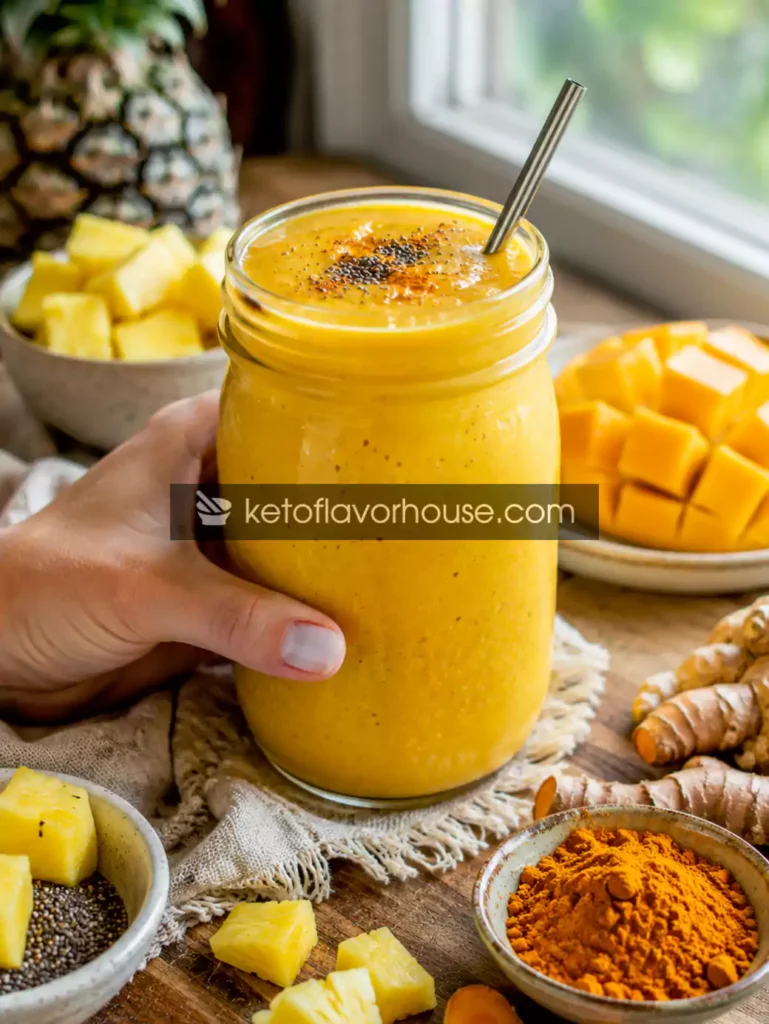
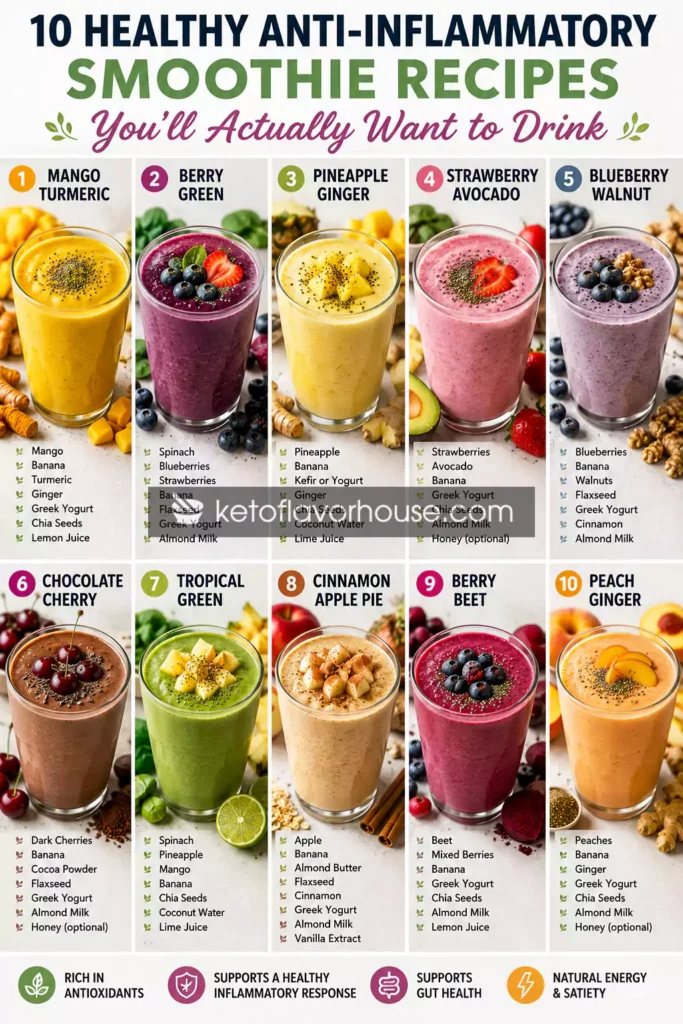
There are certain days when your body practically begs for something lighter, fresher, and more nourishing. You know the feeling — waking up slightly bloated after a heavy dinner, feeling sluggish in the middle of the afternoon, or just craving something cooling that still feels satisfying. That’s exactly where this Healthy Anti-Inflammatory Mango Smoothie with Turmeric became one of my favorite kitchen resets.
I first started making this smoothie during warmer months when I wanted something creamy and comforting without feeling weighed down afterward. Instead of reaching for sugary drinks or overly processed smoothies, I wanted something that tasted indulgent while still supporting an anti-inflammatory lifestyle. The combination of naturally sweet mango, warming turmeric, fresh ginger, and creamy coconut milk creates a smoothie that feels both refreshing and deeply comforting at the same time.
What I love most about this recipe is how balanced it feels. The mango gives it that tropical sweetness and velvety texture, while turmeric and ginger add earthy warmth that makes the smoothie feel grounding rather than overly sugary. It’s the kind of recipe that works beautifully as a quick breakfast, an afternoon recharge, or even a light evening snack when you want something nourishing but not too heavy.
This smoothie is especially ideal for anyone trying to eat more whole foods, reduce processed ingredients, or simply include more anti-inflammatory ingredients in their routine without sacrificing flavor. It’s naturally dairy-free, easy to customize, and surprisingly filling thanks to the healthy fats and fiber-rich ingredients.
And honestly? It just tastes good. Really good. Bright, creamy, lightly spiced, and naturally sweet in a way that feels refreshing rather than overwhelming.
💚 Why You’ll Love This Recipe
- 🥬 Made with naturally anti-inflammatory ingredients like turmeric, ginger, and mango
- ⚡ Helps you feel refreshed, nourished, and energized without feeling heavy
- 🍽️ Creamy, satisfying texture that keeps you fuller longer
- 👩🍳 Quick and beginner-friendly recipe with minimal prep
- 🧡 Sweet tropical mango flavor balanced with cozy warming spices
- 🌱 Dairy-free and easy to customize for different dietary needs
- 🧠 Perfect for busy mornings, post-workout recovery, or healthy snacking
🧠 My Personal Experience
The first time I made this smoothie, I honestly expected it to taste overly “healthy.” Sometimes turmeric drinks can become too earthy or bitter, especially when there’s too much spice and not enough balance. But this recipe completely changed my mind.
The ripe mango naturally sweetens everything while giving the smoothie a thick, creamy texture that almost feels dessert-like. The ginger brightens the flavor and keeps it from tasting flat, while turmeric adds warmth without overpowering the drink.
What surprised me most was how I felt afterward. Instead of the heavy, sleepy feeling I sometimes get after sugary smoothies, this one left me feeling lighter and more refreshed. I especially noticed a difference on days when I felt bloated or sluggish after eating too much processed food. It became one of those recipes I started craving because it genuinely made me feel nourished.
Now it’s one of my favorite ways to reset after travel, busy weekends, or long workdays when my body needs something fresh and balanced.
🧰 Required Equipment
High-Speed Blender
A good blender is the most important tool for this recipe because it helps create an ultra-creamy texture. Since turmeric, ginger, and frozen mango can be fibrous, a strong blender ensures everything becomes smooth and silky.
Helpful Tip:
Blend the liquids first before adding frozen ingredients to help the blades move more easily.
Sharp Knife
You’ll need a sharp knife for peeling and cubing fresh mango and ginger safely and efficiently.
Helpful Tip:
Cut mango close to the seed to get the most fruit possible.
Measuring Cups and Spoons
Precise measurements help maintain the perfect balance between sweetness, creaminess, and spice.
Serving Glasses
This smoothie tastes best served immediately while cold and creamy. Chilled glasses help keep it refreshing longer.
🥬 Ingredients & Substitutions
Mango – 2 cups frozen mango chunks
Mango is the heart of this recipe. It provides natural sweetness, a creamy texture, fiber, and important antioxidants.
Anti-Inflammatory Benefit:
Mango contains vitamin C and plant compounds called polyphenols that support overall wellness and inflammation balance.
Substitutions:
- Pineapple: Adds more tanginess
- Peaches: Softer sweetness
- Papaya: Tropical and digestion-friendly
Frozen mango works best because it creates a thick smoothie without needing extra ice.
Unsweetened Coconut Milk – 1 cup
Coconut milk creates a rich, creamy consistency while keeping the recipe dairy-free.
Anti-Inflammatory Benefit:
Healthy fats from coconut milk help create a satisfying smoothie while supporting overall balance.
Substitutions:
- Almond milk: Lighter texture
- Oat milk: Creamier and naturally sweeter
- Cashew milk: Extra smooth consistency
Cold Water – 1 cup
Water helps thin the smoothie while keeping the flavor clean and refreshing.
Substitutions:
- Coconut water for extra electrolytes
- Brewed green tea for antioxidants
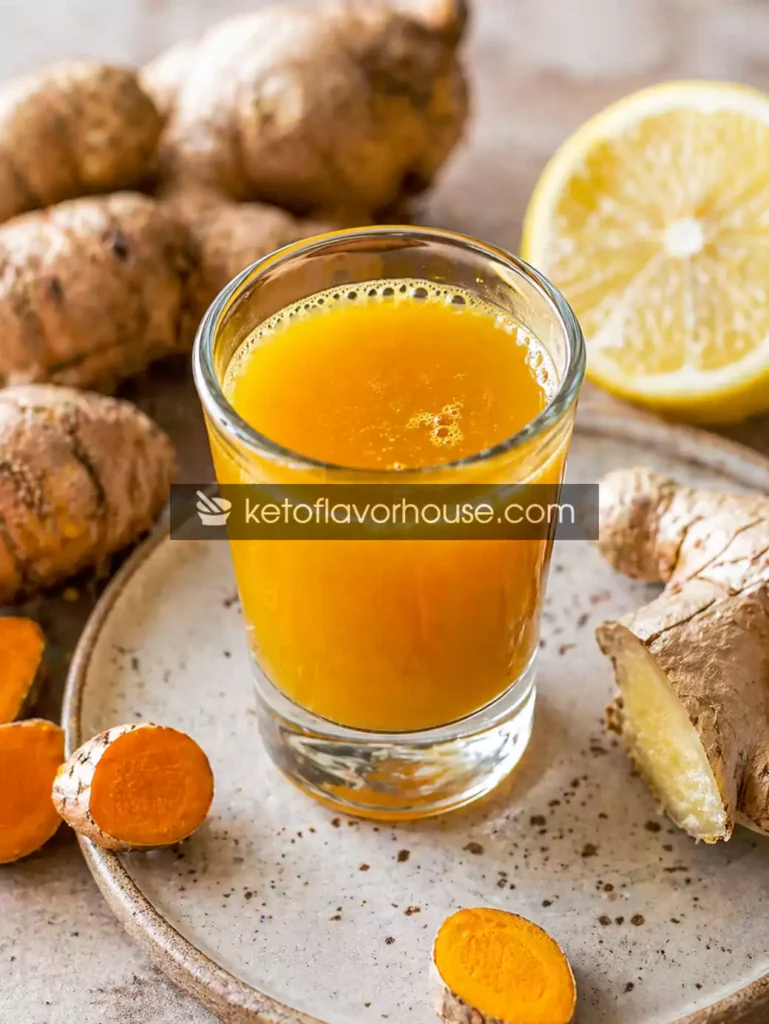
Fresh Ginger – 1 teaspoon grated
Fresh ginger adds brightness and gentle warmth.
Anti-Inflammatory Benefit:
Ginger is commonly included in anti-inflammatory eating because it contains naturally occurring compounds that support digestion and overall wellness.
Substitutions:
- Ground ginger (½ teaspoon)
- Fresh turmeric root for a stronger earthy flavor
Ground Turmeric – ½ teaspoon
Turmeric gives the smoothie its beautiful golden color and earthy warmth.
Anti-Inflammatory Benefit:
Turmeric contains curcumin, a compound widely known for supporting inflammation balance.
Substitutions:
- Fresh turmeric root
- Golden milk spice blend
Black Pepper – Pinch
Black pepper helps improve curcumin absorption from turmeric.
Substitutions:
This ingredient is strongly recommended and should not be skipped if possible.
Chia Seeds – 1 tablespoon
Chia seeds add thickness, fiber, and healthy fats.
Anti-Inflammatory Benefit:
Chia seeds contain omega-3 fatty acids which support a balanced anti-inflammatory lifestyle.
Substitutions:
- Ground flaxseed
- Hemp hearts
Raw Honey – 1 teaspoon (optional)
A little honey can enhance sweetness depending on the ripeness of your mango.
Substitutions:
- Maple syrup
- Medjool date
- Stevia for lower sugar
👩🍳 How to Make Healthy Anti-Inflammatory Mango Smoothie with Turmeric
Step 1: Prepare the Ingredients
Peel and cube the mango if using fresh mango. Grate the ginger finely to help it blend smoothly.
Helpful Tip:
Using frozen mango creates a creamier texture and eliminates the need for too much ice, which can water down flavor.
Step 2: Add Liquid Ingredients First
Pour coconut milk and water into the blender before adding solid ingredients.
This helps the blender run smoothly and prevents ingredients from sticking at the bottom.
Step 3: Add Mango and Remaining Ingredients
Add mango chunks, turmeric, ginger, black pepper, chia seeds, and optional honey.
Helpful Tip:
Avoid adding too much turmeric. A little creates warmth and balance, while too much can make the smoothie bitter.
Step 4: Blend Until Smooth
Blend on high speed for 45–60 seconds until completely creamy.
If the smoothie feels too thick, add extra water slowly until desired consistency is reached.
Step 5: Taste and Adjust
Taste before serving.
You can:
- Add more honey for sweetness
- Add more ginger for brightness
- Add extra coconut milk for richness
Step 6: Serve Immediately
Pour into chilled glasses and serve immediately for the best texture and flavor.
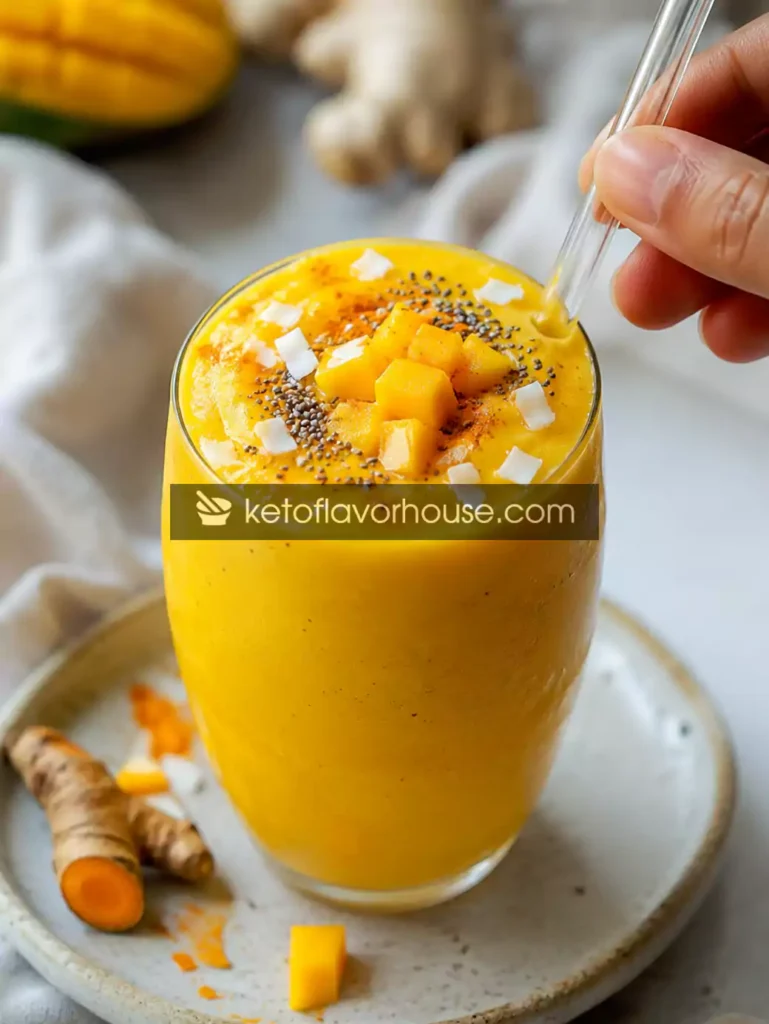
Optional toppings:
- Chia seeds
- Mango cubes
- Coconut flakes
- Cinnamon sprinkle
⚠️ Common Mistakes to Avoid
Using Unripe Mango
Unripe mango can make the smoothie sour and less naturally sweet.
Fix:
Use fully ripe mango with vibrant orange flesh.
Adding Too Much Turmeric
Too much turmeric creates bitterness and overpowering earthiness.
Fix:
Stick to about ½ teaspoon for balanced flavor.
Using Sweetened Milk
Sweetened coconut or almond milk can make the smoothie overly sugary.
Fix:
Choose unsweetened varieties whenever possible.
Overloading with Ice
Too much ice waters down flavor and creates an icy texture instead of a creamy smoothie.
Fix:
Use frozen fruit instead.
Skipping Healthy Fat
Healthy fats improve satisfaction and help the smoothie feel balanced.
Fix:
Include coconut milk, chia seeds, or flaxseed.
🔥 Pro Tips for Best Results
- Use frozen mango for ultra-creamy texture
- Add a squeeze of lime juice to brighten flavor
- Blend chia seeds thoroughly for smoother consistency
- Chill serving glasses beforehand
- Add cinnamon for extra warmth
- Use fresh ginger instead of powdered for brighter flavor
- Include a small amount of avocado for even creamier texture
- Add spinach for extra nutrients without overpowering flavor
For a stronger anti-inflammatory boost:
- Add extra ginger
- Include flaxseed
- Use fresh turmeric root
- Add a small amount of extra virgin olive oil for healthy fats
🧬 Anti-Inflammatory Benefits of Mango
Mango is often appreciated for its sweet tropical flavor, but it also contains nutrients that fit beautifully into an anti-inflammatory eating style.
One of mango’s biggest strengths is its vitamin C content. Vitamin C supports immune health and helps protect cells from oxidative stress. Mango also contains vitamin A and naturally occurring plant compounds called polyphenols, which are commonly associated with wellness-supportive diets.
The fiber in mango may also help support digestion and gut health, both of which play an important role in how the body feels overall. Many people notice that when they prioritize whole fruits, hydration, and fiber-rich foods, they feel lighter and more energized.
Unlike heavily processed desserts or sugary drinks, mango provides natural sweetness while still offering nutritional value. That’s one reason this smoothie feels satisfying without feeling excessively heavy afterward.
When paired with ingredients like turmeric, ginger, chia seeds, and coconut milk, mango becomes part of a balanced, comforting recipe that supports a whole-food lifestyle.
🌿 Variations You Can Try
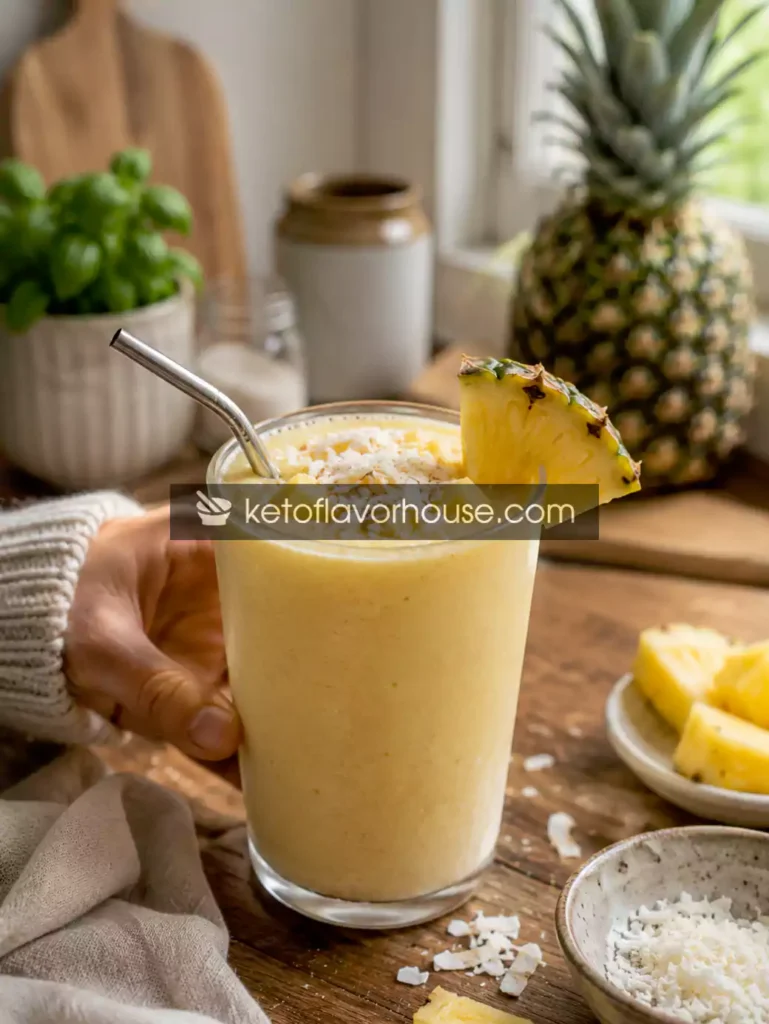
Tropical Pineapple Version
Replace half the mango with pineapple for a brighter, tangier smoothie.
Green Anti-Inflammatory Smoothie
Add:
- 1 cup spinach
- ½ avocado
This version becomes extra nutrient-dense while staying creamy.
High-Protein Variation
Add:
- Vanilla protein powder
- Greek yogurt
- Collagen peptides
Perfect for post-workout recovery or a more filling breakfast.
Coconut Cream Version
Use full-fat coconut milk for a richer, dessert-like smoothie.
Citrus Mango Smoothie
Add orange juice or fresh lime juice for extra brightness.
🍽️ Tips for This Recipe
- Always taste before serving because mango sweetness varies
- Blend longer than you think for smoother texture
- Add liquids gradually if you prefer thicker smoothies
- Use fresh ginger for the best flavor
- Keep turmeric balanced so it complements rather than dominates
- Store leftover smoothie in an airtight jar to minimize oxidation
➕ Optional Additions
Want to customize your smoothie even more? Try adding:
- Hemp seeds
- Ground flaxseed
- Collagen powder
- Spinach
- Kale
- Cinnamon
- Vanilla extract
- Coconut flakes
- Lime zest
- Greek yogurt
- Fresh mint
These additions can improve texture, nutrition, or flavor while keeping the smoothie satisfying and nourishing.
🍴 Serving Ideas
This smoothie works beautifully in several ways:
- Quick breakfast on busy mornings
- Afternoon energy boost
- Light post-workout snack
- Healthy dessert alternative
- Summer brunch drink
- Meal prep smoothie packs
Pair it with:
- Boiled eggs
- Chia pudding
- Nut butter toast
- Granola
- High-protein muffins
🧊 Storage Recommendations
Refrigerator
Store in an airtight mason jar for up to 24 hours.
Shake well before drinking because natural separation may occur.
Freezer
Freeze in smoothie cubes or freezer-safe containers for up to 1 month.
Thaw slightly before blending again.
Reheating Tips
This smoothie is intended to be served cold and is not recommended for reheating.
❓ Frequently Asked Questions
Can I make this smoothie without coconut milk?
Yes. Almond milk, oat milk, or cashew milk all work well.
Is turmeric necessary?
Turmeric adds warmth and anti-inflammatory support, but the smoothie still tastes delicious without it.
Can I use fresh mango instead of frozen?
Absolutely. Just add some ice for thickness.
Is this smoothie good for meal prep?
Yes, but it tastes freshest immediately after blending.
Can I add protein powder?
Definitely. Vanilla protein powder works especially well.
What sweetener works best?
Honey and maple syrup both pair nicely with mango and turmeric.
Can kids drink this smoothie?
Yes. You may want to slightly reduce the ginger and turmeric for milder flavor.
🧮 Nutritional Breakdown (Per Serving)
Approximate values:
- Calories: 210
- Protein: 3g
- Fat: 9g
- Total Carbs: 31g
- Net Carbs: 26g
📌 Recipe Snapshot
| Detail | Information |
|---|---|
| Prep Time | 10 minutes |
| Cook Time | 0 minutes |
| Total Time | 10 minutes |
| Course | Breakfast, Smoothie |
| Cuisine | Healthy, Tropical |
| Servings | 2 |
| Calories | 210 |
Healthy Anti-Inflammatory Mango Smoothie with Turmeric Recipe

Ingredients
- 2 cups frozen mango chunks
- 1 cup unsweetened coconut milk
- 1 cup cold water
- 1 teaspoon fresh grated ginger
- ½ teaspoon ground turmeric
- Pinch black pepper
- 1 tablespoon chia seeds
- 1 teaspoon raw honey optional
- Ice as needed
Instructions
- Pour the unsweetened coconut milk and cold water into a high-speed blender first. Adding the liquid before the frozen ingredients helps the blender run more smoothly and prevents the blades from getting stuck. If you prefer a richer, creamier smoothie, use full-fat coconut milk. For a lighter version, use light coconut milk or add a little extra water.
- Add the frozen mango chunks, freshly grated ginger, ground turmeric, black pepper, chia seeds, and optional honey to the blender. The frozen mango creates a naturally thick and creamy texture without needing excessive ice. Fresh ginger gives the smoothie a bright, refreshing flavor, while turmeric adds warm earthy notes. The small pinch of black pepper helps support turmeric absorption and balances the flavor beautifully.
- Secure the blender lid tightly and blend on high speed for about 45–60 seconds, or until the smoothie becomes completely smooth and creamy. Pause and scrape down the sides if needed to ensure everything blends evenly. If the smoothie still looks slightly grainy from the chia seeds or ginger, continue blending for another 15–20 seconds until silky.
- Check the consistency after blending. If the smoothie feels too thick for your liking, slowly add a few tablespoons of cold water at a time and blend again briefly until it reaches your preferred texture. For an extra thick smoothie bowl consistency, reduce the water slightly and use more frozen mango.
- Taste the smoothie before serving and adjust the flavor as needed. Add a little more honey or maple syrup if you prefer extra sweetness, especially if your mango is not fully ripe. If you enjoy stronger warming flavors, add a tiny bit more ginger or turmeric, but avoid overdoing the turmeric since too much can make the smoothie taste bitter.
- Pour the smoothie into chilled serving glasses immediately after blending. Chilled glasses help keep the smoothie cold and refreshing longer while also improving the overall texture and presentation.
- Finish with optional toppings like chia seeds, shredded coconut, diced mango, or a light sprinkle of cinnamon for extra flavor and texture. Serve immediately while the smoothie is cold, creamy, and at its freshest.