This post may contains Amazon affiliate and other affiliate links. If you make a purchase through these links, I may earn a small commission at no extra cost to you. Your support helps me continue to provide quality content. I only recommend products I personally trust and believe will add value to your experience. For more details, please visit my Privacy Policy.
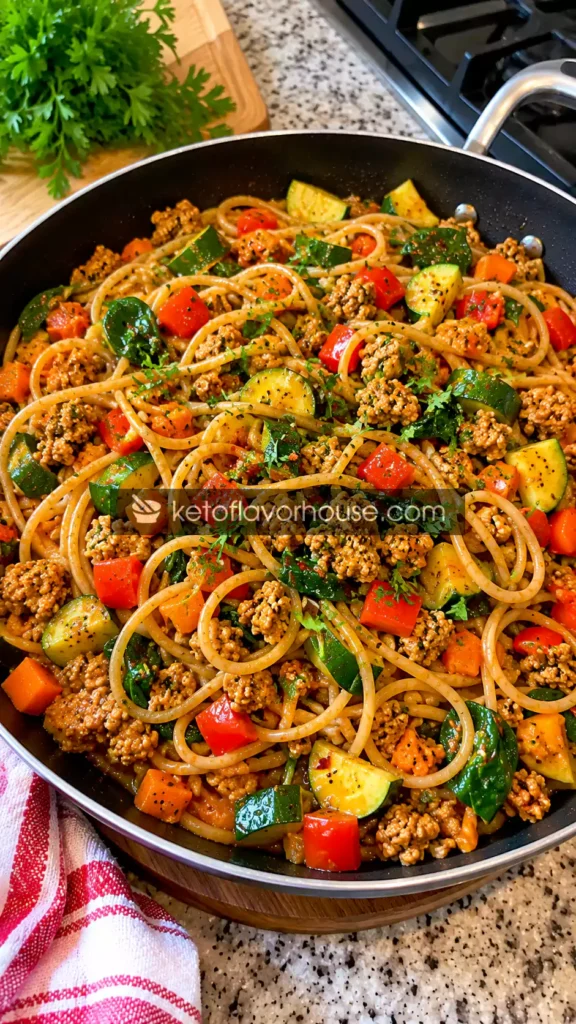
There are certain evenings when all I want is a big bowl of pasta. Not the kind that leaves me feeling sluggish or overly full, but something warm, comforting, and genuinely nourishing. After long days when energy feels low, stress has been running high, and my body craves comfort food, I often find myself reaching for this Anti-Inflammatory Turkey Spaghetti Recipe (Healthy & Easy).
Traditional spaghetti has always held a special place in my kitchen. It’s one of those meals that instantly feels familiar and comforting. But over time, I started noticing that some heavier pasta dishes left me feeling weighed down rather than satisfied. I wanted a version that delivered all the cozy, nostalgic flavors I loved while incorporating ingredients that aligned with a more balanced, anti-inflammatory approach to eating.
That’s exactly why this recipe became a regular part of my meal rotation.
This anti-inflammatory turkey spaghetti combines whole wheat spaghetti, lean ground turkey, colorful vegetables, olive oil, garlic, fresh ginger, turmeric, oregano, and spinach to create a meal that feels deeply satisfying without being overly heavy. It has everything I love about comfort food: rich flavors, hearty textures, and that wonderful feeling of gathering around the table for a homemade dinner.
What makes this recipe especially practical is how easily it fits into real life. It comes together in under an hour, reheats beautifully for meal prep lunches, and uses simple ingredients that are easy to keep stocked in the kitchen. Whether you’re feeding a family, preparing meals ahead for the week, or simply trying to include more wholesome ingredients in your routine, this recipe delivers.
The lean turkey provides satisfying protein, the vegetables add color and texture, and ingredients like garlic, ginger, turmeric, and olive oil naturally fit within an anti-inflammatory eating pattern. The result is a healthy comfort food recipe that tastes indulgent while still helping you feel energized and balanced afterward.
If you’ve been looking for an easy healthy dinner recipe that brings together nourishing ingredients and cozy flavors, this anti-inflammatory spaghetti might quickly become one of your favorites too.
💚 Why You’ll Love This Recipe
- 🥬 Packed with anti-inflammatory ingredients: Garlic, ginger, turmeric, olive oil, oregano, spinach, and colorful vegetables all contribute to a wholesome, balanced meal.
- ⚡ Supports steady energy levels: Lean protein, fiber-rich whole wheat pasta, and vegetables help create a satisfying dinner that doesn’t feel overly heavy.
- 🍽️ Comforting yet balanced: You still get all the cozy spaghetti vibes while enjoying a more nourishing version of this classic dish.
- 👩🍳 Easy enough for busy weeknights: Most of the cooking happens in one skillet, making cleanup manageable even on hectic days.
- 🧡 Full of flavor: Fresh garlic, aromatic ginger, herbs, and lemon create layers of deliciousness without relying on processed ingredients.
- 🥣 Excellent for meal prep: This recipe reheats surprisingly well, making it perfect for lunches and dinners throughout the week.
- 🔥 Naturally flavorful: The combination of turmeric, oregano, tamari, and olive oil creates a savory sauce that tastes comforting and satisfying.
- 💪 High in protein and nourishing: Lean ground turkey provides quality protein that helps make this meal filling and balanced.
- 🌈 Loaded with vegetables: Carrots, zucchini, bell peppers, and spinach add both nutrition and vibrant color.
- 👨👩👧👦 Family-friendly: Even picky eaters often enjoy this recipe because it still feels like classic spaghetti.
🧠 My Personal Experience
This recipe actually came about during one of those weeks when I was craving pasta almost every night but didn’t want the heavy feeling that sometimes followed richer comfort foods.
I remember making the first version on a rainy evening after an especially busy day. I wanted something cozy but also wanted to include ingredients that helped me feel good afterward. I had some ground turkey in the fridge, a few vegetables that needed to be used up, and an avocado oil bottle sitting next to my olive oil that reminded me how much I had been trying to focus on more intentional ingredient choices.
The smell of garlic and ginger sautéing in olive oil immediately made the kitchen feel warm and inviting. Then came the turmeric, oregano, and vegetables, creating one of those moments where you realize healthy cooking doesn’t have to be boring or restrictive.
What surprised me most was how satisfied I felt after eating it.
Unlike some pasta dinners that leave me feeling overly full or sluggish, this version felt balanced. The lean turkey added substance, the vegetables brought freshness, and the whole wheat spaghetti provided all the comfort I was craving.
Over time, this recipe quietly became part of my regular routine.
It’s now one of my favorite meal prep dinners because it reheats beautifully and somehow tastes even better the next day. Whenever life feels especially hectic, having a comforting meal like this ready in the refrigerator feels like a small act of self-care.
I keep coming back to this anti-inflammatory turkey spaghetti because it reminds me that healthy eating doesn’t have to mean giving up foods you genuinely love. Sometimes, it’s simply about making small ingredient swaps that help you feel your best while still enjoying every bite.
🧰 Required Equipment
Large Skillet or Sauté Pan
A large skillet is essential because this recipe contains turkey, vegetables, sauce, spinach, and pasta all coming together in one pan.
Why it matters:
A spacious skillet prevents overcrowding, allowing vegetables to cook evenly and the turkey to brown properly rather than steam.
Alternative:
A Dutch oven or large pot works equally well.
Large Pot
You’ll need a large pot to cook the whole wheat spaghetti.
Helpful Tip:
Use plenty of water and salt it lightly to help season the pasta while cooking.
Alternative:
Any pot large enough for the pasta to move freely while boiling will work.
Sharp Chef’s Knife
Since this recipe includes several vegetables, a sharp knife makes prep much easier.
Why it matters:
Uniformly diced vegetables cook more evenly.
Helpful Tip:
Take your time with prep work before cooking starts to create a smoother cooking experience.
Cutting Board
A sturdy cutting board provides a safe surface for chopping vegetables and herbs.
Alternative:
Use separate boards for vegetables and raw turkey if preferred.
Wooden Spoon or Silicone Spatula
You’ll need something sturdy to break apart the turkey and stir the ingredients together.
Why it matters:
These utensils help preserve the integrity of the vegetables without scratching cookware.
Measuring Cups and Spoons
Accurate measurements ensure balanced flavors, especially for ingredients like turmeric, tamari, and lemon juice.
Helpful Tip:
Measure spices before starting to streamline the cooking process.
Small Mixing Bowl
Useful for whisking together the sauce ingredients before adding them to the skillet.
Alternative:
A measuring cup with a spout works perfectly too.
Colander
Essential for draining the cooked spaghetti.
Helpful Tip:
Reserve a small amount of pasta water before draining. It can help loosen the sauce later if needed.
🥬 Ingredients & Substitutions
Whole Wheat Spaghetti (8 ounces)
Role in the recipe:
Provides the comforting foundation of this dish while offering more fiber than traditional refined pasta.
Wellness Benefit:
Whole grains naturally provide fiber that contributes to a balanced meal.
Substitutions:
- Chickpea pasta
- Brown rice pasta
- Lentil pasta
- Regular spaghetti
- Zucchini noodles
How substitutions affect the recipe:
- Chickpea pasta: Higher protein and slightly firmer texture.
- Lentil pasta: Earthier flavor with added fiber.
- Brown rice pasta: Mild flavor but softer texture.
- Zucchini noodles: Lower-carb option with shorter cooking time.
Lean Ground Turkey (1 pound)
Role in the recipe:
Adds satisfying protein while keeping the dish lighter than traditional beef spaghetti.
Wellness Benefit:
Lean turkey provides high-quality protein that supports satiety.
Substitutions:
- Ground chicken
- Lean ground beef
- Lentils
- Plant-based ground alternatives
How substitutions affect the recipe:
- Ground chicken: Similar flavor and nutrition.
- Lean beef: Richer taste with slightly more fat.
- Lentils: Vegetarian option with additional fiber.
- Plant-based alternatives: Convenient meatless option.
Olive Oil (2 tablespoons)
Role in the recipe:
Used to sauté vegetables and build flavor.
Wellness Benefit:
Olive oil contains monounsaturated fats commonly included in anti-inflammatory eating patterns.
Substitutions:
- Avocado oil
- Extra virgin olive oil
- Coconut oil
How substitutions affect the recipe:
- Avocado oil: Neutral flavor and high heat stability.
- Extra virgin olive oil: Richer flavor profile.
- Coconut oil: Slight sweetness that changes the taste.
Onion (1 medium, diced)
Role in the recipe:
Forms the aromatic base of the dish.
Wellness Benefit:
Onions contain plant compounds often associated with balanced eating patterns.
Substitutions:
- Shallots
- Sweet onions
- Leeks
Effect on flavor:
- Shallots provide a milder sweetness.
- Leeks create a softer, delicate onion flavor.
Garlic (3 cloves, minced)
Role in the recipe:
Adds deep savory flavor and warmth.
Wellness Benefit:
Garlic is a staple ingredient in many anti-inflammatory meal plans.
Substitutions:
- Garlic powder (1 teaspoon)
- Roasted garlic
Effect on flavor:
Fresh garlic provides the boldest flavor. Roasted garlic offers a sweeter taste.
Fresh Ginger (1 tablespoon, freshly grated)
Role in the recipe:
Fresh ginger adds a subtle warmth and bright, slightly spicy flavor that complements the garlic and turmeric beautifully. It helps elevate the overall taste of the dish without overpowering the other ingredients.
Wellness Benefit:
Ginger is commonly used in anti-inflammatory eating patterns and brings both flavor and freshness to wholesome meals.
Substitutions:
- 1 teaspoon ground ginger
- Ginger paste
- Additional garlic (if ginger isn’t available)
How substitutions affect the recipe:
- Ground ginger: More concentrated flavor; use less.
- Ginger paste: Similar flavor and convenience.
- Extra garlic: Maintains savory depth but loses ginger’s unique brightness.
Carrots (2 medium, diced)
Role in the recipe:
Carrots add natural sweetness, vibrant color, and a slight crunch that balances the savory elements of the dish.
Wellness Benefit:
They provide fiber and antioxidants that fit well within a balanced eating approach.
Substitutions:
- Butternut squash
- Sweet potatoes
- Additional bell peppers
How substitutions affect the recipe:
- Butternut squash: Slightly sweeter flavor and softer texture.
- Sweet potatoes: Heartier and more filling.
- Bell peppers: Maintain freshness and crunch.
Zucchini (1 medium, chopped)
Role in the recipe:
Zucchini adds volume and tenderness without significantly altering the flavor of the spaghetti.
Wellness Benefit:
It’s a low-calorie vegetable that contributes fiber and nutrients.
Substitutions:
- Yellow squash
- Mushrooms
- Eggplant
How substitutions affect the recipe:
- Yellow squash: Nearly identical texture and flavor.
- Mushrooms: Add an earthy, savory quality.
- Eggplant: Creates a heartier texture.
Bell Pepper (1 medium, chopped)
Role in the recipe:
Bell peppers bring sweetness, color, and a pleasant texture contrast.
Wellness Benefit:
Rich in antioxidants and vitamin C, they contribute to a nutrient-dense meal.
Substitutions:
- Mini sweet peppers
- Red bell peppers
- Broccoli florets
How substitutions affect the recipe:
- Red peppers: Sweeter flavor profile.
- Green peppers: Slightly more bitter taste.
- Broccoli: Adds a firmer texture.
Fresh Spinach (2 cups)
Role in the recipe:
Spinach wilts beautifully into the pasta, adding extra nutrients without overwhelming the dish.
Wellness Benefit:
Leafy greens are frequently included in anti-inflammatory eating patterns due to their nutrient density.
Substitutions:
- Kale
- Swiss chard
- Arugula
How substitutions affect the recipe:
- Kale: Requires slightly longer cooking.
- Swiss chard: Mild flavor and tender texture.
- Arugula: Adds a peppery bite.
Ground Turmeric (1 teaspoon)
Role in the recipe:
Turmeric contributes a warm, earthy flavor and gives the dish its anti-inflammatory focus.
Wellness Benefit:
Turmeric is widely recognized as a staple ingredient in anti-inflammatory recipes.
Substitutions:
- Curry powder
- Fresh turmeric root (1 tablespoon grated)
How substitutions affect the recipe:
- Curry powder: Adds complexity with additional spices.
- Fresh turmeric: Brighter flavor and vibrant color.
Dried Oregano (1 teaspoon)
Role in the recipe:
Oregano provides classic Mediterranean flavor that complements the turkey and vegetables.
Wellness Benefit:
Herbs naturally add flavor without relying heavily on sodium.
Substitutions:
- Italian seasoning
- Dried basil
- Fresh oregano (1 tablespoon)
How substitutions affect the recipe:
- Italian seasoning: More complex herbal profile.
- Basil: Slightly sweeter flavor.
- Fresh oregano: Brighter, fresher taste.
Black Pepper (½ teaspoon, or to taste)
Role in the recipe:
Black pepper enhances all the surrounding flavors and pairs particularly well with turmeric.
Wellness Benefit:
Adds flavor complexity without additional calories or processed ingredients.
Substitutions:
- White pepper
- Crushed red pepper flakes
How substitutions affect the recipe:
- White pepper: Milder flavor.
- Red pepper flakes: Adds heat.
Low-Sodium Broth or Water (¼ cup)
Role in the recipe:
Helps create moisture and prevents the pasta mixture from becoming dry.
Wellness Benefit:
Low-sodium broth helps control overall sodium levels.
Substitutions:
- Vegetable broth
- Chicken broth
- Reserved pasta water
How substitutions affect the recipe:
- Vegetable broth: Maintains lighter flavor.
- Chicken broth: Adds richness.
- Pasta water: Helps bind the sauce naturally.
Sauce Ingredients & Substitutions
Low-Sodium Tamari or Coconut Aminos (¼ cup)
Role in the recipe:
Provides savory umami flavor that ties all the ingredients together.
Wellness Benefit:
Offers flavor depth while allowing better control over sodium intake when choosing low-sodium varieties.
Substitutions:
- Low-sodium soy sauce
- Liquid aminos
How substitutions affect the recipe:
- Soy sauce: Similar flavor but contains gluten.
- Liquid aminos: Slightly sweeter taste.
Fresh Lemon Juice (1 tablespoon)
Role in the recipe:
Adds brightness and balances the savory richness of the turkey and olive oil.
Wellness Benefit:
Fresh citrus enhances flavor naturally, reducing the need for excessive salt.
Substitutions:
- Lime juice
- Apple cider vinegar
- White wine vinegar
How substitutions affect the recipe:
- Lime juice: Slightly tangier flavor.
- Apple cider vinegar: More pronounced acidity.
- White wine vinegar: Mild brightness.
Olive Oil (1 tablespoon)
Role in the sauce:
Helps emulsify the sauce ingredients while adding richness and smoothness.
Wellness Benefit:
A staple ingredient in Mediterranean-style and anti-inflammatory eating patterns.
Substitutions:
- Avocado oil
- Walnut oil (used after cooking)
How substitutions affect the recipe:
- Avocado oil: Neutral flavor.
- Walnut oil: Nutty flavor best used as a finishing oil.
Red Pepper Flakes (Optional Pinch)
Role in the recipe:
Adds gentle heat that enhances the overall flavor profile.
Wellness Benefit:
A small amount can make meals more satisfying without additional calories.
Substitutions:
- Cayenne pepper
- Fresh chili peppers
- Omit completely
How substitutions affect the recipe:
- Cayenne: Stronger heat.
- Fresh chilies: Fresher, brighter spice.
- Omitting: Keeps the dish family-friendly.
👩🍳 How to Make Anti-Inflammatory Turkey Spaghetti Recipe
One of my favorite things about this recipe is how approachable it is. Even on busy weeknights, the steps feel manageable, and the kitchen gradually fills with the comforting aromas of garlic, ginger, herbs, and sautéed vegetables. The process itself feels calming, almost therapeutic, especially knowing that dinner will be both satisfying and nourishing.
In the next section, we’ll walk through each step in detail so you can confidently create a flavorful, anti-inflammatory spaghetti that tastes every bit as comforting as the classic version.
👩🍳 How to Make Anti-Inflammatory Turkey Spaghetti Recipe
Cook the Spaghetti Until Perfectly Al Dente
Bring a large pot of water to a boil. Add the whole wheat spaghetti and cook according to the package directions until it reaches an al dente texture, usually about 8–10 minutes. The pasta should be tender but still have a slight bite in the center.
Avoid overcooking, as the spaghetti will continue to absorb some moisture when tossed with the sauce later. Reserve ½ cup of the pasta cooking water before draining. This starchy water can help loosen the sauce if needed.
Drain the pasta and set it aside while you prepare the remaining ingredients.
Helpful Tip: If you’re meal prepping, slightly undercook the pasta by 1 minute to prevent it from becoming soft when reheated.
Sauté the Aromatics to Build Flavor
Heat 2 tablespoons of olive oil in a large skillet or sauté pan over medium heat.
Add the diced onion and cook for 3–4 minutes, stirring occasionally until it begins to soften and turn translucent.
Stir in the minced garlic and fresh ginger, cooking for another 30–60 seconds until fragrant.
This stage creates the flavor foundation for the entire dish. The aroma of garlic and ginger cooking together instantly makes the kitchen feel warm and inviting.
Avoid: Cooking garlic too long, as it can become bitter. Once fragrant, move on to the next step.
Brown the Ground Turkey Properly
Add the lean ground turkey to the skillet with the aromatics.
Using a wooden spoon or spatula, break the turkey into small pieces as it cooks. Continue cooking for 6–8 minutes, stirring occasionally, until the turkey is fully cooked and no pink remains.
Proper browning develops deeper flavor and improves the texture of the finished dish.
Helpful Tip: Allow the turkey to sit undisturbed for a minute or two between stirring to encourage light browning rather than steaming.
Internal Temperature Goal: Ground turkey should reach 165°F (74°C).
Cook the Vegetables Until Tender-Crisp
Add the diced carrots, chopped zucchini, and bell pepper to the skillet.
Cook for 5–7 minutes, stirring occasionally, until the vegetables begin to soften but still maintain some texture.
The carrots should become tender, while the zucchini and peppers should remain slightly crisp.
This balance creates a spaghetti dish that feels hearty without becoming mushy.
Helpful Tip: Cut the vegetables into similar-sized pieces to ensure even cooking.
Avoid: Overcooking the zucchini, as it releases moisture and can make the dish watery.
Season with Anti-Inflammatory Herbs and Spices
Sprinkle in the:
- 1 teaspoon turmeric
- 1 teaspoon oregano
- ½ teaspoon black pepper
Stir everything together and cook for 1 minute to allow the spices to bloom in the warm oil.
This short cooking period intensifies their flavors and helps distribute them evenly throughout the dish.
The turmeric adds a subtle earthiness and beautiful golden hue, while oregano contributes familiar Mediterranean comfort.
Helpful Tip: Freshly ground black pepper pairs particularly well with turmeric and enhances the overall flavor profile.
Prepare the Bright, Savory Sauce
While the vegetables finish cooking, whisk together in a small bowl:
- ¼ cup low-sodium tamari or coconut aminos
- 1 tablespoon fresh lemon juice
- 1 tablespoon olive oil
- Pinch of red pepper flakes (if using)
Mix until well combined.
The lemon juice brightens the entire dish, while the tamari adds savory depth without relying on heavy processed sauces.
Helpful Tip: Taste the sauce before adding it to the skillet. If you prefer a slightly tangier flavor, add an extra squeeze of lemon juice.
Combine Everything Together
Reduce the heat to medium-low.
Add the cooked spaghetti to the skillet, followed by the prepared sauce and 2 cups of fresh spinach.
Using tongs, gently toss everything together until the pasta is evenly coated and the spinach begins to wilt.
If the mixture appears dry, add a few tablespoons of the reserved pasta water until the desired consistency is reached.
The spinach should soften quickly while maintaining its vibrant green color.
Avoid: Overmixing aggressively, which can break apart the vegetables and pasta.
Simmer Briefly to Allow the Flavors to Meld
Allow the spaghetti mixture to cook for 2–3 additional minutes, stirring occasionally.
This final step gives the sauce time to coat every strand of pasta while allowing the garlic, ginger, turmeric, and herbs to fully infuse throughout the dish.
The result is a balanced, comforting spaghetti that feels both wholesome and deeply satisfying.
Helpful Tip: Taste before serving and adjust with additional lemon juice, black pepper, or fresh herbs if desired.
Garnish and Serve
Remove the skillet from the heat and allow the spaghetti to rest for 2–3 minutes before serving.
Top with freshly chopped parsley, an extra drizzle of olive oil, or a pinch of red pepper flakes for additional flavor.
Serve warm and enjoy every comforting bite of this nourishing anti-inflammatory dinner.
One of my favorite things about this recipe is that it manages to deliver everything I love about classic spaghetti—warmth, satisfaction, and familiarity—while incorporating ingredients that leave me feeling energized rather than weighed down.
⚠️ Common Mistakes to Avoid
Overcooking the Ground Turkey
Turkey is naturally lean, which means it can dry out quickly if cooked too long.
Fix: Cook just until it reaches 165°F and no pink remains.
Overcooking the Pasta
Soft pasta can become mushy once combined with the sauce.
Fix: Cook the spaghetti until just al dente and reserve pasta water for adjustments later.
Using Too Much Oil
Although olive oil is a wonderful ingredient, excessive amounts can make the dish feel heavy.
Fix: Measure carefully and stick to the recommended quantities.
Skipping the Aromatics
Garlic and ginger create much of the dish’s flavor complexity.
Fix: Don’t rush this step. Allow them to become fragrant before adding the turkey.
Overcooking the Vegetables
Mushy vegetables diminish both texture and visual appeal.
Fix: Cook until tender-crisp rather than overly soft.
Forgetting to Taste Before Serving
Seasoning needs can vary depending on the broth, tamari, and vegetables used.
Fix: Always taste and adjust lemon juice, herbs, or pepper before serving.
Using Highly Processed Sauces
Many store-bought sauces contain excess sodium and added sugars.
Fix: The homemade tamari-lemon sauce provides plenty of flavor with simple ingredients.
Adding Spinach Too Early
Spinach cooks very quickly and can become overly wilted.
Fix: Add it during the final few minutes of cooking.
🔥 Pro Tips for Best Results
Grate Fresh Ginger Instead of Chopping
Finely grated ginger distributes more evenly throughout the dish and creates a smoother flavor profile.
Use Fresh Garlic Whenever Possible
Fresh garlic provides significantly more flavor than pre-minced alternatives.
Save Pasta Water
The starch in pasta water helps create a silky sauce that coats the spaghetti beautifully.
Finish with Fresh Lemon Juice
An extra squeeze of lemon right before serving brightens all the flavors and balances the richness.
Add Fresh Herbs at the End
Fresh parsley maintains its color and flavor best when stirred in just before serving.
Meal Prep in Portions
Divide leftovers into individual containers for convenient grab-and-go lunches throughout the week.
Boost the Anti-Inflammatory Ingredients
For even more flavor, consider adding:
- Extra garlic
- Additional ginger
- More fresh parsley
- A pinch of turmeric
- Extra virgin olive oil after cooking
Reheat Gently
Warm leftovers over low heat with a splash of broth or water to maintain moisture and prevent the pasta from drying out.
🧬 Anti-Inflammatory Benefits of Lean Ground Turkey
Lean ground turkey serves as the protein foundation of this comforting spaghetti recipe.
Excellent Source of Protein
Turkey provides high-quality protein that supports satiety and helps make meals more filling and balanced.
With approximately 25–28 grams of protein per serving, it transforms this spaghetti into a satisfying dinner option.
Naturally Lower in Saturated Fat
Compared to some higher-fat proteins, lean turkey offers a lighter option while still delivering rich, savory flavor.
This balance allows the dish to feel comforting without becoming overly heavy.
Supports Balanced Eating Patterns
When paired with:
- Whole wheat pasta
- Olive oil
- Colorful vegetables
- Herbs and spices
Turkey fits beautifully into a wholesome eating approach centered around nutrient-dense ingredients.
Complements Fiber-Rich Ingredients
Although turkey itself doesn’t contain fiber, pairing it with whole grains and vegetables creates a more balanced meal that supports overall wellness.
Versatile and Family-Friendly
Turkey readily absorbs the flavors of garlic, ginger, turmeric, oregano, and lemon, making it an ideal protein choice for anti-inflammatory recipes.
Most importantly, it allows this healthier spaghetti to remain deeply satisfying and comforting—the kind of meal that brings everyone back for seconds.
🌿 Variations You Can Try
One of the things I appreciate most about this Anti-Inflammatory Turkey Spaghetti Recipe is how adaptable it is. Whether you’re accommodating dietary needs, increasing protein, or simply using ingredients you already have on hand, there are plenty of ways to make this recipe your own.
Dairy-Free Option
This recipe is naturally dairy-free as written, making it a great choice for those avoiding dairy products.
Tip: If you normally top spaghetti with cheese, try nutritional yeast for a savory, cheesy flavor without dairy.
How it changes the dish:
- Maintains the light, anti-inflammatory focus.
- Keeps the flavors fresh and vibrant.
Gluten-Free Option
Replace the whole wheat spaghetti with:
- Brown rice pasta
- Chickpea pasta
- Lentil pasta
- Certified gluten-free spaghetti
How it changes the dish:
- Chickpea and lentil pasta boost protein and fiber.
- Brown rice pasta offers a texture closest to traditional spaghetti.
Higher-Protein Variation
For an extra protein boost, try:
- Using 1½ pounds of lean ground turkey.
- Stirring in ½ cup cottage cheese before serving (if dairy is tolerated).
- Adding collagen peptides to the sauce.
How it changes the dish:
- Creates a more filling meal.
- Great for active lifestyles and meal prep.
Vegetarian Swap
Replace the turkey with:
- 2 cups cooked lentils
- Crumbled tempeh
- Plant-based ground meat alternatives
How it changes the dish:
- Lentils add fiber and earthiness.
- Tempeh provides a nutty flavor and firm texture.
Lower-Carb Version
Swap the whole wheat pasta for:
- Zucchini noodles
- Spaghetti squash
- Hearts of palm noodles
How it changes the dish:
- Significantly lowers carbohydrate content.
- Creates a lighter meal perfect for low-carb lifestyles.
Spicy Version
If you enjoy heat, increase the spice level with:
- Additional red pepper flakes
- Fresh diced chili peppers
- A dash of cayenne pepper
How it changes the dish:
- Adds warmth and complexity.
- Enhances the overall flavor profile.
Meal Prep Variation
Prepare all components ahead of time:
- Cook the turkey mixture separately.
- Store pasta separately.
- Combine when reheating.
How it changes the dish:
- Maintains the best texture throughout the week.
- Prevents the pasta from becoming overly soft.
One-Pot Version
Add cooked pasta directly into the skillet with the turkey mixture and sauce.
How it changes the dish:
- Reduces cleanup.
- Allows flavors to meld together beautifully.
🍽️ Tips for This Recipe
- Dice vegetables into similar-sized pieces to ensure even cooking.
- Prep all ingredients before starting, as the cooking process moves quickly once the skillet is hot.
- Cook pasta just until al dente to maintain the best texture after combining with the sauce.
- Taste and adjust seasoning at the end with lemon juice, black pepper, or fresh herbs.
- If the sauce becomes too thick, add reserved pasta water a tablespoon at a time.
- Use freshly grated ginger and minced garlic whenever possible for maximum flavor.
- Store pasta and sauce separately for meal prep if you prefer firmer noodles.
- Garnish just before serving to preserve the brightness of fresh herbs.
➕ Optional Additions
Customize this anti-inflammatory spaghetti with any of these nourishing additions:
- Fresh chopped parsley
- Fresh basil leaves
- Extra lemon zest
- Sliced avocado
- Chia seeds
- Ground flaxseed
- Hemp seeds
- Collagen peptides
- Nutritional yeast
- Fermented vegetables on the side
- Additional sautéed mushrooms
- Artichoke hearts
- Sun-dried tomatoes
- Extra spinach or kale
- Crushed red pepper flakes
- Toasted pumpkin seeds
- A drizzle of extra virgin olive oil before serving
🍴 Serving Ideas
This healthy comfort food pairs beautifully with a variety of sides and accompaniments.
For Lunch
Pack individual portions into meal prep containers alongside:
- Fresh cucumber slices
- Mixed greens salad
- Roasted vegetables
For Dinner
Serve with:
- Garlic roasted broccoli
- Simple arugula salad with lemon vinaigrette
- Roasted Brussels sprouts
Family-Style Meal
Place the spaghetti in a large serving bowl and let everyone customize with:
- Fresh herbs
- Red pepper flakes
- Avocado slices
- Extra lemon wedges
Cozy Comfort-Food Pairings
For a comforting dinner experience, pair with:
- Homemade vegetable soup
- Roasted cauliflower
- Warm whole-grain bread
🧊 Storage Recommendations
Refrigerator Storage
Store leftovers in airtight containers for up to 4 days.
For the best texture, allow the spaghetti to cool completely before refrigerating.
Freezer Storage
Freeze portions in freezer-safe containers for up to 3 months.
Tip: Freeze the turkey and vegetable mixture separately from the pasta if possible.
Best Containers
Use:
- Glass meal prep containers
- BPA-free airtight containers
- Portion-sized freezer containers
Reheating Methods
Microwave:
Heat in 30-second intervals, stirring occasionally until warmed through.
Stovetop:
Reheat over medium-low heat with a splash of broth or water.
Maintaining Texture
Adding a small amount of broth, water, or lemon juice during reheating helps prevent dryness and restores freshness.
❓ Frequently Asked Questions
Is this Anti-Inflammatory Turkey Spaghetti Recipe good for meal prep?
Yes. This recipe stores well for up to 4 days in the refrigerator and reheats beautifully, making it perfect for meal prep lunches and dinners.
Can I make this recipe dairy-free?
Absolutely. The recipe is naturally dairy-free as written and doesn’t require any dairy ingredients.
What makes this spaghetti anti-inflammatory?
This recipe incorporates ingredients commonly included in anti-inflammatory eating patterns, including olive oil, garlic, ginger, turmeric, spinach, herbs, and colorful vegetables.
Can I freeze this recipe?
Yes. Freeze individual portions for up to 3 months. For best results, freeze the turkey mixture separately from the pasta.
What protein works best in this recipe?
Lean ground turkey works wonderfully, but ground chicken, lentils, or plant-based alternatives are excellent substitutions.
How do I prevent soggy spaghetti?
Cook the pasta until al dente and avoid overcooking it during reheating.
Can I use regular pasta instead of whole wheat?
Yes. While whole wheat pasta provides additional fiber, traditional spaghetti works perfectly if that’s what you have available.
🧮 Nutritional Breakdown (Per Serving)
Servings: 6
- Calories: 385
- Protein: 28g
- Fat: 14g
- Total Carbohydrates: 35g
- Fiber: 8g
- Net Carbs: 27g
Nutrition values are estimates and may vary based on ingredients used.
📌 Recipe Snapshot
- Prep Time: 15 minutes
- Cook Time: 25 minutes
- Total Time: 40 minutes
- Course: Main Course, Dinner
- Cuisine: American, Mediterranean-Inspired
- Servings: 6
- Calories: 385 per serving
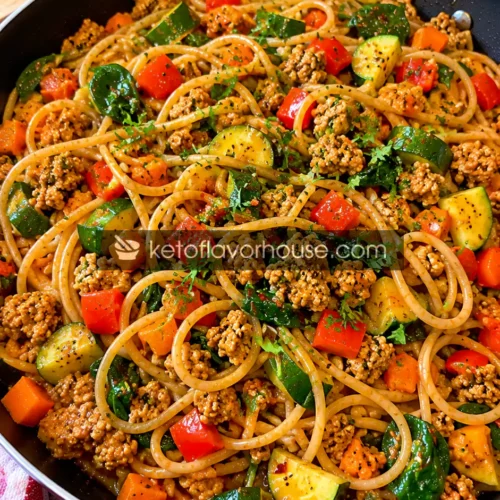
Anti-Inflammatory Turkey Spaghetti Recipe

Ingredients
- 8 oz whole wheat spaghetti
- 1 lb lean ground turkey
- 2 tbsp olive oil
- 1 medium onion diced
- 3 cloves garlic minced
- 1 tbsp fresh ginger grated
- 2 carrots diced
- 1 zucchini chopped
- 1 bell pepper chopped
- 2 cups fresh spinach
- 1 tsp turmeric
- 1 tsp oregano
- ½ tsp black pepper
- ¼ cup low-sodium broth or water
Sauce
- ¼ cup low-sodium tamari or coconut aminos
- 1 tbsp fresh lemon juice
- 1 tbsp olive oil
- Pinch red pepper flakes optional
Instructions
- Bring a large pot of water to a rolling boil. Add the whole wheat spaghetti and cook according to the package directions until it is al dente, meaning tender but still slightly firm when bitten. This texture helps the pasta hold up well once combined with the turkey and vegetables. Before draining, carefully reserve ½ cup of the pasta cooking water, as it can help loosen the sauce later if needed. Drain the spaghetti and set it aside while you prepare the rest of the dish.
- Heat 2 tablespoons of olive oil in a large skillet over medium heat. Once the oil is warm and shimmering, add the diced onion. Cook for 3–4 minutes, stirring occasionally, until the onion becomes soft and translucent. This step builds the flavor foundation of the dish, so don’t rush it. Properly softened onions add natural sweetness and depth to the finished spaghetti.
- Add the minced garlic and freshly grated ginger to the skillet with the onions. Stir continuously and cook for about 30 seconds, just until fragrant. You’ll notice a warm, savory aroma filling the kitchen. Be careful not to let the garlic brown, as it can quickly become bitter and affect the overall flavor of the dish.
- Add the lean ground turkey to the skillet. Using a wooden spoon or spatula, break the turkey into small, even pieces as it cooks. Continue cooking for 6–8 minutes, stirring occasionally, until the turkey is fully cooked and no pink remains. Allowing some pieces to lightly brown adds extra flavor and improves the overall texture of the spaghetti.
- Stir in the diced carrots, chopped zucchini, and bell pepper. Cook for 5–7 minutes, stirring occasionally, until the vegetables are tender but still have a slight bite. The carrots should soften while maintaining their shape, and the zucchini and peppers should remain slightly crisp. Avoid overcooking the vegetables, as they can become mushy and lose their fresh flavor and texture.
- Sprinkle in the turmeric, oregano, and black pepper, then pour in the low-sodium broth or water. Stir well to evenly coat the turkey and vegetables with the seasonings. Cook for 1 minute, allowing the spices to bloom in the warm mixture. This short cooking time helps enhance the flavors of the herbs and spices throughout the dish.
- While the turkey mixture cooks, prepare the sauce by whisking together the tamari or coconut aminos, fresh lemon juice, olive oil, and red pepper flakes in a small bowl. Mixing the sauce separately ensures that the flavors are evenly distributed and allows the bright lemon juice and savory tamari to blend smoothly before being added to the spaghetti.
- Add the cooked spaghetti, the prepared sauce mixture, and the fresh spinach to the skillet. Using tongs or two large spoons, gently toss everything together until the spaghetti is evenly coated with the sauce and the spinach wilts into the warm pasta mixture. Continue tossing carefully to avoid breaking the pasta strands while ensuring all the ingredients are well combined.
- If the spaghetti seems dry or the sauce is too thick, gradually stir in some of the reserved pasta water, adding a few tablespoons at a time until you reach your desired consistency. The starch from the pasta water helps create a light sauce that clings beautifully to the spaghetti without making it watery.
- Reduce the heat to low and allow the spaghetti to simmer for 2–3 minutes, stirring occasionally. This final step gives the flavors time to meld together and allows the sauce to fully coat the pasta, turkey, and vegetables. Remove the skillet from the heat, garnish with fresh chopped parsley if desired, and serve warm. Enjoy this comforting, anti-inflammatory turkey spaghetti while it’s fresh for the best flavor and texture.