This post may contains Amazon affiliate and other affiliate links. If you make a purchase through these links, I may earn a small commission at no extra cost to you. Your support helps me continue to provide quality content. I only recommend products I personally trust and believe will add value to your experience. For more details, please visit my Privacy Policy.
There are evenings when I want dinner to feel comforting without leaving me feeling overly full or sluggish afterward. You know those days when your energy has been dragging, your body feels a little heavy, and the thought of another complicated recipe is the last thing you need? Those are exactly the moments when this Anti-Inflammatory Mediterranean Ground Beef Skillet Recipe (Healthy & Easy) finds its way onto my stovetop.
I’ve always loved Mediterranean-inspired meals because they have this incredible way of feeling both nourishing and deeply satisfying at the same time. The combination of olive oil, herbs, fresh vegetables, and simple ingredients creates food that feels vibrant rather than restrictive. Over the years, I started paying more attention to how certain meals made me feel. While I still craved comforting dishes, I wanted options that incorporated ingredients commonly associated with anti-inflammatory eating patterns and balanced wellness habits.
That’s how this skillet dinner became one of my go-to recipes.
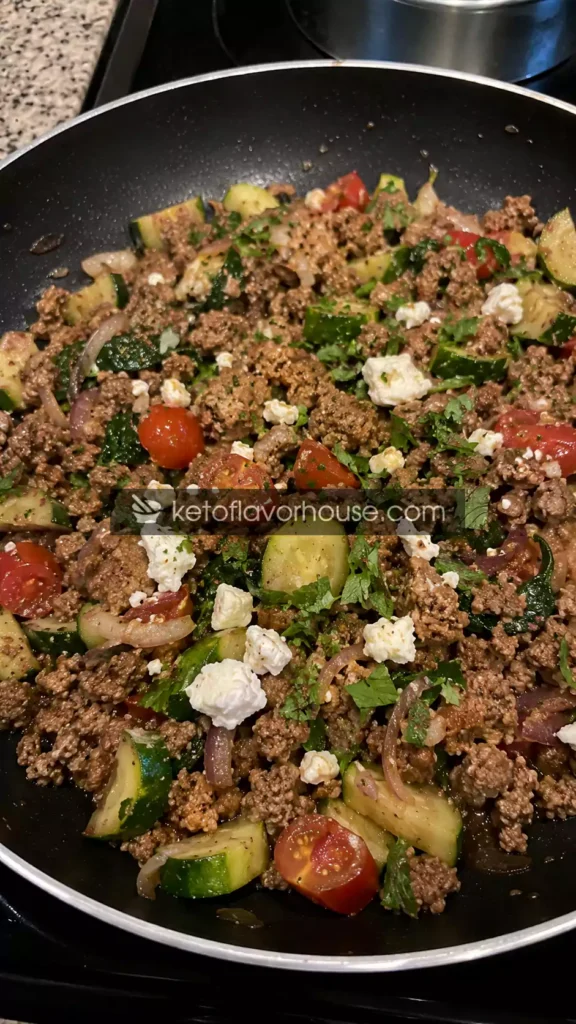
It brings together lean ground beef, zucchini, juicy cherry tomatoes, spinach, garlic, extra virgin olive oil, warming spices like turmeric and cumin, and creamy feta cheese into one flavorful meal that feels like comfort food with a fresh Mediterranean twist. Every bite delivers savory richness balanced by bright vegetables, aromatic herbs, and a hint of lemon that ties everything together beautifully.
What I appreciate most about this recipe is how practical it is for real life. Everything cooks in one pan, making cleanup refreshingly simple. It’s ideal for busy weeknights when you want something homemade but don’t have hours to spend in the kitchen. It also reheats well, making it an excellent meal prep option for lunches and dinners throughout the week.
The lean ground beef provides satisfying protein, while ingredients like olive oil, spinach, garlic, turmeric, and fresh herbs naturally fit within an anti-inflammatory approach to eating. The result is a healthy comfort food recipe that feels hearty enough to satisfy cravings while still supporting balanced eating habits.
If you’re someone who enjoys Mediterranean flavors, wants easy healthy dinner recipes, or simply loves meals that leave you feeling nourished instead of weighed down, this anti-inflammatory ground beef skillet might quickly become a favorite in your home too.
💚 Why You’ll Love This Recipe
- 🥬 Packed with anti-inflammatory ingredients: Olive oil, turmeric, garlic, leafy greens, herbs, and colorful vegetables create a nourishing Mediterranean-inspired meal.
- ⚡ Supports balanced energy: The combination of protein, healthy fats, and fiber-rich vegetables makes this meal satisfying without feeling overly heavy.
- 🍽️ Comforting yet wholesome: It delivers all the savory satisfaction of comfort food while emphasizing fresh, nourishing ingredients.
- 👩🍳 Easy one-pan recipe: Fewer dishes and straightforward preparation make this ideal for busy weeknights.
- 🧡 Rich Mediterranean flavors: Feta cheese, oregano, garlic, olive oil, and fresh herbs create layers of flavor in every bite.
- 🥣 Perfect for meal prep: This recipe stores and reheats beautifully for lunches or quick dinners throughout the week.
- 🔥 Naturally flavorful: The combination of cumin, turmeric, herbs, lemon, and fresh vegetables means there’s no need for complicated sauces.
- 💪 High in protein and satisfying: Lean ground beef provides substantial protein that helps keep you feeling full and satisfied.
- 🌈 Loaded with vegetables: Zucchini, tomatoes, spinach, and onions add freshness, texture, and color.
- 👨👩👧👦 Family-friendly: The familiar flavors make this recipe approachable even for those new to Mediterranean-style cooking.
🧠 My Personal Experience
This recipe first came together during a week when I desperately needed easy dinners that still felt nourishing.
I remember opening the refrigerator after a particularly long day and realizing I had lean ground beef, zucchini that needed to be used, a container of feta cheese, and a handful of cherry tomatoes sitting on the counter. I wasn’t in the mood for anything complicated, but I also wanted dinner to feel comforting and satisfying.
As the onions softened in olive oil and the garlic and spices became fragrant, the kitchen instantly started to feel cozy. There’s something incredibly comforting about the aroma of garlic, oregano, cumin, and turmeric mingling together in a warm skillet.
What surprised me most was how balanced the finished meal felt.
The beef made it hearty, the vegetables added freshness, and the feta brought just enough creaminess to tie everything together. Instead of feeling weighed down after dinner, I felt satisfied and energized.
Since then, this Mediterranean ground beef skillet has become one of those recipes I return to again and again. It’s especially helpful during busy seasons when meal planning feels overwhelming because it’s simple enough for weeknights but flavorful enough that it never feels boring.
I also love how flexible it is. Some weeks I add lentils for extra fiber. Other times I increase the vegetables or serve it over cauliflower rice for a lower-carb option.
More than anything, this recipe reminds me that healthy eating doesn’t have to mean giving up comfort foods. Sometimes it’s simply about choosing ingredients that help you feel your best while still enjoying meals that taste genuinely delicious.
🧰 Required Equipment
Large Skillet
A large skillet is essential for cooking the beef, vegetables, and greens together without overcrowding the pan.
Why it matters:
Overcrowding causes ingredients to steam rather than brown, which affects both texture and flavor.
Alternative:
A Dutch oven or sauté pan works equally well.
Sharp Chef’s Knife
You’ll be chopping onions, zucchini, herbs, and tomatoes.
Why it matters:
A sharp knife allows for cleaner cuts and more even cooking.
Helpful Tip:
Uniform vegetable sizes help everything cook at the same rate.
Cutting Board
A sturdy cutting board provides a safe workspace for prepping ingredients.
Alternative:
Use separate boards for meat and vegetables if preferred.
Helpful Tip:
Prep all ingredients before turning on the stove for a smoother cooking process.
Wooden Spoon or Silicone Spatula
Perfect for breaking apart the ground beef and stirring ingredients together.
Why it matters:
These utensils help preserve the vegetables’ texture without scratching cookware.
Measuring Spoons
Accurate measurements are particularly helpful for spices like turmeric, cumin, and oregano.
Helpful Tip:
Measure spices beforehand to streamline the cooking process.
Small Bowl
Useful for holding crumbled feta cheese, chopped herbs, or lemon juice until needed.
Alternative:
Small ramekins work just as well.
🥬 Ingredients & Substitutions
Lean Ground Beef (500g)
Role in the recipe:
Lean ground beef provides the hearty, savory foundation of this Mediterranean skillet.
Wellness Benefit:
It delivers high-quality protein that contributes to satiety and balanced meals.
Substitutions:
- Half ground beef + half cooked lentils
- Ground turkey
- Ground chicken
- Plant-based ground alternatives
How substitutions affect the recipe:
- Lentils: Increase fiber while reducing overall saturated fat.
- Ground turkey: Creates a lighter flavor profile.
- Ground chicken: Mild flavor with leaner nutrition.
- Plant-based options: Great vegetarian alternative.
Zucchini (1 medium, sliced)
Role in the recipe:
Adds tenderness, moisture, and volume to the skillet.
Wellness Benefit:
Zucchini contributes fiber and nutrients while keeping the meal light.
Substitutions:
- Yellow squash
- Eggplant
- Mushrooms
How substitutions affect the recipe:
- Yellow squash: Similar flavor and texture.
- Eggplant: Heartier consistency.
- Mushrooms: Add umami depth.
Cherry Tomatoes (1 cup, halved)
Role in the recipe:
Provide bursts of sweetness and acidity that brighten the dish.
Wellness Benefit:
Tomatoes contain antioxidants commonly included in Mediterranean-style eating patterns.
Substitutions:
- Grape tomatoes
- Diced Roma tomatoes
- Fire-roasted canned tomatoes
How substitutions affect the recipe:
- Grape tomatoes: Similar sweetness.
- Roma tomatoes: Slightly firmer texture.
- Canned tomatoes: Create a more saucy consistency.
Red Onion (1 small, sliced)
Role in the recipe:
Forms the aromatic base and adds subtle sweetness.
Wellness Benefit:
Onions provide plant compounds that fit naturally into balanced eating patterns.
Substitutions:
- Yellow onion
- Shallots
- Sweet onion
How substitutions affect the recipe:
- Yellow onions: Mild flavor.
- Shallots: Delicate sweetness.
- Sweet onions: More pronounced sweetness.
Garlic (2 cloves, minced)
Role in the recipe:
Adds rich savory depth and classic Mediterranean flavor.
Wellness Benefit:
Garlic is frequently included in anti-inflammatory meal plans due to its flavorful profile.
Substitutions:
- Garlic powder (½ teaspoon)
- Roasted garlic
How substitutions affect the recipe:
- Garlic powder: Convenient but less vibrant flavor.
- Roasted garlic: Sweeter, milder taste.
Extra Virgin Olive Oil (2 tablespoons)
Role in the recipe:
Olive oil serves as the cooking fat for sautéing the onions and aromatics while helping carry the flavors of the herbs and spices throughout the dish.
Wellness Benefit:
Extra virgin olive oil is a cornerstone of Mediterranean-style eating patterns and provides monounsaturated fats that fit well within a balanced approach to nutrition.
Substitutions:
- Avocado oil
- Light olive oil
- Ghee (if tolerated)
How substitutions affect the recipe:
- Avocado oil: Neutral flavor with a high smoke point.
- Light olive oil: Milder olive flavor.
- Ghee: Richer, buttery taste that slightly changes the Mediterranean profile.
Feta Cheese (100g, crumbled)
Role in the recipe:
Feta adds creamy, salty bites that complement the savory beef and fresh vegetables beautifully.
Wellness Benefit:
Feta contributes protein and calcium while providing a little richness that helps make the meal feel satisfying.
Substitutions:
- Goat cheese
- Dairy-free feta alternative
- Omit completely
How substitutions affect the recipe:
- Goat cheese: Creamier texture with a tangier flavor.
- Dairy-free feta: Maintains the Mediterranean feel while keeping the dish dairy-free.
- Omitting: Produces a lighter dish with less creaminess.
Spinach or Kale (1–2 cups)
Role in the recipe:
Leafy greens add freshness, color, and additional volume to the skillet.
Wellness Benefit:
Spinach and kale are nutrient-dense greens commonly included in anti-inflammatory meal plans.
Substitutions:
- Swiss chard
- Arugula
- Collard greens
How substitutions affect the recipe:
- Swiss chard: Mild flavor and tender texture.
- Arugula: Adds a slightly peppery taste.
- Collard greens: Require a slightly longer cooking time.
Dried Oregano (1 teaspoon)
Role in the recipe:
Oregano provides classic Mediterranean flavor and pairs beautifully with tomatoes, beef, and feta.
Wellness Benefit:
Herbs naturally enhance flavor without relying heavily on sodium or processed seasonings.
Substitutions:
- Italian seasoning
- Dried thyme
- Fresh oregano (1 tablespoon)
How substitutions affect the recipe:
- Italian seasoning: More complex herb blend.
- Thyme: Earthier flavor.
- Fresh oregano: Brighter, fresher taste.
Ground Turmeric (1 teaspoon)
Role in the recipe:
Turmeric adds gentle warmth and reinforces the anti-inflammatory focus of the recipe.
Wellness Benefit:
Turmeric is frequently featured in anti-inflammatory recipes due to its distinctive golden color and earthy flavor.
Substitutions:
- Curry powder
- Fresh grated turmeric (1 tablespoon)
How substitutions affect the recipe:
- Curry powder: Introduces additional spice notes.
- Fresh turmeric: Offers a brighter flavor profile.
Ground Cumin (½ teaspoon)
Role in the recipe:
Cumin adds subtle smokiness and warmth that complements the Mediterranean flavors.
Wellness Benefit:
Spices like cumin contribute flavor complexity, reducing the need for heavy sauces.
Substitutions:
- Ground coriander
- Smoked paprika
- Garam masala
How substitutions affect the recipe:
- Coriander: Slightly citrusy flavor.
- Smoked paprika: Adds a smoky depth.
- Garam masala: Creates a warmer spice profile.
Black Pepper (¼ teaspoon)
Role in the recipe:
Enhances the flavors of the beef, vegetables, and spices while adding gentle heat.
Wellness Benefit:
Black pepper helps elevate the dish’s overall flavor without additional sodium.
Substitutions:
- White pepper
- Crushed red pepper flakes
How substitutions affect the recipe:
- White pepper: Milder taste.
- Red pepper flakes: Introduce more noticeable heat.
Salt (to taste)
Role in the recipe:
Balances and enhances all the flavors in the skillet.
Wellness Benefit:
Using salt thoughtfully allows the natural flavors of fresh ingredients to shine.
Substitutions:
- Sea salt
- Reduced-sodium seasoning blends
How substitutions affect the recipe:
- Sea salt: Cleaner flavor profile.
- Reduced-sodium blends: Lower sodium content with added herbs.
Fresh Parsley or Mint (2 tablespoons, chopped)
Role in the recipe:
Fresh herbs provide brightness and a refreshing finish.
Wellness Benefit:
Herbs add vibrant flavor and support the Mediterranean character of the dish.
Substitutions:
- Fresh basil
- Fresh dill
- Fresh cilantro
How substitutions affect the recipe:
- Basil: Slight sweetness.
- Dill: Fresh, grassy notes.
- Cilantro: More pronounced herbal flavor.
Lemon Juice (Optional, 1 tablespoon)
Role in the recipe:
A squeeze of lemon brightens the rich beef and creamy feta.
Wellness Benefit:
Fresh citrus helps balance flavors naturally without requiring heavy sauces.
Substitutions:
- Red wine vinegar
- Lime juice
How substitutions affect the recipe:
- Red wine vinegar: Slightly deeper acidity.
- Lime juice: Brighter citrus flavor.
👩🍳 How to Make Anti-Inflammatory Mediterranean Ground Beef Skillet Recipe
One of the reasons I return to this recipe so often is because it transforms simple, wholesome ingredients into something that feels incredibly comforting with very little effort. The entire dish comes together in one skillet, and the aromas of garlic, oregano, cumin, and olive oil filling the kitchen instantly create that cozy feeling that homemade dinners are known for.
Even if you’re not particularly confident in the kitchen, this recipe is wonderfully approachable. The steps are straightforward, the ingredients are forgiving, and each stage builds layers of flavor that make the final dish taste like something far more elaborate than the effort required.
In the next section, we’ll walk through each step in detail so you can confidently create a flavorful Mediterranean skillet that’s satisfying, nourishing, and perfect for busy weeknights or meal prep.
👩🍳 How to Make Anti-Inflammatory Mediterranean Ground Beef Skillet Recipe
Sauté the Onions Until Soft and Fragrant
Heat 2 tablespoons of extra virgin olive oil in a large skillet over medium heat. Once the oil is warm and shimmering, add the sliced red onion.
Cook for 3–4 minutes, stirring occasionally, until the onions become soft and translucent. They should begin to develop a slight sweetness without browning too much.
This first step builds the flavor foundation of the entire dish. Taking a few extra minutes here allows the onions to release their natural sweetness, which balances the savory beef and tangy feta later on.
Helpful Tip: If the onions begin to brown too quickly, slightly reduce the heat and stir more frequently.
Bloom the Garlic and Spices
Add the minced garlic, turmeric, cumin, oregano, and black pepper directly into the skillet with the onions.
Stir constantly for about 30 seconds, just until the garlic becomes fragrant and the spices coat the onions evenly.
You’ll immediately notice the kitchen filling with the warm, earthy aromas of turmeric and cumin combined with the unmistakable comfort of garlic and herbs.
This process, often called “blooming,” helps intensify the flavor of dried spices by briefly cooking them in oil.
Avoid: Cooking the garlic too long, as burnt garlic can introduce bitterness into the dish.
Brown the Ground Beef Properly
Add the 500g lean ground beef to the skillet.
Using a wooden spoon or spatula, break the beef into smaller pieces as it cooks. Continue cooking for 7–9 minutes, stirring occasionally, until the meat is fully browned and no pink remains.
Allowing the beef to sit undisturbed for short periods encourages better browning, which adds deeper flavor to the finished skillet.
If excess grease accumulates, carefully drain it before moving on to the next step.
Helpful Tip: If using the half beef and half lentil variation, stir in the cooked lentils once the beef has finished browning.
Add the Zucchini and Cherry Tomatoes
Stir in the sliced zucchini and halved cherry tomatoes.
Cook for 5–7 minutes, stirring occasionally, until the zucchini becomes tender while still maintaining a slight bite. The cherry tomatoes should begin to soften and release some of their juices, creating a naturally light sauce that coats the beef mixture.
The tomatoes add brightness and freshness, while the zucchini contributes volume and texture without making the dish feel heavy.
Avoid: Overcooking the zucchini, as it can become overly soft and watery.
Helpful Tip: If you prefer firmer vegetables, begin checking for doneness around the 4-minute mark.
Wilt the Greens Gently
Add 1–2 cups of spinach or chopped kale to the skillet.
Stir gently until the greens begin to wilt into the warm beef mixture.
- Spinach will wilt within 1–2 minutes.
- Kale may require 3–4 minutes to soften properly.
The leafy greens add freshness and beautiful color while increasing the nutrient density of the meal.
Helpful Tip: Add the greens in batches if your skillet is very full. They will quickly reduce in volume as they cook.
Finish with Feta and Fresh Herbs
Remove the skillet from the heat and sprinkle the crumbled feta cheese evenly over the top.
Add the fresh chopped parsley or mint, allowing their bright flavors to contrast beautifully with the savory beef and warm spices.
If desired, squeeze fresh lemon juice over the entire skillet to brighten the flavors even further.
The feta becomes slightly softened from the residual heat, creating little pockets of creamy, salty goodness throughout the dish.
Helpful Tip: Wait until the skillet is off the heat before adding feta to preserve its texture rather than melting it completely.
Taste and Adjust Seasoning
Before serving, taste the skillet and adjust the seasoning if necessary.
You may choose to add:
- Additional black pepper
- A pinch of salt
- Extra lemon juice
- More fresh herbs
Small adjustments at the end often make a significant difference in the final flavor.
Serve and Enjoy
Serve the skillet immediately while warm.
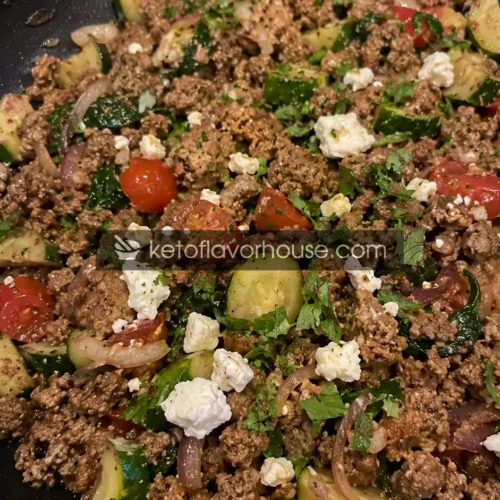
The finished dish should feel hearty yet balanced, with savory ground beef, tender vegetables, creamy feta, fresh herbs, and subtle warmth from the Mediterranean spices.
One of my favorite things about this recipe is that it delivers the comforting satisfaction of a hearty dinner while still incorporating ingredients that leave you feeling nourished and energized afterward.
⚠️ Common Mistakes to Avoid
Overcooking the Ground Beef
Cooking beef too long can result in a dry texture.
Fix: Remove the skillet from heat once the beef is fully cooked and browned.
Burning the Garlic
Garlic cooks quickly and can become bitter if left unattended.
Fix: Cook garlic and spices for only 30 seconds while stirring constantly.
Overcrowding the Skillet
Too many ingredients in a small pan can cause steaming instead of browning.
Fix: Use a large skillet or cook in batches if necessary.
Overcooking the Zucchini
Soft, mushy zucchini can negatively affect the dish’s texture.
Fix: Cook just until tender with a slight bite remaining.
Adding Feta Too Early
Cooking feta too long causes it to lose its distinct texture.
Fix: Stir in feta after removing the skillet from heat.
Oversalting the Dish
Feta naturally contributes saltiness.
Fix: Taste before adding additional salt.
Skipping the Fresh Herbs
Herbs add brightness that balances the richness of the beef.
Fix: Always finish with parsley, mint, or your preferred fresh herb.
🔥 Pro Tips for Best Results
Use Extra Virgin Olive Oil
High-quality extra virgin olive oil contributes authentic Mediterranean flavor and richness.
Let the Beef Brown Properly
Allow portions of the beef to develop color before stirring.
This creates deeper flavor throughout the skillet.
Choose Firm Zucchini
Fresh, firm zucchini maintains the best texture during cooking.
Avoid overly large zucchini with excessive seeds.
Finish with Fresh Lemon Juice
A squeeze of lemon brightens the entire dish and enhances the Mediterranean flavors.
Add Extra Vegetables
Try incorporating:
- Mushrooms
- Bell peppers
- Eggplant
- Artichoke hearts
for additional variety and nutrition.
Meal Prep Individual Portions
Store single servings in meal prep containers for easy lunches and dinners throughout the week.
Reheat Gently
Warm leftovers over medium-low heat to preserve the texture of the vegetables and feta.
Boost Anti-Inflammatory Ingredients
For additional flavor and variety, consider increasing:
- Garlic
- Turmeric
- Fresh herbs
- Leafy greens
- Extra virgin olive oil as a finishing drizzle
🧬 Anti-Inflammatory Benefits of Lean Ground Beef
Lean ground beef serves as the satisfying protein base of this Mediterranean skillet.
Excellent Source of Protein
Each serving provides substantial protein, helping support satiety and balanced eating habits.
Protein-rich meals often feel more satisfying and can help sustain energy throughout the day.
Rich in Essential Nutrients
Lean beef naturally provides nutrients such as:
- Iron
- Zinc
- Vitamin B12
- Selenium
These nutrients play important roles in supporting overall wellness.
Pairs Well with Anti-Inflammatory Ingredients
The richness of ground beef balances beautifully with:
- Olive oil
- Turmeric
- Garlic
- Leafy greens
- Fresh herbs
- Tomatoes
Together, these ingredients create a flavorful meal centered around whole foods.
Balanced with Fiber-Rich Vegetables
Combining beef with zucchini, tomatoes, spinach, and optional lentils creates a more balanced plate that emphasizes both satisfaction and nourishment.
Fits a Mediterranean-Inspired Lifestyle
When enjoyed alongside vegetables, olive oil, herbs, and mindful portions, lean ground beef can fit comfortably within a Mediterranean-style eating pattern focused on wholesome, minimally processed foods.
Most importantly, it helps transform this skillet into a comforting meal that feels both indulgent and nourishing at the same time.
🌿 Variations You Can Try
One of the reasons this Anti-Inflammatory Mediterranean Ground Beef Skillet Recipe has become a regular in my kitchen is because it’s incredibly flexible. Whether you’re adapting it to dietary preferences, using what you have on hand, or simply wanting to change things up, there are plenty of delicious ways to make this recipe your own.
Dairy-Free Version
Skip the feta cheese or replace it with a dairy-free feta alternative.
How it changes the recipe:
- Creates a lighter finish.
- Maintains the Mediterranean flavor profile when using dairy-free feta.
- Makes the recipe suitable for those avoiding dairy.
Gluten-Free Option
Good news—this recipe is naturally gluten-free as written.
Just ensure that any packaged ingredients, seasonings, or lentil products you use are certified gluten-free if needed.
Higher-Protein Variation
Boost the protein content by:
- Increasing the ground beef to 750g
- Using 100% lean ground beef
- Adding collagen peptides (1–2 tablespoons stirred in at the end)
How it changes the recipe:
- More filling and satisfying.
- Great for active individuals or post-workout meals.
Vegetarian Swap
Replace the beef entirely with:
- 2 cups cooked lentils
- Crumbled tempeh
- Plant-based ground meat alternatives
- Chickpeas
How it changes the recipe:
- Increases fiber.
- Creates a lighter texture.
- Maintains the hearty Mediterranean feel.
Lower-Carb Version
This recipe is already relatively low in carbohydrates, but you can further reduce carbs by:
- Using only spinach instead of tomatoes.
- Increasing zucchini and leafy greens.
- Omitting lentils if using the beef-lentil combination.
How it changes the recipe:
- Even lower net carbohydrate count.
- More vegetable-focused.
Spicy Mediterranean Version
Add:
- ½ teaspoon red pepper flakes
- Diced fresh chili peppers
- Harissa paste
How it changes the recipe:
- Adds warmth and complexity.
- Balances nicely with the cooling feta.
Meal Prep Version
Double the recipe and divide into containers.
Store feta separately and add after reheating for best texture.
How it changes the recipe:
- Makes healthy lunches effortless.
- Maintains freshness throughout the week.
Oven-Baked Version
Transfer the cooked mixture to a baking dish.
Top with feta and bake at 375°F for 10–15 minutes.
How it changes the recipe:
- Slightly creamier texture.
- Creates a casserole-style presentation.
🍽️ Tips for This Recipe
- Slice zucchini evenly so it cooks consistently.
- Allow the beef to brown before stirring for better flavor development.
- Use fresh lemon juice instead of bottled for brighter flavor.
- Add feta after removing the skillet from heat to preserve its texture.
- Taste before salting since feta naturally adds saltiness.
- Prep all vegetables before cooking to simplify the process.
- If meal prepping, store herbs separately and add them just before serving.
- Reheat gently to maintain the best texture.
➕ Optional Additions
Customize this Mediterranean skillet with these flavorful additions:
- Extra fresh parsley
- Fresh mint leaves
- Red pepper flakes
- Sliced avocado
- Toasted pine nuts
- Hemp seeds
- Ground flaxseed
- Chia seeds
- Collagen peptides
- Roasted red peppers
- Artichoke hearts
- Kalamata olives
- Sun-dried tomatoes
- Tzatziki sauce on the side
- Pickled onions
- Extra squeeze of lemon juice
🍴 Serving Ideas
This Mediterranean skillet pairs beautifully with a variety of sides depending on your goals and preferences.
Lunch Ideas
Serve with:
- Cauliflower rice
- Mixed greens salad
- Roasted vegetables
Dinner Pairings
Pair alongside:
- Roasted broccoli
- Garlic green beans
- Mediterranean cucumber salad
- Lemon roasted cauliflower
Family-Style Serving
Place the skillet in the center of the table and let everyone customize with:
- Additional feta
- Fresh herbs
- Lemon wedges
- Red pepper flakes
Cozy Comfort-Food Ideas
For a heartier dinner:
- Serve over quinoa
- Pair with roasted sweet potatoes
- Add warm whole-grain pita on the side
🧊 Storage Recommendations
Refrigerator Storage
Store leftovers in airtight containers for up to 4 days.
Allow the skillet to cool completely before refrigerating.
Freezer Storage
Freeze portions in freezer-safe containers for up to 3 months.
For best results, freeze without the feta and add it fresh after reheating.
Best Containers
Use:
- Glass meal prep containers
- BPA-free airtight containers
- Individual freezer-safe portions
Reheating Methods
Microwave:
Heat in 30-second intervals, stirring between each interval until warmed through.
Stovetop:
Reheat over medium-low heat with a splash of water or broth.
Preserving Texture
Avoid overheating, especially if feta has already been added, to maintain the best texture.
❓ Frequently Asked Questions
Is this recipe good for meal prep?
Yes. This skillet reheats very well and stores beautifully for up to 4 days, making it ideal for meal prep.
Can I make this recipe dairy-free?
Absolutely. Simply omit the feta or use a dairy-free feta alternative.
What makes this recipe anti-inflammatory?
It incorporates ingredients commonly found in anti-inflammatory eating patterns, including olive oil, turmeric, leafy greens, herbs, tomatoes, and garlic.
Can I freeze this Mediterranean ground beef skillet?
Yes. Freeze portions for up to 3 months. For best results, add fresh feta after reheating.
Can I use ground turkey instead of beef?
Definitely. Ground turkey works wonderfully and creates a slightly lighter flavor profile.
How do I keep the zucchini from becoming mushy?
Cook it just until tender-crisp, usually 5–7 minutes, and avoid overcrowding the skillet.
Is this recipe keto-friendly?
Yes. The recipe is naturally low in carbohydrates and works well for many low-carb lifestyles.
🧮 Nutritional Breakdown (Per Serving)
Servings: 4
- Calories: 410
- Protein: 31g
- Fat: 28g
- Total Carbohydrates: 11g
- Fiber: 4g
- Net Carbs: 7g
Nutrition values are approximate and may vary depending on ingredient brands and substitutions.
📌 Recipe Snapshot
- Prep Time: 15 minutes
- Cook Time: 20 minutes
- Total Time: 35 minutes
- Course: Main Course, Dinner
- Cuisine: Mediterranean
- Servings: 4
- Calories: Approximately 410 calories per serving
Anti-Inflammatory Mediterranean Ground Beef Skillet Recipe

Ingredients
- 500 g lean ground beef or half beef + half lentils
- 1 medium zucchini sliced
- 1 cup cherry tomatoes halved
- 1 small red onion sliced
- 2 cloves garlic minced
- 2 tablespoons extra virgin olive oil
- 100 g feta cheese crumbled
- 1 –2 cups spinach or kale
- 1 teaspoon dried oregano
- 1 teaspoon turmeric
- ½ teaspoon cumin
- ¼ teaspoon black pepper
- Salt to taste
- Fresh parsley or mint chopped
- Optional: squeeze of lemon juice
Instructions
- Heat 2 tablespoons of extra virgin olive oil in a large skillet over medium heat. Allow the oil to warm for about 30 seconds until it shimmers slightly. Starting with properly heated oil helps prevent ingredients from sticking and allows the onions to cook evenly. Avoid using high heat, as it can cause the olive oil to lose its delicate flavor and may burn the aromatics later in the cooking process.
- Add the sliced red onion to the skillet and cook for 3–4 minutes, stirring occasionally, until the onions soften and become translucent. This step builds the flavor foundation of the entire dish. The onions should become tender and slightly sweet but not deeply browned. If they begin to cook too quickly, reduce the heat slightly and continue stirring to ensure even cooking.
- Stir in the minced garlic, turmeric, cumin, oregano, and black pepper. Cook for about 30 seconds, stirring constantly, until the mixture becomes fragrant. You’ll notice the warm aroma of the spices and garlic filling the kitchen. This brief cooking time allows the spices to bloom in the olive oil, enhancing their flavor throughout the dish. Be careful not to let the garlic brown, as it can quickly become bitter.
- Add the lean ground beef to the skillet. Using a wooden spoon or spatula, break the meat into small, even crumbles as it cooks. Continue cooking for 7–9 minutes, stirring occasionally, until the beef is fully browned and no pink remains. For the best flavor, allow the beef to sit undisturbed for a minute or two between stirring so it develops a deeper caramelized color. If excess grease accumulates, carefully drain it before proceeding.
- Stir in the sliced zucchini and halved cherry tomatoes. Cook for 5–7 minutes, stirring occasionally, until the zucchini becomes tender while still maintaining a slight bite. The cherry tomatoes should soften and begin releasing their juices, creating a light, naturally flavorful sauce that coats the beef mixture. Avoid overcooking the zucchini, as it can become mushy and release too much moisture into the skillet.
- Add the spinach or kale to the skillet and gently stir it into the warm beef and vegetable mixture. If using spinach, cook for 1–2 minutes until just wilted. If using kale, allow 3–4 minutes for the leaves to soften. The greens should retain their vibrant color while becoming tender enough to blend seamlessly into the dish.
- Remove the skillet from the heat and immediately stir in the crumbled feta cheese. The residual heat from the skillet will slightly soften the feta without causing it to fully melt, creating creamy, tangy pockets of flavor throughout the dish. Mixing it in after removing the pan from the heat helps preserve its texture and distinctive taste.
- Sprinkle the skillet with fresh chopped parsley or mint, depending on your preference. If desired, add a fresh squeeze of lemon juice over the top to brighten the flavors and balance the richness of the beef and feta. The fresh herbs and citrus add a refreshing finish that enhances the Mediterranean character of the recipe.
- Taste the skillet and adjust the seasoning as needed. Add additional salt and black pepper gradually, tasting after each adjustment. Since feta cheese naturally contributes saltiness, it’s best to season conservatively and make final adjustments only after all ingredients have been combined.
- Serve the skillet warm and enjoy immediately. This dish pairs beautifully with cauliflower rice, a simple side salad, roasted vegetables, or can be enjoyed on its own as a satisfying one-pan meal. Leftovers also store well, making it a wonderful option for meal prep and easy lunches throughout the week.