This post may contains Amazon affiliate and other affiliate links. If you make a purchase through these links, I may earn a small commission at no extra cost to you. Your support helps me continue to provide quality content. I only recommend products I personally trust and believe will add value to your experience. For more details, please visit my Privacy Policy.
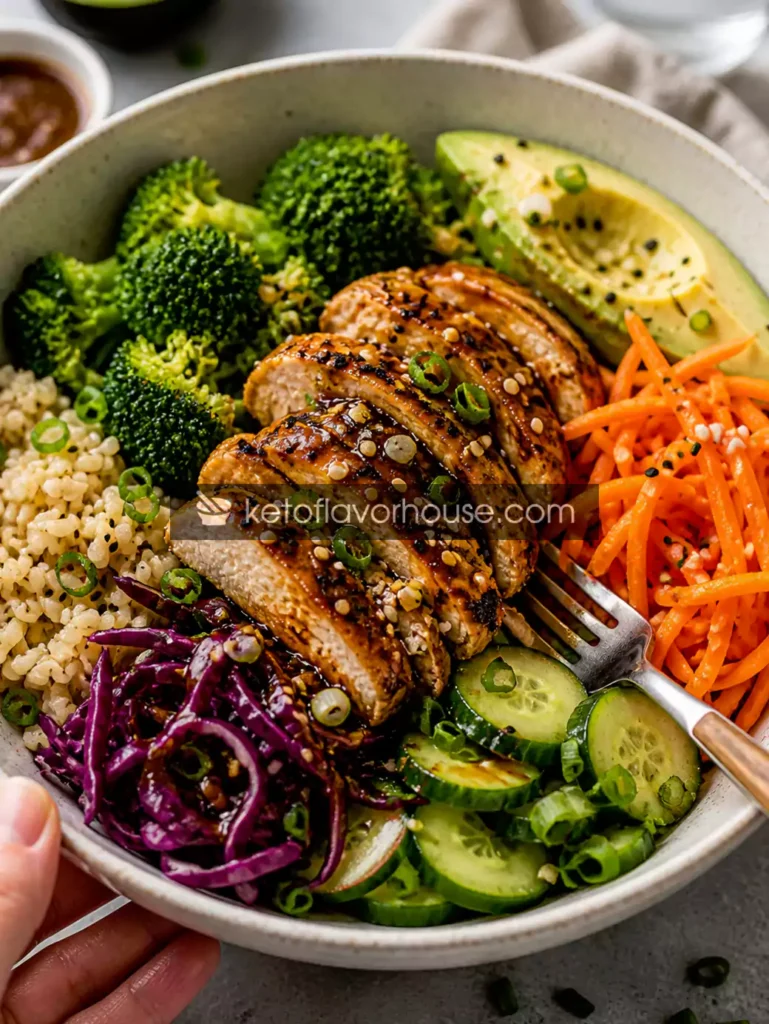
There are certain meals I find myself craving after long, exhausting days when my body feels sluggish, heavy, and completely drained. You know those evenings when you want comfort food so badly, but you also know that greasy takeout or overly processed meals will only leave you feeling worse afterward? That’s exactly where this Easy Healthy Anti-Inflammatory Chicken Fried Rice Bowl comes in.
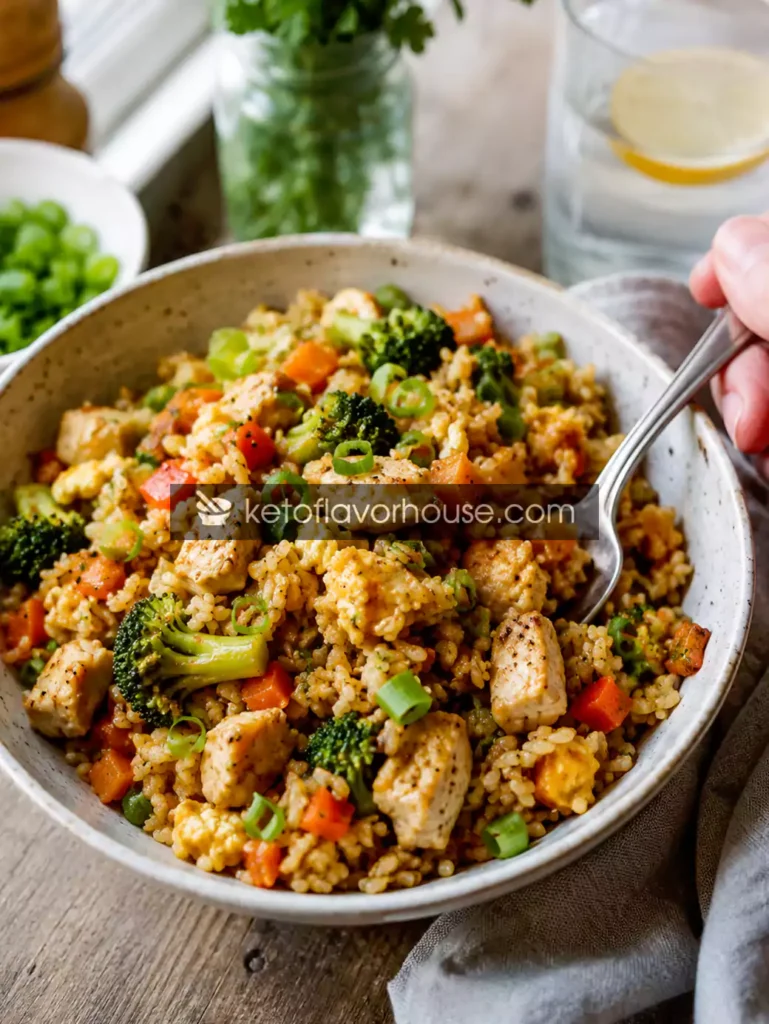
This recipe became one of my favorite “reset meals” during weeks when I felt bloated, low on energy, and honestly just tired of eating food that looked healthy but didn’t actually feel satisfying. The first time I made it, I wanted something cozy and deeply flavorful, but still nourishing enough to help me feel lighter and more balanced afterward. The combination of juicy chicken, fragrant garlic and ginger, colorful vegetables, fluffy rice, and warm anti-inflammatory spices created the kind of comforting bowl that makes you slow down and actually enjoy dinner again.
What I love most about this anti-inflammatory chicken fried rice bowl is that it feels like comfort food without the heaviness. It’s warm, savory, satisfying, and packed with texture, yet it still leaves you feeling energized instead of weighed down. The ingredients are simple and approachable, which makes it perfect for busy weeknights, meal prep Sundays, or those evenings when you need something dependable and nourishing without spending hours in the kitchen.
The flavors are layered and cozy — the garlic becomes sweet and aromatic, the ginger adds brightness, the turmeric gives warmth, and the vegetables stay vibrant and slightly crisp instead of turning mushy. Every bite feels balanced. You get protein from the chicken, fiber from the vegetables, healthy fats from olive oil, and satisfying carbs from the rice. It’s one of those meals that quietly becomes part of your weekly routine because it simply makes you feel good.
And honestly, that’s what anti-inflammatory eating should feel like. Not restrictive. Not boring. Just real food that tastes comforting and helps your body feel supported at the same time.
💚 Why You’ll Love This Recipe
- 🥬 Made with naturally anti-inflammatory ingredients like garlic, ginger, turmeric, olive oil, and colorful vegetables
- ⚡ Feels energizing and satisfying without being overly heavy
- 🍽️ Perfect balance of protein, healthy carbs, and fiber
- 👩🍳 Easy enough for busy weeknights and beginner cooks
- 🧡 Cozy comfort-food flavor with fresh, vibrant textures
- 🥣 Excellent for meal prep and reheats beautifully
- 🔥 Naturally flavorful without relying on processed sauces
- 💪 High in protein to help keep you full and satisfied
- 🌿 Easy to customize with extra vegetables or lower-carb swaps
- 🍋 Fresh lemon and herbs brighten the entire bowl beautifully
🧠 My Personal Experience
This recipe started as one of those “clean out the fridge” dinners that unexpectedly turned into something I now make almost every week. I remember standing in my kitchen one evening feeling completely exhausted after several days of eating heavier meals. I didn’t want salad. I didn’t want another bland “healthy bowl.” I wanted something warm, savory, filling, and comforting.
So I grabbed leftover rice, some chicken, fresh ginger, carrots, green onions, and whatever vegetables I had sitting in the crisper drawer. I added turmeric almost instinctively because I love the earthy warmth it brings to savory dishes, and the smell alone immediately made the kitchen feel comforting.
What surprised me most was how balanced the meal felt afterward. Instead of that overly full, sluggish feeling fried rice sometimes causes, this bowl felt lighter while still being genuinely satisfying. The ginger and garlic made everything taste brighter, the vegetables stayed crisp-tender, and the chicken absorbed all the savory flavors beautifully.
Now it’s one of those recipes I rely on constantly when I want healthy comfort food that actually tastes comforting.
🧰 Required Equipment
Large Skillet or Wok
A large skillet or wok gives the ingredients enough room to cook properly without steaming. Overcrowding the pan is one of the biggest reasons homemade fried rice becomes soggy.
If you don’t own a wok, a wide nonstick skillet works perfectly well.
Sharp Knife
Since this recipe uses several fresh vegetables and herbs, a sharp knife makes prep faster, safer, and much more enjoyable.
Cutting Board
Use a large cutting board so you can organize vegetables separately before cooking. Fried rice cooks quickly, so having everything prepped ahead matters.
Mixing Bowls
Small prep bowls help keep ingredients organized because the cooking process moves fast once the skillet heats up.
Measuring Spoons
Accurate seasoning helps balance the savory, warm, and fresh flavors without overpowering the dish.
🥬 Ingredients & Substitutions
Chicken Breast – 1 pound, diced
Chicken breast keeps this bowl lean, protein-rich, and satisfying. It absorbs the garlic, ginger, and seasonings beautifully while staying tender when cooked correctly.
Substitutions:
- Chicken thighs for a juicier texture
- Turkey breast for a leaner variation
- Tofu or tempeh for vegetarian versions
Chicken thighs create a richer flavor, while tofu produces a softer texture and slightly shorter cooking time.
Cooked Jasmine Rice – 3 cups
Day-old rice works best because it stays fluffy and slightly firm instead of mushy.
Fresh rice contains too much moisture and can turn soggy during stir-frying.
Substitutions:
- Brown rice for more fiber
- Cauliflower rice for a lower-carb option
- Quinoa for extra protein
Brown rice creates a nuttier flavor and chewier texture, while cauliflower rice produces a lighter, lower-carb bowl.
Olive Oil – 2 tablespoons
Olive oil provides healthy fats and helps carry the flavors of garlic, turmeric, and ginger throughout the dish.
Substitutions:
- Avocado oil
- Coconut oil
Avocado oil has a more neutral flavor, while coconut oil adds subtle sweetness.
Fresh Garlic – 4 cloves, minced
Garlic gives the fried rice deep savory flavor and warmth.
Fresh garlic tastes far better than pre-minced jarred garlic in this recipe.
Fresh Ginger – 1 tablespoon, grated
Fresh ginger adds brightness and warmth that keeps the bowl tasting fresh and vibrant.
It also pairs beautifully with turmeric.
Substitutions:
- Ginger paste
- Ground ginger (use less)
Fresh ginger always provides the best flavor and aroma.
Ground Turmeric – 1 teaspoon
Turmeric gives the rice its beautiful golden color and earthy warmth.
It supports the anti-inflammatory focus of the recipe naturally without overpowering the dish.
Carrots – 1 cup, diced
Carrots add sweetness, texture, fiber, and color.
They soften slightly while still staying pleasantly crisp.
Broccoli – 1 cup, chopped
Broccoli adds freshness, texture, and heartiness.
Substitutions:
- Zucchini
- Snap peas
- Green beans
- Bell peppers
Each vegetable slightly changes the texture and sweetness of the dish.
Green Onions – 4 stalks, sliced
Green onions brighten the entire bowl and add freshness at the end.
Eggs – 2 large
Eggs create that classic fried rice texture and make the bowl more filling.
Substitutions:
- Omit for egg-free
- Scrambled tofu for plant-based variation
Low-Sodium Coconut Aminos or Soy Sauce – 3 tablespoons
This adds savory umami flavor without making the dish overly salty.
Coconut aminos taste slightly sweeter and milder than soy sauce.
Lemon Juice – 1 tablespoon
Fresh lemon juice brightens the heavier savory flavors and makes the entire bowl taste fresher.
Black Pepper – ½ teaspoon
Black pepper pairs especially well with turmeric and adds gentle warmth.
Sea Salt – to taste
Season gradually to avoid oversalting.
👩🍳 How to Make Easy Healthy Anti-Inflammatory Chicken Fried Rice Bowl
Step 1: Prepare All Ingredients First
Before heating the skillet, dice the chicken, chop the vegetables, grate the ginger, mince the garlic, and measure the sauces.
This recipe cooks quickly, so having everything ready beforehand prevents overcooking.
Step 2: Cook the Chicken
Heat 1 tablespoon olive oil in a large skillet over medium-high heat.
Add the diced chicken in a single layer and season lightly with salt and pepper.
Let the chicken cook undisturbed for a few minutes before stirring. This helps create better browning and deeper flavor.
Cook until the chicken is golden outside and fully cooked inside.
Remove from the skillet and set aside.
The chicken should stay juicy, not dry.
Step 3: Sauté the Aromatics
Add the remaining olive oil to the skillet.
Stir in the garlic and ginger and cook for about 30 seconds until fragrant.
The kitchen should smell warm, savory, and slightly spicy.
Add the turmeric and stir briefly so it blooms in the oil. This deepens the flavor dramatically.
Step 4: Cook the Vegetables
Add the carrots and broccoli.
Cook until the vegetables become vibrant and slightly tender while still maintaining some crispness.
Avoid overcooking.
Good fried rice should have texture and contrast.
Step 5: Scramble the Eggs
Push the vegetables to one side of the skillet.
Add the eggs to the empty side and gently scramble them until softly cooked.
Mix everything together afterward.
Step 6: Add the Rice
Add the cold cooked rice.
Break apart any clumps using a spatula.
Allow the rice to sit untouched for short periods so parts of it become lightly toasted instead of steaming.
This step creates the best fried rice texture.
Step 7: Add Chicken and Sauce
Return the chicken to the skillet.
Pour in the coconut aminos or soy sauce.
Stir everything together until evenly coated and heated through.
Step 8: Finish with Fresh Ingredients
Turn off the heat.
Add lemon juice and sliced green onions.
Taste and adjust seasoning if needed.
The finished bowl should taste savory, warm, slightly bright, and deeply comforting.
⚠️ Common Mistakes to Avoid
Using Freshly Cooked Rice
Fresh rice contains too much moisture and creates mushy fried rice.
Always use chilled rice if possible.
Overcrowding the Pan
Too many ingredients in the skillet trap steam instead of allowing browning.
Cook in batches if necessary.
Overcooking the Vegetables
Vegetables should stay slightly crisp for the best texture.
Soft vegetables can make the entire bowl feel heavy.
Adding Too Much Sauce
Too much sauce creates soggy rice and overwhelms the fresh flavors.
Start small and adjust gradually.
Cooking Garlic Too Long
Burned garlic becomes bitter quickly.
Cook it briefly until fragrant only.
🔥 Pro Tips for Best Results
- Use cold rice straight from the refrigerator for better texture
- Add extra ginger for a brighter, fresher flavor
- Finish with lemon juice right before serving
- Add chopped cilantro or parsley for freshness
- A tiny pinch of chili flakes adds gentle warmth
- Meal prep the vegetables ahead for faster cooking
- Use a very hot skillet for better browning
- Don’t stir constantly — letting ingredients sit briefly improves flavor
🧬 Anti-Inflammatory Benefits of Chicken
Chicken is an excellent protein source that helps make meals satisfying and balanced. Lean chicken breast provides high-quality protein with relatively low saturated fat, making it ideal for lighter comfort meals.
Combined with vegetables, olive oil, garlic, ginger, and turmeric, it creates a nutrient-rich bowl filled with antioxidants, fiber, vitamins, and satisfying protein.
The balance of protein, healthy fats, and fiber helps create a meal that feels steady and nourishing instead of overly heavy.
🌿 Variations You Can Try
Lower-Carb Version
Replace rice with cauliflower rice for a lighter bowl.
The texture becomes softer and less chewy but still flavorful.
Higher-Protein Version
Add extra chicken or scrambled egg whites.
You can also mix in edamame for additional plant protein.
Vegetarian Version
Swap chicken for tofu or tempeh.
Crispy tofu works especially well.
Spicy Version
Add chili garlic sauce, red pepper flakes, or diced jalapeños.
Meal Prep Version
Portion into containers with avocado or fresh herbs added separately before serving.
🍽️ Tips for This Recipe
- Chop vegetables evenly for consistent cooking
- Prep all ingredients before heating the skillet
- Taste before adding extra salt
- Keep vegetables crisp-tender for better texture
- Reheat gently to avoid drying out the chicken
- Add fresh herbs after cooking for brighter flavor
- Store lemon wedges separately for freshness
➕ Optional Additions
- Fresh cilantro
- Avocado slices
- Sesame seeds
- Chia seeds
- Flaxseed
- Kimchi or fermented vegetables
- Chili flakes
- Sriracha drizzle
- Fresh parsley
- Extra steamed broccoli
- Collagen peptides mixed into sauce
🍴 Serving Ideas
This anti-inflammatory chicken fried rice bowl works beautifully for both lunch and dinner.
Serve it alongside:
- Roasted vegetables
- Cucumber salad
- Low-carb soups
- Lettuce wraps
- Simple avocado salad
It also pairs well with other healthy comfort food meals, high-protein dinners, and anti-inflammatory recipes for weekly meal prep rotations.
For cozy family dinners, serve it in large bowls topped with fresh herbs and lemon wedges.
🧊 Storage Recommendations
Refrigerator
Store leftovers in airtight containers for up to 4 days.
Freezer
Freeze in portioned containers for up to 2 months.
Rice texture softens slightly after freezing but still tastes good.
Reheating
Reheat gently in a skillet with a small splash of water or broth to restore moisture.
Microwave reheating works too, but skillet reheating preserves texture better.
❓ Frequently Asked Questions
Is this recipe good for meal prep?
Yes. It reheats very well and stays flavorful for several days.
What makes this recipe anti-inflammatory?
Ingredients like garlic, ginger, turmeric, olive oil, and colorful vegetables naturally support an anti-inflammatory eating style.
Can I make this gluten-free?
Yes. Use certified gluten-free tamari or coconut aminos instead of traditional soy sauce.
Can I freeze chicken fried rice?
Yes. Freeze in airtight containers and thaw overnight before reheating.
What rice works best?
Cold jasmine rice creates the best texture, but brown rice also works well.
Can I make it dairy-free?
Yes. The recipe is naturally dairy-free.
How do I keep fried rice from getting soggy?
Use chilled rice, avoid overcrowding the skillet, and don’t overuse sauce.
🧮 Nutritional Breakdown (Per Serving)
Approximate values based on 4 servings:
- Calories: 410
- Protein: 34g
- Fat: 14g
- Total Carbs: 34g
- Net Carbs: 30g
- Fiber: 4g
📌 Recipe Snapshot
- Prep Time: 20 minutes
- Cook Time: 20 minutes
- Total Time: 40 minutes
- Course: Dinner
- Cuisine: Healthy Comfort Food
- Servings: 4
- Calories: 410
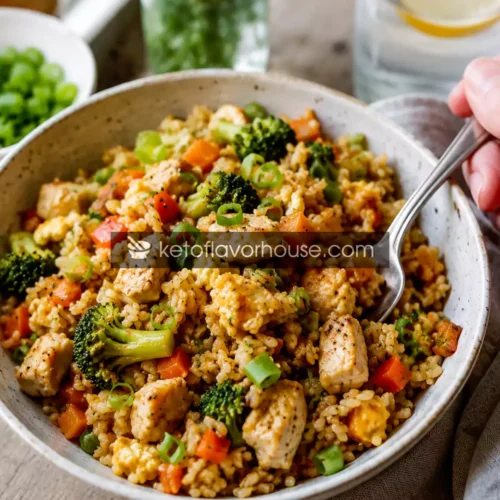
Easy Healthy Anti-Inflammatory Chicken Fried Rice Bowl Recipe

Ingredients
- 1 pound chicken breast diced
- 3 cups cooked jasmine rice chilled
- 2 tablespoons olive oil
- 4 garlic cloves minced
- 1 tablespoon fresh ginger grated
- 1 teaspoon turmeric
- 1 cup diced carrots
- 1 cup chopped broccoli
- 4 green onions sliced
- 2 eggs
- 3 tablespoons coconut aminos or low-sodium soy sauce
- 1 tablespoon lemon juice
- ½ teaspoon black pepper
- Sea salt to taste
Instructions
- Heat 1 tablespoon of olive oil in a large skillet or wok over medium-high heat until the oil looks slightly shiny and moves easily around the pan. Once the skillet is properly heated, add the diced chicken in a single layer so it cooks evenly instead of steaming. Season lightly with sea salt and black pepper, then let the chicken cook undisturbed for 2–3 minutes to develop a golden exterior. Stir occasionally and continue cooking for another 4–5 minutes until the chicken is fully cooked through, lightly browned around the edges, and juicy inside. Remove the chicken from the skillet and transfer it to a clean plate while you prepare the remaining ingredients.
- Reduce the heat slightly to medium and add the remaining tablespoon of olive oil to the same skillet. Stir in the minced garlic and freshly grated ginger, allowing them to cook for about 30–45 seconds until fragrant and aromatic. Keep stirring gently to prevent the garlic from browning too quickly or becoming bitter. The mixture should smell warm, savory, and slightly fresh from the ginger.
- Sprinkle the turmeric into the skillet and stir continuously for about 15 seconds so the spice blooms in the oil. This quick step deepens the flavor and helps evenly distribute the golden color throughout the fried rice later. Avoid cooking the turmeric too long, as it can become slightly bitter if overheated.
- Add the diced carrots and chopped broccoli to the skillet and toss everything together until coated in the garlic-ginger mixture. Cook the vegetables for 4–6 minutes, stirring occasionally, until they become slightly tender but still maintain a crisp texture and vibrant color. The carrots should soften just enough to lose their raw bite, while the broccoli stays bright green with a little crunch remaining.
- Push the vegetables to one side of the skillet to create an empty space for the eggs. Crack the eggs directly into the cleared section and gently scramble them using a spatula or wooden spoon. Cook until the eggs are softly set but still tender, then mix them into the vegetables so everything combines evenly without overcooking the eggs.
- Add the chilled cooked rice to the skillet, breaking apart any clumps with your spatula as you stir. Spread the rice out across the surface of the pan and allow it to sit undisturbed for short intervals so some of the grains become lightly toasted. This helps create that classic fried rice texture with slightly crisp edges instead of soft or soggy rice.
- Return the cooked chicken to the skillet and stir everything together until evenly combined. Pour in the coconut aminos or low-sodium soy sauce and gently toss the rice mixture until all the ingredients are lightly coated. Continue cooking for another 2–3 minutes so the flavors absorb into the rice and the entire skillet becomes hot and fragrant.
- Once everything is heated through, remove the skillet from the heat and drizzle in the fresh lemon juice for brightness. Sprinkle sliced green onions over the top and give the fried rice one final toss. Taste and adjust seasoning if needed before serving warm in bowls.