This post may contains Amazon affiliate and other affiliate links. If you make a purchase through these links, I may earn a small commission at no extra cost to you. Your support helps me continue to provide quality content. I only recommend products I personally trust and believe will add value to your experience. For more details, please visit my Privacy Policy.
There are certain meals that just make your body feel instantly happier, and for me, a colorful roasted vegetable bowl is one of them. Whenever I go through a stretch of eating too many heavy meals, sugary snacks, or rushed takeout dinners, I start feeling bloated, sluggish, and honestly a little disconnected from my usual energy. That’s exactly when this Anti-Inflammatory Roasted Vegetable Bowl Recipe becomes my reset meal. It’s warm, comforting, vibrant, and nourishing in a way that feels satisfying without ever being overly heavy.
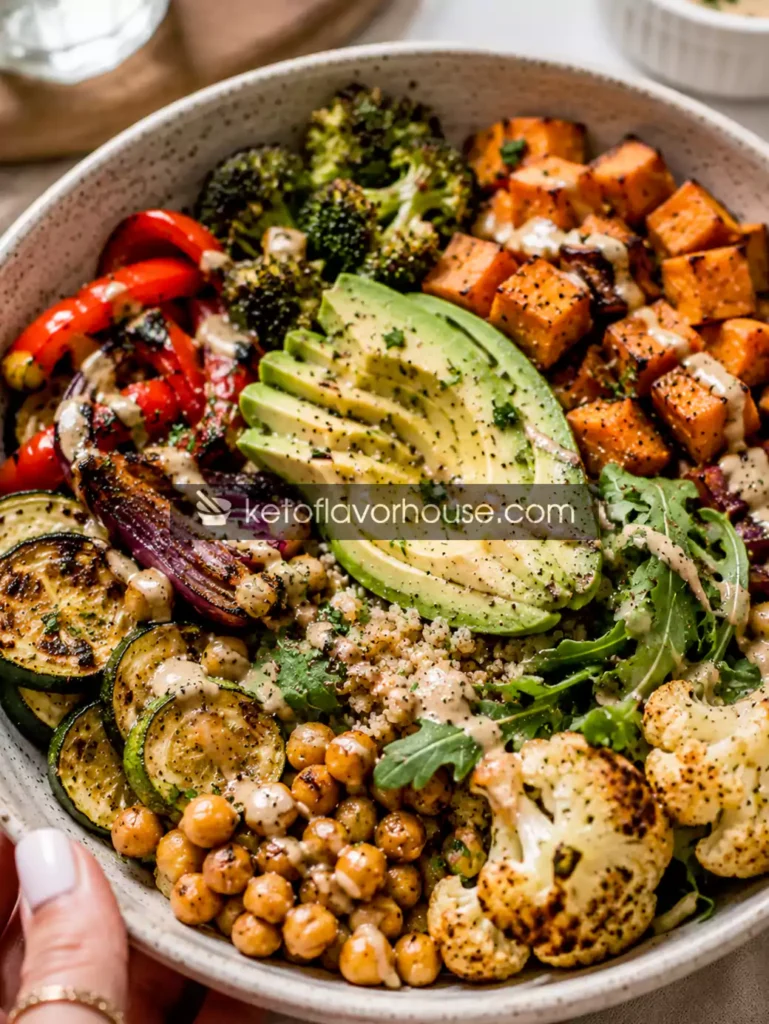
The first time I made this bowl, I was craving something cozy but still fresh. I didn’t want another plain salad that left me hungry an hour later, and I definitely didn’t want another greasy comfort meal that made me feel exhausted afterward. I started roasting a mix of colorful vegetables with olive oil, garlic, turmeric, and herbs, then layered everything into a bowl with creamy avocado and a simple lemon dressing. The result was one of those meals that instantly makes you feel like you’re taking care of yourself without sacrificing flavor.
What I love most about this recipe is how naturally it supports anti-inflammatory eating through simple whole-food ingredients. The vegetables become caramelized and slightly sweet in the oven, while garlic, olive oil, turmeric, lemon, and herbs bring warmth and brightness to every bite. It feels balanced, comforting, and deeply nourishing all at the same time.
This bowl is ideal for anyone looking to eat more vegetables without feeling deprived. It works beautifully for meal prep, healthy lunches, light dinners, post-holiday resets, or those days when your body simply wants something cleaner and more energizing.
💚 Why You’ll Love This Recipe
- 🥬 Anti-inflammatory ingredients like olive oil, garlic, turmeric, leafy greens, and colorful vegetables support balanced eating.
- ⚡ Supports digestion and energy with fiber-rich vegetables and wholesome ingredients.
- 🍽️ Satisfying and balanced with healthy fats, roasted texture, and comforting flavors.
- 👩🍳 Easy to make using simple ingredients and one sheet pan.
- 🧡 Flavor, texture, and comfort come together with crispy roasted edges, creamy avocado, and bright lemon dressing.
🧠 My Personal Experience
This recipe became one of my favorite “feel better” meals during a time when my body was craving lighter foods but my mind still wanted comfort. I remember feeling especially tired and puffy after several weeks of busy schedules and quick convenience meals. Salads felt too cold and unsatisfying, but heavier meals weren’t helping either.
The first time I made this roasted vegetable bowl, I noticed how comforting warm vegetables could feel when they’re properly seasoned and roasted until caramelized. Instead of feeling overly full afterward, I felt lighter, more energized, and surprisingly satisfied for hours.
Now it’s one of my go-to recipes anytime I want something grounding, colorful, and nourishing without spending hours cooking.
🧰 Required Equipment
Large Baking Sheet
A large baking sheet gives the vegetables enough room to roast properly instead of steaming. Crowded vegetables won’t caramelize as well.
Mixing Bowls
Useful for tossing vegetables evenly with olive oil and seasonings before roasting.
Sharp Knife
A sharp knife helps create evenly sized vegetable pieces so everything cooks at the same rate.
Cutting Board
Provides a stable surface for safely chopping vegetables and herbs.
Parchment Paper
Helps prevent sticking and makes cleanup much easier.
Small Whisk or Jar
Useful for mixing the lemon dressing smoothly.
🥬 Ingredients & Substitutions
Broccoli – 2 cups florets
Broccoli adds texture, fiber, and hearty roasted flavor.
Anti-Inflammatory Benefit:
Broccoli fits beautifully into anti-inflammatory eating because it’s rich in plant nutrients and fiber.
Substitutions:
- Cauliflower
- Brussels sprouts
- Green beans
Sweet Potato – 1 medium diced
Sweet potato adds natural sweetness and satisfying texture.
Substitutions:
- Butternut squash
- Carrots
- Pumpkin
Sweet potatoes create a creamier roasted texture while squash offers slightly nuttier flavor.
Zucchini – 2 medium sliced
Zucchini becomes tender and lightly caramelized during roasting.
Substitutions:
- Eggplant
- Yellow squash
- Bell peppers
Red Bell Pepper – 1 sliced
Adds sweetness, color, and freshness to the bowl.
Substitutions:
- Orange bell pepper
- Cherry tomatoes
- Roasted red peppers
Red Onion – 1 sliced
Roasted onion becomes sweet and flavorful while adding depth.
Substitutions:
- Shallots
- White onion
- Sweet onion
Olive Oil – 3 tablespoons
Olive oil helps vegetables roast beautifully while supporting the anti-inflammatory profile.
Substitutions:
- Avocado oil
- Melted ghee
Avoid processed vegetable oils whenever possible.
Garlic – 5 cloves minced
Garlic adds bold savory flavor and warmth.
Substitutions:
- Roasted garlic
- Garlic powder in smaller amounts
Fresh garlic gives the best flavor.
Turmeric – 1 teaspoon
Adds warmth and beautiful golden color.
Substitutions:
- Curry powder
- Ground ginger
Paprika – 1 teaspoon
Adds subtle smokiness and warmth.
Sea Salt – 1 teaspoon
Enhances the natural sweetness of the vegetables.
Black Pepper – ½ teaspoon
Balances the flavors.
Fresh Spinach or Kale – 2 cups
Adds freshness and extra greens.
Substitutions:
- Arugula
- Mixed greens
- Romaine
Avocado – 1 sliced
Adds creaminess and healthy fats.
Substitutions:
- Hummus
- Tahini
- Greek yogurt
Lemon Juice – 2 tablespoons
Brightens the entire bowl and balances the roasted vegetables.
Fresh Parsley – ¼ cup chopped
Adds freshness and color.
👩🍳 How to Make Anti-Inflammatory Roasted Vegetable Bowl Recipe
Step 1: Prepare the Vegetables
Preheat your oven to 425°F and line a large baking sheet with parchment paper.
Wash and dry all vegetables thoroughly before chopping. Excess moisture can prevent proper roasting and caramelization.
Dice the sweet potato into evenly sized cubes and cut the broccoli, zucchini, bell pepper, and onion into similar-sized pieces for even cooking.
Step 2: Season the Vegetables
Place all chopped vegetables into a large mixing bowl.
Drizzle with olive oil and add garlic, turmeric, paprika, sea salt, and black pepper.
Toss thoroughly until every piece is evenly coated.
The olive oil helps the vegetables caramelize beautifully while carrying the flavor of the spices.
Step 3: Arrange for Roasting
Spread the vegetables onto the baking sheet in a single layer.
Avoid overcrowding because tightly packed vegetables steam instead of roast.
Leave a little space between the vegetables for crispier edges and deeper flavor.
Step 4: Roast the Vegetables
Roast for about 30–35 minutes, flipping halfway through cooking.
The vegetables should become tender with caramelized golden edges.
Avoid overcooking zucchini since it softens faster than root vegetables.
If desired, remove softer vegetables earlier for better texture balance.
Step 5: Prepare the Greens and Dressing
While the vegetables roast, place spinach or kale into serving bowls.
In a small bowl or jar, whisk together lemon juice, olive oil, pinch of salt, and black pepper.
This simple dressing brightens the roasted flavors without overpowering them.
Step 6: Assemble the Bowls
Add the roasted vegetables over the greens while still warm.
Top with sliced avocado and fresh parsley.
Drizzle with lemon dressing just before serving.
Serve immediately while the vegetables are warm and slightly crispy.
⚠️ Common Mistakes to Avoid
Overcrowding the Baking Sheet
Crowded vegetables steam instead of roasting.
Fix:
Use two sheet pans if needed.
Using Too Much Oil
Excess oil can make the vegetables soggy.
Fix:
Use just enough to lightly coat everything.
Overcooking Softer Vegetables
Zucchini can become mushy quickly.
Fix:
Cut zucchini larger or add it halfway through roasting.
Using Processed Oils
Processed oils can overpower the fresh flavors.
Fix:
Use olive oil or avocado oil instead.
Underseasoning
Vegetables need proper seasoning for maximum flavor.
Fix:
Taste and adjust seasoning before roasting.
🔥 Pro Tips for Best Results
- Roast vegetables at high heat for caramelization.
- Add fresh herbs after roasting for brightness.
- Sprinkle pumpkin seeds or hemp hearts for crunch.
- Add grated ginger for warmth.
- Use turmeric and black pepper together for deeper flavor.
- Finish with fresh lemon zest for extra freshness.
- Add tahini drizzle for creamy texture.
🧬 Anti-Inflammatory Benefits of Roasted Vegetables
Colorful vegetables are naturally rich in fiber and plant nutrients that fit beautifully into an anti-inflammatory eating style. Roasting enhances their natural sweetness while keeping meals comforting and satisfying.
Vegetables like broccoli, sweet potatoes, bell peppers, and leafy greens provide texture, color, and balance without relying on heavily processed ingredients. Combined with olive oil, garlic, herbs, turmeric, and avocado, they create a nourishing bowl that feels energizing instead of heavy.
This recipe also supports clean eating because it focuses on simple whole foods prepared in a flavorful, approachable way.
🌿 Variations You Can Try
Mediterranean Version
Add olives, cucumber, feta cheese, and hummus.
Higher-Protein Version
Add grilled chicken, salmon, tofu, or chickpeas.
Low-Carb Version
Replace sweet potato with cauliflower or mushrooms.
Spicy Version
Add chili flakes or harissa.
Dairy-Free Version
Skip cheese toppings and use tahini dressing instead.
Grain Bowl Version
Serve over quinoa, brown rice, or cauliflower rice.
🍽️ Tips for This Recipe
- Chop vegetables evenly for consistent roasting.
- Use parchment paper for easier cleanup.
- Add avocado just before serving.
- Warm bowls slightly before serving for cozy texture.
- Roast vegetables until edges caramelize for maximum flavor.
- Fresh lemon juice dramatically improves the flavor balance.
➕ Optional Additions
- Chia seeds
- Hemp hearts
- Flaxseed
- Tahini drizzle
- Pumpkin seeds
- Fresh dill
- Goat cheese
- Pickled onions
- Collagen peptides
- Crispy chickpeas
🍴 Serving Ideas
This roasted vegetable bowl pairs beautifully with:
- Grilled chicken
- Salmon
- Lentil soup
- Hummus platters
- Mediterranean wraps
- Roasted tofu
- Cauliflower rice
- Fresh cucumber salad
Perfect for:
- Meal prep
- Healthy lunches
- Cozy dinners
- Post-holiday reset meals
- Vegetarian dinners
- Clean eating meal plans
🧊 Storage Recommendations
Refrigerator
Store roasted vegetables in airtight containers for up to 4 days.
Freezer
Most roasted vegetables can be frozen for up to 2 months, though zucchini may soften after thawing.
Reheating Tips
Reheat in the oven or air fryer for best texture.
Microwaving works for convenience but may soften crispy edges.
❓ Frequently Asked Questions
Can I meal prep this recipe?
Yes. It’s excellent for meal prep and reheats beautifully.
Which vegetables roast best together?
Broccoli, sweet potatoes, carrots, cauliflower, onions, and bell peppers work especially well.
Can I make this bowl low carb?
Absolutely. Replace sweet potato with cauliflower or mushrooms.
Is this recipe vegan?
Yes, as written it’s naturally vegan.
Can I add protein?
Yes. Chicken, salmon, tofu, chickpeas, or shrimp all work wonderfully.
Why are my vegetables soggy?
Usually from overcrowding the baking sheet or using too much oil.
What dressing works best?
Simple lemon olive oil dressing pairs perfectly with roasted vegetables.
🧮 Nutritional Breakdown (Per Serving)
- Calories: 310
- Protein: 7g
- Fat: 18g
- Total Carbs: 30g
- Net Carbs: 24g
📌 Recipe Snapshot
- Prep Time: 20 minutes
- Cook Time: 35 minutes
- Total Time: 55 minutes
- Course: Main Course
- Cuisine: Mediterranean-Inspired
- Servings: 4
- Calories: 310
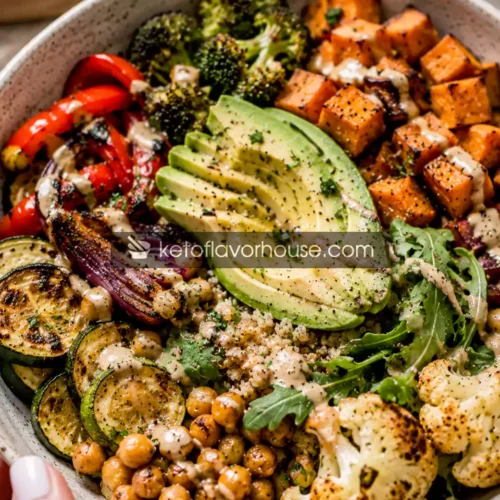
Anti-Inflammatory Roasted Vegetable Bowl Recipe

Ingredients
- 2 cups broccoli florets
- 1 medium sweet potato diced
- 2 medium zucchini sliced
- 1 red bell pepper sliced
- 1 red onion sliced
- 3 tablespoons olive oil
- 5 garlic cloves minced
- 1 teaspoon turmeric
- 1 teaspoon paprika
- 1 teaspoon sea salt
- ½ teaspoon black pepper
- 2 cups spinach or kale
- 1 avocado sliced
- 2 tablespoons lemon juice
- ¼ cup fresh parsley chopped
Instructions
- Preheat your oven to 425°F and allow it to fully heat before adding the vegetables. A properly preheated oven is important because high heat helps the vegetables roast instead of steam, creating those delicious caramelized edges and deeper flavor. Line a large baking sheet with parchment paper to prevent sticking and make cleanup easier later.
- Wash all the vegetables thoroughly under cool running water and dry them completely using clean kitchen towels or paper towels. Removing excess moisture is very important because wet vegetables tend to steam in the oven rather than roast properly. Once dry, chop the broccoli into florets, dice the sweet potato into evenly sized cubes, slice the zucchini into thick rounds, cut the bell pepper into strips, and slice the onion into wedges or strips. Try to keep the pieces similar in size so everything cooks evenly.
- Transfer the broccoli, sweet potato, zucchini, bell pepper, and onion into a large mixing bowl with enough room for tossing comfortably. Using a large bowl makes it easier to coat every piece evenly without overcrowding or spilling ingredients.
- Drizzle the vegetables with olive oil, making sure the oil lightly coats all the vegetables without making them greasy. Add the minced garlic, turmeric, paprika, sea salt, and black pepper directly into the bowl. The olive oil helps the seasonings cling to the vegetables while encouraging caramelization during roasting. Turmeric adds warm earthy flavor and beautiful color, while garlic and paprika create depth and savory richness.
- Toss everything together thoroughly using clean hands or a large spoon until every vegetable piece is evenly coated with the oil and spices. Take an extra moment to make sure the garlic and seasonings are distributed evenly throughout the bowl. Proper coating ensures balanced flavor in every bite and prevents some vegetables from tasting bland while others become overly seasoned.
- Spread the seasoned vegetables onto the prepared baking sheet in a single layer. Avoid piling the vegetables on top of one another because overcrowding traps steam and prevents browning. Leave a little space between the vegetables whenever possible so hot air can circulate properly around them. If needed, use two baking sheets instead of overcrowding one pan.
- Place the baking sheet into the preheated oven and roast the vegetables for about 30–35 minutes. Halfway through cooking, carefully remove the tray and use a spatula to flip or stir the vegetables so they roast evenly on all sides. The vegetables are ready when the sweet potatoes are fork-tender and the edges of the broccoli, onions, and peppers develop golden caramelized spots. Keep an eye on the zucchini because it cooks faster and can become overly soft if roasted too long.
- While the vegetables are roasting, prepare the simple lemon dressing. In a small bowl or jar, combine fresh lemon juice, olive oil, a pinch of sea salt, and black pepper. Whisk or shake everything together until the dressing looks smooth and lightly emulsified. Fresh lemon juice adds brightness and balances the warm roasted flavors beautifully without overpowering the vegetables.
- Add fresh spinach or kale into serving bowls while the vegetables finish roasting. If using kale, you can gently massage it with a tiny drizzle of olive oil for a softer texture and milder flavor. The warmth from the roasted vegetables will slightly wilt the greens, creating a cozy and balanced bowl.
- Once the vegetables are fully roasted, carefully spoon them over the spinach or kale while still warm. Layering the hot vegetables over the greens helps soften them slightly while keeping texture and freshness intact. Try to distribute the different vegetables evenly throughout each bowl for balanced flavor and color.
- Add sliced avocado over the bowls for creaminess and healthy fats, then sprinkle fresh chopped parsley on top for brightness and freshness. The avocado adds a rich buttery texture that pairs beautifully with the roasted vegetables and lemon dressing.
- Drizzle the lemon dressing evenly over each bowl just before serving. Start with a small amount and add more if needed so the vegetables stay flavorful without becoming soggy. The fresh citrus dressing helps lift all the warm roasted flavors while adding a light refreshing finish.
- Serve the roasted vegetable bowls immediately while the vegetables are still warm and slightly crispy around the edges. Enjoy them on their own for a nourishing plant-based meal or pair with grilled chicken, salmon, tofu, quinoa, or hummus for extra protein and variety.