This post may contains Amazon affiliate and other affiliate links. If you make a purchase through these links, I may earn a small commission at no extra cost to you. Your support helps me continue to provide quality content. I only recommend products I personally trust and believe will add value to your experience. For more details, please visit my Privacy Policy.
Introduction
There are certain evenings when your body practically begs for something warm, comforting, and nourishing — especially after days filled with takeout, heavy meals, stress, or simply feeling bloated and sluggish. I started making this Anti-Inflammatory Baked Tortellini with Asparagus Recipe during one of those seasons where I wanted comfort food without the heavy, weighed-down feeling afterward. I craved creamy baked pasta, but I also wanted ingredients that felt fresh, energizing, and supportive instead of greasy or overly processed.
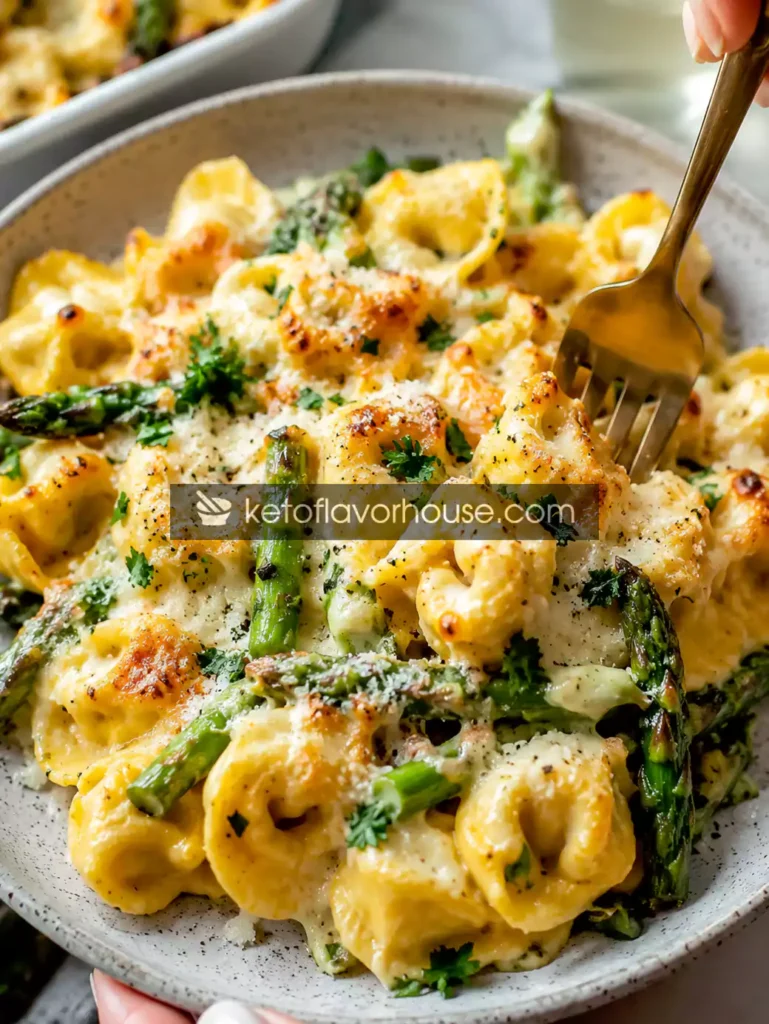
The first time I pulled this bubbling tortellini bake from the oven, the kitchen smelled incredible — roasted garlic, herbs, olive oil, and that cozy baked-cheese aroma that instantly makes everyone gather around the table. But what surprised me most was how balanced it felt. Instead of leaving me overly full or tired, this dish felt satisfying while still being light enough to fit into an anti-inflammatory eating routine.
This recipe combines tender cheese tortellini, crisp asparagus, anti-inflammatory ingredients like garlic and olive oil, and a creamy yet balanced sauce that feels indulgent without becoming overwhelming. It’s the kind of dinner that works beautifully for busy weeknights, meal prep lunches, family dinners, or even cozy Sunday evenings when you want comfort without regret.
If you’ve been looking for a nourishing pasta bake that tastes rich while still supporting digestion, energy, and balanced eating habits, this recipe is going to become one of your new favorites.
💚 Why You’ll Love This Recipe
- 🥬 Made with anti-inflammatory ingredients like asparagus, garlic, olive oil, and herbs
- ⚡ Feels satisfying while supporting balanced energy and digestion
- 🍽️ Comfort-food flavor without feeling overly heavy afterward
- 👩🍳 Simple enough for weeknights but impressive enough for guests
- 🧡 Creamy, cheesy, herby, and packed with cozy baked texture
- 🌿 A delicious way to include more vegetables in dinner
- 🥘 Perfect for meal prep and reheats beautifully
- 💪 Easy to boost with extra protein if desired
🧠 My Personal Experience
I genuinely didn’t expect this recipe to become part of my regular rotation. Originally, I was simply trying to use asparagus before it went bad in the fridge. I tossed together some tortellini, garlic, olive oil, herbs, and a light creamy sauce, baked everything until golden, and hoped for the best.
But after eating it, I immediately noticed how different I felt compared to typical creamy pasta dishes. Instead of feeling sleepy or overly stuffed, I felt comfortably full and energized. The asparagus kept the dish fresh and vibrant, while the garlic and herbs gave it so much flavor that it never felt bland or “healthy.”
Now this has become one of my favorite comfort meals when I want something cozy but still balanced. It’s especially perfect during weeks where I’m trying to reset my eating habits or avoid overly processed dinners.
#### Required Equipment
#### Large Pot
You’ll need a large pot for boiling the tortellini. Make sure not to overcrowd the pasta so it cooks evenly.
#### Colander
A colander helps drain the tortellini quickly without overcooking it from residual heat.
#### Large Skillet
A skillet is important for sautéing the garlic, asparagus, and sauce ingredients before baking. This builds deeper flavor.
#### Baking Dish
A medium-to-large casserole or baking dish works best for even baking and achieving that golden cheesy top.
#### Cutting Board & Sharp Knife
Fresh asparagus cooks more evenly when cut uniformly, so a sharp knife makes prep easier and safer.
#### Wooden Spoon or Silicone Spatula
Helpful for stirring the sauce gently without breaking the tortellini.
🥬 Ingredients & Substitutions
Cheese Tortellini – 20 ounces
Cheese tortellini creates the comforting base of the recipe while adding creaminess and protein.
Anti-Inflammatory Benefit:
Choosing quality tortellini with simple ingredients helps avoid excessive processed additives.
Substitutions:
- Whole wheat tortellini for extra fiber
- Spinach tortellini for additional greens
- Gluten-free tortellini if needed
Fresh Asparagus – 1 bunch, trimmed and cut into 2-inch pieces
Asparagus adds freshness, texture, and a vibrant green color.
Anti-Inflammatory Benefit:
Asparagus contains antioxidants, fiber, and compounds that support digestion and overall wellness.
Substitutions:
- Broccoli florets
- Zucchini slices
- Green beans
- Brussels sprouts
Olive Oil – 2 tablespoons
Olive oil helps roast and coat the vegetables while adding richness.
Anti-Inflammatory Benefit:
Extra virgin olive oil is rich in healthy fats and polyphenols often associated with anti-inflammatory eating patterns.
Substitutions:
- Avocado oil
- Light butter alternative
- Ghee for a richer flavor
Avoid highly processed seed oils when possible.
Garlic – 4 cloves, minced
Garlic brings bold flavor and warmth to the dish.
Anti-Inflammatory Benefit:
Garlic is widely appreciated in anti-inflammatory cooking because of its naturally occurring sulfur compounds.
Substitutions:
- Roasted garlic
- Garlic powder in a pinch
Fresh garlic provides the best flavor.
Onion – 1 small yellow onion, diced
Onion deepens the savory flavor of the sauce.
Substitutions:
- Shallots
- Sweet onion
- Red onion
Low-Sodium Vegetable Broth – 1 cup
Broth creates flavor while helping form the sauce.
Benefit:
Lower sodium options help keep the dish lighter and more balanced.
Substitutions:
- Chicken broth
- Bone broth for added protein
Plain Greek Yogurt – ¾ cup
Greek yogurt creates creaminess without needing heavy cream.
Anti-Inflammatory Benefit:
Greek yogurt adds protein and can feel lighter than traditional cream sauces.
Substitutions:
- Dairy-free Greek-style yogurt
- Cottage cheese blended smooth
Parmesan Cheese – ¾ cup shredded
Parmesan adds salty richness and helps the top become golden.
Substitutions:
- Pecorino Romano
- Dairy-free parmesan alternative
Mozzarella Cheese – 1 cup shredded
Mozzarella provides that irresistible cheesy baked texture.
Substitutions:
- Reduced-fat mozzarella
- Dairy-free mozzarella
Italian Seasoning – 1 teaspoon
Adds herby warmth and balance.
Turmeric – ½ teaspoon
Turmeric adds subtle warmth and supports the anti-inflammatory profile of the recipe.
Anti-Inflammatory Benefit:
Turmeric is widely used in wellness-focused cooking for its naturally vibrant compounds.
Black Pepper – ½ teaspoon
Black pepper complements the turmeric while adding depth.
Sea Salt – to taste
Enhances all flavors naturally.
👩🍳 How to Make Anti-Inflammatory Baked Tortellini with Asparagus Recipe
Step 1: Preheat the Oven
Preheat your oven to 400°F and lightly grease a baking dish with olive oil.
This helps prevent sticking while encouraging golden edges.
Step 2: Cook the Tortellini
Bring a large pot of salted water to a boil and cook the tortellini just until slightly underdone.
Helpful Tip:
Do not fully cook the tortellini because it will continue baking in the oven. Overcooked tortellini can become mushy later.
Drain immediately and set aside.
Step 3: Sauté the Aromatics
Heat olive oil in a large skillet over medium heat.
Add:
- Onion
- Garlic
Cook for 3–4 minutes until fragrant and softened.
Helpful Tip:
Avoid browning the garlic too much, as burnt garlic can create bitterness.
Step 4: Cook the Asparagus
Add asparagus pieces to the skillet and sauté for about 4 minutes.
You want them slightly tender but still vibrant green.
Helpful Tip:
Overcooking asparagus before baking can make it soft and dull in color later.
Step 5: Build the Sauce
Pour in the vegetable broth and stir well.
Reduce heat slightly and mix in:
- Greek yogurt
- Italian seasoning
- Turmeric
- Black pepper
Stir gently until smooth.
Helpful Tip:
Keep the heat low when adding Greek yogurt to prevent curdling.
Step 6: Combine Everything
Fold the cooked tortellini into the sauce mixture carefully.
Add half the mozzarella and half the parmesan.
Mix gently until coated.
Step 7: Assemble the Bake
Transfer the mixture into the prepared baking dish.
Top with remaining mozzarella and parmesan.
Helpful Tip:
Spread the cheese evenly for a beautifully golden finish.
Step 8: Bake Until Golden
Bake uncovered for 18–22 minutes until bubbly and lightly golden on top.
For extra browning, broil for 1–2 minutes at the end.
Watch carefully to avoid burning.
Step 9: Rest Before Serving
Let the dish rest for 5–10 minutes before serving.
This helps the sauce settle and improves texture.
⚠️ Common Mistakes to Avoid
Overcooking the Tortellini
Fully cooked tortellini can become overly soft after baking.
Fix:
Boil it 1–2 minutes less than package directions.
Using Highly Processed Ingredients
Heavy processed sauces or artificial cheeses can overpower the fresh flavors.
Fix:
Use fresh garlic, real cheese, and quality broth whenever possible.
Using Inflammatory Oils
Certain heavily refined oils can make the dish feel greasy.
Fix:
Stick with olive oil or avocado oil.
Overcooking Asparagus
Soft asparagus loses both texture and vibrant color.
Fix:
Cook it only briefly before baking.
Adding Greek Yogurt Over High Heat
This may cause curdling.
Fix:
Lower heat before stirring yogurt into the sauce.
🔥 Pro Tips for Best Results
- Roast the asparagus separately for deeper flavor
- Add fresh lemon zest before serving for brightness
- Use freshly grated parmesan for smoother melting
- Add crushed red pepper for gentle heat
- Stir in spinach for extra greens
- Add shredded chicken for higher protein
- Use fresh herbs like basil or parsley at the end
- Include a small amount of ginger for an anti-inflammatory flavor boost
- Finish with extra virgin olive oil before serving
🧬 Anti-Inflammatory Benefits of Asparagus
Asparagus is one of those vegetables that feels both elegant and comforting at the same time. It’s naturally rich in fiber, antioxidants, and nutrients that fit beautifully into balanced eating patterns.
Because asparagus contains fiber, it may help support digestion and keep meals feeling satisfying longer. Its fresh flavor also helps balance richer ingredients like cheese and tortellini, making the entire dish feel lighter and more refreshing.
Pairing asparagus with olive oil, garlic, herbs, and turmeric creates a combination commonly used in anti-inflammatory cooking styles focused on whole foods and balanced nutrition.
🌿 Variations You Can Try
Dairy-Free Version
Use:
- Dairy-free yogurt
- Vegan mozzarella
- Dairy-free parmesan
The texture will be slightly different but still creamy and delicious.
Higher-Protein Version
Add:
- Grilled chicken
- Shredded rotisserie chicken
- White beans
- Turkey sausage
This creates a more filling meal.
Spicy Version
Add:
- Chili flakes
- Cayenne pepper
- Spicy Italian herbs
Extra Vegetable Version
Add:
- Spinach
- Mushrooms
- Kale
- Broccoli
Crispy Topping Version
Top with:
- Whole wheat breadcrumbs
- Crushed almond flour crackers
- Parmesan crust
🍽️ Tips for This Recipe
- Always taste before baking and adjust seasoning
- Fresh herbs make a huge difference
- Don’t overcrowd the baking dish
- Let the casserole rest before serving
- Use quality cheese for smoother melting
- Slightly undercook vegetables for better texture
- Add lemon juice for freshness if desired
➕ Optional Additions
- Fresh basil
- Parsley
- Red pepper flakes
- Lemon zest
- Chia seeds
- Ground flaxseed
- Collagen peptides
- Baby spinach
- Sun-dried tomatoes
- Roasted mushrooms
🍴 Serving Ideas
This baked tortellini pairs beautifully with:
- Simple arugula salad
- Roasted vegetables
- Garlic green beans
- Anti-inflammatory cucumber salad
- Herb-roasted chicken
- Sparkling lemon water
It works wonderfully for:
- Weeknight dinners
- Meal prep lunches
- Family gatherings
- Cozy winter meals
- Potluck dishes
🧊 Storage Recommendations
Refrigerator
Store leftovers in an airtight container for up to 4 days.
Freezer
Freeze portions individually for up to 2 months.
Helpful Tip:
Allow the dish to cool completely before freezing.
Reheating
Reheat in the oven at 350°F until warmed through.
You can also microwave individual portions with a splash of broth to maintain creaminess.
❓ Frequently Asked Questions
Can I use frozen asparagus?
Yes. Thaw and pat dry first to avoid excess moisture.
Is this recipe good for meal prep?
Absolutely. It reheats very well and tastes even more flavorful the next day.
Can I make this gluten-free?
Yes. Use gluten-free tortellini if available.
What protein works best with this recipe?
Chicken, turkey sausage, shrimp, or white beans work beautifully.
Can I make it ahead of time?
Yes. Assemble everything ahead and refrigerate before baking.
Can I use cottage cheese instead of Greek yogurt?
Yes. Blend it smooth first for the best texture.
How do I make it extra creamy?
Add a little more Greek yogurt or a small amount of cream cheese.
🧮 Nutritional Breakdown (Per Serving)
Approximate values:
- Calories: 410
- Protein: 22g
- Fat: 18g
- Total Carbs: 38g
- Net Carbs: 34g
📌 Recipe Snapshot
- Prep Time: 15 minutes
- Cook Time: 25 minutes
- Total Time: 40 minutes
- Course: Dinner
- Cuisine: American-Inspired Comfort Food
- Servings: 6
- Calories: 410
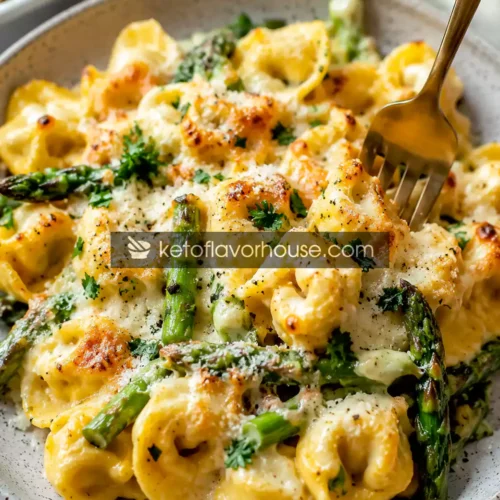
Anti-Inflammatory Baked Tortellini with Asparagus Recipe

Ingredients
- 20 oz cheese tortellini
- 1 bunch asparagus trimmed and chopped
- 2 tbsp olive oil
- 4 garlic cloves minced
- 1 small yellow onion diced
- 1 cup low-sodium vegetable broth
- ¾ cup plain Greek yogurt
- ¾ cup parmesan cheese shredded
- 1 cup mozzarella cheese shredded
- 1 tsp Italian seasoning
- ½ tsp turmeric
- ½ tsp black pepper
- Sea salt to taste
Instructions
- Preheat your oven to 400°F and lightly grease a medium-to-large baking dish with olive oil. Spread the oil evenly around the bottom and sides of the dish to help prevent sticking and encourage the tortellini to develop slightly golden edges while baking. While the oven heats, gather and prep all ingredients so the cooking process feels smooth and stress-free.
- Bring a large pot of generously salted water to a boil over high heat. Add the tortellini and cook it about 1–2 minutes less than the package instructions recommend. Since the tortellini will continue cooking in the oven later, slightly undercooking it now helps prevent it from becoming overly soft or mushy after baking. Once done, drain immediately and gently toss with a tiny drizzle of olive oil to keep the pasta from sticking together while you prepare the sauce.
- Heat olive oil in a large skillet over medium heat. Add the diced onion and cook for about 3–4 minutes, stirring occasionally, until it becomes soft and translucent. Add the minced garlic and continue cooking for another 30–60 seconds until fragrant. Be careful not to brown or burn the garlic, as burnt garlic can create a bitter flavor that overpowers the dish.
- Add the chopped asparagus to the skillet and sauté for about 4–5 minutes. Stir occasionally so the asparagus cooks evenly while still keeping a slight crispness and vibrant green color. Avoid overcooking it at this stage because the asparagus will soften more during baking. If you prefer extra texture, keep the asparagus slightly firmer.
- Pour the vegetable broth into the skillet and stir gently to combine with the vegetables. Reduce the heat to low before adding the Greek yogurt to help prevent curdling. Stir in the Greek yogurt, Italian seasoning, turmeric, black pepper, and sea salt until the sauce becomes smooth and creamy. Let everything warm gently for 1–2 minutes without boiling. Taste the sauce and adjust seasoning if needed.
- Add the cooked tortellini to the skillet and carefully fold it into the creamy sauce mixture using a wooden spoon or silicone spatula. Stir gently to avoid tearing the tortellini. Add half of the mozzarella cheese and half of the parmesan cheese, then mix until the cheese begins melting into the sauce, creating a rich and creamy texture throughout the dish.
- Transfer the tortellini mixture into the prepared baking dish and spread it into an even layer so everything cooks evenly. Sprinkle the remaining mozzarella and parmesan cheese over the top, making sure the cheese covers most of the surface for a golden, bubbly finish. If desired, add a light sprinkle of black pepper or extra Italian seasoning on top for added flavor and presentation.
- Place the baking dish into the preheated oven and bake uncovered for 18–22 minutes, or until the cheese is fully melted, bubbling around the edges, and lightly golden on top. For extra browning and crispy cheese spots, switch the oven to broil for the final 1–2 minutes, but watch carefully to prevent burning.
- Remove the baked tortellini from the oven and allow it to rest for 5–10 minutes before serving. This resting time helps the sauce thicken slightly and allows the flavors to settle together beautifully. Garnish with fresh parsley, basil, or a light drizzle of olive oil if desired, then serve warm while the cheese is perfectly creamy and melty.