This post may contains Amazon affiliate and other affiliate links. If you make a purchase through these links, I may earn a small commission at no extra cost to you. Your support helps me continue to provide quality content. I only recommend products I personally trust and believe will add value to your experience. For more details, please visit my Privacy Policy.
There are mornings when I wake up knowing I need something nourishing, but the thought of a heavy breakfast just doesn’t sound appealing. Maybe I’m feeling a little bloated, sluggish, or simply tired of starting the day with something sweet. On those mornings, I want food that feels light and fresh but still keeps me satisfied until lunch. That’s exactly why these Anti-Inflammatory Cottage Cheese Egg Muffins have become such a favorite in my kitchen.
They’re soft, fluffy, savory, and packed with simple ingredients I genuinely enjoy eating: eggs, creamy cottage cheese, spinach, colorful bell pepper, onion, garlic, turmeric, and a little feta for that salty finish. The cottage cheese is the little trick that makes these egg muffins unusually tender. Instead of the firm, slightly rubbery texture some baked egg cups can have, these stay soft and almost custardy in the middle.
And the flavor is so much better than you’d expect from such a simple breakfast.
The turmeric adds earthy warmth. Garlic gives everything a savory backbone, while the bell pepper brings little bursts of sweetness. Fresh spinach softens into the eggs, and the feta adds just enough saltiness to make every bite interesting.
Most importantly, these muffins fit beautifully into an anti-inflammatory-style eating pattern. They combine protein-rich whole foods with colorful vegetables, herbs, spices, and extra-virgin olive oil rather than relying on heavily processed sauces or refined breakfast ingredients.
I especially love making a batch on Sunday morning and keeping them in the refrigerator. By Monday, breakfast is already handled.
No pan to wash before work. No standing around deciding what to eat. Just grab two, warm them gently, and add some fruit or avocado on the side.
That small bit of preparation can make a surprisingly big difference on busy mornings.
Why You’ll Love These Anti-Inflammatory Cottage Cheese Egg Muffins
- 🥬 Anti-inflammatory-style ingredients: Spinach, bell pepper, garlic, turmeric, herbs, and extra-virgin olive oil bring plenty of whole-food goodness.
- 💪 Protein-rich and satisfying: Eggs and cottage cheese provide a substantial protein base.
- ☁️ Extra fluffy: Blended cottage cheese creates an incredibly tender texture.
- ⚡ Great for busy mornings: Make them once and have breakfast ready for several days.
- 🍽️ Balanced and filling: Protein, vegetables, healthy fats, and plenty of flavor come together in every bite.
- 🧡 Comforting without feeling heavy: They’re warm and savory but don’t leave you feeling weighed down.
- 👩🍳 Beginner-friendly: No complicated technique or special equipment is required.
- 🌿 Naturally flavorful: Garlic, turmeric, black pepper, herbs, and vegetables do most of the flavor work.
- 🥣 Meal-prep friendly: They store beautifully and reheat quickly.
- 🌶️ Easy to customize: Add mushrooms, tomatoes, herbs, chicken, turkey, or your favorite vegetables.
My Personal Experience With These Egg Muffins
I originally started making egg muffins because I wanted an easier breakfast, not because I was trying to create anything particularly fancy.
The first few batches were fine.
But there was always something missing.
Some were too firm. Others became watery after sitting in the refrigerator. A few tasted great straight from the oven but turned rubbery after reheating.
Then I started adding cottage cheese.
That changed everything.
Blending cottage cheese into the egg mixture gives the muffins a much softer interior. When you bite into one warm from the oven, it has this almost cloud-like texture that makes ordinary baked eggs feel completely different.
I also realized that vegetables need a little preparation before they go into the batter.
This sounds like a small detail, but it matters. Raw spinach and watery vegetables can release moisture as the muffins bake, leaving you with soggy egg cups. Sautéing the vegetables briefly first concentrates their flavor and removes some of that excess water.
Now I almost always make these when I know the week ahead is going to be busy.
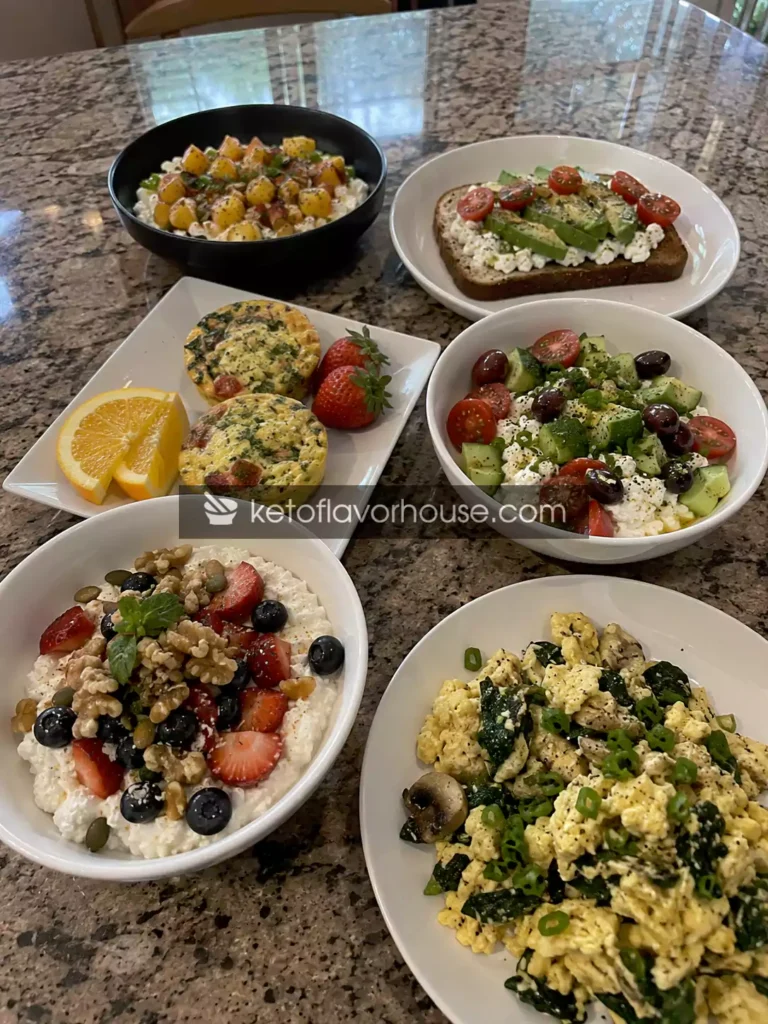
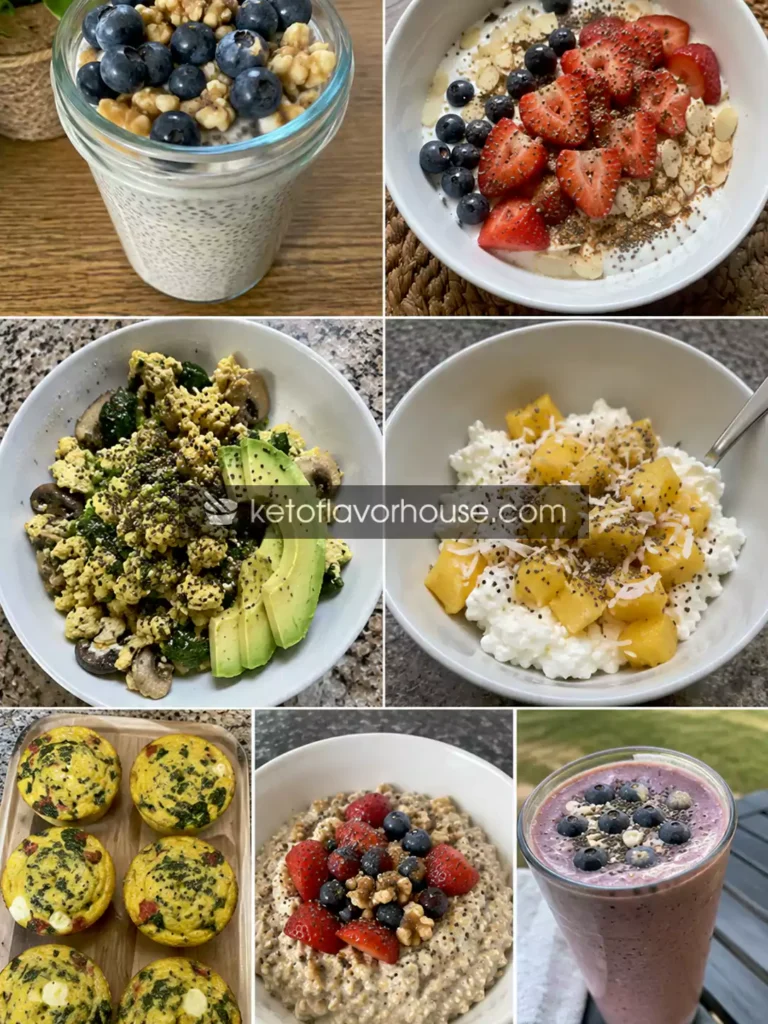
I’ll pull two from the refrigerator, warm them gently, and put them on a plate with avocado, berries, or a piece of low-carb toast. It feels like a real breakfast rather than something grabbed in a hurry.
And that’s really the appeal.
They’re practical, but they don’t taste overly practical.
🧰 Required Equipment
12-Cup Muffin Tin
A standard 12-cup muffin pan is the easiest way to create perfectly portioned egg muffins.
A metal pan gives you reliable heat distribution and helps the edges set nicely.
If your pan tends to stick, don’t rely entirely on the nonstick coating. Lightly grease each cavity or use parchment liners.
Mixing Bowl
You’ll need a large bowl for combining the eggs, cottage cheese, seasonings, and vegetables.
Choose one with enough room to whisk without splashing the mixture everywhere.
Blender or Food Processor
This is my favorite piece of equipment for this recipe.
Blending the cottage cheese before adding it to the eggs breaks down the curds and creates a smooth mixture. That is the secret behind the fluffy texture.
If you don’t have a blender, simply whisk the cottage cheese directly into the eggs. You’ll have more visible cottage cheese curds, but the muffins will still taste delicious.
Large Skillet
A skillet is useful for quickly softening the onion, bell pepper, spinach, and garlic.
You’re not trying to fully cook the vegetables until they’re soft and mushy. The goal is simply to remove excess moisture and develop their flavor.
Silicone Spatula
A flexible spatula makes it easy to scrape every bit of the cottage cheese mixture from the blender.
It’s also useful for folding the vegetables and feta into the eggs without overmixing.
Measuring Spoons
Accurate seasoning makes a difference here, particularly with turmeric, salt, and black pepper.
🥬 Ingredients & Substitutions
Eggs — 10 large
Eggs provide the structure of the muffins and contribute high-quality protein.
They also give the recipe its naturally rich flavor and help the muffins set as they bake.
For the best texture, let the eggs sit at room temperature for about 15–20 minutes before mixing if you have time.
Substitution: Egg whites can replace some or all of the whole eggs, but the muffins will be leaner and slightly less rich. Using all egg whites can also make them firmer.
Cottage Cheese — 1½ cups
This is the secret ingredient.
Cottage cheese adds protein and moisture while creating a soft, creamy texture.
I recommend using low-fat or full-fat cottage cheese depending on your nutritional preference. Full-fat cottage cheese creates an especially rich texture.
Substitution: Plain Greek yogurt can replace the cottage cheese, although the texture will be slightly different. Greek yogurt tends to make the muffins a little denser.
Baby Spinach — 2 cups, roughly chopped
Spinach adds color, fiber, folate, vitamin K, and other micronutrients.
It also works beautifully with eggs because its flavor becomes mild once cooked.
Substitution: Chopped kale works well but should be sautéed a little longer because the leaves are sturdier.
Red Bell Pepper — ½ cup finely diced
Bell pepper provides natural sweetness, color, and vitamin C.
The red pepper is especially nice here because it contrasts with the green spinach and golden eggs.
Substitution: Yellow or orange bell pepper works exactly the same way.
Yellow Onion — ⅓ cup finely diced
Onion adds savory sweetness and depth.
Cooking it briefly before adding it to the eggs makes the finished muffins much more flavorful.
Substitution: Shallots or green onions can be used. Green onions provide a fresher, lighter flavor and don’t require as much cooking.
Garlic — 2 cloves, minced
Garlic brings a savory punch and fits naturally into a vegetable-forward, anti-inflammatory-style recipe.
Fresh garlic has much more personality than garlic powder here.
Substitution: Use ½ teaspoon garlic powder if necessary, but add it directly to the egg mixture rather than sautéing it.
Extra-Virgin Olive Oil — 1 tablespoon
A little olive oil helps sauté the vegetables and contributes monounsaturated fat.
Extra-virgin olive oil also adds a subtle fruity note that works beautifully with spinach and eggs.
Substitution: Avocado oil can be used if preferred.
Turmeric — ½ teaspoon
Turmeric provides the beautiful golden color and a warm, earthy flavor.
It is commonly used in anti-inflammatory-style recipes because of its naturally occurring curcumin and other plant compounds.
Substitution: If turmeric isn’t your favorite flavor, use ¼ teaspoon for a gentler taste.
Black Pepper — ½ teaspoon
Black pepper adds gentle heat and balances the earthy turmeric.
It’s also a natural flavor partner for turmeric.
Dried Oregano — ½ teaspoon
Oregano gives the muffins a subtle Mediterranean-style flavor.
You could also use Italian seasoning if that’s what you have available.
Fine Sea Salt — ½ teaspoon
Salt brings all the flavors together.
Because feta is already salty, avoid adding too much additional salt before tasting your mixture.
Feta Cheese — ⅓ cup crumbled
Feta adds creamy, salty little pockets throughout the muffins.
It also provides additional protein and calcium.
Substitution: Goat cheese creates a softer, tangier result. Shredded cheddar makes the muffins more familiar and richer but changes the flavor profile.
Fresh Parsley — 2 tablespoons chopped
Parsley adds freshness and a little color.
It’s particularly nice sprinkled over the muffins after baking.
Substitution: Fresh cilantro or basil can be used depending on the flavor direction you want.
👩🍳 How to Make Fluffy Anti-Inflammatory Cottage Cheese Egg Muffins
1. Preheat the Oven
Preheat your oven to 350°F.
Lightly grease a standard 12-cup muffin pan with extra-virgin olive oil or cooking spray.
Make sure you grease around the sides of each cavity, not just the bottoms.
Egg mixtures have a sneaky way of sticking around the edges.
2. Prepare the Vegetables
Heat 1 tablespoon of olive oil in a large skillet over medium heat.
Add the diced onion and red bell pepper.
Cook for about 3–4 minutes, stirring occasionally, until the onion begins to soften and the pepper becomes slightly tender.
Add the chopped spinach and minced garlic.
Cook for another 1–2 minutes, just until the spinach wilts and the garlic becomes fragrant.
Don’t cook the vegetables until they’re completely soft.
You want them tender but still vibrant.
Remove the skillet from the heat and allow the vegetables to cool for a few minutes.
This matters because adding piping-hot vegetables to raw eggs can partially cook the mixture before it reaches the oven.
3. Blend the Cottage Cheese
Add the cottage cheese to a blender or food processor.
Blend for about 20–30 seconds, until mostly smooth.
You’ll notice that it transforms from a chunky mixture into something resembling thick cream.
This is the little trick that makes these egg muffins so soft.
If you don’t have a blender, don’t worry. You can simply whisk the cottage cheese into the eggs later.
4. Whisk the Eggs
Crack the eggs into a large mixing bowl.
Add the blended cottage cheese, turmeric, black pepper, oregano, and sea salt.
Whisk until smooth and evenly combined.
The mixture should turn a beautiful pale golden color from the turmeric.
At this stage, resist the urge to add a mountain of seasoning.
The vegetables and feta will add plenty of flavor.
5. Fold in the Vegetables
Add the cooled vegetable mixture to the egg mixture.
Gently fold everything together with a spatula.
You want the vegetables distributed throughout the batter rather than sitting in one concentrated layer.
If the vegetables still feel very wet after cooking, give them another minute in the skillet before mixing them into the eggs.
Excess moisture is the biggest enemy of fluffy egg muffins.
6. Add the Feta and Parsley
Fold in the crumbled feta and chopped parsley.
Don’t overmix.
A few little pockets of feta throughout the muffins are exactly what you’re looking for.
When I make these, I like leaving some of the feta in slightly larger pieces because you get little salty, creamy bites after baking.
7. Fill the Muffin Cups
Divide the mixture evenly between the 12 prepared muffin cavities.
Fill each cup approximately three-quarters full.
Don’t fill them right to the top because the eggs will puff as they bake.
If you’re using a measuring cup or ladle, you’ll have much better control over even portions.
8. Bake Until Just Set
Place the muffin pan in the preheated oven.
Bake for approximately 20–24 minutes.
The muffins should look puffed and set around the edges, with the centers no longer appearing liquid.
Don’t wait for them to become deeply browned.
Eggs continue cooking after they leave the oven, and overbaking is the quickest route to a dry, rubbery texture.
A gentle puff and lightly golden edges are exactly what you want.
9. Let Them Rest
Remove the pan from the oven and let the muffins rest for about 5 minutes.
They will naturally deflate a little as they cool.
That’s completely normal.
In fact, don’t worry if they look dramatically puffed when they first come out and then settle. The interior is still soft and fluffy underneath.
Run a small silicone spatula or butter knife around the edges if necessary, then gently lift them out.
⚠️ Common Mistakes to Avoid
Overcooking the Eggs
This is the biggest mistake.
Eggs become firm and rubbery when exposed to excessive heat for too long.
Fix: Pull the muffins from the oven once the centers are just set.
Adding Vegetables Raw
Raw spinach, mushrooms, zucchini, and other watery vegetables release moisture as they cook.
Fix: Sauté vegetables first to remove excess water.
Adding Hot Vegetables to the Eggs
Very hot vegetables can begin cooking the egg mixture before it reaches the oven.
Fix: Let the vegetables cool for a few minutes first.
Using Too Much Salt
Feta and cottage cheese can already contain a fair amount of sodium.
Fix: Season conservatively and adjust the next batch if needed.
Overfilling the Muffin Pan
Eggs puff as they bake.
Fix: Fill each cavity about three-quarters full.
Skipping the Cottage Cheese Blending
Large cottage cheese curds aren’t necessarily bad, but they won’t give you the smoothest texture.
Fix: Blend the cottage cheese for 20–30 seconds before combining it with the eggs.
Adding Too Many Wet Ingredients
Fresh tomatoes, zucchini, mushrooms, and other watery vegetables can make egg muffins soggy.
Fix: Cook watery vegetables first and drain any excess liquid.
Using Highly Processed Sauces
Sweet sauces and heavily processed condiments can add unnecessary sugar and sodium.
Fix: Use fresh herbs, lemon juice, spices, or a simple Greek-yogurt-based topping instead.
Choosing the Wrong Cooking Fat
You don’t need a lot of oil.
Fix: Use a modest amount of extra-virgin olive oil to sauté the vegetables and grease the pan.
🔥 Pro Tips for the Best Results
Blend the Cottage Cheese
This is the number-one texture tip.
Even if you normally enjoy cottage cheese curds, blending it here gives the eggs a much smoother, softer interior.
Don’t Skip Garlic
Fresh garlic gives the entire batch more depth.
If you’re sensitive to strong garlic flavor in the morning, reduce it to one clove.
Add a Little Lemon
A tiny squeeze of fresh lemon juice over the finished muffins can make the flavors pop.
I wouldn’t add much directly to the batter because excessive acidity can alter the texture.
Use Fresh Herbs
Parsley is simple, but basil, dill, cilantro, or chives can completely change the personality of the muffins.
Give Turmeric a Supporting Role
Turmeric should add warmth, not dominate the recipe.
½ teaspoon is enough for color and subtle flavor without making the muffins taste medicinal.
Don’t Reheat Too Aggressively
Microwaving egg muffins at full power for several minutes is an easy way to make them rubbery.
Instead, microwave one or two muffins at around 50–70% power for 30–60 seconds, checking frequently.
Make the Vegetables Small
Finely diced vegetables distribute better throughout the batter and make each bite balanced.
Large chunks can cause the muffins to fall apart.
Let Them Cool Before Storing
Warm muffins trapped inside an airtight container create condensation.
That moisture can make the tops wet.
Cool them completely before refrigerating.
🧬 Anti-Inflammatory Benefits of the Main Ingredients
The phrase anti-inflammatory in this recipe describes the overall ingredient pattern rather than suggesting that these egg muffins treat inflammation or any health condition.
The goal is simply to build a breakfast around minimally processed foods, vegetables, herbs, spices, quality fats, and protein.
Eggs
Eggs provide complete protein and important nutrients including choline, selenium, vitamin B12, and riboflavin.
They’re particularly useful in breakfast because protein can help make the meal more satisfying.
Cottage Cheese
Cottage cheese is the protein powerhouse of this recipe.
It adds a substantial amount of protein without requiring meat and also contributes calcium and other nutrients.
Spinach
Spinach brings fiber, folate, vitamin K, vitamin A, and various plant compounds.
Adding leafy greens to breakfast is an easy way to make the first meal of the day more nutrient-dense.
Red Bell Pepper
Bell peppers are rich in vitamin C and colorful plant compounds.
The natural sweetness also helps balance the earthy turmeric and savory eggs.
Garlic
Garlic contains sulfur-containing plant compounds and brings substantial flavor without requiring a heavy sauce.
Turmeric
Turmeric contains curcumin and other naturally occurring compounds.
It’s especially useful in cooking because a small amount adds color, warmth, and complexity.
Extra-Virgin Olive Oil
Olive oil provides mostly monounsaturated fat and naturally occurring plant compounds.
Using it as the primary cooking fat fits comfortably into many Mediterranean-inspired and anti-inflammatory-style eating patterns.
Herbs and Spices
Oregano, parsley, black pepper, and turmeric allow you to build flavor without depending on excessive salt or processed sauces.
That’s one of my favorite principles in everyday cooking: make the food more flavorful instead of simply making it saltier.
🌿 Variations You Can Try
Dairy-Free Egg Muffins
Replace the cottage cheese with an unsweetened dairy-free alternative designed for cooking and omit the feta.
The texture will vary depending on the substitute.
For the closest result, choose a thick, neutral-flavored dairy-free product.
Gluten-Free
The base recipe is naturally gluten-free.
Just check any packaged ingredients such as seasoning blends to ensure they don’t contain unexpected additives.
Higher-Protein Version
For an even higher-protein breakfast, add ½ cup finely diced cooked chicken or turkey.
You can also increase the cottage cheese slightly.
Another option is to serve two muffins alongside a side of plain Greek yogurt.
Vegetarian Version
The base recipe is already vegetarian.
Add mushrooms, zucchini, tomatoes, broccoli, or additional leafy greens for more vegetable variety.
Lower-Carb Version
These muffins are already relatively low in carbohydrates.
For an even lower-carb breakfast, skip higher-carb sides and serve them with avocado, leafy greens, or a simple cucumber salad.
Spicy Version
Add:
- ¼ teaspoon cayenne
- Red pepper flakes
- Diced jalapeño
- A pinch of smoked paprika
The heat is fantastic with the creamy cottage cheese.
Mediterranean Version
Add chopped olives, feta, oregano, parsley, and a little diced sun-dried tomato.
Use sun-dried tomatoes sparingly because they can add a lot of salt.
Mushroom & Herb Version
Sauté 1 cup finely chopped mushrooms with the onion before adding the spinach.
The mushrooms bring an earthy, savory flavor.
Chicken Breakfast Muffins
Add ½ cup finely diced cooked chicken.
This turns the muffins into a particularly substantial meal-prep breakfast.
Air Fryer Version
You can cook the egg mixture in silicone muffin cups in an air fryer at approximately 320°F for 10–14 minutes, depending on your model.
Check early because air fryers vary considerably.
🍽️ Tips for This Recipe
The most important preparation step is getting your vegetables right.
They should be tender and flavorful, but not wet.
If you sauté the vegetables and notice liquid collecting in the skillet, continue cooking for another minute or two until that moisture evaporates.
That one step can make the difference between fluffy egg muffins and watery ones.
I also recommend chopping everything fairly small.
Egg muffins are small foods, so giant chunks of bell pepper or spinach can make each bite feel unbalanced.
For meal prep, allow the muffins to cool completely before placing them in an airtight container.
If you’re stacking them, place a sheet of parchment between layers.
When reheating, use gentle heat.
Eggs don’t need much time to warm through.
And if you have fresh herbs available, sprinkle some over the top after reheating. That tiny bit of freshness makes refrigerated leftovers taste much more like a freshly cooked breakfast.
➕ Optional Additions
These muffins are an excellent base for experimenting.
Try adding:
- Fresh chives
- Fresh dill
- Basil
- Cilantro
- Red pepper flakes
- Smoked paprika
- Chia seeds
- Ground flaxseed
- Hemp seeds
- Chopped walnuts
- Diced avocado after baking
- Cooked chicken
- Cooked turkey
- Mushrooms
- Broccoli
- Zucchini
- Sun-dried tomatoes
- Olives
- A spoonful of fermented vegetables on the side
- Plain Greek yogurt as a topping
For collagen peptides, I would keep the amount modest and choose an unflavored product. Mix it thoroughly into the egg mixture so it doesn’t create little clumps.
Chia or flaxseed can also be incorporated, but too much can make the muffins dense.
When it comes to optional ingredients, restraint is useful.
You want the muffins to remain fluffy.
🍴 Serving Ideas
These Anti-Inflammatory Cottage Cheese Egg Muffins are one of those recipes that can fit almost anywhere in the day.
For Breakfast
Serve two muffins with:
- Fresh berries
- Avocado
- Sliced tomatoes
- Cucumber
- Greek yogurt
- Low-carb toast
A little fresh fruit alongside them provides sweetness and contrast.
For Brunch
Arrange the muffins on a platter with avocado slices, berries, fresh herbs, and lemon wedges.
They look much more impressive than the amount of work required to make them.
For Lunch
Pair two muffins with a large leafy-green salad and a simple olive-oil-and-lemon dressing.
You can also add grilled chicken or turkey if you want a more substantial high-protein meal.
For Dinner
Yes, egg muffins can absolutely be dinner.
Serve them alongside roasted vegetables, a simple salad, or a bowl of soup.
They’re particularly nice on evenings when you want something comforting but don’t want a heavy meal.
For Meal Prep
Pack two muffins into individual containers with sliced cucumber, cherry tomatoes, and avocado.
That gives you a grab-and-go breakfast or lunch that requires almost no morning preparation.
These would also pair naturally with other anti-inflammatory meals, healthy dinner recipes, high-protein meals, and low-carb sides on KetoFlavorHouse.com.
🧊 Storage Recommendations
Refrigerator
Allow the muffins to cool completely.
Place them in an airtight container and refrigerate for up to 4 days.
For the best texture, place parchment between layers if you’re stacking them.
Reheating in the Microwave
Place one or two muffins on a microwave-safe plate.
Heat at approximately 50–70% power for 30 seconds.
Check them and continue in 10–15-second increments until warmed through.
This gentler approach helps prevent the eggs from becoming rubbery.
Reheating in the Oven
For the best texture, place the muffins in a 300°F oven for about 8–10 minutes.
This takes longer but produces a more evenly warmed interior.
Freezer Storage
Yes, these can be frozen.
Allow them to cool completely, then wrap individual muffins in parchment or plastic wrap and place them in a freezer-safe container or bag.
Freeze for up to 2 months for the best quality.
Thawing
Transfer frozen muffins to the refrigerator overnight.
Alternatively, reheat directly from frozen in the microwave using short intervals at reduced power.
The texture may be slightly less fluffy than freshly baked, but they remain very convenient.
❓ Frequently Asked Questions
What makes these egg muffins anti-inflammatory?
The recipe emphasizes vegetables, extra-virgin olive oil, garlic, turmeric, herbs, eggs, and cottage cheese rather than heavily processed ingredients. These foods can fit naturally into an overall anti-inflammatory-style eating pattern. The term does not mean the muffins treat or cure inflammation.
Are cottage cheese egg muffins high in protein?
Yes. Eggs and cottage cheese provide the majority of the protein, making these substantially more protein-rich than many traditional breakfast muffins. Each serving provides approximately 12 grams of protein when the recipe is divided into 12 muffins.
Can I make these egg muffins ahead of time?
Absolutely. They’re ideal for meal prep. Bake a batch, cool them completely, refrigerate, and reheat individual portions throughout the week.
Why are my egg muffins watery?
The most common reason is excess moisture from vegetables. Spinach, mushrooms, zucchini, and tomatoes can release water during baking.
Sauté watery vegetables first and cook until the excess moisture evaporates.
How do I make cottage cheese egg muffins fluffy?
Blend the cottage cheese until smooth, avoid overmixing the eggs, and don’t overbake the muffins. Removing them from the oven as soon as the centers are set helps preserve their soft texture.
Can I freeze cottage cheese egg muffins?
Yes. Cool them completely, wrap them individually, and freeze for up to two months. Thaw overnight in the refrigerator or reheat gently from frozen.
Can I make these without feta?
Yes. Simply leave it out or replace it with shredded cheddar, goat cheese, or another cheese you enjoy. The muffins will still have plenty of flavor from the vegetables and seasonings.
🧮 Nutritional Breakdown Per Serving
Estimated nutrition per 1 egg muffin, based on 12 muffins:
- Calories: approximately 120
- Protein: approximately 11–12 g
- Fat: approximately 7 g
- Total Carbohydrates: approximately 4 g
- Fiber: approximately 1 g
- Net Carbohydrates: approximately 3 g
Nutrition will vary depending on the cottage cheese, feta, and other brands used.
If you add chicken or turkey, the protein content will increase.
📌 Recipe Snapshot
| Category | Details |
|---|---|
| Prep Time | 15 minutes |
| Cook Time | 22 minutes |
| Total Time | 37 minutes |
| Course | Breakfast |
| Cuisine | American |
| Servings | 12 egg muffins |
| Calories | ~120 per muffin |

Fluffy Anti-Inflammatory Cottage Cheese Egg Muffins Recipe

Ingredients
- 10 large eggs
- 1½ cups cottage cheese
- 2 cups baby spinach roughly chopped
- ½ cup finely diced red bell pepper
- ⅓ cup finely diced yellow onion
- 2 cloves garlic minced
- 1 tablespoon extra-virgin olive oil
- ½ teaspoon turmeric
- ½ teaspoon freshly ground black pepper
- ½ teaspoon dried oregano
- ½ teaspoon fine sea salt
- ⅓ cup crumbled feta cheese
- 2 tablespoons fresh parsley chopped
Instructions
- Preheat the oven to 350°F. Lightly grease a standard 12-cup muffin tin with olive oil or cooking spray, making sure to coat the sides of each cavity.
- Heat the extra-virgin olive oil in a large skillet over medium heat. Add the diced onion and red bell pepper and sauté for 3–4 minutes, until the onion softens and the pepper becomes slightly tender.
- Add the chopped spinach and minced garlic. Cook for another 1–2 minutes, stirring frequently, until the spinach wilts and the garlic becomes fragrant. Remove from the heat and allow the vegetables to cool for several minutes.
- Place the cottage cheese in a blender or food processor and blend for 20–30 seconds, until mostly smooth and creamy.
- Crack the eggs into a large mixing bowl. Add the blended cottage cheese, turmeric, black pepper, oregano, and sea salt. Whisk until the mixture is smooth and evenly combined.
- Add the cooled sautéed vegetables to the egg mixture and gently fold them in with a spatula until evenly distributed.
- Fold in the crumbled feta cheese and chopped parsley, mixing just enough to distribute the ingredients without overworking the batter.
- Divide the mixture evenly among the prepared muffin cups, filling each cavity about three-quarters full.
- Bake for 20–24 minutes, or until the egg muffins are puffed, the edges are lightly golden, and the centers are just set. Avoid overbaking, as the eggs will continue cooking from residual heat.
- Remove the muffin tin from the oven and allow the egg muffins to rest for about 5 minutes before carefully removing them from the pan.
- Serve warm with avocado, fresh berries, tomatoes, cucumber, or a simple green salad, or cool completely before storing in an airtight container in the refrigerator.
- For meal prep, refrigerate for up to 4 days or freeze cooled individual muffins for up to 2 months.