This post may contains Amazon affiliate and other affiliate links. If you make a purchase through these links, I may earn a small commission at no extra cost to you. Your support helps me continue to provide quality content. I only recommend products I personally trust and believe will add value to your experience. For more details, please visit my Privacy Policy.
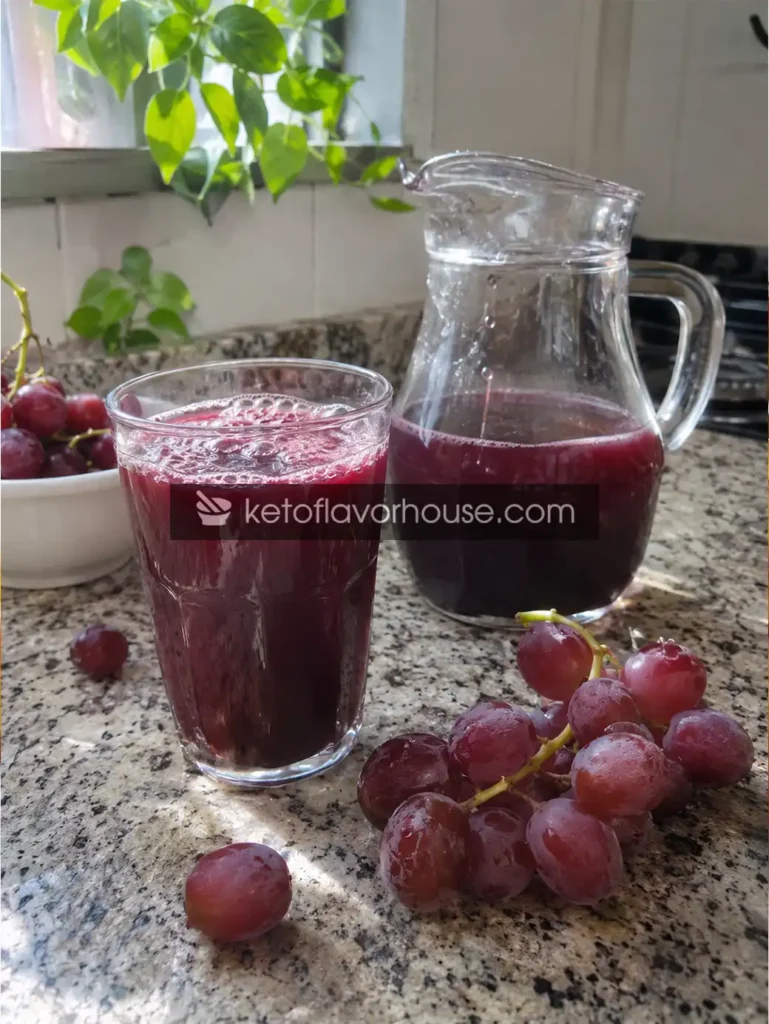
There is something refreshing about a glass of chilled homemade grape juice, especially when it is naturally sweet, slightly tangy, and made with fresh fruit. This Weight Watchers Homemade Grape Juice is a simple way to enjoy the flavor of ripe grapes without adding sugar, artificial syrups, or unnecessary ingredients. It takes only a few minutes to prepare and is a lovely alternative to many packaged fruit drinks.
One of the things I like about making grape juice at home is having control over what goes into the glass. Store-bought grape juice can contain concentrated fruit juice, added sweeteners, or other ingredients that are easy to overlook. Here, fresh seedless grapes do all the sweetening. A little lemon juice brightens the flavor, while cold water helps create a smooth, drinkable consistency.
For Weight Watchers readers, portion size is especially important. Although this recipe contains no added sugar, grapes naturally contain carbohydrates and sugar. Juicing also removes much of the fruit’s fiber when the pulp is strained. That means this drink should be tracked rather than automatically counted as a zero-Points beverage.
Estimated SmartPoints: 6 per ¾-cup serving, based on an independent estimate. Your current WW app may calculate a different value depending on your plan.
Why You’ll Love This Recipe
Naturally Sweet
Fresh grapes provide the sweetness, so there is no need for added sugar or syrup.
Quick Preparation
A blender and fine strainer are all you need. Most of the preparation takes just a few minutes.
Easy Portioning
Divide the finished juice into measured servings to make it easier to track your Points.
Fresh Flavor
A squeeze of lemon balances the grape sweetness and gives the drink a refreshing finish.
Why You’ll Love This Weight Watchers Homemade Grape Juice
This homemade drink is particularly useful when you want something fruity without preparing an elaborate recipe. You do not need to cook the grapes, make a syrup, or spend time mixing several ingredients. Wash, blend, strain, and chill.
Here are a few more reasons to keep this recipe handy:
- Simple ingredients: Fresh grapes, water, and lemon juice are easy to find in most grocery stores.
- No added sugar: The sweetness comes entirely from the fruit.
- Adjustable consistency: Add a little more water if you prefer a lighter drink.
- Easy to customize: Red and green grapes both work, although their flavors are slightly different.
- Convenient for sharing: Make a batch and divide it into individual glasses.
Another advantage is that you can control the intensity of the flavor. If your grapes are particularly sweet, you may need very little lemon juice. If they are slightly tart, you can use a little less lemon.
WW SmartPoints Information
The estimated SmartPoints for this recipe are based on the proposed ingredient quantities and four measured servings.
| Recipe detail | Estimate |
|---|---|
| Estimated SmartPoints per serving | 6 |
| Estimated SmartPoints for full recipe | 24 |
| Number of servings | 4 |
| Serving size | ¾ cup |
| Added sugar | 0 g |
| Main Points contributor | Grapes |
These figures are independent estimates, not verified WW values. They are intended as a planning guide rather than a replacement for the official WW calculator.
The grapes provide most of the calories and natural sugar. Water and lemon juice contribute very little to the overall energy content. However, the final Points value depends on how your current WW plan treats fruit juice and the nutritional information entered into your account.
Grape Juice Points Dashboard
My Personal Experience
When preparing fresh grape juice, the first thing worth noticing is how much the variety of grapes affects the final drink. Red seedless grapes generally create a deeper, richer flavor, while green grapes produce a lighter and slightly more tart juice. Both are delicious, so you can choose whichever looks freshest at the grocery store.
I prefer chilling the grapes before blending because the finished drink tastes refreshing immediately. Blending them with cold water creates a concentrated grape mixture, and straining removes the skins and pulp for a smoother texture. The lemon juice is a small addition, but it makes a noticeable difference by balancing the sweetness.
One adjustment I would make depending on the batch is the amount of water. Very ripe grapes can produce a sweet, full-bodied drink, so a little extra water may be helpful. Less ripe grapes may need less lemon juice. I would always taste the mixture before making the final adjustment.
Required Equipment
Blender
A regular countertop blender or high-speed blender works well. It breaks down the grapes and releases their juice. Blend in batches if your blender has a small capacity.
Fine-Mesh Strainer
This is useful for removing grape skins, seeds, and excess pulp. A fine-mesh sieve creates a smoother drink. For an even clearer result, line it with clean cheesecloth.
Large Mixing Bowl
Place the strainer over a bowl to collect the juice without making a mess. Choose a bowl large enough to hold the entire batch.
Measuring Cup
Use a measuring cup to divide the finished juice into four equal portions. Accurate servings make WW tracking more consistent.
Pitcher or Glass Bottles
A covered pitcher or clean glass bottles are convenient for refrigeration. Choose containers that can be sealed to protect the fresh flavor.
Ingredients and Substitutions
This recipe uses three basic ingredients. Each has a specific purpose, and the quantities are designed to produce approximately three cups of strained juice, depending on the grapes and straining method.
1. Fresh Seedless Grapes – 4 cups
Fresh grapes are the foundation of the recipe. Choose firm, ripe grapes without wrinkled skins or damaged areas.
Red grapes create a rich, fruity flavor and a beautiful purple-red color. Green grapes produce a lighter juice with a slightly sharper taste.
Grapes supply natural carbohydrates, sugar, and a small amount of fiber before straining. They are also the main contributor to the recipe’s calories and estimated Points.
Substitution: You can use green grapes instead of red grapes in the same quantity. The nutritional values may differ slightly depending on the variety and size.
2. Cold Water – 1 cup
Water helps the blender process the grapes and makes the juice easier to drink.
It also helps control the concentration. If you prefer a stronger grape flavor, begin with slightly less water and adjust after blending.
Water contributes no meaningful calories or macronutrients.
3. Fresh Lemon Juice – 1 tablespoon
Lemon juice balances the natural sweetness of the grapes. Its acidity gives the drink a brighter finish and prevents the flavor from tasting overly sweet.
Freshly squeezed lemon juice is ideal, but bottled lemon juice can work.
The quantity is small, so its contribution to the overall calories and Points is minimal.
Ingredient Smart Swap Guide
| Original ingredient | Alternative | What changes? |
|---|---|---|
| 4 cups red grapes | 4 cups green grapes | Lighter, slightly tart flavor; Points may vary slightly. |
| 1 cup water | Additional cold water to taste | Dilutes the drink without adding meaningful calories. |
| 1 tbsp lemon juice | 1 tbsp lime juice | Creates a slightly different citrus flavor with little nutritional impact. |
| Strained juice | Unstrained blended grapes | Retains more pulp and fiber, but has a thicker smoothie-like consistency. |
The most useful adjustment for controlling the Points per glass is to measure the final amount and divide it into consistent servings. Adding extra water increases the volume but does not remove the Points contributed by the grapes.
How to Make Weight Watchers Homemade Grape Juice
The preparation is straightforward, but a few small details make a difference in the final texture and taste.
Step 1: Wash and Prepare the Grapes
Start by placing the grapes in a colander and rinsing them thoroughly under cool running water. Remove any stems, discard damaged grapes, and allow the fruit to drain.
If the grapes have been refrigerated, you can use them immediately. Cold fruit helps create a refreshing drink without needing to add ice that could dilute the flavor.
Step 2: Blend the Grapes
Add the four cups of grapes to your blender. Pour in the cold water and blend until the grapes are thoroughly broken down.
This usually takes around 30–60 seconds, depending on the blender.
The mixture will look thicker and cloudier than ordinary juice because the grape skins and pulp are still present. Stop blending when the fruit is evenly broken down. There is no need to continue blending for several minutes.
Step 3: Strain the Mixture
Place a fine-mesh strainer over a large bowl. Pour the blended grape mixture into the strainer in batches.
Use the back of a spoon to gently press the pulp so the juice drains into the bowl. Avoid forcing large amounts of pulp through the strainer if you want a smooth consistency.
For an especially clear drink, strain the juice a second time through cheesecloth.
Step 4: Add Lemon Juice
Stir one tablespoon of fresh lemon juice into the strained grape juice.
Taste a small amount. If the grapes are very sweet, the lemon will help balance the flavor. If they are naturally tart, you can use a little less.
Avoid adding sugar or honey if you want to keep the recipe free from added sweeteners.
Step 5: Chill and Serve
Transfer the juice into a covered pitcher or individual glass bottles. Refrigerate until cold.
Stir before serving because natural fruit particles can settle at the bottom. Measure four equal servings of approximately ¾ cup each, depending on the final yield.
The 5-Step Fresh Juice Method
Rinse four cups of grapes and remove the stems.
Combine grapes and cold water until broken down.
Separate the liquid from the skins and pulp.
Stir in lemon juice and taste for balance.
Refrigerate, stir, measure, and serve cold.
Common Mistakes to Avoid
Homemade grape juice is forgiving, but a few mistakes can affect its flavor, appearance, and consistency.
Using Grapes That Are Not Fresh
Overripe, damaged, or fermented grapes can produce an unpleasant flavor. Always inspect the fruit before blending. Choose grapes that are firm, fresh, and naturally fragrant.
Adding Too Much Water
Water makes blending easier, but adding too much can leave the juice tasting weak. Start with the recommended one cup. You can always dilute the finished juice if it tastes too concentrated.
Straining Too Aggressively
Pressing the pulp too hard can force small pieces of skin and sediment through the strainer. This is not necessarily a problem if you enjoy pulpy juice, but it can make the finished drink less smooth.
Adding Sweeteners Automatically
Fresh grapes are already sweet. Taste the mixture before considering any additional sweetener. Sugar, honey, and other caloric sweeteners can increase the nutritional values and WW Points.
Forgetting to Stir Before Serving
Natural grape particles may settle during refrigeration. Give the pitcher a gentle stir before pouring so the flavor and consistency are distributed more evenly.
Pro Tips for the Best Results
- Choose ripe grapes: Naturally sweet grapes give you a better-tasting drink without additional sweeteners.
- Chill before blending: Cold grapes help create a refreshing drink.
- Use lemon carefully: Begin with one tablespoon and adjust according to the sweetness of your fruit.
- Strain twice: If you prefer juice without visible pulp, use a second straining through cheesecloth.
- Measure your servings: Use a measuring cup rather than estimating the amount in each glass.
- Avoid excessive blending: Once the grapes are broken down, stop. Longer blending does not necessarily improve the juice.
- Serve immediately after chilling: Fresh grape juice tastes particularly good when cold.
Troubleshooting Your Homemade Grape Juice
Weight Watchers Nutrition and Healthy Portion Strategies
One important thing to understand about this recipe is the difference between eating whole grapes and drinking grape juice.
Whole grapes contain water, natural sugars, and dietary fiber. When you chew and eat the fruit, you consume its pulp and skins, which contribute to the overall fiber content. When grapes are blended and strained, much of that solid material is removed.
This changes the nutritional profile of the finished drink. Although the juice contains no added sugar, it still contains natural fruit sugars and carbohydrates.
Why Portion Size Matters
It is easy to pour a large glass of fruit juice without thinking about the quantity. However, a larger glass contains more of the grapes used to make the recipe.
For this reason, I recommend using a measuring cup when serving. The recipe is divided into four portions, with each serving intended to be approximately ¾ cup.
If you prefer a larger drink, add ice or cold water rather than automatically increasing the amount of concentrated juice. Remember that dilution changes the volume but does not eliminate the Points from the original grape quantity.
How to Fit Grape Juice Into Your WW Day
Everyone has a different daily Points budget, and the best way to incorporate this drink depends on your individual plan.
Here are some practical approaches:
- Enjoy a measured serving alongside breakfast rather than drinking several glasses throughout the day.
- Pair it with a protein-rich breakfast, such as eggs or plain Greek yogurt.
- Use it as an occasional refreshing drink instead of making it your primary source of hydration.
- Track the complete recipe in your WW app using the actual ingredients and final yield.
Whole Grapes Versus Grape Juice
| Feature | Whole grapes | Strained grape juice |
|---|---|---|
| Natural sugar | Yes | Yes |
| Fiber | More | Much less |
| Chewing required | Yes | No |
| Portion control | Eat individual grapes | Measure liquid |
| WW tracking | Depends on current plan | Track as juice |
Whole grapes may qualify as a ZeroPoint food for some WW members, depending on their plan. That does not mean strained grape juice automatically qualifies for the same treatment.
Variations You Can Try
The basic recipe is delicious, but you can adjust the flavor without making the preparation complicated.
Red Grape Juice
Use red seedless grapes for the entire recipe. They produce a deeper color and a fuller fruit flavor. This is a good option if you enjoy a sweeter-tasting juice.
The nutrition and Points will depend on the grape variety and final serving size.
Green Grape Juice
Replace the red grapes with green seedless grapes. The finished juice is generally lighter in color and can have a slightly tart flavor.
You may want to reduce the lemon juice slightly if the grapes are already tangy.
Grape and Mint Juice
Add four to six fresh mint leaves to the blender. Mint gives the juice a cooling aroma and a refreshing finish.
The nutritional impact is minimal at this quantity.
Grape and Lime Juice
Replace the lemon juice with one tablespoon of fresh lime juice. Lime provides a slightly different citrus flavor and works particularly well with green grapes.
Grape and Ginger Juice
Add a small piece of fresh ginger, approximately ½ teaspoon finely grated. Ginger creates a gentle warming flavor that contrasts nicely with the sweetness of the grapes.
Use a small quantity initially because ginger can quickly overpower the fruit.
Grape and Cucumber Juice
Add ½ cup peeled cucumber to the blender. Cucumber creates a lighter, fresher flavor and increases the liquid volume.
It also adds a small amount of fiber and nutrients, depending on whether the mixture is strained.
Variation Comparison
Fresh and cooling. Adds aroma with minimal nutritional change.
Sharper citrus notes. A simple replacement for lemon juice.
Slightly spicy and warming. Start with a small amount.
Lighter and milder. Adds volume and a little additional fiber.
Recalculate the nutritional information and Points whenever you change the grape quantity or add ingredients in meaningful amounts.
Tips for Serving Homemade Grape Juice
This juice is versatile enough for breakfast, an afternoon refreshment, or a weekend family meal. Because it has a naturally sweet flavor, it works particularly well alongside savory foods.
Here are a few ways to serve it:
1. With a Protein-Rich Breakfast
Serve a measured glass alongside scrambled eggs or an egg-white omelet. The savory breakfast balances the sweetness of the juice.
2. As an Afternoon Refreshment
Pour the juice into a chilled glass with a few ice cubes. This is a simple way to enjoy something fruity during the afternoon.
3. With a Light Lunch
Pair a small serving with a grilled chicken salad or a vegetable-based lunch. The combination provides a refreshing contrast to savory ingredients.
4. For Family Breakfast
Prepare a pitcher for the family and let everyone pour their preferred serving. Keep individual portions in mind if you are tracking Points.
5. For Weekend Brunch
Serve in small glasses alongside whole-grain toast, eggs, fresh fruit, and other breakfast favorites.
Fresh Grape Juice Serving Ideas
Serve with eggs and whole-grain toast for a balanced morning meal.
Pair with grilled chicken salad for a refreshing combination.
Pour over ice and garnish with fresh mint.
Serve in small glasses with eggs and breakfast favorites.
Storage Recommendations
Fresh homemade grape juice does not contain the preservatives commonly found in many commercially packaged drinks. For that reason, proper refrigeration is important.
Refrigeration
Transfer the juice into a clean, covered glass pitcher or airtight bottle as soon as preparation is complete.
Keep it refrigerated at 40°F (4°C) or below. For the best flavor and quality, enjoy it within 2–3 days.
Always use a clean glass when serving. Avoid drinking directly from the storage container because this can introduce bacteria.
Freezing
You can freeze grape juice if you have made more than you can drink within a couple of days.
Pour it into freezer-safe containers, leaving some space at the top because liquids expand when frozen. You can also use ice cube trays for smaller portions.
For best quality, use frozen juice within approximately 2–3 months.
Thawing
Thaw frozen juice in the refrigerator rather than leaving it at room temperature. Once thawed, stir or shake gently because natural grape particles may separate.
Avoid repeatedly freezing and thawing the same batch.
Reheating
This recipe is designed to be served cold, so reheating is unnecessary. Serve directly from the refrigerator.
Fresh Juice Storage Timeline
Frequently Asked Questions
1. Is homemade grape juice good for Weight Watchers?
It can fit into a Weight Watchers eating plan when you account for the serving size and its Points. Although this recipe contains no added sugar, grapes naturally contain sugar and carbohydrates. Straining also removes much of the fiber, so it should not automatically be treated like eating whole grapes.
2. Does homemade grape juice have zero WW Points?
Not necessarily. Some WW plans classify whole grapes as ZeroPoint foods, but strained fruit juice is different. The juice concentrates the fruit into a drinkable portion and removes much of the pulp. Enter the complete recipe into your current WW app to determine the applicable Points.
3. Can I make grape juice without a blender?
Yes, although a blender is the easiest method. You can gently crush the grapes using a potato masher and then strain the mixture through a fine-mesh sieve or cheesecloth. This method takes more effort and may produce a slightly different yield.
4. Do I need to peel the grapes?
No. There is no need to peel seedless grapes before blending. The skins are removed during straining, which helps create a smoother drink. If you prefer a thicker juice with more pulp, you can leave some of the blended fruit in the finished mixture.
5. Can I use frozen grapes?
Yes. Frozen seedless grapes work well, provided they are suitable for blending and have been handled safely. Allow them to soften slightly before blending, or use a blender designed to process frozen fruit. You may need to adjust the water quantity.
6. Can I make grape juice ahead of time?
Yes. You can prepare it a day ahead and keep it in a clean, airtight container in the refrigerator. Stir before serving because natural fruit particles may settle. For the best flavor and quality, consume it within 2–3 days.
7. Can I add honey or sugar?
You can, but it changes the recipe’s nutritional values and estimated Points. Most ripe grapes are sweet enough without additional sweeteners. I recommend tasting the juice first and adjusting the flavor with a little lemon juice rather than adding sugar.
Nutritional Breakdown Per Serving
The following values are approximate, based on four cups of fresh grapes, one cup of water, one tablespoon of lemon juice, and four servings. Actual values depend on grape variety, final juice yield, and how much pulp is removed during straining.
| Nutrient | Per serving |
|---|---|
| Calories | 105 kcal |
| Protein | 1 g |
| Total Fat | 0.3 g |
| Total Carbohydrates | 27 g |
| Fiber | 0.3 g |
| Net Carbohydrates | 26.7 g |
| Sugar | 24 g |
| Sodium | 3 mg |
| Estimated SmartPoints | 6 |
Nutrition at a Glance
Nutrition estimates are not laboratory-tested. Values may vary with grape size, variety, pulp retention, and final yield.
Recipe Snapshot
- Prep Time: 10 minutes
- Cook Time: 0 minutes
- Total Time: 10 minutes, plus optional chilling
- Course: Beverage
- Cuisine: American
- Servings: 4
- Serving Size: Approximately ¾ cup
- Calories: Approximately 105
- Estimated SmartPoints: 6 per serving
Weight Watchers Homemade Grape Juice Recipe

Ingredients
- 4 cups fresh seedless grapes red or green
- 1 cup cold water
- 1 tablespoon fresh lemon juice
Instructions
- Wash the grapes thoroughly under cool running water and remove all stems.
- Add the grapes and cold water to a blender.
- Blend for approximately 30–60 seconds until the grapes are completely broken down.
- Place a fine-mesh strainer over a large bowl and pour the blended mixture through it.
- Gently press the pulp with a spoon to extract the juice. For smoother juice, strain a second time through cheesecloth.
- Stir in the fresh lemon juice.
- Taste and adjust the lemon flavor if necessary.
- Transfer the juice to a covered pitcher and refrigerate until cold.
- Stir before serving and divide into four measured portions.