This post may contains Amazon affiliate and other affiliate links. If you make a purchase through these links, I may earn a small commission at no extra cost to you. Your support helps me continue to provide quality content. I only recommend products I personally trust and believe will add value to your experience. For more details, please visit my Privacy Policy.
Estimated SmartPoints: approximately 3–4 per serving, based on the ingredient quantities below and an older-style SmartPoints estimate. This is an independent estimate, not an official WW calculation. Verify the complete recipe in your current WW app.
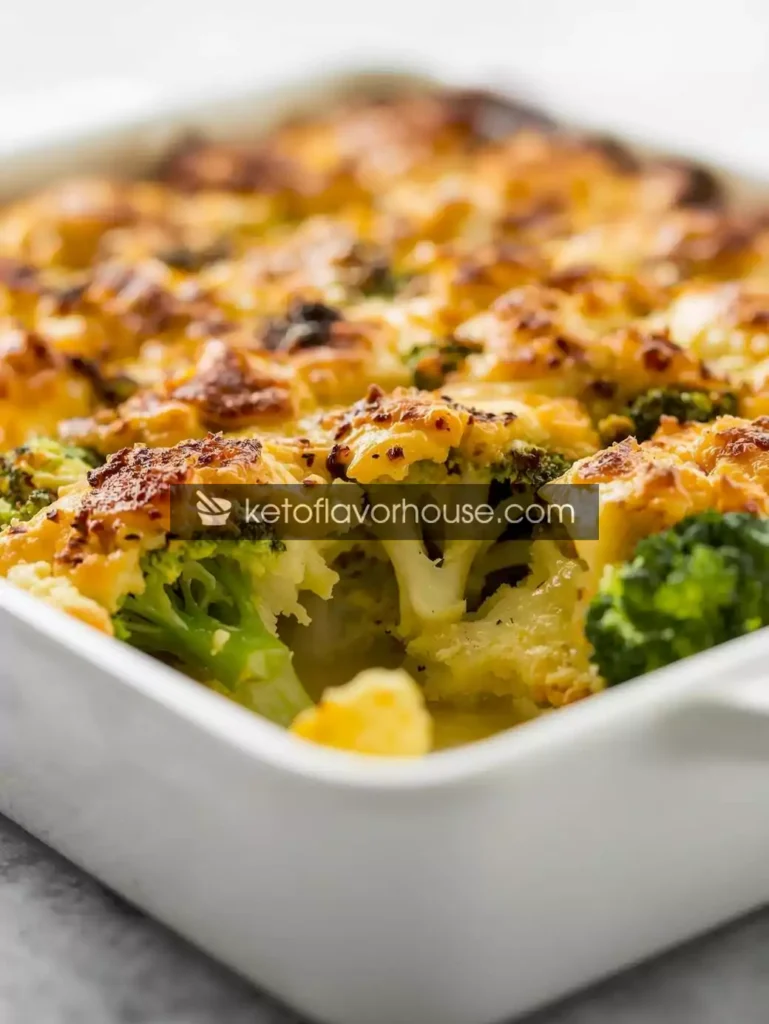
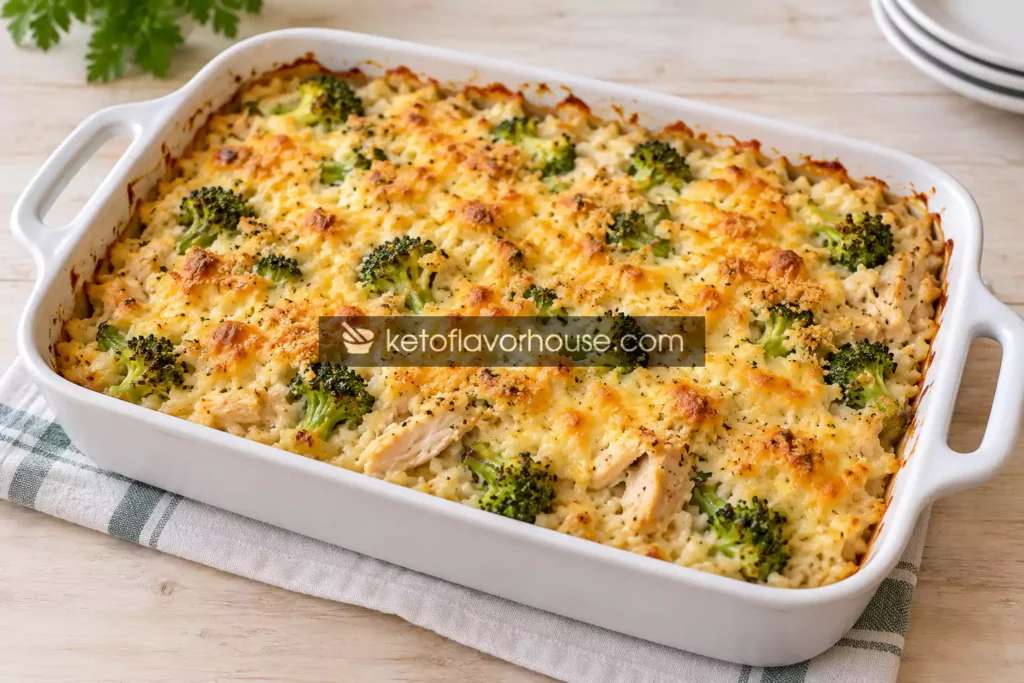
Some of the most satisfying side dishes start with the simplest ingredients. This Weight Watchers Savory Cabbage and Carrot Bake combines tender shredded cabbage, naturally sweet carrots, aromatic onion, and a lightly cheesy egg mixture to create a comforting casserole with golden edges and a soft, flavorful center. It is a practical choice when you want something warm and homemade without relying on a heavy cream sauce or a large amount of butter.
Cabbage can sometimes seem like an ordinary vegetable that needs a little help to become exciting. In this recipe, the combination of garlic, black pepper, paprika, and reduced-fat cheddar gives it a savory character, while carrots add color and a gentle sweetness. As the casserole bakes, the vegetables soften and the top develops an appealing golden finish. Each slice holds together well enough to serve alongside a main course, yet the vegetables remain the star.
For anyone following Weight Watchers, this bake offers flexibility. You can portion it into six servings, pair it with lean protein, and adjust the cheese or cooking fat to suit your own Points budget. The estimate above assumes the ingredient list in this article; your personal WW result may differ depending on your current plan and the products you use.
Why You’ll Love This Recipe
A Cozy Vegetable Bake With Everyday Ingredients
Cabbage and carrots provide volume, color, and a naturally sweet-savory flavor without needing a rich sauce.
Shred the vegetables, stir together the binder, and let the oven do most of the work.
Cut the finished bake into six equal servings for straightforward meal planning and tracking.
A modest amount of reduced-fat cheddar, garlic, paprika, and pepper makes the vegetables taste more substantial.
This recipe is especially useful when you need a side dish that feels a little more special than plain steamed vegetables. It works for a weeknight dinner, a weekend family meal, or a make-ahead lunch when you want to add vegetables to a plate without preparing another dish from scratch.
Here are a few more reasons to keep it in your recipe rotation:
- It uses familiar ingredients. Cabbage, carrots, onion, eggs, yogurt, and cheddar are easy to find in most American grocery stores.
- It has more texture than boiled vegetables. The center becomes tender while the exposed top can develop light browning.
- It is adaptable. You can change the herbs, spices, or cheese to suit the rest of your meal.
- It makes portioning easier. Dividing the casserole into six equal pieces helps keep servings consistent.
- It works with different main dishes. Serve it with chicken, turkey, fish, or a vegetarian protein source.
The key is to treat the vegetables properly before baking. Cabbage releases moisture as it cooks, and excess water can prevent the casserole from setting. A few simple preparation steps make a noticeable difference.
WW SmartPoints Information
For this version, the estimated SmartPoints range is 3–4 per serving, with six servings from the full casserole. This estimate assumes a moderate amount of reduced-fat cheddar, two eggs, plain fat-free Greek yogurt, a small amount of flour, and one teaspoon of olive oil.
The ingredient list is important because a cabbage bake made with heavy cream, full-fat cheese, and several tablespoons of oil will calculate differently from one made with lighter ingredients. Even products labeled reduced-fat can have different nutrition profiles, so the package details matter.
The estimate is intended as a planning guide, not a verified result from the official WW calculator. SmartPoints is a term associated with an older WW system; current members may use a different Points system. Enter the exact ingredients and quantities into your current WW app to obtain the result relevant to your plan.
The whole-recipe range above is a broad planning estimate derived from the per-serving range multiplied by six. It should not be treated as a calculated official total. The current WW app is the appropriate place to verify the result.
My Personal Experience With This Style of Vegetable Bake
When putting together a cabbage bake like this, the first thing I would pay attention to is the moisture in the vegetables. Fresh cabbage looks fairly dry when it is shredded, but it softens quickly and releases liquid as it heats. If that liquid collects in the bottom of the baking dish, the finished casserole can turn out softer than intended. Shredding the cabbage evenly and avoiding unnecessary moisture helps the bake develop a better structure.
I would also keep the seasoning balanced rather than relying on cheese alone for flavor. Garlic, onion, black pepper, and paprika bring out the savory side of the cabbage, while the carrot provides a mild sweetness. The reduced-fat cheddar adds a recognizable cheesy note without making the dish feel overly rich. A small amount of plain Greek yogurt helps the egg mixture come together, although it should not be mistaken for a thick cream sauce.
For serving, I would let the casserole rest briefly after it comes out of the oven. Cutting it immediately can make the slices fall apart because the eggs and flour need a little time to settle. Once rested, the bake is easier to portion and serve. If I were preparing it ahead for lunches, I would divide it into individual containers after cooling, then reheat only what I planned to eat. That approach also makes it easier to keep portions consistent for WW tracking.
WW-Friendly Ingredient List and Substitutions
The recipe below uses a modest amount of cheese and oil while allowing cabbage and carrots to provide most of the volume. The flour and eggs help bind the vegetables into a sliceable bake.
Ingredients
- 6 cups finely shredded green cabbage (about 600 g)
- 2 medium carrots, peeled and grated (about 120 g)
- ½ cup finely chopped yellow onion (about 75 g)
- 2 large eggs
- ½ cup plain fat-free Greek yogurt
- ½ cup shredded reduced-fat cheddar cheese (about 55–60 g, depending on the product)
- ¼ cup all-purpose flour (about 30 g)
- 1 teaspoon olive oil
- 2 cloves garlic, minced
- ½ teaspoon paprika
- ¼ teaspoon ground black pepper, or to taste
- ½ teaspoon salt, or to taste
- 1 tablespoon chopped fresh parsley, optional
What Each Ingredient Does
Cabbage: Green cabbage is the main ingredient. Its mild flavor softens during baking, and its shredded texture distributes throughout the casserole. It supplies fiber and carbohydrates, but the amount of oil, cheese, and other ingredients also influences the overall nutritional profile.
Carrots: Grated carrots add color and gentle sweetness. Their fine texture makes them easy to mix evenly with the cabbage. They contribute natural sugars, fiber, and carbohydrates.
Onion and garlic: These aromatics deepen the savory flavor. Chopping the onion finely prevents large, crunchy pieces from interrupting the soft texture.
Eggs: Eggs help hold the shredded vegetables together as the casserole cooks. They also contribute protein and fat. Replacing them may require a different binder and could change the final texture.
Fat-free Greek yogurt: Yogurt adds moisture and a mild tang. It helps distribute the seasonings through the mixture. Choose plain yogurt rather than a sweetened or flavored variety.
Reduced-fat cheddar: Cheddar brings savory flavor and a familiar cheesy finish. Reduced-fat versions vary in calories, fat, and texture, so check the label rather than assuming all products are equivalent.
All-purpose flour: A small amount absorbs some moisture and helps the bake set. It contributes carbohydrates and may affect Points, so do not omit it without considering how the structure will change.
Olive oil: One measured teaspoon helps with sautéing and browning. Oil contributes fat and energy, so measuring it is more reliable than estimating a free pour.
Seasonings: Paprika, black pepper, salt, and parsley improve flavor without requiring a heavy sauce. Salt can be adjusted according to dietary needs and the sodium content of the cheese.
Smart Substitution Guide
Choose Your Ingredients Thoughtfully
These substitutions can work, but each change may affect texture, nutrition, and your personal Points result. Recalculate the complete recipe after making a swap.
| Original ingredient | Possible alternative | What to expect |
|---|---|---|
| Reduced-fat cheddar | A lower-fat cheddar with a similar flavor | Potentially less fat or energy, depending on the label; melting may differ. |
| Fat-free Greek yogurt | Plain low-fat Greek yogurt | Usually creamier, but fat, calories, and Points may increase. |
| Olive oil | A small amount of cooking spray | May reduce added oil if less is actually used; measure or track the amount applied. |
| All-purpose flour | A suitable alternative baking binder | Binding and moisture absorption may change; nutritional values must be recalculated. |
| Yellow onion | Green onion or a smaller amount of onion | A different onion flavor and potentially less sweetness; the whole recipe’s values may change slightly. |
A useful rule is to change one ingredient at a time when testing a lighter version. That way, if the casserole becomes watery or loses its structure, it is easier to identify the cause. Also remember that a substitution that lowers calories does not necessarily produce the same reduction in WW Points; the result depends on the applicable Points formula and the replacement product.
Required Equipment
You do not need specialized kitchen equipment for this recipe. A few everyday tools will make preparation easier and help the casserole bake evenly.
Cutting Board and Sharp Knife
Use a stable cutting board to remove the cabbage’s tough core and cut the leaves into manageable pieces. A sharp knife makes it easier to shred the cabbage into thin strips. Try to keep the strips similar in width so they soften at approximately the same rate.
Box Grater
A box grater is useful for shredding the carrots finely. Fine shreds blend into the cabbage mixture more evenly than thick pieces and soften during the baking process. If you use a food processor with a shredding attachment, check that the carrots are evenly shredded before measuring.
Large Mixing Bowl
Choose a bowl large enough to hold all the vegetables with room for stirring. A crowded bowl makes it difficult to distribute the eggs, yogurt, flour, and seasonings evenly. Mix the wet ingredients first, then fold in the vegetables to reduce the chance of leaving dry pockets of flour.
Nonstick Skillet
A skillet is useful for softening the cabbage, carrot, onion, and garlic before baking. This step helps release some moisture and starts developing the savory flavor. If you have a good nonstick skillet, you can usually accomplish this with the measured teaspoon of oil and frequent stirring.
Baking Dish
An approximately 8-by-8-inch baking dish is a practical starting point for six servings. A similar-sized oven-safe dish can work, but its dimensions and depth will affect how quickly the casserole sets. A wider dish creates a thinner bake with more exposed surface area; a deeper dish produces a thicker center that may require additional baking time.
Measuring Cups and Spoons
Measure the cheese, flour, oil, and yogurt rather than estimating them. These ingredients can affect both the nutritional calculation and the texture. Consistent measurements are especially useful when you prepare the recipe repeatedly and want your WW tracking to remain as accurate as possible.
How to Make Weight Watchers Savory Cabbage and Carrot Bake
The most important part of this recipe is managing moisture. Cabbage shrinks as it cooks, and the vegetables should be tender before they go into the oven. The egg mixture then binds everything together as the casserole bakes.
Step 1: Prepare the Oven and Baking Dish
Preheat the oven to 375°F (190°C). Lightly coat an approximately 8-by-8-inch baking dish with cooking spray, or use a small amount of oil from your measured allowance to grease the surface.
Preparing the dish before mixing the ingredients helps you transfer the mixture without delay. If you are using a glass or ceramic dish, make sure it is oven-safe and follow the manufacturer’s instructions for temperature changes.
Step 2: Shred the Vegetables
Remove any damaged outer cabbage leaves, cut the cabbage into quarters, and remove the tough core. Slice the cabbage into thin strips, aiming for reasonably consistent pieces. Peel and grate the carrots, then finely chop the onion and mince the garlic.
Measure approximately six cups of shredded cabbage and the specified amount of carrot. Cabbage volume varies depending on how tightly it is packed, so weighing the cabbage is the more consistent option when repeating the recipe.
Step 3: Soften the Vegetables
Heat the teaspoon of olive oil in a large nonstick skillet over medium heat. Add the onion and cook for about two minutes, stirring until it begins to soften. Stir in the garlic and cook briefly until fragrant.
Add the cabbage and carrots in batches if necessary. Cook for approximately 6–9 minutes, stirring regularly, until the cabbage has wilted and the carrots have softened slightly. The vegetables should not be completely mushy; they will continue cooking in the oven.
If liquid collects in the skillet, continue cooking briefly until most of it evaporates. Avoid leaving a pool of water in the bottom of the pan. Transfer the vegetables to a bowl and let them cool slightly before adding the eggs.
Step 4: Prepare the Binding Mixture
In a large mixing bowl, whisk the eggs with the Greek yogurt until the mixture looks reasonably smooth. Add the flour, paprika, black pepper, and salt. Whisk again to distribute the dry ingredients.
Stir in the shredded cheddar. The mixture will be thicker than a simple egg wash but should still be easy to combine with the vegetables. If the yogurt is unusually thick, keep stirring rather than adding extra liquid immediately.
Taste a small amount of the cooked vegetables before combining them with the raw egg mixture, adjusting the seasoning if needed. Do not taste the raw egg mixture itself.
Step 5: Combine Everything
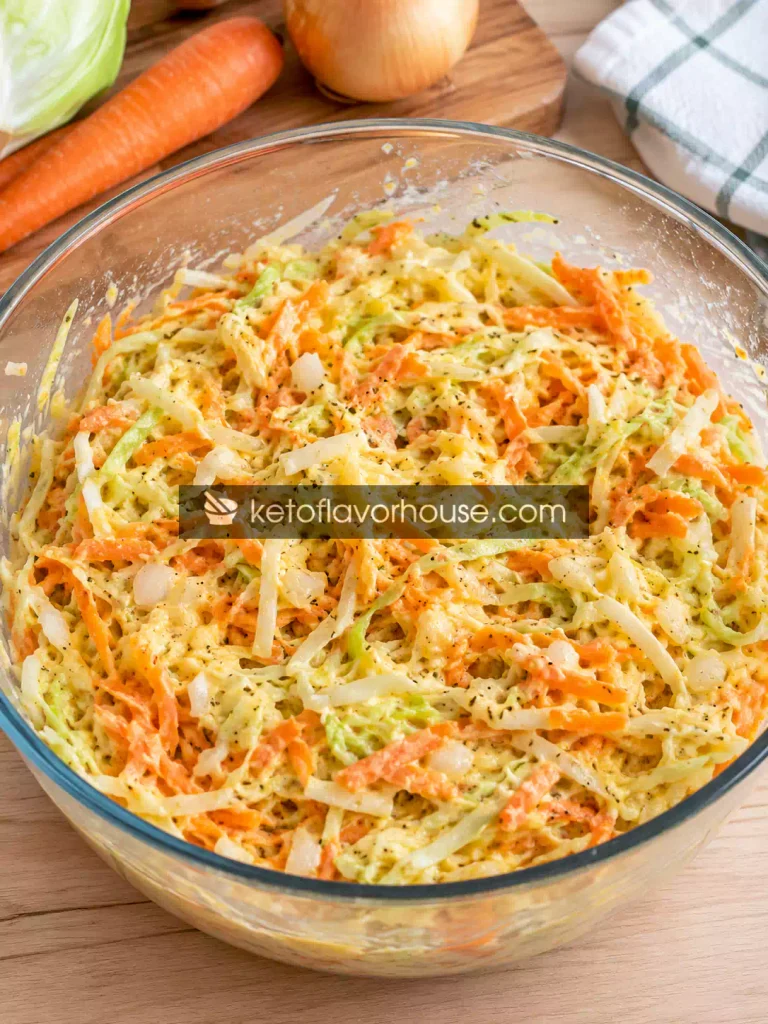
Add the slightly cooled cabbage, carrots, onion, and garlic to the bowl. Fold the vegetables into the egg mixture until they are coated as evenly as possible.
Look for a cohesive mixture in which the vegetables are lightly bound rather than floating in liquid. If you notice excess liquid at the bottom of the vegetable bowl, drain it before combining. Adding more flour to compensate for watery vegetables can make the final texture heavier and floury.
Step 6: Transfer to the Baking Dish
Spread the mixture evenly in the prepared baking dish. Press it down gently with a spatula so that the vegetables make good contact with one another. Do not pack the mixture so tightly that it becomes dense.
Smooth the surface without compressing it excessively. This helps the casserole cook evenly and gives the top a more uniform appearance.
Step 7: Bake Until Set and Lightly Golden
Bake for approximately 30–40 minutes, checking toward the end of the cooking time. The exact time depends on the dish’s depth, the amount of moisture in the vegetables, and your oven.
The center should be set rather than liquid, and the top should show light golden patches. A knife inserted near the center should not emerge coated in loose egg mixture. If the surface is browning before the center sets, loosely cover the dish with foil and continue baking.
For food safety, egg-containing dishes should reach an internal temperature of 160°F (71°C). Use a food thermometer to check the center if you are unsure whether it is fully cooked.
Step 8: Rest, Slice, and Serve
Remove the dish from the oven and let it rest for about 5–10 minutes. This gives the egg binder time to settle and makes the bake easier to portion.
Cut it into six equal servings. If you are tracking Points, divide the entire casserole consistently rather than cutting one large piece and several small ones. Finish with chopped parsley if desired, and serve while warm.
The Bake: Four Stages to Watch
Keep cabbage strips and carrot shreds fairly uniform so they cook evenly.
Look for: Thin, even pieces.
Cook the vegetables until wilted, allowing excess liquid to evaporate.
Look for: Tender, not watery, vegetables.
Fold the cooled vegetables into the seasoned egg, yogurt, flour, and cheese mixture.
Look for: Even coating without pooling liquid.
Bake at 375°F until the center is set and the surface is lightly golden.
Look for: No loose egg mixture in the center.
Common Mistakes to Avoid
Even a straightforward vegetable casserole can turn out differently depending on how much moisture you leave in the ingredients. These are the main problems to watch for.
Using Wet Vegetables
Washing cabbage and carrots is sensible, but excess water can dilute the binder. Drain the vegetables well after washing and cook them long enough to remove excess moisture. If the shredded vegetables are visibly wet, pat them dry before sautéing.
Adding Eggs to Very Hot Vegetables
Very hot vegetables can begin cooking the eggs as soon as they are mixed together. Let the vegetables cool for several minutes before combining them with the egg and yogurt mixture. They do not need to be cold; they simply should not be steaming intensely.
Cutting the Casserole Too Soon
A freshly baked casserole may seem fragile. Cutting immediately can cause it to break apart, especially in the center. Rest it for 5–10 minutes before slicing, and use a sharp knife or thin spatula to lift each portion.
Adding Too Much Cheese
Extra cheese can make the dish richer, but it changes the nutritional profile and may increase the Points estimate. If you want a stronger cheese flavor, try a sharper cheddar rather than automatically increasing the quantity.
Baking in an Oversized Dish
A very wide dish spreads the mixture into a thin layer, while a deep dish creates a thicker center. Either can work, but the baking time will differ. Start checking early for a thin casserole and allow more time for a deeper one.
Troubleshooting Guide
What Went Wrong? Here’s How to Fix It
Pro Tips for the Best Results
- Shred evenly. Uniform vegetables cook more consistently and are easier to portion.
- Cook off excess moisture. This is the most useful step for avoiding a watery center.
- Use a sharp cheese. A flavorful cheddar can provide a satisfying cheese taste without needing a larger quantity.
- Season in layers. Add aromatics during sautéing and adjust the dry seasonings in the binder.
- Do not overpack the dish. Spread the mixture evenly so heat can reach the center.
- Rest before slicing. A short rest improves the structure and presentation.
- Track the ingredients you actually use. If you add extra cheese, oil, or a topping, include it in your WW entry.
WW-Friendly Nutrition and Meal-Planning Strategy
Cabbage and carrots give this bake much of its volume, while eggs and cheddar provide some protein. The yogurt adds additional protein, although the total amount per serving remains moderate. If you want to turn the bake into a more substantial meal, pairing it with a lean protein source is generally more effective than simply adding extra cheese.
Vegetables can help make a meal feel generous, but they do not automatically make a dish low in calories or Points. The total recipe still includes flour, eggs, cheese, yogurt, and oil. Portion size and the exact ingredient choices matter.
For example, one serving alongside grilled chicken and a fresh salad can make a balanced dinner. If you prefer a vegetarian plate, pair it with a suitable bean or lentil dish, accounting for the Points associated with that food under your plan. You can also serve a smaller portion alongside soup for lunch.
Your daily WW Points budget is personal. The goal is not to force every meal into the lowest possible number, but to build meals that are satisfying and fit your own plan. Use the Points estimate as a starting point and check your app when you prepare the recipe with different ingredients.
Variations You Can Try
Garlic and Herb Cabbage Bake
Add one teaspoon of dried Italian seasoning or a tablespoon of chopped fresh herbs such as parsley and chives. The flavor becomes more aromatic without changing the main ingredients substantially. Dried herbs can be stronger than fresh herbs, so start modestly. The nutritional effect is usually small at these quantities, but the final Points value should still be based on the full ingredient list.
Smoky Paprika Version
Use smoked paprika instead of regular paprika. This gives the vegetables a deeper, slightly smoky flavor without requiring bacon or a rich sauce. The substitution should have little nutritional effect at the same quantity. If you add smoked cheese or a processed meat alternative, recalculate the recipe because those ingredients may contribute more Points and sodium.
Extra-Cheesy Version
Increase the cheddar slightly if you want a more pronounced cheesy finish. The result may be richer and more cohesive, but the additional cheese changes calories, fat, protein, and potentially Points. Do not assume that a small-looking sprinkle has no effect; weigh or measure the added amount and recalculate.
Onion-Free Version
If you do not enjoy onion, leave it out or replace it with a smaller quantity of sliced green onion. Garlic, black pepper, and paprika can still provide plenty of savory character. Removing the yellow onion will change the flavor and slightly alter the nutritional profile, although the difference may be modest.
Add Spinach
A small amount of chopped spinach can complement the cabbage and carrots. Cook it briefly and squeeze or drain away excess liquid before mixing it into the binder. Spinach adds a different vegetable flavor and some additional nutrients, but extra moisture can interfere with the texture if it is not managed properly.
Spicier Cabbage Bake
Add a pinch of red pepper flakes or a little cayenne pepper. This works well if you prefer a warmer, more assertive flavor. The added seasoning has minimal nutritional impact at small quantities, but avoid adding a high-sodium seasoning blend without checking its label.
Increase the Protein
Serve the bake with grilled chicken breast, turkey, fish, or another protein source that fits your dietary preferences. You could also investigate a tested variation using additional egg whites, but that changes the binder ratio and should be trialed before treating it as the same recipe. Additional protein can change both nutrition and Points depending on the ingredients and your WW plan.
Tips for Serving, Portioning, and Presentation
A vegetable bake does not need an elaborate garnish to look appealing. The contrast between the orange carrots, pale green cabbage, and lightly browned top provides much of the visual interest. If you want a little extra color, sprinkle chopped parsley over the casserole just before serving.
For consistent portions, cut the casserole into six equal pieces. If you are preparing lunches for the week, divide it after the resting period and place each serving in an individual container. This makes reheating convenient and reduces the temptation to estimate portions each time.
A few additional tips can make the recipe easier to manage:
- Use a spatula with a thin edge to lift slices cleanly from the baking dish.
- Serve the casserole warm rather than piping hot, when its structure is easier to maintain.
- Keep high-Points toppings optional so everyone can customize their own serving.
- Measure any dressing, sauce, or cheese served alongside it and include those additions in your tracking.
- If you are serving guests, place the casserole on a simple platter and add fresh parsley just before bringing it to the table.
Serving Ideas: What Goes Well With Cabbage and Carrot Bake?
This bake has a mild, savory flavor, which makes it versatile enough to accompany several kinds of meals. It is best thought of as a vegetable side dish rather than a complete high-protein main course.
Six Ways to Serve It
For a family dinner, the casserole can sit alongside roasted chicken, turkey meatballs, or baked fish. For lunch, a smaller serving with soup or salad may be enough, depending on your appetite. If you want a vegetarian meal, pair it with lentils, beans, or another protein-rich food you enjoy.
Keep in mind that serving suggestions are not included in the recipe’s estimated SmartPoints. If you add a protein, dressing, bread, or sauce, track those separately using your own WW plan.
Storage Recommendations
Refrigerating Leftovers
Allow the casserole to cool briefly, then transfer leftovers into shallow, airtight containers. Refrigerate within two hours of cooking, or within one hour if the ambient temperature is above 90°F (32°C). Do not leave the dish sitting on the counter until it reaches room temperature completely.
Store cooked leftovers in the refrigerator at 40°F (4°C) or below and use them within 3–4 days. Individual containers are convenient because you can reheat only the amount you intend to eat.
Reheating
For the oven, place a portion in an oven-safe dish and heat at 325–350°F until warmed through. Covering it loosely can help prevent the surface from drying out. In the microwave, heat in short intervals, checking the center and allowing the portion to rest briefly before eating.
Reheat leftovers to an internal temperature of 165°F (74°C). Avoid repeatedly reheating and cooling the same portion; divide the casserole into meal-sized servings before storage instead.
Freezing
The bake can be frozen, although the texture may soften because cabbage and carrots release moisture after thawing. For best results, cool it promptly, divide it into portions, wrap or seal them well, and label the containers with the date.
For quality, use frozen portions within approximately 2–3 months. Thaw in the refrigerator and reheat thoroughly. If you freeze a portion directly from a refrigerated state, allow sufficient reheating time and verify that the center reaches 165°F. Never thaw the casserole on the counter.
Freezing and reheating the same ingredients do not ordinarily change their calculated Points in a meaningful way. However, discarded liquid, added oil, extra cheese, or a different portion size can change the calculation.
Leftover Storage Timeline
Transfer leftovers to shallow containers and refrigerate within two hours, sooner in hot conditions.
Keep at 40°F or below and use within 3–4 days. Reheat each portion to 165°F.
Seal well and label the date. Aim to use within 2–3 months for better quality.
Thaw in the refrigerator when possible. Reheat thoroughly and check the center reaches 165°F.
Frequently Asked Questions
1. Is Savory Cabbage and Carrot Bake good for Weight Watchers?
It can fit into a Weight Watchers meal plan because it features vegetables and uses measured amounts of oil and reduced-fat cheese. However, the recipe is not automatically low-Points for every member. Your personal result depends on the WW plan you follow, the exact ingredients, and the portion size. Enter the full recipe into your current WW app for the most relevant result.
2. How can I reduce the SmartPoints in this cabbage bake?
Start by measuring the oil and cheese carefully, then compare suitable lower-fat products using their nutrition labels. You can also review whether the recipe needs the full amount of cheese for your preferred flavor. Do not remove the flour or eggs without testing the texture, because the casserole needs a binder to hold together. Recalculate the full recipe after making changes rather than assuming a particular number of Points has been saved.
3. Can I make this recipe ahead of time?
Yes. You can shred the cabbage and carrots, chop the onion, and prepare the dry seasonings ahead of time. Store the prepared vegetables in the refrigerator and cook them before assembling the casserole. You can also bake the complete dish ahead and refrigerate it in portions. For the best texture, reheat only what you need and avoid leaving the finished casserole at room temperature for extended periods.
4. Can I use purple cabbage instead of green cabbage?
Yes. Purple cabbage can be used in the same general quantity, although it may retain a slightly different texture and color. It can also tint other ingredients as it cooks. Keep an eye on the moisture and tenderness, and make sure the final mixture sets properly. The nutritional values may vary slightly according to the exact amount used, so recalculate if you are tracking precisely.
5. Can I make this cabbage bake without cheese?
You can omit the cheddar, but the result will be less rich and less cheesy. Cheese also contributes fat, protein, and flavor, so removing it changes the nutrition profile and may affect Points. The eggs and flour will still provide structure, although the final texture may be a little less cohesive. Consider increasing the herbs, garlic, or paprika to compensate for some of the lost flavor.
6. Why is my cabbage bake watery?
Cabbage naturally releases moisture during cooking. If the vegetables are added while still wet or are not cooked long enough before baking, the excess liquid can collect in the dish and prevent the center from setting properly. Drain washed vegetables, sauté them until wilted, and let excess liquid evaporate. Also allow the finished bake to rest before slicing. These steps usually improve the texture without requiring additional flour.
7. Will my WW app show the same Points estimate?
Not necessarily. The 3–4 SmartPoints estimate in this article is an independent planning estimate based on an older-style system, not an official calculation. Current WW plans can use different Points methods, and products vary in their nutritional composition. Your app may also treat certain foods differently according to your plan. Enter the exact ingredients and serving count into your current app rather than relying on the article’s estimate as a verified result.
Nutritional Breakdown Per Serving
The following figures are preliminary estimates for one-sixth of the recipe made with the ingredients listed above. They are not laboratory-tested values, and the final numbers may differ depending on the cabbage weight, cheese brand, yogurt, and exact quantities used.
| Nutrient | Estimated amount per serving |
|---|---|
| Calories | 145–165 kcal |
| Protein | 8–10 g |
| Total fat | 5–7 g |
| Total carbohydrates | 17–20 g |
| Fiber | 4–5 g |
| Net carbohydrates | 13–16 g |
| Sugar | 6–8 g |
| Sodium | 300–450 mg |
| Estimated SmartPoints | 3–4 |
Net carbohydrates are calculated by subtracting fiber from total carbohydrates. They are not interchangeable with WW Points.
Savory Cabbage and Carrot Bake
Per serving, assuming six equal servings. Verify using the actual ingredient labels.
These are preliminary ranges, not verified nutrition calculations. Calculate the final values from the exact ingredient weights and product labels before publishing.
Recipe Snapshot
- Recipe: Weight Watchers Savory Cabbage and Carrot Bake
- Prep Time: 15 minutes
- Cook Time: 40 minutes
- Total Time: Approximately 55 minutes
- Course: Side Dish
- Cuisine: American-inspired home cooking
- Servings: 6
- Calories: Approximately 145–165 per serving, estimated
- Estimated SmartPoints: Approximately 3–4 per serving; verify in your current WW app
Closing Note
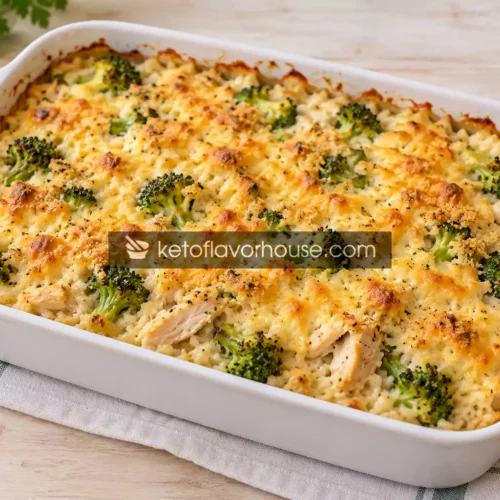
This Weight Watchers Savory Cabbage and Carrot Bake is a practical way to turn everyday vegetables into a warm, savory side dish with a lightly golden top and a tender center. The measured cheese, yogurt, and oil help keep the ingredient list manageable while allowing the cabbage, carrots, and seasonings to provide most of the flavor and volume.
Serve it with lean protein for dinner, add it to a simple lunch, or portion it ahead for busy days. For the most accurate WW tracking, calculate the complete recipe using your own plan and the products you actually buy.
Weight Watchers Savory Cabbage and Carrot Bake

Ingredients
- 6 cups finely shredded green cabbage about 600 g
- 2 medium carrots peeled and grated (about 120 g)
- ½ cup finely chopped yellow onion about 75 g
- 2 large eggs
- ½ cup plain fat-free Greek yogurt
- ½ cup shredded reduced-fat cheddar cheese about 55–60 g
- ¼ cup all-purpose flour about 30 g
- 1 teaspoon olive oil
- 2 cloves garlic minced
- ½ teaspoon paprika
- ¼ teaspoon ground black pepper
- ½ teaspoon salt or to taste
- 1 tablespoon chopped fresh parsley optional
Instructions
- Preheat the oven to 375°F (190°C). Lightly grease an approximately 8-by-8-inch baking dish with cooking spray.
- Remove the cabbage core and shred the leaves into thin, even strips. Peel and grate the carrots, finely chop the onion, and mince the garlic.
- Heat the olive oil in a large nonstick skillet over medium heat. Cook the onion for about 2 minutes, add the garlic, and stir briefly until fragrant.
- Add the cabbage and carrots. Cook for 6–9 minutes, stirring frequently, until softened and wilted. Allow excess liquid to evaporate.
- In a large bowl, whisk the eggs and Greek yogurt. Stir in the flour, paprika, black pepper, salt, and shredded cheddar.
- Let the vegetables cool slightly, then fold them into the egg mixture until evenly coated. Drain any excess liquid before combining.
- Spread the mixture evenly in the prepared baking dish without packing it too tightly.
- Bake for 30–40 minutes, until the center is set and the top is lightly golden. Check that the center reaches 160°F (71°C).
- Let the bake rest for 5–10 minutes before cutting it into six equal servings. Garnish with parsley if desired and serve warm.