This post may contains Amazon affiliate and other affiliate links. If you make a purchase through these links, I may earn a small commission at no extra cost to you. Your support helps me continue to provide quality content. I only recommend products I personally trust and believe will add value to your experience. For more details, please visit my Privacy Policy.
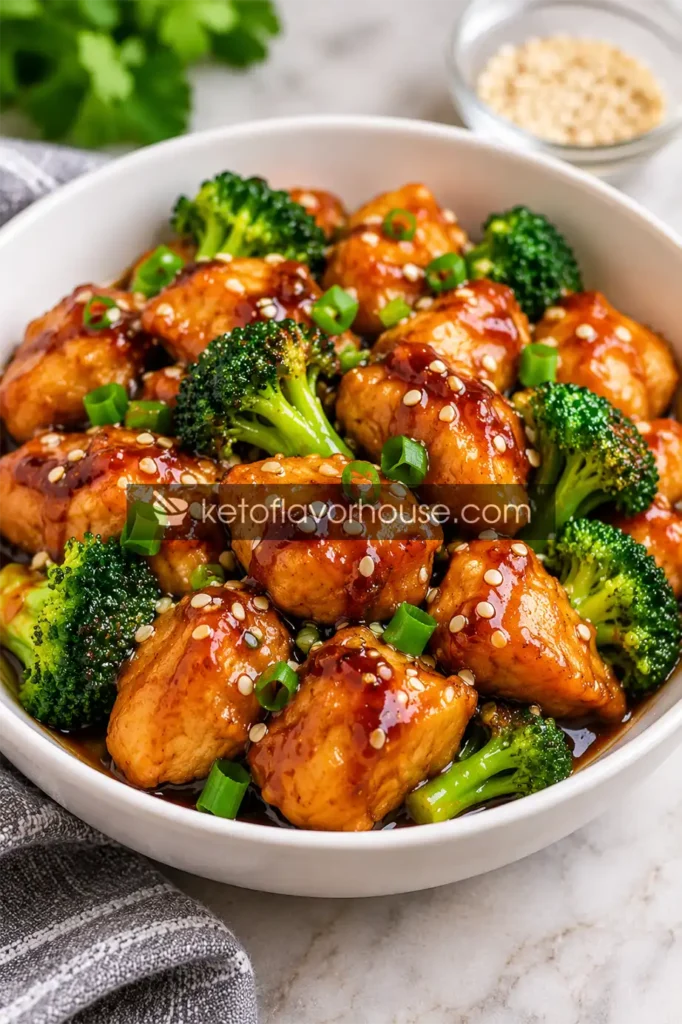
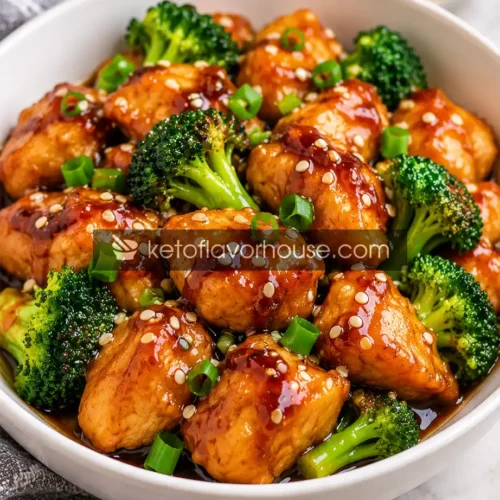
If you love sweet, savory chicken dinners with a deliciously glossy sauce, this High-Protein Sticky Honey Garlic Chicken & Broccoli is a recipe worth adding to your weekly meal rotation. Tender pieces of chicken breast are browned in a skillet, combined with fresh broccoli, and coated in a homemade honey garlic glaze that brings together sweetness, garlic, and savory flavor in every bite.
Think of your favorite honey garlic chicken takeout, but made at home with simple ingredients and a generous amount of lean chicken breast. The sauce is sticky without being overly thick, the chicken stays tender when cooked properly, and the broccoli adds a fresh, slightly crisp contrast to the rich glaze.
The biggest reason to make this recipe is its protein content. Chicken breast provides most of the protein, while broccoli contributes additional nutrients and a little more protein. Divided into four servings, the recipe provides approximately 44–45 grams of protein per portion, depending on the chicken and product brands used.
It is also surprisingly practical. You don’t need several pans, complicated preparation, or a long list of specialty ingredients. Once the chicken is cut and the sauce is mixed, the cooking process moves quickly.
Serve it straight from the skillet for a satisfying dinner, pair it with rice when you want a more substantial meal, or divide it into containers for convenient lunches throughout the week. The combination of protein, vegetables, and a flavorful homemade sauce makes it a versatile addition to a high-protein meal plan.
Recipe at a Glance
🍯 Sticky Honey Garlic Chicken & Broccoli
Lean chicken breast, fresh broccoli and a homemade honey garlic glaze.
Why You’ll Love This Recipe
A good chicken dinner should be flavorful, satisfying, and easy enough to prepare on a regular weeknight. This recipe brings all three together without requiring complicated cooking techniques.
The chicken develops a lightly browned exterior, while the sauce creates a glossy coating with sweet and savory notes. Broccoli adds freshness and texture, making every bite more interesting.
Here are some reasons to try it:
- 🍗 High in protein: Approximately 44–45 grams of protein per serving, based on the stated ingredients and four-serving yield.
- 🍯 Sweet and savory flavor: Honey balances the saltiness of soy sauce, while fresh garlic provides a bold aroma.
- 🥦 A vegetable-rich dinner: Broccoli contributes fiber, vitamins, minerals, and a little additional protein.
- 🍳 One-skillet convenience: Prepare the chicken, broccoli, and sauce using the same skillet.
- ⏱️ Weeknight-friendly: Dinner can be ready in approximately 30 minutes.
- 🥡 Meal-prep friendly: Four portions make it convenient to prepare several lunches or dinners in advance.
- 🌶️ Easy to customize: Add chili flakes, ginger, sesame seeds, or other vegetables.
- 👨👩👧 Family-friendly: The familiar honey garlic flavor makes this an approachable chicken dinner.
What Makes It a High-Protein Meal?
Chicken breast is the foundation of this recipe. It provides complete protein, meaning it contains all nine essential amino acids.
Broccoli contributes a smaller amount of protein, along with fiber and other nutrients. Although the chicken supplies most of the protein, including broccoli makes the meal more varied and gives it a better balance of ingredients.
The key is using the full quantity of chicken specified in the recipe and dividing the finished dish into four reasonably equal portions.
💪 Where the Protein Comes From
The primary protein source, supplying most of the protein in every portion.
Adds fiber, vegetables and a smaller contribution of additional protein.
Approximately 44–45g protein per serving. Actual values depend on ingredient weights and brands.
Understanding the Honey Garlic Flavor
The sauce is what makes this chicken recipe special. Rather than using a bottled honey garlic sauce, you’ll combine a few everyday ingredients to create a homemade glaze.
Honey provides sweetness and helps the sauce develop its sticky appearance. Soy sauce brings saltiness and umami, while rice vinegar balances the sweetness with a little acidity. Fresh garlic provides the unmistakable aroma that makes honey garlic chicken so appealing.
A small amount of sesame oil adds a nutty finish, while cornstarch helps create the thick consistency that coats the chicken.
The goal is a glaze that clings to the chicken and broccoli rather than a watery sauce that collects at the bottom of the skillet.
One important detail is controlling the heat. Honey contains natural sugars, so the sauce should be cooked gently. Excessive heat can scorch the honey and garlic, leaving an unpleasant bitter taste.
Recipe Preparation Notes
There are three details that make a noticeable difference to the finished dish: the size of the chicken pieces, the texture of the broccoli, and the consistency of the sauce.
Cutting the chicken into evenly sized pieces helps prevent uneven cooking. Smaller pieces cook quickly, while larger pieces need more time. Keeping them approximately the same size makes it easier to achieve tender, evenly cooked chicken.
Broccoli should be treated carefully, too. It needs enough cooking time to become tender, but it shouldn’t be completely soft. Since it returns to the skillet at the end, slightly undercooking it during the initial steaming stage helps preserve its texture.
Finally, prepare the sauce before you begin cooking. This small step makes the process easier because you won’t have to measure ingredients while watching the chicken.
These practical details help make the cooking method predictable and easier to repeat.
Required Equipment
You don’t need specialized kitchen equipment to prepare this recipe. A few basic tools are enough to cook the chicken, prepare the sauce, and achieve a good result.
Large Skillet
A large skillet is the most important piece of equipment. A 12-inch skillet provides enough surface area to brown the chicken without overcrowding.
A nonstick skillet is convenient for beginners, while stainless steel can produce excellent browning. If your skillet is smaller, cook the chicken in batches.
Sharp Chef’s Knife
A sharp knife makes it easier to cut chicken breast into evenly sized pieces. It is also useful for trimming broccoli florets and mincing garlic.
Cutting Board
Use a stable cutting board for preparing the ingredients. Ideally, use a separate board for raw poultry to reduce cross-contamination. Wash and sanitize the board and knife after handling raw chicken.
Mixing Bowl
A small mixing bowl allows you to combine the honey, soy sauce, garlic, vinegar, and sesame oil before cooking. Preparing the sauce in advance makes the cooking process smoother.
Measuring Cups and Spoons
Accurate measurements help maintain the balance between sweet, salty, and tangy flavors. This is particularly important for the honey and soy sauce.
Kitchen Tongs or Silicone Spatula
Tongs make turning the chicken easier, while a silicone spatula helps stir the sauce and scrape up the flavorful browned bits from the bottom of the skillet.
Instant-Read Meat Thermometer
An instant-read thermometer is optional but recommended. It helps confirm that the thickest chicken pieces reach 165°F (74°C), the recommended safe internal temperature for poultry.
Ingredients & Substitutions
This recipe uses chicken breast, broccoli, and a homemade honey garlic sauce. Each ingredient contributes to the final flavor, texture, or nutritional profile.
The quantities below make four servings.
For the Chicken and Broccoli
1½ pounds (680 g) boneless, skinless chicken breast
Chicken breast is the foundation of this high-protein recipe. It supplies most of the protein while keeping the dish relatively lean.
Choose chicken breasts that are similar in thickness. Remove excess fat and cut the meat into approximately 1-inch pieces. This size allows the chicken to cook relatively quickly while remaining juicy when handled properly.
Substitution: Boneless, skinless chicken thighs can be used. They have a richer flavor and generally contain more fat. They may also need a slightly different cooking time. The nutritional values will change.
5 cups (approximately 500 g) broccoli florets
Broccoli adds color, texture, and vegetable variety. Its mild flavor works particularly well with the sweetness of honey and the savory garlic sauce.
Cut the florets into bite-sized pieces. You can also peel and slice tender stems rather than discarding them.
Substitution: Frozen broccoli can be used. Thaw and drain it before cooking to avoid adding excess water to the sauce. It may become softer than fresh broccoli, so reduce its cooking time.
1 tablespoon olive oil
Olive oil helps brown the chicken and prevents it from sticking to the skillet.
Substitution: Avocado oil or another neutral cooking oil works well. Butter is another option, although it changes the flavor and may brown more quickly.
¼ teaspoon black pepper
Black pepper adds mild warmth and complements the garlic.
¼ teaspoon salt, or to taste
Soy sauce already provides saltiness, so begin with a small amount. Taste the finished sauce before adding more.
For the Honey Garlic Sauce
⅓ cup (approximately 113 g) honey
Honey provides sweetness and helps create the sticky glaze. It balances the savory soy sauce and gives the chicken its characteristic glossy coating.
Substitution: Maple syrup can be used, although the flavor will be different. A sugar-free honey-style syrup may also work, but its thickening properties and nutrition depend on the product.
⅓ cup (80 ml) low-sodium soy sauce
Soy sauce adds saltiness and umami. Low-sodium soy sauce allows you to control the final seasoning more easily.
Substitution: Tamari is a good alternative. For a gluten-free dish, choose certified gluten-free tamari or gluten-free soy sauce. Coconut aminos can also work, but they are generally sweeter and less salty.
5 garlic cloves, minced
Fresh garlic gives this recipe its signature aroma. It becomes fragrant when heated and complements the honey particularly well.
Substitution: If fresh garlic is unavailable, use approximately 1½ teaspoons garlic powder. The finished sauce will have a less fresh, less pungent flavor.
1 tablespoon rice vinegar
Rice vinegar adds acidity and balances the honey. Without it, the sauce can taste excessively sweet.
Substitution: Apple cider vinegar can be used. Start with slightly less if you find its flavor too sharp.
1 teaspoon sesame oil
Sesame oil adds a nutty aroma and depth. A small amount is enough because its flavor is quite pronounced.
Substitution: You can omit it if necessary. The recipe will still work, although it will lose some of its nutty character.
1 tablespoon cornstarch mixed with 2 tablespoons cold water
This slurry thickens the sauce and helps it cling to the chicken and broccoli.
Substitution: Arrowroot starch can be used in a similar quantity. Alternatively, leave out the starch and simmer the sauce longer to reduce it naturally. The finished glaze may be thinner.
½ teaspoon red pepper flakes (optional)
Red pepper flakes add gentle heat that contrasts with the sweetness of honey. Adjust the amount according to your preference.
Ingredient Spotlight: Building the Honey Garlic Sauce
🥢 Four Elements of a Balanced Glaze
Honey creates the sweet, sticky base.
Garlic gives the sauce its signature flavor.
Soy sauce contributes saltiness and umami.
Rice vinegar balances the sweetness.
Taste the sauce before cooking. Reducing it concentrates the flavor, so avoid adding too much salt or sweetener initially.
How to Make High-Protein Sticky Honey Garlic Chicken & Broccoli
The stovetop method is the easiest way to prepare this recipe. You’ll brown the chicken, cook the broccoli, prepare the glaze, and bring everything together in the same skillet.
Step 1: Prepare the Chicken
Pat the chicken breast dry with paper towels. Remove excess fat and cut it into approximately 1-inch pieces.
Try to keep the pieces similar in size so they cook evenly.
Season with black pepper and ¼ teaspoon salt.
Tip: Don’t add too much salt at this stage. Soy sauce will contribute additional seasoning.
Step 2: Prepare the Broccoli
Wash the broccoli and drain it thoroughly.
Cut the florets into bite-sized pieces. If some are particularly large, divide them so they cook at approximately the same rate.
Set the broccoli aside.
Step 3: Mix the Honey Garlic Sauce
In a small mixing bowl, combine the honey, low-sodium soy sauce, minced garlic, rice vinegar, and sesame oil.
Add the red pepper flakes if you want a little heat.
Whisk until the honey is incorporated and the sauce looks uniform.
In another small bowl, combine the cornstarch with cold water. Stir until smooth and set aside.
Tip: Keep the cornstarch slurry separate until the sauce is simmering. This helps prevent lumps.
Step 4: Brown the Chicken
Heat the olive oil in a large skillet over medium-high heat.
Add the chicken pieces in a single layer. If necessary, cook them in batches.
Let the pieces cook undisturbed for approximately 2–3 minutes before turning. This allows the surface to develop a golden-brown color.
Continue cooking, turning occasionally, until the chicken is nearly cooked through. The exact time depends on the size of the pieces and the heat of your skillet.
Transfer the chicken to a clean plate.
Avoid cooking it for too long at this stage because it will return to the skillet later.
Step 5: Cook the Broccoli
Add the broccoli to the same skillet.
If the pan looks dry, add 1–2 tablespoons of water. Cover and cook for approximately 3–4 minutes.
The steam helps soften the broccoli without requiring much additional oil.
Remove the lid and check the texture. The florets should be bright green and slightly tender, not completely soft.
Transfer them to a plate if you need more room for the sauce.
Step 6: Add the Honey Garlic Sauce
Reduce the heat to medium-low.
Pour the prepared honey garlic mixture into the skillet. Stir gently and allow it to reach a gentle simmer.
The garlic will become fragrant, and the sauce will begin to look slightly thicker.
Use a spatula to scrape up the browned bits from the bottom of the skillet. They add savory flavor to the glaze.
Avoid boiling the sauce aggressively because honey can scorch.
Step 7: Thicken the Sauce
Stir the cornstarch slurry again because the starch may have settled.
Pour it gradually into the simmering sauce while stirring continuously.
Cook for approximately 1–2 minutes, until the sauce becomes glossy and slightly thickened.
It should coat the back of a spoon without becoming overly stiff. If it becomes too thick, add a tablespoon of water at a time.
Step 8: Return the Chicken to the Skillet
Add the browned chicken back to the skillet.
Toss gently to coat the pieces in the honey garlic sauce.
Continue cooking until the chicken reaches an internal temperature of 165°F (74°C). Check the largest pieces with an instant-read thermometer.
The chicken should be cooked through and coated in the glossy sauce.
Step 9: Add the Broccoli and Finish
Return the broccoli to the skillet.
Gently toss everything together so the florets become coated in the sauce.
Allow the chicken and broccoli to heat together for approximately one minute.
Taste and adjust the seasoning if necessary. Serve immediately while the sauce is warm and glossy.
The Cooking Process at a Glance
🍳 From Skillet to Dinner Table
Develop golden edges without overcrowding the pan.
Keep it bright green and slightly crisp.
Use moderate heat to prevent the honey from burning.
Coat everything evenly and verify the chicken reaches 165°F.
Stovetop, Air Fryer and Oven Variations
The stovetop method gives you the most control over the sauce and is the recommended approach for this recipe. However, you can adapt the cooking process if you prefer an air fryer or oven.
Stovetop Method
Follow the main instructions. Brown the chicken, cook the broccoli, simmer the sauce, and combine everything at the end.
This approach allows you to adjust the sauce consistency while cooking and incorporate the browned bits from the skillet.
Air Fryer Chicken
For an air fryer variation, season the chicken pieces and lightly coat them with oil.
Arrange them in a single layer in the air fryer basket. Cook at approximately 380°F (193°C), turning or shaking as needed, until the largest pieces reach 165°F (74°C). Cooking time depends on the size of the chicken pieces and your appliance.
Meanwhile, prepare the honey garlic sauce in a saucepan. Add the cornstarch slurry and simmer until thickened.
Steam or microwave the broccoli separately. Toss the cooked chicken and broccoli with the sauce before serving.
The air fryer produces a slightly more browned exterior, but the chicken will not have exactly the same skillet-browned flavor.
Oven Method
Preheat the oven to 400°F (200°C).
Arrange the seasoned chicken pieces in a lightly oiled baking dish in a single layer. Bake until the chicken reaches 165°F (74°C), checking the thickest pieces with a thermometer.
Prepare and thicken the sauce separately in a saucepan. Cook the broccoli separately until tender, then combine all three components.
This method is useful when preparing a larger batch, although the stovetop method provides better control over browning and sauce consistency.
Common Mistakes to Avoid
Even a straightforward skillet recipe can turn out disappointing if a few details are overlooked.
Overcrowding the Skillet
Adding too much chicken to a small skillet causes moisture to collect in the pan. Instead of browning, the chicken begins to steam.
The fix: Cook in batches and give the pieces enough room to develop a golden surface.
Cutting Uneven Chicken Pieces
Small pieces cook faster than large pieces. This can result in dry chicken mixed with pieces that are still undercooked.
The fix: Cut the chicken into approximately 1-inch pieces of similar size.
Burning the Honey Garlic Sauce
Honey contains natural sugars that can burn when exposed to excessive heat.
The fix: Reduce the heat before adding the sauce and maintain a gentle simmer.
Overcooking the Broccoli
Broccoli can quickly become mushy, particularly when it is cooked twice.
The fix: Steam it briefly and combine it with the sauce near the end.
Adding Cornstarch Directly
Adding dry cornstarch to hot sauce can create lumps.
The fix: Always mix it with cold water before adding it to the skillet.
Adding Too Much Salt
Soy sauce is already salty. Additional salt can make the finished dish overpowering.
The fix: Use low-sodium soy sauce and taste before making adjustments.
⚠️ Quick Troubleshooting Guide
Simmer briefly or add a little more prepared cornstarch slurry.
Stir in water one tablespoon at a time.
Use evenly sized pieces and avoid cooking beyond the safe internal temperature.
Reduce steaming time and combine it with the sauce near the end.
Add a small splash of rice vinegar or soy sauce, then taste again.
Pro Tips for the Best Results
A few small techniques can make a noticeable difference to the finished chicken.
Pat the chicken dry. Removing surface moisture helps the pieces brown instead of steaming.
Use fresh garlic. Freshly minced garlic provides a stronger aroma and more pronounced flavor than garlic powder.
Prepare the sauce before cooking. This prevents you from measuring ingredients while the chicken is already in the skillet.
Let the chicken brown. Avoid constantly moving the pieces. Give them time to develop color.
Keep the heat moderate when adding honey. This is important for preventing a burnt or bitter sauce.
Use a cornstarch slurry. It creates a smooth, glossy coating that clings to the chicken and broccoli.
Don’t overcook the broccoli. Slightly crisp florets provide a better contrast with the tender chicken.
Taste before serving. Soy sauce, honey, and vinegar can vary between brands. Adjust the balance according to your preference.
👩🍳 Three Keys to a Glossy Sauce
Prevents the honey and garlic from scorching.
Combines cornstarch and cold water before thickening.
Coats the ingredients without breaking the broccoli.
High-Protein Nutrition & Strategy
One of the biggest advantages of this recipe is its generous portion of chicken breast. Chicken is a complete protein source, meaning it provides all nine essential amino acids.
Protein contributes to the maintenance and growth of muscle tissue when combined with appropriate resistance training and adequate overall nutrition. It also makes meals more substantial, which can be helpful when planning a high-protein eating pattern.
How Much Protein Does Each Serving Provide?
Using 680 g of raw chicken breast and dividing the recipe into four portions gives approximately 44–45 g of protein per serving.
The exact amount depends on the nutritional values of the chicken, broccoli, and other ingredients. The estimate is based on the stated quantities, not an exaggerated protein claim.
The chicken provides most of the protein. Broccoli contributes a smaller amount, while the honey garlic sauce contributes relatively little.
Protein Distribution Throughout the Day
Rather than concentrating all your protein into one meal, it can be practical to distribute protein across breakfast, lunch, and dinner.
For example, a high-protein day might include:
- Breakfast: Eggs with Greek yogurt.
- Lunch: Chicken salad or a turkey wrap.
- Dinner: This sticky honey garlic chicken and broccoli.
- Snack: Cottage cheese or another protein-rich food.
The appropriate daily amount depends on body size, age, activity level, and individual circumstances.
The International Society of Sports Nutrition discusses protein intake and distribution in the context of exercise and training. The USDA’s dietary guidance also emphasizes variety and balanced eating patterns. This recipe can contribute to a high-protein diet, but it is only one part of an overall nutrition plan.
Is This a Good Post-Workout Meal?
Yes, this recipe can fit into a post-workout meal plan.
The chicken provides protein, while honey and broccoli contribute carbohydrates. If you have completed a demanding training session or need a more substantial dinner, serving it with rice can increase its carbohydrate and calorie content.
There is no need to add protein powder to the sauce. The chicken already provides a substantial amount of protein, and the sauce is best kept smooth and flavorful.
How to Use It for Meal Prep
This recipe makes four servings, which is convenient for preparing several meals at once.
Divide the finished chicken and broccoli evenly into four containers. Try to distribute the chicken equally so that every portion has a similar protein contribution.
If you track calories or macros, weigh the finished portions rather than estimating by eye.
🥡 Four-Serving Meal Prep Strategy
Chicken and broccoli
Chicken and broccoli
Chicken and broccoli
Chicken and broccoli
Divide the chicken evenly, refrigerate promptly, and add freshly prepared rice or another side when serving if desired.
Variations You Can Try
One of the best things about this recipe is how easily you can customize the sauce. You can keep the original sweet-savory flavor or change it depending on what you enjoy.
Spicy Honey Garlic Chicken & Broccoli
Add ½–1 teaspoon red pepper flakes or a little sriracha to the sauce.
The heat balances the sweetness of the honey and gives the dish a more pronounced spicy finish. The protein content remains broadly similar, although additional sauces may change the carbohydrate and sodium values.
Sesame Honey Garlic Chicken
Increase the sesame flavor by adding a small amount of toasted sesame seeds when serving.
You can also add a little extra sesame oil, but use it sparingly because it is calorie-dense.
Ginger Honey Garlic Chicken
Add 1 tablespoon freshly grated ginger to the sauce.
Ginger brings a warm, slightly peppery flavor that works particularly well with garlic, soy sauce, and honey.
Cheesy Honey Garlic Chicken
For a richer variation, sprinkle a small amount of shredded mozzarella or cheddar over the finished chicken.
Cover the skillet briefly until the cheese melts.
This increases the fat and calorie content and adds some protein, but it also changes the dish into a richer, less traditional version.
Honey Garlic Chicken with Mixed Vegetables
Replace part of the broccoli with bell peppers, carrots, or snap peas.
Bell peppers add sweetness and color, while snap peas provide a crisp texture. Carrots add natural sweetness, so you may want to reduce the honey slightly.
Lower-Sugar Version
Reduce the honey to 2–3 tablespoons and adjust the sauce with a little additional vinegar and soy sauce.
The result will be less sweet and may not become quite as sticky. You can also use a suitable sugar-free honey-style syrup, although the nutrition and consistency will depend on the product.
🌶️ Choose Your Flavor Variation
Add chili flakes or sriracha.
Add freshly grated ginger.
Finish with melted mozzarella.
Finish with toasted sesame seeds.
Tips for This Recipe
A few additional details can help make this dish more convenient and enjoyable.
- Cut the chicken before heating the skillet so everything is ready to cook.
- Prepare the sauce in advance to avoid rushing while the chicken is browning.
- Use fresh broccoli when possible for the best texture.
- Don’t add the sauce too early because honey can burn during prolonged cooking.
- Keep the broccoli slightly firm before combining it with the chicken.
- Taste the sauce before serving and adjust the balance of sweetness and acidity.
- Add sesame seeds or sliced green onions only when serving if you enjoy those finishing touches.
If you are preparing this for a family dinner, keep the chili flakes separate so everyone can adjust the heat individually.
Optional Additions to Boost Protein
Chicken breast already provides a generous amount of protein, so you don’t need to add protein powder or unusual ingredients to make this a high-protein dinner.
However, there are a few additions that can increase the protein content if you want to change the recipe.
Edamame
Shelled edamame can be added alongside the broccoli. It provides plant-based protein, fiber, and a slightly sweet flavor.
Add cooked edamame toward the end so it warms through without becoming overcooked.
Extra Chicken Breast
The simplest way to increase the protein is to add more chicken breast.
However, you may need to increase the sauce slightly and cook the chicken in additional batches to avoid overcrowding the skillet.
Sesame Seeds
Sesame seeds add a little protein, healthy fats, and a pleasant nutty finish. They are best used as a garnish rather than the main protein booster.
Serve with Greek Yogurt Sauce
A small side sauce made from plain Greek yogurt, lemon juice, and garlic can add extra protein.
Keep it separate from the hot honey garlic glaze. Mixing Greek yogurt directly into the hot skillet may cause it to split.
Cottage Cheese Side
Plain cottage cheese can be served separately as a protein-rich side. Its mild flavor pairs reasonably well with the sweet and savory chicken, especially if you enjoy creamy accompaniments.
A note about protein powder: I would not recommend adding whey protein directly to this honey garlic sauce. It can create an unpleasant texture, become grainy, and interfere with the consistency of the glaze. The chicken already provides plenty of protein.
Serving Ideas
This chicken and broccoli is flavorful enough to serve on its own, but there are several ways to turn it into a more complete meal.
With Steamed Rice
Steamed jasmine or basmati rice is one of the easiest pairings. It absorbs the extra honey garlic sauce and makes the dish more substantial.
This is particularly useful if you need additional carbohydrates around demanding workouts.
With Cauliflower Rice
If you prefer a lower-carbohydrate meal, serve the chicken over cauliflower rice. It provides a rice-like base without the same amount of carbohydrates.
With Noodles
Serve the chicken with whole-wheat noodles or another noodle variety. Toss the noodles with a little of the remaining sauce for a satisfying dinner.
With More Vegetables
Add sautéed mushrooms, bell peppers, or snap peas to create a larger vegetable portion.
As a Meal-Prep Bowl
Divide the chicken and broccoli between containers and add a serving of rice or cauliflower rice. Keep any additional sauce in a small separate container if you prefer to add it after reheating.
🍽️ Four Ways to Serve It
A satisfying carbohydrate-rich pairing.
A lower-carbohydrate option.
A more substantial noodle bowl.
A convenient lunch or dinner portion.
Storage Recommendations
This recipe is suitable for meal preparation, provided it is cooled and stored correctly.
Refrigerator Storage
Transfer leftover chicken and broccoli into airtight containers. Refrigerate within two hours of cooking, or sooner if the room temperature is particularly warm.
Store at 40°F (4°C) or below and consume within 3–4 days.
For meal prep, divide the food into individual portions rather than keeping the entire batch in one large container. Smaller portions cool more quickly and are easier to reheat.
Freezer Storage
You can freeze the cooked chicken and broccoli, although broccoli may become softer after thawing.
Place cooled portions into freezer-safe containers, remove excess air where practical, and label them with the preparation date.
For best quality, use within approximately 2–3 months. The food may remain safe longer when continuously frozen, but its texture and flavor can deteriorate.
Reheating Instructions
Microwave: Place a portion in a microwave-safe dish. Add a small splash of water, cover loosely, and heat until steaming hot throughout. Stir halfway through.
Stovetop: Add the chicken and broccoli to a skillet with a tablespoon or two of water. Cover and warm over medium-low heat, stirring occasionally.
Avoid excessive reheating: Repeated heating can make chicken dry and broccoli soft. Reheat only the portion you intend to eat.
Leftovers should reach 165°F (74°C) when reheated.
❄️ Storage & Reheating Guide
Store in airtight containers for 3–4 days at 40°F (4°C) or below.
Freeze in suitable containers for approximately 2–3 months for best quality.
Add a splash of water and reheat until steaming hot throughout, reaching 165°F (74°C).
Frequently Asked Questions
1. Is Sticky Honey Garlic Chicken & Broccoli high in protein?
Yes. This recipe uses 680 g of chicken breast and makes four servings. Each portion provides approximately 44–45 g of protein, depending on the ingredients and nutritional database used.
Chicken breast supplies most of the protein, while broccoli adds a smaller amount. It can be a convenient dinner choice for someone trying to include more protein in their daily eating pattern.
2. Can I add protein powder to this recipe?
I wouldn’t recommend adding protein powder directly to the honey garlic sauce.
Whey protein can become grainy or change consistency when heated, and it may interfere with the smooth, glossy texture of the glaze. The chicken already supplies a substantial amount of protein.
If you want to increase the protein further, adding more chicken breast or serving the dish with Greek yogurt on the side is a more practical approach.
3. Can I use plant-based protein instead of chicken?
Yes, but you will need to change the cooking method and adjust the nutritional expectations.
Firm tofu, tempeh, or seitan can work with the honey garlic sauce. Press tofu to remove excess moisture and brown it before adding the sauce.
The protein content will depend on the product and portion size. Seitan generally provides more protein per serving than many tofu products, while tofu offers a softer texture.
4. Is this recipe good for a post-workout meal?
It can fit into a post-workout meal because it supplies a substantial amount of protein from chicken breast.
The honey and broccoli also contribute carbohydrates. If you need more energy after a demanding workout, add steamed rice or another carbohydrate source.
Your overall daily nutrition, training, and recovery habits matter more than any single meal.
5. Can I make this recipe ahead of time?
Yes. You can prepare the sauce and cut the chicken and broccoli in advance.
Store the prepared ingredients separately in the refrigerator. For food safety, keep raw chicken covered and refrigerated, away from ready-to-eat foods.
When you’re ready to cook, brown the chicken, prepare the broccoli, and finish the sauce as directed.
6. How can I increase the protein content?
The simplest option is to increase the amount of chicken breast.
You can also add edamame or serve the recipe with a Greek yogurt-based side sauce. Another option is to increase the chicken portion while keeping the sauce and broccoli quantities relatively similar.
Remember that increasing ingredients changes the calories and other nutritional values as well.
7. Can I use frozen broccoli?
Absolutely. Frozen broccoli is convenient and works well in this recipe.
Thaw and drain it before cooking. Because frozen broccoli is often softer than fresh broccoli, reduce the cooking time and add it toward the end.
8. Can I make the sauce without cornstarch?
Yes. Cornstarch is used to thicken the sauce, but it isn’t essential.
You can simmer the sauce without starch until some of its liquid evaporates. However, it may remain thinner and won’t have exactly the same glossy consistency.
9. How long does this recipe last in the refrigerator?
Store the cooked chicken and broccoli in airtight containers at 40°F (4°C) or below for 3–4 days.
Refrigerate leftovers within two hours of cooking. Reheat only the portion you intend to eat and make sure it is steaming hot throughout.
10. Can I make this recipe less sweet?
Yes. Reduce the honey to 2–3 tablespoons and adjust the sauce with a little additional rice vinegar and soy sauce.
The resulting sauce will have a less pronounced sweetness and may not be quite as sticky. Taste it before cooking and make small adjustments until you like the balance.
Nutritional Breakdown Per Serving
The nutritional estimates below are based on the stated ingredients divided into four servings. They are approximate because chicken breast, soy sauce, honey, and other products can vary between brands.
| Nutrient | Approximate amount |
|---|---|
| Calories | 375 kcal |
| Protein | 44–45 g |
| Fat | 8–9 g |
| Total carbohydrates | 30–32 g |
| Fiber | 4–5 g |
| Net carbohydrates | 26–28 g |
| Sugar | 23–25 g |
| Sodium | 900–1,200 mg |
Important nutrition notes: The honey contributes most of the sugar and a substantial portion of the carbohydrates. The sodium level depends particularly on the soy sauce brand. Use a reduced-sodium product and check its label if sodium intake is a consideration. Optional garnishes and serving accompaniments are not included.
Understanding the Macros
Protein: Chicken breast provides most of the protein, making this a substantial protein-focused dinner.
Fat: Olive oil and sesame oil contribute most of the added fat, while the chicken breast itself is relatively lean.
Carbohydrates: Honey is the main source of carbohydrates. Broccoli also contributes carbohydrates, including dietary fiber.
Fiber: Broccoli contributes most of the fiber in this recipe.
Sugar: Most of the sugar comes from honey. Although honey is a natural sweetener, it still contributes sugar and carbohydrates.
📊 Nutrition Snapshot
Protein
Fat
Total carbs
Fiber
Approximate values only. Actual nutrition varies by ingredient brand, portion weight and preparation.
Recipe Snapshot
- Recipe: High-Protein Sticky Honey Garlic Chicken & Broccoli
- Prep time: 10 minutes
- Cook time: 20 minutes
- Total time: 30 minutes
- Course: Main Course, Dinner
- Cuisine: Asian-inspired
- Servings: 4
- Calories: Approximately 375 per serving
- Protein: Approximately 44–45 g per serving
- Cooking method: Stovetop
- Dietary category: High-protein
High-Protein Sticky Honey Garlic Chicken & Broccoli Recipe

Ingredients
- 680 g boneless skinless chicken breast
- 500 g broccoli florets
- 1 tablespoon olive oil
- ⅓ cup honey
- ⅓ cup low-sodium soy sauce
- 5 garlic cloves minced
- 1 tablespoon rice vinegar
- 1 teaspoon sesame oil
- 1 tablespoon cornstarch
- 2 tablespoons cold water
- ¼ teaspoon black pepper
- ¼ teaspoon salt or to taste
- ½ teaspoon red pepper flakes optional
Instructions
- Pat the chicken breast dry and cut it into approximately 1-inch pieces. Season with black pepper and salt.
- Wash the broccoli, drain it thoroughly, and cut it into bite-sized florets.
- In a mixing bowl, whisk together honey, soy sauce, minced garlic, rice vinegar, sesame oil, and optional red pepper flakes.
- In a separate small bowl, mix cornstarch with cold water until smooth.
- Heat olive oil in a large skillet over medium-high heat. Add chicken in a single layer, cooking in batches if necessary. Brown the pieces for approximately 2–3 minutes per side until nearly cooked through. Transfer to a clean plate.
- Add broccoli to the same skillet. Add 1–2 tablespoons of water, cover, and steam for approximately 3–4 minutes until slightly tender. Transfer to a plate if necessary.
- Reduce the heat to medium-low. Pour the honey garlic sauce into the skillet and bring it to a gentle simmer.
- Stir the cornstarch slurry and gradually add it to the sauce while stirring. Cook for 1–2 minutes until glossy and slightly thickened.
- Return the chicken to the skillet and stir to coat. Continue cooking until the thickest pieces reach an internal temperature of 165°F (74°C).
- Add the broccoli and gently toss everything together. Heat for another minute, adjust seasoning, and serve immediately.