This post may contains Amazon affiliate and other affiliate links. If you make a purchase through these links, I may earn a small commission at no extra cost to you. Your support helps me continue to provide quality content. I only recommend products I personally trust and believe will add value to your experience. For more details, please visit my Privacy Policy.
Why You’ll Love This Recipe
Your New Favorite Mexican Rice Side Dish
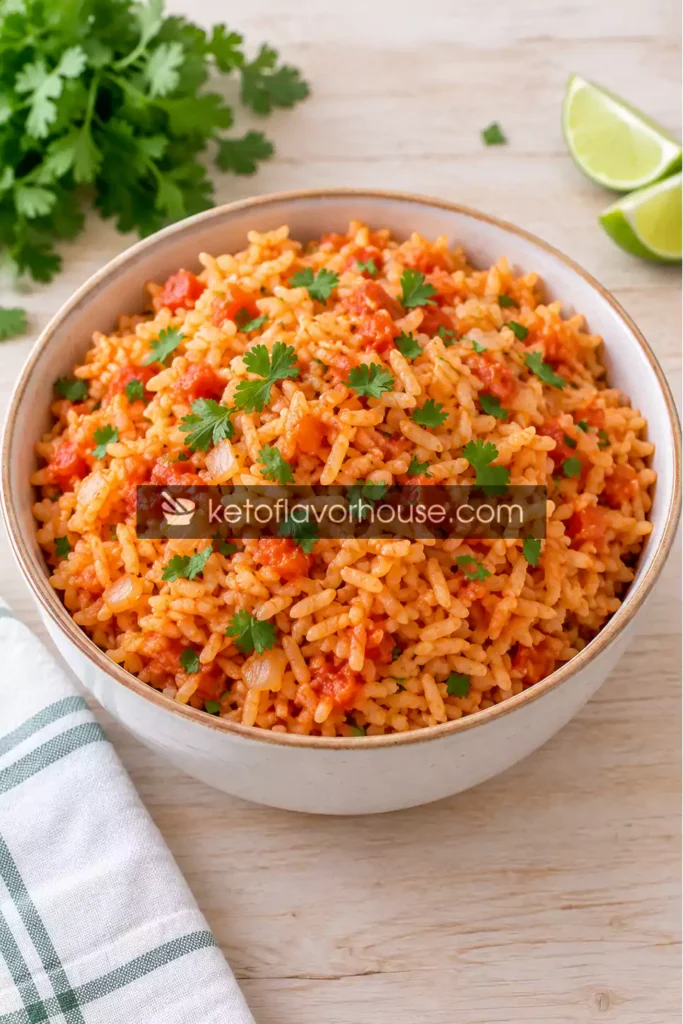
Tomato sauce, garlic, cumin, and chili powder give the rice its warm, savory character and familiar reddish color.
Toasting the rice before simmering helps build flavor and encourages a separate, fluffy texture.
Rice, onion, garlic, broth, tomato sauce, and a few pantry spices are all you need.
Divide the finished rice into six servings to make meal planning and personal WW tracking more consistent.
Mexican rice is a useful side dish because it works with so many meals. Serve it with grilled chicken, turkey tacos, roasted vegetables, beans, or a simple bowl of seasoned ground turkey. Its tomato-and-spice flavor complements a main dish without requiring a creamy sauce or complicated preparation.
This homemade version also gives you control over the amount of oil and salt. Restaurant rice can vary considerably in portion size and preparation, so making it at home makes it easier to measure what goes into the pot. You can choose a reduced-sodium broth, adjust the heat, and keep the serving size consistent.
A few details make this recipe especially practical:
- Family-friendly flavor: Cumin, garlic, and tomato create a savory base without making the rice excessively spicy.
- Meal-prep potential: Cook a batch to accompany several different lunches or dinners.
- Flexible seasoning: Add more chili powder for heat or use mild paprika for a gentler flavor.
- Simple ingredients: No special rice cooker or packaged seasoning mix is required.
- Customizable servings: Pair a measured portion with lean protein and vegetables to build a more complete meal.
The secret to a good batch is not adding more liquid or stirring constantly. Instead, toast the dry rice, measure the liquid carefully, keep the pot covered while it simmers, and allow the rice to rest before fluffing.
WW SmartPoints Information
For this recipe, use approximately 4–5 estimated SmartPoints per serving as a preliminary planning range, based on six servings and the ingredient quantities listed below. This is an independent estimate, not an official WW calculation or a verified result from the current WW app.
The recipe uses one cup of uncooked long-grain white rice, one tablespoon of olive oil, tomato sauce, onion, garlic, broth, and seasonings. The rice and oil are important contributors to the nutritional profile. The broth and tomato sauce also need to be included in the calculation according to their actual product labels.
SmartPoints is terminology associated with an older WW system. Current WW plans may calculate foods differently, and individual results can depend on the plan and account settings. Enter the complete recipe into your current WW app before publishing or relying on the estimate.
The whole-recipe estimate would be approximately 24–30 Points if the preliminary per-serving range were confirmed. That multiplication is only a consistency check, not a substitute for calculating the full ingredient list in WW’s applicable system.
My Cooking Notes
When preparing Mexican rice, I would focus first on the texture. The difference between fluffy rice and a sticky pot often comes down to the rice-to-liquid ratio, the heat level, and how much the pot is disturbed during cooking. Rinsing the rice can remove surface starch, while briefly toasting it in oil adds a subtle nutty aroma that works beautifully with tomato and cumin.
The next detail is seasoning. Tomato sauce gives the rice its familiar color and mild acidity, while cumin brings an earthy note and garlic adds depth. I would start with a moderate amount of chili powder, especially if the rice will be served to a family with different spice preferences. The heat is easy to increase at the table, but an overly spicy batch is harder to balance afterward.
Finally, I would resist the temptation to lift the lid repeatedly. Steam is part of the cooking process, and releasing it can leave the rice unevenly cooked. Once the liquid has been added and the pot begins simmering, keep the lid on and the heat low. After the cooking time, allow a short covered rest, then fluff gently with a fork. The grains should separate easily, with tomato seasoning distributed throughout rather than collecting at the bottom.
Required Equipment
Medium Saucepan With a Tight-Fitting Lid
A heavy-bottomed saucepan helps distribute heat more evenly and reduces the chance of scorching the rice at the bottom. A lid that fits well traps steam, allowing the rice to cook without constant stirring. If your lid is loose, check the liquid level carefully and avoid increasing the heat to compensate.
Measuring Cups and Spoons
Accurate measurements matter for both texture and recipe tracking. Use the same cup for the rice and liquid, and measure the oil with a teaspoon or tablespoon rather than pouring directly from the bottle. If you change the amount of rice, adjust the liquid and recalculate the nutrition values for the new batch.
Fine-Mesh Strainer
A strainer makes rinsing the rice easier. Rinse under cool water until the water runs less cloudy, then drain thoroughly. Excess rinse water can affect the measured liquid ratio, so allow the rice to drain before toasting.
Fork
Use a fork to fluff the rice after the resting period. A spoon can compress the grains and turn the rice sticky, particularly when it is freshly cooked. Lift and separate the grains gently rather than stirring in circles.
Ingredients and Substitutions
Ingredients
- 1 cup uncooked long-grain white rice
- 1 tablespoon olive oil
- ½ cup finely chopped yellow onion
- 2 cloves garlic, minced
- ½ cup plain tomato sauce
- 1½ cups low-sodium chicken broth or vegetable broth
- 1 teaspoon ground cumin
- ½ teaspoon chili powder
- ¼ teaspoon paprika, optional
- ¼ teaspoon ground black pepper
- ¼ teaspoon salt, or to taste
- 2 tablespoons chopped fresh cilantro, optional
- 1 teaspoon fresh lime juice, optional
These quantities are a practical starting point for six side-dish servings. Rice varieties and sauce thickness can vary, so observe the texture as you cook rather than adding extra liquid automatically.
What Each Ingredient Does
Long-grain white rice: The main ingredient provides the soft, fluffy texture and most of the carbohydrates. Long-grain varieties tend to remain more separate than short-grain rice when cooked correctly. The nutritional contribution depends on the dry amount, so measure the uncooked rice rather than estimating from a cooked bowl.
Olive oil: Oil helps toast the rice and carry the flavor of the aromatics. It also contributes fat and calories, making measurement important for anyone tracking food. Using less oil may reduce the overall nutritional total, but it can also make toasting less even.
Yellow onion: Onion adds sweetness and savory depth. Finely chopping it helps it soften quickly and distribute throughout the rice. Shallots can work as an alternative, although the flavor will be slightly different.
Garlic: Garlic brings a strong, aromatic flavor. Add it after the onion has begun to soften so it does not burn before the rice is toasted. Burnt garlic can make the whole pot taste bitter.
Tomato sauce: Tomato sauce gives the rice its reddish color and mild tang. Use plain sauce rather than a sweetened pasta sauce or a highly seasoned product unless you intend to change the flavor. Tomato products differ in sodium and added sugar, so check the label.
Broth: Broth provides the cooking liquid and contributes savory flavor. Low-sodium chicken broth or vegetable broth allows you to adjust the salt yourself. The exact liquid ratio may need slight adjustment according to the rice brand and the thickness of the tomato sauce.
Cumin: Ground cumin provides the earthy, warm flavor commonly associated with Mexican-style rice. It is strong enough to notice but should not overwhelm the tomato.
Chili powder: Chili powder adds mild warmth and seasoning. Blends vary, so start with the listed amount and adjust to taste. If your chili powder is particularly hot, use less.
Paprika and black pepper: Paprika deepens the color and adds a gentle peppery note, while black pepper gives a subtle bite. Paprika is optional if you prefer a simpler seasoning profile.
Salt: Salt brings out the tomato, garlic, and cumin flavors. Because broth varies in sodium, season cautiously and taste only after the rice is fully cooked.
Cilantro and lime: These optional finishing ingredients add freshness. Stir them in after cooking so the herbs remain bright and the lime does not become muted by prolonged heat.
Smart Substitutions for Your WW Plan
Ingredient Swap Guide
Choose substitutions based on flavor, texture, and your own tracking needs. Every change should be reflected in the final nutrition and Points calculation.
| Original | Alternative | Likely result |
|---|---|---|
| Olive oil | A measured smaller amount of oil | May lower fat and calories, but rice may toast less evenly. |
| Chicken broth | Vegetable broth | Keeps the dish meat-free; sodium and flavor depend on the product. |
| White rice | Brown long-grain rice | Adds a nuttier flavor and firmer texture; needs a different cooking time and potentially more liquid. |
| Plain tomato sauce | Crushed tomatoes, adjusted for thickness | A fresher, sometimes chunkier texture; liquid balance may change. |
| Fresh cilantro | Fresh parsley or omit | Changes the herbal flavor but has little nutritional impact at this small amount. |
Brown rice is not a direct one-to-one cooking-time substitution. It generally requires a longer simmer and more liquid than white rice, so follow the package directions and test the texture before serving. Its calories and carbohydrates may be broadly similar per dry weight, but the finished nutrition calculation must use the actual amount and variety.
For a lower-oil version, you can reduce the oil and use a good nonstick saucepan. However, do not assume the Points reduction without recalculating the entire recipe. The result also depends on how much oil is actually used and the WW system applied to your account.
How to Make Weight Watchers Mexican Rice
Step 1: Rinse and Drain the Rice
Place the rice in a fine-mesh strainer and rinse it under cool running water, gently moving the grains with your fingers. Continue until the water becomes less cloudy, then drain thoroughly.
Rinsing helps remove loose surface starch, which can contribute to stickiness. Drain the rice well before it goes into the saucepan; rice that carries excess water can make the final liquid ratio less predictable.
Step 2: Soften the Onion
Heat the olive oil in a medium, heavy-bottomed saucepan over medium heat. Add the chopped onion and cook for about 3–4 minutes, stirring regularly, until it begins to soften and turn translucent.
Avoid browning the onion too deeply. You want a sweet, savory base rather than dark, caramelized pieces that may overpower the tomato and cumin.
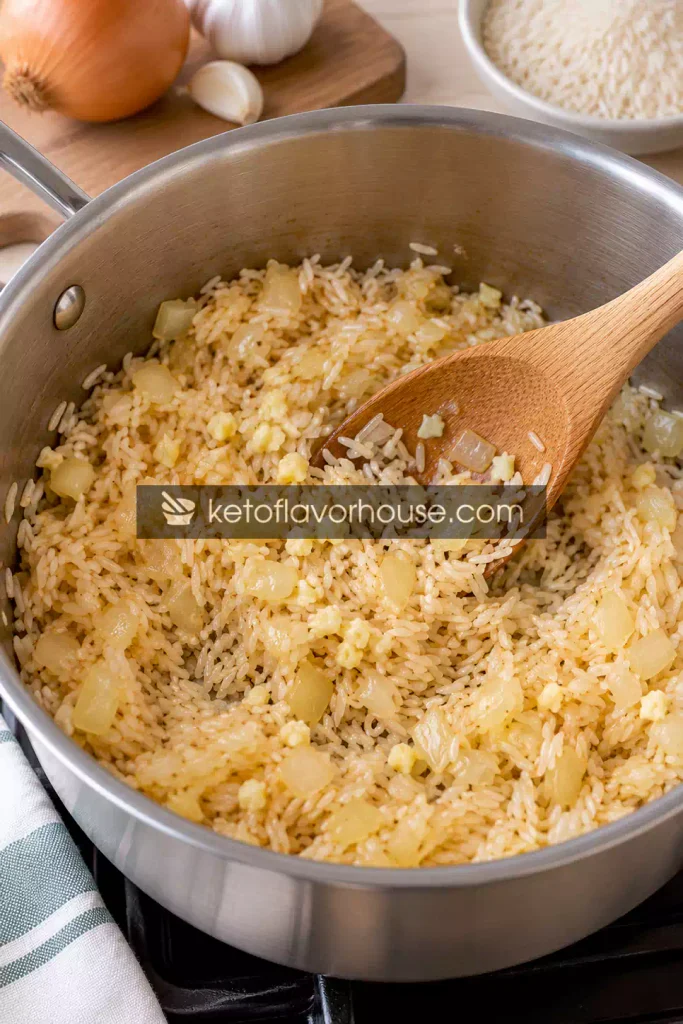
Step 3: Toast the Rice
Add the drained rice to the saucepan and stir for about 2–3 minutes. The grains should become coated in oil and may look slightly translucent around the edges. This brief toasting step develops a light, nutty aroma.
Keep the rice moving so it does not stick or brown unevenly. If the pan becomes very dry, reduce the heat rather than immediately adding extra oil.
Step 4: Add Garlic and Seasonings
Stir in the minced garlic, cumin, chili powder, paprika, and black pepper. Cook for approximately 30 seconds, just until fragrant.
Garlic burns more quickly than rice, so add it after the rice has started to toast. If you smell a sharp, bitter aroma or see dark brown garlic pieces, the heat may be too high.
Step 5: Add Tomato Sauce and Broth
Pour in the tomato sauce and measured broth. Add the salt cautiously, especially if your broth already contains sodium. Stir once to distribute the liquid and loosen any rice grains from the bottom.
Bring the mixture to a gentle boil. As soon as it begins bubbling, reduce the heat to low and cover the saucepan with a tight-fitting lid.
Step 6: Simmer Without Lifting the Lid
Cook for approximately 15–20 minutes, or according to the rice package directions. Keep the heat low enough to maintain a gentle simmer rather than a vigorous boil.
Avoid stirring repeatedly or lifting the lid to check the rice. If the liquid evaporates too quickly, the bottom can scorch while the center remains firm. If your stove runs hot, use a smaller burner or lower the heat further.
Step 7: Check the Texture
At the end of the cooking time, check a small portion. The grains should be tender, with no hard center, and most of the liquid should have been absorbed. If the rice is still firm and the pan is dry, add a small splash of hot broth or water, cover, and cook for a few more minutes.
If there is still a noticeable pool of liquid, continue cooking briefly with the lid on. Avoid turning the heat up aggressively, which can burn the bottom before the remaining liquid is absorbed.
Step 8: Rest and Fluff
Turn off the heat and leave the lid on for 5–10 minutes. This resting period lets the moisture distribute through the rice and helps the grains finish steaming.
Remove the lid and fluff gently with a fork. Add the optional chopped cilantro and lime juice, then taste and adjust the seasoning. Divide the finished rice into six equal portions for consistent serving sizes.
The Secret to Fluffy Mexican Rice
Remove excess surface starch, then drain well so the measured liquid ratio remains dependable.
Coat the grains in the measured oil and toast briefly to build a subtle nutty flavor.
Maintain low heat and allow the steam to cook the rice evenly instead of stirring repeatedly.
A short covered rest allows moisture to settle and makes it easier to separate the grains with a fork.
Common Mistakes to Avoid
Using too much liquid. Extra liquid can leave the rice soft and sticky. Measure the broth and tomato sauce, and account for any water left on the rinsed grains. If you change the rice variety, adjust the method to match its package directions.
Cooking over high heat. A rapid boil can evaporate the liquid before the rice is tender. Reduce the heat as soon as the pot reaches a boil and keep it at a gentle simmer.
Stirring too frequently. Repeated stirring releases starch and disrupts the grains. Stir when adding the liquid, then leave the rice covered until the cooking time is nearly complete.
Burning the garlic. Garlic becomes bitter if it cooks for too long over high heat. Add it after toasting the rice and cook only until fragrant.
Adding too much salt at the beginning. Broth and tomato sauce may already contain sodium. Start with a modest amount and adjust after cooking, when the flavors are fully developed.
Skipping the resting period. Rice that is served immediately may seem wetter or more compact. Leave it covered off the heat for 5–10 minutes, then fluff gently.
Troubleshooting Guide
Fixing Common Mexican Rice Problems
| Problem | Likely reason | What to do |
|---|---|---|
| Rice is crunchy | Not enough liquid or cooking time. | Add a small splash of hot broth, cover, and cook until tender. |
| Rice is mushy | Too much liquid or excessive stirring. | Rest uncovered briefly after cooking if excess moisture remains; use less liquid next time. |
| Bottom is scorched | Heat was too high or the pot was too thin. | Move unburned rice to another dish without scraping the scorched layer into it. |
| Flavor is bland | Seasoning or broth may be too mild. | Adjust cumin, chili powder, lime, or salt gradually after cooking. |
| Rice is too spicy | The chili powder is hotter than expected. | Serve with plain rice or a mild main dish; use less chili powder next time. |
WW-Friendly Nutrition and Meal-Planning Strategy
Rice is a carbohydrate-rich food, and it can still fit into a balanced meal plan when you pay attention to portions and the ingredients used to prepare it. This recipe relies on tomato sauce, broth, onion, garlic, and spices for flavor rather than a heavy sauce. Measuring the oil also makes the recipe easier to track.
The most practical approach is to treat Mexican rice as one part of a meal. Pair a measured serving with lean protein and vegetables to create a plate with different textures and a wider range of nutrients. You do not need to eliminate rice to make a meal fit your personal WW budget; the key is to account for the serving and the rest of the meal.
For example, consider these combinations:
- Grilled chicken and vegetables: A simple way to add lean protein and fiber-rich vegetables.
- Turkey taco bowl: Combine the rice with seasoned ground turkey, lettuce, tomato, and salsa.
- Black bean bowl: Add beans and vegetables for a meat-free meal, accounting for the beans according to your WW plan.
- Fish with lime: Serve with baked fish and a fresh cabbage salad for a bright contrast to the warm rice.
- Vegetable fajita plate: Pair with sautéed peppers and onions, keeping added oils and sauces measured.
Remember that individual daily Points budgets differ. A serving that works well for one person may need to be adjusted by another. Your WW app is the appropriate place to calculate the rice and the complete meal using your current plan.
Variations You Can Try
Mild Family-Friendly Mexican Rice
Use the listed cumin and paprika but reduce or omit the chili powder. The rice will retain its tomato-rich color and savory aroma with less heat. The nutritional profile should remain similar if you keep the ingredient quantities unchanged.
Spicy Mexican Rice
Add a little extra chili powder or a pinch of cayenne pepper. You can also add finely chopped jalapeño with the onion for a fresher pepper flavor. The effect on calories and Points is usually small at modest seasoning quantities, but check the calculation if you add a substantial amount of another ingredient.
Cilantro-Lime Rice
Finish the cooked rice with chopped cilantro and a teaspoon of lime juice. This gives the rice a fresh, citrusy finish that pairs especially well with grilled chicken, fish, or beans. These small additions generally have little effect on the nutritional totals, although the complete recipe should still be calculated accurately.
Mexican Rice With Peas and Carrots
Stir in a small amount of peas and finely diced carrots before simmering, provided the liquid ratio is adjusted for the vegetables and the rice cooks evenly. The vegetables add color and a touch of sweetness, but they also change the carbohydrate, fiber, and calorie totals. Recalculate the recipe with their actual weights.
Brown Rice Version
Use long-grain brown rice for a nuttier flavor and firmer texture. Brown rice generally takes longer to cook and needs a different amount of liquid, so follow the package directions rather than relying on the white-rice timing. Recalculate the nutrition and Points from the actual dry quantity and other ingredients.
Vegetable Broth Version
Replace chicken broth with vegetable broth to make the recipe suitable for a vegetarian meal. Choose a broth with a flavor you enjoy and check its sodium content. This substitution does not automatically lower Points, and the result depends on the nutritional values of the products used.
Additional Tips for This Recipe
- Choose the right rice. Long-grain white rice is a dependable choice for distinct grains. Short-grain rice tends to be stickier.
- Keep your liquid measurements consistent. Tomato sauce contributes liquid, so do not add extra broth without checking the rice’s texture.
- Use a heavy-bottomed pot. Even heat helps prevent the bottom from burning before the rice is cooked.
- Adjust seasoning at the end. Broth and tomato products differ, so the best salt level may vary from batch to batch.
- Fluff gently. Use a fork and lift the rice rather than mashing or stirring vigorously.
- Measure portions after cooking. Divide the complete batch into six equal servings, and use the same portion size when entering the recipe into your tracking app.
Optional Additions
You can personalize the rice without changing the basic cooking method too much.
- Fresh cilantro: Adds herbal freshness with minimal nutritional impact at the listed quantity.
- Lime juice: Provides acidity that balances the tomato and cumin.
- Jalapeño: Adds heat and a fresh pepper flavor.
- Peas and carrots: Add color, texture, and additional carbohydrates and fiber.
- Extra oil: Can make the rice richer, but increases the fat and calorie content and may affect Points.
- Extra broth: May deepen the savory flavor, although sodium depends on the product.
For all substantial additions, enter the revised ingredient list into your WW calculator rather than assigning an arbitrary Points increase.
Serving Ideas
Mexican rice can work at a casual family dinner, in a meal-prep bowl, or as a side dish for a weekend gathering. Its familiar tomato-and-spice flavor makes it easy to combine with different proteins and vegetables.
Six Ways to Serve Mexican Rice
Pair with grilled chicken and steamed broccoli for a straightforward family meal.
Add seasoned lean turkey, lettuce, tomato, and salsa for a layered lunch.
Serve with black beans and roasted vegetables for a meat-free option.
Pair with baked fish and lime wedges for a fresh, savory plate.
Add sautéed peppers and onions for color and extra vegetable variety.
Pack a measured rice portion with protein and vegetables for a convenient lunch.
For meal prep, keep the rice separate from wet toppings such as salsa until serving. This helps the grains maintain their texture. If you pack several meals at once, divide the rice evenly and track any added ingredients separately.
Storage Recommendations
Refrigerating Leftovers
Transfer cooked rice to shallow containers and refrigerate promptly. Rice should not be left at room temperature for an extended period because Bacillus cereus, a bacterium associated with rice and other starchy foods, can produce toxins under unsuitable storage conditions.
Cool and refrigerate rice as quickly as practical, ideally within one hour, and keep the refrigerator at 40°F (4°C) or below. For this recipe, use refrigerated leftovers within 3–4 days, and follow any stricter local food-safety guidance.
Reheating Mexican Rice
Reheat only the portion you plan to eat. Add a small splash of water if the rice has dried out, cover it loosely, and heat until steaming throughout, stirring to distribute the heat evenly. Reheat leftovers to 165°F (74°C), and avoid repeatedly cooling and reheating the same batch.
Freezing Leftovers
Mexican rice generally freezes well. Divide it into individual portions, cool promptly, seal in freezer-safe containers, and label with the date. For best quality, aim to use frozen portions within 1–2 months.
Thaw in the refrigerator or reheat directly from frozen, ensuring it is heated thoroughly. The grains may be slightly softer after thawing, but the tomato and spice flavor should remain suitable for a quick side dish.
Freezing or reheating the same ingredients does not usually materially change the calculated Points. However, adding oil or other ingredients, changing portion sizes, or discarding substantial amounts of liquid can affect the nutritional calculation.
Mexican Rice Storage Timeline
Transfer rice to shallow containers and refrigerate promptly, ideally within one hour.
Keep at 40°F or below and use within 3–4 days.
Heat thoroughly to 165°F, adding a splash of water if needed.
Freeze in sealed portions and aim to use within 1–2 months for best quality.
Frequently Asked Questions
1. Is Mexican rice good for Weight Watchers?
Mexican rice can fit into a Weight Watchers meal plan when you account for the serving size and the complete ingredient list. Rice supplies carbohydrates and energy, while oil contributes fat and calories. This recipe uses measured oil and a simple tomato-based seasoning mixture, making it easier to calculate than a dish prepared with unknown quantities of fat. Check your current WW app for your personal Points result.
2. How do I keep Mexican rice fluffy instead of sticky?
Rinse the rice, drain it thoroughly, and toast it briefly before adding the tomato sauce and broth. Once the liquid begins simmering, cover the pot and keep the heat low. Avoid frequent stirring, which can release starch and disturb the grains. Let the rice rest off the heat for 5–10 minutes before fluffing with a fork. These steps help produce a more separate, fluffy texture.
3. Can I make Mexican rice without oil?
Yes, although the rice may toast less evenly and have a slightly different flavor. A good nonstick saucepan can help if you want to use less oil. You may need to adjust the heat carefully to prevent sticking. Because oil contributes to the nutritional calculation, removing or reducing it may change the estimated Points, but the exact result should be recalculated using your current WW system.
4. Can I use brown rice instead of white rice?
Yes, but brown rice generally needs more cooking time and may require additional liquid. Follow the instructions for your particular rice variety and check for tenderness before serving. Its flavor will be nuttier and its texture firmer. Since the rice type and cooking method have changed, recalculate the nutritional values and Points using the actual dry quantity.
5. Can I prepare Mexican rice ahead of time?
Absolutely. Prepare the rice, divide it into individual portions, and refrigerate it promptly in shallow containers. It is convenient for lunches and quick dinners throughout the next few days. Keep wet toppings separate until serving if you want to preserve the texture. Follow safe rice-storage practices and use refrigerated leftovers within 3–4 days.
6. Can I freeze this recipe?
Yes. Mexican rice is suitable for freezing in individual portions. Cool it promptly, pack it in airtight freezer-safe containers, and label the date. Thaw in the refrigerator or reheat from frozen until thoroughly hot. The grains may become slightly softer after thawing, but the tomato seasoning usually makes the leftovers easy to enjoy with another meal.
7. Will my WW app show the same SmartPoints as this article?
It may not. The 4–5 SmartPoints estimate is a preliminary independent estimate, not an official WW calculation. SmartPoints refers to an older WW system, while current plans may use a different calculation method. Product brands, ingredient quantities, and your account’s plan can affect the result. Enter the complete recipe into your current app and divide the calculated total by six equal servings.
Nutritional Breakdown Per Serving
The following figures are preliminary estimates for one-sixth of the recipe, using the ingredient quantities listed in the recipe card. They have not been verified against specific product labels or a nutrition calculator, so calculate the final figures before publishing.
| Nutrient | Estimated amount |
|---|---|
| Calories | 145–175 kcal |
| Protein | 3–4 g |
| Total fat | 4–5 g |
| Total carbohydrates | 25–30 g |
| Fiber | 1–2 g |
| Net carbohydrates | 24–28 g |
| Sugar | 2–4 g |
| Sodium | 200–400 mg |
| Estimated SmartPoints | 4–5, unverified |
Net carbohydrates are estimated by subtracting fiber from total carbohydrates. They are not equivalent to WW Points. Sodium will vary substantially with the broth and tomato sauce you use.
Recipe Snapshot
- Prep Time: 10 minutes
- Cook Time: 20 minutes
- Resting Time: 5–10 minutes
- Total Time: Approximately 35–40 minutes
- Course: Side Dish
- Cuisine: Mexican-inspired
- Servings: 6
- Calories per serving: Preliminary estimate of 145–175 kcal
- Estimated SmartPoints: 4–5 per serving, subject to verification
Closing Note
This Weight Watchers Mexican Rice recipe combines fluffy long-grain rice with tomato, garlic, cumin, and chili powder for a savory side dish that works with chicken, turkey, fish, beans, and vegetables. The ingredients are simple, the method is straightforward, and the finished rice is easy to portion for meal planning. Measure the oil and rice carefully, then use your current WW app to verify the Points for your own plan.
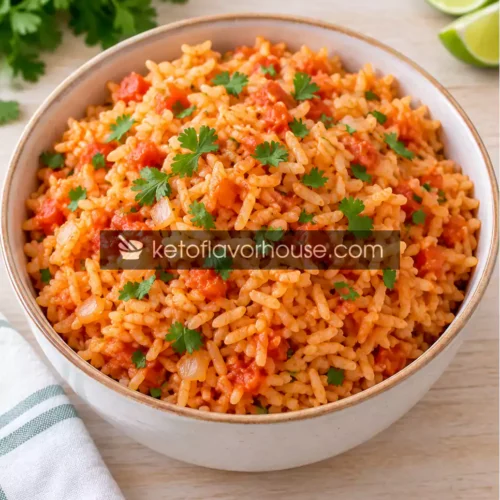
Weight Watchers Mexican Rice – Easy, Flavorful & Low-Point

Ingredients
- 1 cup uncooked long-grain white rice
- 1 tablespoon olive oil
- ½ cup finely chopped yellow onion
- 2 cloves garlic minced
- ½ cup plain tomato sauce
- 1½ cups low-sodium chicken broth or vegetable broth
- 1 teaspoon ground cumin
- ½ teaspoon chili powder
- ¼ teaspoon paprika optional
- ¼ teaspoon ground black pepper
- ¼ teaspoon salt or to taste
- 2 tablespoons chopped fresh cilantro optional
- 1 teaspoon fresh lime juice optional
Instructions
- Rinse the rice under cool water in a fine-mesh strainer until the water becomes less cloudy. Drain thoroughly.
- Heat the olive oil in a medium, heavy-bottomed saucepan over medium heat. Add the onion and cook for 3–4 minutes until softened.
- Add the drained rice and toast for 2–3 minutes, stirring frequently.
- Stir in the garlic, cumin, chili powder, paprika, and black pepper. Cook for about 30 seconds until fragrant.
- Add the tomato sauce and broth. Stir once, season cautiously with salt, and bring to a gentle boil.
- Reduce the heat to low, cover with a tight-fitting lid, and simmer for 15–20 minutes or according to the rice package directions.
- Check that the grains are tender and the liquid has been absorbed. If needed, add a small splash of hot broth or water and cook a little longer.
- Turn off the heat and leave the rice covered for 5–10 minutes.
- Fluff gently with a fork. Stir in the optional cilantro and lime juice, taste, and adjust the seasoning.
- Divide into six equal servings and serve warm.