This post may contains Amazon affiliate and other affiliate links. If you make a purchase through these links, I may earn a small commission at no extra cost to you. Your support helps me continue to provide quality content. I only recommend products I personally trust and believe will add value to your experience. For more details, please visit my Privacy Policy.
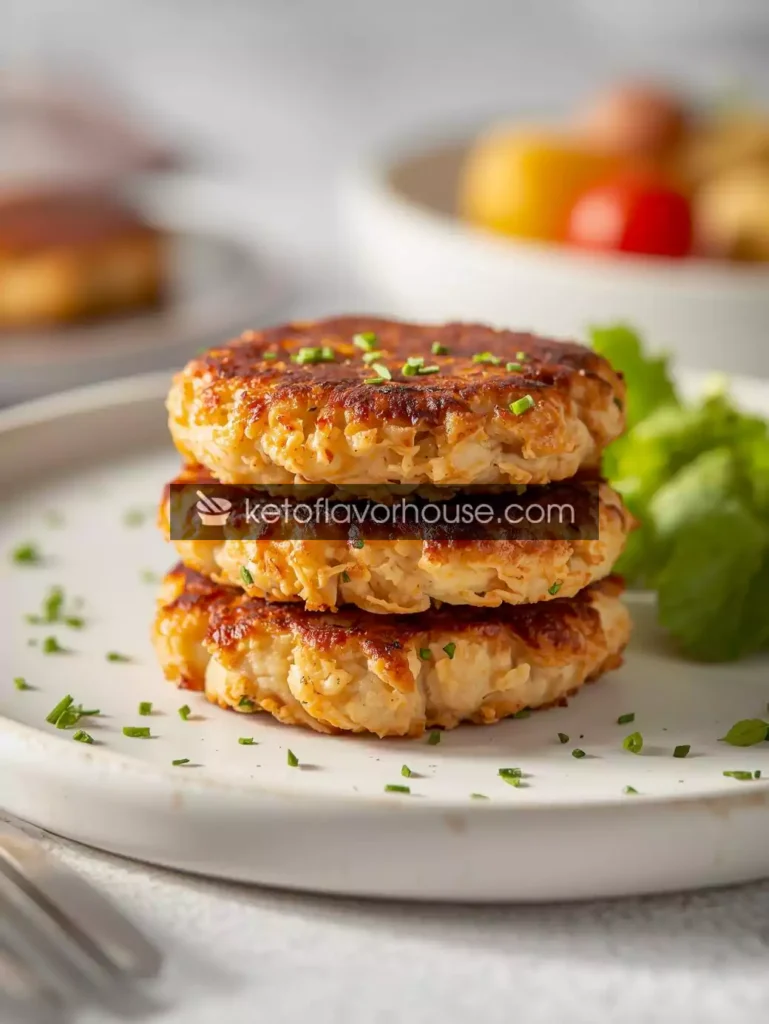
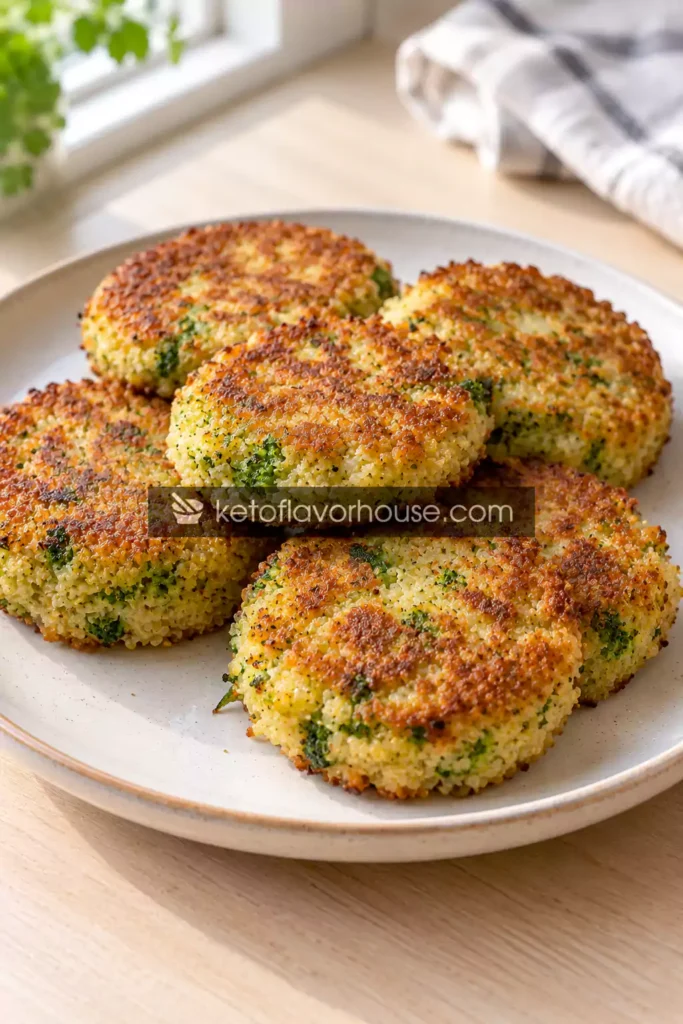
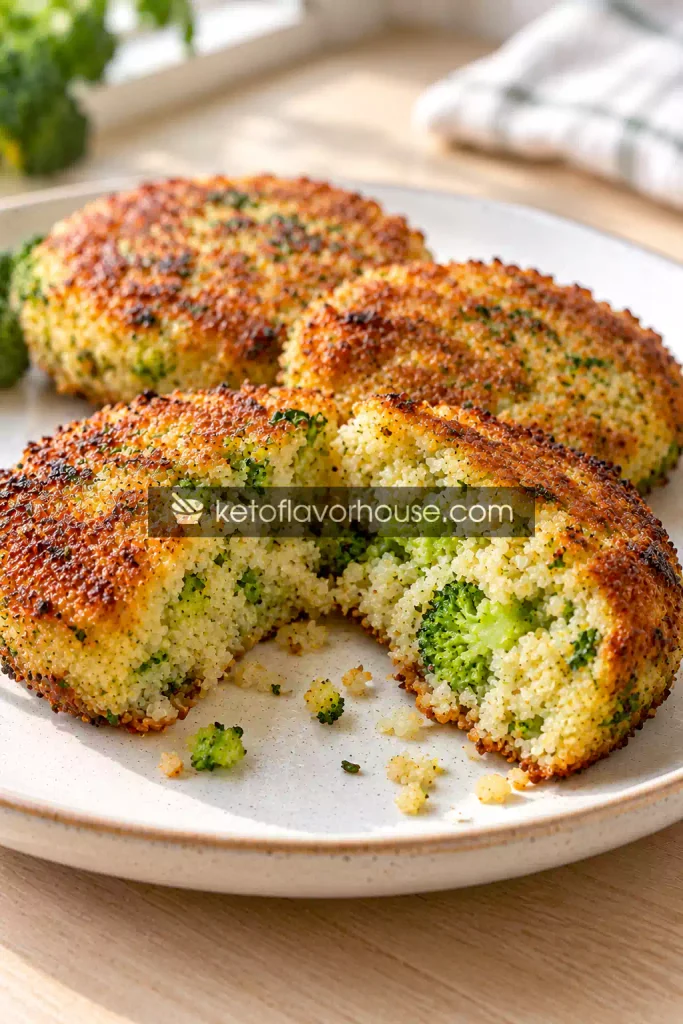
Weight Watchers Crispy Quinoa Broccoli Patties are a savory, golden-brown way to bring quinoa and broccoli together in a satisfying homemade meal. The outside is meant to develop a light crunch, while the center stays tender, with nutty quinoa, finely chopped broccoli, Parmesan, garlic, and a hint of green onion in every bite.
These patties are especially useful when you want something different from the usual chicken dinner or a plain bowl of vegetables. They can be served for lunch, packed for meal prep, or paired with a fresh salad for an easy weeknight meal. Because quinoa contributes carbohydrates, protein, and fiber, the patties are more substantial than broccoli alone.
The recipe uses a measured amount of Parmesan and breadcrumbs to add flavor and structure, while a light coating of cooking spray helps the patties brown without requiring a deep layer of oil. The final WW Points value depends on your plan, so the estimate is a starting point rather than a promise that every serving will have the same value for every member.
Why You’ll Love These Weight Watchers Crispy Quinoa Broccoli Patties
These patties offer a useful combination of texture, flavor, and convenience. The quinoa gives them a slightly nutty taste, broccoli adds freshness, and Parmesan brings a savory note that helps the mixture taste complete without needing a complicated sauce.
Why These Broccoli Patties Work
Crispy edges, tender centers, and everyday ingredients in one versatile recipe.
Vegetable-forward
Finely chopped broccoli distributes through the patties, adding color, flavor, and fiber.
Nutty quinoa
Cooked quinoa adds substance and helps create a filling texture without meat.
Pan or oven
Bake for convenient batch cooking or pan-cook for more direct contact with the hot surface.
Easy to serve
Pair with salad, yogurt dip, or roasted vegetables for a flexible lunch or dinner.
Crispy edges with a soft middle
The contrast between the outside and inside is what makes a good vegetable patty enjoyable. The surface should turn lightly golden and crisp, while the center remains moist enough to bite through easily. Finely chopped broccoli is important because large pieces can prevent the mixture from holding together.
Quinoa also needs to be cooked and drained properly before it enters the mixture. Excess water makes the patties soft and difficult to flip, while very dry quinoa can make the finished texture crumbly. The goal is quinoa that is fluffy and separate rather than wet or clumped.
Everyday ingredients, no complicated technique
You don’t need a food processor or a long list of specialty ingredients. A knife, mixing bowl, fork, and baking sheet are enough for the oven method. If you prefer pan-cooking, a nonstick skillet makes it easier to turn the patties without adding much oil.
This recipe is also a practical way to use leftover cooked quinoa. Preparing the quinoa in advance shortens the cooking session, and the broccoli can be steamed ahead of time. When both ingredients are ready, the mixture comes together quickly.
A flexible meatless meal
The patties can be the main feature of a vegetarian lunch or dinner. Serve two patties with a large salad, steamed green beans, or roasted vegetables. For a more substantial meal, add a suitable protein-rich side such as plain Greek yogurt or another protein source that fits your dietary preferences.
The patties contain egg and Parmesan, so the base recipe is vegetarian only if the Parmesan you choose is made with a vegetarian-friendly rennet. They are not vegan as written.
WW SmartPoints Information
For planning purposes, this recipe uses an initial estimate of 4–6 SmartPoints per serving, with two patties per serving and four servings in the recipe. The estimated Points for the full recipe would therefore be approximately 16–24, but this is a broad provisional range rather than an official WW result.
The estimate is based on the listed amounts of cooked quinoa, breadcrumbs, egg, Parmesan, and cooking spray. Quinoa and breadcrumbs contribute carbohydrates, while Parmesan and egg contribute fat and protein. Their Points treatment varies with the applicable WW plan, and some plans may classify ingredients differently.
To calculate the value for your account, enter the exact ingredient amounts and brands in your current WW app. If you replace the breadcrumbs, change the cheese, add oil, or change the serving count, calculate the updated recipe rather than reusing the original estimate.
My Cooking Notes
With quinoa and broccoli patties, the most important preparation detail is moisture control. Broccoli can hold quite a bit of water after steaming, and quinoa can retain moisture if it is not drained or cooled properly. If both ingredients go into the bowl while wet, the mixture may look promising at first but become difficult to shape.
I would chop the broccoli finely enough that it mixes evenly with the quinoa, but not puree it. Small pieces provide texture and help the patties hold together; a paste-like consistency can make them dense. After mixing, let the mixture rest for about five minutes so the breadcrumbs can absorb some moisture before you shape the patties.
The first patty is a useful test. If it breaks apart when you turn it, the mixture may need a little more breadcrumb or more time to bind. If it feels dry and cracks before it reaches the pan, a small amount of beaten egg or a spoonful of the existing mixture can help, depending on the consistency. Make adjustments gradually rather than adding a large quantity of breadcrumbs at once.
For the best surface, give each patty enough space on the baking sheet or in the skillet. Crowding traps steam and makes browning more difficult. Once the patties are cooked, serve them soon after baking or pan-cooking if crispness is your priority. They will soften somewhat during storage, but reheating in an oven or air fryer can restore some of the exterior texture.
Required Equipment
These patties are simple to prepare, but a few basic tools make a noticeable difference in the finished texture.
Mixing Bowl
Use a medium or large bowl to combine the cooked quinoa, chopped broccoli, egg, breadcrumbs, Parmesan, and seasonings. There should be enough room to fold everything together without crushing the quinoa. A large shallow bowl is particularly helpful when you need to check whether the ingredients are evenly distributed.
Sharp Knife and Cutting Board
Finely chopping the broccoli helps it blend into the mixture and reduces the chance of large pieces breaking through the edges of a patty. A sharp knife gives you more control than roughly chopping the florets. You can use a food processor with short pulses if you prefer, but avoid turning the broccoli into a wet puree.
Measuring Cups or Kitchen Scale
Accurate measurements help keep the texture and nutritional estimates consistent. Measure the quinoa after cooking, not before, because dry quinoa expands as it absorbs water. The amount of cooked quinoa can vary with the cooking method, so weighing it is especially useful if you plan to enter the recipe into your WW app.
Fork or Potato Masher
A fork helps combine the egg with the other ingredients and gently bind the mixture. You can press a small portion of quinoa with the fork if you need a little extra binding, but avoid mashing everything into a paste. The patties should retain some texture.
Baking Sheet and Parchment Paper
For the oven method, line a baking sheet with parchment paper. This helps prevent sticking and makes cleanup easier. Leave space between the patties so hot air can circulate around them. If they touch one another, moisture can collect between the edges and interfere with browning.
Nonstick Skillet and Spatula
If you prefer stovetop cooking, use a nonstick skillet and a thin spatula. The skillet should be hot before you add the patties, but not so hot that the exterior browns before the middle is heated through. A thin spatula helps you flip the patties in one controlled movement.
Ingredients and Substitutions
The ingredient list is deliberately straightforward. Each ingredient has a purpose: quinoa gives the patties substance, broccoli adds vegetable texture, egg binds the mixture, breadcrumbs help absorb moisture, and Parmesan brings savory flavor.
Cooked Quinoa — 1 cup (about 185 g)
Cooked quinoa forms the base of the patties. It has a mild, nutty flavor and a slightly springy texture that works well with finely chopped vegetables. It also contributes protein, carbohydrates, and fiber.
Use quinoa that has been cooked until tender and cooled before mixing. If it is sitting in excess water, drain it well and allow steam to escape. Wet quinoa can make the mixture too soft and increase the amount of breadcrumbs needed.
Substitution: Cooked brown rice can work, although it will produce a different texture and nutritional profile. Rice may make the patties a little less springy, and the Points estimate must be recalculated. Do not substitute dry quinoa for cooked quinoa in the listed amount.
Broccoli Florets — 2 cups (about 180 g)
Broccoli contributes freshness, color, fiber, and a mild vegetable flavor. It also provides some texture inside the patties. Finely chopping the florets helps the mixture hold together more reliably.
Steam or blanch the broccoli until just tender, then drain and cool it before chopping. It should be easy to cut but not falling apart. Press away excess moisture with a clean kitchen towel or paper towel if needed.
Substitution: Finely chopped cauliflower can work, although it may release more moisture. Grated zucchini is another possible variation, but it needs to be squeezed thoroughly before mixing. Changes in vegetable quantity and moisture can affect the amount of binding ingredient required.
Large Egg — 1
The egg helps hold the quinoa and broccoli together. As it cooks, its proteins set and provide structure, which is important when the patties are flipped. It also contributes protein and fat.
Beat the egg lightly before mixing it into the bowl so it distributes evenly. One egg is intended to bind this batch; adding extra egg without adjusting the other ingredients may make the mixture too wet.
Substitution: A commercial egg replacer may work, but the results depend on the product. A flaxseed mixture can sometimes bind vegetable patties, although it may create a softer, less cohesive texture. Any substitution should be tested and recalculated nutritionally.
Plain Breadcrumbs — ½ cup (about 55 g)
Breadcrumbs absorb moisture and help the patties hold their shape. They also provide a firmer exterior once baked or pan-cooked. Plain breadcrumbs are useful because they allow the broccoli, quinoa, garlic, and Parmesan to remain the main flavors.
Substitution: Panko breadcrumbs can create a lighter texture, but their volume and weight differ from ordinary breadcrumbs. Whole-wheat breadcrumbs may add a little more fiber, depending on the product. Gluten-free breadcrumbs are suitable if needed, although they can absorb liquid differently. Recalculate the Points and nutrition using the actual substitute.
Grated Parmesan Cheese — ¼ cup (about 25 g)
Parmesan provides a salty, savory flavor that complements both quinoa and broccoli. Because it has a concentrated flavor, a modest amount can add plenty of character. It also contributes fat, protein, and sodium.
Finely grated Parmesan distributes more evenly than thick shreds, making it easier to get a little cheese in every patty.
Substitution: A reduced-fat grated cheese may change the fat and calorie content, but the exact effect depends on the product. A vegetarian hard cheese can work if you avoid animal rennet. Nutritional and Points values should be recalculated rather than assumed.
Green Onion — 2 tablespoons, finely sliced
Green onion adds a mild onion flavor without overwhelming the broccoli. Use both the white and green portions for a balanced taste. Chop it finely so it doesn’t interfere with shaping.
You can replace it with a tablespoon of finely minced shallot, although shallot has a slightly stronger flavor. The small quantity used here should have a modest nutritional impact.
Garlic — 1 clove, minced
Garlic brings warmth and depth to the patties. One clove is enough to give the mixture a noticeable savory aroma without overpowering the other ingredients.
Fresh garlic is ideal, but a small amount of garlic powder can work in a pinch. Start with a modest quantity because dried garlic has a more concentrated flavor by volume.
Salt and Black Pepper — To Taste
Salt enhances the quinoa, broccoli, and Parmesan, while black pepper adds a gentle bite. Since Parmesan and some breadcrumbs already contain sodium, season carefully and taste a small cooked test patty before adding more salt to the batch.
Cooking Spray — As Needed
A light coating of cooking spray helps the patties brown and reduces sticking. The quantity used can affect the final nutrition and Points, so use it according to the label and account for any meaningful amount of oil added.
Cooking spray is not automatically zero Points in every plan or at every quantity. If you use a measured amount of olive oil instead, include that amount in the calculation.
Build a Better Broccoli Patty
Each ingredient helps balance moisture, flavor, or structure. Keep the mixture cohesive without making it heavy.
Ingredient Swaps and Their Effects
You can adapt this recipe to suit what you have in the refrigerator, but changes to the main binding ingredients can affect how the patties cook.
| Original ingredient | Possible alternative | Likely effect |
|---|---|---|
| Cooked quinoa | Cooked brown rice | Milder, less springy texture; nutrition and Points change. |
| Broccoli | Cauliflower | Similar savory profile, but moisture may differ. |
| Regular breadcrumbs | Whole-wheat breadcrumbs | Flavor may be nuttier; fiber depends on the product. |
| Regular breadcrumbs | Gluten-free breadcrumbs | Suitable for gluten avoidance; binding and absorption vary. |
| Parmesan | Reduced-fat grated cheese | Flavor, moisture, fat, and sodium depend on the brand. |
| Cooking spray | Measured olive oil | May improve browning, but added fat and Points must be counted. |
The most useful adjustment is often not a substitution at all: drain the broccoli well and start with properly cooled quinoa. Correcting excess moisture usually works better than adding a large amount of extra breadcrumbs, which can make the patties dry and bready.
How to Make Weight Watchers Crispy Quinoa Broccoli Patties
The oven method is convenient for preparing the entire batch at once. If you prefer a more pronounced crust, the stovetop method is also an option. In both cases, the same mixture and portion size should be used if you want the nutrition estimate to remain consistent.
Step 1: Cook and Cool the Quinoa
If you are starting with uncooked quinoa, prepare it according to the package instructions. Measure one cup after cooking for this recipe. Spread it on a plate or shallow tray to cool more quickly and allow excess steam to escape.
The quinoa should be tender, with the grains mostly separate. If it looks watery, drain it before cooling. Don’t mix it into the bowl while steaming hot, because the heat can make the egg begin to set prematurely and create an uneven mixture.
Using leftover quinoa is a good shortcut. If it has been refrigerated, break up any clumps with a fork before measuring.
Step 2: Prepare the Broccoli
Steam or blanch the broccoli until just tender, usually about three to five minutes depending on the size of the florets. You should be able to pierce a piece with a fork, but it should still hold its shape.
Drain the broccoli thoroughly and let it cool enough to handle. Chop it into small pieces, roughly the size of a pea or smaller. If the broccoli is visibly wet, press it between clean towels to remove excess water.
Avoid overcooking the broccoli until it collapses. Very soft broccoli can turn the mixture mushy and make it harder to form patties with distinct pieces of vegetable.
Step 3: Mix the Ingredients
Place the cooled quinoa and chopped broccoli in a large mixing bowl. Add the beaten egg, breadcrumbs, Parmesan, green onion, minced garlic, black pepper, and a modest amount of salt.
Fold everything together with a fork or spatula. The mixture should look evenly speckled with green broccoli and hold together when you press a small amount between your fingers. If it falls apart immediately, let it rest for five minutes before deciding whether it needs adjustment.
If the mixture is still too wet to shape, add breadcrumbs a tablespoon at a time. If it is too dry and cracks, check that the broccoli and quinoa are not excessively dry, then add a small amount of beaten egg if needed. Record any changes if you are calculating nutrition precisely.
Step 4: Shape the Patties
Divide the mixture into eight equal portions. Shape each into a patty about ½ inch thick, pressing gently around the edges to prevent cracks.
Keeping the patties similar in size and thickness helps them cook evenly. If one is much thicker than the others, the outside may brown before the middle heats through. A kitchen scale can help you divide the mixture evenly, especially if you want consistent serving sizes.
Place the shaped patties on a parchment-lined baking sheet. If the mixture is particularly soft, refrigerate the patties for 15–20 minutes before cooking. Chilling is optional, but it can make them easier to handle.
Step 5: Bake Until Golden
Preheat the oven to 400°F (200°C). Lightly coat the tops of the patties with cooking spray, then bake for approximately 20–25 minutes, turning them carefully halfway through.
The bottoms should begin to brown before you flip them. If they stick, give them another minute or two rather than forcing the spatula underneath. Once flipped, continue baking until both sides are golden and the centers are hot.
Ovens vary, so use the visual cues rather than relying on the clock alone. If the patties remain pale, they may need more time or a little more surface oil. Avoid adding a heavy coating, which can make the texture greasy and alter the nutrition calculation.
Step 6: Pan-Cook for a More Pronounced Crust
To cook on the stovetop, heat a nonstick skillet over medium heat and apply a light coating of cooking spray. Add the patties in a single layer, leaving space between them.
Cook for about three to five minutes per side, adjusting the heat as needed. You want a steady sizzle, not aggressive browning. If the exterior darkens too quickly, lower the heat so the middle has time to heat through.
Transfer the finished patties to a plate lined with paper towel if necessary. Cook in batches rather than overcrowding the skillet. Add more spray only as needed and include any additional oil in your nutritional calculation.
Step 7: Rest Briefly and Serve
Let the patties rest for two to three minutes before serving. This gives them a chance to firm up slightly, making them less likely to break when moved to a plate.
Serve two patties per portion with a fresh salad, steamed vegetables, or a small bowl of plain yogurt dip. If you are tracking WW Points, measure sauces and toppings rather than adding them freely.
From Mixture to Golden Patties
Cool the base
Cooked quinoa should be fluffy and broccoli tender but not waterlogged.
Bind the mixture
Fold in egg, breadcrumbs, Parmesan, and seasonings until evenly distributed.
Shape evenly
Make eight patties of similar thickness so they cook at the same rate.
Brown and finish
Bake at 400°F, turning halfway, or pan-cook over medium heat.
Common Mistakes to Avoid
Using Wet Broccoli
Broccoli that has not been drained properly can make the mixture loose and difficult to shape. It may also cause the patties to steam instead of brown.
The fix: Drain the cooked broccoli thoroughly, let it cool, and blot away excess water before chopping. If the mixture is already too wet, add a small amount of breadcrumbs and allow it to rest before shaping.
Adding Hot Quinoa to the Egg
Hot quinoa can partially cook the egg before the patties reach the oven or skillet. This may create uneven clumps and make the mixture harder to distribute.
The fix: Spread the quinoa on a shallow plate and let it cool until it is no longer steaming. If using leftover quinoa, loosen any clumps before measuring.
Making the Patties Too Thick
Very thick patties take longer to heat through, and their centers may remain soft while the exterior becomes too dark. Thin patties, on the other hand, can dry out or break apart if they are too small.
The fix: Aim for a thickness of approximately ½ inch and keep the patties similar in diameter. If you make larger patties, expect to adjust the cooking time.
Flipping Too Early
The mixture needs time to set and develop a crust before it can be turned cleanly. Moving the patties repeatedly can cause them to crumble.
The fix: Wait until the underside is golden and releases more easily from the pan or parchment. Use a thin spatula and flip each patty in one controlled movement.
Crowding the Pan
Patties placed too close together trap steam and make browning less consistent. On the stovetop, crowding also lowers the skillet temperature.
The fix: Leave a little space around each patty. Cook in batches when necessary rather than squeezing all eight into a small pan.
Adding Too Many Breadcrumbs
Breadcrumbs absorb moisture, but excessive amounts can make the patties dry, dense, and overly bready. They can also increase the total calories and Points.
The fix: Start with the listed amount and give the mixture a few minutes to rest before adjusting. Add only what is needed to make the mixture hold together.
Pro Tips for the Best Results
- Chop broccoli finely and evenly. Smaller pieces distribute better through the mixture and make the patties easier to shape.
- Cool both main ingredients. Cool quinoa and broccoli are easier to mix with egg and breadcrumbs without creating a wet, sticky mass.
- Measure Parmesan and breadcrumbs. Both ingredients affect the flavor and nutritional totals. Measuring them keeps batches more consistent.
- Press the edges together. If a patty develops cracks while shaping, gently press them closed before cooking.
- Use medium heat on the stovetop. High heat can darken the outside too quickly, leaving the center less heated.
- Allow space for browning. Air circulation in the oven and direct contact with the skillet both help create a better crust.
- Serve promptly. These patties are at their crispiest soon after cooking. If you prepare them in advance, reheat them in the oven or air fryer rather than relying on the microwave alone.
- Keep the recipe calculation consistent. If you use extra oil, additional cheese, or a different amount of breadcrumbs, update the nutritional values and Points estimate.
Troubleshooting Your Quinoa Broccoli Patties
WW-Friendly Nutrition and Meal Planning
Quinoa broccoli patties can fit into a balanced eating pattern because they combine a grain-like seed with vegetables, egg, and cheese. They provide carbohydrates and some protein, along with fiber from quinoa and broccoli. However, they are not nutritionally identical to a serving of plain broccoli or a lean-protein dish.
Quinoa Adds Substance
Quinoa is the main source of energy in this recipe. It provides carbohydrates for energy as well as plant-based protein and fiber. Its texture also makes the patties more substantial than a mixture made from vegetables alone.
The amount matters: a measured cup of cooked quinoa is different from a cup of dry quinoa. Dry quinoa absorbs water and expands during cooking, so using the wrong measurement can significantly change the total nutrition and the number of patties produced.
Broccoli Contributes Vegetables and Fiber
Broccoli adds volume, color, and fiber. Finely chopping it makes the vegetable easier to distribute through the patties, so each serving contains some broccoli rather than leaving large pieces in only a few portions.
You can increase the vegetable content by serving the patties with additional steamed broccoli, leafy greens, or a mixed salad. This can make the meal more substantial without requiring a rich sauce.
Egg and Parmesan Contribute Protein and Flavor
The egg provides binding and some protein. Parmesan adds concentrated savory flavor, but it also contributes fat and sodium. Keeping the cheese measured helps preserve the intended nutritional profile while still giving the patties a satisfying taste.
If you are aiming for more protein at the meal level, consider serving the patties with plain Greek yogurt or another protein-rich side that suits your dietary needs. Adding cheese or extra oil to the patties themselves will change their nutrition and should be included in your calculation.
How to Fit Them Into Your Points Budget
A practical starting portion is two patties. Pair them with vegetables or a salad, and record any dip or dressing you use. Individual daily Points budgets vary, and the treatment of quinoa, egg, and other ingredients depends on the applicable WW plan.
Don’t assume that a recipe with vegetables is automatically low in Points. Calculate the complete ingredient list, including the breadcrumbs, Parmesan, and cooking fat. The goal is to make an informed choice that fits your own plan rather than relying on the recipe title.
Variations You Can Try
Lemon and Herb Patties
Add a teaspoon of lemon zest and a tablespoon of chopped parsley to the mixture. The lemon brightens the flavor, while parsley brings a fresh herbal note. These additions should have a modest nutritional impact at the quantities suggested, but recalculate if you use a substantial amount of oil or sauce with them.
Garlic and Black Pepper Patties
Increase the black pepper slightly and use an extra small clove of garlic if you enjoy a stronger savory flavor. The patties will taste more robust without needing extra cheese. Be careful not to let minced garlic burn during stovetop cooking, as burnt garlic can taste bitter.
Spicy Broccoli Patties
Add a pinch of red pepper flakes or a little finely chopped fresh chili. This creates a gentle heat that works well with the nutty quinoa and Parmesan. The spice itself contributes very little at a small quantity, although sauces served alongside the patties may affect the overall Points.
Cauliflower and Quinoa Patties
Replace some or all of the broccoli with finely chopped cauliflower. The flavor will be milder, but cauliflower can release moisture, so drain it thoroughly before mixing. You may need a small adjustment to the breadcrumbs, and the nutritional figures will change according to the amount used.
Whole-Wheat Breadcrumb Version
Use whole-wheat breadcrumbs in place of plain breadcrumbs. They may contribute more fiber depending on the brand and can add a slightly nuttier flavor. They are not automatically lower in Points, so use the nutrition label and calculate the actual amount.
Gluten-Free Version
Choose certified gluten-free breadcrumbs and check the labels of all other packaged ingredients if you need to avoid gluten. The binding behavior can vary among gluten-free products, so start with the listed quantity and allow the mixture to rest before adding more.
Dairy-Free Version
You can omit the Parmesan or use a suitable dairy-free alternative. However, Parmesan contributes a concentrated savory flavor, so the result may taste milder. A little extra garlic, parsley, or black pepper can help, but don’t assume that a dairy-free cheese alternative has the same calories or Points as Parmesan.
Serving Ideas for Quinoa Broccoli Patties
These patties work best with sides that complement their savory flavor without overwhelming their crisp exterior. They can be served as a light lunch, part of a family dinner, or a make-ahead option for busy weekdays.
Four Ways to Serve Your Patties
Keep the sides fresh and the sauces measured.
Fresh lunch plate
Serve two patties with leafy greens, cucumber, tomato, and a measured lemon dressing for a fresh, balanced plate.
Yogurt dip
Pair with plain Greek yogurt, lemon, garlic, and herbs. It adds a cool, tangy contrast to the crisp edges.
Vegetable dinner
Add roasted carrots, green beans, or a simple vegetable medley for extra color and variety.
Meal-prep box
Pack two patties with vegetables and keep the dip in a separate small container to preserve the crust as much as possible.
For a Quick Lunch
Serve two warm patties over a bed of greens with cucumber, tomatoes, and a lemon-based dressing. The fresh vegetables contrast with the warm, savory patties, while the dressing adds acidity that balances the Parmesan.
For a Family Dinner
Arrange the patties on a platter with roasted carrots or green beans. Offer a simple yogurt dip on the side so everyone can choose how much they want. If you’re serving different appetites, keep the patties separate from the sides so portions are easy to adjust.
For Meal Prep
Prepare the full batch, cool the patties promptly, and refrigerate them in a shallow airtight container. Store sauces separately and reheat the patties in the oven or air fryer when you’re ready to eat. The exterior may soften during refrigeration, but dry-heat reheating helps restore some crispness.
For a Meatless Snack
A single patty can work as a savory snack, although its nutritional value depends on its actual size and ingredients. If you need a more substantial snack, pair it with a suitable protein-rich side rather than assuming the patty alone will meet all your needs.
Storage Recommendations
Refrigerating Leftovers
Allow the patties to cool briefly, then transfer them to a shallow airtight container and refrigerate within two hours of cooking. If the room temperature is above 90°F (32°C), refrigerate within one hour. Keep the refrigerator at 40°F (4°C) or below.
For best quality, eat the refrigerated patties within three to four days. If stacking them, place parchment paper between layers to reduce sticking. Avoid leaving cooked patties on the counter for an extended period, even if you intend to reheat them later.
Freezing the Patties
These patties can be frozen. Let them cool, arrange them in a single layer on a tray, and freeze until firm. Transfer them to a freezer-safe container or bag, separating layers with parchment paper.
For best texture, use them within about two months. Freezing may soften the broccoli and reduce the crispness of the crust, but dry-heat reheating can improve the exterior.
Reheating in the Oven
Preheat the oven to about 375°F (190°C). Arrange the patties on a baking sheet and heat until hot throughout, turning if needed. Refrigerated patties may take around 8–12 minutes, depending on their thickness and your oven.
For frozen patties, allow more time and check that the centers are thoroughly heated. Avoid relying only on the surface color to judge whether the middle is ready.
Reheating in an Air Fryer
Place the patties in a single layer in the air fryer basket and heat at approximately 350°F (175°C) for 4–7 minutes, checking and turning as needed. Exact timing varies by appliance and patty thickness. Avoid crowding the basket, since airflow helps restore the crust.
A microwave can heat the patties quickly, but it tends to soften the exterior. If you use it for convenience, finish the patties in a hot skillet or air fryer if you want a crisper surface.
Does Storage Change the Points?
Refrigerating, freezing, and reheating the same ingredients do not usually change the recipe’s Points calculation in a meaningful way. However, if you add oil during reheating, serve the patties with a sauce, or change the number of patties per serving, account for those changes separately.
Leftover Storage Timeline
Transfer to a shallow container and refrigerate promptly. Use the shorter one-hour limit in temperatures above 90°F (32°C).
Keep covered at 40°F (4°C) or below. For best quality, aim to use within three to four days.
Freeze until firm, then package with parchment between layers. Use within about two months for best texture.
Use an oven or air fryer to help the surface crisp. Check the center, especially when reheating frozen patties.
Frequently Asked Questions
1. Can I make quinoa broccoli patties ahead of time?
Yes. You can cook the quinoa and broccoli in advance, cool them, and refrigerate them separately until you’re ready to mix the patties. You can also shape the patties ahead and refrigerate them briefly before cooking. Keep the ingredients properly chilled and cook the patties thoroughly before serving.
2. Why are my quinoa broccoli patties falling apart?
The most common reasons are excess moisture, unevenly chopped broccoli, or insufficient binding. Drain the broccoli thoroughly and cool the quinoa before mixing. If the mixture still falls apart after resting, add a small amount of breadcrumbs, mix gently, and test one patty before shaping the rest.
3. Can I cook these patties in an air fryer?
Yes. Arrange the patties in a single layer in a lightly coated air fryer basket and cook at approximately 375°F (190°C) for 10–14 minutes, turning halfway through. Check early because air fryers vary. The patties should be golden and hot throughout; if they are browning too quickly, lower the temperature slightly.
4. Can I use frozen broccoli?
Yes, but thaw it completely and drain it very well first. Frozen broccoli often releases more water than fresh broccoli, which can make the mixture too wet. Chop it finely after draining and press away excess moisture with a clean towel before adding it to the quinoa.
5. How can I make the patties more crispy?
Start with dry, cooled ingredients and avoid crowding the pan. A light coating of cooking spray helps the surface brown, while adequate cooking time allows the crust to develop. If using the oven, leave space between patties and turn them carefully halfway through. Serve soon after cooking for the best texture.
6. Can I make this recipe without breadcrumbs?
You can experiment with a suitable alternative, such as gluten-free breadcrumbs or finely ground oats, but the texture will change. Breadcrumbs absorb moisture and help the patties hold together, so a replacement may require a different amount. Recalculate the nutrition and Points using the substitute you actually use.
7. Are these patties low in WW Points?
They are designed with measured ingredients and a modest amount of cooking fat, but the actual Points value depends on your WW plan and ingredient quantities. The provisional estimate of 4–6 Points per two-patty serving is not official. Enter the complete recipe into your current WW app before publishing a definite Points value.
8. Can I freeze cooked quinoa broccoli patties?
Yes. Cool the cooked patties, freeze them in a single layer until firm, then transfer them to a freezer-safe container with parchment between layers. For best quality, use them within about two months. Reheat until hot throughout, preferably in an oven or air fryer, to help the surface regain some crispness.
Nutritional Breakdown Per Serving
Serving Size: 2 patties (¼ of the recipe)
- Calories: Approximately 165–175 kcal
- Protein: Approximately 9 g
- Total Carbohydrates: Approximately 23–24 g
- Dietary Fiber: Approximately 3 g
- Net Carbohydrates: Approximately 20–21 g
- Total Sugar: Approximately 2–3 g
- Total Fat: Approximately 5 g
- Saturated Fat: Approximately 1–2 g
- Sodium: Approximately 300–400 mg
- Estimated WW SmartPoints: 4–6 per serving (provisional; verify in your current WW app)
These are preliminary estimates based on typical nutrition values for the listed ingredients, divided into four servings. Actual values vary by ingredient brands, the amount of cooking spray used, and the final yield. Net carbohydrates are calculated by subtracting dietary fiber from total carbohydrates; they are not a substitute for WW Points.
Recipe Snapshot
- Prep Time: 20 minutes
- Cook Time: 20–25 minutes in the oven
- Total Time: Approximately 40–45 minutes, excluding quinoa cooking and cooling
- Course: Lunch, dinner, or snack
- Cuisine: American-inspired vegetarian
- Servings: 4
- Yield: 8 patties
- Serving Size: 2 patties
- Calories: Approximately 165–175 per serving
- Estimated SmartPoints: Provisional 4–6 per serving
Closing Note
The secret to these quinoa broccoli patties is keeping the ingredients dry enough to bind while allowing the outside to brown properly. Measure the quinoa, breadcrumbs, Parmesan, and cooking fat carefully so your portions stay consistent. Once you’ve tested the recipe with your preferred ingredients, calculate the final nutrition and WW Points using the exact amounts you used.

Weight Watchers Crispy Quinoa Broccoli Patties (Easy & Healthy)

Ingredients
- 1 cup 185 g cooked quinoa, cooled
- 2 cups 180 g broccoli florets, steamed, drained, cooled, and finely chopped
- 1 large egg lightly beaten
- ½ cup 55 g plain breadcrumbs
- ¼ cup 25 g finely grated Parmesan cheese
- 2 tablespoons finely sliced green onion
- 1 garlic clove minced
- Salt to taste
- Black pepper to taste
- Nonstick cooking spray as needed
Instructions
- Preheat the oven to 400°F (200°C). Line a baking sheet with parchment paper.
- Steam the broccoli for approximately 3–5 minutes until just tender. Drain thoroughly, cool, and chop finely.
- Add the cooled quinoa and chopped broccoli to a mixing bowl. Mix in the beaten egg, breadcrumbs, Parmesan, green onion, garlic, salt, and black pepper.
- Let the mixture rest for 5 minutes so the breadcrumbs can absorb moisture. If the mixture is too wet to shape, add a little more breadcrumb.
- Divide the mixture into eight equal portions. Shape each portion into a patty approximately ½ inch thick.
- Arrange the patties on the prepared baking sheet, leaving space between them. Lightly coat the tops with cooking spray.
- Bake for 20–25 minutes, turning carefully halfway through, until the patties are golden and hot throughout.
- Let the patties rest for 2–3 minutes before serving. Serve two patties per portion with salad, vegetables, or a yogurt dip.