This post may contains Amazon affiliate and other affiliate links. If you make a purchase through these links, I may earn a small commission at no extra cost to you. Your support helps me continue to provide quality content. I only recommend products I personally trust and believe will add value to your experience. For more details, please visit my Privacy Policy.
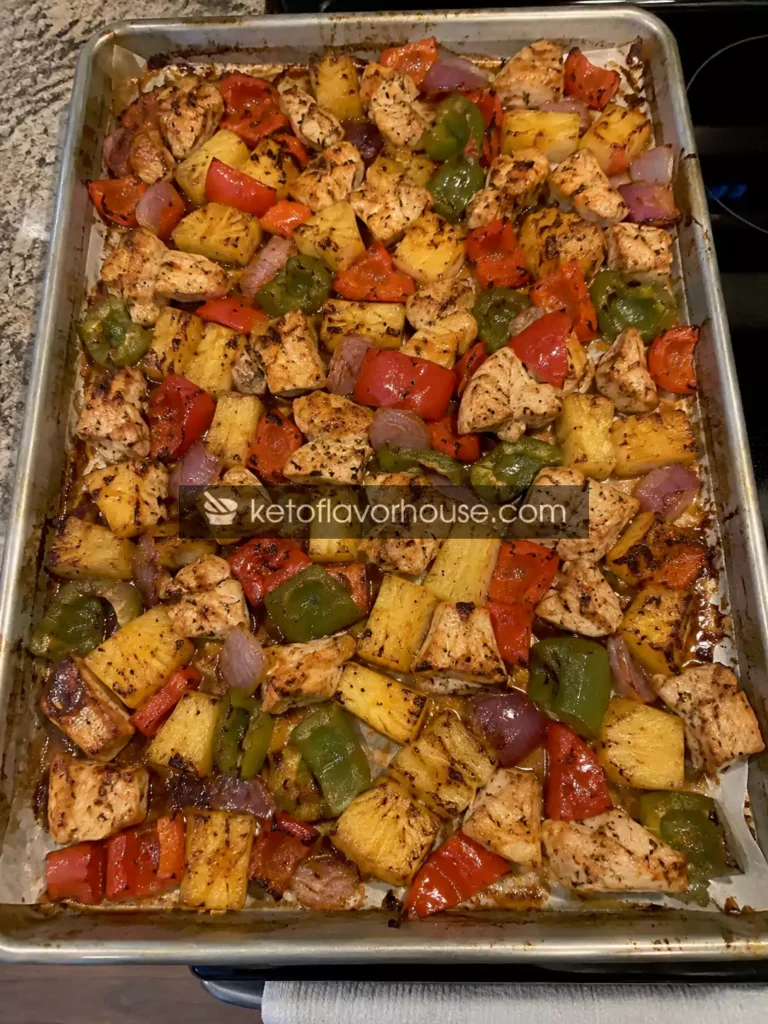
There are some dinners that feel like a lot of work even before you start cooking, and then there are dinners that practically take care of themselves. This High-Protein Hawaiian Chicken Sheet Pan falls firmly into the second category. Juicy chicken, sweet pineapple, colorful bell peppers, red onion, garlic, ginger, and a glossy savory-sweet glaze all roast together on one pan until the chicken is tender and the vegetables develop those delicious caramelized edges.
I first started making versions of this kind of dinner when I wanted something that felt more exciting than plain meal-prep chicken but still fit a high-protein lifestyle. Chicken breast can get repetitive when you’re eating it regularly, so adding bright pineapple and a flavorful Hawaiian-inspired glaze completely changes the experience. You get tender, savory chicken balanced by juicy bursts of pineapple and slightly charred vegetables, all with very little cleanup.
The best part is that this isn’t just a pretty sheet-pan dinner. It’s genuinely practical. With a generous amount of lean chicken breast, each serving provides a substantial amount of protein, making this recipe useful for busy weeknight dinners, meal prep, fitness-focused eating, or simply anyone trying to build more protein into everyday meals. It’s also easy to portion, reheats well, and gives you plenty of flavor without requiring a complicated cooking process.
If you’re looking for a dinner that tastes like you put in far more effort than you actually did, this High-Protein Hawaiian Chicken Sheet Pan deserves a spot on your weekly rotation.
Why You’ll Love This Recipe
- 🍍 Sweet and savory flavor – Juicy pineapple brings natural sweetness while garlic, ginger, soy sauce, and seasonings create a savory glaze.
- 💪 Protein-packed – A generous portion of chicken breast makes this a satisfying high-protein meal.
- 🥦 Balanced and colorful – Chicken, pineapple, bell peppers, and onion create a naturally colorful dinner with different textures.
- 🧑🍳 Minimal cleanup – Everything cooks together on one sheet pan.
- ⏱️ Quick preparation – Once the ingredients are chopped and seasoned, the oven does most of the work.
- 🥡 Meal-prep friendly – Portion it into containers and enjoy easy lunches throughout the week.
- 👨👩👧 Family-friendly – The sweet-savory combination is approachable enough for kids while still being flavorful for adults.
- 🔥 Caramelized edges – Roasting at a higher temperature gives the chicken and vegetables beautifully browned edges.
My Personal Experience Making This Recipe
The first time I made a Hawaiian-inspired chicken sheet pan dinner, I was mostly trying to solve a very ordinary problem: I had chicken in the refrigerator, a little pineapple in the kitchen, and absolutely no desire to spend an hour cooking dinner.
I remember putting everything onto a sheet pan thinking, This either needs to be really good or I’m going back to my usual grilled chicken.
Thankfully, it turned out much better than expected.
The pineapple became slightly caramelized around the edges, the peppers softened without becoming completely mushy, and the chicken picked up all those garlicky, gingery, savory flavors from the glaze. What surprised me most was how much more satisfying the meal felt compared with plain chicken and vegetables.
That’s one reason I particularly like recipes like this when following a high-protein routine. Eating enough protein isn’t only about finding a protein source and putting it on a plate. You also need meals that you actually look forward to eating.
A meal can have plenty of protein and still be disappointing if it’s dry, bland, or repetitive.
This one doesn’t feel like “diet food.” It feels like dinner.
And because the chicken is the star of the pan, you can easily build your serving around your protein target. I also like that the recipe produces several portions at once, which makes it much easier to have a high-protein lunch ready instead of reaching for something less filling when you’re busy.
Required Equipment
Large Rimmed Sheet Pan
A sturdy rimmed sheet pan is the most important piece of equipment for this recipe. The raised edges keep the juices and glaze from running off the pan, while the wide surface gives the chicken and vegetables enough room to roast rather than steam.
If you have a large half-sheet pan, that’s ideal. Don’t use a small baking tray if you can avoid it because overcrowding can prevent proper browning.
A good sheet pan is one of those kitchen tools I think is worth having because it can be used for everything from roasted vegetables to chicken dinners and meal-prep recipes.
Parchment Paper
Parchment paper isn’t absolutely necessary, but I strongly recommend it. It makes cleanup considerably easier, especially because the glaze can become sticky as it caramelizes.
If you don’t have parchment, lightly grease the pan instead. Just remember that caramelized pineapple and sauce can stick more firmly to bare metal.
Large Mixing Bowl
You’ll need a roomy mixing bowl for tossing the chicken and vegetables with the marinade and seasonings. A larger bowl gives you enough space to coat everything evenly without sauce splashing all over the counter.
If you’re preparing this as meal prep, I also like using a bowl with a lid because you can marinate the chicken without transferring it to another container.
Measuring Spoons and Cups
Accurate measurements are particularly useful for the sauce. Too much soy sauce can make the dish overly salty, while too much sweetener or pineapple juice can make the glaze excessively sweet.
Once you’ve made the recipe a few times, you can adjust the seasoning according to your preference.
Meat Thermometer
This is optional, but it is one of my favorite tools for cooking chicken breast. Rather than cutting into the thickest piece repeatedly and losing those flavorful juices, check the internal temperature with a thermometer.
The chicken should reach 165°F (74°C) in the thickest part.
Ingredients & Substitutions
Chicken Breast
You’ll need 2 pounds boneless, skinless chicken breasts, cut into bite-sized pieces.
Chicken breast is the primary protein source in this recipe and is naturally high in protein while being relatively lean. Cutting the chicken into evenly sized pieces helps it cook at roughly the same rate and allows more surface area to pick up the glaze.
If you prefer, you can substitute boneless, skinless chicken thighs. They’ll be juicier and more forgiving if slightly overcooked, although they generally contain more fat than chicken breast.
For an even leaner option, turkey breast can work surprisingly well.
Pineapple
Use 1 cup pineapple chunks, preferably fresh or packed in juice rather than heavy syrup.
Pineapple provides the signature Hawaiian-inspired flavor. Its juicy, sweet character contrasts beautifully with the salty, savory chicken.
Fresh pineapple gives you a particularly bright flavor, while canned pineapple is perfectly convenient for weeknight cooking. If using canned pineapple, drain it thoroughly before adding it to the pan.
Because pineapple contains natural sugar, it’s best treated as a flavor component rather than the main bulk of the dish.
Red Bell Pepper
Use 1 large red bell pepper, sliced into chunky pieces.
Red bell pepper contributes sweetness, color, vitamin C, and a pleasant roasted texture. It also becomes slightly caramelized around the edges, which works beautifully with the pineapple.
Yellow or orange bell peppers are excellent substitutes.
Green Bell Pepper
Use 1 large green bell pepper, sliced.
Green pepper adds a slightly more savory, earthy flavor that keeps the dish from becoming overwhelmingly sweet.
If you don’t enjoy green pepper, simply use another red, orange, or yellow pepper.
Red Onion
You’ll need 1 small red onion, cut into chunky wedges.
The onion becomes softer and sweeter as it roasts, adding another layer of caramelized flavor.
Yellow onion works just as well if that’s what you have.
Olive Oil
Use 1 tablespoon olive oil.
A small amount of oil helps the chicken and vegetables brown properly and prevents the ingredients from drying out during roasting.
You can substitute avocado oil or another neutral high-heat cooking oil.
Low-Sodium Soy Sauce
Use ⅓ cup low-sodium soy sauce.
Soy sauce gives the glaze its salty, umami-rich backbone. I prefer low-sodium soy sauce because the pineapple and chicken already bring plenty of flavor, and it’s easier to adjust the salt yourself.
For a gluten-free version, use certified gluten-free tamari.
For a soy-free alternative, coconut aminos can work, although the flavor will be somewhat sweeter.
Garlic
Use 3 cloves freshly minced garlic.
Fresh garlic gives the glaze a much more aromatic flavor than garlic powder alone.
If you’re in a hurry, 1 teaspoon garlic powder can substitute, although fresh garlic is my preference.
Fresh Ginger
Use 1 tablespoon freshly grated ginger.
Ginger adds warmth and a little spice that helps balance the sweetness of the pineapple.
Ground ginger can be substituted in a pinch, but start with about ½ teaspoon because dried ginger is more concentrated.
Lime Juice
Use 1 tablespoon fresh lime juice.
The acidity helps brighten the sauce and prevents the sweet-savory flavors from becoming too heavy.
Fresh lemon juice can substitute, although lime gives the dish a more tropical character.
Smoked Paprika
Use 1 teaspoon smoked paprika.
This is a small addition, but it adds subtle smokiness that becomes especially noticeable on the browned edges of the chicken and vegetables.
Regular paprika can be used instead if you don’t want a smoky flavor.
Black Pepper
Use ½ teaspoon freshly ground black pepper.
The pepper adds a little heat and helps round out the savory flavor.
Optional Sweetener
For a sweeter glaze without adding much additional sugar, use 1 tablespoon keto-friendly brown sugar substitute or allulose.
This is completely optional because the pineapple already contributes natural sweetness. If you’re specifically trying to keep carbohydrates lower, use a suitable sugar-free sweetener.
How to Make High-Protein Hawaiian Chicken Sheet Pan
1. Preheat the Oven
Preheat your oven to 425°F (220°C).
A properly preheated oven matters here because the goal isn’t simply to cook the chicken. We also want the vegetables and pineapple to develop browned, caramelized edges.
Line a large rimmed sheet pan with parchment paper.
2. Prepare the Chicken
Pat the chicken breasts dry with paper towels before cutting them into approximately 1½-inch pieces.
This small step makes a difference. Excess moisture on the surface of the chicken can interfere with browning.
Try to keep the pieces relatively similar in size. If some are tiny and others are very large, the smaller pieces may become dry before the larger ones are fully cooked.
3. Make the Hawaiian-Inspired Glaze
In a large mixing bowl, whisk together the low-sodium soy sauce, olive oil, garlic, ginger, lime juice, smoked paprika, black pepper, and optional sweetener.
Give it a taste before adding the raw chicken.
You can adjust the flavor at this point. If it tastes too salty, add a little more lime juice. If you’d like it sweeter, add a small amount of sweetener.
4. Coat the Chicken
Add the chicken pieces to the bowl and toss thoroughly until every piece is coated.
Let the chicken sit in the mixture for about 10–15 minutes if you have the time.
You don’t need a long marinade. Because the chicken is cut into smaller pieces, the surface has plenty of opportunity to absorb flavor.
5. Add the Vegetables and Pineapple
Add the red bell pepper, green bell pepper, red onion, and pineapple chunks.
Toss everything gently so the sauce coats the vegetables without breaking apart the pineapple.
Don’t worry if the pan looks particularly colorful at this point. That’s exactly what we’re going for.
6. Spread Everything Across the Sheet Pan
Transfer the chicken and vegetables to the prepared sheet pan.
Spread everything into a single layer.
This is one of the most important steps in the entire recipe.
If the ingredients are piled on top of one another, the moisture released from the chicken, pineapple, peppers, and onion can cause steaming instead of roasting. Give the pieces some breathing room whenever possible.
7. Roast
Place the pan in the preheated oven and roast for approximately 20–25 minutes, stirring or flipping the ingredients about halfway through.
Cooking time will depend on the size of your chicken pieces.
The chicken is done when the thickest pieces reach 165°F (74°C).
If your chicken is already cooked but the vegetables haven’t developed enough color, you can return the pan to the oven for a few additional minutes.
8. Finish With Extra Lime
Once the pan comes out of the oven, squeeze a little fresh lime juice over everything.
This final hit of acidity wakes up the flavors and makes the glaze taste brighter.
Let the chicken rest for a few minutes before serving.
Oven, Air Fryer, and Stovetop Variations
Oven Method
The oven method is my preferred approach because it gives you the best balance of convenience, caramelization, and batch cooking.
The 425°F temperature is high enough to encourage browning while still allowing the chicken to cook relatively quickly.
For larger batches, use two sheet pans instead of crowding one.
Air Fryer Method
You can make a smaller batch in an air fryer.
Preheat the air fryer to around 400°F (205°C). Arrange the chicken, peppers, onion, and pineapple in the basket without overcrowding.
Cook for approximately 12–16 minutes, shaking the basket halfway through.
Because air fryers vary considerably, use the chicken’s internal temperature rather than time alone as your final safety check.
The pineapple can caramelize quickly in an air fryer, so keep an eye on it toward the end.
Stovetop Method
For a stovetop version, heat a large skillet over medium-high heat and add the olive oil.
Cook the chicken in batches if necessary so the pan doesn’t become overcrowded. Once the chicken is mostly cooked, add the peppers and onion.
Add the pineapple and sauce toward the end and cook until the vegetables are tender and the sauce becomes glossy.
This version works well, although you won’t get quite the same broad roasted caramelization as you do from the sheet pan.
Common Mistakes to Avoid
Overcrowding the Pan
This is probably the biggest mistake.
When too many ingredients are packed together, they release moisture and essentially steam themselves.
Fix: Use a larger sheet pan or divide the ingredients between two pans.
Cutting the Chicken Unevenly
Large chicken pieces take longer to cook, while tiny pieces can become dry.
Fix: Aim for pieces of approximately the same size.
Overcooking the Chicken
Chicken breast doesn’t need to be cooked indefinitely to be safe.
Fix: Use a meat thermometer and remove the chicken once it reaches 165°F (74°C).
Using Too Much Pineapple
Pineapple is delicious, but adding excessive amounts can make the entire dish overly sweet and watery.
Fix: Stick close to the recommended 1 cup unless you’re deliberately changing the balance of the recipe.
Not Draining Canned Pineapple
Extra pineapple juice can contribute significant moisture.
Fix: Drain canned pineapple well and pat it dry if necessary.
Skipping the Acid
Without lime juice, the sweet and salty flavors can taste somewhat heavy.
Fix: Finish with fresh lime juice.
Adding Too Much Sauce
More sauce doesn’t necessarily mean more flavor. Excess liquid can prevent proper roasting.
Fix: Coat the ingredients lightly and save a small amount of sauce for drizzling after cooking if desired.
Pro Tips for Best Results
Dry the chicken first. A quick pat with paper towels helps the surface brown more effectively.
Don’t skip the high oven temperature. The heat is what gives the vegetables and pineapple those delicious browned edges.
Use fresh ginger when possible. It makes the sauce taste significantly brighter.
Cut everything generously. Small vegetable pieces can become too soft during roasting.
Give the chicken space. A little room between pieces makes a major difference in texture.
Don’t rely only on cooking time. Chicken breast thickness and oven temperatures vary. The internal temperature is the more reliable indicator.
Finish with acid. Fresh lime juice right before serving makes the entire dish taste fresher.
Use low-sodium soy sauce. It gives you more control over the final sodium level.
High-Protein Nutrition & Strategy
The main protein source in this recipe is boneless, skinless chicken breast, which makes it particularly convenient for people who are intentionally increasing their protein intake.
Protein plays an important role in maintaining and repairing body tissues, and it is especially relevant for people who participate in resistance training and other forms of regular exercise. Adequate protein intake can also contribute to satiety, which is one reason protein-rich meals can be useful when you’re trying to manage overall calorie intake.
That doesn’t mean this recipe is automatically a weight-loss meal. Your overall calorie intake, activity level, food choices, and individual needs matter. However, building meals around a substantial protein source can make a calorie-conscious eating pattern easier to maintain for many people.
This is also where the recipe becomes particularly useful for meal prep.
Instead of preparing a small amount of chicken and eating it immediately, you’re making several portions at once. Divide the finished chicken and vegetables into containers, add your preferred side, and you’ve got several high-protein meals ready to go.
For people who train, one serving can work well as part of a post-workout meal, particularly when paired with an appropriate carbohydrate source such as rice, potatoes, or another grain.
For a lower-carbohydrate approach, serve the chicken with cauliflower rice, steamed broccoli, zucchini, or a crisp salad.
The exact protein target you need depends on factors such as body size, activity, age, and overall dietary pattern. Fitness organizations and sports-nutrition guidance generally emphasize distributing adequate protein throughout the day rather than relying on one enormous protein-heavy meal.
Variations You Can Try
Spicy Hawaiian Chicken
Add ½–1 teaspoon crushed red pepper flakes or a little hot sauce to the marinade.
The heat is excellent with pineapple because the fruit provides a cooling sweetness against the spice.
Cheesy Hawaiian Chicken
During the final few minutes of roasting, sprinkle the chicken with a modest amount of shredded mozzarella or Monterey Jack.
The cheese adds extra protein and fat, while creating a richer finish.
Keep in mind that the added cheese will increase calories and fat.
Teriyaki-Style Version
Replace part of the soy-based seasoning with a low-sugar teriyaki sauce.
For a lower-carb version, choose a reduced-sugar or sugar-free option and check the nutrition label.
Honey Hawaiian Chicken
If you’re not concerned about keeping the carbohydrates lower, add 1 tablespoon honey to the glaze.
The honey creates a beautiful caramelized coating, particularly around the pineapple.
Because honey adds sugar and calories, this version will have a different nutritional profile.
Turkey Hawaiian Sheet Pan
Replace the chicken breast with turkey breast.
This keeps the overall concept similar while giving you another lean protein option.
Beef Hawaiian Sheet Pan
Thinly sliced lean beef can also work. Because beef cooks more quickly than chunky chicken breast, adjust the cooking time carefully to avoid overcooking it.
Tips for This Recipe
If you’re serving this for dinner, spoon the chicken and vegetables onto a large platter and scatter the caramelized pineapple throughout rather than keeping it hidden underneath the chicken.
That little bit of presentation makes the meal look much more inviting.
For additional protein, serve it with a dollop of plain Greek yogurt mixed with lime juice and a pinch of salt. The cool, creamy yogurt creates a nice contrast with the warm pineapple and smoky chicken.
If you’re watching calories, use chicken breast, measure the oil carefully, choose low-sodium soy sauce, and keep higher-calorie toppings modest.
If you’re trying to increase protein further, simply increase the amount of chicken per serving rather than adding a large amount of calorie-dense toppings.
Optional Additions
Greek Yogurt Lime Sauce
Mix ½ cup plain Greek yogurt, 1 tablespoon lime juice, a pinch of garlic powder, and black pepper.
This gives you a creamy, tangy topping with additional protein.
Chia Seeds
A small sprinkle of chia seeds can increase fiber and provide healthy fats, although I wouldn’t add a large amount because the flavor and texture aren’t particularly traditional for this dish.
Egg Whites
For an unconventional high-protein meal-prep variation, cooked egg whites can be served alongside the chicken.
They won’t improve the Hawaiian flavor, but they can increase protein without adding much fat.
Nuts
A small amount of chopped cashews can provide crunch and complement the pineapple.
However, nuts are calorie-dense, so use them as a garnish rather than the primary protein source.
Extra Chicken
This is my favorite “addition” when the goal is specifically to raise protein.
Simply increase the chicken slightly and make sure your pan is large enough to avoid overcrowding.
Serving Ideas
With Rice
A small serving of steamed white or brown rice makes this a classic complete dinner.
The rice is particularly good at soaking up the savory glaze and pineapple juices.
With Cauliflower Rice
For a lower-carbohydrate option, serve the chicken over cauliflower rice.
Add a squeeze of lime and fresh cilantro for a bright finish.
With Broccoli
Steamed or roasted broccoli adds volume, fiber, and another vegetable component without requiring much preparation.
As Meal Prep
Divide the chicken and vegetables into four to six meal-prep containers.
Add rice, cauliflower rice, or another preferred side depending on your nutritional goals.
This is one of my favorite ways to use the recipe because lunch becomes almost effortless.
For Family Dinner
Place the entire sheet pan in the center of the table and let everyone build their own plate.
Kids can take extra pineapple, while adults can add chili flakes or hot sauce.
For Post-Workout Meals
Pair the chicken with a carbohydrate source if that fits your nutrition needs. Rice, potatoes, or another preferred carbohydrate can make the meal more substantial after training.
Storage Recommendations
Refrigerator
Allow the cooked chicken and vegetables to cool before transferring them to airtight containers.
Store in the refrigerator for approximately 3–4 days.
For meal prep, portion everything individually so you only need to reheat one serving at a time.
Freezer
The cooked chicken can be frozen for approximately 2–3 months in airtight freezer-safe containers.
However, the vegetables and pineapple may soften more noticeably after freezing and thawing.
For the best texture, I prefer making the chicken fresh and refrigerating several portions rather than freezing the entire batch.
Best Reheating Method
The microwave is the fastest option.
Place one serving in a microwave-safe dish, cover loosely, and heat in short intervals until warmed through. Avoid aggressively reheating the chicken because that can make breast meat dry.
For better texture, reheat in a skillet over medium heat with a tablespoon or two of water. Cover briefly to create steam, then uncover and allow the excess moisture to evaporate.
An air fryer at around 350°F (175°C) for several minutes can also restore some of the roasted edges.
Frequently Asked Questions
Can I add protein powder to Hawaiian chicken?
I wouldn’t recommend adding protein powder directly to this particular savory glaze. Protein powder can change the texture and may create a chalky or overly thick sauce when heated.
If you want more protein, increasing the chicken or serving the meal with Greek yogurt is a much better option.
Is this High-Protein Hawaiian Chicken Sheet Pan good for post-workout meals?
Yes. The chicken provides a substantial amount of protein, making the recipe a useful component of a post-workout meal. If your training routine calls for additional carbohydrates, pair it with rice, potatoes, or another carbohydrate source.
Is this recipe meal-prep friendly?
Absolutely. That’s one of its biggest strengths. Cook the chicken and vegetables, divide them into individual containers, refrigerate them, and reheat portions throughout the next several days.
For the best texture, don’t overcook the chicken initially.
Can I use chicken thighs instead of chicken breast?
Yes. Boneless, skinless chicken thighs are an excellent substitute and tend to remain juicier. They will, however, generally increase the fat and calorie content compared with using chicken breast.
Can I use plant-based protein instead of chicken?
You can create a plant-based variation using a suitable high-protein meat alternative, extra-firm tofu, or tempeh. Cooking times will vary depending on the substitute.
Tofu in particular benefits from being pressed and dried before roasting so it can develop better browning.
Can I make this recipe without pineapple?
Yes. You can leave the pineapple out and increase the bell peppers, add zucchini, or use another vegetable.
However, pineapple is what provides the distinctive Hawaiian-inspired sweet-savory character, so the final dish will taste noticeably different.
How do I keep the chicken from becoming dry?
The biggest factors are avoiding overcooking, cutting the chicken evenly, and using enough oil and sauce to coat it.
Most importantly, check the internal temperature rather than leaving it in the oven substantially longer than necessary.
Can I make this recipe lower in carbohydrates?
Yes. Reduce or omit the pineapple, use a sugar-free sweetener if desired, and choose a low-sugar soy-based sauce.
Serve it with cauliflower rice or non-starchy vegetables instead of traditional rice.
Remember that the pineapple contributes natural carbohydrates and sugar, so reducing it will change the nutritional numbers.
Nutritional Breakdown Per Serving
The following is an estimated nutrition profile based on 6 servings and the ingredient quantities listed below. Actual nutrition will vary depending on the specific chicken, pineapple, soy sauce, optional sweetener, and other brands you use.
| Nutrient | Approximate Amount |
|---|---|
| Calories | 270 kcal |
| Protein | 39 g |
| Fat | 7 g |
| Total Carbohydrates | 13 g |
| Fiber | 2 g |
| Net Carbohydrates | 11 g |
| Sugar | 7 g |
| Sodium | 760 mg |
Because the recipe contains a large amount of chicken breast divided across six portions, it delivers a substantial amount of protein per serving while keeping the overall meal relatively moderate in calories.
If you use regular soy sauce rather than low-sodium soy sauce, the sodium content will be higher.
📌 Recipe Snapshot
Recipe Name: High-Protein Hawaiian Chicken Sheet Pan
Prep Time: 15 minutes
Marinating Time: 10–15 minutes, optional
Cook Time: 20–25 minutes
Total Time: About 40 minutes
Course: Dinner, Main Course, Meal Prep
Cuisine: Hawaiian-Inspired, American
Servings: 6
Calories: Approximately 270 per serving
Protein: Approximately 39g per serving
High-Protein Hawaiian Chicken Sheet Pan Recipe

Ingredients
- 2 pounds boneless skinless chicken breasts, cut into 1½-inch pieces
- 1 cup pineapple chunks drained
- 1 large red bell pepper sliced
- 1 large green bell pepper sliced
- 1 small red onion cut into wedges
- 1 tablespoon olive oil
- ⅓ cup low-sodium soy sauce
- 3 cloves garlic minced
- 1 tablespoon fresh ginger grated
- 1 tablespoon fresh lime juice
- 1 teaspoon smoked paprika
- ½ teaspoon black pepper
- 1 tablespoon keto-friendly brown sugar substitute or allulose optional
Instructions
- Preheat the oven to 425°F (220°C) and line a large rimmed sheet pan with parchment paper.
- Pat the chicken breasts dry with paper towels, then cut them into evenly sized pieces approximately 1½ inches in size so they cook evenly.
- In a large mixing bowl, whisk together the low-sodium soy sauce, olive oil, minced garlic, grated ginger, lime juice, smoked paprika, black pepper, and optional sweetener until thoroughly combined.
- Add the chicken pieces to the bowl and toss until every piece is evenly coated with the Hawaiian-inspired sauce. Allow the chicken to sit for 10–15 minutes for additional flavor if desired.
- Add the drained pineapple chunks, sliced red bell pepper, sliced green bell pepper, and red onion to the bowl. Gently toss everything together until the vegetables are lightly coated without breaking apart the pineapple.
- Transfer the chicken, pineapple, peppers, and onion to the prepared sheet pan and spread everything into one even layer. Avoid stacking or overcrowding the ingredients because this can cause them to steam rather than roast.
- Place the sheet pan in the preheated oven and roast for approximately 20–25 minutes, stirring or turning the ingredients halfway through cooking so the chicken and vegetables brown more evenly.
- Check the thickest pieces of chicken with an instant-read thermometer. The chicken is ready when it reaches an internal temperature of 165°F (74°C).
- If the chicken is cooked but you want more caramelization, return the pan to the oven for another 2–3 minutes, watching carefully so the pineapple and sauce do not burn.
- Remove the pan from the oven and let the chicken rest for a few minutes. Finish with another squeeze of fresh lime juice if desired.
- Serve immediately with rice, cauliflower rice, steamed broccoli, salad, or your preferred side. For meal prep, divide the chicken and vegetables into individual airtight containers and refrigerate.