This post may contains Amazon affiliate and other affiliate links. If you make a purchase through these links, I may earn a small commission at no extra cost to you. Your support helps me continue to provide quality content. I only recommend products I personally trust and believe will add value to your experience. For more details, please visit my Privacy Policy.
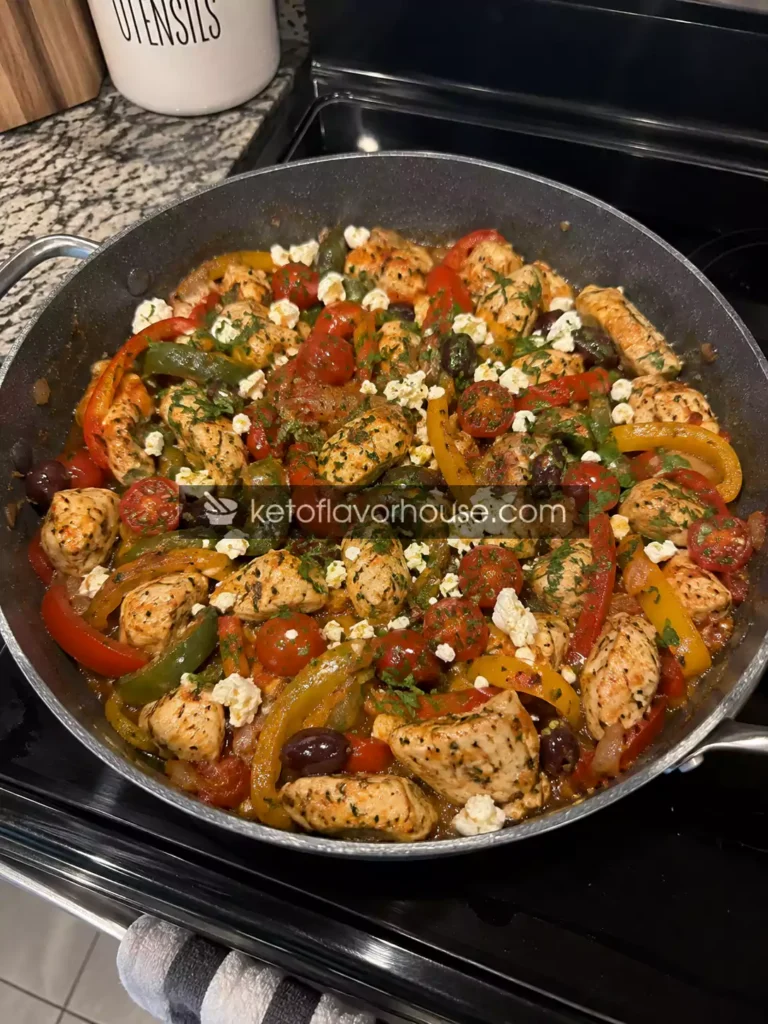
There are nights when I want dinner to feel special without actually requiring a special occasion, and that is exactly where this Mediterranean Chicken and Peppers Skillet comes in. It has the kind of bright, colorful flavors I crave when I want something fresh and comforting at the same time: tender chicken, sweet bell peppers, onions, garlic, juicy tomatoes, briny olives, plenty of herbs, and a finishing squeeze of lemon.
I love skillet dinners because everything happens in one pan. You get those beautifully browned bits from the chicken, the peppers soften just enough without completely losing their texture, and all those little bits of garlic and seasoning mingle together as the dish cooks. By the time the skillet reaches the table, the kitchen smells incredible.
This is a Mediterranean-inspired chicken recipe rather than a claim of one specific traditional regional dish. It takes inspiration from familiar Mediterranean ingredients and cooking principles—olive oil, garlic, lemon, oregano, colorful vegetables, tomatoes, olives, fresh herbs, and feta—and brings them together in an easy weeknight format.
The result is hearty enough for dinner but fresh enough that it never feels overly heavy.
I also appreciate how flexible this recipe is. You can serve the chicken and peppers over rice, couscous, quinoa, or another grain, spoon it alongside a simple salad, or enjoy it with warm bread for soaking up the flavorful pan juices. If you’re keeping the meal lower in carbohydrates, it is just as delicious on its own or alongside roasted vegetables.
Whether you’re cooking for your family on a busy weeknight, preparing lunches for the next couple of days, or putting together a casual Mediterranean-style dinner, this Mediterranean Chicken and Peppers Skillet is the kind of recipe that earns a regular place in the rotation.
Why You’ll Love This Recipe
- 🍋 Bright Mediterranean-inspired flavor: Lemon, garlic, oregano, tomatoes, and fresh herbs give the chicken a lively flavor without relying on heavy sauces.
- 🫒 Simple, wholesome ingredients: Olive oil, chicken, peppers, onions, tomatoes, herbs, and olives create a satisfying meal from everyday ingredients.
- 🌶️ Beautifully colorful: Red, yellow, and green peppers make the skillet look just as good as it tastes.
- 🍗 Tender, flavorful chicken: Browning the chicken first gives it a savory crust and adds extra flavor to the entire skillet.
- 🌿 Fresh herbs make it pop: Parsley added at the end gives the finished dish a fresh, vibrant flavor.
- 🍳 One-pan convenience: The chicken and vegetables cook together in one skillet, which means less cleanup afterward.
- ⏱️ Weeknight friendly: Most of the preparation involves chopping and seasoning, so the actual cooking moves along quickly.
- ❤️ Family-friendly: The flavors are savory and familiar enough for a family dinner while still feeling more interesting than an ordinary chicken-and-vegetable meal.
- 🥗 Easy to serve with: Add grains, salad, roasted vegetables, hummus, or bread depending on what you’re craving.
- ✨ Great for entertaining: The colorful peppers, tomatoes, olives, herbs, and feta make a beautiful skillet for casual gatherings.
My Personal Experience
One of my favorite things about recipes like this is that they often start with a very ordinary refrigerator situation.
You know the one: there is chicken waiting to be cooked, a few bell peppers that need to be used, half an onion sitting in the vegetable drawer, and several ingredients in the pantry that could probably become something good if you put them together.
That’s essentially how this skillet came together for me.
I wanted chicken for dinner, but I didn’t want another plain chicken breast with a side of vegetables. I started slicing peppers and onions, reached for the garlic, and then realized I had everything I needed for a Mediterranean-inspired flavor combination.
The first important discovery was browning the chicken before adding the vegetables.
It is tempting to put everything into the pan at once, especially when you’re trying to get dinner on the table quickly. But giving the chicken a few minutes by itself makes a noticeable difference. The outside gets golden, the seasoning becomes more aromatic, and those browned bits left in the bottom of the skillet become part of the sauce later.
The second discovery was not cooking the peppers into oblivion.
I wanted them soft enough to be tender but still substantial enough that you could actually taste them. Bell peppers have a natural sweetness, and letting them keep a little texture makes the finished dish much more interesting.
Then came the tomatoes, olives, lemon, and herbs.
At that point, it stopped feeling like a collection of ingredients and started tasting like an actual dinner.
Now this is one of those recipes I turn to whenever I want something colorful and flavorful without spending an entire evening in the kitchen. It is also one of those meals where leftovers are almost as exciting as dinner itself.
The flavors have a little time to settle overnight, and the chicken reheats beautifully when done gently.
Required Equipment
Large Skillet
A large, heavy skillet is the main piece of equipment you’ll need. It should be large enough to hold the chicken and vegetables without crowding everything together.
A wide cooking surface is especially helpful because it allows the chicken to brown instead of steaming.
Knife & Cutting Board
You’ll need a sharp knife for cutting the chicken, peppers, onion, garlic, and herbs.
Try to cut the chicken into similarly sized pieces so everything cooks evenly. The vegetables don’t need to be perfectly uniform, but keeping the peppers roughly the same size helps them cook at a similar rate.
Wooden Spoon or Spatula
Use a wooden spoon or spatula to stir the vegetables and scrape the flavorful browned bits from the bottom of the skillet.
Those browned bits are worth keeping—they add depth to the finished dish.
Small Bowl
A small bowl is useful for combining the chicken seasoning before cooking.
You can also mix the oregano, paprika, salt, and pepper directly over the chicken, but having the seasoning ready beforehand makes the cooking process smoother.
Ingredients & Substitutions
Chicken
1½ pounds boneless, skinless chicken breasts, cut into bite-size pieces
Chicken breast works beautifully here because it cooks relatively quickly and absorbs the Mediterranean-inspired seasonings well.
Cut the chicken into pieces about 1 to 1½ inches in size. Pieces that are too small can dry out quickly, while very large pieces may take longer to cook through.
Substitution
Boneless, skinless chicken thighs are an excellent alternative. They are more forgiving if cooked a little longer and provide a richer flavor.
If using thighs, trim away excess fat and cut them into similarly sized pieces.
Extra-Virgin Olive Oil
2 tablespoons extra-virgin olive oil
Olive oil is one of the foundational flavors in this skillet. It helps brown the chicken, softens the vegetables, and carries the garlic and herbs throughout the dish.
Substitution
A neutral cooking oil can be used if necessary, but olive oil gives the recipe a more distinctly Mediterranean-inspired character.
Red Bell Pepper
1 large red bell pepper, sliced
Red peppers bring sweetness, color, and a soft texture as they cook.
Yellow Bell Pepper
1 large yellow bell pepper, sliced
Yellow pepper adds another layer of sweetness and makes the skillet especially colorful.
Substitution
You can use orange or green bell peppers instead. Green peppers have a more pronounced savory flavor and are less sweet than red or yellow peppers.
Green Bell Pepper
1 large green bell pepper, sliced
Green pepper balances the sweeter red and yellow peppers and gives the dish a slightly more savory flavor.
Yellow Onion
1 medium yellow onion, thinly sliced
Onion provides sweetness and aromatic depth.
Red onion can also be used if you prefer a slightly sharper flavor.
Garlic
4 cloves garlic, minced
Four cloves may sound like a lot, but garlic is one of the key flavor-building ingredients in this recipe.
Add it after the peppers and onions have started softening rather than at the beginning. This helps prevent the garlic from burning.
Cherry Tomatoes
1½ cups halved cherry tomatoes
Cherry tomatoes add moisture, acidity, sweetness, and little bursts of freshness throughout the skillet.
You can use grape tomatoes in the same amount.
Kalamata Olives
½ cup pitted Kalamata olives, halved
Olives add a salty, briny contrast to the sweet peppers and tomatoes.
If you prefer a milder olive flavor, use another type of pitted olive.
Dried Oregano
1½ teaspoons dried oregano
Oregano gives the chicken and vegetables a warm herbal character that works beautifully with lemon and garlic.
Dried oregano is particularly useful in skillet cooking because it has a concentrated flavor and can be added early enough to infuse the dish.
Smoked Paprika
1 teaspoon smoked paprika
Smoked paprika adds warmth and a subtle smoky note.
If you prefer a more traditional sweet-pepper flavor rather than smokiness, use regular paprika.
Red Pepper Flakes
¼ teaspoon red pepper flakes
This adds gentle heat rather than making the skillet aggressively spicy.
You can increase it to ½ teaspoon if you enjoy more heat or leave it out completely for a mild version.
Salt
¾ teaspoon fine salt, divided
Salt helps season the chicken and vegetables.
Because Kalamata olives and feta both contribute saltiness, start with the recommended amount and taste before adding more.
Black Pepper
½ teaspoon freshly ground black pepper
Black pepper adds warmth and helps balance the sweetness of the peppers and tomatoes.
Chicken Broth
½ cup low-sodium chicken broth
A small amount of broth helps create flavorful pan juices and gives the tomatoes and vegetables enough moisture to become saucy without turning the skillet into soup.
Substitution
Vegetable broth works well if that’s what you have available.
Fresh Lemon Juice
2 tablespoons fresh lemon juice
Lemon is one of the ingredients that really brings the whole skillet together.
Add most of it near the end rather than cooking it for a long time. This preserves its fresh acidity.
Fresh Parsley
¼ cup chopped fresh parsley
Parsley gives the finished dish a fresh, green finish.
For the best flavor, add it after the skillet has been removed from the heat.
Feta Cheese
½ cup crumbled feta cheese
Feta adds a creamy, salty contrast to the juicy chicken and vegetables.
It is optional, but I highly recommend it if you enjoy feta.
Substitution
Crumbled goat cheese can be used for a softer, tangier finish, although the flavor will be different.
How to Make Mediterranean Chicken and Peppers Skillet
1. Prepare the Chicken
Pat the chicken pieces dry with paper towels.
This small step helps encourage browning because excess moisture on the surface of the chicken can cause steaming instead of searing.
Place the chicken in a bowl and season it with ½ teaspoon salt, ½ teaspoon black pepper, 1 teaspoon dried oregano, and 1 teaspoon smoked paprika.
Toss well so every piece gets coated.
You don’t need a long marinade for this recipe. The seasoning goes directly into the pan and builds flavor as the chicken cooks.
2. Heat the Skillet
Place a large skillet over medium-high heat and add 1 tablespoon of olive oil.
Let the oil heat for a minute or two.
You want the pan hot enough that the chicken begins sizzling as soon as it touches the surface.
Don’t add the chicken to a cold pan.
3. Brown the Chicken
Add the seasoned chicken to the skillet in a single layer.
If the skillet looks crowded, cook the chicken in two batches rather than piling everything together.
Cook for about 3–4 minutes on the first side, then stir and continue cooking for another 3–4 minutes, or until the chicken is golden on the outside and cooked through.
The chicken should reach an internal temperature of 165°F (74°C).
Transfer the cooked chicken to a clean plate.
Don’t worry if it isn’t deeply browned on every surface. The important thing here is getting some good color and leaving those flavorful browned bits in the skillet.
4. Cook the Peppers and Onion
Add the remaining 1 tablespoon olive oil to the same skillet.
Add the sliced red, yellow, and green bell peppers along with the sliced onion.
Sprinkle in the remaining ½ teaspoon oregano, ¼ teaspoon red pepper flakes, and a small pinch of the remaining salt.
Cook for about 5–7 minutes, stirring occasionally.
The peppers should begin to soften while still retaining some texture.
If you notice the vegetables releasing a lot of liquid, keep the heat at medium-high and give them room to cook. Don’t cover the skillet at this stage because trapping steam can make the peppers softer than you want.
5. Add the Garlic
Add the minced garlic and stir it into the peppers and onions.
Cook for about 30–60 seconds, just until fragrant.
This doesn’t take long.
Garlic can go from beautifully aromatic to bitter surprisingly quickly, so don’t walk away at this stage.
6. Add the Tomatoes and Olives
Add the halved cherry tomatoes and Kalamata olives.
Stir everything together and cook for another 2–3 minutes.
The tomatoes should begin to soften and release some of their juices.
You don’t want them completely broken down. A few juicy tomatoes mixed with intact pieces makes the finished skillet much more appealing.
7. Build the Pan Sauce
Pour in the ½ cup chicken broth and scrape the bottom of the skillet with your wooden spoon.
This is where all those browned bits from the chicken become useful.
Stir until the broth combines with the tomato juices, olive oil, herbs, and vegetables.
Bring the mixture to a gentle simmer.
Let it cook uncovered for about 3–4 minutes, allowing some of the liquid to reduce.
You want flavorful pan juices rather than a thin soup.
8. Return the Chicken to the Skillet
Add the cooked chicken back into the skillet.
Stir gently so the chicken becomes coated in the vegetables and pan sauce.
Let everything cook together for another 2–3 minutes.
This short finishing period allows the chicken to absorb some of the flavors without giving it enough time to become dry.
If the skillet looks too dry, add a tablespoon or two of broth. If it looks excessively liquid, let it simmer uncovered for another minute or two.
9. Finish with Lemon
Remove the skillet from the heat.
Add 2 tablespoons fresh lemon juice and stir gently.
Taste the dish.
This is the moment to decide whether it needs another pinch of salt, another squeeze of lemon, or a little more black pepper.
Don’t underestimate this final adjustment. Mediterranean-inspired dishes often come alive when the seasoning has a good balance between savory, salty, herbal, and acidic flavors.
10. Add Fresh Herbs and Feta
Sprinkle the chopped parsley over the skillet.
Then scatter the crumbled feta over the top.
You can either serve it immediately or let the skillet rest for about 2–3 minutes so the flavors settle.
I like leaving some of the feta in larger pieces rather than mixing it completely into the sauce. That way you get little creamy, salty bites throughout the dish.
Common Mistakes to Avoid
Overcrowding the Chicken
Putting too much chicken into the pan at once lowers the temperature and encourages steaming.
Fix: Use a large skillet and cook the chicken in batches if necessary.
Skipping the Drying Step
Wet chicken doesn’t brown as efficiently.
Fix: Pat the chicken dry before seasoning it.
Cooking Garlic Too Early
Garlic cooks much faster than peppers and onions.
Fix: Add it only after the vegetables have started softening.
Overcooking the Peppers
You want tender peppers with some remaining structure.
Fix: Cook them uncovered and avoid simmering them for too long.
Adding Lemon Too Early
Long cooking can dull the bright quality of fresh lemon.
Fix: Add the lemon juice after removing the skillet from the heat.
Oversalting
Olives and feta are naturally salty.
Fix: Season gradually and taste before adding additional salt.
Using Too Much Broth
The goal is a skillet with flavorful pan juices, not a watery stew.
Fix: Start with the listed ½ cup and allow it to reduce uncovered.
Cutting Chicken Pieces Unevenly
Very small pieces can overcook while larger pieces remain underdone.
Fix: Aim for pieces that are roughly the same size.
Pro Tips for Best Results
Get the Pan Hot Before Adding Chicken
A properly heated skillet is essential for browning.
Don’t Constantly Stir the Chicken
Give the chicken a chance to sit against the hot surface. Constant movement prevents good browning.
Use Olive Oil in Layers
Adding some olive oil for the chicken and the remainder for the vegetables allows both stages to cook properly without the pan becoming overly greasy.
Taste at the End
Lemon, salt, pepper, and herbs should be adjusted after the skillet has finished cooking.
Use Fresh Lemon
Bottled lemon juice can work in a pinch, but fresh lemon provides a cleaner finishing flavor.
Add Fresh Herbs Last
Parsley doesn’t need to be cooked for several minutes. Adding it at the end preserves its fresh character.
Don’t Forget the Browned Bits
Scraping the bottom of the skillet when adding broth is one of the easiest ways to build flavor without adding another complicated ingredient.
Let the Skillet Rest Briefly
A couple of minutes off the heat gives the juices a chance to settle into the chicken and vegetables.
Mediterranean Benefits of Chicken
Chicken fits naturally into many Mediterranean-inspired meals because it is a versatile protein that works beautifully with vegetables, olive oil, herbs, citrus, and spices.
In this recipe, chicken provides a hearty centerpiece while the peppers, tomatoes, onion, garlic, olives, and herbs keep the dish colorful and flavorful.
Chicken is also useful from a cooking perspective because it takes on surrounding flavors very well. The oregano and paprika season the exterior, while the lemony vegetable pan juices add another layer of flavor toward the end.
The important thing is that chicken doesn’t need to be complicated to taste good. A hot skillet, proper seasoning, good browning, and a fresh finishing element can turn simple chicken into a satisfying meal.
That’s exactly the approach used here.
Variations You Can Try
🌶️ Spicy Mediterranean
Increase the red pepper flakes to ½–1 teaspoon and add a finely chopped fresh chili with the peppers.
The extra heat works especially well with the sweet bell peppers.
🌿 Extra Herby
Add an additional tablespoon of chopped parsley and finish with a little fresh dill or oregano.
This version is especially fresh and fragrant.
🧄 Garlic-Lover’s Version
Increase the garlic from four cloves to five or six.
For even more garlic flavor, add a small amount of finely grated garlic to the lemon juice before finishing the skillet.
🧀 Cheesy Version
Increase the feta to ¾ cup and scatter it over the skillet just before serving.
You can also place the finished skillet under the broiler briefly if your skillet is oven-safe and you want the feta lightly warmed.
🍋 Lemon-Herb Version
Add the zest of one lemon along with the lemon juice.
The lemon zest provides a stronger citrus aroma without adding much additional acidity.
🥗 Extra Vegetable Version
Add sliced zucchini, mushrooms, or baby spinach.
If using zucchini or mushrooms, cook them with the peppers but give them enough room to brown. If using spinach, stir it in during the final few minutes.
🔥 Grilled Version
Instead of cooking the chicken entirely in the skillet, season it as directed and grill the chicken pieces until cooked through.
Cook the peppers and onions separately in the skillet, then combine everything with the tomatoes, olives, lemon, and herbs.
This gives the dish a stronger grilled flavor.
💨 Air Fryer Chicken Version
You can air fry the seasoned chicken at 400°F (200°C) for approximately 10–14 minutes, depending on the size of the pieces, turning once halfway through.
Meanwhile, prepare the peppers, onions, tomatoes, garlic, olives, and pan sauce in a skillet on the stovetop.
Add the cooked air-fried chicken to the skillet at the end and finish with lemon, parsley, and feta.
This approach works particularly well if you enjoy more browned edges on the chicken.
Tips for This Recipe
Prepare all of your vegetables before turning on the stove.
This recipe moves fairly quickly once the chicken hits the pan, so having the peppers, onions, garlic, tomatoes, and olives ready makes the process much easier.
If you’re preparing this for meal prep, slightly undercook the peppers rather than taking them all the way to very soft. They will continue to soften during reheating.
For the best flavor, don’t be shy with the lemon at the end. The acidity balances the olive oil, chicken, feta, and olives.
If your olives and feta are particularly salty, taste the finished skillet before adding any additional salt.
And if you find that your pan sauce is too thin, simply simmer the skillet uncovered for another minute or two.
Optional Additions
There are plenty of Mediterranean-inspired ingredients that work beautifully with this skillet.
Try adding:
- Fresh parsley
- Fresh dill
- Fresh mint
- Lemon zest
- Crumbled feta
- Kalamata olives
- Roasted red peppers
- Artichoke hearts
- Red pepper flakes
- Toasted pine nuts
- Toasted almonds
- A spoonful of Greek yogurt
- Tzatziki
- Hummus
- Tahini sauce
- Fresh oregano
- Cucumber
- A drizzle of extra-virgin olive oil
If adding nuts, sprinkle them over the dish immediately before serving so they retain their crunch.
Serving Ideas
One of the best things about this Mediterranean Chicken and Peppers Skillet is how many different ways you can serve it.
With Rice
Serve the chicken and vegetables over fluffy white or brown rice.
The rice absorbs the lemony pan juices and makes the dish particularly filling.
With Couscous
Couscous is an easy pairing when you want something quick.
A little chopped parsley and lemon zest stirred into the couscous makes an especially nice match.
With Quinoa
Quinoa gives you another hearty grain option and works well with the vegetables and herbs.
With Warm Flatbread
Warm flatbread is perfect for scooping up the chicken, peppers, tomatoes, and pan juices.
Add hummus or tzatziki on the side for an easy Mediterranean-inspired dinner.
With a Simple Salad
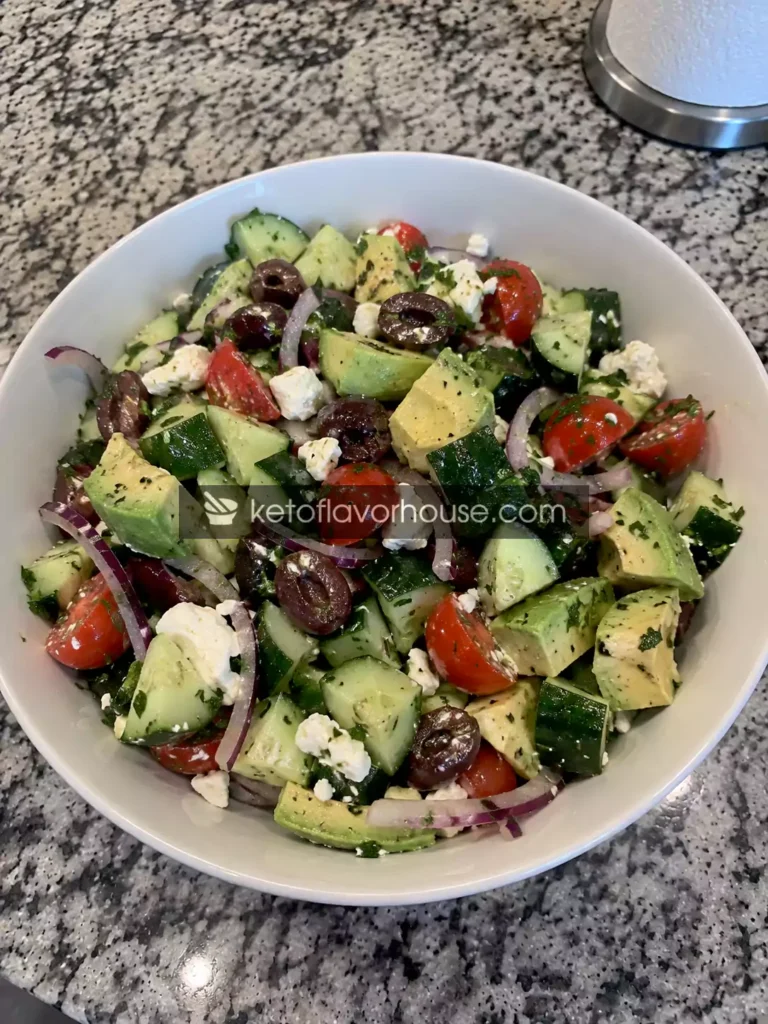
A crisp cucumber and tomato salad provides a refreshing contrast to the warm skillet.
With Roasted Vegetables
Serve alongside roasted zucchini, eggplant, cauliflower, or broccoli.
For a Family Dinner
Place the entire skillet in the center of the table and let everyone serve themselves.
This is one of my favorite ways to serve it because the colorful vegetables and feta make the dish feel generous and inviting.
For Meal Prep
Divide the chicken and vegetables into individual containers and add your preferred grain or vegetable side.
Keep any fresh herbs or extra sauce separate until serving.
For Casual Entertaining
This works beautifully as part of a Mediterranean-inspired spread with hummus, olives, salad, warm bread, and a simple yogurt-based sauce.
Storage Recommendations
Allow leftovers to cool slightly before transferring them to an airtight container.
Store the cooked chicken and vegetables in the refrigerator for up to 3–4 days.
If you’re planning meal prep, you can store the chicken and vegetables together, but keep fresh garnishes such as parsley, feta, or additional lemon separate when possible.
Freezing
The chicken itself freezes reasonably well, but the vegetables may soften after thawing.
If you don’t mind a softer texture, freeze the cooked skillet in an airtight freezer-safe container for up to 2 months.
For the best texture, thaw it overnight in the refrigerator.
Stovetop Reheating
Place the leftovers in a skillet over medium-low heat.
Add a splash of chicken broth or water and cover loosely.
Heat until warmed through, stirring occasionally.
Avoid very high heat because it can dry out the chicken.
Microwave Reheating
Microwave individual portions in short intervals, stirring between each interval.
Adding a teaspoon or two of broth before reheating can help keep the chicken moist.
Air Fryer Reheating
Air frying is possible, but it can dry the chicken if overheated.
If using an air fryer, heat a portion at approximately 350°F (175°C) for several minutes until warmed through.
For this particular dish, I prefer gentle stovetop reheating because it better preserves the juicy vegetables and pan sauce.
Frequently Asked Questions
Can I make Mediterranean Chicken and Peppers Skillet ahead of time?
Yes. You can cook the entire skillet ahead and refrigerate it for up to 3–4 days.
For the freshest flavor, add fresh parsley, feta, and an extra squeeze of lemon after reheating rather than several days before.
The peppers may become slightly softer after reheating, but the overall flavor remains delicious.
Can I use chicken thighs instead of chicken breasts?
Absolutely.
Boneless, skinless chicken thighs are an excellent choice and tend to stay particularly juicy.
Cut them into bite-size pieces and cook until they reach a safe internal temperature of 165°F (74°C).
Can I use different vegetables?
Yes.
Zucchini, mushrooms, spinach, artichoke hearts, roasted red peppers, and eggplant can all work nicely.
Just pay attention to cooking times. Firm vegetables generally need to go into the pan earlier, while delicate greens should be added near the end.
Can I use dried herbs instead of fresh?
Yes.
Dried oregano is already used in the recipe, while fresh parsley is primarily a finishing ingredient.
If you don’t have parsley, you can use a smaller amount of dried parsley, although the finished dish won’t have quite the same fresh flavor.
Can I make this recipe vegetarian?
Yes, with some adjustments.
Replace the chicken with a combination of chickpeas, white beans, mushrooms, zucchini, or another substantial vegetable.
Use vegetable broth instead of chicken broth.
The cooking time will also change because you won’t need to brown and cook chicken first.
Can I grill the chicken instead?
Definitely.
Season the chicken and grill it until cooked through, then prepare the peppers and onions separately in a skillet.
Combine the grilled chicken with the cooked vegetables, tomatoes, olives, lemon, herbs, and feta just before serving.
The grilled chicken adds a lovely smoky contrast.
Can I make this in an air fryer?
You can air fry the chicken separately while preparing the vegetables on the stovetop.
Air fry bite-size seasoned chicken pieces at approximately 400°F (200°C) until they reach 165°F (74°C) internally, then add them to the finished skillet.
I wouldn’t recommend putting the entire saucy skillet into an air fryer.
How do I keep the peppers from becoming soggy?
Don’t cover the skillet while cooking the peppers, and avoid adding excessive liquid.
Cook them over medium to medium-high heat until tender but still slightly crisp.
Adding the broth later also gives you better control over the final texture.
What cheese can I use instead of feta?
Goat cheese is a good alternative.
You can also leave the cheese out entirely if you prefer. The chicken, vegetables, olives, lemon, and herbs provide plenty of flavor on their own.
Can I make this spicy?
Yes.
Increase the red pepper flakes or add a finely chopped fresh chili with the peppers.
You can also finish the dish with a small drizzle of spicy olive oil.
What sauce goes best with this skillet?
Tzatziki is an excellent choice if you want something cool and creamy.
Hummus also pairs beautifully, while a simple tahini-lemon sauce gives the dish a nuttier, richer finish.
Nutritional Breakdown (Per Serving)
The following nutrition is an estimate based on 6 servings and can vary depending on the specific ingredients and brands used.
- Calories: 385 kcal
- Protein: 42 g
- Fat: 19 g
- Total Carbohydrates: 13 g
- Fiber: 3 g
- Net Carbohydrates: 10 g
- Sugar: 7 g
- Sodium: 780 mg
The sodium can vary considerably depending on the feta, olives, chicken broth, and amount of added salt used.
Recipe Snapshot
Prep Time: 15 minutes
Cook Time: 25 minutes
Total Time: 40 minutes
Course: Main Course
Cuisine: Mediterranean-Inspired
Servings: 6
Calories: 385 kcal per serving
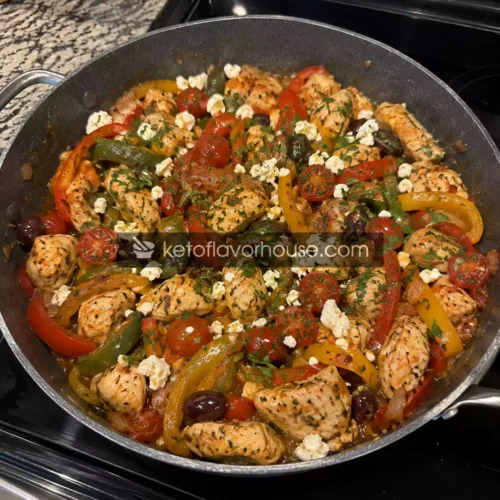
Mediterranean Chicken and Peppers Skillet Recipe

Ingredients
- 1½ pounds boneless skinless chicken breasts, cut into bite-size pieces
- 2 tablespoons extra-virgin olive oil divided
- 1 large red bell pepper sliced
- 1 large yellow bell pepper sliced
- 1 large green bell pepper sliced
- 1 medium yellow onion thinly sliced
- 4 cloves garlic minced
- 1½ cups cherry tomatoes halved
- ½ cup pitted Kalamata olives halved
- 1½ teaspoons dried oregano divided
- 1 teaspoon smoked paprika
- ¼ teaspoon red pepper flakes
- ¾ teaspoon fine salt divided
- ½ teaspoon freshly ground black pepper
- ½ cup low-sodium chicken broth
- 2 tablespoons fresh lemon juice
- ¼ cup fresh parsley chopped
- ½ cup crumbled feta cheese
Instructions
- Pat the chicken dry with paper towels and place it in a bowl. Season with ½ teaspoon salt, ½ teaspoon black pepper, 1 teaspoon oregano, and 1 teaspoon smoked paprika, tossing until evenly coated.
- Heat a large skillet over medium-high heat and add 1 tablespoon olive oil. Once hot, add the chicken in a single layer, working in batches if necessary to prevent overcrowding.
- Cook the chicken for 3–4 minutes, then stir and continue cooking for another 3–4 minutes, until browned and cooked through to 165°F (74°C). Transfer the chicken to a clean plate.
- Add the remaining 1 tablespoon olive oil to the same skillet. Add the red, yellow, and green bell peppers and sliced onion. Season with the remaining ½ teaspoon oregano, red pepper flakes, and remaining salt.
- Cook the peppers and onion for 5–7 minutes, stirring occasionally, until softened but still slightly crisp. Keep the skillet uncovered to prevent the vegetables from becoming overly soft.
- Add the minced garlic and cook for 30–60 seconds, stirring constantly, until fragrant.
- Add the halved cherry tomatoes and Kalamata olives. Stir and cook for 2–3 minutes, allowing the tomatoes to soften and release some of their juices.
- Pour in the chicken broth and scrape the bottom of the skillet with a wooden spoon to loosen the browned bits. Simmer uncovered for 3–4 minutes, allowing the liquid to reduce slightly.
- Return the cooked chicken to the skillet and stir gently to coat it with the vegetables and pan juices. Cook for another 2–3 minutes until everything is hot and well combined.
- Remove the skillet from the heat and stir in the fresh lemon juice. Taste and adjust the salt, pepper, or lemon juice if needed.
- Sprinkle the chopped fresh parsley over the chicken and vegetables, then scatter the crumbled feta cheese over the top.
- Let the skillet rest for 2–3 minutes, then serve warm with your preferred Mediterranean-inspired sides.