This post may contains Amazon affiliate and other affiliate links. If you make a purchase through these links, I may earn a small commission at no extra cost to you. Your support helps me continue to provide quality content. I only recommend products I personally trust and believe will add value to your experience. For more details, please visit my Privacy Policy.
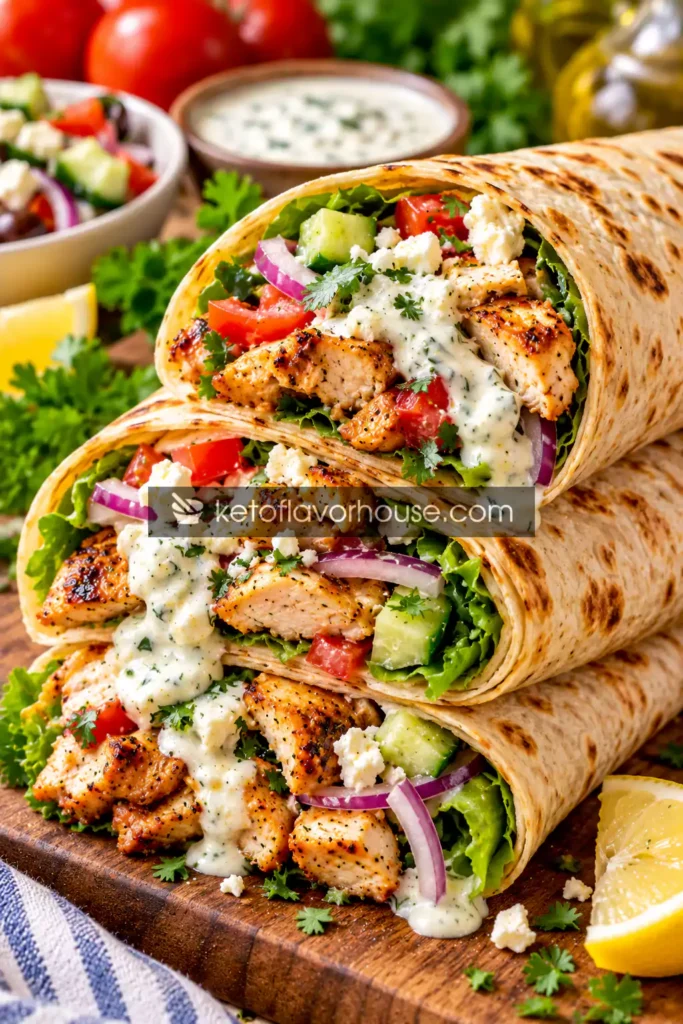
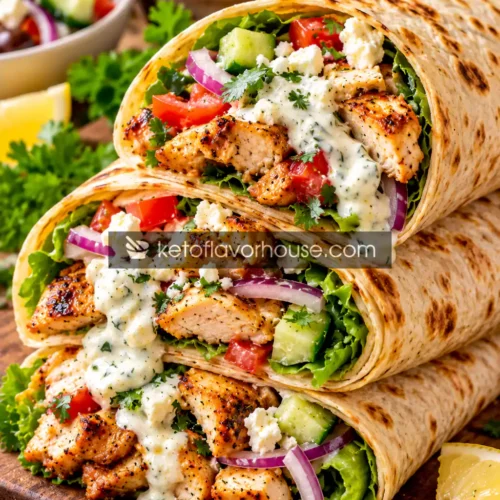
These Mediterranean Chicken Wraps with Creamy Cheese Sauce bring together juicy lemon-garlic chicken, crisp vegetables, warm tortillas, and a rich, tangy cheese sauce for a colorful meal that feels both comforting and fresh. The chicken is seasoned with extra-virgin olive oil, garlic, oregano, paprika, and lemon, while the sauce combines cream cheese, feta, and Greek yogurt for a smooth, savory finish. Each wrap has a satisfying contrast of tender chicken, crunchy vegetables, and creamy sauce.
The inspiration for this Mediterranean-inspired recipe is the kind of meal that makes everyday cooking feel a little more special without requiring hours in the kitchen. You get the bright flavors associated with Mediterranean-style cooking, the convenience of a handheld wrap, and a creamy sauce that makes simple chicken and vegetables feel more complete. Instead of relying on heavy bottled dressings, the recipe uses lemon, fresh herbs, olive oil, and a homemade cheese sauce that you can adjust to your taste.
These wraps are useful for busy lunches, relaxed weeknight dinners, and meal prep when you want something that can be assembled in minutes. They are not a traditional regional Mediterranean dish, but they borrow familiar ingredients and flavor combinations from Mediterranean-inspired cooking. The recipe uses regular whole-wheat tortillas, so it is not automatically keto or low-carb. You can adapt the tortilla choice to your dietary preferences while keeping the chicken, vegetables, and sauce as the central flavors.
Why You’ll Love This Recipe
- 🍋 Bright lemon-garlic flavor: Lemon juice, garlic, and oregano make the chicken savory and fresh without needing a complicated marinade.
- 🫒 Mediterranean-inspired ingredients: Extra-virgin olive oil, vegetables, herbs, and feta bring familiar Mediterranean-style flavors to the table.
- 🧀 Creamy homemade cheese sauce: Cream cheese and feta create a rich, tangy sauce, while Greek yogurt adds a lighter, pleasantly tart note.
- 🥗 A satisfying mix of textures: Juicy chicken, crisp cucumber, tomatoes, and fresh greens balance the creamy sauce.
- ⏱️ Practical for busy days: The chicken cooks in a skillet, and the sauce can be prepared while the meat rests.
- 🥙 Easy to customize: Adjust the herbs, vegetables, cheese, or tortilla choice to suit your household.
- 🍱 Useful for meal prep: Cook the chicken and make the sauce ahead, then assemble the wraps shortly before eating to keep the vegetables crisp.
What makes these wraps particularly appealing is the balance between richness and freshness. The cheese sauce brings the creamy quality you want in a comforting wrap, but lemon, garlic, and herbs prevent the flavors from feeling flat. The vegetables add crunch and freshness, while the seasoned chicken makes the meal substantial enough for lunch or dinner.
My Personal Recipe Notes
When planning a wrap like this, I think about the contrast between the cooked filling and the fresh ingredients. Chicken seasoned with oregano, paprika, garlic, and lemon delivers a warm, savory flavor. Cucumber, tomato, and red onion contribute coolness and crunch, while a creamy feta sauce ties everything together. Keeping those components distinct helps the final wrap taste fresh rather than overly rich.
The cheese sauce deserves particular attention. Feta has a naturally salty, tangy flavor, and cream cheese gives it a smooth base. Greek yogurt softens the richness and makes the sauce taste brighter. The trick is to warm the sauce gently, not boil it, because yogurt-based sauces can become grainy or separate under excessive heat. Adding milk a little at a time lets you control whether the sauce is thick enough to spread or thin enough to drizzle.
For the best texture, I would assemble the wraps close to serving time. Warm tortillas are easier to fold, freshly cut vegetables remain crisp, and the sauce stays creamy when it is added just before rolling. If you are preparing lunches in advance, store the chicken, sauce, and vegetables separately and bring them together when you are ready to eat.
Required Equipment
Large Skillet
A wide skillet gives the chicken enough room to brown instead of steaming in its own moisture. If necessary, cook the chicken in batches rather than crowding the pan. A heavy skillet also holds heat well, helping the chicken develop golden edges.
Cutting Board and Sharp Knife
Use a sturdy cutting board for trimming and slicing the chicken, then wash it and the knife thoroughly before preparing the vegetables. For easier wrap assembly, cut the cooked chicken into thin strips across the grain and slice the cucumber, tomato, and red onion into manageable pieces.
Mixing Bowl
A medium bowl is useful for combining the marinade ingredients and coating the chicken evenly. A separate bowl helps keep the vegetables ready for assembly without mixing them with raw chicken.
Small Saucepan
A small saucepan allows you to warm the creamy cheese sauce gently. Use low heat and stir frequently. The sauce should become smooth and warm, not bubble vigorously.
Whisk or Immersion Blender
A whisk works if the cream cheese is very soft and the feta is finely crumbled. An immersion blender or small food processor produces a smoother sauce, especially if you prefer fewer feta crumbles. Avoid blending the sauce while it is extremely hot.
Measuring Cups and Spoons
Consistent measurements help maintain the balance of lemon, salt, cheese, and liquid. Measuring the milk also makes it easier to control the sauce’s final consistency.
Tongs and Spatula
Tongs help turn the chicken strips without tearing them, while a spatula is useful for stirring the sauce and spreading it over the tortilla.
Optional Air Fryer
An air fryer can cook the chicken with little added oil and produce browned edges. It is useful when you do not want to stand over a skillet, although cooking time depends on the thickness of the chicken and the appliance.
Ingredients & Substitutions
This recipe makes 4 wraps. The ingredient quantities are designed to provide enough chicken, vegetables, and cheese sauce for four generously filled tortillas.
For the Mediterranean Chicken
- 1¼ pounds (about 565 g) boneless, skinless chicken breast
- 1 tablespoon extra-virgin olive oil
- 2 tablespoons fresh lemon juice
- 3 garlic cloves, minced
- 1 teaspoon dried oregano
- 1 teaspoon paprika
- ½ teaspoon ground cumin
- ½ teaspoon black pepper
- ½ teaspoon salt, or to taste
Chicken breast: Chicken breast is lean, relatively quick to cook, and easy to slice into wrap-friendly strips. Chicken thighs can be substituted for a juicier result, but they generally contain more fat and may require a little longer to cook.
Extra-virgin olive oil: Olive oil helps distribute the seasoning and contributes a fruity, savory note. Avocado oil is a practical alternative if needed, although it has a different flavor profile.
Lemon juice: Lemon adds acidity and brightens the chicken. Fresh lemon juice is ideal, but bottled lemon juice can be used in a pinch. Red wine vinegar provides acidity too, although it produces a sharper flavor.
Garlic: Fresh minced garlic creates a more pronounced aroma than garlic powder. If using garlic powder, start with about ¾ teaspoon instead of the three cloves.
Dried oregano: Oregano gives the chicken its Mediterranean-inspired herbal character. You can substitute 1 tablespoon of chopped fresh oregano, but fresh herbs vary in potency and should be adjusted to taste.
Paprika and cumin: Paprika contributes warmth and color, while cumin gives the chicken an earthy note. Cumin is not essential to every Mediterranean-style seasoning blend, but the modest amount here pairs well with the other ingredients.
Salt and black pepper: These bring the flavor into balance. Feta and the cheese sauce will contribute additional salt, so avoid oversalting the chicken before tasting the finished wrap.
For the Creamy Cheese Sauce
- 4 ounces (113 g) cream cheese, softened
- ½ cup (about 75 g) crumbled feta cheese
- ⅓ cup (80 g) plain Greek yogurt
- ¼ cup (60 ml) milk, plus more as needed
- 1 tablespoon fresh lemon juice
- 1 tablespoon chopped fresh parsley or dill
- Black pepper, to taste
Cream cheese: This forms the smooth, rich base. Softened cream cheese is easier to blend and less likely to leave lumps. Reduced-fat cream cheese can be used, although the sauce may be less rich and its moisture content may differ.
Feta cheese: Feta contributes a salty, tangy flavor that works naturally with lemon, herbs, and chicken. If feta is too salty for your preference, reduce it slightly and add a little more cream cheese. The sauce will be milder and less distinctly tangy.
Plain Greek yogurt: Yogurt adds acidity and helps balance the richness of the dairy. Choose unsweetened plain yogurt. A full-fat version creates a richer sauce, while nonfat yogurt produces a lighter result and may behave differently when heated.
Milk: Milk loosens the mixture into a sauce. Start with the listed amount and add more a tablespoon at a time if you want a thinner consistency. Unsweetened milk alternatives can work, but their flavor and texture will vary.
Lemon juice and herbs: Lemon brings freshness, and parsley or dill adds a final herbal note. Dill pairs especially well with feta and cucumber, while parsley offers a milder, greener flavor.
For the Wraps and Vegetables
- 4 medium whole-wheat tortillas, about 8 inches each
- 1 medium cucumber, thinly sliced or diced
- 1 medium tomato, diced
- ¼ small red onion, thinly sliced
- 2 cups fresh baby spinach or chopped romaine lettuce
Whole-wheat tortillas: These provide a flexible wrapper and a mild, nutty flavor. You can use regular flour tortillas or another wrap of similar size. For a lower-carbohydrate version, choose a tortilla whose nutrition label fits your dietary needs; not all products labeled “low-carb” have the same carbohydrate or fiber content.
Cucumber: Cucumber adds crispness and a cool contrast to the warm chicken. Pat it dry after washing and slicing to reduce excess moisture inside the wrap.
Tomato: Tomato contributes juiciness and acidity. Remove excess seeds and watery pulp if the tomato is especially ripe, particularly when preparing wraps in advance.
Red onion: Onion adds a slightly sharp bite that contrasts with the creamy sauce. If you prefer a milder flavor, soak the sliced onion in cold water for 5–10 minutes, then drain and pat dry.
Spinach or romaine: Spinach provides a tender leafy layer, while romaine delivers more crunch. Either is suitable; use the one that fits your preferred texture.
The ingredient combination works because every element has a clear role: the seasoned chicken is warm and savory, the sauce is creamy and tangy, and the vegetables provide freshness and crunch.
How to Make Mediterranean Chicken Wraps with Creamy Cheese Sauce
The recipe comes together in three main stages: season and cook the chicken, prepare the cheese sauce, and assemble the wraps. You can complete the sauce while the chicken rests, which helps keep the overall cooking time manageable.
Step 1: Prepare the chicken
Pat the chicken breast dry with paper towels and trim away any visible excess fat. Slice it into strips of roughly similar thickness so the pieces cook evenly.
In a mixing bowl, combine the olive oil, lemon juice, minced garlic, oregano, paprika, cumin, black pepper, and salt. Add the chicken strips and toss until each piece is coated.
Let the chicken sit for about 10–15 minutes while you prepare the other ingredients, or refrigerate it for a longer marination period if convenient. Because the marinade contains lemon juice, avoid leaving the chicken in it for an excessively long time; prolonged exposure to acid can affect the meat’s texture.
Step 2: Prepare the vegetables
Wash and dry the cucumber, tomato, spinach or romaine, and parsley or dill. Slice the cucumber, dice the tomato, and thinly slice the red onion.
For the best wrap texture, remove excess moisture from the vegetables. If the tomato is especially juicy, scoop out some of the watery seeds. Pat the cucumber dry and keep the greens dry after washing.
Arrange the vegetables on a plate or in separate bowls so they are easy to reach when the chicken is ready. Keeping the vegetables separate until assembly helps them retain their texture.
Step 3: Cook the chicken in a skillet
Heat a large skillet over medium-high heat. Add the marinated chicken in a single layer, allowing excess marinade to remain in the bowl rather than pouring all of it into the pan.
Cook for approximately 5–7 minutes per side, depending on the thickness of the strips, turning as needed. Avoid moving the chicken constantly; allowing it to sit against the hot pan helps develop light browning.
The chicken is ready when it reaches an internal temperature of 165°F (74°C) at the thickest point. A food thermometer is the most reliable way to check doneness. If your skillet is too small to hold the chicken without crowding, cook it in two batches.
Transfer the cooked chicken to a clean plate and let it rest for about 3–5 minutes. Resting helps the juices settle before the meat is sliced or placed into the wraps.
Step 4: Make the creamy cheese sauce
Place the softened cream cheese, crumbled feta, Greek yogurt, lemon juice, and milk in a small bowl. Whisk or blend until the mixture is smooth. Stir in the chopped parsley or dill and a little black pepper.
Transfer the mixture to a small saucepan and warm it over low heat, stirring frequently. Do not let the sauce boil. The goal is a warm, creamy sauce with a consistency that can be drizzled over the chicken.
If it is too thick, add milk one tablespoon at a time. If it tastes too salty, stir in a small spoonful of additional plain Greek yogurt or cream cheese. If it feels too tangy, a little more cream cheese can soften the sharpness.
You can also serve the sauce at room temperature instead of warming it. This is convenient when you want to prepare everything ahead, and it keeps the yogurt from being exposed to additional heat.
Step 5: Warm the tortillas
Warm the tortillas in a dry skillet for about 15–30 seconds per side, or follow the package directions. They should become pliable without turning crisp.
You can also wrap a small stack in a lightly damp paper towel and microwave briefly, checking after 15–20 seconds. Avoid overheating them, because very hot tortillas may become too soft to handle or begin drying out at the edges.
Keep warmed tortillas covered with a clean kitchen towel while you assemble the wraps. This helps prevent them from becoming stiff.
Step 6: Assemble the wraps
Lay a warm tortilla on a clean surface. Add a small handful of spinach or romaine, followed by a quarter of the cooked chicken. Add cucumber, tomato, and red onion, then drizzle over the creamy cheese sauce.
Keep the filling concentrated in the middle of the tortilla and leave enough space at the edges to fold it securely. Adding too much filling makes the wrap difficult to close and can cause sauce to escape when you take a bite.
Repeat with the remaining tortillas and ingredients. If you prefer a toasted wrap, fold in the sides, roll it tightly, and place it seam-side down in a dry skillet over medium heat for about 1–2 minutes per side.
Step 7: Finish and serve
Cut each wrap in half at a slight angle, if desired, and serve while the chicken is warm. Add a little extra chopped parsley, dill, or lemon zest for a fresh finish.
If you are packing the wraps for later, store the cheese sauce and watery vegetables separately where possible. Assemble shortly before eating to prevent the tortillas from becoming soggy.
Common Mistakes to Avoid
Even a straightforward chicken wrap can lose its texture if the ingredients are too wet or the sauce is heated too aggressively.
Overcrowding the skillet: If too many chicken strips are packed into the pan, they release moisture and steam instead of browning. Cook in batches and keep the pieces in a single layer.
Overcooking the chicken: Thin strips cook quickly and can dry out if left in the pan for too long. Check early and use a thermometer to confirm 165°F (74°C).
Making the cheese sauce too hot: A yogurt-based sauce can become grainy or separate when boiled. Warm it over low heat and stir frequently. If you only need a cool sauce, you can skip heating altogether.
Adding too much milk: Excess milk creates a runny sauce that slips out of the wrap. Add it a tablespoon at a time until the sauce is easy to drizzle but still coats the back of a spoon.
Using wet vegetables: Excess moisture from cucumber and tomato can soak the tortillas. Dry the vegetables well, remove watery tomato seeds if necessary, and assemble close to serving time.
Overfilling the tortilla: Too much chicken or sauce makes rolling difficult. Use the same approximate amount of filling for each wrap, keeping it in the center and leaving clear edges for folding.
Adding too much salt too soon: Feta is naturally salty, and tortilla brands differ in sodium content. Season the chicken, taste the sauce, and adjust the final wrap rather than adding extra salt to every component automatically.
Pro Tips for the Best Results
Cut the chicken evenly. Similar-sized strips are easier to cook consistently. Very thin pieces can become dry before thicker pieces finish, so separate unusually small strips and check them first.
Use lemon in stages. Lemon juice in the marinade gives the chicken brightness, while a small splash in the sauce keeps the feta from tasting overly rich. Add the sauce’s lemon gradually and taste as you go.
Let the pan heat before adding the chicken. A properly heated skillet helps produce browned surfaces. If the chicken releases liquid immediately and remains pale, the pan may have been too cool or crowded.
Make the sauce while the chicken rests. This efficient timing keeps the chicken from sitting too long in the pan and allows you to finish the sauce without rushing. If the sauce cools too much before serving, rewarm it gently.
Keep the herbs fresh. Dried oregano works well in the marinade because it has time to release its flavor while cooking. Fresh parsley or dill is better added to the cheese sauce near the end, where its aroma remains noticeable.
Use a balanced amount of sauce. A generous drizzle brings the wrap together, but coating every vegetable heavily can make the tortilla difficult to fold. Serve extra sauce on the side so each person can add more at the table.
Toast the finished wrap if you enjoy a little crunch. A brief finish in a dry skillet gives the tortilla a lightly crisp surface and helps seal the fold. Do not toast it for too long, especially if the wrap already contains plenty of sauce.
Use an air fryer when you prefer hands-off cooking. Arrange the seasoned chicken strips in a single layer in the basket and air-fry at around 375°F (190°C), checking after 8–10 minutes and turning as needed. Thin strips may cook quickly, while thick pieces need longer. Confirm that the thickest piece reaches 165°F (74°C). Avoid overcrowding the basket.
Mediterranean Benefits of Chicken
Chicken fits naturally into Mediterranean-inspired home cooking because it takes on the flavor of herbs, garlic, lemon, vegetables, and olive oil without requiring a heavy sauce to make it appealing.
Protein and meal structure: Chicken supplies protein, which contributes to the meal’s overall nutritional value and helps make a wrap more substantial. The amount per serving depends on the cut, raw weight, and final portion size.
A versatile flavor base: Chicken breast has a mild taste, so it pairs well with oregano, paprika, garlic, lemon, and fresh herbs. Those ingredients can create layers of flavor without requiring a large quantity of salt.
A place for olive oil: Extra-virgin olive oil contributes predominantly unsaturated fat and helps the seasoning coat the chicken. Using a measured amount allows it to provide flavor without adding more than intended.
A balance of vegetables and dairy: Cucumber, tomato, and leafy greens bring fresh flavors and crunch. Feta and cream cheese make the sauce rich, while Greek yogurt contributes tanginess and protein. The finished recipe is a modern Mediterranean-inspired combination rather than a traditional regional dish.
There is no need to treat any single ingredient as a health remedy. What matters is how the overall meal fits your needs, including portion size, the amount of sauce, your tortilla choice, and what you serve alongside it.
Variations You Can Try
The basic recipe is flexible enough to suit different tastes. Keep the chicken seasoning as your foundation, then change the sauce, vegetables, or finishing ingredients to create a new version.
Spicy Mediterranean Chicken Wraps
Add ¼ teaspoon of red pepper flakes to the chicken marinade or use a little harissa-style seasoning if you enjoy a deeper, warming heat. Start with a small amount because spice blends vary in intensity. The chicken will taste more robust, while the feta sauce provides a cool, tangy contrast.
If you use a prepared harissa paste, check its salt and oil content and adjust the marinade accordingly. A wetter paste can also affect browning, so avoid using more than necessary.
Extra-Herby Chicken Wraps
Increase the fresh parsley or add chopped mint or dill to the cheese sauce. Parsley gives a green, fresh finish, dill pairs naturally with cucumber and feta, and mint makes the sauce taste particularly bright.
Fresh herbs are best added after the sauce has been mixed. Heating them for too long can reduce their fresh aroma. If you only have dried herbs, use less because dried varieties are more concentrated by volume.
Garlic-Lover’s Version
Add one extra minced garlic clove to the chicken marinade or a small pinch of garlic powder to the sauce. For a softer garlic flavor, briefly cook the garlic in a teaspoon of olive oil before adding it to the cheese sauce mixture. Raw garlic can taste sharp, so begin with a modest quantity.
Extra-Cheesy Wraps
Add a small sprinkle of shredded mozzarella to the chicken before rolling, or increase the feta in the sauce slightly. Mozzarella offers a mild, stretchy texture, while additional feta gives a saltier, more pronounced flavor.
Keep in mind that additional cheese increases calories, fat, protein, and sodium. If you change the quantity, update the nutritional estimate rather than treating it as unchanged.
Lemon-Herb Chicken Wraps
Add a little lemon zest to the marinade and finish the cooked chicken with a small squeeze of lemon. This version tastes brighter and pairs especially well with dill in the sauce.
Avoid adding large amounts of lemon juice to the marinade for a long time, as too much acid can change the texture of the chicken. A small amount of zest gives citrus aroma without adding extra liquid.
Extra-Vegetable Wraps
Add thinly sliced roasted red peppers, baby spinach, or a few strips of lightly cooked zucchini. Roasted peppers provide sweetness, spinach adds a tender leafy texture, and zucchini brings a mild flavor.
Cook vegetables that release a lot of water before adding them to the wrap. This keeps the tortilla from becoming soggy and prevents excess liquid from diluting the cheese sauce.
Grilled Mediterranean Chicken Wraps
Cook the marinated chicken on a grill or grill pan rather than in a skillet. The chicken will gain charred edges and a slightly smoky flavor. Make sure the strips are large enough to handle without falling through the grill grates, and verify that they reach 165°F (74°C).
Air Fryer Chicken Wraps
Air-frying the chicken is a convenient alternative when you don’t want to cook it in a skillet. Spread the strips in a single layer, cook at around 375°F (190°C), and check them early because thin chicken pieces can finish quickly. You can also briefly air-fry fully assembled wraps for a toasted exterior, but use a moderate temperature and check the tortillas often so they do not dry out.
Tips for This Recipe
The small details that make these wraps easier to prepare are mostly about keeping the components at their best.
Prepare the sauce before assembling. This gives you time to adjust its consistency and seasoning before it goes into the wrap. If you wait until everything is already on the tortilla, it becomes harder to fix a sauce that is too thick or too salty.
Slice vegetables to fit the wrap. Long, thick pieces of cucumber can make the wrap difficult to bite through. Thin slices or small sticks distribute more evenly and help the tortilla fold without tearing.
Keep a little sauce for serving. Instead of using all the sauce inside the wraps, reserve a few spoonfuls for drizzling or dipping. This gives the meal a fresh, creamy finish and helps prevent the tortilla from soaking up too much moisture.
Cut the chicken across the grain. Once cooked and rested, slice any larger pieces against the direction of the meat fibers. Shorter fibers make the chicken easier to bite through inside a tortilla.
Do not overheat the cheese sauce. If the sauce thickens while standing, stir in a small amount of milk. Gentle reheating works better than boiling it again.
Adjust the tortilla choice to your needs. Whole-wheat tortillas provide a nutty flavor and may contribute more fiber than some refined-flour options, but nutrition varies by brand. For a lower-carb version, calculate the ingredients using the exact tortilla you plan to use.
Optional Additions
You can add a few extra ingredients to personalize the wraps, but choose additions that complement the chicken, feta, and lemon rather than crowding out their flavors.
- Kalamata olives: Slice a few olives and add them with the vegetables for a briny, savory note. Olives contribute sodium and fat, so a small quantity is often enough.
- Roasted red peppers: These add color, sweetness, and a soft texture. Drain or pat them dry before adding them to avoid excess moisture.
- Baby spinach: Add a small handful for extra leafy greens. Fresh spinach works especially well with warm chicken and creamy sauce.
- Fresh dill: Stir it into the cheese sauce for a bright, herbaceous flavor that pairs naturally with feta and cucumber.
- Lemon zest: A little zest adds citrus aroma without making the sauce more liquid.
- Red pepper flakes: Sprinkle a pinch over the chicken for more heat. Start small and adjust after tasting.
- Diced avocado: This adds a creamy texture and predominantly unsaturated fat, although it changes the calories and overall nutrition.
- A spoonful of hummus: Hummus offers a different, chickpea-based creamy layer. If using it, reduce the amount of cheese sauce so the wrap doesn’t become too full.
- Extra-virgin olive oil: A small drizzle just before serving adds fruity flavor. Remember that even a small amount contributes calories, so use it according to your preferences.
You do not need all these extras. A combination of one briny ingredient, one fresh herb, or an extra vegetable is often enough to make the wraps feel different without complicating preparation.
Serving Ideas
These wraps can be served as a complete meal or as part of a Mediterranean-inspired spread.
With a Greek-style salad
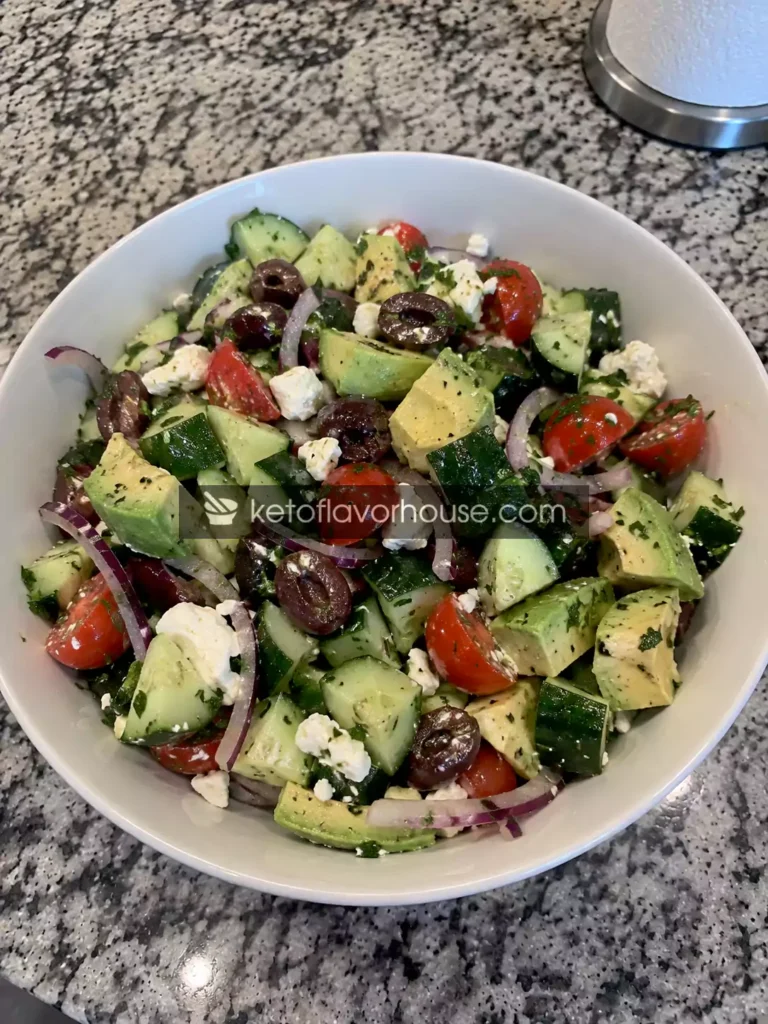
Pair the wraps with cucumber, tomatoes, red onion, olives, and a little feta dressed with lemon juice and olive oil. The salad echoes the flavors in the filling while adding fresh crunch. If the wrap already contains a generous amount of feta sauce, use a lighter hand with the cheese in the salad.
With roasted vegetables
Serve alongside roasted zucchini, eggplant, or bell peppers. Toss the vegetables with a measured amount of olive oil, garlic, and oregano before roasting. Their tender texture complements the crisp vegetables inside the wrap.
With lemony couscous or quinoa
For a more substantial dinner, serve the wrap with a modest side of couscous or quinoa tossed with parsley, lemon, and olive oil. These grains contribute carbohydrates, so adjust the side portion to suit your meal preferences.
With a simple soup
A bowl of tomato and vegetable soup works nicely for a cozy lunch. Choose a soup with a flavor that complements lemon and herbs instead of one that is overly creamy or heavily seasoned.
With cucumber and yogurt dip
Serve extra cucumber sticks with a small bowl of plain Greek yogurt seasoned with dill, lemon, and black pepper. This adds a cool, tangy side that balances the warm chicken and cheese sauce.
For meal prep
Pack the cooked chicken, vegetables, tortillas, and sauce separately. Assemble the wrap when you are ready to eat, or warm the chicken and tortilla and add the cool vegetables and sauce afterward. This arrangement helps preserve the texture and prevents the tortilla from becoming soggy during storage.
Storage Recommendations
These wraps are easiest to store when the components are kept separate. Cooked chicken, raw vegetables, and dairy-based sauce have different texture needs, so storing them individually generally gives the best result.
Refrigerating the chicken
Allow cooked chicken to cool slightly, then place it in a shallow airtight container and refrigerate within two hours of cooking. Use refrigerated cooked chicken within 3–4 days, keeping the refrigerator at 40°F (4°C) or below.
Store the chicken without the raw vegetables or cheese sauce. This makes it easier to reheat the chicken without warming the cucumber, tomato, and leafy greens.
Storing the cheese sauce
Transfer the sauce to a clean, airtight container and refrigerate it promptly. For best quality, use it within about 3–4 days, and stir before serving. The sauce may thicken in the refrigerator; add a little milk and mix until it reaches your preferred consistency.
If reheating, warm gently over low heat and stir frequently. Avoid bringing it to a boil, because the yogurt and cheese may separate. You can also serve it chilled or at room temperature if you prefer it as a spread.
Storing the vegetables and tortillas
Keep the washed and dried vegetables in a separate container lined with a clean paper towel if needed to absorb moisture. Store tortillas according to their package directions, sealing the package well so they stay flexible.
If you assemble a wrap before storing it, the vegetables may release liquid into the tortilla and soften it. For the best texture, keep components separate and assemble shortly before eating.
Freezing the chicken
Cooked chicken freezes well when wrapped or stored in an airtight freezer-safe container. For best quality, use frozen chicken within about 2–3 months. Thaw it in the refrigerator before reheating.
The cheese sauce is not ideal for freezing because the dairy mixture may separate or become grainy after thawing. Fresh vegetables should not be frozen for use in these wraps, as cucumber and tomato lose their crisp texture.
Reheating assembled wraps
If you have already assembled a wrap, the best reheating method is a dry skillet over medium-low heat for a short period, turning carefully so the tortilla warms without becoming brittle. However, the vegetables and yogurt-based sauce are better added after reheating. If the wrap contains cold sauce and fresh vegetables, separate them first where possible.
Make-ahead preparation
You can season and refrigerate the raw chicken in its marinade for a short period before cooking, or prepare the cooked chicken and sauce in advance. Keep raw chicken separate from ready-to-eat ingredients and use clean utensils during assembly. For the freshest texture, warm the tortilla and chicken just before serving, then add the vegetables and creamy sauce.
Frequently Asked Questions
Can I make these Mediterranean Chicken Wraps ahead of time?
Yes. The chicken and creamy cheese sauce can be prepared in advance, and the vegetables can be washed and chopped ahead of assembly. Refrigerate the components separately and assemble the wraps shortly before serving. This helps the tortillas remain flexible and prevents moisture from the vegetables and sauce from making them soggy.
Can I use chicken thighs instead of chicken breast?
Yes. Boneless, skinless chicken thighs work well and often produce a juicier filling because they generally contain more fat. Use the same marinade, but allow for some variation in cooking time depending on the thickness of the pieces. Make sure the thickest portion reaches 165°F (74°C).
Can I make the creamy cheese sauce without feta?
You can replace the feta with a little extra cream cheese, but the sauce will lose some of its distinctive tangy, salty flavor. Add lemon juice gradually to bring back some brightness, and season only after tasting. The calorie, fat, protein, and sodium values will differ depending on the replacement.
Can I use dried herbs instead of fresh herbs?
Yes. Dried oregano is already used in the chicken marinade because it works well in a cooked seasoning mixture. For the sauce, fresh parsley or dill gives the brightest finish, but a small amount of dried herbs can be used if necessary. Start with less dried herb than you would use fresh, then taste and adjust.
Can I cook the chicken in an air fryer?
Yes. Arrange the seasoned chicken strips in a single layer and air-fry at around 375°F (190°C), checking after 8–10 minutes and turning as needed. The actual time depends on the strip thickness and air fryer model. Confirm that the thickest piece reaches 165°F (74°C) before serving.
What can I use instead of whole-wheat tortillas?
Regular flour tortillas, spinach wraps, or suitable low-carb tortillas can all work, depending on your preferences. Each option affects the flavor, flexibility, fiber, and carbohydrate content differently. Check the label for the exact product and serving size, particularly if you are tracking carbohydrates.
How do I keep the wraps from becoming soggy?
Dry the vegetables thoroughly, remove excess watery tomato seeds if necessary, and use only enough sauce to coat the chicken. Assemble close to serving time rather than storing the finished wraps for several hours. For packed lunches, keep the sauce and vegetables separate until you are ready to eat.
Can I make the cheese sauce thicker or thinner?
Yes. For a thicker sauce, use a little less milk and blend the ingredients until smooth. For a thinner sauce, add milk a tablespoon at a time. If the sauce has been refrigerated, stir it first, because it may become firmer as it chills. Warm it gently if desired, without letting it boil.
Nutritional Breakdown Per Serving
The following figures are estimates for one wrap, assuming the recipe is divided into four equal servings and uses medium whole-wheat tortillas, boneless skinless chicken breast, full-fat cream cheese, feta, plain Greek yogurt, and the listed vegetables.
- Calories: Approximately 550 kcal
- Protein: Approximately 44 g
- Fat: Approximately 26 g
- Total carbohydrates: Approximately 37 g
- Fiber: Approximately 6 g
- Net carbohydrates: Approximately 31 g
- Sugar: Approximately 6 g
- Sodium: Approximately 950 mg
These values will vary by tortilla size, cheese brand, yogurt fat content, and how much sauce and vegetable filling ends up in each wrap. They are planning estimates rather than laboratory-tested results. Net carbohydrates are calculated as total carbohydrates minus fiber.
Because the tortillas contribute a substantial portion of the carbohydrates, this recipe is not automatically keto-friendly. Choosing a lower-carb tortilla can change the calculation considerably, but the precise nutrition should be recalculated using the package label and the actual amount used.
Recipe Snapshot
- Recipe name: Mediterranean Chicken Wraps with Creamy Cheese Sauce
- Prep time: 20 minutes
- Cook time: 15 minutes
- Total time: Approximately 35 minutes, excluding optional marinating time
- Course: Lunch or dinner
- Cuisine: Mediterranean-inspired
- Servings: 4 wraps
- Calories per serving: Approximately 550 kcal
- Total carbohydrates per serving: Approximately 37 g
- Net carbohydrates per serving: Approximately 31 g
Closing Note
Mediterranean Chicken Wraps with Creamy Cheese Sauce combine everyday ingredients in a way that feels fresh, satisfying, and easy to personalize. The lemon-garlic chicken supplies the savory foundation, crisp vegetables bring contrast, and the feta cream sauce adds a creamy finish that ties everything together. Serve the wraps immediately for the best texture, or prepare the components ahead to make weekday meals easier. Choose the tortilla and sauce quantities that fit your preferences, and keep the fresh herbs and lemon on hand to brighten the finished dish.
Mediterranean Chicken Wraps with Creamy Cheese Sauce

Ingredients
For the chicken
- 1¼ pounds 565 g boneless, skinless chicken breast
- 1 tablespoon extra-virgin olive oil
- 2 tablespoons fresh lemon juice
- 3 garlic cloves minced
- 1 teaspoon dried oregano
- 1 teaspoon paprika
- ½ teaspoon ground cumin
- ½ teaspoon black pepper
- ½ teaspoon salt or to taste
For the creamy cheese sauce
- 4 ounces 113 g softened cream cheese
- ½ cup about 75 g crumbled feta cheese
- ⅓ cup 80 g plain Greek yogurt
- ¼ cup 60 ml milk, plus more as needed
- 1 tablespoon fresh lemon juice
- 1 tablespoon chopped fresh parsley or dill
- Black pepper to taste
For the wraps
- 4 medium whole-wheat tortillas about 8 inches each
- 1 medium cucumber thinly sliced or diced
- 1 medium tomato diced
- ¼ small red onion thinly sliced
- 2 cups fresh baby spinach or chopped romaine lettuce
Instructions
- Slice the chicken into evenly sized strips. Combine the olive oil, lemon juice, garlic, oregano, paprika, cumin, black pepper, and salt in a bowl. Add the chicken, toss to coat, and marinate for 10–15 minutes if time allows.
- Wash and prepare the cucumber, tomato, red onion, and greens. Pat the vegetables dry and remove excess liquid from the tomato if needed.
- Heat a large skillet over medium-high heat. Cook the chicken in a single layer for approximately 5–7 minutes per side, depending on thickness, until browned and the thickest pieces reach 165°F (74°C). Cook in batches if necessary.
- Transfer the chicken to a clean plate and rest for 3–5 minutes.
- Whisk or blend the cream cheese, feta, Greek yogurt, milk, lemon juice, parsley or dill, and black pepper until smooth. Warm gently in a small saucepan over low heat, stirring frequently. Do not boil. Add milk a tablespoon at a time if the sauce is too thick.
- Warm the tortillas in a dry skillet for 15–30 seconds per side or according to the package directions, until pliable.
- Place spinach or romaine on each tortilla. Divide the chicken, cucumber, tomato, and red onion among the wraps, then drizzle with the creamy cheese sauce.
- Fold in the sides and roll each tortilla tightly. If desired, toast the wraps seam-side down in a dry skillet for 1–2 minutes per side.
- Cut in half and serve warm with any remaining sauce on the side.