This post may contains Amazon affiliate and other affiliate links. If you make a purchase through these links, I may earn a small commission at no extra cost to you. Your support helps me continue to provide quality content. I only recommend products I personally trust and believe will add value to your experience. For more details, please visit my Privacy Policy.
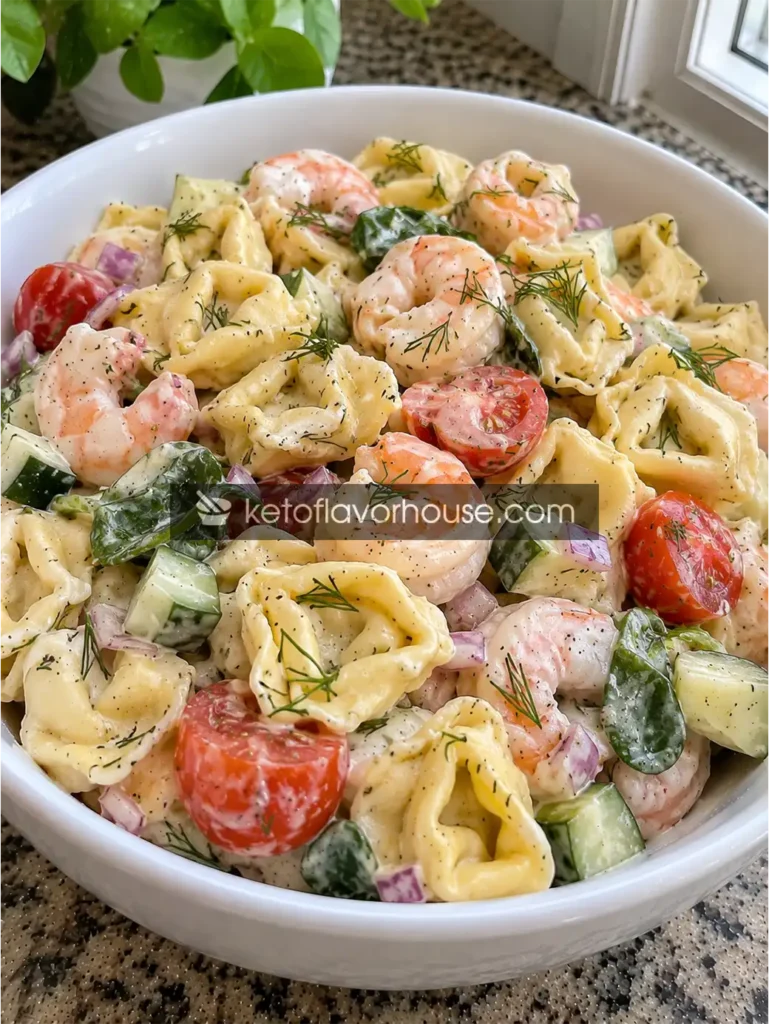
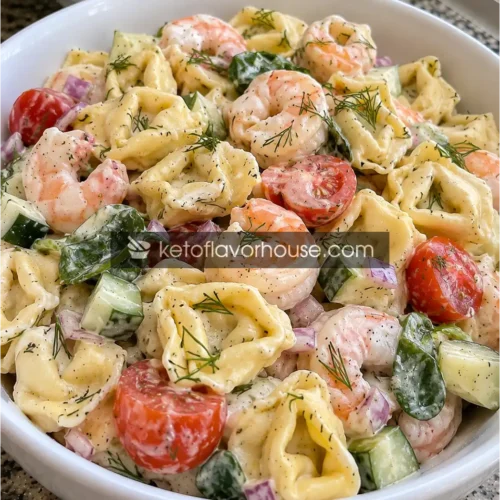
This Weight Watchers Tortellini & Shrimp Pasta Salad brings together tender cheese tortellini, juicy shrimp, crisp vegetables, and a creamy lemon-herb dressing for a satisfying lunch that feels a little special. It has the familiar comfort of a pasta salad, but the generous portion of shrimp adds lean protein while Greek yogurt helps create a creamy dressing without relying entirely on mayonnaise.
The key to making this salad work for a Weight Watchers eating plan is balance. Tortellini is the star ingredient, so I would not remove it or replace it with something that changes the whole dish. Instead, this recipe uses a measured amount of cheese tortellini, plenty of shrimp, fresh vegetables, and a lighter dressing. The estimated value is 5–7 SmartPoints per serving, assuming six servings. This is an independent planning estimate, not an official WW calculation; your current app may show a different value.
The best part is that you can prepare most of the components ahead of time. Once the pasta and shrimp have cooled, toss everything with the dressing, let the flavors come together in the refrigerator, and you have a colorful meal ready for lunch, a family gathering, or an easy make-ahead dinner.
Why You’ll Love This Weight Watchers Tortellini & Shrimp Pasta Salad
Shrimp in every serving
A generous amount of shrimp gives the salad satisfying protein and a tender, savory bite alongside the cheese-filled pasta.
Fresh, crisp vegetables
Cucumber, tomatoes, spinach, bell pepper, and red onion add color, freshness, and different textures.
Creamy lighter dressing
Plain nonfat Greek yogurt, a little light mayonnaise, lemon, and herbs make a tangy dressing that coats the ingredients.
Make-ahead friendly
Cook and chill the components in advance, then combine them for a convenient cold lunch or potluck dish.
A pasta salad that feels like a complete meal
Some pasta salads are mostly noodles with a little dressing and a few vegetables mixed in. This one is different. Shrimp makes up a substantial part of the recipe, so the salad has more protein and feels more like a full lunch than a side dish.
The tortellini brings a soft, slightly chewy texture and a mild cheese flavor. That pairs naturally with shrimp, lemon, dill, and Dijon mustard. The vegetables keep the salad from feeling too rich, while the creamy dressing ties everything together.
The dressing makes a difference
A traditional creamy pasta salad dressing can rely heavily on mayonnaise, sour cream, or oil. Those ingredients can contribute a considerable amount of energy and Points when used generously. Here, plain nonfat Greek yogurt provides most of the creamy base, while a smaller amount of light mayonnaise adds a familiar mayonnaise-style flavor.
Lemon juice brightens the dressing, Dijon adds a little sharpness, and dill gives the salad a fresh seafood-friendly flavor. The result should taste creamy and tangy, not heavy or overly sour.
Easy to customize
You can change the vegetables according to what you have available. Cherry tomatoes, cucumber, spinach, and bell pepper work especially well because they add freshness without overpowering the shrimp. You can also use fresh parsley in place of dill or add a little lemon zest for a brighter flavor.
Keep in mind that additions such as extra cheese, olives, avocado, or a larger amount of mayonnaise will change the nutrition and Points. Measure those ingredients and update your recipe calculation rather than assuming the original estimate still applies.
WW SmartPoints Information
For the recipe below, I estimate 5–7 SmartPoints per serving, with six servings in the batch. That gives an estimated 30–42 SmartPoints for the whole recipe.
This estimate is intended as a broad planning guide. It is not an official WW result and is not tied to a particular historical SmartPoints plan or a member-specific Points budget. The exact value depends on the tortellini brand, the light mayonnaise, the quantities used, and the WW plan currently assigned to your account.
The tortellini is likely to be one of the main Points contributors. The light mayonnaise also contributes, while shrimp and vegetables help make the salad more substantial. Do not assume that Greek yogurt or shrimp is automatically ZeroPoint for every member; eligibility depends on the applicable WW plan.
WW Points planning dashboard
Main contributors: Cheese tortellini and light mayonnaise
Protein component: One pound of shrimp across six portions
Practical adjustment: Measure the tortellini and dressing; add extra non-starchy vegetables for volume
Portion guide: Divide the finished salad into six equal servings
Independent estimate only. Your current WW app may calculate a different result based on your plan and exact product labels. This is not an official WW calculator.
How to check the Points for your own plan
The most dependable way to get your personal value is to enter the exact recipe into your current WW app. Use the brand and quantity of tortellini you purchase, because refrigerated, frozen, and shelf-stable varieties can have different nutrition values.
Then enter the shrimp, vegetables, dressing ingredients, and the final number of servings. If you divide the salad into six portions, use six as the recipe yield. If you serve it in four larger portions, the Points per portion will be higher.
A useful way to keep the recipe consistent is to weigh or measure the cooked tortellini and shrimp before dividing the salad. This prevents one serving from receiving much more pasta or seafood than another.
My Approach to This Pasta Salad
For a cold pasta salad, the texture of the tortellini matters just as much as the dressing. I would cook it until just tender rather than letting it become very soft. Tortellini continues to absorb moisture as it rests, and overcooked pasta can become fragile when you toss it with shrimp and vegetables.
I also prefer to cool the shrimp and pasta before adding the dressing. If they are still warm, the yogurt dressing can become thinner, and the vegetables may lose some of their crispness. Cooling the components first gives you a thicker, creamier coating and makes the salad easier to portion.
One detail worth paying attention to is the dressing quantity. Start by adding most of it, toss gently, and then decide whether the salad needs the remainder. The tortellini will absorb a little dressing as it chills, so you can reserve a spoonful to refresh the salad just before serving. This is especially helpful if you prepare it several hours ahead.
Required Equipment
Large Pot
Use a large pot to cook the tortellini. Plenty of water helps the pasta cook evenly and gives it room to move without sticking together. Follow the cooking time on the package because fresh, frozen, and dried tortellini can require different cooking times.
Colander
A colander makes it easy to drain the pasta quickly. Drain thoroughly so excess cooking water does not dilute the dressing. Avoid rinsing the tortellini aggressively; a brief cool rinse is useful for a cold pasta salad, but rough handling can tear the pasta.
Medium Skillet or Saucepan
If you are cooking raw shrimp on the stovetop, use a skillet or saucepan with enough room to arrange the shrimp in a single layer. Overcrowding makes it harder to cook them evenly. You can also boil the shrimp gently if you prefer, but avoid prolonged cooking.
Large Mixing Bowl
Choose a bowl large enough to hold the tortellini, shrimp, vegetables, and dressing. A roomy bowl allows you to fold the salad gently instead of stirring forcefully and breaking the pasta.
Small Bowl and Whisk
Mix the dressing separately in a small bowl. This helps distribute the Dijon, lemon juice, garlic, and seasonings evenly before they reach the pasta. A fork works if you do not have a whisk.
Measuring Cups and Spoons
Measure the tortellini, mayonnaise, Greek yogurt, and vegetables. The dressing and pasta are especially important to measure accurately if you are tracking Points. A kitchen scale is helpful for weighing the shrimp and tortellini.
Sharp Knife and Cutting Board
Use a sharp knife to dice the cucumber, bell pepper, and red onion into small, even pieces. Smaller pieces distribute throughout the salad more evenly, so each serving gets a little of everything.
Ingredients and Substitutions
The following recipe makes six generous side-to-main portions. It is designed to keep the tortellini recognizable while allowing shrimp and vegetables to make up a substantial part of the bowl.
Ingredients
- 10 ounces refrigerated cheese tortellini
- 1 pound raw shrimp, peeled and deveined, tails removed
- 1 cup cucumber, diced
- 1 cup cherry tomatoes, halved
- ½ cup red bell pepper, diced
- ¼ cup red onion, finely diced
- 1 cup baby spinach, roughly chopped
- ½ cup plain nonfat Greek yogurt
- 2 tablespoons light mayonnaise
- 1 tablespoon fresh lemon juice
- 1 teaspoon Dijon mustard
- 1 tablespoon chopped fresh dill, or 1 teaspoon dried dill
- 1 small garlic clove, finely grated or minced
- ¼ teaspoon black pepper, or to taste
- ¼ teaspoon salt, or to taste
- 1–2 tablespoons cold water, as needed to thin the dressing
Cheese tortellini – 10 ounces
Tortellini gives this salad its identity. The cheese filling adds a mild, savory richness, and the pasta has a pleasantly tender, slightly chewy texture. Using a measured 10-ounce portion keeps the pasta from overwhelming the shrimp and vegetables.
Tortellini brands vary in size, filling, calories, fat, and sodium. Refrigerated cheese tortellini is convenient, but frozen tortellini can also work. Follow the package instructions and weigh the amount you use. Do not assume that all tortellini products have the same Points.
If you use whole-wheat tortellini, the fiber content may be different, but the Points can still vary by brand. A different pasta shape is possible, but it changes the character of the recipe. Small pasta such as rotini or farfalle can be used if tortellini is unavailable, although you will lose the cheese-filled bites.
Shrimp – 1 pound
Shrimp is the main protein ingredient. It cooks quickly and has a mild, slightly sweet seafood flavor that works beautifully with lemon, dill, and creamy dressing. Removing the tails makes the finished salad easier to eat with a fork.
Use raw peeled and deveined shrimp for the recipe, or use fully cooked shrimp and skip the cooking step. If buying frozen shrimp, thaw it safely in the refrigerator and pat it dry before cooking. Shrimp contributes protein and relatively little carbohydrate. Its Points treatment depends on your WW plan, so verify it in your app rather than assuming it is ZeroPoint.
Avoid overcooking. Shrimp should turn opaque and curl into a loose C shape. Very tight curls and a rubbery texture are signs that it has cooked too long.
Cucumber – 1 cup
Cucumber adds cool crunch and freshness. It balances the soft pasta and creamy dressing, helping the salad feel lighter. Dice it into small pieces so it distributes evenly.
If the cucumber has a watery center with large seeds, remove some of the seeds before dicing. This reduces excess liquid in the finished salad. English cucumber is especially convenient because it has fewer large seeds and a thinner skin.
Cherry tomatoes – 1 cup
Cherry tomatoes bring juicy sweetness and a little acidity. Their red color also makes the salad look appealing. Halve smaller tomatoes and quarter larger ones so they are easy to eat with the tortellini and shrimp.
Add tomatoes after the pasta and shrimp have cooled. Cutting them too far in advance can release juice, so drain any accumulated liquid before mixing if necessary.
Red bell pepper – ½ cup
Bell pepper adds a crisp bite and mild sweetness. It is also a useful way to add color without needing a large amount of dressing. Dice it fairly small so it does not dominate the other ingredients.
Yellow or orange bell pepper can replace red pepper. The flavor remains similar, although the color changes. This swap should have only a modest effect on the overall nutrition, but the exact values depend on the amount and variety.
Red onion – ¼ cup
Red onion provides a sharp, savory contrast to the mild shrimp and creamy dressing. Finely dice it so the flavor is distributed rather than concentrated in large bites.
If raw onion tastes too strong, soak the diced onion in cold water for about 5–10 minutes, then drain and pat dry. You can also use a smaller amount of green onion for a milder result.
Baby spinach – 1 cup
Chopped baby spinach adds color and a tender leafy texture. It works well in a cold pasta salad because it is mild and does not compete with the shrimp. Use fresh, dry leaves rather than wet spinach straight from a rinse.
You can substitute chopped romaine, although it is best added shortly before serving because it loses its crunch as it sits in dressing.
Plain nonfat Greek yogurt – ½ cup
Greek yogurt makes up most of the creamy dressing. It adds tang and a thicker texture, and it contributes protein. Choose plain, unsweetened yogurt; flavored varieties would make the dressing unsuitable for this savory salad.
The Points value depends on your WW plan and product. Full-fat Greek yogurt will generally contribute more fat and calories, while nonfat yogurt can create a lighter dressing with a sharper tang. If the dressing tastes too tart, balance it with a little more dill, lemon zest, or seasoning rather than adding a large amount of mayonnaise.
Light mayonnaise – 2 tablespoons
A small amount of light mayonnaise softens the tang of the yogurt and gives the dressing a familiar creamy pasta-salad flavor. It also helps the dressing cling to the tortellini.
Regular mayonnaise can replace it, but it will usually increase calories and fat and may increase Points. If you use a different brand, enter its label information into your recipe calculation.
Lemon juice – 1 tablespoon
Lemon juice brightens the dressing and complements the shrimp. Freshly squeezed lemon gives the cleanest flavor. Add a little lemon zest if you want a more noticeable citrus aroma without making the dressing too thin.
Dijon mustard – 1 teaspoon
Dijon adds a subtle sharpness and helps round out the dressing. It should not make the salad taste strongly of mustard. Whole-grain mustard can be used if you prefer a little texture.
Fresh dill – 1 tablespoon
Dill is a natural partner for seafood and gives the dressing a fresh, fragrant finish. Fresh dill has a softer flavor than dried dill, so use about 1 teaspoon of dried dill if fresh is unavailable.
Parsley can replace dill for a milder herbal flavor. The salad will still taste good, but it will lose some of the classic seafood-salad character.
Garlic, salt, pepper, and water
A small amount of garlic adds savory depth. Black pepper gives the dressing a gentle bite, and salt brings the flavors together. Taste before adding more salt because tortellini, mayonnaise, and some packaged shrimp can already contain sodium.
Cold water is optional. Add it gradually if the dressing is too thick to coat the pasta. It changes the consistency without requiring more mayonnaise.
Ingredient anatomy and smart swaps
A practical way to keep this salad balanced is to make the tortellini portion intentional rather than adding more pasta whenever the bowl looks sparse. If you want a larger-looking serving, add extra cucumber, spinach, or bell pepper. These vegetables add volume and crunch, while extra tortellini, cheese, or mayonnaise can change the Points more noticeably.
How to Make Weight Watchers Tortellini & Shrimp Pasta Salad
Step 1: Prepare the shrimp
If using frozen shrimp, thaw it in the refrigerator before cooking. Remove the shells and tails if necessary, and check that the shrimp are deveined. Pat them dry with paper towels so excess moisture does not collect in the salad.
Bring a skillet of water to a gentle simmer or heat a lightly sprayed nonstick skillet over medium heat. Add the shrimp in a single layer. Cook for approximately 2–3 minutes per side, depending on size, until opaque and cooked through. The safe internal temperature for shrimp is 145°F. Avoid cooking them until they curl tightly, as this can make them rubbery.
Transfer the shrimp to a clean plate and let them cool. Once cool, cut larger shrimp into bite-sized pieces, leaving smaller ones whole if you prefer.
If using pre-cooked shrimp, do not cook it again. Thaw it safely if frozen, pat it dry, and cut it into manageable pieces.
Step 2: Cook the tortellini
Bring a large pot of water to a boil. Add the tortellini and cook according to the package directions. Start checking at the earliest suggested time. The pasta should be tender but still hold its shape.
Drain the tortellini thoroughly. For a cold pasta salad, briefly rinse it under cool water to stop the cooking process and remove excess surface starch. Drain again very well. Let it cool until it is no longer warm.
Do not leave the tortellini sitting in water after cooking. It can become waterlogged and lose its texture. A thorough drain is important because extra water can thin the dressing.
Step 3: Chop the vegetables
While the pasta cools, dice the cucumber and bell pepper. Halve the cherry tomatoes, finely chop the red onion, and roughly chop the spinach.
Try to keep the pieces relatively small and similar in size. This makes the salad easier to eat and gives every serving a more even mixture. If your cucumber is especially watery, remove the seeds before dicing. If the red onion tastes sharp, soak it briefly in cold water and drain it well.
Keep the chopped vegetables refrigerated if you are not assembling the salad immediately.
Step 4: Make the creamy lemon-herb dressing
In a small bowl, whisk together the Greek yogurt, light mayonnaise, lemon juice, Dijon mustard, dill, garlic, black pepper, and salt.
The dressing should be smooth, creamy, and thick enough to coat the back of a spoon. If it seems too thick, add cold water one teaspoon at a time until it reaches a pourable consistency. Taste it before adding more salt or lemon.
The flavor should be slightly tangy and savory. Remember that the pasta and shrimp will soften the flavor when mixed in, so the dressing can taste a little more pronounced on its own.
Step 5: Combine the pasta, shrimp, and vegetables
Place the cooled tortellini in a large mixing bowl. Add the shrimp, cucumber, tomatoes, bell pepper, red onion, and spinach.
Pour in most of the dressing. Use a large spoon or spatula to fold the ingredients together gently. Turn the mixture from the bottom of the bowl rather than stirring aggressively. Tortellini can split if handled roughly.
Once everything is lightly coated, add more dressing only if needed. You may not need every last spoonful, depending on the tortellini brand and how thoroughly it was drained.
Step 6: Chill and let the flavors develop
Cover the bowl and refrigerate for about 20–30 minutes before serving. This short rest allows the lemon, dill, garlic, and mustard flavors to mingle with the pasta and shrimp.
If you are making the salad several hours ahead, reserve a little dressing separately. The tortellini may absorb some of the dressing as it sits. Before serving, gently fold in the reserved dressing if the salad looks dry.
Step 7: Taste, portion, and serve
Give the salad a gentle toss and taste it. Add a little black pepper, dill, or lemon juice if needed. Divide into six equal portions so the serving size matches the Points estimate.
Serve chilled, with a little fresh dill or parsley on top if desired. Avoid adding an unmeasured handful of cheese or a large drizzle of mayonnaise-based dressing at the end, since those additions change the nutrition and Points.
The pasta salad assembly guide
Cook until opaque and 145°F internally. Visual cue: pink outside, pearly white inside, and tender rather than rubbery.
Follow the package time, drain well, briefly cool, and let excess water escape. Visual cue: tender pasta that still holds its shape.
Dice the cucumber, pepper, and onion; halve tomatoes and chop spinach. Visual cue: small, even pieces that distribute through the salad.
Combine yogurt, light mayonnaise, lemon, Dijon, dill, garlic, and seasonings. Visual cue: smooth, creamy dressing that can coat a spoon.
Gently combine everything, chill 20–30 minutes, and refresh with reserved dressing if needed. Visual cue: ingredients evenly coated without a pool of liquid at the bottom.
Common Mistakes to Avoid
Overcooking the shrimp
Shrimp cooks quickly, especially when it is small or medium-sized. Leaving it in the pan for too long makes the texture firm and rubbery. Cook just until opaque and use a food thermometer when possible. If using pre-cooked shrimp, simply thaw and add it to the salad without cooking it again.
Cooking the tortellini too soft
Tortellini that is too soft can tear when mixed with the dressing and vegetables. Follow the package directions and check it early. It should be tender but still hold its shape. Remember that the pasta will be handled again when you toss the salad.
Adding dressing while the pasta is hot
Warm pasta can loosen the yogurt dressing and make the vegetables wilt sooner. Allow the tortellini and shrimp to cool before combining. If you are in a hurry, spread the drained tortellini on a clean tray in a shallow layer so it cools more quickly.
Leaving too much water on the ingredients
Water from the pasta, cucumber, or thawed shrimp can dilute the dressing. Drain the tortellini thoroughly, pat the shrimp dry, and remove the watery cucumber center if needed. If the salad looks watery after chilling, drain a little liquid from the bottom before refreshing it with reserved dressing.
Using too much dressing
A creamy salad does not need to be swimming in sauce. Start with most of the dressing and fold it through gently. You can always add more, but it is difficult to correct a salad that has become overly wet. Measuring the dressing also makes your Points estimate more useful.
Forgetting to divide the recipe evenly
A large scoop can contain more tortellini and dressing than another serving. Divide the finished salad into six equal portions, or weigh the completed mixture and divide the total weight by six. This is especially useful if you are tracking your portions.
Pro Tips for the Best Results
- Choose shrimp that are similar in size. They cook more evenly, so you are less likely to end up with a mixture of overcooked and undercooked pieces.
- Cool the pasta in a shallow layer. This helps it release heat more quickly and prevents the tortellini at the bottom of a deep bowl from staying warm.
- Keep the vegetables dry. Wash and dry them before chopping. Excess water makes the dressing thinner.
- Add the spinach after the other ingredients are cooled. This helps preserve its fresh texture.
- Reserve a little dressing. The pasta can absorb some sauce while chilling. A small amount folded in just before serving restores the creamy finish.
- Taste after chilling. Cold foods can taste less seasoned than warm foods. Adjust lemon, dill, and pepper after the salad has rested.
- Use a gentle folding motion. Tortellini can split if you stir too forcefully, especially after it has cooled.
- Keep the portion consistent. If you want a larger bowl, add more non-starchy vegetables rather than increasing the tortellini without recalculating.
WW-Specific Nutrition and Meal Strategy
This pasta salad can fit into a Weight Watchers eating pattern because it combines a measured pasta portion with shrimp, vegetables, and a dressing that uses Greek yogurt as its main creamy ingredient. It is still a pasta-based recipe, so the tortellini portion matters. The goal is to enjoy the ingredient that makes the dish special while building the rest of the bowl around it.
Why shrimp is useful in this recipe
Shrimp provides protein without adding the same amount of carbohydrate as the tortellini. Protein is an important part of a satisfying meal, and the shrimp makes the salad more substantial than a bowl of pasta alone. The amount in this recipe is spread across six servings, giving each portion a meaningful share.
The Points treatment of shrimp depends on your current WW plan. Some plans may treat plain seafood differently from others, so enter the shrimp according to your app rather than relying on a general ZeroPoint claim.
Why the vegetables matter
Cucumber, tomatoes, bell pepper, spinach, and onion add color, crunch, moisture, and freshness. They also help make the bowl feel generous without depending on a larger quantity of tortellini.
Vegetables are not simply decoration here. Cucumber adds a cool contrast to the creamy dressing, tomatoes provide acidity, bell pepper contributes sweetness, and spinach brings a soft leafy texture. Together, they make the salad more interesting from the first bite to the last.
Making the dressing work for your Points budget
The dressing is a small but important part of the recipe. Using Greek yogurt for most of the base gives it body and tang, while a measured amount of light mayonnaise supplies the flavor many people expect from a creamy pasta salad.
If you want to experiment with a yogurt-only dressing, omit the mayonnaise and add a little more Dijon, dill, and lemon to keep the flavor lively. The result will be tangier and less rich. It may reduce calories and fat, but the actual Points change must be checked using the product and plan you follow.
How to fit a serving into your day
Daily Points budgets are individual. A serving estimated at 5–7 Points may be a comfortable lunch for one person and a larger allocation for another. Consider the rest of your meals and snacks rather than treating one recipe’s Points estimate as a guarantee that it fits every daily budget.
For a more balanced meal, serve the salad with a side of fresh fruit or additional vegetables. If you want more protein, add a separate protein food that fits your plan, or increase the shrimp in the recipe and recalculate the full batch. Avoid adding extra tortellini, cheese, or mayonnaise without updating the estimate.
Portion control without making the meal feel small
A good portion should look like a proper bowl of food, not a tiny serving. The recipe uses six portions, and each includes pasta, shrimp, and vegetables. If you want to make the bowl appear fuller, arrange the shrimp and vegetables across the top rather than allowing all the ingredients to settle at the bottom.
For meal prep, divide the salad into six containers and distribute the shrimp evenly. That way, every portion contains a similar balance of pasta, seafood, and vegetables.
Variations You Can Try
Mediterranean shrimp tortellini salad
Add ¼ cup sliced black olives and replace the dill with chopped parsley. You can also add a little dried oregano. The olives bring a salty, briny flavor that works well with shrimp and tomatoes. They also add fat and sodium, so measure them and recalculate the Points.
Lemon garlic shrimp tortellini salad
Increase the lemon zest and add a little extra garlic to the dressing. This creates a brighter, more pronounced citrus flavor. The texture remains similar, and the change has little nutritional impact at modest quantities, although any added oil or other ingredients should be counted.
Spinach and tomato tortellini salad
Increase the spinach to 2 cups and use 1½ cups cherry tomatoes while keeping the tortellini amount unchanged. This makes the salad more vegetable-forward and gives it extra color. The additional vegetables may add a little fiber and carbohydrate, but they should not be treated as automatically ZeroPoint for every WW member.
Spicy shrimp tortellini salad
Add a pinch of red pepper flakes or a little hot sauce to the dressing. The gentle heat balances the creamy yogurt and sweet shrimp. Check the hot sauce label if using a generous amount, particularly if sodium is a concern.
Cucumber dill shrimp tortellini salad
Use 1½ cups cucumber and add another teaspoon of dill. This variation leans into the cool, fresh seafood-salad flavor. Because cucumber releases moisture, remove the seeds and pat the diced pieces dry before mixing.
Extra-protein version
Increase the shrimp from 1 pound to 1¼ pounds while keeping the tortellini and dressing unchanged. This gives each serving more seafood and protein, but it changes the nutrition and may change Points depending on your WW plan. Recalculate the complete recipe and divide by the same number of portions.
Tips for Preparing and Serving
If you are preparing this salad for a gathering, keep the dressing and the cooked ingredients separate until they are cool. Toss them together shortly before serving or within a few hours of the meal. This helps the vegetables keep their texture and prevents the tortellini from absorbing too much dressing too early.
For meal prep, divide the finished salad into individual containers rather than storing it in one large bowl and scooping portions throughout the week. Keep the containers refrigerated and use clean utensils. Because shrimp and cooked pasta are perishable, do not leave the salad sitting on a counter for an extended period.
For a simple presentation, spoon the salad into a shallow serving bowl and arrange a few shrimp, tomato halves, and a little dill on top. A small amount of lemon zest gives it a fresh appearance without requiring a heavy garnish.
Optional Additions
- Parmesan: A small measured sprinkle adds savory, salty flavor. It also adds calories, fat, and Points, so count the amount.
- Feta: Crumbled feta gives the salad a tangy Mediterranean note. It is more assertive than Parmesan, so a little can go a long way. Recalculate with the brand and quantity used.
- Avocado: Adds creaminess and a buttery texture, but it changes the fat and calorie profile and may increase Points. Add it shortly before serving to limit browning.
- Olives: Bring a briny flavor that pairs well with shrimp, but can add sodium and Points. Measure rather than pouring them in freely.
- Fresh parsley: Adds color and freshness with very little impact at the small amount used.
- Extra lemon zest: Gives a brighter citrus aroma without thinning the dressing.
- Red pepper flakes: Add a little heat without changing the basic texture of the salad.
Serving Ideas
This salad is flexible enough to serve as a quick lunch, a light dinner, or a side dish at a summer gathering. Because it contains pasta and shrimp, it can stand on its own as a meal. If you are serving it alongside other dishes, offer smaller portions and pair it with something fresh and simple.
Quick weekday lunch
Divide the salad into individual containers after mixing. Add a small wedge of lemon just before serving if you like a brighter flavor. It is convenient when you want a prepared lunch that does not need reheating.
Light family dinner
Serve the salad in a large bowl with a side of fruit or a simple green salad. The shrimp and tortellini make it more substantial than a vegetable side, while the cool dressing works well on a warm day.
Potluck or summer gathering
Transfer the salad to a chilled serving bowl and keep it cold until serving. Set out a serving spoon and avoid leaving the bowl at room temperature for extended periods. If the gathering will last, serve smaller portions from a refrigerated container and replenish the serving bowl as needed.
Meal-prep lunch
Use six containers and divide the ingredients evenly. If you prefer crisp spinach, keep it separate and add it just before eating. Store the dressing separately if you want the freshest texture, then toss immediately before serving.
Serving ideas grid
Ways to serve shrimp tortellini salad
Serve a measured portion in a chilled bowl. The pasta, shrimp, and vegetables provide a convenient all-in-one meal.
Add melon, berries, or orange slices for a refreshing contrast to the creamy, savory dressing.
Serve with a simple cucumber and lettuce salad for extra crunch and a fresh side.
Present in a chilled serving bowl and keep the remaining salad refrigerated until it is needed.
Portion into six containers and keep chilled. Store dressing separately if you prefer a fresher finish.
Storage Recommendations
Because this salad contains cooked shrimp, cooked pasta, and a yogurt-based dressing, refrigeration is important. Transfer leftovers to a shallow airtight container and refrigerate promptly at 40°F (4°C) or below.
For food safety, refrigerate perishable food within 2 hours of preparation or serving. If the temperature is above 90°F, such as at an outdoor summer gathering, the limit is 1 hour. Do not leave the serving bowl sitting out for the entire meal; set out a smaller portion and keep the rest chilled.
Use refrigerated leftovers within 3–4 days. For the best texture, however, the salad is usually most enjoyable within the first 1–2 days. The tortellini gradually absorbs dressing, the cucumber releases moisture, and the spinach softens as it sits.
Freezing the fully assembled salad is not recommended. The yogurt dressing may separate when thawed, cucumber and tomatoes can become watery, and the pasta texture may deteriorate. If you want to prepare ahead, freeze only the raw shrimp if it has been handled safely, or cook the shrimp and tortellini closer to serving time. You can also prepare the dressing separately and refrigerate it in a covered container.
This is a cold pasta salad, so reheating is not necessary. Reheating the same ingredients does not meaningfully change their Points by itself, but adding oil, butter, cheese, or extra dressing will change the calculation. If the salad has been left at room temperature beyond safe limits, do not try to make it safe by chilling or reheating it afterward.
Storage and food-safety timeline
Place in a shallow, covered container and refrigerate within 2 hours; within 1 hour when the temperature is above 90°F.
Keep the salad covered and chilled. Use leftovers within 3–4 days, with best texture generally in the first 1–2 days.
Serve a smaller amount and return the remaining salad to the refrigerator rather than leaving the full batch on the table.
The yogurt dressing and fresh vegetables can separate or become watery after thawing. Prepare components separately instead.
Frequently Asked Questions
Can I use frozen shrimp for this pasta salad?
Yes. Frozen shrimp works well as long as you thaw it safely before cooking. The easiest method is to place it in the refrigerator until thawed. Drain away excess liquid and pat the shrimp dry before cooking. If the shrimp is already cooked, do not cook it again; simply thaw, dry, and add it once the other ingredients have cooled.
Can I use frozen or dried tortellini instead of refrigerated tortellini?
Yes, but follow the cooking instructions on the package. Frozen tortellini may take longer to cook than refrigerated tortellini, while dried varieties can have a different texture and cooking time. The nutrition information can also vary considerably by brand and filling. Use the same measured amount only as a starting point, and recalculate the recipe using the actual product label.
Can I make this shrimp tortellini salad the day before?
You can prepare it a day ahead. For the freshest texture, cook and cool the shrimp and tortellini, chop the vegetables, and mix the dressing separately. Store each component covered in the refrigerator, then combine them closer to serving time. If you prefer to assemble the salad completely, reserve a little dressing and add it just before serving because the tortellini may absorb some sauce overnight.
How do I keep the pasta salad from becoming watery?
Drain the tortellini thoroughly, pat the shrimp dry, and remove the watery seed center of the cucumber if needed. Make sure the vegetables are dry after washing. You can also reserve the dressing until the pasta and seafood have cooled. If liquid collects at the bottom after chilling, gently drain the excess before refreshing the salad with a little reserved dressing.
How can I reduce the Points in this recipe?
Start by checking the tortellini and mayonnaise brands in your WW app. Use the measured 10-ounce tortellini quantity, avoid adding unmeasured cheese or extra dressing, and consider replacing the light mayonnaise with additional plain Greek yogurt. That swap will make the dressing tangier and less rich, and the revised recipe must be recalculated. Adding extra cucumber, spinach, or bell pepper can increase the vegetable portion without increasing the pasta amount.
Can I make this recipe without mayonnaise?
Yes. Replace the 2 tablespoons of light mayonnaise with 2 additional tablespoons of plain nonfat Greek yogurt. The dressing will taste tangier and slightly less rich, but lemon, Dijon, garlic, and dill help keep it flavorful. The nutrition and Points will change according to the yogurt brand and your WW plan, so enter the revised dressing in your app.
Can I freeze leftover tortellini and shrimp pasta salad?
I do not recommend freezing the finished salad. The yogurt dressing can separate, the cucumber and tomatoes can release water, and the pasta may become soft after thawing. It is better to make a smaller batch or prepare the components separately. If you have leftovers, refrigerate them promptly and use them within 3–4 days.
Nutritional Breakdown Per Serving
The following figures are approximate estimates for one-sixth of the recipe. They can vary depending on the tortellini brand, shrimp size, Greek yogurt, mayonnaise, and exact vegetable quantities.
| Nutrient | Estimated amount |
|---|---|
| Calories | 280–330 kcal |
| Protein | 25–30 g |
| Fat | 6–9 g |
| Total carbohydrates | 27–34 g |
| Fiber | 2–3 g |
| Net carbohydrates | 24–32 g |
| Sugar | 4–6 g |
| Sodium | 550–800 mg |
| Estimated SmartPoints | 5–7 |
Net carbohydrates are calculated by subtracting fiber from total carbohydrates. They are not the same as WW Points.
Nutrition at a glance
Approximate values per serving · 6 servings per batch
Shrimp contributes much of the protein, while tortellini supplies most of the pasta carbohydrates. The yogurt-based dressing keeps the creamy element measured.
Nutrition and Points are estimates, not verified values from specific product labels or an official WW calculation.
Recipe Snapshot
- Prep Time: 20 minutes
- Cook Time: 10–15 minutes, depending on tortellini and shrimp
- Chill Time: 20–30 minutes
- Total Time: Approximately 55–65 minutes
- Course: Lunch, Main Course, Salad
- Cuisine: American-inspired
- Servings: 6
- Calories: Approximately 280–330 per serving
- Estimated SmartPoints: 5–7 per serving
Closing Note
This Weight Watchers Tortellini & Shrimp Pasta Salad is a practical way to enjoy a creamy pasta dish while keeping the portions and dressing measured. The shrimp, fresh vegetables, and lemon-dill yogurt dressing give it plenty of flavor and texture. Prepare it ahead, divide it into six portions, and use your current WW app to confirm the Points for your exact ingredients.
Weight Watchers Tortellini & Shrimp Pasta Salad Recipe

Ingredients
- 10 ounces refrigerated cheese tortellini
- 1 pound raw shrimp peeled and deveined, tails removed
- 1 cup cucumber diced
- 1 cup cherry tomatoes halved
- ½ cup red bell pepper diced
- ¼ cup red onion finely diced
- 1 cup baby spinach roughly chopped
- ½ cup plain nonfat Greek yogurt
- 2 tablespoons light mayonnaise
- 1 tablespoon fresh lemon juice
- 1 teaspoon Dijon mustard
- 1 tablespoon chopped fresh dill or 1 teaspoon dried dill
- 1 small garlic clove finely grated or minced
- ¼ teaspoon black pepper or to taste
- ¼ teaspoon salt or to taste
- 1 –2 tablespoons cold water as needed
Instructions
- If using frozen shrimp, thaw it in the refrigerator. Pat dry. Cook raw shrimp in a skillet over medium heat for approximately 2–3 minutes per side, until opaque and cooked to 145°F. Cool completely. If using pre-cooked shrimp, thaw and pat dry without recooking.
- Cook tortellini according to package directions until tender but still firm. Drain thoroughly, briefly rinse with cool water, and drain again. Cool.
- Dice the cucumber, bell pepper, and red onion. Halve the tomatoes and roughly chop the spinach.
- In a small bowl, whisk together Greek yogurt, light mayonnaise, lemon juice, Dijon, dill, garlic, salt, and pepper. Add cold water a teaspoon at a time if needed.
- Place the cooled tortellini and shrimp in a large bowl. Add the cucumber, tomatoes, bell pepper, onion, and spinach.
- Add most of the dressing and gently fold until everything is coated. Add the remaining dressing only if needed.
- Cover and refrigerate for 20–30 minutes. Taste, adjust seasoning, and divide into six equal servings.