This post may contains Amazon affiliate and other affiliate links. If you make a purchase through these links, I may earn a small commission at no extra cost to you. Your support helps me continue to provide quality content. I only recommend products I personally trust and believe will add value to your experience. For more details, please visit my Privacy Policy.
Estimated SmartPoints: approximately 3–4 per serving | Makes 8 servings
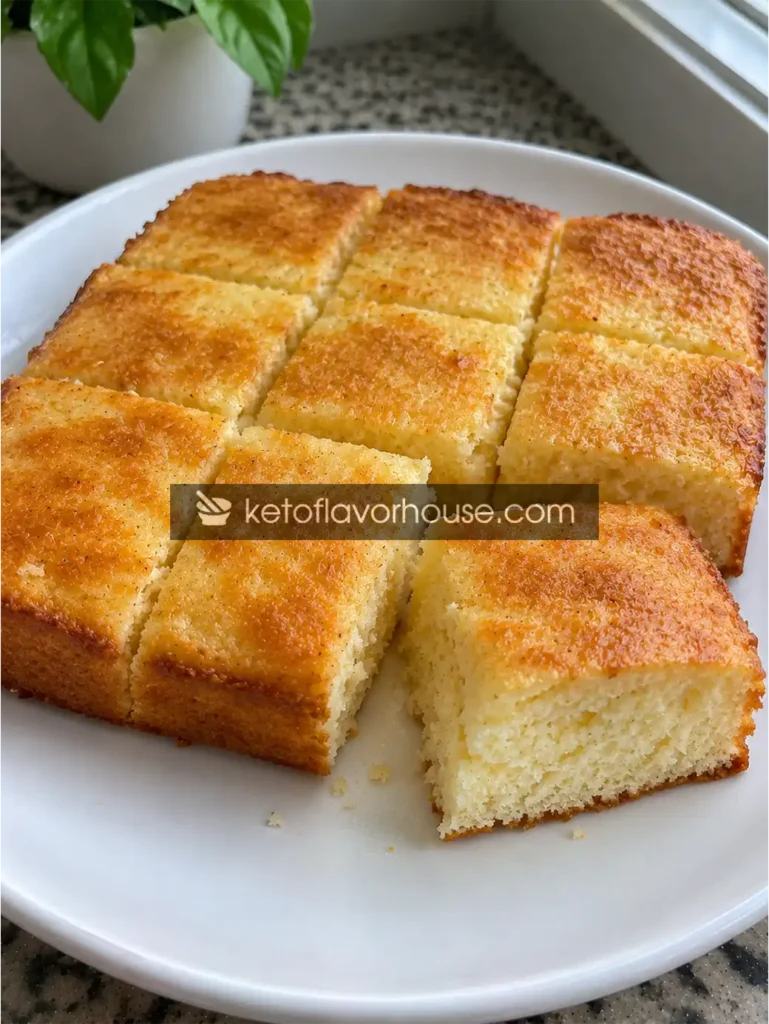
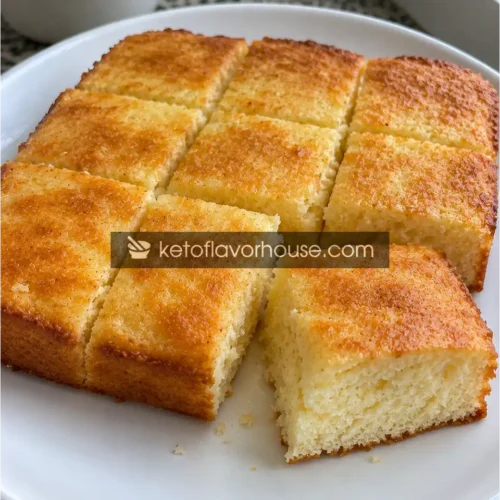
This Weight Watchers Vanilla Protein Cake is a soft, lightly sweet vanilla cake made with protein powder, Greek yogurt, and a few everyday baking ingredients. It has a tender crumb, a gentle vanilla aroma, and enough sweetness to feel like a proper dessert without relying on a large amount of added sugar. It is a lovely option when you want something cake-like to enjoy with coffee or as an afternoon treat.
Instead of using a traditional butter-and-sugar-heavy cake formula, this version uses unsweetened applesauce and nonfat Greek yogurt to help keep the cake moist. Vanilla protein powder adds protein, while a baking-friendly zero-calorie sweetener helps provide sweetness. The result is a simple snack cake that can be divided into eight portions and tracked more easily.
Estimated SmartPoints: approximately 3–4 per serving, based on eight servings and the ingredient quantities below. This is an independent estimate, not an official WW calculation. Your personal WW app may show a different result depending on your plan, protein powder, flour, sweetener, and other ingredient choices.
Why You’ll Love This Weight Watchers Vanilla Protein Cake
Classic vanilla flavor
Vanilla extract and vanilla protein powder give the cake a familiar bakery-style aroma and a gentle sweetness.
Moist, tender crumb
Greek yogurt and unsweetened applesauce help keep the cake soft without needing a large amount of butter or oil.
Protein boost
Vanilla protein powder, eggs, and Greek yogurt contribute protein, making this more substantial than a basic snack cake.
Easy to portion
Bake it in one pan and cut it into eight even squares for a convenient dessert or afternoon snack.
A cake that still feels like dessert
Protein-focused baking can sometimes produce dry, rubbery, or overly dense results. This recipe uses a combination of yogurt and applesauce to help avoid that problem. The cake is not meant to imitate a rich buttercream birthday cake; it is a lighter everyday vanilla cake with a soft crumb and a pleasant sweetness.
Straightforward ingredients
You do not need a complicated list of specialty baking ingredients. All-purpose flour, eggs, Greek yogurt, applesauce, vanilla protein powder, and baking powder form the base. A baking-friendly sweetener replaces most of the usual granulated sugar, making the recipe easier to adapt to your preferred sweetness level.
Useful for planned treats
Having a cake already divided into portions can make dessert planning simpler. Instead of cutting random pieces from a large cake, you can divide this one into eight squares and know what serving size your estimate is based on. You can enjoy a piece plain or add a small topping while tracking the extra ingredients separately.
Flexible enough for different occasions
Serve a square with coffee, pack one for an afternoon snack, or add fresh berries for a simple dessert. You can also make small flavor adjustments with almond extract, lemon zest, or cinnamon. Keep in mind that frosting, chocolate chips, and other additions change the nutrition and Points.
WW SmartPoints Information
The estimate below is based on the complete cake recipe divided into eight equal servings. Each serving is one-eighth of the cake.
| Recipe detail | Estimate |
|---|---|
| Estimated SmartPoints per serving | 3–4 |
| Estimated SmartPoints for whole cake | 24–32 |
| Servings | 8 |
| Calories per serving | Approximately 100–120 |
| Protein per serving | Approximately 8–10 g |
These figures are independent estimates, not official WW values. The calculation assumes all-purpose flour, two large eggs, nonfat plain Greek yogurt, unsweetened applesauce, unsweetened almond milk, vanilla protein powder, and a baking-friendly zero-calorie sweetener. The actual Points can change substantially with the protein powder and sweetener you use.
The main ingredients to check are the flour, protein powder, and eggs. Protein powder is not automatically zero Points, and different brands can have very different calorie, carbohydrate, fat, and protein values. Likewise, a sweetener blend may contain ingredients that affect the nutrition calculation. Enter your exact products and quantities into your current WW app for your personal result.
Vanilla protein cake: serving dashboard
Useful adjustment: choose a protein powder with a clear nutrition label and avoid adding unmeasured frosting or chocolate chips.
Independent estimates only. The current WW app and your personal plan determine your actual Points.
My Personal Baking Notes
With protein cakes, I would focus on the batter consistency before worrying about how the finished cake looks. Protein powders absorb liquid differently. Some whey-based powders produce a relatively smooth batter, while some blends containing casein or other ingredients can make it thicker. That is why it is important to add the almond milk gradually and stop when the batter is thick but spreadable.
I would also avoid overmixing once the flour and protein powder have been added. Stir just until the dry ingredients disappear. A few small lumps are preferable to a batter that has been beaten for too long. Overmixing can develop gluten in the flour and contribute to a tougher texture.
The cake should be allowed to cool before cutting. Protein-based cakes can seem fragile while warm, especially when yogurt and applesauce are part of the mixture. Once cooled, the crumb becomes easier to slice and the vanilla flavor is more noticeable. For serving, I would start with a plain square and add fresh berries if you want something brighter.
Required Equipment
8-Inch Square Baking Pan
An 8-inch square pan gives the batter enough depth to bake into a soft snack cake. A larger pan will make a thinner cake that may finish sooner, while a smaller pan can make the center take longer to bake. Line the pan with parchment paper so you can lift the cake out cleanly after cooling.
Two Mixing Bowls
Use one bowl for the dry ingredients and another for the wet ingredients. This helps distribute the baking powder, protein powder, and sweetener evenly before they meet the wet mixture. If you only have one bowl, mix the dry ingredients first, transfer them to a plate, and then prepare the wet ingredients.
Whisk
A whisk helps break up small lumps in the flour and protein powder and combines the wet ingredients smoothly. You do not need an electric mixer for this recipe. A hand whisk is enough, and it also makes it less likely that you will overbeat the batter.
Flexible Spatula
A silicone spatula is useful for folding the dry ingredients into the wet mixture and scraping the sides of the bowl. It also helps transfer the batter into the pan without leaving a lot behind.
Measuring Cups and Spoons
Accurate measurements matter in protein baking. Too much protein powder can make the cake dry, while too much almond milk can make the center gummy. For the most consistent results, weigh the flour and protein powder when possible.
Cooling Rack
A cooling rack allows air to circulate underneath the pan or cake after baking. This helps prevent trapped steam from making the bottom damp. Let the cake cool before slicing so the structure has time to settle.
Ingredients and Substitutions
This recipe makes one 8-inch square cake, cut into eight servings. The ingredient amounts below are designed to give a soft, lightly sweet cake rather than a dense protein bar.
- 1 cup (120 g) all-purpose flour: Provides the main structure and a familiar cake crumb. All-purpose flour gives a softer texture than many whole-grain alternatives. It contributes carbohydrates and calories and should be counted in your WW calculation. A 1:1 baking blend may work, but the texture can vary.
- 1 scoop (30 g) vanilla protein powder: Adds vanilla flavor and protein. Choose a powder you enjoy drinking because its flavor will be noticeable in the finished cake. Whey-based powders and plant-based blends absorb liquid differently, so the amount of almond milk may need a small adjustment. Protein powder contributes calories and may contribute Points.
- 2 large eggs: Help bind the cake, provide structure, and contribute protein and fat. Eggs also help the cake rise and set. Egg whites can replace whole eggs, but the cake may be less rich and can become slightly drier.
- ½ cup (120 g) plain nonfat Greek yogurt: Adds moisture, a little tang, and protein. Its acidity also works with the baking powder to support a tender crumb. A thicker Greek yogurt is preferable to a thin, runny yogurt. Different WW plans may treat yogurt differently, so check your own app.
- ½ cup (120 g) unsweetened applesauce: Adds moisture and a mild fruity sweetness. It helps reduce the need for butter or oil. Use unsweetened applesauce rather than sweetened apple puree so the sugar and nutrition estimate remain closer to the recipe.
- ⅓ cup (about 65 g) granulated baking sweetener: Provides sweetness without using the same quantity of regular sugar. Choose a product intended for baking and check whether it measures cup-for-cup like sugar. Some blends contain bulking ingredients, so their nutrition may not be zero.
- ½ cup (120 ml) unsweetened almond milk: Loosens the batter and helps the flour and protein powder combine. Add it gradually because some protein powders absorb more liquid than others. Unsweetened almond milk is generally lower in calories than regular dairy milk, but check your brand label.
- 1 teaspoon vanilla extract: Strengthens the vanilla flavor and rounds out the taste. Pure or imitation vanilla extract can both be used. The quantity is small, but include it in your recipe entry if you want a complete calculation.
- 1½ teaspoons baking powder: Provides lift and helps the cake rise. Check that it is fresh; old baking powder may leave the cake dense.
- ¼ teaspoon fine salt: Balances sweetness and enhances the vanilla flavor. If your protein powder already contains a noticeable amount of sodium, you can reduce the salt slightly.
Choosing the right protein powder
The protein powder is one of the most important choices in this recipe. A vanilla whey protein powder is a practical starting point because it generally mixes smoothly into cake batter. However, not all whey powders behave alike. Some contain added gums or thickeners, while others are sweetened more strongly. Plant-based powders can also work, but they may absorb more liquid and create a denser texture.
Before baking, check three things on the label:
- Serving weight: Use a 30 g scoop by weight rather than trusting the scoop size alone.
- Sweetness: If your powder is already very sweet, you may want to reduce the added sweetener slightly.
- Nutrition: Record the calories, protein, carbohydrates, fat, and serving size for your WW calculation.
Do not add a second scoop simply to increase the protein. Extra protein powder can make the cake dry and chalky unless the rest of the recipe is adjusted. It also changes the nutrition and Points.
Smart ingredient swaps
All-purpose flour versus oat flour: Oat flour gives the cake a slightly heartier flavor and a softer, sometimes more delicate crumb. It may absorb liquid differently, so add the almond milk gradually. The calorie and Points difference should be calculated from the exact amounts rather than assumed.
Greek yogurt versus regular yogurt: Greek yogurt is thicker and usually provides more protein per serving. Regular yogurt can make the batter looser, so you may need less almond milk. A fat-free product is not automatically zero Points for every WW member.
Applesauce versus mashed banana: Mashed banana adds a stronger fruity flavor and natural sweetness. It can make the cake slightly denser and changes the carbohydrate and sugar values. Use the same volume as a starting point, then check the batter consistency.
Almond milk versus skim milk: Skim milk adds more protein and carbohydrates than many unsweetened almond milk products. It can work, but it changes the nutrition profile. Use the same amount initially and recalculate using the product label.
Granulated sweetener versus sugar: Regular sugar gives familiar baking behavior and browning, but it adds calories and Points. A baking sweetener may reduce those values, depending on its ingredients. Avoid liquid sweeteners as a direct one-for-one swap because they add moisture and can change the cake structure.
Ingredient guide: what each choice does
Every swap changes the nutrition calculation. Re-enter the exact ingredients in your current WW app rather than carrying over the original estimate.
How to Make Weight Watchers Vanilla Protein Cake
The method is simple, but a few details make a big difference. The goal is a smooth batter that is thick enough to hold its shape but still easy to spread. Protein powder can make batter thicken as it sits, so have your pan ready before you combine the wet and dry ingredients.
Step 1: Prepare the pan and oven
Preheat the oven to 350°F (175°C). Lightly coat an 8-inch square baking pan with nonstick cooking spray or line it with parchment paper, leaving a little overhang on two sides. The parchment makes it easier to lift the cake out once it has cooled.
Make sure the oven has reached temperature before the batter goes in. Baking powder starts working once it is hydrated, so letting the mixed batter sit for a long time before baking can affect the rise.
Step 2: Combine the dry ingredients
In a medium bowl, whisk together the flour, vanilla protein powder, granulated baking sweetener, baking powder, and salt. Break up any small clumps in the protein powder so they do not remain as dry pockets in the cake.
Whisking the dry ingredients separately helps distribute the baking powder evenly. If the protein powder is especially lumpy, sift it with the flour. Do not pack flour into the measuring cup; spoon it in and level the top, or weigh out 120 g for better consistency.
Step 3: Mix the wet ingredients
In a second bowl, whisk the eggs until the yolks and whites are combined. Add the Greek yogurt, applesauce, almond milk, and vanilla extract. Whisk until the mixture looks smooth.
The yogurt may leave a few tiny soft lumps, but there should not be large clumps of yogurt or streaks of egg white. If the applesauce is cold from the refrigerator, that is fine; just make sure the wet mixture is thoroughly combined.
Step 4: Make the batter
Pour the wet ingredients into the dry ingredients. Use a spatula or whisk to fold them together until no dry flour remains. Stop mixing as soon as the batter is combined.
The batter should be thick but spreadable, similar to a thick muffin batter. If it is unusually stiff because your protein powder absorbs more liquid, add a little extra almond milk, one tablespoon at a time. If it looks very thin, let it stand for a minute or two; some powders thicken as they hydrate. Avoid adding extra flour or protein powder without a clear reason, because that changes the recipe.
Step 5: Transfer and level the batter
Scrape the batter into the prepared pan. Spread it into the corners and smooth the surface with the spatula. Try to keep the depth even so the center and edges bake at a similar rate.
Tap the pan gently on the counter once or twice to release large air pockets. Do not bang it repeatedly, as the batter does not need aggressive handling. If you notice a few small bubbles on the surface, that is normal.
Step 6: Bake until set
Bake for approximately 20–25 minutes, checking near the 20-minute mark. The cake is ready when the top looks set, the edges are lightly golden, and a toothpick inserted into the center comes out clean or with a few moist crumbs. It should not have wet batter on it.
Protein cakes can become dry if overbaked, so avoid leaving it in the oven just to achieve a deep golden color. If the center is still wet but the top is browning too quickly, loosely cover the pan with foil and continue baking in short intervals.
Step 7: Cool before slicing
Place the pan on a cooling rack and let the cake rest for at least 15–20 minutes. Use the parchment overhang to lift it out once it is stable, then allow it to cool further before cutting into eight equal squares.
Cutting too early can make a tender protein cake crumble. Once cooled, the crumb should be soft and sliceable. For neat portions, use a sharp knife and wipe it between cuts if the cake sticks.
Seven stages for a soft vanilla cake
Common Mistakes to Avoid
Adding too much protein powder
Protein powder is not a direct replacement for flour in equal amounts. It absorbs liquid differently and does not provide the same structure. Adding extra scoops can make the cake dry, rubbery, or chalky.
Better approach: Use one measured 30 g scoop for this recipe. If you change the amount, you may need to adjust the liquid and flour, and you should recalculate the nutrition and Points.
Overmixing the batter
Once the flour is wet, excessive mixing can develop gluten and create a tougher cake. It can also knock some of the air out of the batter.
Better approach: Fold the wet and dry ingredients together only until no dry flour remains. A few tiny lumps are not a problem.
Using a very thick protein powder without adjusting liquid
Some powders absorb more liquid than others. The batter may become stiff and difficult to spread, especially if it sits before baking.
Better approach: Add almond milk gradually, one tablespoon at a time, until the batter is thick but spreadable. Do not add a large splash all at once.
Overbaking
A protein cake can dry out quickly if it stays in the oven after it has set. A dark top does not necessarily mean the inside is better baked.
Better approach: Start checking at 20 minutes. Use a toothpick in the center and remove the cake when it comes out clean or with a few moist crumbs.
Cutting while warm
The cake is more delicate when it first comes out of the oven. Cutting too early can compress the crumb and make the squares crumble.
Better approach: Let it cool in the pan for 15–20 minutes, then cool further before slicing.
Using a sweetener that is not designed for baking
Some liquid sweeteners or concentrated drops do not provide the bulk that granulated sugar or baking blends provide. A direct swap can change the batter consistency and the finished cake.
Better approach: Choose a granulated sweetener specifically labeled for baking and follow its conversion guidance. Check the label before calculating Points.
Pro Tips for the Best Results
- Weigh the protein powder: Scoop sizes are not always consistent. Use the package serving weight.
- Use room-temperature eggs and yogurt when convenient: They combine more smoothly and make it easier to avoid overmixing.
- Add milk gradually: Protein powders vary, so the batter texture is a more useful guide than blindly adding all the liquid at once.
- Use a light-colored metal pan if possible: Dark pans can brown the edges more quickly. If using a dark pan, start checking a little earlier.
- Do not chase a deeply browned top: A lightly golden surface and a set center are enough.
- Cool completely for neat squares: The cake firms as it cools, making portioning easier.
- Keep toppings separate: Add berries or a spoonful of yogurt when serving instead of storing the cake with wet toppings.
- Measure optional extras: Nuts, chocolate chips, frosting, and nut butter can add substantial calories and Points.
Troubleshooting Guide
| What happened? | Likely reason | How to fix it |
|---|---|---|
| Cake is dry | Too much protein powder or overbaking | Weigh the powder and begin checking the cake at 20 minutes. |
| Cake is rubbery | Too much protein powder or overmixing | Keep the recipe proportions and fold only until combined. |
| Batter is too thick | Protein powder absorbs more liquid | Add almond milk one tablespoon at a time. |
| Cake is gummy in the middle | Underbaking or excess liquid | Check the center with a toothpick and bake in short additional intervals. |
| Cake does not rise much | Old baking powder or overmixed batter | Use fresh baking powder and mix gently. |
| Cake crumbles when cut | It is still warm or too dry | Cool fully before slicing; review the liquid and baking time. |
Weight Watchers Nutrition and Meal-Planning Strategy
A protein cake can be a useful planned dessert, but it helps to understand what each ingredient contributes. This recipe uses protein powder and Greek yogurt to increase protein, while applesauce provides moisture without needing a large amount of butter or oil. The flour still contributes carbohydrates, and the eggs contribute fat and protein. Each ingredient has a purpose, so the goal is to balance them rather than remove everything that makes the cake taste good.
Protein, satisfaction, and portion size
The protein in this cake comes primarily from the protein powder, eggs, and Greek yogurt. That makes it more protein-rich than a basic vanilla snack cake made mainly with flour, sugar, and butter. However, it is still a dessert, not a complete high-protein meal.
The estimated protein is around 8–10 grams per serving, depending on the protein powder and yogurt you use. If you want a more substantial snack, serve a square with additional plain Greek yogurt or fresh berries. Remember to count any additions according to your personal WW plan.
Why applesauce and Greek yogurt are useful
Applesauce and Greek yogurt help create a moist crumb without relying on a large quantity of butter. Applesauce contributes natural sweetness and moisture, while yogurt adds a slight tang and helps soften the texture.
Neither ingredient should automatically be treated as zero Points for every WW member. Their treatment depends on your current plan and personal settings. Use the exact product in your app rather than assuming the ingredient is free.
Make the portion work with your day
This recipe is divided into eight servings. Cutting the cake into eight equal squares is important because the estimated nutrition and Points are based on that portion size.
If you cut it into four larger pieces, each piece will contain twice the amount of the original serving. If you cut it into sixteen smaller bites, each bite will contain half the amount. The whole cake does not change nutritionally; only the amount you eat changes.
A few practical ways to plan it:
- Have one square as an afternoon snack with coffee or tea.
- Serve a square after lunch with fresh strawberries.
- Pair it with plain Greek yogurt if you want more protein.
- Freeze individual portions so you can take out one serving at a time.
Points are not the same as calories
A cake with fewer calories does not automatically have fewer WW Points. The Points calculation depends on the WW program and the nutritional characteristics of the complete recipe. Protein powder, flour, eggs, sweetener, and yogurt all need to be entered correctly.
Your daily Points budget is also personal. This recipe is intended to be a portion-controlled dessert option, not a promise that every serving will have the same Points value for every member.
Variations You Can Try
The vanilla version is a good starting point, but you can adjust the flavor without changing the basic method. Make one change at a time so you can see how it affects the cake’s texture.
Lemon Vanilla Protein Cake
Add 1 teaspoon of finely grated lemon zest to the wet ingredients. The lemon gives the cake a fresher aroma and balances the sweetness of the vanilla. You can also add a small amount of lemon juice, but avoid adding too much liquid because the batter already contains yogurt, applesauce, and almond milk.
The zest adds very little to the overall nutrition in the quantity used. The cake’s texture should remain similar.
Cinnamon Vanilla Cake
Add ½ teaspoon ground cinnamon to the dry ingredients. Cinnamon gives the cake a warmer flavor and works particularly well with applesauce. This is a simple flavor adjustment with little effect on the nutrition or estimated Points when used in a small quantity.
Berry Vanilla Cake
Fold ½ cup of fresh blueberries or raspberries gently into the finished batter. Pat the berries dry first, especially if they have been washed. Distribute them evenly so one part of the cake does not become too wet.
Berries add natural sweetness, color, fiber, and carbohydrates. They will change the nutrition and Points of the full cake, so include them in your calculation. Frozen berries can also work, but thaw and drain them first to reduce excess moisture.
Chocolate Chip Vanilla Cake
Fold 2 tablespoons of mini chocolate chips into the batter before spreading it in the pan. Mini chips distribute more evenly, so you get chocolate in several bites without needing a large quantity.
Chocolate chips add sugar, fat, calories, and Points. Measure them rather than pouring them directly from the bag. If you use a different amount, update the recipe calculation.
Almond Vanilla Cake
Add ¼ teaspoon almond extract along with the vanilla. Almond extract has a strong flavor, so a small amount is usually enough. It gives the cake a bakery-style flavor that pairs well with fresh berries.
This is mainly a flavor variation and should have minimal nutritional impact in the quantity suggested.
Individual Protein Cake Portions
Instead of baking one square cake, divide the batter among eight silicone muffin cups or a lined muffin pan. Fill each cup to a similar level and begin checking earlier than you would for the full cake. The exact baking time will depend on the size of the cups.
The ingredient totals remain the same if you make eight equal portions, so the estimated nutrition per portion remains similar. The shape changes, but the serving size does not.
Tips for Serving and Portioning
A simple cake can look inviting without a thick layer of frosting. Let the vanilla flavor remain the focus and use a small amount of fruit or yogurt to make the serving feel complete.
For a neat presentation, cut the cooled cake into eight squares of similar size. If you want perfectly even portions, cut the cake in half in both directions, then divide each quarter in half again.
Here are a few easy serving ideas:
- With strawberries: Add sliced strawberries beside the cake for color and a fresh contrast.
- With blueberries: A small handful of blueberries works well with the vanilla flavor.
- With Greek yogurt: Add a spoonful of plain Greek yogurt for a creamy topping and extra protein.
- With cinnamon: Dust the top lightly with cinnamon just before serving.
- With a little powdered sweetener: A very light dusting gives the cake a finished look without using a full frosting layer.
If you want a frosting-style topping, mix a small quantity of Greek yogurt with vanilla extract and baking sweetener. Keep it refrigerated and spoon it over individual portions just before serving. Count the yogurt and sweetener separately if you use this option.
Optional Additions
The cake is intentionally simple, but small additions can make it feel different each time.
- Fresh berries: Add ½ cup to the batter or serve them on the side. They add fruit flavor, color, fiber, and carbohydrates.
- Mini chocolate chips: Add 2 tablespoons for small chocolate pockets. They increase fat, sugar, calories, and Points.
- Chopped almonds: Add 1 tablespoon for crunch. Nuts are energy-dense, so measure the amount carefully.
- Lemon zest: Add 1 teaspoon for a fresh citrus aroma. It has minimal impact on the overall nutrition.
- Almond extract: Add ¼ teaspoon for a slightly different bakery-style vanilla flavor.
- Greek yogurt topping: Add a measured spoonful when serving. It provides a creamy contrast and additional protein, but it must be included in the serving’s nutrition calculation.
Serving Ideas
This cake works for more than dessert after dinner. Because it is baked in one pan and portioned into squares, it can be used for snacks, lunchbox treats, or a simple sweet addition to a weekend brunch.
Six simple ways to enjoy a slice
Afternoon coffee
Enjoy one square with coffee or tea when you want a planned sweet snack.
Fresh berry plate
Serve with strawberries or raspberries for a bright, fruity contrast.
Yogurt topping
Add a spoonful of vanilla Greek yogurt for a creamy finish and extra protein.
Packed snack
Pack a cooled square in a food container for a convenient treat away from home.
Simple dessert
Serve after dinner with a few berries instead of a heavy frosting or rich sauce.
Weekend brunch
Cut into small squares and arrange on a platter with fresh fruit for sharing.
Storage Recommendations
Refrigerating the cake
Once the cake has cooled completely, place it in an airtight container. Store it in the refrigerator at 40°F (4°C) or below because the recipe contains eggs and Greek yogurt. For best quality, enjoy it within 3–4 days.
If you are stacking the squares, place parchment paper between the layers so they do not stick together. Keep fresh berries and yogurt toppings separate until serving. Adding wet toppings before storage can soften the cake.
Freezing individual portions
This cake can be frozen. Let it cool completely, cut it into eight squares, and wrap each square individually. Place the wrapped portions in a freezer-safe container or bag and label it with the date. For best quality, use within about 2 months.
Individual wrapping makes it easier to take out only the amount you need. It also helps protect the cake from freezer odors and drying.
Thawing and reheating
Thaw a portion in the refrigerator or, if you plan to eat it soon, allow it to thaw briefly at room temperature. Do not leave it sitting out for an extended period. You can enjoy the cake chilled or bring it closer to room temperature before serving.
If you prefer it slightly warm, microwave an individual square briefly, checking after a few seconds. Protein-based cakes can become dry or rubbery if overheated, so use short intervals rather than heating for a long time.
Refrigerating, freezing, or reheating the same portion does not materially change its Points. Adding frosting, syrup, nut butter, or other toppings will change the final calculation.
Cake storage timeline
Cool fully
Let the cake cool before cutting and packing so trapped steam does not make it damp.
3–4 days
Keep covered in an airtight container at 40°F or below.
Thaw or warm gently
Thaw refrigerated portions or warm briefly in the microwave without overheating.
Best within 2 months
Wrap squares separately and place them in a freezer-safe container.
Refrigerate promptly after cooling. Do not leave this egg- and yogurt-based cake at room temperature for more than two hours.
Frequently Asked Questions
1. Does this vanilla protein cake taste like a regular cake?
It has a familiar vanilla-cake flavor, but the texture is slightly different from a traditional butter cake. Greek yogurt and applesauce give it moisture, while protein powder makes the crumb a little more substantial. It is best described as a soft snack cake rather than a rich, fluffy celebration cake. Using a protein powder you enjoy and avoiding overbaking are the two most important ways to get a pleasant result.
2. What protein powder works best?
A vanilla whey protein powder is a good starting point because many varieties blend smoothly into cake batter. However, different brands can absorb different amounts of liquid. Plant-based powders may also work, but some create a thicker or denser batter. Use a measured 30 g portion, check the nutrition label, and adjust the almond milk gradually until the batter is thick but spreadable.
3. Can I make this cake without protein powder?
You can, but it will no longer be the same protein cake. Removing the powder changes the dry ingredient balance, flavor, and protein content. Do not simply leave it out without replacing it with another suitable dry ingredient. A flour-based adjustment would need its own testing and nutrition calculation, and the resulting cake would likely have less protein.
4. Can I use oat flour instead of all-purpose flour?
Yes, oat flour is a possible alternative. It gives the cake a slightly heartier flavor and may create a more delicate crumb. Oat flour can absorb liquid differently, so add the almond milk gradually and check the consistency before baking. The nutrition and Points may also change, so calculate the recipe using the exact amount and product.
5. How do I keep protein cake from becoming dry?
Measure the protein powder carefully, avoid overmixing, and begin checking the cake at 20 minutes. Protein powder can make baked goods dry when used in excessive quantities or baked for too long. The applesauce and Greek yogurt in this recipe help retain moisture, but they cannot compensate for an overbaked cake. Remove it when the center is set and a toothpick has no wet batter.
6. Can I make this recipe into muffins?
Yes. Divide the batter evenly among eight lined muffin cups. Start checking earlier than you would for the square cake because smaller portions bake more quickly. The exact time will depend on your pan and the size of the cups, so use the toothpick test. If you make eight muffins from the full recipe, each muffin represents approximately one of the original eight servings.
7. Will the WW app show the same Points as this recipe?
Not necessarily. The 3–4 Points estimate is an independent estimate, not an official WW calculation. Your current plan, personal settings, protein powder brand, sweetener ingredients, and portion size can all affect the result. For the most accurate value, enter every ingredient with its exact quantity into your current WW app and divide the total by the number of portions you actually make.
Nutritional Breakdown Per Serving
The following estimates are for one-eighth of the cake, without frosting, berries, or other toppings.
| Nutrient | Estimated amount |
|---|---|
| Calories | 100–120 |
| Protein | 8–10 g |
| Fat | 2–3 g |
| Total carbohydrates | 13–15 g |
| Fiber | 0–1 g |
| Net carbohydrates | 12–15 g |
| Sugar | 2–4 g |
| Sodium | 150–230 mg |
| Estimated SmartPoints | 3–4 |
These are approximate values based on typical products. Actual values may vary with the protein powder, flour, yogurt, almond milk, sweetener, and portion size. Net carbohydrates are calculated as total carbohydrates minus fiber. Net carbohydrates are not the same as WW Points.
Recipe Snapshot
- Prep Time: 10 minutes
- Cook Time: 20–25 minutes
- Cooling Time: 20 minutes
- Total Time: Approximately 50–55 minutes
- Course: Dessert, Snack
- Cuisine: American
- Servings: 8
- Calories: Approximately 100–120 per serving
- Estimated SmartPoints: Approximately 3–4 per serving
A Note Before You Bake
The most important thing with this cake is to use a measured amount of protein powder and avoid baking it longer than necessary. Protein powders vary, so pay attention to the batter rather than assuming every brand will behave exactly the same way. Once the cake has cooled, divide it into eight portions and keep any toppings measured separately. That gives you a simple vanilla treat that is easy to plan into your day.
Weight Watchers Vanilla Protein Cake Recipe

Ingredients
- 1 cup 120 g all-purpose flour
- 1 scoop 30 g vanilla protein powder
- 2 large eggs
- ½ cup 120 g plain nonfat Greek yogurt
- ½ cup 120 g unsweetened applesauce
- ⅓ cup about 65 g granulated baking sweetener
- ½ cup 120 ml unsweetened almond milk
- 1 teaspoon vanilla extract
- 1½ teaspoons baking powder
- ¼ teaspoon fine salt
Instructions
- Preheat the oven to 350°F (175°C). Line an 8-inch square baking pan with parchment paper.
- In a medium bowl, whisk together the flour, protein powder, baking sweetener, baking powder, and salt.
- In a separate bowl, whisk the eggs, Greek yogurt, applesauce, almond milk, and vanilla extract until smooth.
- Add the wet ingredients to the dry ingredients. Fold gently until no dry flour remains. The batter should be thick but spreadable. Add a little extra almond milk, one tablespoon at a time, if needed.
- Transfer the batter to the prepared pan and spread it evenly into the corners.
- Bake for 20–25 minutes, checking from 20 minutes. The cake is ready when the center is set and a toothpick comes out clean or with a few moist crumbs.
- Cool in the pan for 15–20 minutes, then lift out and cool further before cutting into eight equal squares.