This post may contains Amazon affiliate and other affiliate links. If you make a purchase through these links, I may earn a small commission at no extra cost to you. Your support helps me continue to provide quality content. I only recommend products I personally trust and believe will add value to your experience. For more details, please visit my Privacy Policy.
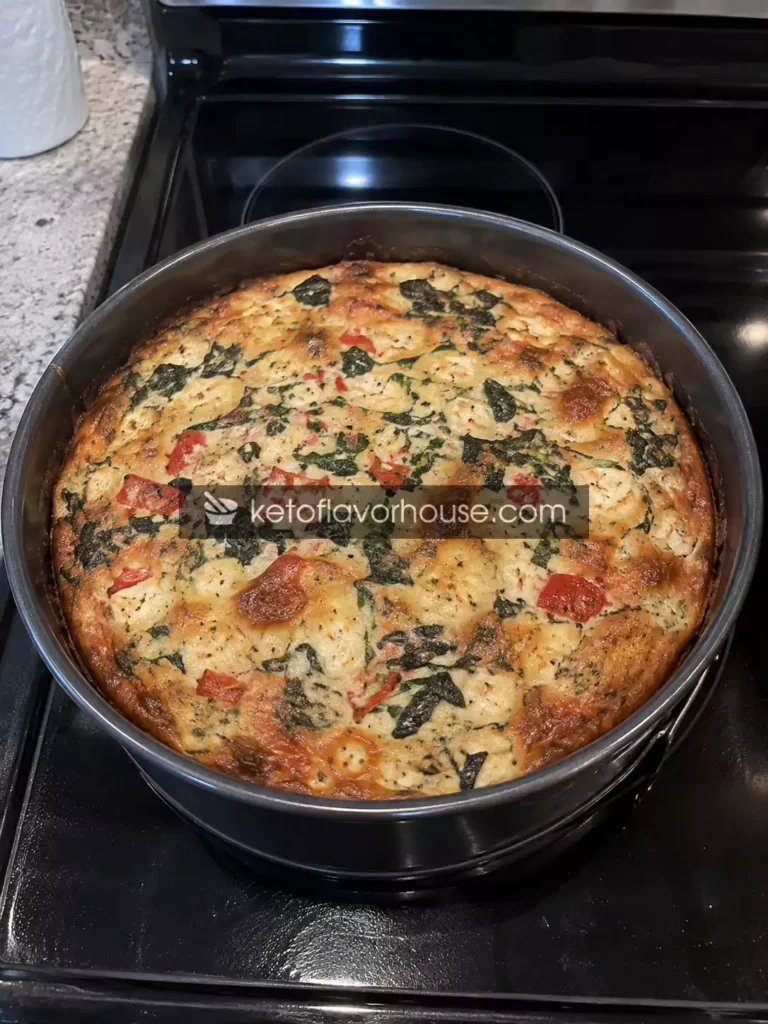
There are some recipes that completely change the way you think about a familiar dish, and this Mediterranean Creamy Crustless Baked Cheesecake is one of those recipes for me. Instead of the sweet cheesecake most of us picture when we hear the word “cheesecake,” this Mediterranean-inspired version is savory, creamy, herb-filled, and packed with colorful ingredients like feta, spinach, roasted red peppers, garlic, lemon, and fresh herbs. It has the luxurious texture of a baked cheesecake but the bright, fresh personality of a Mediterranean lunch or dinner.
I love recipes like this when I want something comforting without making a heavy casserole or spending hours in the kitchen. The filling comes together in one bowl, there is no crust to roll, chill, or blind-bake, and the oven does most of the work. Once it has cooled slightly, you can cut it into neat wedges or squares and serve it with a crisp salad, roasted vegetables, olives, or a spoonful of cool Greek yogurt.
What makes this Mediterranean Creamy Crustless Baked Cheesecake particularly special is the balance of flavors. Cream cheese and Greek yogurt create a rich, smooth base, while feta brings that unmistakable salty tang. Spinach adds freshness, roasted red peppers bring a gentle sweetness, garlic provides warmth, and lemon keeps everything from becoming too rich. Fresh dill and parsley finish the dish with that garden-fresh quality I always associate with Mediterranean-inspired cooking.
It is the kind of recipe that works equally well for a relaxed family dinner, a weekend brunch, a summer gathering, or a make-ahead lunch. And because it is crustless, you can focus completely on the creamy filling and all those savory ingredients tucked inside.
Why You’ll Love This Recipe
- 🍋 Bright Mediterranean flavor – Lemon, garlic, herbs, feta, and roasted peppers create a wonderfully balanced savory flavor.
- 🫒 Simple wholesome ingredients – Olive oil, vegetables, herbs, cheese, and Greek yogurt give the dish plenty of character.
- 🌿 Fresh and aromatic – Dill, parsley, garlic, and lemon zest make every bite taste fresh rather than heavy.
- 🧀 Incredibly creamy – Cream cheese, feta, and Greek yogurt create a rich baked texture that is soft without being runny.
- 🥬 Packed with vegetables – Spinach and roasted peppers add color, texture, and freshness.
- 🍽️ Crustless and easy – No pastry preparation means fewer steps and less cleanup.
- ⏱️ Great for make-ahead meals – The cheesecake can be baked ahead and chilled until you’re ready to serve.
- ❤️ Beautiful for entertaining – Cut into wedges or small squares and serve it as a centerpiece alongside Mediterranean sides.
- ✨ Versatile – Serve it warm, at room temperature, or chilled depending on the occasion.
My Personal Experience Making This Recipe
I didn’t set out to make a cheesecake when I first started playing around with this combination.
I had been thinking about Mediterranean flavors and wanted to put together something that felt a little more substantial than a vegetable frittata but wasn’t quite as heavy as a traditional casserole. I had feta in the refrigerator, some spinach that needed using, and a jar of roasted red peppers sitting in the pantry.
Naturally, garlic and lemon followed.
Once I mixed everything with a creamy cheese base, I had one of those moments where you aren’t entirely sure whether your experiment is going to work.
I poured it into a baking dish without a crust and crossed my fingers.
The smell coming from the oven was the first good sign. The garlic and herbs became wonderfully fragrant, and the feta developed that warm, savory aroma that makes you want to open the oven door long before dinner is ready.
The biggest lesson from that first batch was to let it rest.
I was impatient and tried slicing it almost immediately. The center was still too soft, and the first piece wasn’t nearly as neat as I wanted.
After giving it more time to cool, the texture changed completely. It became creamy and firm enough to slice while still retaining that delicate cheesecake texture.
Now I actually prefer making it ahead.
The flavors have time to settle, the herbs become more noticeable, and the lemon and feta seem to blend beautifully into the creamy filling.
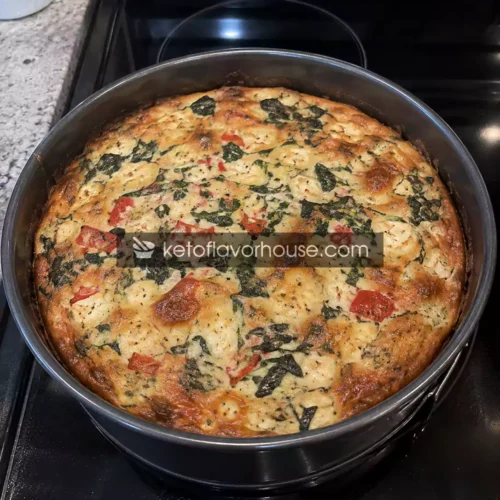
It’s also one of those recipes where a slightly rustic appearance is perfectly fine. You don’t need pastry-chef precision. A few colorful pieces of roasted pepper showing through the creamy filling make it look homemade in the best possible way.
Required Equipment
9-Inch Springform Pan
A 9-inch springform pan makes removing the cheesecake particularly easy, especially if you want to serve it as a centerpiece.
The removable sides allow you to release the baked cheesecake without having to turn it upside down.
If you don’t have a springform pan, a deep 9-inch pie dish or similarly sized baking dish can work. Just line it carefully with parchment if you want easier removal.
Large Mixing Bowl
A large bowl gives you enough room to mix the cream cheese, Greek yogurt, eggs, feta, vegetables, and herbs without making a mess.
Because the filling is fairly thick, I prefer a bowl with plenty of extra space rather than trying to squeeze everything into a small one.
Electric Hand Mixer
An electric hand mixer helps create a smooth cheesecake base.
You don’t need to whip the mixture aggressively. The goal is simply to remove lumps from the cream cheese before incorporating the eggs.
A sturdy whisk can work if your cream cheese is very soft, although you’ll need a little more elbow grease.
Rubber Spatula
A rubber spatula is essential for folding in the spinach, peppers, feta, and herbs.
It also lets you scrape every bit of the creamy filling from the mixing bowl.
Sharp Knife
A sharp knife is useful for chopping the roasted peppers, spinach, garlic, and fresh herbs.
For cleaner cheesecake slices, you’ll also use the knife to cut the cooled cheesecake.
Cutting Board
A large cutting board gives you plenty of space to prepare the vegetables and herbs efficiently.
I like chopping all the vegetables before starting the filling so everything is ready to go when I need it.
Baking Sheet
A small baking sheet is useful if you’re roasting fresh bell peppers yourself instead of using jarred roasted red peppers.
It also gives you a convenient surface for placing the springform pan in the oven.
Ingredients & Substitutions
Cream Cheese
Use 16 ounces full-fat cream cheese, softened.
Cream cheese forms the creamy foundation of the cheesecake and gives it that unmistakably smooth, rich texture.
For the best consistency, use block-style cream cheese and let it soften before mixing.
Reduced-fat cream cheese can be used, but the final cheesecake may be slightly less rich and creamy.
Plain Greek Yogurt
Use 1 cup full-fat plain Greek yogurt.
Greek yogurt adds a gentle tang that works beautifully with feta and lemon. It also softens the richness of the cream cheese.
You can use plain regular yogurt, but Greek yogurt is preferable because it contains less moisture.
If using regular yogurt, strain it first for a thicker consistency.
Feta Cheese
Use 6 ounces crumbled feta cheese.
Feta is one of the main ingredients that gives this cheesecake its Mediterranean-inspired personality.
Its salty, tangy flavor cuts through the richness of the cream cheese and creates little savory pockets throughout the filling.
If feta is particularly salty, taste the mixture before adding additional salt.
Goat cheese can be substituted for part or all of the feta for a softer, tangier flavor.
Large Eggs
Use 4 large eggs.
Eggs help the cheesecake set as it bakes while providing structure and a delicate custard-like texture.
Add them gradually rather than beating everything together aggressively.
Fresh Spinach
Use 2 cups packed fresh spinach, finely chopped.
Spinach adds color, freshness, and a mild vegetable flavor.
The important thing is to remove excess moisture. Wet spinach can make a crustless cheesecake watery.
If using frozen spinach, thaw it completely and squeeze out as much water as possible before adding it.
Roasted Red Peppers
Use ¾ cup roasted red peppers, well drained and finely chopped.
Roasted peppers contribute sweetness and a subtle smoky quality.
Jarred roasted peppers are perfectly convenient here. Just drain them thoroughly and pat them dry before chopping.
Fresh red bell peppers can be roasted at home if you prefer.
Garlic
Use 3 cloves fresh garlic, finely minced.
Garlic gives the filling a warm aromatic foundation.
Fresh garlic is particularly good in this recipe because it becomes mellow and fragrant as it bakes.
Fresh Parsley
Use ¼ cup finely chopped fresh parsley.
Parsley brings a clean, fresh herbal note that balances the creamy cheeses.
Fresh Dill
Use 2 tablespoons finely chopped fresh dill.
Dill is especially lovely with feta, yogurt, and lemon.
If you don’t have fresh dill, use 2 teaspoons dried dill, but fresh gives a brighter flavor.
Lemon Zest
Use 1 teaspoon finely grated lemon zest.
Lemon zest gives the cheesecake a concentrated citrus aroma without adding too much liquid.
Lemon Juice
Use 1 tablespoon fresh lemon juice.
The acidity helps balance the rich cheese and brightens the vegetables.
Fresh lemon juice is preferable because it has a cleaner flavor.
Extra-Virgin Olive Oil
Use 1 tablespoon extra-virgin olive oil.
Olive oil adds a subtle fruity richness and helps reinforce the Mediterranean-inspired character of the recipe.
It also works beautifully with the roasted vegetables and herbs.
Dried Oregano
Use 1 teaspoon dried oregano.
Oregano provides a familiar Mediterranean herbal note.
Dried oregano works particularly well here because it has enough intensity to hold its flavor during baking.
Black Pepper
Use ½ teaspoon freshly ground black pepper.
The pepper adds gentle warmth and helps bring the savory flavors together.
Salt
Use ¼ teaspoon salt, or adjust to taste.
Be careful here because feta already contributes considerable saltiness.
Depending on the feta you use, you may need little or no additional salt.
How to Make Mediterranean Creamy Crustless Baked Cheesecake
1. Prepare the Pan and Oven
Preheat the oven to 325°F (165°C).
Lightly grease a 9-inch springform pan with a little olive oil or cooking spray.
For easier removal, place a round piece of parchment paper on the bottom of the pan.
If you’re using a regular baking dish instead, line it with parchment and leave a little overhang around the edges.
This is a simple step that can save you from wrestling with the finished cheesecake later.
2. Prepare the Spinach
Wash the fresh spinach and dry it thoroughly.
Finely chop the spinach.
If the leaves are wet, pat them dry with paper towels before chopping.
This matters more than it may seem. Since this is a crustless cheesecake, excess moisture has nowhere to go.
You want the spinach to contribute flavor and color, not water.
3. Prepare the Roasted Peppers
Drain the roasted red peppers very well.
Pat them gently with paper towels, then chop them into small pieces.
Don’t worry about making every piece perfectly identical.
Small, irregular pieces actually distribute nicely through the cheesecake.
4. Prepare the Herbs and Garlic
Finely chop the parsley and dill.
Mince the garlic as finely as possible.
Grate the lemon zest directly from the lemon, making sure to remove only the yellow outer layer and not the bitter white pith underneath.
Set everything aside.
I like putting the herbs, garlic, lemon zest, and seasonings together in one small bowl at this point. It makes adding them to the filling much easier.
5. Soften the Cream Cheese
Place the softened cream cheese in a large mixing bowl.
Beat it on medium-low speed until smooth.
Scrape the sides and bottom of the bowl with a rubber spatula.
Don’t move on until the cream cheese is mostly free of lumps.
Starting with properly softened cream cheese is one of the easiest ways to get a smooth final texture.
6. Add the Greek Yogurt
Add the Greek yogurt to the softened cream cheese.
Mix gently until combined.
The mixture should become noticeably lighter and creamier.
Don’t whip it at high speed. We’re making a dense, creamy baked cheesecake, not a fluffy mousse.
7. Add the Eggs Gradually
Add the eggs one at a time, mixing gently after each addition.
Wait until the first egg is incorporated before adding the next.
This helps maintain a smooth filling and prevents unnecessary overmixing.
Once the final egg has disappeared into the mixture, stop mixing.
8. Add the Mediterranean Seasonings
Add the minced garlic, parsley, dill, lemon zest, lemon juice, oregano, black pepper, olive oil, and salt.
Mix gently until everything is evenly distributed.
At this point, the mixture should smell wonderfully fresh and savory.
Taste a tiny amount before adding the vegetables.
Remember that feta is coming next, so don’t over-season the base.
9. Fold in the Spinach and Peppers
Add the chopped spinach and roasted red peppers.
Use a rubber spatula to fold them through the cream cheese mixture.
Fold gently but thoroughly.
You want the vegetables distributed throughout the filling without beating air into the mixture.
10. Fold in the Feta
Add the crumbled feta last.
Fold it through gently.
I like leaving some slightly larger feta pieces because they create little pockets of salty, creamy flavor throughout the baked cheesecake.
Don’t worry if the mixture looks a little rustic.
That’s exactly what we want.
11. Transfer the Filling to the Pan
Pour the filling into the prepared springform pan.
Use the spatula to spread it evenly.
Gently tap the pan against the countertop once or twice to remove any obvious large air pockets.
Don’t bang it aggressively.
The goal is simply to settle the filling.
12. Bake Until Set
Place the pan in the preheated oven.
Bake for approximately 45–55 minutes.
The edges should look set while the center should have a gentle wobble when the pan is carefully moved.
You don’t want the middle to look liquid, but you also don’t want it completely rigid.
Overbaking can turn the creamy cheesecake texture dry and crumbly.
If the top begins browning more quickly than you’d like, loosely cover it with foil during the final portion of baking.
13. Cool Gradually
Turn off the oven and leave the cheesecake inside with the oven door slightly open for approximately 10 minutes.
Then remove it and place it on a cooling rack.
Allow it to cool for at least 30–45 minutes before attempting to remove it from the pan.
This gradual cooling helps minimize dramatic temperature changes.
14. Chill Before Serving
For the best texture, refrigerate the cheesecake for at least 2 hours.
If you’re able to plan ahead, chilling it overnight is even better.
The filling becomes firmer and easier to slice, while the flavors have time to settle together.
15. Slice and Finish
Run a thin knife around the edge of the cheesecake before releasing the springform pan.
Slice into wedges.
Finish with fresh parsley, dill, lemon zest, a drizzle of olive oil, or a few crumbles of feta if desired.
And don’t worry if the slices aren’t perfectly identical. A homemade Mediterranean-inspired cheesecake should look inviting, not manufactured.
Common Mistakes to Avoid
Adding Wet Spinach
Excess water from spinach is one of the easiest ways to make a crustless cheesecake watery.
Fix: Dry fresh spinach thoroughly. If using frozen spinach, squeeze it extremely well after thawing.
Using Wet Roasted Peppers
Roasted peppers can carry a surprising amount of liquid from the jar.
Fix: Drain and pat them dry before chopping.
Overmixing the Eggs
Whipping the eggs aggressively can introduce too much air.
Fix: Mix gently and only until incorporated.
Adding Too Much Salt
Feta can be quite salty.
Fix: Start with a small amount of salt and taste the mixture before adding more.
Slicing Too Soon
A warm cheesecake is softer and much harder to slice cleanly.
Fix: Let it cool and refrigerate it before serving.
Overbaking
A completely firm center in the oven usually means the cheesecake has been baked longer than necessary.
Fix: Look for set edges and a gentle center wobble.
Chopping Vegetables Too Large
Large pieces can make the cheesecake difficult to slice.
Fix: Keep the spinach and roasted peppers finely chopped.
Pro Tips for Best Results
The most important trick is controlling moisture.
Because this cheesecake doesn’t have a crust or a dense flour-based structure, excess liquid from vegetables can affect the final texture. Dry your spinach, drain your roasted peppers, and avoid adding watery vegetables without preparing them first.
I also recommend bringing the cream cheese and eggs to room temperature.
Room-temperature ingredients combine much more smoothly, which means you don’t have to overmix the filling trying to eliminate lumps.
When seasoning, think in layers.
The feta provides salt and tang. The lemon provides acidity. Garlic and oregano add warmth. Parsley and dill bring freshness. Olive oil adds richness.
None of those ingredients needs to dominate.
The magic happens when they all sit together.
Finally, don’t be afraid to serve the cheesecake at room temperature for a Mediterranean-style lunch or gathering. It doesn’t always have to be refrigerator-cold.
Mediterranean Benefits of Feta Cheese
Feta is one of the ingredients that gives this Mediterranean-inspired cheesecake its identity.
Its crumbly texture and tangy, salty flavor make it especially useful in dishes where you want a strong cheese presence without needing a huge amount of cheese.
In this recipe, feta contrasts with the mild cream cheese beautifully. Instead of making the filling taste like a generic cheese casserole, it gives the cheesecake a distinctly savory character.
Feta also pairs naturally with ingredients commonly associated with Mediterranean-style cooking, including spinach, roasted peppers, lemon, oregano, parsley, dill, and olive oil.
Nutritionally, feta provides protein, fat, calcium, and other nutrients found in dairy foods. Because it is also relatively salty, using it thoughtfully allows you to get plenty of flavor without relying on large amounts of additional salt.
If you prefer a milder result, use a slightly smaller amount of feta and replace some of it with goat cheese or a mild crumbly cheese.
Variations You Can Try
🌶️ Spicy Mediterranean
Add ½ teaspoon red pepper flakes to the filling.
For more heat, add finely chopped fresh chili.
The spicy version is especially good served with a cooling Greek yogurt sauce.
🌿 Extra Herby
Increase the parsley to ⅓ cup and dill to 3 tablespoons.
You can also add a tablespoon of finely chopped fresh mint.
This variation tastes particularly fresh and works beautifully for a spring or summer lunch.
🧄 Garlic-Lover’s Version
Add one additional minced garlic clove.
For an even deeper garlic flavor, roast the garlic first and mash it into the cream cheese mixture.
Roasted garlic will give you a sweeter, softer garlic flavor than raw garlic.
🧀 Extra Cheesy
Add ½ cup shredded mozzarella to the filling.
This creates a slightly stretchier and richer texture.
Keep the feta because its tangy flavor helps balance the mozzarella.
🍋 Lemon-Herb Version
Add another ½ teaspoon lemon zest and increase the parsley.
This makes the cheesecake particularly bright and refreshing.
🥗 Extra Vegetable Version
Finely chopped sautéed zucchini, mushrooms, or artichoke hearts can be added.
The key is to cook and drain them first.
Never add large amounts of raw watery vegetables directly to the filling.
🔥 Roasted Pepper Version
Increase the roasted red peppers to 1 cup and add a pinch of smoked paprika.
This creates a slightly sweeter, smokier cheesecake.
💨 Air Fryer Version
A full 9-inch cheesecake generally isn’t practical for most air fryers, but you can make individual mini versions using small oven-safe ramekins or a suitable small pan.
Reduce the temperature to around 300°F (150°C) and start checking considerably earlier.
Because air fryers circulate hot air directly around the food, the tops may brown faster.
Tips for This Recipe
Prepare all the vegetables before starting the cheesecake mixture.
This is especially helpful because once your cream cheese is smooth, you don’t want it sitting around while you’re still chopping ingredients.
Taste your seasoning carefully.
Feta varies in saltiness, so the exact amount of salt required isn’t always identical.
If your cheesecake seems too rich, a little extra lemon juice or a spoonful of Greek yogurt sauce alongside it can brighten the plate.
If you’re preparing it for meal prep, allow the cheesecake to cool completely before placing it in storage containers.
For the cleanest portions, slice the entire cheesecake after chilling rather than cutting individual pieces while it is still warm.
And if you notice a little moisture on top after refrigeration, gently blot it with a paper towel rather than trying to wipe the surface.
Optional Additions
There are plenty of Mediterranean-inspired toppings that work beautifully here.
A sprinkle of fresh parsley gives the top a fresh green finish.
Fresh dill emphasizes the creamy, tangy flavors.
Lemon zest adds brightness and makes the cheesecake look especially inviting.
A few Kalamata olives, finely chopped, provide a salty contrast.
A spoonful of Greek yogurt makes a simple creamy topping.
You can also drizzle a little extra-virgin olive oil over individual slices just before serving.
For heat, use red pepper flakes.
For crunch, sprinkle on a few toasted pine nuts or chopped almonds.
A small spoonful of tzatziki on the side is another excellent option, particularly when serving the cheesecake as part of a larger Mediterranean-inspired meal.
Serving Ideas
This cheesecake is incredibly versatile because it can be served as either the main event or part of a larger spread.
For a simple lunch, serve a wedge with a crisp cucumber and tomato salad dressed with lemon and olive oil.
For dinner, pair it with roasted zucchini, eggplant, or cauliflower.
A platter of olives, sliced cucumbers, cherry tomatoes, feta, and fresh herbs can turn the cheesecake into the centerpiece of a Mediterranean-inspired dinner table.
For brunch, cut it into smaller wedges and serve it alongside a fresh green salad.
It is also wonderful for entertaining because you can bake it ahead of time and serve it without having to assemble anything at the last minute.
For a summer gathering, serve chilled or slightly cool with fresh herbs and lemon wedges.
For a casual family dinner, simply place the cheesecake on the table and let everyone serve themselves.
If you’re serving it as an appetizer, cut it into smaller squares instead of large wedges.
Storage Recommendations
Refrigerator
Allow the cheesecake to cool completely before storing it.
Cover it tightly or transfer individual portions to airtight containers.
It should keep well in the refrigerator for approximately 3–4 days.
Because the vegetables contain moisture, I prefer eating it within the first few days for the best texture.
Freezer
The cheesecake can be frozen, although the texture may change slightly after thawing.
If freezing, cut it into individual portions and wrap each piece tightly before placing them in a freezer-safe container.
Freeze for up to 1 month for the best quality.
Thaw overnight in the refrigerator.
Reheating
This cheesecake doesn’t need to be reheated.
It’s delicious chilled, cool, or at room temperature.
If you prefer it warm, place an individual slice in a low oven at approximately 300°F (150°C) for a few minutes.
Avoid prolonged microwave heating because it can make the filling rubbery and cause moisture to separate from the cheese.
Frequently Asked Questions
Can I make this Mediterranean-inspired cheesecake ahead of time?
Absolutely. In fact, making it ahead is one of the best ways to serve it.
Bake the cheesecake the day before, let it cool completely, and refrigerate overnight. The texture becomes firmer and the flavors have more time to come together.
Can I use frozen spinach?
Yes, but prepare it carefully.
Thaw the spinach completely and squeeze it repeatedly to remove as much moisture as possible. Frozen spinach holds considerably more water than fresh spinach, and that excess liquid can affect the cheesecake.
Can I use different vegetables?
Yes, as long as you choose vegetables that aren’t excessively watery.
Cooked zucchini, mushrooms, artichoke hearts, or finely chopped sun-dried tomatoes can work well.
Always cook or drain vegetables that release a lot of moisture before adding them.
Can I use dried herbs instead of fresh?
Yes.
For this recipe, use approximately 2 teaspoons dried dill instead of 2 tablespoons fresh dill, and you can substitute dried parsley if necessary.
Fresh herbs will provide a brighter flavor, so use them when available.
Can I make this without feta?
Yes.
Goat cheese is an excellent substitute and creates a slightly softer, tangier flavor.
You can also use another crumbly cheese, although the final flavor will no longer have quite the same Mediterranean-inspired character.
Can I make this in an air fryer?
You can make individual portions in an air fryer using suitable oven-safe ramekins or a small baking dish.
A full-size cheesecake is usually too large for most air fryer baskets.
Use approximately 300°F (150°C) and begin checking early because the circulating heat can brown the surface quickly.
Can I freeze the cheesecake?
Yes, although fresh is best.
Freeze individual slices tightly wrapped and thaw them overnight in the refrigerator.
The cheesecake may be slightly softer after freezing and thawing, but it should still taste delicious.
How do I prevent the cheesecake from becoming watery?
The most important thing is controlling moisture from the vegetables.
Drain roasted peppers thoroughly, dry fresh spinach well, and squeeze frozen spinach extremely well.
Also avoid adding large amounts of raw zucchini, mushrooms, or other high-water vegetables.
Can I make this vegetarian?
Yes. The recipe as written is already vegetarian.
It contains dairy and eggs but no meat or seafood, making it suitable for a vegetarian Mediterranean-inspired meal.
Should I serve it hot or cold?
Both can work.
For the firmest texture and cleanest slices, serve it chilled.
For a softer, more comforting texture, let it sit at room temperature for about 20–30 minutes before serving.
I personally love it slightly cool rather than refrigerator-cold.
What sauce goes best with this cheesecake?
A simple Greek yogurt sauce works beautifully.
Mix plain Greek yogurt with lemon juice, chopped dill, parsley, black pepper, and a tiny drizzle of olive oil.
Tzatziki is another excellent choice.
Nutritional Breakdown Per Serving
The following values are estimated based on the listed ingredients and 10 servings. Actual nutrition can vary depending on the brands of cream cheese, Greek yogurt, feta, and other ingredients used.
| Nutrient | Approximate Amount |
|---|---|
| Calories | 235 kcal |
| Protein | 11 g |
| Fat | 19 g |
| Total Carbohydrates | 6 g |
| Fiber | 1 g |
| Net Carbohydrates | 5 g |
| Sugar | 3 g |
| Sodium | 570 mg |
The sodium level can vary significantly depending on the feta and roasted peppers you use. If you are using particularly salty feta, reducing the added salt is the easiest adjustment.
Recipe Snapshot
Recipe Name: Mediterranean Creamy Crustless Baked Cheesecake
Prep Time: 25 minutes
Cook Time: 45–55 minutes
Cooling Time: 45 minutes
Chilling Time: 2 hours
Total Time: About 3 hours 10 minutes
Course: Main Course, Lunch, Brunch, Appetizer
Cuisine: Mediterranean-Inspired
Servings: 10
Calories: Approximately 235 per serving
Protein: Approximately 11g per serving
Mediterranean Creamy Crustless Baked Cheesecake Recipe

Ingredients
Cheesecake
- 16 ounces full-fat cream cheese softened
- 1 cup full-fat plain Greek yogurt
- 6 ounces feta cheese crumbled
- 4 large eggs
- 2 cups packed fresh spinach finely chopped
- ¾ cup roasted red peppers well drained and finely chopped
- 3 cloves garlic finely minced
- ¼ cup fresh parsley finely chopped
- 2 tablespoons fresh dill finely chopped
- 1 teaspoon lemon zest
- 1 tablespoon fresh lemon juice
- 1 tablespoon extra-virgin olive oil
- 1 teaspoon dried oregano
- ½ teaspoon freshly ground black pepper
- ¼ teaspoon salt or to taste
Instructions
- Preheat the oven to 325°F (165°C). Lightly grease a 9-inch springform pan and line the bottom with parchment paper for easier removal.
- Wash and thoroughly dry the spinach, then finely chop it. If using frozen spinach instead, thaw it completely and squeeze out as much moisture as possible.
- Drain the roasted red peppers thoroughly, pat them dry with paper towels, and finely chop them into small pieces.
- Finely chop the parsley and dill, mince the garlic, and grate 1 teaspoon of lemon zest. Set the prepared herbs, garlic, and lemon aside.
- Place the softened cream cheese in a large mixing bowl and beat on medium-low speed until smooth and free of noticeable lumps.
- Add the Greek yogurt and mix gently until completely incorporated and creamy.
- Add the eggs one at a time, mixing gently after each addition until just combined. Avoid overmixing once the eggs have been incorporated.
- Add the minced garlic, parsley, dill, lemon zest, lemon juice, olive oil, oregano, black pepper, and salt. Mix gently until the seasonings are evenly distributed.
- Fold the chopped spinach and roasted red peppers into the cream cheese mixture using a rubber spatula, making sure the vegetables are evenly distributed throughout the filling.
- Add the crumbled feta and gently fold it into the mixture, leaving some slightly larger pieces intact for extra bursts of flavor.
- Pour the completed filling into the prepared springform pan and spread the surface evenly with a rubber spatula.
- Bake at 325°F (165°C) for 45–55 minutes, or until the edges are set and the center has a gentle wobble when the pan is carefully moved.
- Turn off the oven, leave the cheesecake inside with the door slightly open for about 10 minutes, then remove it and allow it to cool at room temperature for at least 30–45 minutes.
- Refrigerate the cheesecake for at least 2 hours, preferably longer, until thoroughly chilled and firm enough to slice cleanly.
- Carefully run a thin knife around the edge, release the springform pan, and cut the cheesecake into 10 wedges. Garnish with fresh parsley, dill, lemon zest, feta, or a light drizzle of olive oil before serving if desired.