This post may contains Amazon affiliate and other affiliate links. If you make a purchase through these links, I may earn a small commission at no extra cost to you. Your support helps me continue to provide quality content. I only recommend products I personally trust and believe will add value to your experience. For more details, please visit my Privacy Policy.
There are some dinners that feel like they should take much longer than they actually do, and this High-Protein Garlic Parmesan Baked Shrimp is one of my favorite examples. It has everything I want when a weeknight craving hits: tender shrimp, loads of garlicky flavor, nutty Parmesan, a little lemony brightness, and a lightly golden finish that makes the whole kitchen smell incredible. Best of all, it comes together quickly and gives you a generous serving of protein without requiring a complicated cooking process.
I started making this recipe on evenings when I wanted something more exciting than plain grilled protein but didn’t want to spend the entire evening cooking. Shrimp turned out to be the perfect answer. They’re naturally lean, cook quickly, and take on bold flavors beautifully. Add fresh garlic, Parmesan, paprika, Italian seasoning, lemon juice, and just enough olive oil to bring everything together, and suddenly a simple package of shrimp becomes a dinner that feels restaurant-worthy.
What makes this recipe especially useful for people following a high-protein lifestyle is the protein-to-preparation ratio. You get a substantial amount of protein from the shrimp, while the other ingredients are primarily there to build flavor. There’s no heavy cream sauce, no complicated breading, and no need to deep-fry anything. Instead, the shrimp bake until just cooked through, with the Parmesan creating little golden, savory spots around the edges.
Whether you’re working toward a higher daily protein target, planning meals around workouts, trying to create filling dinners while managing your weight, or simply looking for an easy seafood recipe for busy nights, this High-Protein Garlic Parmesan Baked Shrimp is one you’ll want to save.
Why You’ll Love This High-Protein Garlic Parmesan Baked Shrimp
- 🦐 Seriously protein-packed: Shrimp provide a generous amount of lean protein in every serving.
- 🧄 Loaded with garlic flavor: Fresh garlic gives the shrimp an aromatic, savory flavor that makes every bite exciting.
- 🧀 Parmesan adds richness: A moderate amount of Parmesan brings salty, nutty flavor without needing a heavy cream sauce.
- 🍋 Fresh and balanced: Lemon juice cuts through the richness and keeps the dish bright.
- 🔥 Baked, not fried: You get beautifully cooked shrimp without standing over a skillet or using lots of oil.
- ⏱️ Quick weeknight dinner: The prep takes only a few minutes, and shrimp cook remarkably fast.
- 💪 Great for high-protein meal plans: It pairs easily with vegetables, rice, potatoes, salads, or low-carb sides.
- 🍱 Meal-prep friendly: Portion the cooked shrimp with your favorite sides for convenient lunches.
- 👨👩👧 Easy enough for the family: The familiar garlic-and-Parmesan combination makes seafood approachable even for picky eaters.
- 🥗 Easy to customize: Add herbs, chili flakes, vegetables, or a little extra lemon depending on your mood.
My Personal Experience Making This Recipe
I have always considered shrimp one of those ingredients that can rescue dinner when you haven’t planned anything.
They’re small, they cook quickly, and they don’t need hours of marinating to taste good. The problem is that because they cook so quickly, it’s also surprisingly easy to overcook them.
The first time I made this particular version, I was focused more on getting the Parmesan beautifully golden than I was on watching the shrimp. I left them in the oven just a little too long.
They weren’t terrible, but they weren’t what I wanted either.
Instead of that tender, juicy texture I was after, they were firmer and slightly rubbery. That’s when I learned to treat shrimp differently from something like chicken breast. You can’t simply put them in the oven and forget about them.
Now I prepare all my sides first, get the shrimp seasoned, and then bake them when everything else is nearly ready.
That simple change made this recipe so much better.
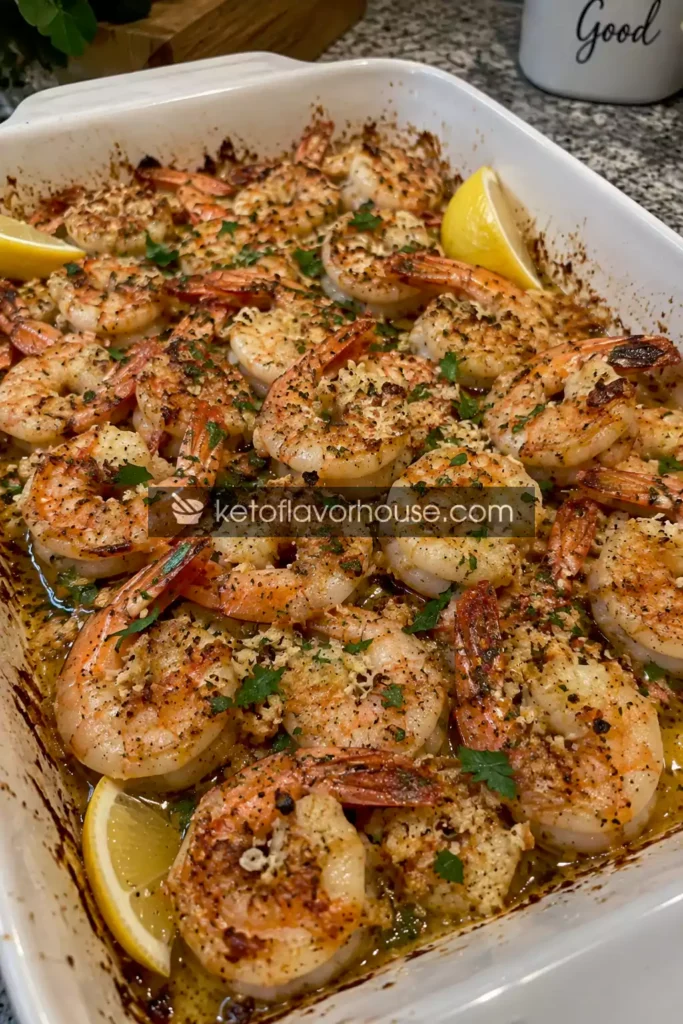
The aroma that comes from the oven is another reason I love making it. Fresh garlic, Parmesan, paprika, and Italian seasoning start to mingle almost immediately. By the time the shrimp are finished, the edges of the Parmesan are lightly golden, and there are little bits of seasoning clinging to the shrimp.
And then there’s the lemon.
A squeeze of fresh lemon over the top right before serving makes the whole dish come alive. It adds just enough acidity to balance the Parmesan and keeps the garlic from feeling too heavy.
For me, that’s what makes a high-protein recipe worth repeating. It isn’t enough for a meal to contain protein. I want it to taste good enough that I actually look forward to eating it.
That’s particularly important when you’re trying to increase protein consistently. If every protein-rich meal feels repetitive, dry, or overly restrictive, eventually you start looking for something else.
This shrimp recipe gives you a completely different experience.
It’s savory, juicy, garlicky, cheesy, bright, and incredibly easy.
Ingredients You’ll Need
The ingredient list is short, but each component has a specific job. That’s one of the things I appreciate about this recipe: nothing is there simply to fill space.
1 ½ pounds large raw shrimp
Use peeled and deveined shrimp with the tails removed for the easiest eating experience.
Large shrimp work especially well because they’re less likely to overcook during baking than very small shrimp.
Fresh or frozen shrimp can both work. If you’re using frozen shrimp, thaw them completely and pat them very dry before seasoning.
Protein role: Shrimp are the primary protein source and provide approximately 30–35 grams of protein per 4-ounce portion, depending on the exact shrimp.
Substitution: Large peeled scallops can work, although the cooking time will differ. Chicken isn’t a direct one-to-one substitution because it requires significantly longer cooking.
1 tablespoon extra-virgin olive oil
A small amount of olive oil helps the seasoning cling to the shrimp and keeps the surface from becoming dry.
You don’t need a lot.
The shrimp themselves release moisture as they cook, so the goal is simply to provide enough fat to help carry the garlic and seasonings.
Lower-calorie option: Use 2 teaspoons instead of 1 tablespoon if you want to reduce the calories slightly.
4 cloves fresh garlic, finely minced
This is where the personality of the recipe comes from.
Fresh garlic becomes fragrant and slightly sweet as it cooks, creating a much deeper flavor than simply sprinkling garlic powder over the shrimp.
If you absolutely need a shortcut, 1 teaspoon garlic powder can be used, but fresh garlic is my preference.
⅓ cup finely grated Parmesan cheese
Finely grated Parmesan coats the shrimp better than large shreds.
It adds salty, nutty flavor and gives the finished shrimp those little browned Parmesan spots that make them so appealing.
Protein role: Parmesan contributes additional protein, although shrimp remain the primary source.
Substitution: Pecorino Romano can be used for a sharper, saltier flavor. Because it is saltier, you may want to reduce the added salt.
1 tablespoon fresh lemon juice
Lemon juice brightens the entire dish.
I like adding some before baking and saving extra lemon wedges for serving.
Substitution: Lime juice works if that’s what you have available, although the flavor will be slightly different.
1 teaspoon paprika
Paprika adds mild warmth and beautiful color.
You can use sweet paprika or smoked paprika depending on the flavor you’re after.
1 teaspoon Italian seasoning
A simple Italian seasoning blend brings together herbs such as oregano and basil.
You can substitute a combination of dried oregano, basil, and parsley if you prefer.
½ teaspoon onion powder
Onion powder adds savory depth without introducing additional moisture.
¼ teaspoon black pepper
Freshly ground black pepper works especially well here.
¼ teaspoon salt
Use less if your Parmesan is particularly salty.
I always recommend tasting the finished shrimp before adding additional salt because Parmesan can vary considerably in saltiness.
2 tablespoons chopped fresh parsley
Parsley adds freshness and color at the end.
It’s optional, but I think it makes the finished dish look much more appetizing.
Lemon wedges, for serving
These aren’t technically part of the main mixture, but I strongly recommend having them available.
A squeeze of lemon immediately before eating makes a surprisingly big difference.
Required Equipment
Mixing Bowl
You’ll use a mixing bowl to combine the shrimp with the oil, garlic, Parmesan, and seasonings.
Choose one large enough that you can toss the shrimp without ingredients flying over the sides.
If you don’t have a mixing bowl, a large food-storage container with a lid can work. Add everything, close the lid, and gently shake it to coat the shrimp.
Baking Dish
A shallow baking dish is ideal because it allows the shrimp to spread into one layer.
Avoid a very deep dish. The shrimp should have enough room around them for the hot air to circulate.
A rimmed baking sheet also works beautifully.
Parchment Paper
Parchment paper isn’t essential, but I like using it because it makes cleanup much easier.
The Parmesan can brown onto the surface of the pan, and nobody wants to spend twenty minutes scrubbing baked-on cheese after dinner.
If you don’t have parchment, lightly grease the baking dish instead.
Measuring Spoons
Accurate measurements are useful here because ingredients such as olive oil and Parmesan can change the nutritional profile when portions become larger.
Especially if you’re tracking calories or protein, measuring is worth the few extra seconds.
Small Knife
A sharp knife makes quick work of the garlic and parsley.
If you don’t enjoy mincing garlic, a garlic press is a convenient alternative.
How to Make High-Protein Garlic Parmesan Baked Shrimp
Step 1: Preheat the Oven
Preheat your oven to 400°F (200°C).
Line a shallow baking dish or rimmed baking sheet with parchment paper.
Give the oven enough time to fully preheat before the shrimp go inside. Consistent heat helps the shrimp cook evenly.
Step 2: Prepare the Shrimp
If your shrimp are frozen, thaw them completely.
Then pat them very dry with paper towels.
This is one of the most important steps in the entire recipe.
Shrimp naturally contain a lot of moisture, and if they go into the oven soaking wet, they can release enough liquid to make the dish watery instead of allowing the seasoning and Parmesan to brown nicely.
Don’t worry about getting every drop of moisture out. Just make sure the shrimp aren’t visibly wet.
Step 3: Make the Garlic Parmesan Mixture
Add the olive oil, minced garlic, Parmesan, lemon juice, paprika, Italian seasoning, onion powder, black pepper, and salt to a large bowl.
Stir everything together.
The mixture will be thick and slightly clumpy because of the Parmesan.
That’s exactly what you want.
Step 4: Coat the Shrimp
Add the dry shrimp to the bowl.
Use clean hands, tongs, or a large spoon to gently toss everything together.
Make sure the seasoning mixture is distributed evenly.
Don’t aggressively mash or squeeze the shrimp.
You’re simply coating them.
If a few bits of Parmesan remain at the bottom of the bowl, use a spoon to scrape them over the shrimp. Those little bits can become some of the best golden pieces once baked.
Step 5: Arrange the Shrimp
Spread the shrimp across the prepared baking dish in a single layer.
Try not to overlap them.
This matters because overcrowding creates more steam, which can interfere with browning.
If your shrimp are packed tightly together, use two baking dishes rather than forcing everything into one.
Step 6: Bake
Place the shrimp in the preheated oven and bake for approximately 7–10 minutes, depending on their size.
Start checking them around the 7-minute mark.
Shrimp are ready when they’re opaque throughout and have curled into a loose “C” shape.
You don’t want them tightly curled into an “O,” which can be a sign that they’ve been cooked too long.
The exact cooking time will depend on the size of your shrimp and the behavior of your oven.
Step 7: Broil for Extra Golden Parmesan
If you want extra golden Parmesan around the edges, switch the oven to broil for approximately 30–60 seconds at the end.
Stay right there and watch them.
Seriously.
Don’t walk away during this step.
Parmesan can go from beautifully golden to burnt surprisingly quickly under a broiler.
If your shrimp are already beautifully browned, simply skip this step.
Step 8: Finish With Lemon and Parsley
Remove the shrimp from the oven.
Sprinkle them with fresh parsley and squeeze lemon juice over the top.
That final hit of lemon is what brings the flavors together.
The garlic and Parmesan are rich and savory, while the lemon gives the dish a clean, bright finish.
Step 9: Serve Immediately
Baked shrimp are best served while they’re hot and juicy.
Spoon them onto plates alongside your favorite vegetable, grain, or salad.
If you’re meal prepping, allow the shrimp to cool slightly before transferring them to airtight containers.
And don’t forget the little bits of Parmesan left on the baking sheet.
Those crispy pieces are absolutely worth scraping up.
Air Fryer Variation
If you prefer using an air fryer, this recipe adapts very well.
Preheat the air fryer to approximately 375°F.
Arrange the seasoned shrimp in a single layer in the basket.
Cook for approximately 5–7 minutes, depending on shrimp size, shaking the basket gently halfway through if needed.
Because air fryers vary considerably, start checking early.
The shrimp are done when opaque throughout and cooked through.
Point and macro difference: There is essentially no meaningful difference if you use the same ingredient quantities. The cooking method itself doesn’t add points or significant calories.
Stovetop Variation
You can also cook these shrimp in a large skillet.
Heat the skillet over medium-high heat and add the seasoned shrimp in a single layer.
Cook for approximately 2–3 minutes per side, depending on size.
The Parmesan may brown more aggressively in the skillet, so reduce the heat slightly if necessary.
This method is excellent when you want dinner on the table extremely quickly.
Common Mistakes to Avoid
Not Drying the Shrimp
Wet shrimp can release a surprising amount of liquid.
Fix: Pat them thoroughly dry before seasoning.
Overcooking the Shrimp
This is probably the easiest mistake to make.
Fix: Start checking early. Shrimp don’t need a long time in the oven.
Using Too Much Oil
More oil isn’t necessary and can make the finished dish greasy.
Fix: Stick to the measured tablespoon.
Overcrowding the Baking Dish
Crowded shrimp steam rather than roast.
Fix: Use a larger pan or two pans.
Using Pre-Shredded Parmesan
Some pre-shredded cheeses don’t melt or brown as smoothly because of their texture and added ingredients.
Fix: Finely grate Parmesan yourself when possible.
Adding Too Much Salt
Parmesan is naturally salty.
Fix: Start with the recommended amount and adjust after cooking.
Burning the Garlic
Fresh garlic can become bitter if exposed to very high heat for too long.
Fix: Don’t overcook the shrimp, and don’t leave them under the broiler unattended.
Pro Tips for the Best Results
The biggest secret is simple: start with very dry shrimp.
I know it’s an easy step to overlook, especially when you’re hungry and trying to get dinner on the table. But removing excess moisture helps the seasoning stick and encourages better browning.
Another trick is to grate the Parmesan finely.
Large pieces can fall off the shrimp, while fine Parmesan becomes almost like a savory coating.
For even more flavor, add the lemon juice at two different stages. A little in the seasoning mixture gives the shrimp subtle acidity, while fresh lemon at the end provides a much brighter finish.
If you’re trying to keep calories controlled while maximizing protein, resist the temptation to increase the cheese and oil. Shrimp already provide the protein. The Parmesan and oil are there primarily for flavor and texture.
Finally, don’t let the shrimp sit in the hot baking dish for too long after they’re finished. Transfer them to serving plates once they’re ready.
High-Protein Nutrition & Strategy
Shrimp are one of my favorite proteins when I want something that feels lighter than many meat-based dinners while still providing a substantial amount of protein.
They’re naturally lean and cook quickly, which makes them particularly useful for people who don’t want meal preparation to become a major part of their day.
For someone following a high-protein lifestyle, the important thing isn’t necessarily to make every individual meal enormous. Instead, it can be useful to distribute protein across breakfast, lunch, dinner, and snacks.
This recipe can easily become the centerpiece of that approach.
A serving provides approximately 40 grams of protein, depending on the exact size of the shrimp and the Parmesan used.
That makes it particularly convenient for:
Post-Workout Meals
Pair the shrimp with rice, potatoes, quinoa, or another carbohydrate source if you want a more substantial post-workout meal.
Add vegetables for volume, color, and additional nutrients.
High-Protein Lunches
Divide the shrimp into meal-prep containers with roasted vegetables and a modest portion of rice.
You can also serve them cold over a large salad.
Weight-Management Meals
If you’re trying to manage your calorie intake, shrimp can be useful because they provide substantial protein without requiring a large amount of added fat.
The easiest way to keep this particular recipe lighter is to measure the olive oil and Parmesan rather than adding them by eye.
Everyday Family Dinners
Serve the shrimp with roasted broccoli, green beans, asparagus, or a simple salad.
For a more filling meal, add potatoes or rice.
Variations You Can Try
Spicy Garlic Parmesan Shrimp
Add ½–1 teaspoon red pepper flakes.
The heat works beautifully with the garlic and lemon.
Protein: Essentially unchanged.
Calories: Minimal increase.
Lemon Herb Shrimp
Add extra parsley, oregano, and fresh lemon zest.
This version tastes especially fresh during warmer months.
Protein: Essentially unchanged.
Cajun Parmesan Shrimp
Replace the Italian seasoning with 1–2 teaspoons Cajun seasoning.
Because Cajun seasoning can contain quite a bit of salt, reduce the added salt.
Protein: Essentially unchanged.
Extra-Cheesy Shrimp
Increase Parmesan from ⅓ cup to ½ cup.
This gives you a more pronounced cheese flavor.
Protein: Slightly higher.
Calories and fat: Also higher.
Garlic Butter Shrimp
Replace half of the olive oil with a small amount of butter.
This creates a richer flavor.
Protein: Similar.
Fat and calories: Slightly higher.
Mediterranean Shrimp
Add chopped parsley, oregano, lemon zest, and a small amount of diced roasted red pepper.
The result is bright, fresh, and colorful.
Tips for This Recipe
If you’re serving these shrimp to guests, spoon them onto a large platter and scatter fresh parsley over the top.
Add lemon wedges around the edges.
The presentation immediately looks more impressive than the effort required to make the dish.
For meal prep, I prefer dividing the shrimp into individual containers with the sides already portioned.
A good combination is shrimp + roasted broccoli + rice.
Another favorite is shrimp + cucumber salad + roasted potatoes.
If you’re aiming for more protein, serve the shrimp alongside a small portion of Greek-yogurt-based sauce rather than increasing the amount of cheese on the shrimp.
A lemony Greek yogurt sauce can add creaminess while keeping the overall meal protein-focused.
Optional Additions
Fresh Parmesan at Serving
A tiny sprinkle of additional Parmesan after baking adds even more cheesy flavor.
Because Parmesan is concentrated, keep the amount small if you’re watching calories.
Chili Flakes
These add heat with virtually no extra calories.
Fresh Basil
A little chopped basil gives the shrimp a fresh, summery flavor.
Zucchini
Add thinly sliced zucchini to the baking dish.
Keep the pieces relatively thin so they have time to cook alongside the shrimp.
Broccoli
Small broccoli florets can be roasted with the shrimp, although you may want to partially cook them first because shrimp require much less time.
Greek Yogurt Sauce
Mix nonfat Greek yogurt with lemon juice, garlic, parsley, salt, and pepper.
This makes an excellent high-protein accompaniment.
Serving Ideas
With Roasted Vegetables
Roasted broccoli, asparagus, zucchini, or green beans make excellent sides.
The vegetables provide a nice contrast to the rich garlic Parmesan flavor.
Over Rice
Serve the shrimp over a modest portion of steamed white or brown rice.
The rice soaks up the flavorful juices beautifully.
With Potatoes
Roasted baby potatoes make this meal feel especially hearty.
The crispy potatoes and tender shrimp are a fantastic combination.
Over Salad
For a lighter lunch, place the warm shrimp over mixed greens with cucumber, tomatoes, and a lemony dressing.
In a Grain Bowl
Combine shrimp with quinoa, roasted vegetables, greens, and a light Greek yogurt sauce.
This is an excellent meal-prep option.
For a Family Dinner
Place everything on the table family-style with rice, vegetables, lemon wedges, and extra herbs.
Everyone can build their own plate.
Storage Recommendations
Allow leftover shrimp to cool slightly, then transfer them to an airtight container.
Store them in the refrigerator for up to 3 days.
Because shrimp can become rubbery when repeatedly reheated, only reheat the amount you’re planning to eat.
Best Reheating Method
Warm the shrimp gently in a skillet over medium-low heat with a small splash of water or broth.
Cover the skillet and heat just until warmed through.
Avoid aggressively reheating them for several minutes.
Microwave Method
You can microwave them, but use short intervals.
Heat for approximately 20–30 seconds at a time, checking between intervals.
This helps prevent overcooking.
Can You Freeze the Shrimp?
Yes, cooked shrimp can be frozen, although the texture is generally best when eaten fresh.
Place completely cooled shrimp in an airtight freezer-safe container and freeze for approximately 1–2 months for best quality.
Thaw in the refrigerator before reheating gently.
There is no meaningful change in the protein content simply because the shrimp are refrigerated or frozen, although the texture may change slightly.
Frequently Asked Questions
Is High-Protein Garlic Parmesan Baked Shrimp good for meal prep?
Yes. This is one of the reasons I make it so often.
Cook the shrimp, divide them into containers, and pair them with vegetables and your preferred carbohydrate source.
For the best texture, avoid repeatedly reheating the same portion. Prepare individual servings so you only heat what you’re going to eat.
Can I use frozen shrimp?
Absolutely.
Frozen shrimp are often incredibly convenient.
Thaw them completely in the refrigerator or using a safe quick-thaw method, then pat them very dry before seasoning.
Do not bake them straight from frozen for this recipe because they will release too much water and the seasoning won’t coat them as effectively.
How do I know when shrimp are done?
Shrimp should be opaque rather than translucent in the center and should feel firm but not hard.
They generally curl into a loose “C” shape when cooked.
The exact cooking time depends on their size, so visual cues are more useful than relying on a single exact minute.
Can I make this recipe without Parmesan?
Yes.
You can leave it out and increase the garlic and herbs slightly.
However, the finished shrimp will lose some of the salty, nutty richness that Parmesan provides.
You could substitute a small amount of Pecorino Romano or another hard aged cheese.
Can I make these shrimp in an air fryer?
Yes.
Cook the seasoned shrimp in a single layer at approximately 375°F for about 5–7 minutes, depending on size.
Check early because air fryers can cook shrimp very quickly.
Can I use a different cheese?
Yes.
Pecorino Romano is a particularly good substitute because it has a similar hard, salty character.
A small amount of Asiago can also work.
Keep in mind that different cheeses have different fat, calorie, sodium, and protein profiles.
Is this recipe good after a workout?
It can be a convenient high-protein meal after exercise.
The shrimp provide substantial protein, while you can add rice, potatoes, quinoa, or fruit on the side if you want carbohydrates as part of your post-workout meal.
Your overall post-workout nutrition needs depend on your training and broader diet, so think of this as a flexible high-protein meal rather than a specialized recovery formula.
Can I add protein powder to the recipe?
I wouldn’t.
Protein powder doesn’t work particularly well in a savory garlic-Parmesan shrimp coating. It can create an unusual texture and may burn or become gritty.
Shrimp already provide plenty of protein, so there’s no nutritional reason to force protein powder into this recipe.
How can I make the recipe higher in protein?
The easiest option is simply to increase the shrimp portion slightly while keeping the oil and cheese controlled.
You can also serve the shrimp with a Greek-yogurt-based sauce or pair them with another lean protein-rich side.
Nutritional Breakdown Per Serving
The following nutrition information is an estimate based on the ingredients and quantities listed above. Actual values will vary according to the size of the shrimp, specific Parmesan, and other ingredients used.
| Nutrient | Per Serving |
|---|---|
| Calories | Approximately 290 kcal |
| Protein | Approximately 40 g |
| Fat | Approximately 10 g |
| Total Carbohydrates | Approximately 4 g |
| Fiber | Approximately 0.5 g |
| Net Carbohydrates | Approximately 3.5 g |
| Sugar | Approximately 1 g |
| Sodium | Approximately 720 mg |
These numbers are estimates rather than laboratory-tested nutrition values. Shrimp and Parmesan can vary considerably in sodium, so check your specific ingredient labels if sodium is something you closely monitor.
Recipe Snapshot
Prep Time: 10 minutes
Cook Time: 7–10 minutes
Optional Broiling: 30–60 seconds
Total Time: Approximately 20 minutes
Course: Dinner, Lunch, Main Course
Cuisine: American-inspired
Servings: 4
Calories: Approximately 290 per serving
Protein: Approximately 40 g per serving
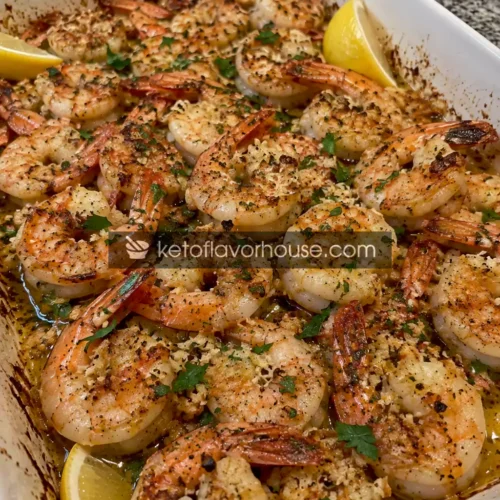
High-Protein Garlic Parmesan Baked Shrimp Recipe

Ingredients
- 1 ½ pounds large raw shrimp peeled and deveined
- 1 tablespoon extra-virgin olive oil
- 4 cloves fresh garlic minced
- ⅓ cup finely grated Parmesan cheese
- 1 tablespoon fresh lemon juice
- 1 teaspoon paprika
- 1 teaspoon Italian seasoning
- ½ teaspoon onion powder
- ¼ teaspoon black pepper
- ¼ teaspoon salt
- 2 tablespoons chopped fresh parsley
- Lemon wedges for serving
Instructions
- Preheat the oven to 400°F (200°C) and line a shallow baking dish or rimmed baking sheet with parchment paper. If you prefer, lightly grease the baking dish instead.
- If using frozen shrimp, thaw them completely. Remove any excess moisture by patting the shrimp very thoroughly with paper towels. This step helps prevent the shrimp from becoming watery while baking.
- Add the olive oil, minced garlic, Parmesan cheese, lemon juice, paprika, Italian seasoning, onion powder, black pepper, and salt to a large mixing bowl. Stir until the ingredients form a thick, flavorful coating.
- Add the dry shrimp to the bowl and gently toss them with the garlic-Parmesan mixture. Make sure the seasoning coats the shrimp evenly, but avoid aggressively stirring or squeezing them.
- Arrange the coated shrimp in a single layer on the prepared baking dish. Leave a little space between the shrimp whenever possible so they roast rather than steam. If your pan is too crowded, use a second baking dish.
- Bake the shrimp for approximately 7–10 minutes, checking early because cooking time depends on shrimp size. The shrimp are ready when they are opaque throughout and cooked through.
- If you want extra golden Parmesan edges, switch the oven to broil for approximately 30–60 seconds. Watch the shrimp continuously during this step because the Parmesan can brown very quickly.
- Remove the shrimp from the oven as soon as they’re cooked. Sprinkle the chopped fresh parsley over the top and squeeze fresh lemon juice over the shrimp for a bright finish.
- Serve immediately with roasted vegetables, rice, potatoes, salad, or another favorite side. Spoon any crispy Parmesan pieces from the baking dish over the shrimp before serving.
- For meal prep, allow the shrimp to cool slightly before dividing them into four airtight containers. Refrigerate for up to 3 days and reheat gently only until warmed through to help maintain the tender texture.