This post may contains Amazon affiliate and other affiliate links. If you make a purchase through these links, I may earn a small commission at no extra cost to you. Your support helps me continue to provide quality content. I only recommend products I personally trust and believe will add value to your experience. For more details, please visit my Privacy Policy.
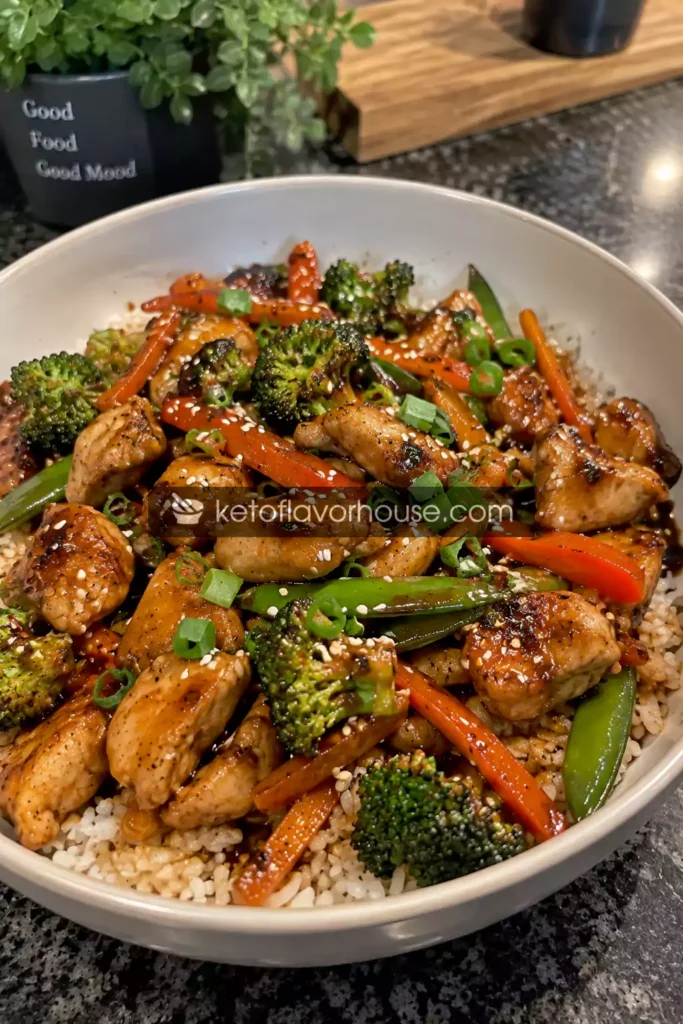
There are nights when I want takeout so badly that I can almost smell the sweet, savory teriyaki sauce before I’ve even opened the refrigerator. But when I actually have chicken, a few vegetables, and some basic pantry ingredients on hand, this Easy High-Protein Chicken Teriyaki Stir-Fry is the recipe I would much rather make. It has tender pieces of chicken coated in a glossy homemade teriyaki sauce, colorful crisp-tender vegetables, and plenty of savory-sweet flavor in every bite. Best of all, it comes together quickly enough for a weeknight and provides a generous amount of protein without requiring a complicated meal-prep routine.
What I love about this recipe is that it doesn’t taste like a “high-protein recipe.” That’s important to me. When I’m trying to eat more protein, I don’t want every meal to feel like a calculated plate of plain chicken and vegetables. I want caramelized edges, a flavorful sauce, crisp vegetables, and something I can genuinely look forward to eating. This stir-fry delivers all of that while making lean chicken the star of the meal.
The homemade teriyaki sauce is sweet, salty, garlicky, and slightly gingery, and it clings beautifully to the chicken and vegetables. A little cornstarch helps create that glossy restaurant-style finish without requiring a thick, heavy sauce. You can serve the stir-fry over rice for a classic dinner, spoon it over cauliflower rice for a lighter option, or portion it into meal-prep containers for easy lunches throughout the week.
If you’re looking for a practical high-protein dinner that works for fitness goals, muscle recovery, busy workdays, meal prep, or simply a family dinner everyone will enjoy, this Easy High-Protein Chicken Teriyaki Stir-Fry is a recipe worth keeping close.
Why You’ll Love This Recipe
- 🍗 High in protein: Lean chicken breast makes this a protein-forward meal with approximately 40 grams of protein per serving.
- 🥢 Takeout-style flavor: The homemade teriyaki sauce is glossy, savory, sweet, garlicky, and packed with ginger.
- 🥦 Loaded with vegetables: Bell peppers, broccoli, carrots, and snap peas add color, crunch, and volume.
- ⏱️ Fast weeknight dinner: Once everything is chopped, the actual cooking moves quickly.
- 💪 Perfect for meal prep: Divide it into containers and you have several high-protein lunches ready to go.
- 🍚 Flexible serving options: Serve it with rice, quinoa, cauliflower rice, noodles, or simply enjoy it on its own.
- 🌶️ Easy to customize: Make it spicy, sweeter, more garlicky, or extra gingery depending on your preference.
- 👨👩👧 Family-friendly: The familiar sweet-and-savory sauce makes vegetables and lean chicken much more appealing.
- 🥡 Better than ordering takeout: You control the ingredients, the amount of sauce, the oil, and the protein portion.
- 🧊 Great for leftovers: The flavors actually settle together nicely after a night in the refrigerator.
My Personal Experience Making This Recipe
Chicken stir-fry was one of those meals I made constantly when I first started paying more attention to protein.
The problem was that my early versions were incredibly boring.
I would throw chicken into a pan, add whatever vegetables were available, season everything with salt and pepper, and call it dinner. It technically checked the “protein and vegetables” boxes, but it wasn’t something I was excited to eat.
Eventually, I realized that the problem wasn’t the chicken or the vegetables. The problem was the lack of a really good sauce.
That’s when I started experimenting with homemade teriyaki.
My first attempt was much too sweet. I added more honey because I thought the sauce needed to taste like the bottled versions I had tried before. Instead, the sweetness completely covered the garlic and ginger.
The next attempt went too far in the opposite direction.
I reduced the sweetener, added extra soy sauce, and ended up with something incredibly salty.
It took a few tries to find the balance I wanted: enough sweetness to make the sauce taste like teriyaki, enough soy sauce for that deep savory flavor, plenty of fresh garlic and ginger, and enough acidity from rice vinegar to keep everything balanced.
Once I got that combination right, the entire stir-fry changed.
Now I could take a simple chicken-and-vegetable meal and make it taste like something I actually wanted to sit down and enjoy.
I also learned another important lesson: don’t put all the vegetables into the pan at exactly the same time.
Broccoli needs more time than bell peppers. Carrots need more time than snap peas. If everything goes in together, some vegetables become mushy before others are properly cooked.
Cooking the vegetables in stages keeps them colorful and crisp-tender.
That little bit of texture makes such a difference.
When you’re trying to eat a high-protein diet consistently, I think these details matter. Protein numbers are useful, but food still needs to be enjoyable. If dinner tastes good, smells good, and has different textures in every bite, you’re much more likely to make it again.
And this recipe is absolutely one I make again.
What Makes This a High-Protein Chicken Teriyaki Stir-Fry?
The main protein source is simple: chicken breast.
Using 1½ pounds of boneless, skinless chicken breast gives the recipe a substantial protein foundation without requiring large quantities of cheese, protein powder, or other concentrated ingredients.
The vegetables provide fiber, color, and volume, while the homemade sauce adds flavor without becoming the main component of the meal.
For an especially protein-focused meal, portion the chicken evenly across four servings rather than allowing some servings to contain significantly more chicken than others.
Each serving provides approximately 40 grams of protein, depending on the exact chicken and sauce ingredients used.
That makes this recipe useful for people who want to distribute protein throughout the day rather than trying to consume most of their protein at one meal.
Required Equipment
The equipment for this recipe is simple, but having the right tools makes stir-frying much easier.
h4 Large Skillet or Wok
A large skillet or wok is the most important piece of equipment.
You want plenty of surface area so the chicken can brown instead of releasing moisture and steaming.
I especially like a wide skillet for home cooking because it gives you enough room to spread the chicken into one layer. A wok is fantastic if you have one, but you absolutely don’t need one to make excellent stir-fry.
Alternative: A large stainless-steel, nonstick, or cast-iron skillet can all work.
h4 Mixing Bowl
A medium bowl is useful for tossing the chicken with cornstarch and seasonings before cooking.
It also gives you somewhere to temporarily hold the cooked chicken while the vegetables are being prepared.
Alternative: A large food-storage container can work if you want to minimize dishes.
h4 Small Bowl
You’ll need a small bowl to whisk together the teriyaki sauce.
Preparing the sauce before you start cooking is one of my favorite stir-fry habits. Once the pan gets hot, things move quickly, and you don’t want to be measuring soy sauce while your chicken is already browning.
h4 Sharp Chef’s Knife
A sharp knife makes it much easier to cut the chicken and vegetables into uniform pieces.
Try to cut the chicken into similar-sized pieces so everything cooks at approximately the same rate.
h4 Cutting Board
A large cutting board gives you enough room to prepare all the vegetables without constantly moving ingredients around.
If you’re using the same board for raw chicken and vegetables, wash and sanitize it thoroughly between uses, or use separate boards.
h4 Wooden Spoon or Silicone Spatula
You’ll use this to stir the chicken and vegetables and scrape up any flavorful browned bits from the bottom of the skillet.
A flexible spatula is particularly helpful when the sauce goes in because you can quickly distribute it around the pan.
Ingredients & Substitutions
The recipe makes 4 generous servings.
Chicken
1½ pounds boneless, skinless chicken breast, cut into bite-sized pieces
Chicken breast is the primary protein source.
Cut the chicken into pieces approximately 1-inch in size. Smaller pieces cook quickly and develop more surface area for the teriyaki sauce to cling to.
Protein role: Approximately 130–140 grams of protein across the entire recipe, depending on the chicken.
Substitution: Boneless, skinless chicken thighs can be used, but they contain more fat and will change the calorie and macro profile.
For an even leaner option, turkey breast can work, although the texture will be slightly different.
Cornstarch
1 tablespoon cornstarch
Cornstarch helps the chicken develop a light coating and gives the teriyaki sauce something to cling to.
You don’t need to heavily bread the chicken. A very thin coating is enough.
Nutrition role: Primarily used for texture rather than protein.
Substitution: Arrowroot powder can be substituted in a similar quantity.
Olive Oil
1 tablespoon olive oil, divided
Olive oil helps brown the chicken and sauté the vegetables.
Dividing it allows you to use a little during each stage rather than adding a large amount at once.
Lower-calorie option: Use a good nonstick skillet and reduce the oil slightly.
Low-Sodium Soy Sauce
⅓ cup low-sodium soy sauce
This is the salty, savory backbone of the teriyaki sauce.
I recommend low-sodium soy sauce because you can always add more salt later, but it’s much harder to fix a sauce that’s already too salty.
Substitution: Tamari can be used, particularly if you prefer its deeper flavor.
Honey
2 tablespoons honey
Honey provides the sweetness that balances the soy sauce, garlic, ginger, and vinegar.
You don’t need a huge amount.
Lower-sugar option: Replace the honey with a suitable zero-calorie sweetener designed for cooking.
The exact amount will depend on the sweetness of the substitute.
Rice Vinegar
2 tablespoons rice vinegar
Rice vinegar adds acidity and prevents the sauce from becoming overwhelmingly sweet or salty.
This is one of those ingredients that might seem insignificant, but removing it makes the sauce taste noticeably flatter.
Fresh Garlic
4 cloves garlic, minced
Fresh garlic provides the aromatic foundation of the sauce.
For a stronger garlic flavor, add an additional clove.
Fresh Ginger
1 tablespoon freshly grated ginger
Ginger gives teriyaki sauce its characteristic warm, slightly spicy flavor.
Fresh ginger is worth using here if you have it.
Substitution: 1 teaspoon ground ginger can be used, although fresh ginger gives a brighter flavor.
Sesame Oil
1 teaspoon toasted sesame oil
A small amount adds a deep nutty aroma.
You don’t need much because sesame oil is quite potent.
Substitution: If you don’t have sesame oil, simply leave it out.
Broccoli
2 cups small broccoli florets
Broccoli adds volume, fiber, color, and a pleasant crunch.
Cut the florets relatively small so they cook quickly.
Bell Pepper
1 large bell pepper, sliced
Any color works.
Red and yellow peppers provide natural sweetness, while green peppers give the dish a slightly more savory flavor.
Carrot
1 medium carrot, thinly sliced
Carrots add sweetness and crunch.
Slice them thinly so they don’t remain too firm while the other vegetables are ready.
Snap Peas
1 cup snap peas
Snap peas are one of my favorite stir-fry vegetables because they stay crisp and provide a fresh sweetness.
Snow peas can be substituted.
Green Onions
3 green onions, sliced
Green onions add freshness and a mild onion flavor.
Reserve some of the green tops for garnish.
Sesame Seeds
1 tablespoon sesame seeds
These are optional but make a lovely finishing touch.
They add crunch and a subtle toasted flavor.
How to Make Easy High-Protein Chicken Teriyaki Stir-Fry
Step 1: Prepare the Sauce
Before turning on the stove, whisk together the low-sodium soy sauce, honey, rice vinegar, minced garlic, grated ginger, and sesame oil.
In a separate small bowl, mix 1 teaspoon cornstarch with 1 tablespoon cold water to make a slurry.
Add the slurry to the sauce and whisk again.
This step is worth doing before cooking because once the skillet is hot, you won’t have much time to stop and measure ingredients.
Set the sauce aside.
Step 2: Prepare the Chicken
Pat the chicken dry with paper towels.
Place it in a bowl and sprinkle it with the remaining cornstarch.
Toss gently until the chicken is lightly coated.
You don’t want thick layers of cornstarch.
A thin coating is enough to help the chicken brown and gives the sauce something to cling to later.
Step 3: Heat the Skillet
Place a large skillet or wok over medium-high heat.
Allow it to heat properly before adding the oil.
Add about half of the olive oil.
The pan should be hot enough that the chicken begins sizzling almost immediately.
If you add chicken to a lukewarm pan, it will release moisture and start steaming.
Step 4: Cook the Chicken
Add the chicken in a single layer.
If your pan is small, cook the chicken in two batches rather than overcrowding it.
Let the chicken sit for a minute or two before stirring. This gives the surface time to develop a little browning.
Cook for approximately 5–7 minutes, turning occasionally, until the chicken is cooked through.
Remove the chicken to a clean plate.
Don’t worry if there are browned bits left in the pan. That’s flavor.
Step 5: Cook the Broccoli and Carrots
Add the remaining olive oil.
Add the broccoli and carrots first because they take the longest to cook.
Stir-fry for approximately 2–3 minutes.
You want them to become brighter in color and slightly tender while retaining some crunch.
If the pan looks very dry, add 1–2 tablespoons of water and cover it briefly. The steam will help the broccoli cook without requiring more oil.
Step 6: Add the Bell Pepper and Snap Peas
Add the sliced bell pepper and snap peas.
Cook for another 2–3 minutes.
The vegetables should remain colorful and crisp-tender.
This is where I resist the temptation to cook everything until completely soft.
The contrast between tender chicken and crunchy vegetables is one of the reasons stir-fry tastes so good.
Step 7: Return the Chicken
Add the cooked chicken back into the skillet.
Toss everything together.
At this point, you should have beautifully browned chicken surrounded by colorful vegetables.
Step 8: Add the Teriyaki Sauce
Give the sauce another quick stir because the cornstarch can settle at the bottom.
Pour the sauce over the chicken and vegetables.
Toss continuously for approximately 1–2 minutes.
You’ll see the sauce become glossy and slightly thicker as it heats.
This is the moment when the entire kitchen starts smelling like your favorite takeout restaurant.
Step 9: Finish the Stir-Fry
Add the sliced green onions.
Taste the sauce.
If it needs more acidity, add a small splash of rice vinegar.
If you prefer more sweetness, add a tiny amount of honey.
If you want heat, add red pepper flakes or sriracha.
Step 10: Garnish and Serve
Remove the skillet from the heat.
Sprinkle sesame seeds and sliced green onion tops over the finished stir-fry.
Serve immediately over rice, cauliflower rice, quinoa, or your preferred side.
For the best texture, don’t let the finished stir-fry sit in the hot skillet for a long time.
The residual heat will continue cooking the vegetables.
Oven Variation
This recipe is best on the stovetop because stir-frying gives the chicken and vegetables their characteristic browned edges.
However, you can bake the chicken separately if needed.
Toss the chicken with the cornstarch and seasonings, spread it on a lined baking sheet, and bake at approximately 425°F for 15–20 minutes, depending on the size of the pieces.
Meanwhile, prepare the sauce and vegetables separately on the stovetop.
Combine everything once the chicken is cooked.
The texture will be slightly different, but the flavor remains delicious.
Air Fryer Variation
For air-fryer chicken, toss the chicken pieces with cornstarch and a small amount of olive oil.
Arrange them in a single layer in the air fryer basket.
Cook at approximately 400°F for 8–12 minutes, shaking halfway through.
The exact timing depends on the size of your chicken pieces.
Prepare the vegetables and sauce separately on the stovetop, then toss the cooked chicken into the finished sauce.
This version gives the chicken particularly crisp edges.
Common Mistakes to Avoid
Overcrowding the Pan
This is probably the most common stir-fry mistake.
If too much chicken goes into the skillet at once, the temperature drops and the chicken begins steaming.
Fix: Cook in batches.
Cutting Chicken Pieces Too Large
Large chunks take longer to cook and can become dry on the outside before the center is finished.
Fix: Keep pieces around 1 inch.
Adding Sauce Too Early
If you add the teriyaki sauce before the chicken has browned, you’ll lose some of that caramelized flavor.
Fix: Brown the chicken first, cook the vegetables, then add the sauce near the end.
Overcooking the Vegetables
Mushy vegetables can make the entire stir-fry feel heavy.
Fix: Add vegetables in stages based on cooking time.
Using Too Much Cornstarch
A thick coating can become gummy.
Fix: Use only a light dusting.
Making the Sauce Too Salty
Regular soy sauce can quickly make the sauce overly salty.
Fix: Start with low-sodium soy sauce and adjust after cooking.
Overcooking the Chicken
Chicken breast doesn’t need much time once cut into small pieces.
Fix: Remove it as soon as it is cooked through and return it to the pan at the end.
Pro Tips for the Best Results
The first trick is to prepare everything before cooking.
Stir-frying is fast. You don’t want to be slicing peppers while your chicken is already browning.
Put the sauce ingredients together, chop all the vegetables, cut the chicken, and have everything within arm’s reach.
Second, dry your chicken.
Moisture is the enemy of browning.
Third, don’t constantly move the chicken around. Letting it sit against the hot pan for a little while creates those golden edges that make stir-fry taste much better.
Fourth, use the sauce sparingly at first.
You can always add more, but if you drown the stir-fry in sauce, the vegetables lose their texture and the meal becomes much heavier.
Finally, keep the vegetables colorful.
The goal isn’t to cook them until they’re falling apart. You want tender vegetables that still have some bite.
High-Protein Nutrition & Strategy
Chicken breast is an exceptionally practical protein for people who want to increase their protein intake because it’s versatile, relatively lean, and easy to incorporate into everything from salads to sandwiches to stir-fries.
In this recipe, the chicken provides the majority of the protein.
The vegetables then add volume and nutrients without requiring a large amount of additional calories.
This combination is particularly useful for people who find high-protein eating difficult because large servings of plain protein can become repetitive.
A stir-fry changes the experience completely.
Instead of eating chicken by itself, you’re getting different flavors and textures in every bite.
For fitness-focused meals, you can serve the stir-fry with rice or another carbohydrate source to create a more substantial meal.
For a lighter meal, use cauliflower rice or simply increase the vegetable portion.
For meal prep, divide the chicken and vegetables evenly between containers and add your chosen carbohydrate separately if you prefer to control portions.
A protein-focused eating pattern can also be easier to maintain when protein is distributed across the day rather than concentrated into one enormous dinner.
This recipe fits nicely into that approach.
How to Keep Calories in Check While Increasing Protein
If your goal is to make the meal more protein-dense without dramatically increasing calories, the easiest strategy is to focus on the chicken rather than increasing the sauce ingredients.
You can:
- Increase the chicken slightly.
- Keep the oil measured.
- Use low-sodium soy sauce.
- Use plenty of non-starchy vegetables.
- Reduce the honey if desired.
- Serve with a moderate portion of rice.
- Choose cauliflower rice for a lower-calorie base.
You don’t need to remove the teriyaki flavor to make the meal lighter.
The sauce is relatively concentrated, so a modest amount can flavor a large quantity of chicken and vegetables.
Variations You Can Try
Spicy Chicken Teriyaki Stir-Fry
Add 1–2 teaspoons sriracha or a pinch of red pepper flakes.
The heat works beautifully with the sweet teriyaki sauce.
Protein: Essentially unchanged.
Calories: Only slightly higher depending on the hot sauce used.
Pineapple Chicken Teriyaki
Add ½ cup pineapple chunks.
The pineapple brings juicy sweetness and creates a classic sweet-savory combination.
Macro effect: Carbohydrates and natural sugar increase slightly.
Extra-Garlic Teriyaki Chicken
Add 2 additional cloves of garlic.
This is my choice when I’m cooking for serious garlic lovers.
Protein: No meaningful change.
Ginger-Lover’s Version
Increase the fresh ginger from 1 tablespoon to 1½ tablespoons.
The sauce becomes more aromatic and warming.
Sesame Teriyaki Chicken
Add an additional teaspoon of sesame seeds at serving.
This increases crunch and nuttiness.
Vegetable-Heavy Version
Double the broccoli and add extra bell pepper.
This increases the overall volume of the meal without requiring more sauce.
Tips for This Recipe
If you’re making this recipe specifically for meal prep, don’t overcook the vegetables.
Remember that you’ll be reheating them later, so vegetables that are perfectly tender on day one can become too soft after reheating.
I prefer keeping them slightly crisp when the stir-fry first comes off the stove.
For presentation, serve the stir-fry over rice in a shallow bowl and scatter sesame seeds and green onions over the top.
A few thin slices of fresh red chili can add a beautiful pop of color if you like spicy food.
If you’re trying to boost the protein even further, pair the stir-fry with a small side of edamame or a high-protein vegetable side rather than simply adding more sauce.
And if you are counting calories, measure your rice separately. Rice is perfectly compatible with a high-protein meal, but portions can become surprisingly large when served straight from the pot.
Optional Additions
Edamame
Add ½ cup shelled edamame for additional plant-based protein and fiber.
This makes the dish even more filling.
Cashews
A small sprinkle of cashews adds crunch and a classic takeout-style touch.
Keep the portion modest because nuts are calorie-dense.
Water Chestnuts
These provide an excellent crisp texture with a mild flavor.
Mushrooms
Sliced mushrooms absorb the teriyaki sauce beautifully.
Add them with the broccoli and carrots.
Baby Corn
Baby corn adds crunch and makes the stir-fry look especially colorful.
Red Pepper Flakes
This is an easy zero-fuss way to add heat.
Fresh Cilantro
If you enjoy cilantro, a small amount can add freshness at serving.
Serving Ideas
Over Steamed Rice
This is the classic choice.
White rice allows the teriyaki sauce to soak into every grain.
Brown rice works if you prefer a nuttier flavor and more texture.
Over Cauliflower Rice
For a lighter, vegetable-forward meal, serve the stir-fry over cauliflower rice.
The sauce gives cauliflower rice plenty of flavor.
With Quinoa
Quinoa adds another source of protein and creates a hearty grain bowl.
With Noodles
Rice noodles or whole-grain noodles turn this into a more traditional takeout-style dinner.
Keep the noodle portion measured if you’re watching calories.
As a Meal-Prep Bowl
Divide the stir-fry into four containers with rice and vegetables.
Add sesame seeds and green onions after reheating rather than before if you want the garnish to stay fresh.
For Family Dinner
Place the stir-fry in a large serving bowl and let everyone choose their own base.
Put rice, cauliflower rice, extra vegetables, and spicy sauce on the table so everyone can customize their plate.
Storage Recommendations
Once the stir-fry has cooled slightly, transfer leftovers to airtight containers.
Refrigerate within a reasonable time rather than leaving cooked chicken at room temperature for an extended period.
For best quality, eat refrigerated leftovers within 3–4 days.
The vegetables will soften somewhat as they sit, but the flavor remains excellent.
Best Reheating Method
A skillet is my preferred method.
Add the portion to a skillet over medium heat with a tablespoon of water.
Cover for a minute or two, then stir gently until heated through.
The water creates a little steam and helps prevent the chicken from drying out.
Microwave Reheating
Microwaving works well for meal prep.
Heat in short intervals, stirring between each one.
Don’t blast the shrimp—sorry, chicken!—on high heat for several minutes at once. Chicken breast can become noticeably drier that way.
Can You Freeze It?
Yes.
The cooked chicken and sauce freeze reasonably well, although the vegetables will lose some of their original crispness after thawing.
Freeze portions in airtight freezer-safe containers for approximately 2–3 months for best quality.
Thaw overnight in the refrigerator before reheating.
If you’re specifically meal prepping for the freezer, slightly undercook the vegetables the first time so they have a better texture after reheating.
Frequently Asked Questions
Is this Easy High-Protein Chicken Teriyaki Stir-Fry actually high in protein?
Yes.
The recipe uses 1½ pounds of chicken breast divided into four servings, making chicken the clear nutritional centerpiece.
Each serving provides approximately 40 grams of protein, although the exact amount depends on the chicken and other ingredients you use.
If you want an even higher-protein meal, slightly increase the chicken portion or add edamame as a side.
Can I use chicken thighs instead of chicken breast?
Absolutely.
Chicken thighs are more forgiving and remain juicy because they contain more fat.
However, they will increase the fat and calorie content compared with chicken breast.
If your priority is maximum protein with a relatively lean macro profile, chicken breast is the better choice.
Can I make this recipe without honey?
Yes.
You can replace the honey with a suitable zero-calorie sweetener or another sweetener of your choice.
Keep in mind that different sweeteners have different levels of sweetness, so add them gradually.
Removing honey will reduce the carbohydrate and calorie content somewhat.
Can I use regular soy sauce?
Yes, but I recommend low-sodium soy sauce.
Regular soy sauce can make the finished dish quite salty, especially when combined with Parmesan, additional salt, or other salty ingredients.
If regular soy sauce is all you have, start with slightly less and add more after tasting.
Can I make this recipe with frozen vegetables?
Definitely.
Frozen broccoli, peppers, carrots, and snap peas can save time.
However, frozen vegetables contain more surface moisture than fresh vegetables.
Don’t thaw them completely unless necessary. Add them directly to the hot pan and allow excess moisture to evaporate.
The final texture may be slightly softer than fresh vegetables.
Can I make this chicken teriyaki stir-fry for meal prep?
Yes, and it is one of the best uses for this recipe.
Divide the finished stir-fry into four containers.
For best results, keep the vegetables slightly crisp during the initial cooking because they will soften during reheating.
Store for up to 3–4 days in the refrigerator.
Is this good as a post-workout meal?
It can be.
The chicken provides substantial protein, while rice or another carbohydrate side can provide carbohydrates if you want them as part of your post-workout meal.
The best post-workout meal depends on your training, total daily nutrition, and individual goals, but this recipe gives you a convenient foundation to build around.
Can I make this recipe without cornstarch?
Yes.
The cornstarch is primarily for texture and sauce consistency rather than protein.
You can leave it out, although the sauce will be thinner and won’t cling quite as well to the chicken.
Arrowroot powder is another useful alternative.
Can I add protein powder?
I wouldn’t recommend it.
Protein powder isn’t necessary because the chicken already provides the protein this recipe needs.
Adding protein powder to teriyaki sauce would also negatively affect the texture and flavor.
If you want more protein, increase the chicken or add a protein-rich side instead.
Can I make this stir-fry spicy?
Absolutely.
Add red pepper flakes, sriracha, chili garlic sauce, or thinly sliced fresh chili.
Start with a small amount and increase it after tasting the sauce.
The sweet-savory teriyaki flavor pairs particularly well with heat.
Nutritional Breakdown Per Serving
The following values are estimated based on the ingredients listed and do not include a serving of rice or another optional side.
| Nutrient | Per Serving |
|---|---|
| Calories | Approximately 390 kcal |
| Protein | Approximately 42 g |
| Fat | Approximately 12 g |
| Total Carbohydrates | Approximately 25 g |
| Fiber | Approximately 4 g |
| Net Carbohydrates | Approximately 21 g |
| Sugar | Approximately 14 g |
| Sodium | Approximately 850 mg |
Actual nutrition will vary based on the exact chicken, soy sauce, honey, vegetables, and other ingredients used.
If you serve the recipe with rice, remember that the rice will add additional calories and carbohydrates.
For the most accurate nutritional information, calculate the recipe using the exact products and quantities you use.
Recipe Snapshot
Prep Time: 15 minutes
Cook Time: 15 minutes
Total Time: 30 minutes
Course: Dinner, Lunch, Main Course
Cuisine: Asian-inspired
Servings: 4
Calories: Approximately 390 per serving
Protein: Approximately 42 g per serving
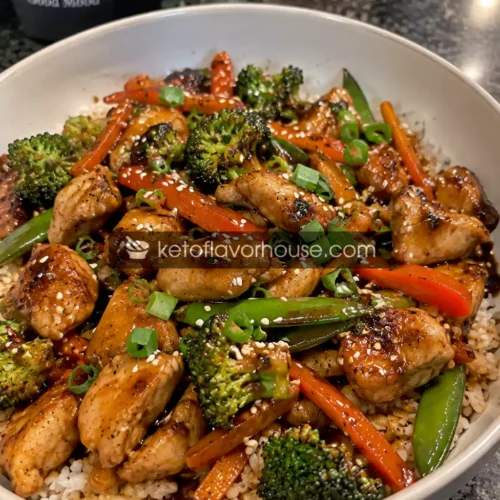
Easy High-Protein Chicken Teriyaki Stir-Fry Recipe

Ingredients
- 1½ pounds boneless skinless chicken breast, cut into 1-inch pieces
- 1 tablespoon cornstarch
- 1 tablespoon olive oil divided
- ⅓ cup low-sodium soy sauce
- 2 tablespoons honey
- 2 tablespoons rice vinegar
- 4 cloves garlic minced
- 1 tablespoon fresh ginger grated
- 1 teaspoon toasted sesame oil
- 2 cups broccoli florets
- 1 large bell pepper sliced
- 1 medium carrot thinly sliced
- 1 cup snap peas
- 3 green onions sliced
- 1 tablespoon sesame seeds
Instructions
- Whisk the low-sodium soy sauce, honey, rice vinegar, minced garlic, fresh ginger, and sesame oil together in a small bowl. In a separate small bowl, combine 1 teaspoon cornstarch with 1 tablespoon cold water until smooth, then whisk the slurry into the teriyaki sauce and set aside.
- Pat the chicken pieces thoroughly dry with paper towels. Place them in a medium bowl and sprinkle with the remaining cornstarch. Toss gently until every piece has a very light, even coating.
- Heat a large skillet or wok over medium-high heat. Add half of the olive oil and allow it to become hot before adding the chicken. Arrange the chicken in a single layer, working in batches if necessary so the pan does not become overcrowded.
- Cook the chicken for approximately 5–7 minutes, turning occasionally, until the pieces are browned on the outside and completely cooked through. Transfer the cooked chicken to a clean plate and keep it nearby while you cook the vegetables.
- Add the remaining olive oil to the skillet. Add the broccoli and thinly sliced carrots first and stir-fry for approximately 2–3 minutes. If the pan becomes too dry, add 1–2 tablespoons of water and cover briefly to help the vegetables steam.
- Add the sliced bell pepper and snap peas to the skillet. Continue cooking for another 2–3 minutes, stirring frequently, until the vegetables are brightly colored and crisp-tender rather than soft and mushy.
- Return the cooked chicken to the skillet with the vegetables. Give the prepared teriyaki sauce a quick stir to redistribute the cornstarch, then pour it evenly over the chicken and vegetables.
- Toss everything continuously for 1–2 minutes as the sauce heats and thickens. The sauce should become glossy and coat the chicken and vegetables rather than pooling heavily at the bottom of the skillet.
- Stir in the sliced green onions and taste the stir-fry. Add a small splash of rice vinegar for more brightness, red pepper flakes for heat, or a tiny amount of additional honey if you prefer a sweeter teriyaki flavor.
- Remove the skillet from the heat and sprinkle the sesame seeds and reserved green onion tops over the finished stir-fry. Serve immediately over steamed rice, cauliflower rice, quinoa, or your preferred side.
- For meal prep, divide the stir-fry evenly between four airtight containers. Allow it to cool appropriately before refrigerating, and store the portions in the refrigerator for up to 3–4 days.