This post may contains Amazon affiliate and other affiliate links. If you make a purchase through these links, I may earn a small commission at no extra cost to you. Your support helps me continue to provide quality content. I only recommend products I personally trust and believe will add value to your experience. For more details, please visit my Privacy Policy.
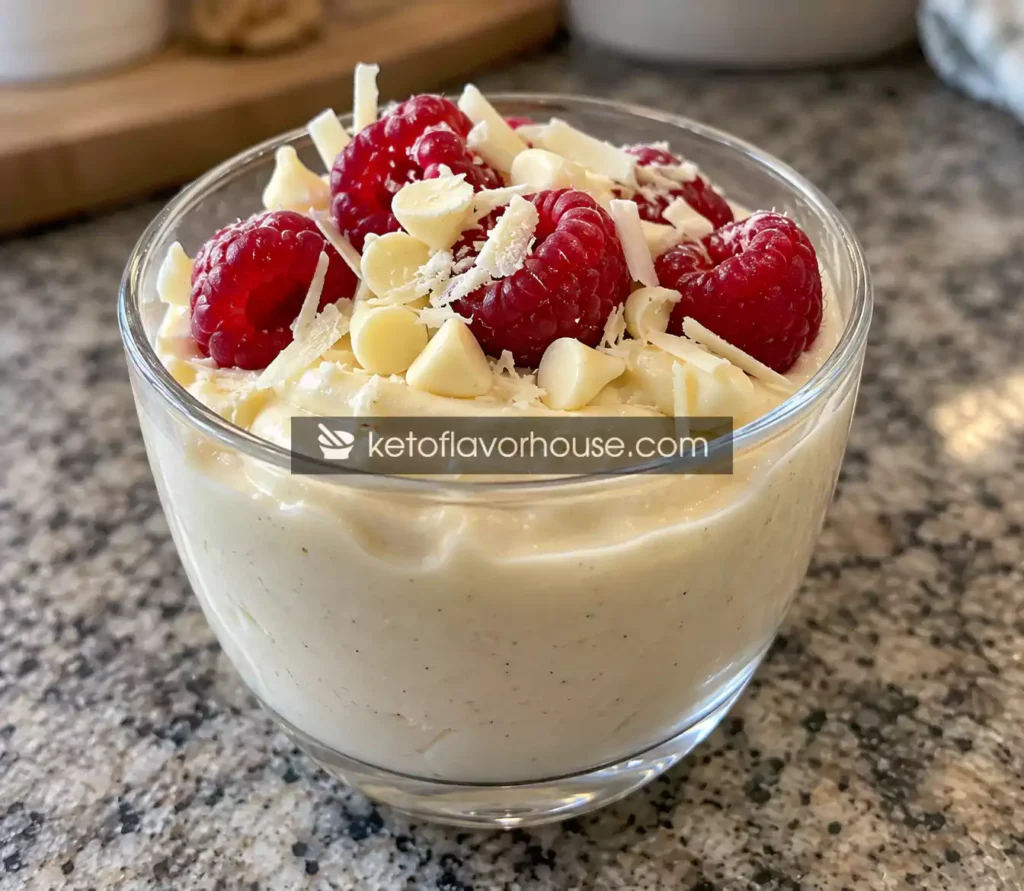
Sometimes you want dessert simply because you want dessert—but if you’re trying to eat more protein, it can be frustrating when your favorite sweet treats don’t contribute much to your daily protein goal. That’s exactly why I love this 16g Protein White Chocolate Vanilla Pudding. It’s creamy, smooth, sweet, and tastes much more indulgent than you would expect from a high-protein recipe.
I originally started playing around with this idea because I wanted something that felt like an actual dessert rather than another bowl of Greek yogurt with fruit thrown on top. Don’t get me wrong, I love Greek yogurt, but there are days when you want something silky and spoonable that feels like a little treat after dinner.
This pudding hits that sweet spot.
The base combines cottage cheese and Greek yogurt, which might sound unusual if you’ve never made protein pudding before. But once everything is blended until completely smooth, the cottage cheese practically disappears into the mixture. What you’re left with is a creamy vanilla pudding with a subtle tang, plenty of richness, and a sweet white-chocolate flavor.
And then there’s the best part: 16 grams of protein per serving.
That’s enough protein to make this more useful than a typical dessert, while still feeling like something you made because you wanted a treat.
The white chocolate chips bring that familiar sweet, creamy flavor, while vanilla rounds everything out. I especially love eating this chilled because the texture becomes thicker and more pudding-like after some time in the refrigerator.
It’s one of those recipes that makes you think, “Wait… this is actually a high-protein dessert?”
Exactly.
🍨 16g Protein White Chocolate Vanilla Pudding
16g
4
10 min
1 hour
Why You’ll Love This High-Protein White Chocolate Pudding
There are plenty of reasons this pudding has become one of my favorite ways to satisfy a dessert craving while keeping protein intake in mind.
- 🍨 16g protein per serving: A much more substantial dessert than traditional pudding.
- 🤍 Creamy and smooth: The blended cottage cheese gives it an incredibly silky consistency.
- 🍫 White chocolate flavor: Sweet, creamy, and nostalgic without needing a complicated recipe.
- 🌼 Strong vanilla flavor: Vanilla gives the pudding that classic dessert-shop taste.
- ⚡ Quick to make: The blender does most of the work.
- 🥄 No complicated cooking: There is no stovetop custard to babysit.
- 🧊 Meal-prep friendly: Make several servings at once and chill them for later.
- 💪 Protein-focused: Great for people trying to make more of their meals and snacks protein-rich.
- 👨👩👧 Easy to customize: You can change the toppings and flavors without changing the basic method.
- 🍓 Dessert or snack: Enjoy it after dinner, as an afternoon snack, or after a workout.
What I really appreciate is that it doesn’t taste like “fitness food.”
You don’t have to convince yourself that it tastes good because it contains protein.
It actually tastes like dessert.
💪 Why This Pudding Works for a High-Protein Lifestyle
My Personal Experience Making This Pudding
The first time I made protein pudding with cottage cheese, I wasn’t completely convinced.
Cottage cheese has a very recognizable texture, and the little curds are not exactly what I picture when someone says “silky vanilla pudding.”
So I had one major rule: blend it until you think it’s smooth, then blend it a little longer.
That was the trick.
The first few seconds weren’t particularly impressive. The mixture looked like blended cottage cheese—which, technically, is exactly what it was.
But after another minute or so, something changed.
The mixture became smooth.
Really smooth.
Once the Greek yogurt, cottage cheese, vanilla, and white chocolate were completely incorporated, the texture was nothing like the cottage cheese I started with.
I poured it into little glasses, put them in the refrigerator, and tried one after it had chilled.
That’s when I knew this recipe was worth keeping.
The white chocolate flavor made it feel much more like a proper dessert, while the vanilla gave it that familiar pudding-shop flavor. It wasn’t overly complicated, and I didn’t need to make a custard on the stove.
I’ve made a few versions since then.
Sometimes I’ve added berries.
Sometimes I’ve sprinkled a few extra white chocolate chips over the top.
And sometimes I eat it straight from the refrigerator with nothing added because honestly, it doesn’t need much.
The biggest lesson I learned is that texture matters just as much as protein.
A recipe can technically contain plenty of protein, but if you don’t enjoy eating it, you’re unlikely to make it regularly.
That’s why I wanted this pudding to be creamy first and high-protein second.
The protein is important, but the dessert still needs to feel like dessert.
Required Equipment
High-Speed Blender
A blender is the most important piece of equipment for this recipe.
You want to completely break down the cottage cheese so there are no noticeable curds remaining.
A powerful blender will make this much faster, but you don’t necessarily need an expensive machine. A regular blender can work as long as you give it enough time.
Measuring Cups
Accurate measurements are helpful here because the ratio between cottage cheese, Greek yogurt, chocolate, and liquid determines the final consistency.
Too much liquid can make the pudding thin, while too little can make it difficult to blend.
Measuring Spoons
You’ll use these for vanilla extract and any optional sweetener or flavorings.
Small Microwave-Safe Bowl
You’ll need a small bowl for melting the white chocolate chips.
If you prefer, you can melt them gently using a double-boiler method instead.
Silicone Spatula
A spatula is useful for scraping the melted chocolate from the bowl and getting every bit of the pudding mixture out of the blender.
It’s also handy when portioning the pudding into serving dishes.
Small Serving Glasses or Containers
I love using small glass dessert cups because the pudding immediately looks more like an actual dessert.
For meal prep, lidded containers are more practical.
Ingredients & Substitutions
The ingredient list is intentionally simple.
Each ingredient has a job, and changing one can affect the final texture, flavor, or protein content.
Cottage Cheese
1 ½ cups low-fat cottage cheese
This is the main protein source in the pudding.
It also gives the pudding body and creaminess once blended.
Don’t worry if you’re not normally a cottage cheese person. When blended thoroughly, the texture becomes completely different.
For the smoothest pudding, choose a cottage cheese with a relatively creamy consistency.
You can use full-fat cottage cheese, but the calories and fat will increase.
Plain Greek Yogurt
1 cup plain nonfat Greek yogurt
Greek yogurt contributes additional protein while giving the pudding a creamy, slightly tangy flavor.
I prefer plain Greek yogurt because the white chocolate and vanilla already provide plenty of sweetness and flavor.
If you use full-fat Greek yogurt, expect a richer and slightly thicker pudding with more calories.
White Chocolate Chips
⅓ cup white chocolate chips
These provide the signature white chocolate flavor.
You can use regular white chocolate chips or a reduced-sugar variety depending on your nutritional goals.
Keep in mind that the nutritional values will change significantly between brands.
Unsweetened Milk
¼ cup unsweetened milk
A small amount of milk helps the ingredients blend smoothly.
Unsweetened almond milk keeps the recipe relatively light, but regular milk can also be used.
If the mixture is too thick while blending, you can add another tablespoon of milk at a time.
Vanilla Extract
1 teaspoon vanilla extract
Vanilla is incredibly important here.
It enhances the white chocolate flavor and gives the pudding that classic dessert quality.
Optional Sweetener
1–2 tablespoons powdered zero-calorie sweetener, optional
Whether you need this depends on the sweetness of your white chocolate chips and Greek yogurt.
Taste the mixture before adding it.
If it’s already sweet enough, leave it out.
Pinch of Salt
⅛ teaspoon salt
This might seem like an insignificant ingredient, but a tiny pinch of salt helps balance sweetness and makes the vanilla and white chocolate flavors stand out.
🥄 Ingredient Spotlight
How to Make 16g Protein White Chocolate Vanilla Pudding
Step 1: Soften the White Chocolate
Place the white chocolate chips in a microwave-safe bowl.
Heat them in short intervals of about 15–20 seconds, stirring between each interval.
Don’t simply microwave them for a full minute and walk away.
White chocolate can scorch surprisingly easily.
As soon as most of the chips are melted, keep stirring. The remaining pieces should melt from the residual heat.
You want smooth, glossy melted chocolate.
Let it cool for a minute or two before adding it to the blender.
It shouldn’t be piping hot.
Step 2: Add the Cottage Cheese and Greek Yogurt
Add the cottage cheese and Greek yogurt to your blender.
At this stage, don’t worry if the mixture looks lumpy.
That’s exactly what we’re about to fix.
Add the vanilla extract, salt, and milk.
Step 3: Blend Until Completely Smooth
Blend on medium-high speed.
Stop once or twice to scrape down the sides if necessary.
This is the stage where patience pays off.
You don’t want tiny cottage cheese curds floating around in your finished pudding.
Keep blending until the mixture looks completely smooth and creamy.
Step 4: Add the White Chocolate
Once the cottage cheese and yogurt are smooth, slowly add the melted white chocolate.
Blend again until everything is fully incorporated.
The color should become pale and creamy.
Step 5: Taste and Adjust
This is your opportunity to customize the pudding.
Taste a small spoonful.
If you want it sweeter, add a little powdered sweetener.
If you want a stronger vanilla flavor, add another small splash of vanilla.
If it seems too thick, add another tablespoon of milk.
If it’s too thin, don’t immediately add lots of ingredients.
Remember that the pudding will firm up as it chills.
Step 6: Portion the Pudding
Divide the mixture between four small serving containers.
Use a spatula to scrape every last bit from the blender.
Smooth the tops if you’d like a clean presentation.
Step 7: Chill
Refrigerate the pudding for at least 1 hour.
If you have the patience, letting it chill for 2–3 hours gives it an even better texture.
The pudding becomes thicker and more dessert-like as it cools.
Step 8: Add Your Toppings
Just before serving, add your favorite toppings.
Fresh berries, a few white chocolate chips, chopped nuts, shaved chocolate, or a small spoonful of Greek yogurt can all work beautifully.
Don’t go overboard if you’re trying to keep the calories controlled.
A little topping goes a long way.
🍨 The Creamy Pudding Method
Blend dairy until smooth
Add vanilla & milk
Blend in white chocolate
Chill until thick
Common Mistakes to Avoid
Not Blending Long Enough
This is probably the biggest mistake.
If you stop blending as soon as everything looks combined, you may still have tiny cottage cheese curds.
Fix: Keep blending until the mixture looks completely smooth.
Adding Hot Chocolate
Very hot melted chocolate can affect the dairy mixture and may cause an unpleasant texture.
Fix: Let the melted white chocolate cool slightly before adding it.
Using Too Much Milk
It’s tempting to add extra milk when the blender struggles.
But too much liquid can turn your pudding into a smoothie.
Fix: Add milk gradually, one tablespoon at a time.
Using Sweetened Greek Yogurt Without Adjusting the Recipe
Sweetened yogurt can make the pudding much sweeter than expected.
Fix: Start with plain Greek yogurt and control the sweetness yourself.
Overheating the White Chocolate
White chocolate is delicate.
Fix: Microwave in short bursts and stir frequently.
Eating It Immediately
You can eat it immediately, but it won’t have the thick pudding consistency you’re looking for.
Fix: Give it at least an hour in the refrigerator.
Adding Too Many Toppings
A mountain of toppings can quickly turn a relatively controlled dessert into a much higher-calorie snack.
Fix: Choose one or two toppings that add the most flavor for you.
⚠️ Quick Troubleshooting Guide
Pro Tips for the Best Protein Pudding
Use Cold Ingredients
Cold Greek yogurt and cottage cheese are perfectly fine for blending and can actually help you get a chilled pudding faster.
Don’t Add All the Milk Immediately
Start with the stated amount.
If your blender needs more liquid, add it gradually.
It’s much easier to thin a thick pudding than to fix one that’s become too runny.
Blend Longer Than You Think
This is especially important with cottage cheese.
The difference between “mostly smooth” and “silky smooth” can be another 30–60 seconds of blending.
Taste Before Sweetening
White chocolate chips can vary significantly in sweetness.
Some batches may need no additional sweetener at all.
Chill Overnight for Meal Prep
If you’re preparing this for several days, making it the night before is convenient.
The texture becomes especially thick and creamy after a longer chill.
Keep Toppings Separate
If you’re meal prepping, store toppings separately.
This keeps berries, nuts, and chocolate chips from becoming soggy.
Use Protein-Dense Toppings
If you’re trying to increase protein without dramatically increasing the serving size, choose toppings such as Greek yogurt rather than a large amount of chocolate or nuts.
💡 My Best Pudding Tips
- Blend until the cottage cheese is completely smooth.
- Add milk slowly instead of pouring in extra all at once.
- Cool melted white chocolate slightly before blending.
- Taste before adding extra sweetener.
- Chill for at least one hour for the best texture.
- Keep meal-prep toppings separate until serving.
High-Protein Nutrition & Strategy
One of the reasons I like recipes such as this is that protein doesn’t have to come exclusively from chicken breasts, eggs, or savory meals.
Dessert can contribute too.
That doesn’t mean every dessert needs to become a protein dessert. There is absolutely nothing wrong with enjoying a traditional dessert.
But if you’re someone who struggles to reach your protein target consistently, incorporating protein into foods you already enjoy can make your overall eating pattern easier to maintain.
This pudding gets most of its protein from the combination of cottage cheese and Greek yogurt.
Both are convenient dairy-based protein sources, and combining them gives you a creamy base without relying entirely on protein powder.
That matters because not everyone enjoys protein shakes or protein bars.
Some people simply prefer eating their protein.
General sports-nutrition guidance, including recommendations discussed by organizations such as the American College of Sports Medicine, emphasizes that protein needs should be considered as part of an individual’s overall diet, activity level, and goals rather than focusing on one food in isolation.
For people who exercise regularly, spreading protein across meals and snacks can also be a practical strategy.
That is where this pudding can fit.
You could have it as an afternoon snack, include it in a meal-prep rotation, or enjoy it after training when you want something sweet.
It isn’t a replacement for a balanced meal.
Think of it as one more convenient way to make your overall diet more protein-rich.
Protein Doesn’t Have to Be Boring
This is something I think gets overlooked.
When people decide to increase their protein intake, they often make a list of foods like:
Chicken.
Eggs.
Fish.
Lean beef.
Greek yogurt.
Protein shakes.
Then they eat those same foods repeatedly until they’re completely bored.
Recipes like this give you another option.
A creamy dessert that happens to provide 16 grams of protein can make a high-protein routine feel much more enjoyable.
And enjoyment matters.
The best nutrition strategy is generally the one you can actually maintain.
💪 Simple Protein Strategy
Variations You Can Try
The basic vanilla white chocolate version is my favorite, but there’s plenty of room to experiment.
White Chocolate Raspberry
Add fresh raspberries just before serving.
The tart berries are fantastic with the sweetness of white chocolate.
For the prettiest presentation, place a few berries on top rather than blending all of them into the pudding.
White Chocolate Strawberry
Add diced strawberries as a topping.
You can also blend a small amount into the pudding, but keep in mind that extra fruit adds moisture and can slightly change the consistency.
White Chocolate Peanut Butter
Add a small spoonful of natural peanut butter.
This creates a richer, more indulgent flavor.
It will also increase calories and fat, so use a small amount if you’re watching your overall intake.
Cinnamon Vanilla
Skip the extra toppings and add ¼ teaspoon cinnamon.
It’s simple but surprisingly good.
Chocolate White Chocolate
Add a small amount of unsweetened cocoa powder.
The result is more like a chocolate-vanilla pudding with white chocolate sweetness.
Because cocoa powder can thicken the mixture, you may need a splash more milk.
Protein Cheesecake Style
Add a little lemon zest and use a slightly tangier Greek yogurt.
Top with a few crushed low-sugar graham-style crumbs if they fit your nutrition goals.
🍓 Pick Your Pudding Flavor
Add tart fresh berries.
Top with fresh strawberries.
Add a small spoonful.
Add warm vanilla-spice flavor.
Add unsweetened cocoa powder.
Add lemon zest for tang.
Tips for This Recipe
If you’re making this pudding specifically to support a high-protein eating pattern, portioning matters.
Instead of keeping the entire batch in one large container and eating directly from it, divide it into four servings.
That makes it much easier to know how much you’re eating.
I also recommend using clear serving glasses if you’re serving this to guests.
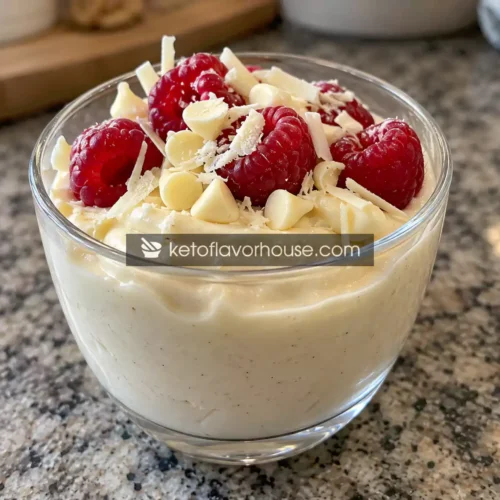
A little pudding topped with berries and a few white chocolate chips looks much more impressive than the simple ingredient list would suggest.
For meal prep, use small containers with lids.
If you want to add berries, keep them separate until you’re ready to eat.
And if your pudding seems slightly softer than you want after one hour, don’t immediately panic.
Give it another hour.
Chilling time can make a significant difference.
Optional Protein-Boosting Additions
There are several ways to experiment with the protein content, although you should be careful not to add so much that the texture suffers.
Unflavored or Vanilla Protein Powder
A small amount of protein powder can increase protein, but it can also make pudding thicker and sometimes slightly chalky.
If you use it, start with a small amount and add additional milk as needed.
Greek Yogurt
An extra spoonful of Greek yogurt can add more protein and creaminess.
This is one of my favorite adjustments because it doesn’t introduce the powdery texture some protein supplements can create.
Chia Seeds
Chia seeds can increase fiber and add some protein, but they will also change the texture.
The pudding will become thicker and slightly gel-like as the seeds absorb liquid.
Powdered Peanut Butter
Powdered peanut butter can add protein and peanut flavor with less fat than traditional peanut butter.
It works particularly well in the peanut butter variation.
Chopped Nuts
Nuts add a little protein, but they’re primarily useful here for texture and healthy fats rather than as the main protein source.
They can also increase calories quickly.
➕ Easy Ways to Customize Protein
Serving Ideas
This pudding works beautifully as a standalone dessert, but you can also turn it into part of a larger snack.
After Dinner
Keep it simple.
A chilled serving with a few berries is all you need.
Afternoon Snack
This is a great option when you want something sweet between lunch and dinner.
Pair it with fruit if you need a little more carbohydrate around your workout or daily activity.
Post-Workout Dessert
If your overall post-workout meal or snack needs protein, this pudding can contribute 16 grams per serving.
Whether that’s appropriate for you depends on your overall daily protein target and what else you’re eating.
Meal Prep
Prepare four servings on one day and keep them refrigerated.
Then you have an easy dessert ready whenever the sweet craving appears.
Dinner Party Dessert
Serve the pudding in small glasses topped with raspberries, shaved white chocolate, and a tiny mint leaf.
Nobody needs to know how simple it was to make.
🍨 Best Times to Enjoy It
A creamy dessert without a complicated recipe.
A sweet way to add protein between meals.
Prepare four servings at once.
Useful when it fits your overall protein plan.
Storage Recommendations
This pudding is particularly convenient for meal prep because there isn’t much to do once it’s blended.
Refrigerator
Store the pudding in airtight containers in the refrigerator.
For the best texture and freshness, enjoy it within 3–4 days.
Keep toppings separate whenever possible.
Freezer
I don’t recommend freezing this pudding if you want the same silky texture.
The dairy ingredients can change texture when frozen and thawed, potentially becoming watery or slightly grainy.
It’s much better to make a fresh batch that will last several days in the refrigerator.
Reheating
No reheating is necessary.
This is a chilled dessert.
In fact, keeping it cold is part of what makes the texture so enjoyable.
If the pudding becomes slightly firmer than you prefer after several days, stir in a tiny splash of milk before serving.
Frequently Asked Questions
Can I add protein powder to this pudding?
Yes, you can.
Vanilla protein powder is the easiest option because it complements the existing flavor.
Start with a small amount rather than adding a full scoop immediately. Protein powder can dramatically thicken the pudding and may give it a slightly powdery texture.
If you add protein powder, you may need a little extra milk to maintain a smooth consistency.
Can I use plant-based protein?
Yes, but the result will depend heavily on the specific protein powder.
Plant-based powders often absorb liquid differently from whey-based powders and can have a stronger flavor.
If you’re using one, add it gradually and adjust the milk as necessary.
You may also want to choose a vanilla-flavored plant protein that blends smoothly.
Is this pudding good after a workout?
It can be a convenient post-workout snack if it fits your overall nutrition plan.
Each serving provides approximately 16 grams of protein, so it can contribute meaningfully to your daily intake.
However, whether you need additional protein, carbohydrates, or calories after exercise depends on your overall diet, training, and individual goals.
Is this recipe meal-prep friendly?
Yes.
That’s one of its biggest advantages.
Prepare the entire batch, divide it into four containers, and refrigerate.
You’ll have an easy protein-focused dessert or snack ready for several days.
How can I make the pudding even higher in protein?
The simplest options are adding a little extra Greek yogurt or a modest amount of protein powder.
You can also adjust the ratio of cottage cheese to Greek yogurt, although changing the ingredient balance will affect texture and flavor.
Can I use full-fat cottage cheese?
Absolutely.
Full-fat cottage cheese will create a richer pudding and may have a slightly creamier mouthfeel.
The trade-off is additional calories and fat.
The protein content can also vary between brands, so check the nutrition label if you’re tracking macros closely.
Can I use regular yogurt instead of Greek yogurt?
You can, but I don’t recommend it if your goal is to maintain the protein level.
Regular yogurt generally contains less protein than Greek yogurt, so replacing it can reduce the protein per serving.
It may also create a thinner pudding.
Can I use flavored Greek yogurt?
Yes, but choose carefully.
Vanilla Greek yogurt can work particularly well, but you’ll want to taste the pudding before adding additional sweetener or vanilla.
A heavily sweetened yogurt may make the final pudding much sweeter than intended.
Can I make this pudding without white chocolate?
Yes.
You can create a vanilla protein pudding by leaving out the white chocolate, although you’ll lose the creamy white-chocolate flavor that makes this version special.
You may need to adjust sweetness and consistency.
Can I make it dairy-free?
The original recipe relies heavily on cottage cheese and Greek yogurt, so simply swapping one ingredient won’t create an identical dairy-free pudding.
You would need to use suitable plant-based yogurt and a plant-based high-protein alternative, and the final protein content and texture will likely change.
Why does my pudding taste slightly tangy?
Greek yogurt and cottage cheese naturally have some tanginess.
The white chocolate, vanilla, and sweetener balance that flavor.
If you want a sweeter, more dessert-like result, add a small amount of powdered sweetener.
Why is my pudding too thick?
You probably need a little more liquid.
Add milk one tablespoon at a time and blend briefly after each addition.
Don’t pour in a large amount at once.
Why is my pudding too thin?
First, chill it.
The mixture will thicken as it becomes cold.
If it’s still too thin after several hours, check whether you accidentally added too much milk.
Nutritional Breakdown Per Serving
The nutrition below is an approximate estimate based on the recipe divided into four servings and using typical low-fat cottage cheese, nonfat Greek yogurt, unsweetened almond milk, and standard white chocolate chips.
- Calories: Approximately 240
- Protein: Approximately 16g
- Fat: Approximately 11g
- Total Carbohydrates: Approximately 18g
- Fiber: Approximately 0.5g
- Net Carbohydrates: Approximately 17.5g
- Sugar: Approximately 15g
- Sodium: Approximately 300mg
Actual values will vary significantly depending on the cottage cheese, Greek yogurt, milk, white chocolate chips, and sweetener you use.
If you use sugar-free or reduced-sugar white chocolate chips, the carbohydrate and sugar totals may be lower.
Likewise, using full-fat dairy will increase calories and fat.
📊 Approximate Nutrition Per Serving
Calories
Protein
Fat
Carbs
Sugar
Nutrition is an estimate and will vary by brand, ingredient choice, and serving size.
Recipe Snapshot
Prep Time: 10 minutes
Cook Time: 0 minutes
Chill Time: 1 hour
Total Time: 1 hour 10 minutes
Course: Dessert, Snack
Cuisine: American
Servings: 4
Calories: Approximately 240 per serving
Protein: Approximately 16g per serving
16g Protein White Chocolate Vanilla Pudding

Ingredients
- 1 ½ cups low-fat cottage cheese
- 1 cup plain nonfat Greek yogurt
- ⅓ cup white chocolate chips
- ¼ cup unsweetened milk
- 1 teaspoon vanilla extract
- ⅛ teaspoon salt
- 1 –2 tablespoons powdered zero-calorie sweetener optional
Instructions
- Add the white chocolate chips to a microwave-safe bowl and heat in 15–20 second intervals, stirring thoroughly between each interval, until the chocolate is smooth and completely melted. Avoid overheating because white chocolate can scorch easily.
- Allow the melted white chocolate to cool for a minute or two while you prepare the pudding mixture. It should remain liquid and pourable but should not be extremely hot.
- Add the cottage cheese, Greek yogurt, unsweetened milk, vanilla extract, and salt to a high-speed blender.
- Blend the cottage cheese and Greek yogurt mixture on medium-high speed until it becomes completely smooth and creamy. Stop the blender and scrape down the sides if necessary, then continue blending until no noticeable cottage cheese curds remain.
- Slowly add the slightly cooled melted white chocolate to the blender while blending on low speed. Increase the speed and blend until the chocolate is fully incorporated and the pudding looks smooth and uniform.
- Stop and taste the mixture. If you want additional sweetness, add powdered sweetener gradually and blend again. If the mixture seems too thick to blend easily, add another tablespoon of milk and blend briefly.
- Divide the finished pudding evenly between four small serving glasses or airtight meal-prep containers.
- Cover the containers and refrigerate for at least 1 hour so the pudding can become thicker and properly chilled. For an even thicker texture, refrigerate for 2–3 hours or overnight.
- Before serving, top each portion with a few fresh berries, additional white chocolate chips, chopped nuts, or another topping of your choice. Keep toppings modest if you’re trying to maintain the estimated calorie and macro profile.
- Serve chilled and enjoy immediately. If storing portions for later, keep them covered and refrigerated and add fresh toppings just before eating.