This post may contains Amazon affiliate and other affiliate links. If you make a purchase through these links, I may earn a small commission at no extra cost to you. Your support helps me continue to provide quality content. I only recommend products I personally trust and believe will add value to your experience. For more details, please visit my Privacy Policy.
Introduction
There are certain times when my body starts asking for simplicity. Usually, it’s after a few days of eating on the go, when I begin craving meals that feel lighter yet still deeply satisfying. Maybe you’ve experienced it too—that feeling of wanting comfort food without the heaviness, something warm and flavorful that leaves you feeling energized instead of sluggish.
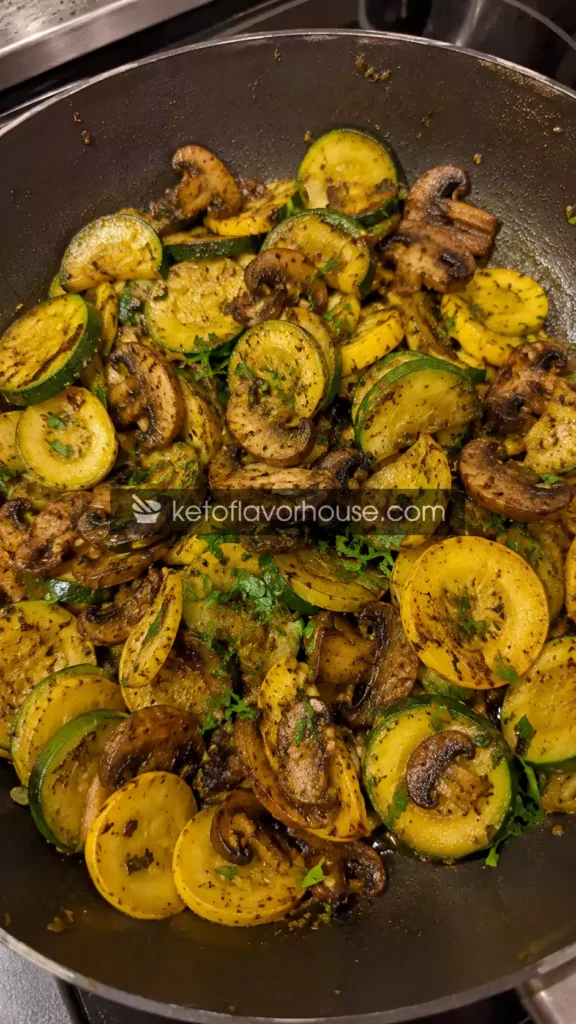
This Anti-Inflammatory Turmeric Garlic Vegetable Skillet has become one of my favorite answers to those moments. It’s the kind of recipe I turn to when I want a meal centered around wholesome ingredients but still packed with enough flavor to make me genuinely excited for dinner. The combination of earthy mushrooms, tender zucchini, sweet yellow squash, aromatic garlic, and golden turmeric transforms simple vegetables into something truly comforting.
What I love most about this dish is that it doesn’t feel like “healthy eating” in the restrictive sense. Instead, it feels abundant. The skillet fills with colorful vegetables, the kitchen becomes fragrant with garlic and herbs, and the finished dish tastes nourishing in the most satisfying way. It proves that anti-inflammatory meals can be cozy, flavorful, and deeply enjoyable.
This recipe also fits beautifully into busy lifestyles. Everything cooks in one pan, the ingredients are easy to find, and the entire meal comes together in under 30 minutes. Whether you’re looking for a healthy side dish, a light vegetarian dinner, or a vegetable-packed meal prep option, this skillet adapts effortlessly.
The Anti-Inflammatory Turmeric Garlic Vegetable Skillet is ideal for:
- Anyone wanting more anti-inflammatory meals
- Busy individuals needing quick healthy dinners
- Those looking for low-carb vegetable recipes
- People interested in Mediterranean-inspired eating patterns
- Anyone craving healthy comfort food made with simple ingredients
- Families wanting more flavorful vegetable dishes
The warm spices, fresh herbs, and bright squeeze of lemon at the end create a balance that feels both comforting and refreshing. It’s a recipe that reminds me that nourishing meals don’t need to be complicated to be memorable.
💚 Why You’ll Love This Recipe
- 🥬 Packed with anti-inflammatory ingredients like turmeric, garlic, olive oil, mushrooms, and fresh herbs.
- ⚡ Supports balanced energy with fiber-rich vegetables and wholesome fats.
- 🍽️ Comforting without feeling heavy, making it perfect for everyday meals.
- 👩🍳 Simple one-pan preparation that minimizes cleanup and stress.
- 🧡 Loaded with cozy flavors from garlic, herbs, and warming turmeric.
- 🥣 Excellent for meal prep, staying delicious even as leftovers.
- 🔥 Naturally flavorful without relying on processed sauces.
- 💪 Easy to pair with protein like chicken, salmon, or tofu for a complete meal.
- 🌿 Versatile and adaptable, working as a side dish or main course.
- ⏱️ Ready in under 30 minutes, ideal for busy weeknights.
🧠 My Personal Experience
This skillet recipe first became part of my routine during a season when I was intentionally trying to eat more vegetables without making meals feel boring or overly complicated.
I remember standing in my kitchen one evening, looking at a zucchini, a container of mushrooms, and a yellow squash that needed to be used. I wasn’t aiming to create anything extraordinary. I simply wanted dinner to feel nourishing.
As the mushrooms began to brown in olive oil and the garlic filled the kitchen with its familiar aroma, I knew I had stumbled onto something special. The turmeric gave everything a beautiful golden hue, while the herbs added warmth that made the entire dish feel comforting.
What surprised me most was how satisfying it was.
There was no heavy cream sauce or complicated preparation. Just vegetables prepared thoughtfully with ingredients that complemented each other beautifully.
Since then, this Anti-Inflammatory Turmeric Garlic Vegetable Skillet has become one of those dependable recipes I return to again and again. I make it after vacations when I’m craving simpler meals. I make it during busy workweeks because it’s effortless. I make it when I want a side dish that everyone at the table will actually enjoy.
Most importantly, it reminds me that healthy comfort food doesn’t have to sacrifice flavor. Sometimes the simplest ingredients create the most memorable meals.
🧰 Required Equipment
Large Skillet
A large skillet is essential for allowing the vegetables to cook evenly without overcrowding.
Why It Matters:
- Encourages proper browning instead of steaming
- Helps mushrooms caramelize beautifully
- Provides enough space for tossing ingredients easily
Helpful Tip: A 12-inch skillet works best for this recipe.
Alternative: A large sauté pan or wok can also be used.
Sharp Chef’s Knife
A sharp knife makes vegetable preparation safer and more efficient.
Why It Matters:
- Creates even slices for consistent cooking
- Helps prevent crushing delicate vegetables
Helpful Tip: Try to keep zucchini and squash slices similar in thickness.
Cutting Board
A sturdy cutting board provides a safe workspace during prep.
Why It Matters:
- Keeps ingredients organized
- Improves kitchen safety
Alternative: Use separate boards if preparing protein additions alongside vegetables.
Wooden Spoon or Silicone Spatula
You’ll need something sturdy for stirring the vegetables during cooking.
Why It Matters:
- Prevents sticking
- Helps distribute seasonings evenly
- Protects nonstick cookware surfaces
Measuring Spoons
Accurate measurements help balance the spices.
Why It Matters:
- Prevents overpowering the vegetables
- Ensures consistent flavor every time
Helpful Tip: Level spices for the most accurate results.
Citrus Juicer (Optional)
If adding fresh lemon juice, a citrus juicer makes extraction easier.
Why It Matters:
- Maximizes juice yield
- Prevents seeds from entering the dish
Alternative: Simply squeeze by hand.
🥬 Ingredients & Substitutions
Zucchini (1 medium, sliced)
Zucchini forms the foundation of this vegetable skillet, adding tenderness and subtle sweetness.
Role in the Recipe:
- Provides volume and texture
- Absorbs the flavors of garlic and turmeric beautifully
- Keeps the dish light and satisfying
Nutritional Benefits:
Zucchini contributes fiber, vitamin C, and hydration due to its naturally high water content.
Substitutions:
- Additional yellow squash
- Eggplant
- Broccoli florets
- Asparagus
Effects on the Recipe:
- Eggplant creates a heartier texture.
- Asparagus adds freshness and slight crispness.
- Broccoli increases cooking time by a few minutes.
Yellow Squash (1 medium, sliced)
Yellow squash complements zucchini with a slightly sweeter flavor.
Role in the Recipe:
- Adds visual appeal
- Enhances texture variety
- Balances the earthiness of mushrooms
Nutritional Benefits:
Yellow squash contributes vitamins and fiber while keeping the dish naturally low in calories.
Substitutions:
- Additional zucchini
- Pattypan squash
- Bell peppers
Flavor Impact:
Bell peppers add sweetness and brightness.
Mushrooms (2 cups, sliced)
Mushrooms bring a savory, almost meaty quality to the skillet.
Role in the Recipe:
- Create umami depth
- Add heartiness
- Help make the dish more satisfying
Nutritional Benefits:
Mushrooms provide antioxidants and important micronutrients that complement a balanced eating pattern.
Substitutions:
- Cremini mushrooms
- Baby bella mushrooms
- Portobello mushrooms
- Shiitake mushrooms
Texture Differences:
- Portobello mushrooms offer a meatier bite.
- Shiitake mushrooms provide a more intense flavor.
Extra Virgin Olive Oil (2 tablespoons)
Olive oil is central to both the cooking process and Mediterranean-inspired flavor profile.
Role in the Recipe:
- Prevents sticking
- Helps vegetables caramelize
- Carries the spices throughout the dish
Nutritional Benefits:
Olive oil provides monounsaturated fats commonly associated with anti-inflammatory eating patterns.
Substitutions:
- Avocado oil
- Light olive oil
Flavor Impact:
Extra virgin olive oil contributes the richest flavor.
Garlic (3 cloves, minced)
Garlic adds aromatic depth and warmth.
Role in the Recipe:
- Enhances savory notes
- Builds complexity without additional sauces
Substitutions:
- 1 teaspoon garlic powder
- Roasted garlic
Flavor Differences:
Fresh garlic delivers the most vibrant flavor.
Turmeric (1 teaspoon)
Turmeric gives the skillet its beautiful golden color and signature warmth.
Role in the Recipe:
- Adds earthy depth
- Supports the anti-inflammatory theme
- Creates visual appeal
Substitutions:
- Curry powder
- Mild yellow curry seasoning
Flavor Impact:
Curry blends introduce additional spices.
Black Pepper (½ teaspoon)
Black pepper provides gentle heat and balances the turmeric.
Role in the Recipe:
- Enhances overall flavor
- Complements the earthy spices
Substitutions:
- White pepper
- Cracked pepper blend
Dried Oregano or Thyme (1 teaspoon)
Herbs provide Mediterranean-inspired warmth.
Role in the Recipe:
- Add aromatic complexity
- Enhance vegetable flavors naturally
Substitutions:
- Italian seasoning
- Fresh oregano
- Fresh thyme
Flavor Differences:
Fresh herbs provide brighter notes.
Fresh Parsley (1 handful, chopped)
Parsley adds freshness and color.
Role in the Recipe:
- Brightens the finished dish
- Balances the warm spices
Substitutions:
- Cilantro
- Fresh basil
- Dill
Sea Salt (to taste)
Salt enhances all of the natural vegetable flavors.
Role in the Recipe:
- Balances seasoning
- Intensifies overall flavor
Tip: Add gradually and taste throughout cooking.
Optional Ingredients
Red Pepper Flakes (Pinch)
Adds subtle heat.
Hemp Seeds or Chia Seeds (1–2 teaspoons)
Provide texture and additional nutritional variety.
Lemon Juice (1–2 teaspoons)
Adds brightness and balances the richness of olive oil.
Fresh Ginger (1 teaspoon, grated)
Introduces extra warmth and complexity.
👩🍳 How to Make Anti-Inflammatory Turmeric Garlic Vegetable Skillet
Step 1: Prepare the Vegetables
Begin by washing the zucchini, yellow squash, mushrooms, and fresh parsley thoroughly under cool running water. Pat everything dry with a clean kitchen towel or paper towels. Removing excess moisture is especially important for mushrooms, as it helps them brown properly instead of steaming.
Slice the zucchini and yellow squash into uniform rounds about ¼-inch thick. Keeping the pieces similar in size ensures they cook evenly and maintain a pleasant texture.
Slice the mushrooms into moderately thick pieces. Thin slices tend to shrink significantly during cooking, while thicker slices maintain a satisfying, hearty bite.
Mince the garlic finely and chop the parsley, setting them aside until needed.
Helpful Tip: Preparing all ingredients before turning on the stove makes the cooking process much smoother and prevents overcooking.
Step 2: Heat the Olive Oil Properly
Place a large skillet over medium heat and add 2 tablespoons of extra virgin olive oil.
Allow the oil to warm for 1–2 minutes until it shimmers slightly but does not smoke. Properly heated oil encourages beautiful browning while preserving the fresh flavors of the vegetables.
Avoid using excessively high heat, as olive oil can lose its delicate flavor if overheated.
Kitchen Tip: A heavy-bottomed skillet or cast-iron pan distributes heat more evenly and helps create better caramelization.
Step 3: Cook the Mushrooms First
Add the sliced mushrooms to the hot skillet in a single layer.
Resist the urge to stir them immediately. Allow them to cook undisturbed for 2–3 minutes before stirring. This encourages moisture evaporation and helps develop rich, golden-brown edges.
Continue cooking for another 2–3 minutes, stirring occasionally, until the mushrooms are:
- Tender
- Lightly caramelized
- Deepened in color
Cooking mushrooms first is an important step because they naturally release moisture. Allowing them time to brown creates deeper flavor throughout the entire skillet.
Helpful Tip: If the pan feels crowded, cook the mushrooms in batches to maximize browning.
Step 4: Add the Zucchini and Yellow Squash
Once the mushrooms have developed color, add the sliced zucchini and yellow squash to the skillet.
Stir everything together gently so the vegetables are evenly distributed throughout the pan.
Cook for approximately 4–5 minutes, stirring occasionally.
You’re aiming for vegetables that are:
- Tender but not mushy
- Slightly golden around the edges
- Still vibrant in color
Avoid over-stirring, as constant movement can prevent caramelization.
Beginner-Friendly Tip: The vegetables should still hold their shape when pierced with a fork.
Step 5: Incorporate the Garlic and Seasonings
Reduce the heat slightly to medium-low.
Add the following ingredients:
- 3 cloves minced garlic
- 1 teaspoon turmeric
- ½ teaspoon black pepper
- 1 teaspoon dried oregano or thyme
- Sea salt to taste
If using optional grated ginger or red pepper flakes, add them at this stage as well.
Stir continuously for 30–60 seconds until the garlic becomes fragrant and the turmeric evenly coats the vegetables with its beautiful golden color.
The kitchen should begin to smell warm and inviting, with the earthy aroma of turmeric blending with the savory garlic and herbs.
Important Tip: Garlic cooks quickly. Avoid prolonged cooking at this stage to prevent bitterness.
Step 6: Continue Cooking Until Perfectly Tender
Allow the seasoned vegetables to cook for an additional 2–3 minutes, stirring occasionally.
During this final cooking period, the flavors meld together beautifully while the vegetables finish softening.
Check the texture frequently.
The ideal result is:
- Mushrooms that remain hearty
- Zucchini and squash that are tender
- Vegetables that retain their structure without becoming watery
Taste and adjust the seasoning if needed, adding a little extra salt or black pepper according to your preference.
Step 7: Brighten with Fresh Finishing Ingredients
Remove the skillet from the heat.
Immediately stir in:
- Fresh chopped parsley
- A squeeze of lemon juice (if using)
The fresh parsley adds brightness and color, while the lemon juice provides a subtle acidity that balances the earthy spices and olive oil.
If desired, sprinkle hemp seeds or chia seeds over the top for additional texture.
Flavor Tip: Start with 1 teaspoon of lemon juice and adjust to your liking.
Step 8: Serve and Enjoy
Transfer the Anti-Inflammatory Turmeric Garlic Vegetable Skillet to a serving dish or enjoy it directly from the skillet while warm.
This versatile dish works beautifully as:
- A nourishing side dish
- A light vegetarian main course
- A meal prep component
- A topping for cauliflower rice
- An accompaniment to grilled proteins
Serve immediately to enjoy the vegetables at their best texture.
⚠️ Common Mistakes to Avoid
Overcrowding the Pan
Too many vegetables at once create steam instead of caramelization.
How to Avoid It:
- Use a large skillet.
- Cook in batches if necessary.
Adding Garlic Too Early
Garlic can burn quickly and develop bitterness.
How to Avoid It:
- Add garlic during the final stages of cooking.
Overcooking the Vegetables
Zucchini and squash can become watery if cooked too long.
How to Avoid It:
- Cook until just tender.
- Check frequently after 5 minutes.
Skipping the Mushroom Browning Step
Properly browned mushrooms contribute tremendous flavor.
How to Avoid It:
- Allow mushrooms time to release moisture and caramelize.
Using Excessive Salt Initially
As vegetables cook down, flavors become more concentrated.
How to Avoid It:
- Season gradually.
- Taste before adding more salt.
Using Low-Quality Olive Oil
Olive oil significantly impacts flavor.
How to Avoid It:
- Choose high-quality extra virgin olive oil whenever possible.
Forgetting the Fresh Finish
Lemon juice and parsley brighten the entire dish.
How to Avoid It:
- Add fresh ingredients immediately before serving.
🔥 Pro Tips for Best Results
- Use fresh garlic rather than garlic powder whenever possible.
- Add fresh grated ginger for extra warmth and complexity.
- Choose firm zucchini and squash without soft spots.
- Pat mushrooms dry before cooking to encourage browning.
- Finish with fresh lemon juice to enhance all the flavors.
- Use fresh parsley instead of dried for brightness.
- Sprinkle hemp seeds for subtle crunch and added texture.
- Pair with grilled chicken or salmon for a higher-protein meal.
- Reheat gently to preserve vegetable texture.
- Double the batch for easy meal prep throughout the week.
🧬 Anti-Inflammatory Benefits of Turmeric and Vegetables
This Anti-Inflammatory Turmeric Garlic Vegetable Skillet embraces a whole-food approach to eating that emphasizes colorful produce, healthy fats, and flavorful herbs.
Turmeric Adds Warmth and Vibrancy
Turmeric contributes:
- Earthy flavor
- Golden color
- A signature role in anti-inflammatory eating patterns
It transforms simple vegetables into something visually beautiful and deeply comforting.
Garlic Enhances Flavor Naturally
Garlic helps create savory depth without relying on processed sauces or excessive sodium.
Its aromatic qualities elevate the entire dish.
Mushrooms Provide Hearty Satisfaction
Mushrooms contribute:
- Fiber
- Naturally occurring antioxidants
- A satisfying, meaty texture
They help make vegetable-focused meals feel more substantial.
Zucchini and Yellow Squash Add Nutritional Variety
These vegetables provide:
- Fiber
- Vitamin C
- Potassium
- Hydration due to their high water content
Their mild flavors pair beautifully with stronger seasonings.
Olive Oil Supports Mediterranean-Inspired Eating
Extra virgin olive oil provides monounsaturated fats commonly featured in balanced eating patterns.
It also enhances flavor and satiety.
Overall, this recipe demonstrates that anti-inflammatory meals can be comforting, colorful, and genuinely enjoyable without feeling restrictive.
🌿 Variations You Can Try
Dairy-Free Version
The recipe is naturally dairy-free as written.
No modifications are necessary.
Gluten-Free Option
This skillet is naturally gluten-free.
Always verify seasoning labels if needed.
Higher-Protein Variation
Serve alongside:
- Grilled chicken breast
- Salmon fillets
- Turkey breast
- Shrimp
- Lean steak
For vegetarian options:
- Chickpeas
- White beans
- Tofu
- Tempeh
Lower-Carb Variation
The recipe is already naturally low in carbohydrates.
For even fewer carbs:
- Increase mushrooms
- Add spinach
- Use cauliflower rice as a base
Spicy Version
Add:
- Red pepper flakes
- Cayenne pepper
- Fresh jalapeños
To increase heat.
Mediterranean Variation
Incorporate:
- Kalamata olives
- Artichoke hearts
- Sun-dried tomatoes
- Fresh basil
For Mediterranean-inspired flavors.
Meal Prep Variation
Prepare a large batch and divide into containers with:
- Grilled chicken
- Salmon
- Cauliflower rice
- Quinoa (if desired)
Different Cooking Methods
Oven-Roasted Version
Roast vegetables at 425°F for 20–25 minutes, then toss with garlic, herbs, and lemon.
Air Fryer Method
Cook vegetables at 390°F for 10–12 minutes, shaking halfway through.
Grilled Version
Cook vegetables in a grill basket for smoky flavor enhancement.
🍽️ Tips for This Recipe
- Slice vegetables evenly for consistent cooking.
- Cook mushrooms first for maximum flavor development.
- Avoid excessive stirring to encourage caramelization.
- Add delicate herbs at the end of cooking.
- Taste and adjust seasoning before serving.
- Store leftovers properly to maintain texture.
- Pair with proteins for more substantial meals.
- Use seasonal vegetables when available.
- Prepare ingredients before heating the skillet.
- Finish with lemon juice to brighten the final dish.
➕ Optional Additions
One of the reasons I love this Anti-Inflammatory Turmeric Garlic Vegetable Skillet is that it’s incredibly versatile. You can enjoy it exactly as written or customize it based on your cravings, dietary preferences, or what you already have in your refrigerator.
Fresh Herbs
Fresh herbs instantly brighten the dish and add another layer of flavor.
Try adding:
- Chopped parsley
- Fresh cilantro
- Basil ribbons
- Fresh dill
- Chopped chives
Add herbs just before serving to preserve their freshness.
Red Pepper Flakes
If you enjoy a little heat, sprinkle in:
- ¼ teaspoon red pepper flakes
- Crushed Aleppo pepper
- A pinch of cayenne pepper
This creates a gentle warmth without overpowering the other flavors.
Avocado Slices
Creamy avocado pairs beautifully with the earthy mushrooms and warm turmeric.
Suggested amount:
- ¼–½ avocado per serving
It transforms the skillet into a more substantial meal.
Hemp Seeds or Chia Seeds
These tiny additions provide texture and nutritional variety.
Add:
- 1 teaspoon hemp seeds
- 1 teaspoon chia seeds
Sprinkle them over the finished dish just before serving.
Ground Flaxseed
For an easy fiber boost, add:
- 1 teaspoon ground flaxseed
It blends seamlessly into the vegetables without affecting flavor.
Fresh Lemon Zest
In addition to lemon juice, lemon zest adds extra brightness.
Use:
- ½ teaspoon fresh lemon zest
This small addition makes the entire skillet taste fresher.
Fermented Toppings
For extra tang and complexity, try:
- Fermented cabbage
- Pickled red onions
- Quick-pickled cucumbers
Use sparingly to complement the vegetable flavors.
Protein Additions
Transform this side dish into a complete meal by adding:
- Grilled chicken
- Baked salmon
- Shrimp
- Tofu cubes
- Tempeh
- Chickpeas
Garlic Yogurt Drizzle
For a creamy finishing sauce, combine:
- 2 tablespoons Greek yogurt
- ½ minced garlic clove
- 1 teaspoon lemon juice
Drizzle lightly over the vegetables before serving.
🍴 Serving Ideas
This Anti-Inflammatory Turmeric Garlic Vegetable Skillet works beautifully in many different ways.
As a Healthy Side Dish
Pair it with:
- Grilled chicken breast
- Lemon herb salmon
- Turkey meatballs
- Garlic shrimp
The vegetables complement nearly any protein.
Over Cauliflower Rice
For a lower-carb option, serve the skillet over:
- Cauliflower rice
- Cauliflower mash
This creates a more filling meal while remaining vegetable-focused.
Mediterranean-Inspired Bowl
Create nourishing bowls with:
- The vegetable skillet
- Grilled chicken or salmon
- Avocado slices
- Fresh herbs
- Lemon wedges
Perfect for meal prep lunches.
Family-Style Dinner
Serve directly from the skillet alongside:
- Roasted proteins
- Simple salads
- Healthy comfort food favorites
Allow everyone to customize their portions.
Vegetarian Main Course
For a heartier plant-based meal, pair with:
- Chickpeas
- White beans
- Lentils
- Quinoa
These additions help create a satisfying vegetarian dinner.
Internal Linking Opportunities for KetoFlavorHouse
This recipe naturally pairs with:
- Anti-inflammatory meals
- Healthy comfort food recipes
- Keto side dishes
- Low-carb dinner recipes
- Mediterranean-inspired meals
- High-protein anti-inflammatory recipes
🧊 Storage Recommendations
This vegetable skillet stores surprisingly well and makes excellent leftovers.
Refrigerator Storage
Allow the vegetables to cool completely before transferring them to airtight containers.
Storage time:
- 3–4 days in the refrigerator
Freezer Storage
Although possible, freezing may slightly alter the texture of zucchini and squash.
Freezer guidelines:
- Store for up to 2 months
- Thaw overnight in the refrigerator
For best quality, fresh preparation is recommended.
Best Containers
Store leftovers in:
- Glass airtight containers
- BPA-free meal prep containers
- Divided meal prep containers
Glass containers help maintain freshness and simplify reheating.
Reheating Methods
Skillet Method (Best Option)
Reheat over medium heat for 3–5 minutes, stirring occasionally.
This helps preserve texture.
Microwave Method
Heat in 30-second intervals, stirring between intervals.
Avoid overcooking, which may soften the vegetables excessively.
Oven Method
Place vegetables in an oven-safe dish.
Bake at 325°F for 10 minutes until warmed through.
Tips for Maintaining Texture
- Reheat only the portion you plan to eat.
- Add fresh parsley after reheating.
- Finish with fresh lemon juice before serving.
- Avoid repeated reheating cycles.
❓ Frequently Asked Questions
Is this recipe good for meal prep?
Yes. This Anti-Inflammatory Turmeric Garlic Vegetable Skillet stores well for up to four days and reheats beautifully, making it excellent for meal prep.
What makes this recipe anti-inflammatory?
The recipe includes ingredients commonly found in anti-inflammatory eating patterns, such as turmeric, garlic, olive oil, mushrooms, fresh herbs, and colorful vegetables.
Can I make this recipe dairy-free?
Absolutely. The recipe is naturally dairy-free as written.
Can I freeze this vegetable skillet?
Yes, although zucchini and squash may soften slightly after thawing. For best texture, enjoy fresh or refrigerated leftovers.
What proteins pair best with this recipe?
Grilled chicken, salmon, shrimp, tofu, chickpeas, and turkey all complement the skillet beautifully.
How do I keep the vegetables from becoming mushy?
Avoid overcrowding the skillet, cook mushrooms separately first, and stop cooking once the zucchini and squash are tender-crisp.
Is this recipe keto-friendly?
Yes. The vegetables used are naturally lower in carbohydrates, making this dish suitable for many low-carb lifestyles.
🧮 Nutritional Breakdown (Per Serving)
Servings: 4
Approximate nutrition per serving:
- Calories: 120
- Protein: 4g
- Fat: 8g
- Total Carbohydrates: 10g
- Fiber: 3g
- Net Carbs: 7g
Nutrition values are estimates and may vary depending on ingredient brands and optional additions.
📌 Recipe Snapshot
- Prep Time: 10 minutes
- Cook Time: 15 minutes
- Total Time: 25 minutes
- Course: Side Dish, Light Main Course
- Cuisine: Mediterranean-Inspired
- Servings: 4
- Calories: Approximately 120 per serving
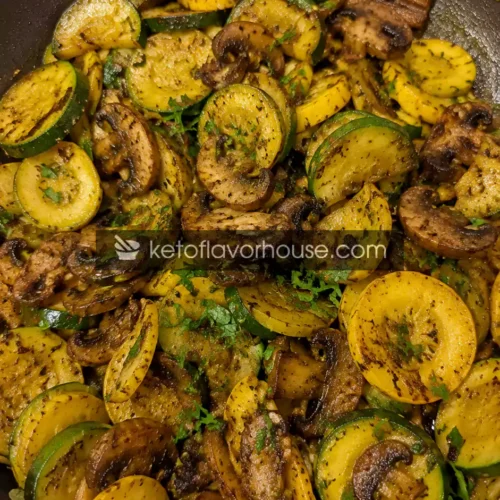
Anti-Inflammatory Turmeric Garlic Vegetable Skillet Recipe

Ingredients
- 1 medium zucchini sliced
- 1 medium yellow squash sliced
- 2 cups mushrooms sliced
- 2 tablespoons extra virgin olive oil
- 3 garlic cloves minced
- 1 teaspoon turmeric
- ½ teaspoon black pepper
- 1 teaspoon dried oregano or thyme
- 1 handful fresh parsley chopped
- Sea salt to taste
Optional Additions
- Pinch of red pepper flakes
- 1 –2 teaspoons hemp seeds or chia seeds
- 1 –2 teaspoons fresh lemon juice
- 1 teaspoon grated fresh ginger
Instructions
- Wash the zucchini, yellow squash, and mushrooms thoroughly under cool running water. Pat them dry with a clean kitchen towel or paper towels, especially the mushrooms, as excess moisture can prevent them from browning properly. Slice the zucchini and yellow squash into evenly sized rounds about ¼-inch thick so they cook at the same rate. Slice the mushrooms into medium-thick pieces, which will allow them to become tender while still maintaining a hearty texture.
- Place a large skillet over medium heat and add the olive oil. Allow the oil to heat for about 1–2 minutes until it begins to shimmer slightly. Properly heated oil helps the vegetables cook evenly and develop better flavor without becoming greasy or soggy.
- Add the sliced mushrooms to the skillet in a single layer. Let them cook undisturbed for 2–3 minutes before stirring to encourage browning and caramelization. Continue cooking for a total of 4–5 minutes, stirring occasionally, until the mushrooms release their moisture and begin to turn golden brown around the edges. This step builds a rich, savory flavor base for the entire dish.
- Add the sliced zucchini and yellow squash to the skillet with the mushrooms. Stir gently to combine all the vegetables evenly. Cook for another 4–5 minutes, stirring occasionally, until the squash becomes tender but still retains a slight firmness. Avoid overcooking, as zucchini and squash can quickly become mushy if left on the heat too long. The vegetables should look vibrant and hold their shape well.
- Reduce the heat slightly to medium-low and stir in the minced garlic, turmeric, black pepper, oregano or thyme, and sea salt. If you’re using optional grated ginger, add it at this stage as well. Stir continuously for 30–60 seconds to evenly coat the vegetables with the spices and prevent the garlic from burning. The turmeric will give the vegetables a beautiful golden color while the garlic and herbs create an inviting aroma.
- Continue cooking the seasoned vegetables for an additional 2–3 minutes, stirring occasionally. This allows the flavors to blend together while ensuring the vegetables remain tender without becoming overly soft. Taste the mixture and adjust the seasoning if necessary by adding a little more salt, pepper, or herbs according to your preference.
- Remove the skillet from the heat and immediately stir in the freshly chopped parsley. The residual heat will slightly wilt the parsley while preserving its bright, fresh flavor and vibrant green color. If desired, squeeze fresh lemon juice over the vegetables and gently toss everything together. The lemon adds a refreshing brightness that balances the earthy turmeric and savory mushrooms.
- For additional texture and nutritional variety, sprinkle hemp seeds, chia seeds, or a pinch of red pepper flakes over the finished skillet. Hemp and chia seeds add a subtle crunch, while red pepper flakes provide a gentle touch of heat for those who enjoy a spicier dish.
- Serve the Anti-Inflammatory Turmeric Garlic Vegetable Skillet immediately while the vegetables are warm and at their best texture. Enjoy it as a flavorful side dish alongside grilled chicken, salmon, shrimp, or tofu, or serve it over cauliflower rice, quinoa, or alongside a fresh salad to create a more complete and satisfying meal.
- If you have leftovers, allow the vegetables to cool before transferring them to an airtight container. Store them in the refrigerator for up to 3–4 days and reheat gently in a skillet over medium heat to help preserve their texture and flavor. A fresh squeeze of lemon juice before serving can help brighten the dish again after reheating.