This post may contains Amazon affiliate and other affiliate links. If you make a purchase through these links, I may earn a small commission at no extra cost to you. Your support helps me continue to provide quality content. I only recommend products I personally trust and believe will add value to your experience. For more details, please visit my Privacy Policy.
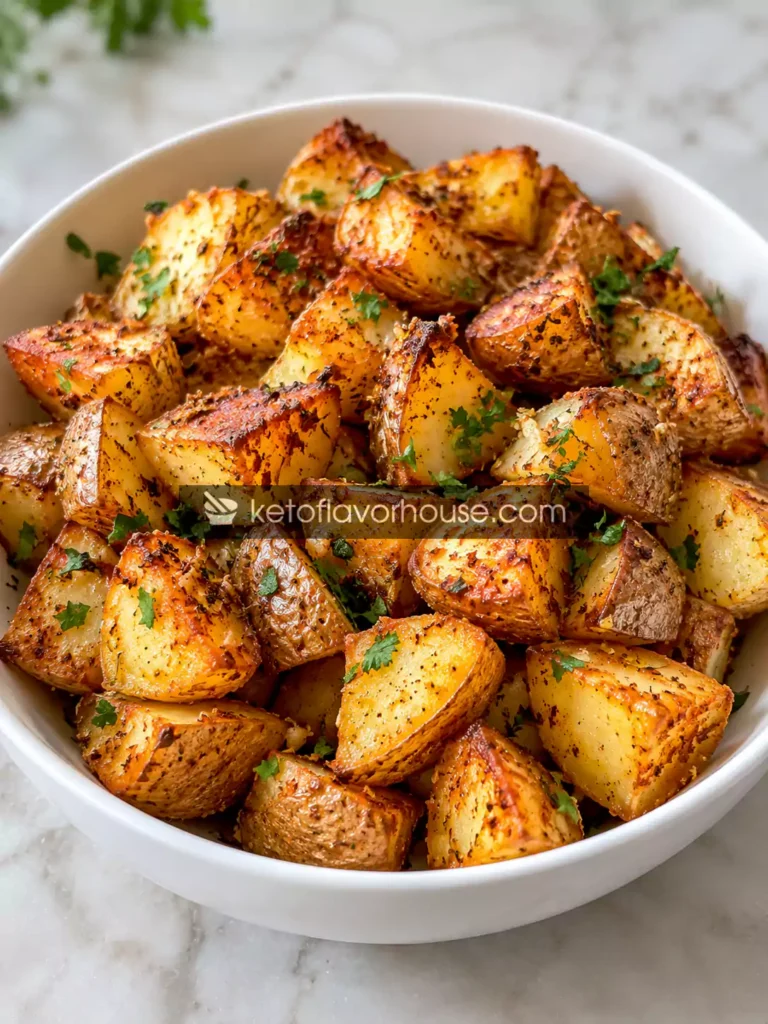
There is something so satisfying about a plate of Crispy Air Fryer Roasted Potatoes with beautifully golden edges, fluffy centers, and just the right amount of garlic and herbs. When I’m craving potatoes that taste like they came straight from a restaurant kitchen, I love using the air fryer because it creates that delicious roasted texture without requiring a large amount of oil or heating up the oven.
The secret to making truly crispy potatoes isn’t just the temperature. It’s choosing the right potato, cutting the pieces evenly, removing excess moisture, and giving them enough room for hot air to circulate. A few simple steps can make the difference between potatoes that are pale and soft and potatoes with those irresistible, crunchy edges.
This recipe uses everyday ingredients, including potatoes, olive oil, garlic powder, paprika, and dried herbs. You don’t need complicated seasonings or special cooking skills. Whether you’re preparing a quick weeknight side dish, adding something delicious to a family dinner, or looking for an easy alternative to deep-fried potatoes, this air fryer method is simple enough to make again and again.
Why You’ll Love This Recipe
- 🥔 Crispy on the outside, fluffy inside: The potatoes develop golden edges while keeping a tender, soft center.
- ⏱️ Easy everyday cooking: A little preparation and a few minutes in the air fryer give you a delicious side dish.
- 🫒 Less oil than deep-frying: A modest amount of olive oil helps the potatoes brown without submerging them in oil.
- 🧄 Packed with savory flavor: Garlic powder, paprika, and herbs create a simple seasoning blend that complements the natural taste of potatoes.
- 🍽️ Pairs with almost anything: Serve them with grilled chicken, fish, burgers, eggs, or roasted vegetables.
- 🌶️ Easy to customize: Make them spicy, smoky, cheesy, or lemony with ingredients you already have.
- 🥣 No complicated preparation: You don’t need to peel the potatoes unless you prefer them that way.
- 👨👩👧 Family-friendly: Their familiar flavor makes them a welcome addition to everyday meals.
- ♨️ Convenient reheating: Leftovers can be reheated in the air fryer to restore some of their original crispness.
My Personal Experience
For me, roasted potatoes are one of those side dishes that should be simple but genuinely delicious. They’re easy to prepare, inexpensive, and versatile enough to accompany almost any meal. Yet getting that perfect balance between a crisp exterior and a fluffy interior can sometimes be surprisingly difficult.
One of the biggest lessons with air fryer potatoes is that moisture is the enemy of crispiness. When freshly washed potatoes go straight into the air fryer without being dried properly, the surface moisture can interfere with browning. The potatoes may still cook, but they might not develop the crunchy coating you’re hoping for.
I also find that the way you cut the potatoes makes a noticeable difference. Very small pieces cook quickly but can dry out, while large chunks take longer and may brown unevenly. Pieces measuring approximately 1 inch (2.5 cm) are a useful starting point because they provide enough surface area for browning while retaining a fluffy center.
Seasoning matters, too. Garlic powder and paprika are dependable choices because they coat the potatoes evenly and provide plenty of flavor without requiring a long list of ingredients. Dried rosemary or thyme adds a classic roasted-potato aroma, while a little black pepper gives the seasoning a gentle kick.
Another detail worth remembering is that an air fryer basket should never be treated like a deep roasting pan. If the potatoes are piled on top of one another, hot air cannot circulate around them as effectively. Cooking in batches might take a little longer, but it usually produces a much better result than overcrowding the basket.
Finally, resist the temptation to add more oil whenever the potatoes look dry. A light, even coating is usually enough. Once the potatoes have browned, taste one, adjust the salt if needed, and serve them immediately. That is when the contrast between the crisp edges and fluffy centers is at its best.
Required Equipment
Air Fryer
A basket-style or oven-style air fryer works well for this recipe. Choose a size that allows the potato pieces to spread out in a single layer, or cook in batches for better airflow and browning.
Sharp Chef’s Knife
A sharp knife makes it easier to cut the potatoes into even chunks. Uniform pieces cook at a more consistent rate, helping you avoid a mixture of burnt edges and undercooked centers.
Cutting Board
Use a stable cutting board to prepare the potatoes safely. A nonslip board is particularly helpful when cutting firm potatoes into evenly sized chunks.
Large Mixing Bowl
A large bowl gives you enough room to toss the potatoes with oil and seasonings. Mixing everything before cooking helps distribute the seasoning more evenly than sprinkling it over the potatoes in the basket.
Clean Kitchen Towel or Paper Towels
Use a clean towel or paper towels to dry the potatoes thoroughly after washing. This small step helps reduce surface moisture and encourages better browning.
Measuring Spoons
Measuring spoons help you control the amount of oil, salt, paprika, and other seasonings. They’re particularly useful if you want consistent results or need to estimate the nutrition per serving.
Silicone Spatula or Tongs
Use heat-resistant tongs or a silicone spatula to turn the potatoes halfway through cooking. This helps expose different surfaces to the circulating hot air without damaging the basket.
Instant-Read Thermometer (Optional)
A thermometer is not essential for ordinary roasted potatoes, but it can help if you’re checking whether the centers are cooked. For a practical doneness target, look for approximately 205–210°F (96–99°C) in a tender potato center, or simply pierce a piece with a fork to confirm that it is soft inside.
Ingredients & Substitutions
This recipe makes four servings of seasoned roasted potatoes. I recommend leaving the skins on for a rustic finish, but you can peel them if you prefer a smoother texture.
Potatoes — 1½ pounds (680 g)
Yukon Gold, red potatoes, or Russet potatoes all work. Russets tend to produce a fluffier interior, while Yukon Gold potatoes have a creamy center and golden exterior. Red potatoes hold their shape well but may have a slightly less fluffy texture.
Substitution: Use baby potatoes cut into halves or quarters, depending on their size.
Olive Oil — 1 tablespoon (15 ml)
Oil helps the seasonings adhere and encourages surface browning. You need enough to coat the potato pieces lightly, not enough to make them greasy.
Substitution: Avocado oil or another suitable high-heat cooking oil can be used.
Garlic Powder — 1 teaspoon
Garlic powder delivers savory flavor throughout the coating and is easy to distribute evenly.
Substitution: Use ½ teaspoon garlic granules if needed. Fresh minced garlic is best added toward the end because it can burn during extended high-heat cooking.
Paprika — 1 teaspoon
Paprika adds warm color and a mild pepper flavor. It helps give the potatoes an appealing roasted appearance.
Substitution: Smoked paprika gives a deeper, smoky flavor. Use hot paprika if you enjoy extra heat.
Dried Rosemary or Thyme — ½ teaspoon
Dried herbs add a classic savory aroma. Rosemary pairs especially well with roasted potatoes, while thyme offers a slightly more delicate herbal flavor.
Substitution: Use dried oregano or an Italian herb blend.
Salt — ½ teaspoon, plus more to taste
Salt enhances the natural potato flavor. The amount you need depends on the salt’s grain size and your personal preference.
Black Pepper — ¼ teaspoon
Black pepper adds a gentle warmth and balances the savory seasonings.
Which Potatoes Are Best?
- Russet potatoes: Best when you want a fluffy interior and a drier, crisp exterior.
- Yukon Gold potatoes: Excellent all-purpose potatoes with a naturally creamy center.
- Red potatoes: Best when you want chunks that hold their shape, although their texture is less fluffy.
- Baby potatoes: Convenient and attractive for a rustic side dish. Cut them evenly so the smaller pieces don’t overcook.
You don’t need to soak every variety of potato, but soaking cut Russet potatoes in cold water for 20–30 minutes can help remove some surface starch. If you choose to soak them, drain thoroughly and dry them very well before seasoning.
Air-Fryer Notes
A few details about the air fryer make a substantial difference to the final texture.
Preheating: Preheat the air fryer to 400°F (200°C) for 3–5 minutes. A hot cooking environment helps the potatoes begin browning sooner. Follow your appliance’s manual if it recommends a different preheating procedure.
Basket spacing: Spread the potatoes in a single layer, leaving small gaps wherever possible. If your basket is too small for the entire batch, cook in two batches rather than piling the pieces together.
Oil spray: The measured tablespoon of olive oil should be enough for 1½ pounds of potatoes. If you use a spray, choose a suitable cooking oil and apply a light coating. Avoid spraying aerosol products directly onto a heating element.
Flipping: Shake the basket or turn the potatoes with tongs after approximately 10 minutes. Turning exposes different surfaces to the circulating air and encourages more even browning.
Finishing at high heat: Starting at 400°F (200°C) is usually sufficient. If the potatoes are tender but need extra color, you can finish at 400°F (200°C) for another 2–3 minutes, checking frequently. If they are already very dark, reduce the temperature instead.
Internal temperature: Unlike meat, potatoes do not have a single universal food-safety target temperature for doneness. For a soft, fluffy center, approximately 205–210°F (96–99°C) is a useful texture guide. A fork should slide into a cooked piece easily.
Cooking time: Allow approximately 18–25 minutes, depending on the potato variety, chunk size, basket capacity, and appliance. Start checking around 15 minutes.
How to Make Crispy Air Fryer Roasted Potatoes
Step 1: Wash and Prepare the Potatoes
Wash 1½ pounds (680 g) of potatoes under cool running water, scrubbing away any dirt. You can peel them if you prefer, but leaving the skins on gives the potatoes a rustic appearance and saves preparation time.
Inspect the potatoes and remove any damaged areas or sprouts. Cut the potatoes into evenly sized chunks of approximately 1 inch (2.5 cm).
Try to keep the pieces similar in size. If some are much smaller than others, they may become overly crisp before the larger pieces finish cooking.
Step 2: Soak the Potatoes if Desired
For especially crisp results with Russet potatoes, place the cut pieces in a bowl of cold water for 20–30 minutes.
This step is optional, so you can skip it when you’re short on time or using potatoes that already give you good results. Soaking can remove some excess surface starch, but it does not replace the need to dry the potatoes thoroughly.
If you soak them, drain the water completely and rinse the pieces briefly.
Step 3: Dry Thoroughly
Spread the potato pieces on a clean kitchen towel or a layer of paper towels. Pat them dry, turning them as needed to remove moisture from all sides.
This is one of the most important steps in the recipe. Wet potatoes may still cook through, but their surfaces are more likely to steam before they brown.
If you have soaked the potatoes, spend an extra minute drying them. The surfaces should feel dry rather than slippery or wet.
Step 4: Preheat the Air Fryer
Preheat your air fryer to 400°F (200°C) for 3–5 minutes.
While it heats, prepare the seasoning. Add the dried potatoes to a large mixing bowl so you have enough space to toss them without spilling.
Step 5: Season the Potatoes
Pour 1 tablespoon (15 ml) of olive oil over the potatoes. Add the garlic powder, paprika, dried rosemary or thyme, salt, and black pepper.
Toss thoroughly until the potato pieces have a light, even coating. Check the bottom of the bowl to make sure the oil and spices haven’t collected in one place.
The potatoes should look lightly coated rather than wet. If you are using a particularly small amount of oil, take a little extra time to toss the pieces so the seasoning reaches every surface.
Step 6: Arrange in the Air Fryer Basket
Transfer the seasoned potatoes to the preheated basket. Spread them out in a single layer as much as possible.
A little contact between the pieces is fine, but avoid a deep pile. If necessary, cook half the potatoes first and keep the remaining pieces refrigerated until the next batch.
Slide the basket into the air fryer carefully, making sure nothing obstructs the appliance’s airflow.
Step 7: Air Fry Until Golden
Cook the potatoes at 400°F (200°C) for 18–25 minutes.
At approximately the 10-minute mark, pull out the basket and shake it gently, or turn the potatoes using heat-resistant tongs. Return the basket to the air fryer and continue cooking.
Begin checking at around 15 minutes. Smaller pieces may be ready sooner, while larger chunks or a crowded basket may require additional time.
Look for golden-brown edges and a fork-tender center. If the potatoes are browning too quickly but remain firm inside, reduce the temperature to 375°F (190°C) and continue cooking until tender.
For a texture check, an internal temperature around 205–210°F (96–99°C) is a useful target for a fluffy potato center. Temperature is optional here; the fork test is generally sufficient.
Step 8: Finish for Extra Crispiness
If the potatoes are cooked through but need a little more color, air fry for another 2–3 minutes at 400°F (200°C). Watch them closely because garlic powder and dried herbs can darken with prolonged exposure to heat.
Avoid adding a large amount of oil at this stage. If the potatoes are already cooked, additional oil won’t necessarily make them crispier.
Step 9: Taste and Adjust the Seasoning
Transfer the potatoes to a serving bowl. Taste one carefully after it cools enough to handle, then add a small pinch of salt or black pepper if needed.
If you like fresh herbs, sprinkle chopped parsley over the potatoes just before serving. A squeeze of lemon juice can also brighten the flavor, although it’s best added at the end so it doesn’t soften the crisp coating during cooking.
Step 10: Serve Immediately
Serve the potatoes while they’re hot and crisp. They make an excellent side dish for chicken, fish, burgers, eggs, or a simple vegetable meal.
If you’re serving several dishes at once, cook the potatoes last whenever possible. Their texture is at its best straight from the air fryer, before steam has time to soften the surface.
Common Mistakes to Avoid
Even a straightforward potato recipe can go wrong if a few details are overlooked. Here’s how to prevent the most common problems.
- Skipping the drying step: Moisture prevents effective browning. Pat the potatoes dry after washing or soaking.
- Cutting uneven pieces: Smaller pieces cook faster than larger ones. Aim for roughly 1-inch chunks.
- Overcrowding the basket: A packed basket restricts airflow and encourages steaming. Cook in batches when necessary.
- Using too much oil: Excess oil can make the potatoes greasy without improving crispness. Start with the measured tablespoon.
- Forgetting to shake the basket: Turning the potatoes helps expose more surfaces to the hot air and promotes even browning.
- Opening the basket too frequently: Every check releases heat and can slow cooking. Check around the halfway point, then again as the potatoes approach doneness.
- Using too much fresh garlic too early: Fresh garlic can burn at high temperatures. Garlic powder is more convenient for this recipe; add minced garlic near the end if desired.
- Removing the potatoes before the centers are tender: Golden edges don’t guarantee that the centers are cooked. Test a larger piece with a fork.
- Leaving the potatoes in the basket after cooking: Residual heat and trapped steam can soften the crust. Transfer them to a serving dish promptly.
Pro Tips for Best Results
Choose the right potato for your preferred texture. Russets are excellent for a fluffy interior, while Yukon Gold potatoes offer a creamy center. Both can become beautifully golden when prepared properly.
Cut pieces to a consistent size. Uniform chunks are more important than making every piece perfectly square. Consistency helps the entire batch finish cooking at approximately the same time.
Don’t skip the preheat when aiming for crispness. Starting in a hot air fryer encourages faster browning. If your appliance doesn’t require preheating, follow its instructions and begin checking for doneness earlier.
Use enough space. Air circulation is central to air frying. A single layer is ideal, especially when you want crisp surfaces on multiple sides.
Season before cooking. Tossing the potatoes in a bowl with oil and spices gives you better coverage than seasoning them randomly in the basket.
Keep an eye on the last few minutes. Potatoes can go from golden to overly dark surprisingly quickly, especially when the chunks are small.
Add delicate ingredients near the end. Fresh parsley, lemon juice, grated Parmesan, or finely minced garlic can be added after most of the cooking is complete. This protects delicate flavors and helps prevent burning.
For a lighter preparation, measure the oil. Potatoes are naturally low in fat, but the amount of oil and toppings can change the nutrition substantially. Measuring helps keep portions consistent.
Serve promptly. Crisp potatoes gradually soften as they cool. If you’re cooking multiple batches, keep finished potatoes warm in a low oven with good airflow rather than sealing them in a covered container.
Air-Fryer Benefits of Potatoes
Potatoes are a versatile source of carbohydrates and provide nutrients including potassium and vitamin C. They also supply some fiber, particularly when the skin is left on.
Air frying offers practical advantages when preparing potatoes:
- Less oil than deep-frying: A small amount of oil is sufficient to coat the potatoes, unlike traditional deep-frying methods.
- Convenient cooking: The air fryer circulates hot air around the pieces, reducing the need for constant attention.
- Customizable seasoning: You can adjust the salt, herbs, spices, and oil to suit your preferences.
- Flexible portions: It is easy to prepare a smaller batch for one meal or cook several batches for a family dinner.
Air frying does not automatically make a food low-calorie or low-carbohydrate. Potatoes remain a carbohydrate-rich food regardless of the cooking method. However, using a measured amount of oil can make this a practical alternative to deep-fried potatoes.
Variations You Can Try
1. Garlic Herb Roasted Potatoes
Add extra dried rosemary and thyme. Finish with chopped parsley and a little lemon zest for a fresh, savory flavor.
2. Smoky Paprika Potatoes
Replace regular paprika with smoked paprika. Add a pinch of cayenne if you want a spicy finish.
3. Parmesan Roasted Potatoes
Sprinkle finely grated Parmesan over the potatoes during the final 2–3 minutes, watching carefully so the cheese doesn’t burn.
4. Spicy Cajun Potatoes
Replace the rosemary with Cajun seasoning. Check whether the blend already contains salt before adding the full amount in the recipe.
5. Lemon Pepper Potatoes
Season with black pepper and finish with lemon zest or a small squeeze of lemon juice immediately before serving.
Can You Make These Potatoes in the Oven?
Yes. Preheat a conventional oven to 425°F (220°C). Spread the seasoned potato pieces on a large baking sheet in a single layer and roast for approximately 30–40 minutes, turning them halfway through.
The exact time will depend on the potato variety, chunk size, and oven. Start checking after 25 minutes. Continue roasting until the edges are golden and the centers are fork-tender.
The oven method is particularly useful when you’re preparing a larger quantity. The air fryer is usually more convenient for smaller batches and can deliver excellent crispness with less preheating time.
Tips for This Recipe
- Prep ahead: Wash and cut the potatoes up to 24 hours in advance. Store them submerged in cold water in the refrigerator, then drain and dry thoroughly before seasoning.
- Keep the seasoning ready: Mix the dry seasonings in advance and store them in a small airtight container.
- Cook in batches: If your air fryer is small, two well-spaced batches will usually produce a better result than one overcrowded batch.
- Adjust for baby potatoes: Halve small baby potatoes and quarter larger ones so the pieces cook evenly.
- Make them a complete meal: Serve with chicken, fish, eggs, or another protein source and add vegetables for a more balanced plate.
- Serve fresh: If possible, finish cooking shortly before the meal. Reheating restores some crispness, but freshly cooked potatoes generally have the best texture.
Optional Additions
These additions can give the potatoes a different flavor without changing the basic cooking method.
| Addition | Suggested amount | Flavor and carbohydrate notes |
|---|---|---|
| Smoked paprika | ½ teaspoon | Smoky flavor; negligible carbohydrate at this amount. |
| Onion powder | ½ teaspoon | Adds savory depth; contributes a small amount of carbohydrate. |
| Chili flakes | ¼ teaspoon | Adds heat with minimal carbohydrate in this quantity. |
| Parmesan cheese | 2 tablespoons | Salty, cheesy finish; adds fat and protein with a small amount of carbohydrate. |
| Fresh parsley | 1 tablespoon | Fresh herbal flavor with minimal carbohydrate. |
| Lemon zest | ½ teaspoon | Bright citrus flavor with negligible carbohydrate at this amount. |
| Cajun seasoning | ½–1 teaspoon | Spicy, savory flavor; check the label for salt and added ingredients. |
| Garlic-infused olive oil | 1 tablespoon | Gives a mild garlic flavor; use it in place of the regular oil. |
Dips and Sauces
- Garlic yogurt dip: Mix plain Greek yogurt with garlic powder, lemon juice, and black pepper.
- Spicy ketchup: Serve with a small amount of ketchup and chili sauce. Choose a lower-sugar option if desired.
- Herb yogurt sauce: Combine plain yogurt, chopped parsley, lemon juice, and a pinch of salt.
- Sour cream and chives: A classic pairing that works especially well with paprika-seasoned potatoes.
- Garlic mayonnaise: Rich and creamy, but higher in calories and fat, so serve in modest portions.
The carbohydrate contribution of a dip depends on the brand and serving size. Potatoes themselves contribute most of the carbohydrates in the basic recipe.
Serving Ideas
These crispy potatoes are one of those side dishes that can fit into many different meals.
With grilled chicken: Pair the potatoes with grilled chicken breast or thighs and a simple salad for an easy lunch or dinner.
With fish: Serve alongside baked fish, grilled salmon, or air-fried white fish. Lemon and herbs work particularly well with this combination.
With burgers: Replace deep-fried fries with these seasoned potato chunks alongside a homemade beef or chicken burger.
For breakfast: Serve with eggs, turkey bacon, or chicken sausage for a hearty weekend breakfast.
With roasted vegetables: Add green beans, carrots, or broccoli to create a colorful dinner plate.
For casual gatherings: Serve the potatoes in a large bowl with two or three dips. They make an easy side for family meals and informal get-togethers.
Storage & Reheating
Refrigerating Leftovers
Let the potatoes cool briefly, then transfer them to a shallow, airtight container. Refrigerate within two hours of cooking and store at 40°F (4°C) or below. Use within 3–4 days.
Avoid sealing them while they’re still steaming hot, as trapped moisture can soften the surface.
Freezing
Roasted potatoes can be frozen, although their texture may change slightly after thawing. Let them cool, arrange them in a single layer to freeze, then transfer them to a freezer-safe container or bag.
For best quality, use within 1–2 months. Reheat from frozen if your air fryer allows it, adding extra time as needed. The potatoes may be softer than freshly cooked ones.
Reheating in the Air Fryer
- Preheat the air fryer to 350°F (175°C) for 2–3 minutes.
- Arrange the refrigerated potatoes in a single layer.
- Heat for approximately 3–5 minutes, shaking the basket halfway through.
- If they need extra crispness, increase to 400°F (200°C) for another 1–2 minutes, watching closely.
- Serve immediately once they’re hot throughout.
Larger pieces or a crowded basket may require more time. If reheating frozen potatoes, start with approximately 6–10 minutes at 350°F (175°C), then adjust according to their size and condition.
Can You Reheat Them in the Microwave?
Yes, but the potatoes will generally become softer rather than crispy. For the best texture, use the air fryer or a conventional oven.
Frequently Asked Questions
1. Why aren’t my air fryer roasted potatoes crispy?
The most common reasons are excess moisture, overcrowding, and unevenly sized pieces. Dry the potatoes thoroughly, coat them lightly with oil, and arrange them in a single layer. If your basket is small, cook in batches.
2. Do I need to soak potatoes before air frying?
No. Soaking is optional. It can help remove excess surface starch, particularly from Russet potatoes, but the potatoes must be dried thoroughly afterward. You can skip soaking when you want a quicker recipe.
3. Should I peel the potatoes?
No, peeling isn’t necessary. Potato skins add texture and some fiber, and they help create a rustic appearance. Wash and scrub the potatoes thoroughly before cutting. Peel them if you prefer a smoother texture.
4. What is the best temperature for air fryer roasted potatoes?
400°F (200°C) is a good starting point for 1-inch potato chunks. Cook for approximately 18–25 minutes, shaking the basket halfway through. Adjust the time according to the size of the pieces and your appliance.
5. Can I use frozen potatoes?
Yes, but frozen potato chunks may already contain oil or seasoning. Follow the package instructions when available, spread them in a single layer, and check them frequently. You may need to adjust both the temperature and cooking time.
6. Are air fryer roasted potatoes healthier than deep-fried potatoes?
They can contain less added fat because air frying requires much less oil than deep-frying. However, potatoes are still a carbohydrate-rich food, and the overall nutritional value depends on the ingredients, portion size, and accompanying foods.
7. How do I know when the potatoes are cooked?
The edges should be golden, and a fork should slide easily into the center. If you’re checking with a thermometer, approximately 205–210°F (96–99°C) is a useful texture target for a fluffy center. Cooking time will vary with potato size and variety.
Nutritional Breakdown (Per Serving)
The following estimates are based on four servings made with 1½ pounds (680 g) of potatoes, 1 tablespoon of olive oil, and the listed seasonings. Optional cheese and dips are not included.
| Nutrient | Estimated amount |
|---|---|
| Calories | 180 kcal |
| Protein | 4 g |
| Total fat | 4 g |
| Total carbohydrates | 33 g |
| Fiber | 4 g |
| Net carbohydrates | 29 g |
Nutrition note: These figures are estimates and will vary with potato variety, exact weight, oil used, and serving size. Net carbohydrates are calculated by subtracting fiber from total carbohydrates. For precise values, calculate the recipe using your actual ingredients.
Recipe Snapshot
Recipe Name: Crispy Air Fryer Roasted Potatoes
Prep Time: 10 minutes
Optional Soaking Time: 20–30 minutes
Cook Time: 18–25 minutes
Preheating Time: 3–5 minutes
Total Time: Approximately 31–40 minutes without soaking, or 51–70 minutes with soaking
Course: Side Dish
Cuisine: American-inspired
Cooking Method: Air Fryer
Servings: 4
Calories: Approximately 180 kcal per serving
Main Ingredients: Potatoes, olive oil, garlic powder, paprika, dried herbs, salt, and black pepper
Dietary Notes: Vegetarian, vegan when prepared with suitable plant-based ingredients, and naturally gluten-free when using uncontaminated seasonings.
Air Fryer Temperature: 400°F (200°C)
Texture Target: Golden, crisp edges and a fluffy center
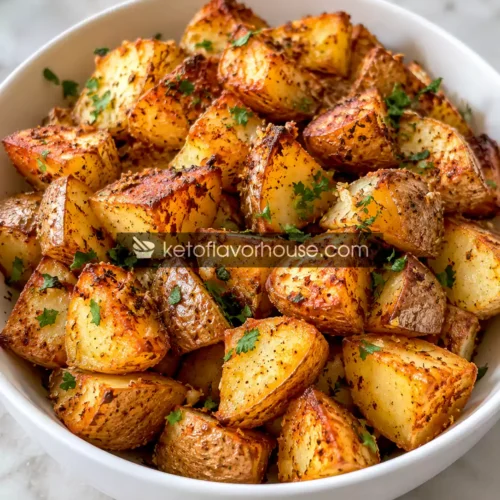
Crispy Air Fryer Roasted Potatoes

Ingredients
- 1½ pounds 680 g potatoes, cut into approximately 1-inch (2.5 cm) chunks
- 1 tablespoon 15 ml olive oil
- 1 teaspoon garlic powder
- 1 teaspoon paprika
- ½ teaspoon dried rosemary or thyme
- ½ teaspoon salt or to taste
- ¼ teaspoon ground black pepper
- 1 tablespoon chopped fresh parsley optional, for serving
Instructions
- Wash and cut the potatoes. Scrub the potatoes thoroughly and cut them into evenly sized 1-inch (2.5 cm) chunks. Peel them if desired.
- Soak if desired. For extra crispness, soak the cut potatoes in cold water for 20–30 minutes. Drain and rinse them afterward. This step is optional.
- Dry thoroughly. Pat the potatoes dry with a clean kitchen towel or paper towels. Removing surface moisture helps them brown more effectively.
- Preheat the air fryer. Preheat to 400°F (200°C) for 3–5 minutes, following your appliance’s instructions.
- Season the potatoes. Place the dried potatoes in a large bowl. Add olive oil, garlic powder, paprika, rosemary or thyme, salt, and black pepper. Toss until evenly coated.
- Arrange in the basket. Spread the potatoes in a single layer with space between the pieces. Cook in batches if necessary.
- Air fry. Cook at 400°F (200°C) for 18–25 minutes. Shake the basket or turn the potatoes with tongs after approximately 10 minutes.
- Check for doneness. Begin checking around 15 minutes. The potatoes should have golden edges and tender centers. A fork should slide easily into a larger piece.
- Finish if needed. If the potatoes are tender but need more browning, cook for another 2–3 minutes at 400°F (200°C), checking frequently. If they’re browning too quickly, reduce the temperature to 375°F (190°C).
- Garnish and serve. Transfer to a serving bowl, adjust the salt if needed, and sprinkle with fresh parsley. Serve immediately for the best crispness.