This post may contains Amazon affiliate and other affiliate links. If you make a purchase through these links, I may earn a small commission at no extra cost to you. Your support helps me continue to provide quality content. I only recommend products I personally trust and believe will add value to your experience. For more details, please visit my Privacy Policy.
There are days when a simple homemade cookie sounds just right: something soft, gently sweet, and full of that familiar apple-and-cinnamon aroma that makes the kitchen feel cozy. These Healthier Apple Butter Cookies are inspired by that comforting combination, with apple butter adding fruity sweetness and moisture to a tender cookie made with whole-wheat pastry flour. They’re an inviting option for anyone who wants a homemade treat without relying on a thick layer of frosting or an overly sweet dough.
Apple butter is a wonderful baking ingredient because it concentrates the flavor of cooked apples into a smooth, spreadable purée. It brings a gentle caramel-like fruitiness that pairs naturally with cinnamon, while whole-wheat pastry flour gives the cookies a little more fiber than refined white flour. A modest amount of brown sugar rounds out the flavor, and a small amount of butter provides the familiar richness you’d expect from a cookie.
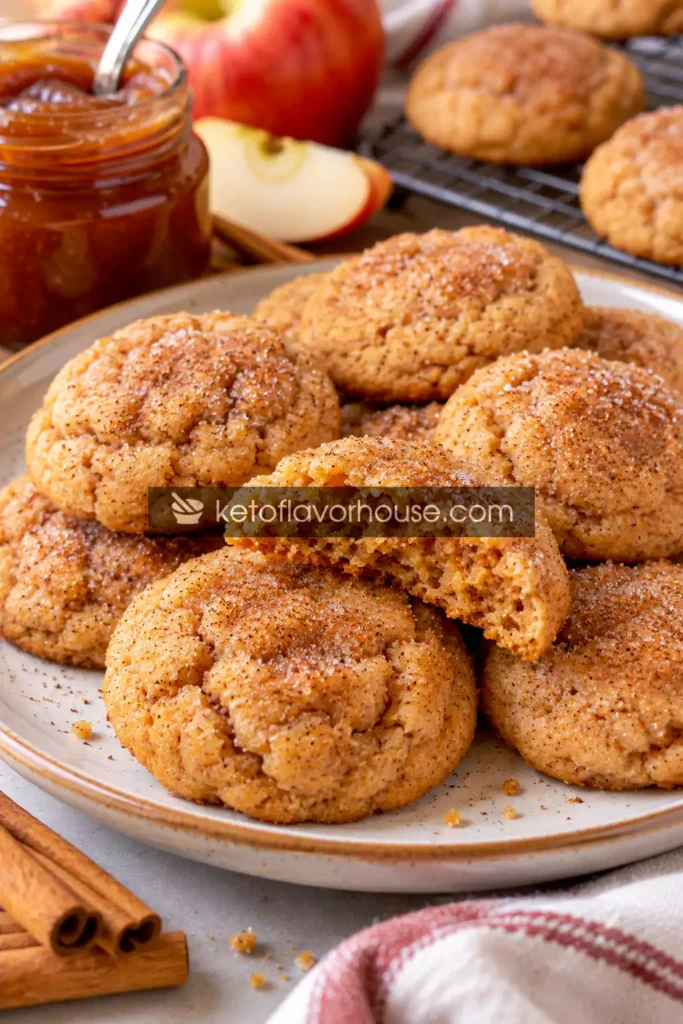
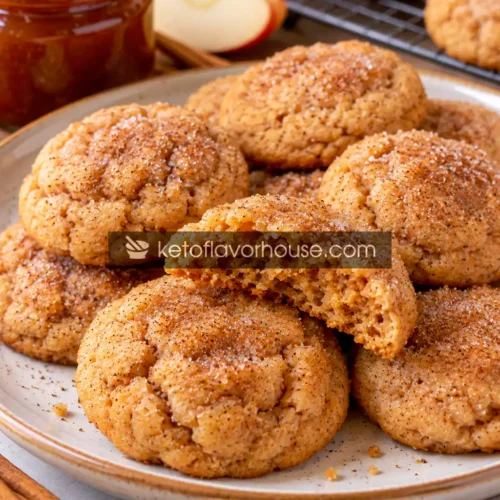
These cookies are designed to be soft rather than crisp. Think tender centers, lightly golden edges, and a warm apple-cinnamon flavor in every bite. The preparation is straightforward, and you don’t need a mixer or a long chilling period. They’re lovely with tea or coffee, easy to pack for a snack, and simple enough to bake when you want something homemade without turning the kitchen upside down.
Although these are called healthier cookies, they’re still a dessert. Using whole-wheat flour and reducing the amount of added sugar compared with many traditional cookie formulas doesn’t make them sugar-free or low-carb. Instead, this recipe offers a practical middle ground: a familiar baked treat made with thoughtful ingredient choices, sensible portions, and plenty of comforting flavor.
Soft Apple Butter Cookies
Tender cookies with apple butter, whole-wheat pastry flour, and warming cinnamon.
Why You’ll Love These Healthier Apple Butter Cookies
These cookies are a good example of how a few thoughtful ingredient choices can make a familiar dessert feel a little different. Instead of relying on a large quantity of butter and sugar for all the flavor and texture, the recipe uses apple butter to contribute moisture and fruity sweetness.
- 🍎 A lovely apple-cinnamon flavor: Apple butter and cinnamon create a warm, familiar combination without needing a separate apple filling.
- 🌾 Whole-wheat pastry flour: It contributes more fiber than refined white flour, while its finer texture helps keep the cookies tender.
- 🥄 A simple mixing method: You can prepare the dough with a bowl, whisk, and spatula—no electric mixer required.
- 🍪 Soft centers and lightly golden edges: The moisture from apple butter helps create a tender cookie rather than a crisp sugar cookie.
- 🍯 A measured amount of added sugar: Brown sugar complements the apple flavor without making the dough excessively sweet.
- 🧡 Easy to portion: A small cookie scoop or tablespoon helps create evenly sized cookies for predictable baking.
- ☕ A natural companion to tea or coffee: Their gentle sweetness makes them easy to enjoy as a small afternoon treat.
- 🥣 Practical for make-ahead baking: Bake a batch, let it cool completely, and store the cookies in an airtight container.
Apple butter does more than add flavor
Apple butter is made by cooking apples until they’re concentrated, smooth, and spreadable. Because it has a more developed flavor than plain chopped apples, you get an apple-forward cookie without pieces of fruit interrupting the soft texture.
It also adds moisture, which is helpful in a whole-wheat cookie. Whole-wheat pastry flour can absorb liquid differently from refined flour, and too little moisture may lead to a dry or crumbly result. Apple butter helps balance that tendency, although the final texture still depends on the flour measurement and the consistency of the apple butter you use.
Choose plain apple butter with no unnecessary added ingredients when possible. Some commercial varieties contain substantial added sugar, so check the label if you’re trying to keep the sweetness moderate. Unsweetened or no-added-sugar apple butter gives you more control over the recipe.
A more thoughtful everyday dessert
Using whole-wheat pastry flour adds some fiber compared with ordinary refined flour, and apple butter contributes fruit-derived flavor. Neither ingredient turns a cookie into a health food, but they can be part of a more considered baking approach.
A cookie can also be satisfying without being oversized. Making 18 small cookies gives you easy-to-portion treats, and the warm apple-cinnamon flavor means you don’t need frosting or a thick glaze to make them appealing. You can always add a light dusting of cinnamon when serving, rather than making the entire batch sweeter.
What Makes Apple Butter Cookies Different From Regular Sugar Cookies?
Traditional sugar cookies typically depend on butter, sugar, and flour for their structure. Many recipes begin by creaming butter and sugar together, then adding eggs and dry ingredients. That method creates a dough that can be rolled, cut into shapes, and decorated after baking.
Apple butter cookies use a different approach. The apple butter adds moisture and fruit flavor, and the brown sugar supplies sweetness and helps with browning. Whole-wheat pastry flour gives the dough its structure, while the egg binds the ingredients and helps the cookies set. Because the batter is wetter than traditional cutout-cookie dough, these cookies are shaped with a spoon or scoop rather than rolled out with a rolling pin.
The texture is also different. A classic sugar cookie may be crisp at the edges and firm enough to decorate, whereas these apple butter cookies are softer and more cake-like. That’s part of their appeal, but it also means you should allow them to cool before handling. Warm cookies can seem fragile, even when they’re baked properly.
There’s a flavor difference, too. Sugar cookies often rely on vanilla and butter for their main character. Apple butter cookies have a fruity, gently spiced flavor that makes them feel more seasonal. Cinnamon enhances the apple notes, while a modest amount of vanilla smooths out the overall taste.
If you’re choosing between the two, think about the occasion. Use traditional sugar cookies when you want crisp edges or a sturdy cookie for decorating. Choose apple butter cookies when you’d prefer a soft, easy-to-make treat with a warm fruit flavor.
My Kitchen Notes for Better Apple Butter Cookies
The ingredients are simple, but two details are especially important: the consistency of your apple butter and the way you measure the flour.
Apple butter brands can vary. Some are thick and concentrated, while others are looser or sweeter. A thick product usually makes the dough easier to portion, while a watery apple butter can leave the batter softer and extend the baking time. If you’re using homemade apple butter, make sure it has a thick, spreadable consistency rather than the loose texture of applesauce.
Flour measurement is equally important. Whole-wheat pastry flour should be spooned into a measuring cup and leveled, not packed down firmly. Packing it can add more flour than the recipe needs, leading to a heavy cookie. If you have a kitchen scale, weighing the flour is the more consistent option.
It also helps to resist the temptation to keep baking until the centers feel firm. These cookies are meant to stay tender, and they will continue to settle as they cool. The edges should look set, and the center should no longer have a wet sheen. If you wait until the entire cookie feels hard inside the oven, the edges may become dry.
For an everyday baking recipe, these small details are more useful than complicated techniques. Choose consistent ingredients, measure carefully, and give the cookies time to cool before judging their final texture.
Equipment You’ll Need
Mixing Bowl
A medium or large bowl gives you room to combine the wet ingredients before adding the flour. Since this dough doesn’t require creaming butter and sugar, you don’t need a stand mixer. A sturdy bowl and a whisk are enough for the wet mixture.
Whisk
A whisk helps break up the egg and distribute the oil, apple butter, brown sugar, and vanilla. Mix until the wet ingredients look smooth and uniform. This reduces streaks and helps the flour incorporate evenly later.
Silicone Spatula or Wooden Spoon
A spatula is useful for folding the dry ingredients into the wet mixture without overworking the dough. It also helps scrape the sides and bottom of the bowl, where flour can collect. Stop mixing as soon as the dry pockets disappear.
Measuring Cups and Spoons
Accurate measurements make a noticeable difference in a moist cookie recipe. Too much flour can make the cookies heavy, while too much apple butter can make them spread or remain overly soft. Use level measurements, and weigh the ingredients when possible.
Baking Sheet
A standard baking sheet provides enough room for 18 small cookies. Line it with parchment paper to reduce sticking and help the cookies release cleanly. If you need to bake in batches, allow the tray to cool before placing fresh dough on it; a hot tray can cause the second batch to spread prematurely.
Cookie Scoop or Tablespoon
A tablespoon or small cookie scoop helps portion the dough evenly. Uniform portions bake at a similar rate, so you’re less likely to end up with dry, small cookies beside underbaked, oversized ones.
Wire Cooling Rack
A cooling rack allows air to circulate beneath the cookies after they have set on the tray. Since these cookies are moist, cooling helps prevent condensation from making their bottoms gummy. If you don’t have a rack, you can leave them on the baking sheet until fully cool, though the bottoms may remain softer.
Ingredients and Substitutions for Healthier Apple Butter Cookies
This recipe makes 18 small cookies. It uses whole-wheat pastry flour, plain apple butter, a measured amount of brown sugar, and a small amount of butter for richness. The ingredient list is longer than a three-ingredient cookie, but each component contributes to the final texture.
Ingredients
- 1¼ cups (150 g) whole-wheat pastry flour
- ½ cup (about 128 g) plain apple butter
- ⅓ cup (67 g) packed light brown sugar
- ¼ cup (57 g) unsalted butter, melted and slightly cooled
- 1 large egg
- 1 teaspoon vanilla extract
- 1 teaspoon ground cinnamon
- ½ teaspoon baking soda
- ¼ teaspoon baking powder
- ¼ teaspoon fine salt
For best results, use thick apple butter and weigh the flour if possible. The brown sugar can be adjusted slightly for your taste, but changing the quantity may also affect browning and moisture. If your apple butter is sweetened, remember that its added sugars contribute to the final nutrition.
Whole-Wheat Pastry Flour
Whole-wheat pastry flour provides the structure of the cookies. Compared with refined white flour, it generally contains more fiber and retains more components of the wheat grain. Pastry flour is milled to provide a finer, softer texture than some regular whole-wheat flours, making it useful for tender baked goods.
You can substitute all-purpose flour, but the texture may be slightly lighter and the fiber content usually lower. Regular whole-wheat flour may produce a denser, more pronounced grain flavor. Coconut flour is not a direct replacement because it absorbs far more liquid; using it would require reformulating the recipe.
Apple Butter
Apple butter gives the cookies their signature fruit flavor, moisture, and gentle sweetness. It can also reduce the need for additional flavorings. Because commercial products differ in added sugar and thickness, the label matters.
If you don’t have apple butter, thick unsweetened applesauce is the closest practical alternative, but it is usually more watery and less concentrated in flavor. The cookies may need a little longer to set, and the finished flavor will be milder. Avoid adding extra applesauce until you’ve checked the consistency of the dough.
Brown Sugar
Brown sugar contributes sweetness, moisture, and a mild molasses note. It also helps the cookies brown and gives the flavor more depth than white sugar alone. The amount in this recipe is measured to complement the apple butter rather than overwhelm it.
You can use coconut sugar in a similar quantity, although the flavor will be more caramel-like and the final texture may differ slightly. Coconut sugar is still an added sugar and should not be treated as sugar-free or automatically lower in carbohydrates.
Unsalted Butter
Butter gives the cookies a familiar richness and helps create a tender crumb. Melted butter makes the recipe easy to mix by hand without needing to cream it with sugar. Let the butter cool slightly before combining it with the egg so the egg doesn’t begin to cook.
A neutral olive oil or avocado oil can replace melted butter, but the flavor will change. Oil may also produce a slightly different texture because it remains liquid at room temperature. Butter and oil differ in saturated fat and overall nutritional composition, so a substitution changes the nutrition estimate.
Egg
The egg binds the mixture and helps the cookies set during baking. It also contributes protein and moisture. Use a large egg for consistency.
A flax egg may work as an experiment, but the cookies can become denser and more fragile. Because apple butter already brings moisture, an egg substitute may require adjustment to the other ingredients.
Vanilla Extract
Vanilla rounds out the apple and cinnamon flavors. It isn’t essential for the cookies to hold together, but it adds a familiar bakery aroma. Use a product appropriate for your dietary needs and check the label if you’re limiting added sugar.
Cinnamon
Cinnamon brings warmth and complements the apple butter. It provides a strong flavor without requiring a large amount of extra sugar. You can use a pumpkin pie spice blend instead, but the finished flavor will be more complex and the cinnamon note may be less prominent.
Baking Soda and Baking Powder
These leaveners help the cookies rise slightly and keep them from becoming too dense. Baking soda can react with acidic ingredients, while baking powder provides additional leavening. They should be measured carefully; too much can leave a bitter or soapy taste.
Salt
A small amount of salt balances the sweetness and brings out the apple and spice flavor. If you use salted butter, reduce or omit the added salt, then adjust in a later batch if needed.
The ingredient guide below summarizes how the main components contribute to the final cookie.
How to Make Healthier Apple Butter Cookies
The steps are straightforward, and you don’t need special baking skills. Focus on mixing the ingredients evenly, measuring the flour carefully, and giving the cookies enough time to set after baking.
Step 1: Preheat the Oven and Prepare the Baking Sheet
Preheat your oven to 350°F (177°C). Line a large baking sheet with parchment paper and set it aside.
Make sure the oven is fully preheated before the cookies go in. A cool oven can change the way the dough spreads and sets, making it harder to judge the baking time. If you are using a dark baking sheet, check the cookies a little earlier because darker metal can brown the bottoms more quickly.
Step 2: Whisk the Wet Ingredients
In a large bowl, combine the apple butter, brown sugar, melted butter, egg, and vanilla extract. Whisk until the mixture looks smooth and uniform, with no visible streaks of egg or clumps of brown sugar.
The mixture will be loose and glossy at this stage. If the melted butter is still very hot, allow it to cool before adding it to the egg. Warm butter is fine; very hot butter can partially cook the egg and create little cooked pieces in the batter.
Step 3: Mix the Dry Ingredients Separately
In another bowl, combine the whole-wheat pastry flour, cinnamon, baking soda, baking powder, and salt. Stir them together thoroughly so the leaveners and spices are evenly distributed.
This helps prevent a concentrated bite of baking soda or cinnamon in one cookie. Breaking up flour clumps at this stage is easier than trying to work them out of the wet batter later.
Step 4: Combine the Wet and Dry Mixtures
Add the dry ingredients to the wet mixture. Use a spatula to fold them together until the flour is just incorporated.
The dough should be soft and scoopable rather than firm enough to roll out. It may feel stickier than traditional sugar-cookie dough because apple butter contributes moisture. Resist the urge to add extra flour immediately. Too much flour can make the cookies dense and reduce their tenderness.
If the mixture seems unusually loose, check that you measured the apple butter and butter accurately and used the specified flour amount. Apple butter brands differ in thickness, so the dough may vary slightly. A brief rest of five minutes can help the flour absorb some moisture before you portion it.
Step 5: Portion and Shape the Cookies
Scoop the dough into 18 equal portions, using about one tablespoon per cookie. Place them on the lined baking sheet with around two inches between each portion.
Gently flatten each portion slightly with the back of a spoon. These cookies don’t need to be perfectly round, but keeping their size consistent helps them bake evenly. If the dough sticks to the spoon, lightly dampen the spoon or use a small cookie scoop.
Don’t press the cookies completely flat. A little thickness helps preserve the soft centers, while an overly thin cookie can dry out before the middle stays tender.
Step 6: Bake Until the Edges Set
Bake for 10–12 minutes, checking near the end of the time range. The edges should look set, and the tops should no longer look wet. The centers may still feel soft, which is normal for this style of cookie.
If the middle is visibly wet or the cookie looks unstable, give the tray another minute or two and check again. Oven temperature, cookie size, and the moisture content of the apple butter can all affect how long the cookies need.
Avoid baking until the cookies become hard in the oven. They will continue to firm up as they cool, and excessive baking can make the whole batch dry.
Step 7: Let the Cookies Cool
Remove the baking sheet from the oven and let the cookies rest on the tray for about 5–10 minutes. During this time, the crumb sets enough to make the cookies easier to lift.
Transfer them carefully to a wire rack and let them cool completely. If you try to move them straight from the oven, they may bend or break. A thin spatula works well once the bottoms have set.
Step 8: Serve or Store
Enjoy the cookies once they have cooled to room temperature. Their apple-and-cinnamon flavor pairs naturally with unsweetened tea, coffee, or a glass of milk.
If you’re preparing them for later, store them only after they have cooled fully. Sealing warm cookies traps steam inside the container and can leave them damp underneath. Once cool, portion them into an airtight container and follow the storage guidance later in the article.
The process guide below summarizes the stages at a glance.
From apple butter dough to soft cookies
Prepare
Heat the oven to 350°F and line a baking sheet.
Whisk wet
Mix apple butter, sugar, cooled butter, egg, and vanilla.
Mix dry
Combine flour, cinnamon, baking soda, baking powder, and salt.
Combine
Fold the dry mixture into the wet mixture until just combined.
Portion
Scoop 18 small portions and flatten slightly.
Bake & cool
Bake 10–12 minutes, rest on the tray, then cool fully.
Common Mistakes to Avoid
Measuring Too Much Flour
Too much flour is one of the easiest ways to make a soft cookie dry or dense. Whole-wheat pastry flour can become compacted in a measuring cup, especially if the bag has been moved around.
How to avoid it: Spoon the flour into the measuring cup and level it off. Weighing 150 grams is more consistent when you have a kitchen scale.
Using Watery Apple Butter
Loose apple butter or very wet homemade purée can make the dough difficult to portion. The cookies may spread unpredictably or remain too soft in the center.
How to avoid it: Use thick, spreadable apple butter. If the homemade version is watery, reduce it gently in a saucepan until more concentrated, then cool it before measuring.
Adding Flour Until the Dough Feels Like Sugar-Cookie Dough
This recipe isn’t designed to have the firm texture of a traditional roll-out cookie dough. Adding flour until it feels stiff can result in dry cookies.
How to avoid it: Aim for a soft, scoopable dough. If it feels slightly loose, allow it to rest briefly before making adjustments.
Baking Too Long
The cookies can become dry around the edges before they look completely firm in the center. Their texture also changes during cooling.
How to avoid it: Start checking at 10 minutes. Remove the tray when the edges are set and the surface no longer looks wet, then let the cookies cool before judging their firmness.
Using Hot Melted Butter
Very hot butter can partially cook the egg when the two are mixed, leaving small cooked flecks and an uneven batter.
How to avoid it: Melt the butter first and let it cool until warm rather than hot before adding it to the wet ingredients.
Crowding the Baking Sheet
Cookies placed too close together may touch as they spread, making the edges harder to bake evenly.
How to avoid it: Leave about two inches between portions. If all 18 cookies won’t fit comfortably on one tray, bake in two batches.
Moving the Cookies Too Soon
Soft cookies can break when lifted directly from the oven. Even if the edges look done, the interior needs a little time to settle.
How to avoid it: Let the cookies rest on the tray for 5–10 minutes and then move them carefully to a rack.
The troubleshooting guide below brings these common issues together.
Apple butter cookie troubleshooting
Check the dough and cooled cookies before changing the ingredient ratios.
Likely cause: excess flour or overbaking. Weigh the flour and start checking at 10 minutes.
Likely cause: watery apple butter or an incorrect measurement. Check the consistency and let the dough rest for five minutes.
Likely cause: insufficient cooling. Leave them on the baking sheet for another few minutes before transferring.
Likely cause: a hot oven or dark baking sheet. Check the oven temperature and use the middle rack.
Likely cause: sweetened apple butter plus brown sugar. Choose a less-sweet apple butter and adjust sugar in a later batch.
Pro Tips for the Best Results
Use plain apple butter with a thick consistency. A concentrated product gives you a more predictable dough and a stronger apple flavor. If your apple butter is runny, the cookies may need longer to set.
Weigh the flour whenever possible. The 150-gram measurement helps keep the texture consistent. Measuring by volume is fine, but avoid pressing flour down into the cup.
Let the butter cool before mixing. This makes it easier to combine the ingredients without partially cooking the egg.
Mix just until combined. Once the flour disappears into the dough, stop stirring. Overworking isn’t necessary and can make the cookies less tender.
Keep the cookies the same size. A small scoop makes portioning easier and helps the whole tray finish baking at a similar time.
Watch the first batch closely. Ovens vary, and some baking sheets brown the bottoms faster than others. Start checking at 10 minutes rather than waiting until the very end of the time range.
Cool before storing. Even slightly warm cookies release steam into a closed container. Let them cool completely to help avoid condensation and overly soft bottoms.
Taste your apple butter before baking. If it’s already very sweet, you may prefer a little less brown sugar in a later batch. Reduce it gradually, since sugar affects moisture and browning as well as sweetness.
How These Cookies Fit Into a Balanced Eating Pattern
These cookies can be a more considered alternative to some traditional cookie recipes, particularly because they use whole-wheat pastry flour and apple butter for flavor and moisture. However, the word healthier is relative: the recipe still contains added sugar, butter, and a meaningful amount of carbohydrates.
Whole-wheat flour and fiber
Whole-wheat pastry flour generally contains more fiber than refined white flour because it retains more of the grain’s components. Fiber supports normal digestive function and is one reason whole grains can be useful within an overall balanced diet. The amount in one cookie is modest, so this recipe should not be presented as a high-fiber food.
Apple butter and fruit flavor
Apple butter brings concentrated apple flavor and some fruit-derived nutrients. It also contains carbohydrates, and sweetened brands may contain additional added sugar. Plain or no-added-sugar apple butter makes it easier to control sweetness, but it doesn’t make the cookies sugar-free.
Cinnamon and other spices
Cinnamon adds flavor without requiring large quantities of sugar. It contains naturally occurring plant compounds, but the amount used here should be viewed primarily as a seasoning. The recipe’s overall value depends on the complete ingredient mix, not on a single spice.
Fat and energy
Butter contributes flavor and makes the crumb tender. It also adds saturated fat, while the flour, apple butter, sugar, and egg all contribute energy in different amounts. A small cookie can fit into an enjoyable eating pattern, but portion size matters if you’re monitoring calories.
Are these cookies anti-inflammatory?
They are not specifically designed as an anti-inflammatory recipe. Whole-wheat flour and apple-derived ingredients can fit into a varied, nutrient-rich eating pattern, but the cookies also contain added sugar and butter. No single cookie can prevent or treat inflammation. If you want to build an anti-inflammatory-inspired menu, focus on a broad variety of vegetables, fruits, nuts, seeds, suitable protein sources, and unsaturated fats across the day.
Are they suitable for keto?
Not as written. Whole-wheat flour and brown sugar provide enough carbohydrates that these cookies should not be marketed as keto-friendly. A keto adaptation would require different ingredients and a new recipe test, particularly because replacing both flour and sugar changes how the dough binds, spreads, and bakes.
Variations You Can Try
Apple Pie Spice Cookies
Replace the cinnamon with a measured amount of apple pie spice, or use a blend of cinnamon and a little nutmeg. The flavor becomes more complex and familiar to anyone who enjoys apple pie. The nutritional change is small at typical spice quantities, but the exact blend may vary.
Walnut Apple Butter Cookies
Fold a small amount of finely chopped walnuts into the finished dough. Walnuts contribute crunch, unsaturated fats, some protein, and additional calories. Their texture makes the cookies feel a little more substantial, although too many nuts can make the soft cookies more fragile.
Raisin Apple Butter Cookies
Add a small amount of raisins for little pockets of sweetness. They contribute additional carbohydrates and sugars, so keep the quantity modest if you’re tracking nutrition. Raisins also add moisture and a slightly chewy texture.
Dairy-Free Apple Butter Cookies
Replace the melted butter with a suitable neutral oil or a plant-based baking alternative. The flavor and texture will differ slightly, and the fat profile will change. Oil remains liquid at room temperature, so the cookies may be softer than the butter version.
Reduced-Sugar Apple Butter Cookies
You can experiment with lowering the brown sugar slightly, particularly if your apple butter is sweetened. Reducing sugar affects more than sweetness: it can change browning, moisture retention, and spread. Start with a small reduction rather than removing all the sugar at once.
Lower-Carb Apple Butter Cookies
A lower-carb version would need a different flour and sweetener combination. Almond flour and a suitable low-carb sweetener are possible starting points, but they will not produce identical results. Almond flour is higher in fat and typically lower in carbohydrates than wheat flour, while sugar substitutes differ in sweetness and baking behavior. Develop and calculate that version separately before describing it as keto.
The variation grid below outlines the expected changes.
Choose your apple butter cookie variation
Each addition changes the flavor, texture, or nutrition slightly.
Apple pie spice
Deepens the apple flavor with a blend of warm spices; little texture change.
Walnuts
Adds crunch, unsaturated fats, and calories; too many can weaken the cookie structure.
Raisins
Adds sweet, chewy pieces and increases sugars and carbohydrates.
Neutral oil
Replaces butter but changes flavor, fat profile, and how soft the cookies feel.
Extra Tips for This Recipe
- Use a thick apple butter. A concentrated product generally creates a more manageable dough than a loose apple purée.
- Keep the dough soft. The batter should be scoopable, not firm enough to roll out.
- Flatten portions lightly. This encourages even baking without turning the cookies into thin, dry rounds.
- Don’t skip the cooling period. The cookies are fragile when hot and become easier to transfer after resting.
- Choose the right baking sheet. If you use a dark sheet, check the bottoms early to avoid excessive browning.
- Adjust sweetness gradually. The apple butter’s sweetness varies by brand, so check it before deciding whether to change the sugar.
- Separate toppings and fillings. If adding yogurt or cream cheese, serve it alongside or add it shortly before eating to preserve the cookie texture.
Optional Additions
Fresh apple, finely grated: Adds extra fruit flavor and moisture, but too much can make the dough wet. If you try it, squeeze out excess liquid and expect the texture to change.
Chopped walnuts or pecans: Add crunch, flavor, unsaturated fats, and calories. Chop them finely so they distribute evenly without making the soft cookies difficult to handle.
Ground flaxseed: A small amount adds fiber and a nutty flavor. It absorbs moisture, so adding too much can make the cookies denser or drier.
Chia seeds: Add texture and fiber, but they also absorb liquid. Keep the quantity modest and test the mixture before changing more ingredients.
Extra cinnamon: Makes the apple flavor feel warmer and more pronounced. It contributes little energy in the small amounts normally used, although it does add a small amount of carbohydrate.
A light yogurt topping: Plain Greek yogurt provides tang and additional protein. It adds moisture to the serving, so spoon it on just before eating rather than storing it with the cookies.
A small drizzle of nut butter: Adds richness, a nutty flavor, and additional fat and calories. Measure the amount if you’re tracking nutrition.
These additions are optional and aren’t included in the nutrition estimate for the base recipe. If you add several ingredients, calculate the full batch again rather than reusing the original macros.
Serving Ideas
With Coffee or Tea
A small apple butter cookie pairs naturally with unsweetened black tea or coffee. The warm cinnamon flavor complements both drinks without needing a sugary beverage alongside it.
With Plain Greek Yogurt
Serve a cookie with plain Greek yogurt for a more substantial snack. The yogurt’s tanginess contrasts with the sweet apple flavor and adds protein. Choose unsweetened yogurt if you’re trying to keep added sugar modest.
As a Simple Dessert
Serve one or two cooled cookies after lunch or dinner. They have enough apple-and-cinnamon flavor to feel complete without frosting or glaze.
With Fresh Fruit
Pair a cookie with a small serving of sliced apple or berries. The fruit creates a fresh contrast to the soft baked texture, but it also adds carbohydrates and should be included if you’re tracking total intake.
For a Family-Style Snack Plate
Arrange the cookies on a plate with sliced fruit and a small bowl of yogurt or nut butter. Everyone can choose their own accompaniment, and the cookies remain easy to portion.
For a Meal-Prep Snack
Pack individual cookies in small containers for work or school. They are convenient to transport once fully cool, and you can keep the batch refrigerated so portions are ready when needed.
How to serve apple butter cookies
Pair the soft, cinnamon-spiced cookies with something fresh or creamy.
Coffee or tea
A warm drink complements the apple and cinnamon without requiring extra sweetness.
Greek yogurt
Adds tanginess and protein, making the snack more substantial.
Fresh fruit
Provides a refreshing contrast, with extra carbohydrates from the fruit.
Snack plate
Serve with fruit and a little nut butter for variety and easy portioning.
Storage and Reheating Recommendations
Room-Temperature Storage
Once the cookies have cooled completely, store them in an airtight container. For best quality, keep them at room temperature for up to about 2 days, in a cool, dry place. Because apple butter adds moisture, avoid leaving the container somewhere warm or humid.
Refrigerator Storage
For longer storage, refrigerate the cookies in a covered container and aim to use them within 4–5 days. Separate layers with parchment paper if stacking them. Chilling may make the cookies a little firmer, so let a portion sit briefly at room temperature before serving if you prefer a softer bite.
These are practical quality recommendations, not guarantees of food safety. Refrigerate promptly in hot or humid conditions, and discard the cookies if you notice mold, an unusual smell, or other signs of spoilage.
Freezing
The cookies can be frozen after they have cooled completely. Arrange them in a single layer until firm, then transfer them to a freezer-safe container or bag with parchment between layers. For best quality, use within about 2 months.
Thaw individual portions while covered at room temperature or in the refrigerator. The texture may become slightly softer after thawing, but freezing is a useful way to keep a batch from going stale before you finish it.
Reheating
These cookies don’t need to be reheated. If you prefer them slightly warm, microwave one cookie for a few seconds and check the texture before heating further. Long heating can dry the edges or make the center too soft.
Make-Ahead Preparation
You can prepare the dough shortly before baking, or bake the cookies a day ahead for easy snacks. If making the dough ahead, cover it and refrigerate it briefly; chilled dough may be firmer, but it should still be scoopable. Avoid leaving raw egg-containing dough at room temperature for extended periods.
Apple butter cookie storage timeline
Cool completely
Let cookies set before putting them into an airtight container.
About 2 days
Keep in a cool, dry place and avoid warm or humid conditions.
4–5 days
Store covered, with parchment between layers if needed.
Best within 2 months
Freeze cooled cookies with layers separated, then thaw covered.
Frequently Asked Questions
Are apple butter cookies healthier than regular sugar cookies?
They can be a more considered option when made with whole-wheat pastry flour, a measured amount of added sugar, and plain apple butter. Whole-wheat flour generally provides more fiber than refined flour, while apple butter supplies fruit flavor and moisture. However, these cookies still contain sugar and butter, so the overall nutritional difference depends on the recipe you’re comparing them with.
Can I use applesauce instead of apple butter?
Yes, thick unsweetened applesauce is a reasonable substitute, but it contains more moisture and generally has a milder flavor. The cookies may spread differently or take longer to set. If your applesauce is watery, use a thick product or reduce excess moisture before measuring.
Can I make these cookies dairy-free?
Yes. Replace the butter with a suitable plant-based baking alternative or neutral oil. The flavor and texture may change because butter behaves differently from liquid oil. Check all packaged ingredients if you need to avoid dairy strictly.
Can I reduce the brown sugar?
You can try reducing it slightly, particularly if your apple butter is already sweet. Keep in mind that sugar contributes to browning, texture, and moisture as well as sweetness. Reducing it too much may produce a less tender or less browned cookie.
Why are my apple butter cookies too soft?
They may need more cooling time, or the apple butter may have contributed too much moisture. Make sure you used a thick apple butter and the stated flour amount. If the center looks wet after baking, return the tray to the oven for another minute or two and check again.
Can I freeze apple butter cookies?
Yes. Cool the cookies completely, freeze them in a single layer until firm, and then transfer them to a freezer-safe container. Separate layers with parchment and use within about two months for best quality. Thaw covered before serving.
Are these cookies keto-friendly?
No, not as written. Whole-wheat flour and brown sugar contribute substantial carbohydrates. To create a keto version, you would need a new formula using a suitable low-carb flour and sweetener, and you would need to recalculate the nutrition. The original recipe should be categorized as a healthier-style dessert, not a keto recipe.
Can I use regular all-purpose flour?
Yes. All-purpose flour can replace the whole-wheat pastry flour, although the cookies may be slightly lighter and generally contain less fiber. Measure it carefully and avoid packing it into the cup. The nutritional values will change, so recalculate the macros when making the substitution.
Nutritional Breakdown Per Serving
The estimates below are for one cookie, assuming the recipe produces 18 equal cookies and uses plain apple butter, whole-wheat pastry flour, brown sugar, butter, and the other listed ingredients.
| Nutrient | Estimated amount per cookie |
|---|---|
| Calories | 75 kcal |
| Protein | 1.5 g |
| Total fat | 3.0 g |
| Total carbohydrates | 11.1 g |
| Dietary fiber | 1.0 g |
| Net carbohydrates | 10.1 g |
These values are approximate and depend on the exact products used. Apple butter brands vary in sugar content, whole-wheat pastry flour labels differ, and the final number of cookies affects the nutrition per portion.
Net carbohydrates are calculated by subtracting dietary fiber from total carbohydrates: approximately 11.1 grams minus 1.0 gram equals 10.1 grams per cookie. This recipe does not use a sugar alcohol that is automatically deducted from the carbohydrate total.
For more precise tracking, calculate the nutrition for the entire batch from your actual ingredient labels, then divide by the number of cookies you make. If you use sweetened apple butter or change the sugar quantity, your results may differ.
Per cookie · Batch of 18
Approximate values for the whole-wheat flour and apple butter recipe.
Nutrition estimates vary by brand and portion size. Verify with your actual ingredient labels before publishing.
Recipe Snapshot
- Recipe Name: Healthier Apple Butter Cookies – Soft, Cinnamon-Spiced & Easy
- Prep Time: 10 minutes
- Cook Time: 10–12 minutes per batch
- Cooling Time: 15–20 minutes
- Total Time: Approximately 35–42 minutes
- Course: Dessert / Snack
- Cuisine: American-inspired
- Servings: 18 small cookies
- Calories per cookie: Approximately 75 kcal
- Protein per cookie: Approximately 1.5 g
- Total carbohydrates per cookie: Approximately 11.1 g
- Net carbohydrates per cookie: Approximately 10.1 g
A Cozy Cookie to Keep in Your Baking Rotation
These apple butter cookies bring familiar apple-and-cinnamon flavor into a simple homemade treat. Whole-wheat pastry flour adds a little more fiber than refined flour, while apple butter contributes moisture and concentrated fruit flavor. The soft texture, short preparation time, and easy portioning make them useful for afternoon snacks, casual desserts, or a make-ahead baking session. Keep the ingredient measurements consistent, let the cookies cool before storing, and enjoy them as one part of a varied, balanced eating pattern.
Healthier Apple Butter Cookies Recipe

Ingredients
- 1¼ cups 150 g whole-wheat pastry flour
- ½ cup about 128 g plain apple butter
- ⅓ cup 67 g packed light brown sugar
- ¼ cup 57 g unsalted butter, melted and slightly cooled
- 1 large egg
- 1 teaspoon vanilla extract
- 1 teaspoon ground cinnamon
- ½ teaspoon baking soda
- ¼ teaspoon baking powder
- ¼ teaspoon fine salt
Instructions
- Preheat the oven to 350°F (177°C). Line a large baking sheet with parchment paper.
- In a large bowl, whisk together the apple butter, brown sugar, melted and cooled butter, egg, and vanilla until smooth.
- In a separate bowl, stir together the whole-wheat pastry flour, cinnamon, baking soda, baking powder, and salt.
- Add the dry mixture to the wet ingredients. Fold gently with a spatula until no dry flour remains. Avoid overmixing.
- Portion the dough into 18 equal cookies, using about one tablespoon of dough per cookie. Place them approximately two inches apart on the prepared baking sheet and flatten each portion slightly.
- Bake for 10–12 minutes, until the edges are set and the tops no longer look wet. Check near the beginning of the time range because oven temperatures and apple butter consistency vary.
- Remove the tray from the oven and let the cookies rest on the baking sheet for 5–10 minutes.
- Transfer the cookies carefully to a wire rack and let them cool completely before serving or storing.