This post may contains Amazon affiliate and other affiliate links. If you make a purchase through these links, I may earn a small commission at no extra cost to you. Your support helps me continue to provide quality content. I only recommend products I personally trust and believe will add value to your experience. For more details, please visit my Privacy Policy.
Estimated SmartPoints: approximately 6–8 per serving, depending on your WW plan, ingredient brands, and personal Points settings.
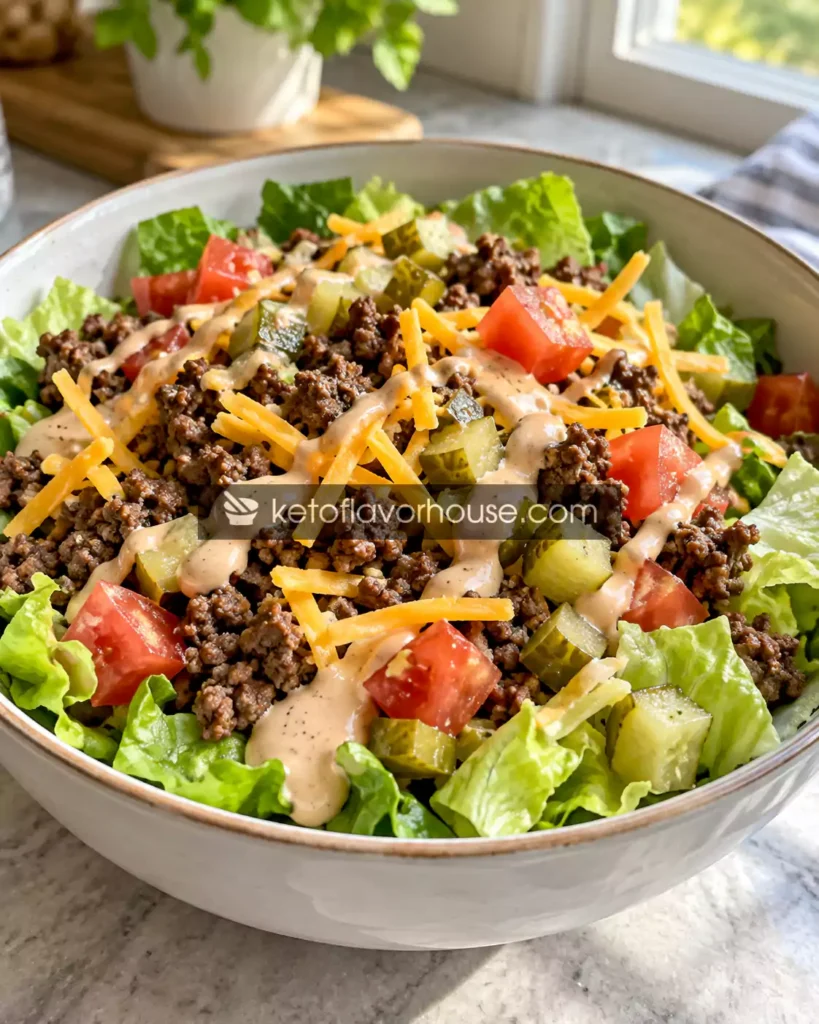
If you love the taste of a classic Big Mac but want something fresher and easier to fit into your everyday meal routine, these Weight Watchers Big Mac Salad Bowls bring together all the flavors that make the familiar burger so satisfying. Think juicy, seasoned ground beef, crunchy lettuce, tangy dill pickles, sharp cheddar cheese, juicy tomatoes, and a creamy homemade burger sauce—all layered into one generous salad bowl.
The best part is that you don’t need a bun to enjoy those classic burger flavors. This version puts lean ground beef and crisp vegetables at the center of the meal, with a lighter, tangy sauce that ties everything together. It’s a practical option for busy weeknights, make-ahead lunches, or those evenings when you want something comforting without preparing an entire burger spread.
For this recipe, the estimated SmartPoints range is approximately 6–8 per serving when made with 93% lean ground beef, reduced-fat cheddar, nonfat Greek yogurt, and light mayonnaise. This is an independent estimate rather than an official WeightWatchers calculation. Your current WW app may show a different result depending on your plan and the exact products you use.
Why You’ll Love These Weight Watchers Big Mac Salad Bowls
The appeal of this recipe goes beyond simply turning a burger into a salad. Each ingredient has a job to do, from the warm, savory beef to the cool crunch of the lettuce and the creamy, pickle-forward dressing.
Your new weeknight favorite
Why These Salad Bowls Work
Classic burger flavor, crisp vegetables, satisfying protein, and a creamy sauce in one easy-to-assemble meal.
Burger-Inspired Flavor
Beef, pickles, mustard, cheese, and tangy sauce deliver familiar burger-shop flavors without requiring a bun.
Protein at the Center
Lean ground beef provides substantial protein, helping make this salad more filling than a vegetable-only bowl.
Weeknight Friendly
Cook the beef while chopping the vegetables, then whisk the sauce together. The meal comes together in about 25 minutes.
Fresh and Crunchy
Romaine, tomatoes, onions, and pickles balance the rich beef and creamy dressing with freshness and texture.
Lighter Homemade Sauce
Greek yogurt and a measured amount of light mayonnaise create a creamy, tangy dressing without relying entirely on regular mayonnaise.
Easy to Prep Ahead
Keep the cooked beef, chopped vegetables, cheese, and sauce separate until you’re ready to assemble your bowl.
A satisfying meal without the burger bun
Traditional burgers are delicious, but buns, cheese, sauces, and extra toppings can add up quickly. Replacing the bun with lettuce creates a different kind of meal: a generous salad with the same savory flavor profile and plenty of room for crunchy vegetables.
That doesn’t automatically make every salad lower in Points than every burger. The beef, cheese, dressing, and serving sizes still matter. However, measuring those ingredients and building the bowl around vegetables gives you more control over what goes into each portion.
A good option for busy families
This recipe is especially convenient when different people at the table want different things. One person can enjoy the salad as written, another can add a small bun or toasted burger-style croutons, and someone else can add extra tomatoes or pickles.
You can place the ingredients in separate bowls and let everyone assemble their own meal. This also makes it easier to measure your own portion without making dinner feel like a separate diet meal.
Great for meal prep
Big Mac Salad Bowls are ideal for preparing several lunches in advance. The important trick is to keep the wet ingredients away from the lettuce until serving time. Store the beef, vegetables, and dressing separately, and the salad will retain much more of its crunch.
For the best texture, assemble each bowl shortly before eating. You can prepare most of the components in advance without sacrificing the fresh, crisp quality that makes this recipe enjoyable.
WW SmartPoints Information
For a four-serving recipe, plan on approximately 6–8 estimated SmartPoints per serving as a preliminary guide. This estimate assumes 93% lean ground beef, reduced-fat cheddar, nonfat plain Greek yogurt, and light mayonnaise, with no bun, croutons, or additional oil beyond what is accounted for in the recipe.
The estimate is not a verified value from the official WW calculator. SmartPoints terminology also comes from an earlier WW Points system, and your current plan may use a different calculation. Use your own app for the most reliable personalized result.
The whole recipe contains four servings, so the total Points estimate is approximately 24–32 if the per-serving estimate holds. This is a simple multiplication of the preliminary range, not an independent official calculation of the complete recipe.
What affects the Points most?
The biggest variables are the type and quantity of ground beef, the cheese, and the dressing. Leaner beef can reduce fat compared with higher-fat ground beef, but it is still important to use the correct product in your calculation.
The vegetables contribute volume, crunch, and variety, while the yogurt-based dressing allows you to control the amount of mayonnaise. The exact Points assigned to individual foods depend on the plan you follow, so don’t automatically assume an ingredient is zero Points simply because it is lean or low in calories.
If you’re working within a daily Points budget, measure the calorie-dense ingredients rather than relying on visual estimates. A little extra cheese or dressing can make a noticeable difference across multiple servings.
My Personal Experience With This Style of Salad
A burger-inspired salad works best when it tastes like a complete meal rather than a plate of lettuce with a small amount of meat scattered over it. The key is to season the beef properly, give the dressing enough tang, and make sure every forkful includes a little of the creamy sauce, crunchy vegetables, and savory filling.
I would start by browning the beef until it develops some color, rather than stopping as soon as it loses its raw appearance. That browning adds a deeper, roasted flavor that helps the salad feel more like a burger. Breaking the meat into small crumbles also makes it easier to distribute evenly between the four bowls.
The sauce is equally important. Greek yogurt on its own can taste sharper and less rich than a traditional burger dressing, so the small amount of light mayonnaise, mustard, ketchup, and pickle juice helps create a more familiar flavor. Taste it before serving: if it needs more brightness, add a little pickle juice or mustard instead of immediately adding more mayonnaise.
For the best result, I would serve the beef warm over cold, freshly chopped romaine, then add the cheese, tomatoes, onions, and pickles. That contrast between warm and cool ingredients makes each bite more interesting. If you’re packing lunch for later, cool the cooked beef promptly and keep it separate from the vegetables until assembly.
Required Equipment
You don’t need specialized kitchen equipment to make these bowls. A few everyday tools are enough to cook the beef evenly, prepare the dressing, and assemble the salad.
Large Skillet
A wide skillet gives the ground beef enough room to brown instead of steaming in its own moisture. If your skillet is small, cook the beef in two batches. Use a nonstick skillet if you want to minimize the need for extra cooking oil.
Cutting Board and Sharp Knife
Use a stable cutting board to chop the romaine, halve the tomatoes, dice the onion, and slice the pickles. Cutting the vegetables into manageable, bite-sized pieces makes the salad easier to eat and helps distribute the ingredients evenly.
Mixing Bowl
A medium bowl is useful for combining the dressing ingredients. Whisk until the yogurt, mayonnaise, ketchup, mustard, and pickle juice form a smooth, creamy sauce. A small bowl also works if you are making a half batch.
Wooden Spoon or Heatproof Spatula
Use a spoon or spatula to break the beef into small crumbles as it cooks. Smaller pieces distribute more evenly throughout the salad and allow you to get a little seasoned beef in every bite.
Measuring Cups and Spoons
Accurate measurements are especially helpful when you’re monitoring Points. Measure the cheese, mayonnaise, ketchup, and pickle juice rather than adding them straight from their containers. This keeps the portions consistent and makes your nutritional estimates more reliable.
Ingredients and Substitutions
This recipe makes four generous salad bowls. The amounts below are designed to balance the burger-inspired toppings with a substantial portion of lettuce and vegetables.
For the salad bowls
- 1 pound (454 g) 93% lean ground beef: Provides the classic burger flavor and the majority of the protein. Use the lean percentage shown on the package when calculating nutrition and Points.
- 8 cups chopped romaine lettuce: Creates a crisp, sturdy base that holds up well under warm beef and creamy dressing. Iceberg lettuce is another good choice if you prefer extra crunch.
- 1 cup cherry tomatoes, halved: Adds juiciness, freshness, and a little sweetness.
- 1 cup chopped dill pickles: Brings the sharp, salty, tangy flavor associated with a Big Mac. Drain them well so their brine doesn’t water down the bowl.
- 1/2 cup shredded reduced-fat cheddar cheese: Adds a savory, cheesy finish. Use a product you enjoy, and check its nutrition label rather than assuming all reduced-fat cheeses have the same values.
- 1/2 small red onion, finely diced: Adds a crisp bite and mild sharpness. If raw onion tastes too strong, use less or rinse the diced onion briefly in cold water.
- 1/2 teaspoon garlic powder: Adds savory depth to the beef.
- 1/2 teaspoon onion powder: Reinforces the classic burger-seasoning flavor.
- 1/2 teaspoon smoked paprika: Adds a subtle smoky note without making the salad taste heavily spiced.
- 1/4 teaspoon black pepper: Adds warmth and balances the other seasonings.
- Salt, to taste: Start with a small amount, especially because the pickles, cheese, and sauce ingredients may already contain considerable sodium.
- Cooking spray, if needed: Helps prevent sticking. If you use oil instead, measure it and include it in your nutrition and Points calculation.
For the lighter Big Mac-style sauce
- 1/2 cup plain nonfat Greek yogurt: Creates the creamy base and contributes protein.
- 2 tablespoons light mayonnaise: Adds richness and a more familiar burger-sauce texture.
- 2 tablespoons ketchup: Provides sweetness and tomato flavor. Choose the product you prefer and use its actual nutrition information.
- 1 tablespoon yellow mustard: Adds a tangy, slightly sharp flavor.
- 1 tablespoon dill pickle juice: Loosens the dressing and brings a distinctive pickle tang.
- 1/4 teaspoon garlic powder: Gives the sauce a little savory depth.
- 1/4 teaspoon onion powder: Adds a subtle background flavor.
- Black pepper, to taste: Finishes the dressing.
Traditional Big Mac-style sauce recipes vary, so this is a homemade, lighter-inspired dressing rather than an exact copy of a restaurant’s proprietary sauce.
Build a better bowl
Ingredient Smart-Swap Guide
Small ingredient changes can shift the flavor, texture, calories, and Points of your finished salad.
| Original ingredient | Possible alternative | What changes |
|---|---|---|
| 93% lean ground beef | Lean ground turkey | May reduce fat, depending on the products; flavor becomes milder. Recalculate Points and protein. |
| Reduced-fat cheddar | A smaller portion of regular cheddar | Regular cheddar may taste richer, but its fat and energy content can be higher per gram. |
| Light mayonnaise | More nonfat Greek yogurt | Usually reduces fat, but creates a tangier, less rich dressing. Compare labels and recalculate. |
| Romaine lettuce | Iceberg or a lettuce blend | Changes crunch and texture; the overall bowl remains fresh and crisp. |
| Ketchup | A reduced-sugar ketchup | May change sugar and calorie totals. Compare serving sizes and product labels. |
How substitutions affect the recipe
Ground turkey can be a useful alternative if you want a milder flavor. Choose a lean version and cook it thoroughly, but don’t assume every turkey product is lower in calories or Points than every beef product. Ground turkey’s fat content varies.
You can also make the sauce more yogurt-forward by replacing some or all of the light mayonnaise with additional Greek yogurt. The result will taste tangier and may be slightly less silky, but it still works well with mustard, ketchup, and pickle juice.
For cheese, use a kitchen scale if you have one. Shredded cheese can settle differently depending on how finely it is grated, so measuring by weight is often more consistent than relying on a loosely filled cup.
How to choose ingredients for a lower-Points version
Start with the ingredients that have the biggest impact on your recipe’s calculated Points. Use the lean beef you selected for the recipe calculation, keep the cheese measured, and prepare the sauce with the stated quantities. Avoid adding unmeasured oil, extra mayonnaise, or large amounts of cheese during assembly.
You don’t need to eliminate every flavorful ingredient. A measured amount of cheese can make a bowl feel satisfying, and pickle juice can bring plenty of tang without requiring a large amount of dressing. The goal is to make intentional choices and calculate the version you actually eat.
How to Make Weight Watchers Big Mac Salad Bowls
The recipe is straightforward, but a few details make a real difference. Cook the beef first, prepare the sauce while it browns, and chop the vegetables while everything is coming together.
Step 1: Prepare the vegetables
Wash and dry the romaine thoroughly. Excess water can dilute the sauce and make the salad less appealing, so use a salad spinner or clean kitchen towels if necessary.
Chop the lettuce into bite-sized pieces and divide it among four bowls. Halve the cherry tomatoes, finely dice the red onion, and chop the pickles. Keep each topping separate for now so you can distribute them evenly.
If you prefer a milder onion flavor, rinse the diced onion under cold water and drain it well. This takes away some of the sharpness without removing all of its crunch.
Step 2: Cook the ground beef
Heat a large skillet over medium-high heat. Add the ground beef and break it into small crumbles with a heatproof spatula. If your pan tends to stick, use a little cooking spray and account for any added oil in your calculation.
Sprinkle in the garlic powder, onion powder, smoked paprika, black pepper, and a small amount of salt. Stir as the meat cooks so the seasonings coat the crumbles evenly.
Cook until the beef is browned and reaches an internal temperature of 160°F (71°C), checking with a food thermometer. The exact cooking time depends on your pan and the starting temperature of the meat, but it will often take about 7–10 minutes.
Avoid stirring constantly from the first second. Giving the meat brief contact with the hot pan helps it develop color and a deeper flavor. At the same time, don’t leave it untouched for too long, because you want small, evenly cooked crumbles rather than one large browned layer.
If there is excess rendered fat, drain it carefully. Let the beef rest briefly while you finish the dressing, but don’t leave cooked meat at room temperature for an extended period.
Step 3: Mix the Big Mac-style sauce
In a medium bowl, whisk together the Greek yogurt, light mayonnaise, ketchup, yellow mustard, pickle juice, garlic powder, onion powder, and black pepper.
Continue whisking until the sauce is smooth and no streaks of plain yogurt remain. The consistency should be thick enough to cling lightly to a spoon but loose enough to drizzle over the salad.
Taste a small amount. If it tastes too rich, add a little more mustard or pickle juice. If it tastes too tangy, a small amount of additional ketchup may balance it. Measure any additional ingredients if you want to keep your nutrition and Points estimates consistent.
For a stronger flavor, refrigerate the sauce for 10–15 minutes before serving. This short rest allows the seasonings to blend and makes the dressing easier to portion.
Step 4: Assemble the salad bowls
Arrange the lettuce as the base of each bowl. Divide the warm beef between the four portions, then add the tomatoes, pickles, diced red onion, and reduced-fat cheddar.
Try to distribute the beef evenly instead of placing most of it in one bowl. The same goes for the cheese and dressing; consistent portions make it easier to estimate the nutritional values of each serving.
Drizzle the dressing over the top just before serving. Start with the recipe’s share of sauce, then add more only if your serving calculation accounts for it.
Step 5: Finish and serve
Serve immediately while the beef is still warm and the vegetables are cool and crisp. Toss the ingredients lightly if you prefer a more mixed salad, or leave the toppings arranged in sections for a colorful bowl.
If you like a little extra crunch, add a few finely chopped pickles or some additional lettuce. If you want to serve the salad with bread or croutons, treat those as additional ingredients and update the nutrition and Points calculation accordingly.
The Bowl-Building Process
Five simple stages take you from raw ingredients to a fresh, burger-inspired dinner.
Chop the vegetables
Wash and dry the lettuce, then chop the tomatoes, onion, and pickles. Look for evenly sized, bite-friendly pieces.
Brown and season the beef
Break the beef into small crumbles, season it, and cook to 160°F (71°C). The finished meat should be browned and fully cooked.
Whisk the sauce
Combine the yogurt, light mayonnaise, ketchup, mustard, pickle juice, and seasonings until creamy and evenly colored.
Divide the toppings
Build four bowls with lettuce, beef, tomatoes, pickles, onion, and cheese. Keep portions as even as possible.
Drizzle and serve
Add the measured dressing just before eating. Serve while the beef is warm and the lettuce is crisp.
Common Mistakes to Avoid
Using wet lettuce
Water left on the lettuce can thin the sauce and collect at the bottom of the bowl. Dry the leaves thoroughly before assembling the salad.
Overcooking the beef
Lean ground beef can become dry if it is cooked for much longer than necessary. Break it into small crumbles, monitor the cooking process, and use a thermometer to confirm that it reaches 160°F (71°C).
Adding too much sauce
The dressing is flavorful, so you don’t need to drown the lettuce in it. Divide the sauce into four portions or serve it on the side. This helps keep the bowls balanced and makes your Points calculation easier to manage.
Making the dressing too thin
Too much pickle juice can turn the sauce watery. Start with the listed tablespoon and add more gradually if needed. If you accidentally add too much liquid, whisk in a little additional Greek yogurt and recalculate the changed recipe if necessary.
Guessing at portions
A bowl that contains much more beef or cheese than the others won’t have the same nutritional profile. Divide the cooked beef and toppings evenly, using a scale if consistency matters to your tracking.
Dressing the salad too early
Adding sauce to all the lettuce hours before serving can make the vegetables wilt. Keep the components separate during storage and dress each bowl shortly before eating.
Pro Tips for the Best Results
- Let the beef brown: A little color adds savory depth and makes the meat taste more like a burger filling.
- Keep the lettuce cold: Refrigerated romaine provides a refreshing contrast to warm beef.
- Use finely diced pickles: Smaller pieces spread their tang throughout the salad instead of delivering an occasional oversized bite.
- Season in stages: Taste the cooked beef and dressing separately. Pickles, cheese, mustard, and ketchup all contribute flavor, so add salt thoughtfully.
- Make the sauce first: Giving it a few minutes to rest helps the seasonings blend while you prepare the rest of the ingredients.
- Measure the calorie-dense ingredients: Cheese, mayonnaise, and added oil are easier to track when measured rather than poured freely.
- Assemble just before eating: This preserves the lettuce’s texture and prevents excess moisture from collecting in the bowl.
A note on keeping the recipe lower in Points
The most useful adjustment is usually portion control rather than removing every ingredient that makes the salad enjoyable. A measured serving of cheese can provide plenty of flavor, while a yogurt-based dressing lets you enjoy creaminess without relying entirely on regular mayonnaise.
Check the actual labels on your beef, cheese, ketchup, and mayonnaise. Similar-looking products can differ in fat, calories, sodium, and serving sizes. When you change an ingredient, update the calculation for the complete recipe instead of subtracting an arbitrary number of Points.
Troubleshooting Guide
WW-Specific Nutrition and Meal-Planning Strategy
Weight Watchers is built around a personalized Points budget, so the best way to use this recipe is to calculate the ingredients you actually use and decide how the bowl fits into your own day.
The recipe combines a protein-rich ingredient with vegetables that add volume and texture. Ground beef contributes protein, iron, and vitamin B12, while romaine and tomatoes add a range of vitamins and minerals. The Greek yogurt in the dressing contributes additional protein, although the amount per serving is smaller than the contribution from the beef.
Why protein matters in this meal
Protein supports normal body functions, including the maintenance and repair of body tissues. Including a meaningful source of protein at meals may also help some people feel satisfied for longer. However, fullness varies between individuals, and no single recipe guarantees a particular weight-loss result.
The estimated protein content of this recipe is around 35 grams per serving, depending on the exact ingredients and final portion sizes. If protein is one of your goals, verify the estimate using the nutrition labels on your products.
Portion awareness without sacrificing flavor
The beef, cheese, and dressing contribute most of the meal’s energy, so those are the ingredients worth measuring. You can still enjoy a generous bowl of lettuce, tomatoes, and pickles without relying on extra cheese or dressing to make the meal taste good.
If your daily Points budget is limited, calculate your serving in the WW app and adjust the measured ingredients to suit your plan. Don’t assume that a recipe labeled low-point will automatically fit every member’s budget.
Pairing the salad with other foods
This salad can be a complete lunch or dinner on its own. If you want to make it more substantial, consider a small baked potato, a piece of fruit, or a measured serving of whole-grain bread. These additions change the nutrition and Points of the meal, so include them in your tracking.
For a lighter lunch, serve the bowl as written and enjoy water or another unsweetened drink alongside it. There is no need to compensate for one meal by skipping other meals; focus on a sustainable pattern that works for your appetite and routine.
Variations You Can Try
One of the advantages of this recipe is how easily you can adjust the flavor without changing the overall method.
1. Big Mac Salad Bowls With Ground Turkey
Replace the beef with 1 pound of lean ground turkey. Season it with the same garlic powder, onion powder, paprika, and pepper.
The flavor will be milder, and the final fat and protein values will depend on the turkey’s lean percentage. Recalculate the recipe with the exact product rather than assuming the swap automatically reduces Points.
2. Extra-Crunchy Big Mac Salad
Use iceberg lettuce instead of romaine, or combine the two. Add finely chopped pickles and a little extra diced onion if you enjoy a sharper, crunchier salad.
This variation changes the texture more than the overall cooking method. Keep the sauce and beef portions the same if you want to compare its nutritional profile with the original.
3. Cheeseburger Salad With a Smoky Sauce
Add a small pinch of smoked paprika to the dressing. The smoky flavor complements the browned beef and creates a slightly different burger-inspired taste.
You can also add a little extra black pepper. Additional spices in small amounts generally have a limited impact on the nutrition totals, but recalculate if you add ingredients in substantial quantities.
4. Spicy Big Mac Salad Bowls
Whisk a small amount of hot sauce into the dressing or add a pinch of cayenne to the beef seasoning. Start conservatively and taste before adding more.
Hot sauce products differ in sodium and other ingredients, so use the label when calculating your recipe. The spicy version should still pair well with the tangy pickles and creamy yogurt-based dressing.
5. Big Mac Salad Meal-Prep Bowls
Prepare the beef, sauce, and chopped toppings in advance. Divide them into separate containers and assemble individual portions when you’re ready to eat.
This variation is especially useful for weekday lunches. The ingredient quantities remain the same, but the storage containers and timing help preserve the texture.
6. Big Mac Salad With a Turkey Bacon Topping
For a smoky, bacon-inspired finish, add a measured amount of cooked turkey bacon. Choose a product that fits your preferences and dietary needs, and check its sodium, fat, and calorie information.
Turkey bacon is not nutritionally identical to pork bacon, and its Points value can vary substantially by product. Include the exact amount in your calculation before describing the finished version as lower-point.
Tips for Serving and Presentation
A good salad should look inviting before you take the first bite. Use a wide, shallow bowl so the toppings remain visible instead of disappearing beneath a tall mound of lettuce.
Arrange the beef in the center or in one section of the bowl, then add the tomatoes, pickles, onion, and cheese in separate clusters. Finish with a controlled drizzle of sauce so the colors remain distinct.
For family dinners, serve the dressing in a small bowl alongside the salad. This allows each person to add the amount they prefer and prevents leftovers from becoming soggy.
If you’re photographing the recipe for KetoFlavorHouse, use natural window light and a close, slightly overhead angle. Keep the beef visibly browned, show the small pickle pieces and shredded cheese, and use a modest amount of sauce so the ingredients remain recognizable. A simple plate or bowl and a clean background are enough; excessive garnishes can make the dish look less like an everyday meal.
Optional Additions
You can customize the bowl with additional ingredients, but each addition may affect the nutrition and Points.
- Extra cheddar: Adds a stronger cheese flavor and richer texture, along with additional fat, calories, and potentially Points.
- Avocado: Contributes creaminess and unsaturated fat, but can increase calories and the Points calculation depending on your plan.
- Sliced jalapeños: Add heat and crunch. Check the product label if using pickled jalapeños.
- Fresh parsley or chives: Add a fresh finish with little change to the overall nutritional profile when used in small amounts.
- Toasted burger-style croutons: Provide a bun-like crunch, but add carbohydrates and calories. Measure the serving and update the calculation.
- Extra tomatoes: Increase the freshness and juiciness of the bowl. The precise Points treatment depends on your WW plan and how the ingredients are entered.
You don’t need to add all of these. Pick one or two that genuinely improve the meal for you, then calculate the version you serve.
Serving Ideas for Different Occasions
These salad bowls work for more than dinner. Their components are easy to prepare separately, so you can adapt them for lunches, family meals, and weekly meal prep.
Four Ways to Serve Your Big Mac Salad
Keep the main recipe consistent and change the presentation to suit your day.
A simple side dish pairing
If you want a more substantial meal, a small baked potato or a measured portion of whole-grain bread can complement the savory beef. Fresh fruit is another simple option if you want something sweet after the meal.
If you’re serving the salad to a family, consider offering extra tomatoes, lettuce, and pickles on the side. These additions let people personalize their bowls without requiring you to cook separate meals.
Storage Recommendations
The salad stores best when its components are kept separate. Lettuce and other cut vegetables release moisture over time, and the dressing can make them wilt if everything is mixed together too early.
Refrigerating the cooked beef
Transfer cooked beef to a shallow container and refrigerate it promptly. Refrigerate perishable food within two hours of cooking, or within one hour when the surrounding temperature is above 90°F (32°C). Store cooked leftovers at 40°F (4°C) or below and use them within three to four days.
Reheat the beef to 165°F (74°C) before serving it hot. If you’re taking the meal to work, transport it in an insulated bag with ice packs and keep it refrigerated until you’re ready to eat.
Storing the dressing
Keep the dressing in a sealed container in the refrigerator. For the best texture and flavor, make it a day ahead or use it within a few days, following the storage guidance for the ingredients used and discarding it if it develops an unusual smell, appearance, or texture.
Use a clean spoon each time you portion the dressing. This helps avoid contaminating the remaining sauce.
Preparing the vegetables
Wash and dry the vegetables before storing them. Keep the lettuce in a container lined with a clean paper towel if needed to absorb excess moisture. Store the tomatoes, onions, and pickles separately when possible.
For the best quality, assemble the bowls shortly before serving. Once the dressing is mixed into the lettuce, the salad will gradually lose its crisp texture.
Can you freeze the salad?
The assembled salad is not suitable for freezing. Lettuce and fresh tomatoes become soft and watery when thawed, and the yogurt-based sauce can separate.
You can freeze the cooked beef separately if desired. Cool it promptly, transfer it to a freezer-safe container, label it with the date, and thaw it in the refrigerator before reheating. Use frozen leftovers within a reasonable period for best quality and follow food-safety guidance when thawing and reheating.
Storage Timeline
Divide the cooked beef into shallow containers and refrigerate within two hours, or within one hour in temperatures above 90°F (32°C).
Keep cooked beef, dry vegetables, and dressing in separate sealed containers. Use refrigerated cooked beef within three to four days.
Reheat the beef to 165°F (74°C), then add it to the cold vegetables and drizzle with the dressing immediately before serving.
Freeze the cooked beef separately in a suitable container. Thaw in the refrigerator and reheat safely; do not freeze the assembled salad.
Refrigeration and freezing do not automatically change the Points of the same ingredients. Added ingredients, changes to drained fat, and different serving sizes may change the final calculation.
Frequently Asked Questions
1. How many WW Points are in Big Mac Salad Bowls?
A preliminary estimate is approximately 6–8 SmartPoints per serving using the specified lean beef, reduced-fat cheddar, Greek yogurt, and light mayonnaise. This range is not an official WW calculation. Your actual result may differ according to your current plan, product labels, and portion sizes, so enter the full recipe into your WW app before relying on a specific number.
2. Can I make these Big Mac Salad Bowls ahead of time?
Yes. Cook the beef, prepare the dressing, and chop the vegetables in advance. Store everything separately in the refrigerator, then assemble the bowls just before serving. This is the best way to preserve crisp lettuce and prevent the dressing from making the vegetables watery.
3. Can I use ground turkey instead of beef?
Absolutely. Lean ground turkey works well with the same seasonings and dressing. Its flavor is milder than beef, so you may prefer to adjust the seasoning slightly. Check the turkey’s nutrition label and recalculate the full recipe because fat, calories, protein, and Points can differ between products.
4. How can I make the sauce lighter?
Use the listed nonfat Greek yogurt as the main base and measure the light mayonnaise carefully. You can replace some mayonnaise with additional yogurt, although the dressing will become tangier and less rich. Check the labels and recalculate the recipe after making a substitution.
5. Can I add a burger bun or croutons?
Yes. A small bun, toasted croutons, or another bread topping can provide the familiar texture of a traditional burger. These additions change the carbohydrates, calories, and potentially the Points per serving. Include the actual amount in your calculation instead of assuming the original estimate still applies.
6. How do I keep the beef from becoming dry?
Use lean ground beef, cook it in a sufficiently hot skillet, and avoid leaving it on the heat longer than necessary. Break the meat into small crumbles and confirm that it reaches 160°F (71°C). The creamy dressing also helps balance the texture when you serve the warm beef over the crisp lettuce.
7. Will my WW app show the same SmartPoints value?
Not necessarily. The estimate in this recipe is independent and has not been verified with an official WW calculator. WW plans and personalized calculations can differ, so use the app associated with your current membership and enter the exact ingredients, brands, quantities, and serving count.
Nutritional Breakdown Per Serving
The following figures are preliminary estimates for one-quarter of the recipe, using the ingredients and quantities listed above. They should be verified against the specific product labels before publication. The nutrition dashboard earlier in the article should also be updated to match these figures rather than treated as a separate calculation.
| Nutrient | Estimated amount |
|---|---|
| Calories | 300–350 |
| Protein | 28–31 g |
| Total fat | 14–18 g |
| Total carbohydrates | 12–16 g |
| Fiber | 3–4 g |
| Net carbohydrates | 9–12 g |
| Sugar | 6–9 g |
| Sodium | 600–900 mg |
| Estimated SmartPoints | Approximately 6–8 |
Net carbohydrates are calculated by subtracting fiber from total carbohydrates. They are not a substitute for WW Points.
These values can vary depending on the fat percentage of the beef, the exact reduced-fat cheese, the brands of ketchup and mayonnaise, the quantity of dressing used, and how evenly the recipe is divided. Sodium can be particularly variable because pickles, cheese, condiments, and added salt all contribute.
Nutrition Infographic
Recipe Snapshot
- Prep Time: 15 minutes
- Cook Time: 10 minutes
- Total Time: 25 minutes
- Course: Lunch or dinner
- Cuisine: American-inspired
- Servings: 4
- Calories per serving: Approximately 300–350
- Estimated SmartPoints per serving: Approximately 6–8, subject to verification
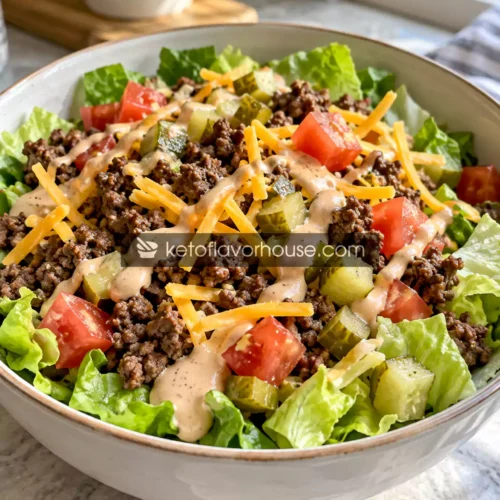
Weight Watchers Big Mac Salad Bowls (High-Protein & Low-Point)

Ingredients
For the salad
- 1 pound 454 g 93% lean ground beef
- 8 cups chopped romaine lettuce
- 1 cup cherry tomatoes halved
- 1 cup chopped dill pickles
- 1/2 cup shredded reduced-fat cheddar cheese
- 1/2 small red onion finely diced
- 1/2 teaspoon garlic powder
- 1/2 teaspoon onion powder
- 1/2 teaspoon smoked paprika
- 1/4 teaspoon black pepper
- Salt to taste
- Cooking spray if needed
For the sauce
- 1/2 cup plain nonfat Greek yogurt
- 2 tablespoons light mayonnaise
- 2 tablespoons ketchup
- 1 tablespoon yellow mustard
- 1 tablespoon dill pickle juice
- 1/4 teaspoon garlic powder
- 1/4 teaspoon onion powder
- Black pepper to taste
Instructions
- Wash and thoroughly dry the romaine. Chop it into bite-sized pieces, halve the tomatoes, dice the onion, and chop the pickles.
- Heat a large skillet over medium-high heat. Add the ground beef and break it into small crumbles. Add the garlic powder, onion powder, smoked paprika, black pepper, and salt.
- Cook for approximately 7–10 minutes, stirring as needed, until the beef is browned and reaches an internal temperature of 160°F (71°C). Drain excess fat carefully if necessary.
- In a bowl, whisk together the Greek yogurt, light mayonnaise, ketchup, mustard, pickle juice, garlic powder, onion powder, and black pepper until smooth.
- Divide the romaine among four bowls. Distribute the cooked beef, tomatoes, pickles, onion, and cheese evenly over the lettuce.
- Drizzle each bowl with one-quarter of the dressing and serve immediately.