This post may contains Amazon affiliate and other affiliate links. If you make a purchase through these links, I may earn a small commission at no extra cost to you. Your support helps me continue to provide quality content. I only recommend products I personally trust and believe will add value to your experience. For more details, please visit my Privacy Policy.
Why You’ll Love This Recipe
These bowls are built around a simple combination: tender, well-seasoned chicken, crisp vegetables, and a creamy dressing that tastes indulgent without relying entirely on mayonnaise. Each component can be prepared separately, which makes the recipe practical for both weeknight dinners and meal prep.
Fresh, filling and flexible
Why These Chicken Salad Bowls Work
A satisfying combination of lean protein, crunchy vegetables, and a tangy, creamy dressing that is easy to portion.
Protein-Rich Chicken
Chicken breast provides substantial protein while allowing the seasoning, vegetables and dressing to shine.
Creamy Yogurt Dressing
Plain Greek yogurt gives the dressing body and tang, with a measured amount of light mayonnaise for richness.
Fresh, Crisp Vegetables
Romaine, cucumber, tomatoes and red onion contribute contrasting textures, color and freshness.
Weeknight Friendly
Cook the chicken while preparing the vegetables and dressing, then assemble the bowls in a few straightforward steps.
Meal-Prep Ready
Keep the dressing separate and pack the components individually to help the vegetables stay crisp.
Easy to Customize
Measure the ingredients that affect your Points calculation, then personalize the vegetables and seasonings to your taste.
A creamy salad that feels like a complete meal
A salad can be refreshing but still leave you wanting something more substantial if it contains only vegetables. Chicken makes this bowl more satisfying by adding a meaningful serving of protein, while the creamy dressing helps bring the ingredients together.
The key is to make the chicken flavorful before it reaches the bowl. Garlic powder, paprika, onion powder, black pepper, and a little lemon juice create a savory seasoning that complements the cool vegetables. You don’t need a complicated marinade or a long list of spices to get a good result.
The dressing also deserves attention. Nonfat Greek yogurt provides a tangy base, while light mayonnaise adds a smoother, more familiar creamy texture. Dijon mustard and lemon juice sharpen the flavor so the finished sauce doesn’t taste flat.
Why it works for Weight Watchers
For readers following WeightWatchers, this recipe offers several ways to manage portions without removing the ingredients that make it enjoyable. Chicken breast is the main protein source, and the vegetables provide volume and texture. The dressing and any optional cheese or avocado can be measured according to the reader’s individual Points budget.
Remember that a recipe is not automatically low-point because it contains lean meat or vegetables. The complete ingredient list and the current WW plan determine the Points calculation. The best approach is to calculate the actual recipe and then decide how it fits into your day.
An easy option for busy days
You can cook the chicken in advance, chop the vegetables, and prepare the dressing while you have time. When lunch or dinner arrives, the main work is already done.
For families, serve the ingredients separately and let everyone build a bowl. One person might prefer extra cucumber and tomatoes, while another may want a little shredded cheese or avocado. Keeping optional toppings separate also makes it easier to track your own portion accurately.
WW SmartPoints Information
For planning purposes, this recipe may fall around 3–6 estimated SmartPoints per serving, assuming four servings made with skinless chicken breast, nonfat plain Greek yogurt, light mayonnaise, and measured quantities of the listed ingredients.
This is an unverified estimate, not an official WeightWatchers result. The current WW system may calculate the recipe differently, and personal Points settings can affect the displayed result. The estimate also needs to be checked against the exact brands and quantities used.
For a four-serving recipe, the corresponding preliminary total would be approximately 12–24 Points for the entire recipe if the per-serving range holds. That multiplication is only a planning illustration; it is not an independent official calculation.
What can change the Points value?
The dressing is one of the easiest parts of this recipe to adjust. Regular mayonnaise, light mayonnaise, and nonfat Greek yogurt have different nutritional profiles, so changing their proportions can affect the final calculation. The same is true of optional cheese, avocado, croutons, and added oil.
Chicken breast is naturally protein-rich, but its exact nutritional values depend on the cut, whether the skin is included, and whether you weigh it raw or cooked. Use one consistent method when entering the recipe into your tracking app.
If you want to keep the calculation reliable, begin with the listed ingredients and quantities. Make substitutions only after deciding what you actually plan to serve, then recalculate the entire recipe rather than subtracting a guessed number of Points.
My Personal Experience With This Style of Chicken Salad
The best creamy chicken salad bowls balance three things: flavorful chicken, vegetables that still have a little crunch, and a dressing that coats the ingredients without drowning them. When those elements work together, the bowl feels like a proper lunch or dinner rather than a side salad.
I would pay particular attention to the chicken during cooking. Chicken breast is lean, which makes it useful for a protein-focused recipe, but it can turn dry if it stays on the heat too long. Cutting the chicken into evenly sized pieces helps it cook more consistently, and letting it rest briefly before slicing gives the juices time to redistribute.
The dressing is where I would make the final adjustments. Greek yogurt gives it a pleasant tang, while a little light mayonnaise makes the texture smoother. Lemon juice and Dijon mustard brighten the flavor, and garlic powder adds a savory note. I would taste the dressing before adding extra salt because mustard and other prepared condiments may already contain sodium.
For serving, I prefer the contrast of warm chicken over cool, crisp lettuce, with the dressing drizzled on at the last moment. For meal prep, though, I would keep the chicken, vegetables, and sauce separate. The result is easier to pack, and the lettuce stays much fresher until lunchtime.
Required Equipment
You don’t need any special kitchen equipment for this recipe. A skillet, cutting board, knife, mixing bowl, and a few measuring tools will handle everything.
Large Skillet
A wide skillet gives the chicken enough space to brown rather than release moisture and steam. If you have a small pan, cook the chicken in batches instead of piling all the pieces together. Overcrowding can prevent browning and make it harder to cook the pieces evenly.
Cutting Board and Sharp Knife
Use a stable cutting board to cut the chicken into evenly sized pieces and prepare the vegetables. If you are handling raw chicken, wash your hands and clean and sanitize the board and knife before using them for ready-to-eat ingredients. Never place cooked chicken on a plate that held raw chicken without washing it first.
Mixing Bowl
A medium bowl gives you enough room to whisk the dressing until it is smooth. A small bowl is also suitable if you want to prepare the sauce separately for each meal-prep batch.
Measuring Cups and Spoons
These are especially useful when following a WW plan. Measuring the yogurt, mayonnaise, lemon juice, and seasonings helps maintain consistency between batches. If you use a kitchen scale, weighing the chicken and any optional cheese is even more precise.
Tongs or a Heatproof Spatula
Use tongs to turn the chicken pieces or a spatula to stir them as they cook. Avoid constantly moving the chicken during the first few minutes; allowing it to make contact with the hot pan helps develop a light golden-brown surface.
Ingredients and Substitutions
The recipe below makes four salad bowls. The ingredients are divided into the chicken, salad base, and dressing so each component is easy to prepare and portion.
For the chicken
- 1½ pounds (680 g) boneless, skinless chicken breast: The main protein source. Cutting it into evenly sized pieces helps it cook consistently.
- 1 teaspoon olive oil: Helps the seasonings adhere and promotes browning. Measure it rather than pouring freely.
- 1 teaspoon garlic powder: Adds savory depth without the moisture of fresh garlic.
- 1 teaspoon paprika: Contributes color and a mild, warm flavor.
- ½ teaspoon onion powder: Complements the garlic and chicken.
- ½ teaspoon dried oregano: Adds a subtle herbal note.
- ½ teaspoon black pepper: Brings gentle warmth.
- ½ teaspoon salt, or to taste: Enhances the seasoning. Reduce it if your other ingredients are particularly salty.
- 1 tablespoon lemon juice: Adds freshness and a little acidity.
For the salad bowls
- 8 cups chopped romaine lettuce: Provides the crisp base and helps make the bowl generous.
- 1 cup cucumber, diced: Adds refreshing crunch.
- 1 cup cherry tomatoes, halved: Brings juiciness and a mild sweetness.
- ½ cup red onion, finely diced: Adds a sharper bite. Use less if you prefer a milder onion flavor.
- ¼ cup shredded reduced-fat cheddar cheese, optional: Adds savory richness. This small quantity is spread across all four servings, so measure it accurately.
For the creamy dressing
- ½ cup plain nonfat Greek yogurt: Provides the creamy base and some additional protein.
- 2 tablespoons light mayonnaise: Makes the dressing smoother and richer.
- 1 tablespoon Dijon mustard: Adds a sharp, savory flavor.
- 1 tablespoon lemon juice: Brightens the sauce.
- 1 teaspoon honey, optional: Softens the tang. If used, include it in the nutritional and Points calculation.
- ½ teaspoon garlic powder: Adds a gentle savory note.
- ¼ teaspoon black pepper: Balances the creamy ingredients.
- 1–2 tablespoons water, as needed: Loosens the dressing to a drizzleable consistency.
How the ingredients contribute to the recipe
Chicken breast contributes most of the protein. The lettuce, cucumber, tomatoes, and onion add volume, texture, and a variety of nutrients, while the dressing supplies the creamy element that makes this feel more indulgent.
The olive oil, mayonnaise, and optional cheese contribute fat and energy. Their exact effect on WW Points depends on the amount used, the specific product, and the member’s current plan. Greek yogurt is often a useful alternative to using mayonnaise alone, but it is not automatically zero Points for every member.
Ingredient strategy
Smart Swaps for Creamy Chicken Bowls
Keep the creamy texture and savory flavor while choosing ingredients that fit your preferences and tracking plan.
| Original | Alternative | Expected effect |
|---|---|---|
| Chicken breast | Skinless chicken thigh | Often juicier and richer, but may contain more fat and calories. Recalculate the recipe. |
| Nonfat Greek yogurt | Plain low-fat Greek yogurt | May taste richer and less tangy, with different fat and calorie totals. |
| Light mayonnaise | Additional Greek yogurt | Usually makes the dressing tangier and less rich; may reduce fat and calories depending on labels. |
| Reduced-fat cheddar | Omit the cheese | Removes the cheese’s contribution to fat, calories and Points, but also reduces its savory flavor. |
| Romaine lettuce | Spinach or mixed greens | Changes the flavor and texture; overall nutrition changes according to the quantity and greens selected. |
Choosing the right chicken
Boneless, skinless chicken breast is a straightforward choice because it is lean and easy to portion. Cut it into strips or bite-sized pieces before cooking. Smaller pieces cook faster, while strips can look attractive arranged across the top of the salad.
Skinless chicken thighs are a suitable alternative if you prefer a juicier texture. They often have a richer flavor and can contain more fat than breast meat, depending on the cut. Their nutrition and Points should therefore be calculated separately.
Leftover cooked chicken can also work. If it is already seasoned, taste it before adding salt or extra spices. Using leftovers may shorten the preparation time, but any oil, sauce, or other ingredients already included in the chicken should be accounted for when calculating the complete meal.
Adjusting the dressing
The dressing should be creamy enough to cling lightly to the chicken and vegetables, but not so thick that it sits in one heavy lump. Start with the listed yogurt and mayonnaise, then add lemon juice and mustard.
If the sauce is too thick, add water one teaspoon at a time. If it tastes too tangy, a small amount of honey can balance it, although the additional ingredient will affect the nutrition calculation. For a stronger savory flavor, add a little extra garlic powder or black pepper instead of automatically increasing the mayonnaise.
How to Make Weight Watchers Creamy High-Protein Chicken Salad Bowls
The recipe comes together in a few stages: season the chicken, cook it safely, prepare the vegetables, whisk the dressing, and assemble the bowls. Preparing the dressing and vegetables while the chicken cooks helps keep the total time close to 25–30 minutes.
Step 1: Season the chicken
Pat the chicken dry with clean paper towels. Cut it into evenly sized bite-sized pieces so that they cook at a similar rate.
Place the pieces in a bowl and add the olive oil, garlic powder, paprika, onion powder, oregano, black pepper, salt, and lemon juice. Toss until the seasoning coats the chicken evenly.
Let the chicken sit for about five minutes while you prepare the skillet. A long marinade is not necessary for this recipe. Avoid leaving raw chicken at room temperature for extended periods, and wash your hands and utensils after handling it.
Step 2: Cook until golden and safely done
Heat a large skillet over medium-high heat. Add the seasoned chicken in a single layer, working in batches if necessary. Leave the pieces undisturbed briefly so they can develop light golden color, then turn them and continue cooking until done.
The exact cooking time depends on the size of the pieces and the skillet, but small chicken pieces commonly take around 6–10 minutes. The most reliable way to confirm doneness is to check the thickest pieces with a food thermometer; poultry should reach an internal temperature of 165°F (74°C).
Avoid cutting into every piece repeatedly to check whether it is done, because this releases juices and makes the cooking process less consistent. If the outside is browning too quickly before the inside reaches the safe temperature, lower the heat slightly and continue cooking.
Transfer the cooked chicken to a clean plate and allow it to rest briefly. If cooking in batches, ensure the skillet is hot before adding the next batch.
Step 3: Prepare the vegetables
Wash and thoroughly dry the romaine. Chop it into bite-sized pieces and divide it among four bowls or meal-prep containers.
Dice the cucumber, halve the cherry tomatoes, and finely chop the red onion. Keeping the pieces reasonably similar in size makes the salad easier to eat and distributes the flavors more evenly.
If raw onion is too sharp for your taste, use a smaller amount or rinse the diced onion briefly under cold water and drain it well. Dry the vegetables carefully so that excess water doesn’t dilute the dressing.
Step 4: Whisk the creamy dressing
In a small bowl, combine the Greek yogurt, light mayonnaise, Dijon mustard, lemon juice, optional honey, garlic powder, and black pepper. Whisk until the mixture is smooth.
Add one tablespoon of water and check the consistency. If you prefer a thinner dressing, add the second tablespoon gradually. The sauce should drizzle easily but remain thick enough to cling to the chicken and vegetables.
Taste before adding extra salt. The mustard and other prepared ingredients can contribute sodium, and the dressing should taste bright and savory rather than overly salty.
Step 5: Assemble the bowls
Divide the lettuce, cucumber, tomatoes, and red onion among four bowls. Distribute the cooked chicken evenly over the vegetables.
If using the optional reduced-fat cheddar, divide it into four equal portions and sprinkle it over the bowls. Drizzle each serving with one-quarter of the dressing, or serve the sauce on the side if you prefer more control over the amount used.
For meal prep, keep the chicken and dressing separate from the lettuce until serving. Refrigerate the components promptly rather than leaving the assembled bowls on the counter.
Step 6: Finish and serve
Serve the bowls while the chicken is warm and the vegetables are cool and crisp. If the chicken was prepared ahead, reheat it separately and let it cool slightly before placing it over the salad, or serve it cold if preferred.
Taste one bite with a little chicken, lettuce, tomato, cucumber, and dressing. If it needs more brightness, a squeeze of lemon can help. If you want more heat, add a pinch of black pepper or a small amount of your preferred hot sauce, accounting for any significant additions in your tracking.
From Skillet to Salad Bowl
Use these visual checkpoints to keep each component fresh, flavorful, and evenly portioned.
Season
Coat evenly sized chicken pieces with the measured oil, lemon juice, and seasonings. The surface should look lightly coated, not wet with excess oil.
Cook
Brown the chicken in batches and confirm it reaches 165°F (74°C). The pieces should be cooked through without becoming dry.
Whisk
Blend the yogurt, mayonnaise, mustard, lemon, and seasonings until smooth. Add water gradually to reach a pourable consistency.
Assemble
Layer the dry vegetables and chicken, divide the optional cheese evenly, and finish with a measured drizzle of dressing.
Common Mistakes to Avoid
Overcooking the chicken
Chicken breast can become dry when it is cooked for too long. Cut the pieces evenly, monitor the skillet, and use a thermometer to check for 165°F (74°C). If you’re cooking in batches, avoid leaving the first batch on the heat while the remaining chicken cooks.
Crowding the skillet
When too much chicken is added at once, moisture collects in the pan and the meat may steam instead of browning. Cook in batches if necessary, allowing space between pieces. This creates better color and flavor without requiring extra oil.
Using wet vegetables
Water left on the lettuce and cucumber can make the dressing watery. Dry the vegetables after washing and drain any particularly juicy ingredients before assembling the bowls.
Making the dressing too thin
Adding too much water or lemon juice at once can produce a runny sauce. Add liquids gradually and whisk between additions. If the dressing becomes too thin, stir in a little more Greek yogurt, then recalculate if the ingredient quantities change materially.
Adding unmeasured toppings
Cheese, avocado, croutons, nuts, and extra dressing can change the nutrition and Points of a serving. You can certainly include them, but measure the amounts and update the calculation instead of relying on the original estimate.
Pro Tips for the Best Results
- Dry the chicken before seasoning. A dry surface helps the chicken brown more effectively.
- Use consistent pieces. Similar-sized pieces cook at a similar rate, reducing the risk of dry or undercooked portions.
- Taste the dressing before serving. Adjust acidity with lemon, creaminess with a measured amount of yogurt, and savory flavor with pepper or garlic powder.
- Keep the vegetables crisp. Store washed and dried lettuce in a separate container and dress the salad shortly before eating.
- Slice or dice the chicken after cooking if you prefer. Larger pieces can retain moisture well, while bite-sized pieces are convenient for meal prep.
- Portion before serving. Divide the cooked chicken and dressing evenly between the four bowls.
- Don’t rely on appearance alone for doneness. Use a thermometer to verify that chicken reaches the recommended internal temperature.
Troubleshooting Guide
WW-Specific Nutrition and Meal-Planning Strategy
The most useful way to approach this recipe is to treat it as a flexible meal rather than a fixed Points prescription. The chicken provides a substantial protein source, the vegetables bring freshness and volume, and the dressing supplies the creamy texture that makes the bowl satisfying.
Protein and satiety
Chicken breast is rich in protein relative to its fat content. Protein supports the maintenance and repair of body tissues, and including it in a meal may help some people feel satisfied for longer. Individual appetite and fullness vary, so the recipe should be considered one useful meal option rather than a guarantee of any particular result.
The exact protein per bowl depends on whether the chicken is weighed raw or cooked and how much moisture it loses during cooking. For consistent tracking, enter the raw quantity and preparation method into your chosen nutrition calculator, or use the cooked weight with an appropriate cooked-chicken entry.
Vegetables and meal volume
Romaine, cucumber, tomatoes, and red onion provide color, crunch, and a range of nutrients. They also make it possible to create a generous bowl without relying entirely on calorie-dense toppings.
The vegetables are not merely decoration. Their textures balance the tender chicken and creamy dressing. If you want more variety, add a little bell pepper or shredded carrot, then update the nutritional calculation if the change is significant.
Portion awareness
The ingredients most worth measuring are the chicken, oil, dressing, and optional cheese. These are the components most likely to vary between servings and affect the overall nutrition and Points calculation.
WW’s treatment of individual foods depends on the plan and member settings. Do not assume that chicken, yogurt, or any other ingredient automatically has zero Points for every reader. The complete recipe should be entered into the reader’s current WW app.
Pairing the bowls with other foods
The salad can stand on its own as a lunch or dinner. If you prefer a more substantial meal, serve it with a small baked potato, a measured portion of whole-grain bread, or a piece of fruit. Those additions change the nutritional totals and should be included in your tracking.
If you want a lighter accompaniment, serve the bowl with sparkling water or another unsweetened drink. The aim is to choose a meal pattern that fits your appetite and preferences, not to compensate for eating by skipping other meals.
Variations You Can Try
1. Lemon-Herb Chicken Salad Bowls
Increase the lemon flavor and add a little extra oregano or parsley. The result is brighter and more herbaceous, with the same creamy dressing base. Additional herbs in small amounts have little effect on the overall nutrition, but recalculate any substantial ingredient changes.
2. Spicy Creamy Chicken Salad Bowls
Add a small amount of hot sauce or cayenne pepper to the dressing. Start with a little, taste, and increase gradually. This variation adds heat without changing the core texture, although some hot sauces contribute extra sodium or other ingredients.
3. Chicken Salad Bowls With Avocado
Add a measured portion of sliced avocado for a buttery texture and a source of unsaturated fat. Avocado adds calories and may change the Points calculation, so include the exact quantity in your app. Its creaminess pairs particularly well with lemon and Greek yogurt.
4. Cheesy Chicken Salad Bowls
Use a little more reduced-fat cheddar or add a measured sprinkle of Parmesan. The flavor becomes richer and more savory, but the added cheese also contributes fat, calories, and potentially Points. Recalculate the complete serving instead of assuming the original estimate still applies.
5. Mediterranean-Inspired Chicken Salad
Replace the cheddar with a measured amount of feta and add a few sliced olives. Use oregano and lemon to emphasize the Mediterranean flavor profile. Feta and olives can contribute substantial sodium, so compare the product labels and adjust the salt in the chicken seasoning.
6. Meal-Prep Chicken Salad Bowls
Keep the original ingredients and change only the preparation method. Cook the chicken ahead, portion the vegetables into containers, and store the dressing separately. This makes the recipe convenient for several weekday lunches without requiring a different nutritional calculation, provided the ingredients and portions remain the same.
Serving Ideas
These bowls work for a range of occasions because the ingredients can be prepared separately and assembled when needed.
Four Ways to Serve Your Chicken Salad
Use the same base recipe and adapt the serving style to your schedule.
Making the bowl look appealing
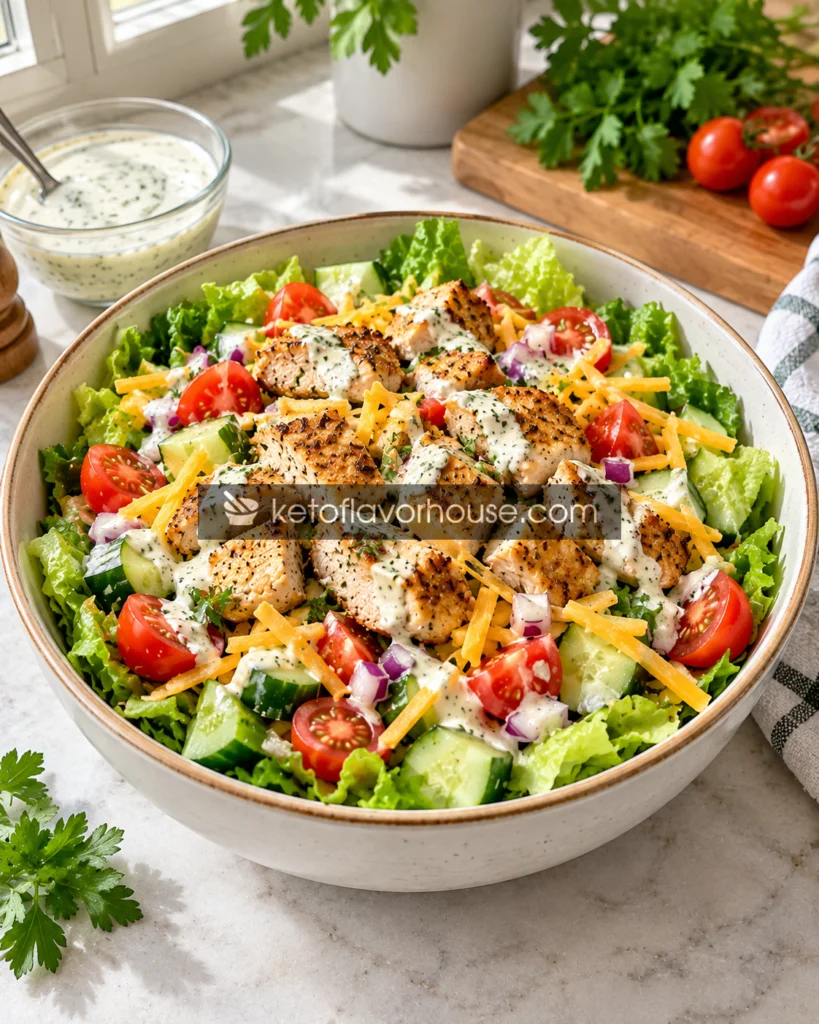
Use a wide, shallow bowl and arrange the ingredients so the colors remain visible. Place the chicken over the lettuce, then scatter the cucumber, tomatoes, and onion around it. Add the optional cheese sparingly and finish with a thin drizzle of dressing.
For a food photograph, bright natural window light and a slightly overhead angle show the different ingredients clearly. Keep the presentation realistic: a simple bowl, a clean kitchen counter, and natural textures will suit the everyday nature of the recipe better than elaborate garnishes.
Optional Additions
- Avocado: Adds creaminess and unsaturated fat, but increases calories and may increase Points.
- Reduced-fat cheddar: Adds savory richness; measure the portion and recalculate the recipe.
- Bell pepper: Adds sweetness and crunch with a different vegetable profile.
- Fresh parsley or chives: Provide a fresh finish with little nutritional impact in small amounts.
- Croutons: Add crunch but contribute carbohydrates, calories, and potentially Points.
- Hot sauce: Adds heat, although sodium and other ingredients vary by product.
Choose additions that improve the bowl for you rather than adding everything at once. If you want to compare the original recipe with a variation, keep the main quantities constant and calculate the added ingredients separately.
Storage Recommendations
Refrigerating the chicken
Transfer cooked chicken to a shallow container and refrigerate it promptly. Perishable food should generally be refrigerated within two hours of cooking, or within one hour when the surrounding temperature exceeds 90°F (32°C). Keep the refrigerator at 40°F (4°C) or below and use cooked chicken within three to four days.
Store the chicken separately from the lettuce and dressing. Reheat chicken leftovers to 165°F (74°C) before serving hot, using a food thermometer to verify the temperature.
Storing the vegetables
Wash and dry the vegetables before storing them. Keep the lettuce in a clean, covered container and use a paper towel if needed to absorb excess moisture. Store the chopped cucumber, tomatoes, and onion in separate containers where practical.
For the best quality, assemble the salad shortly before serving. Once the dressing is mixed into the lettuce, the vegetables gradually soften and release moisture.
Storing the dressing
Keep the yogurt-based dressing in a clean, sealed container in the refrigerator. For best quality, prepare only the amount you can use within a few days and follow the storage guidance for the ingredients. Discard it if it develops an unusual smell, appearance, or texture.
Freezing
The assembled salad is not suitable for freezing because the lettuce, cucumber, and tomatoes lose their crisp texture when thawed. You can freeze cooked chicken separately in a freezer-safe container if you want to prepare it further in advance. Thaw it in the refrigerator and reheat safely before serving.
Chicken Salad Storage Timeline
Place cooked chicken in a shallow container and refrigerate within two hours, or within one hour above 90°F (32°C).
Keep chicken, vegetables, and dressing in separate sealed containers at 40°F (4°C) or below. Use cooked chicken within three to four days.
Combine the chilled vegetables and chicken, then add the measured dressing just before serving.
Freeze cooked chicken separately. Thaw in the refrigerator and reheat to 165°F (74°C); do not freeze the assembled salad.
Refrigerating or reheating the same ingredients does not automatically change the Points calculation. Added ingredients, drained oil, and altered serving sizes can affect the final result.
Frequently Asked Questions
1. How many WW Points are in creamy high-protein chicken salad bowls?
A preliminary planning estimate is approximately 3–6 SmartPoints per serving when the recipe is divided into four portions. This is not an official WW calculation, and the exact result depends on the current plan, ingredient brands, and quantities. Enter the full recipe into your WW app to determine the Points for your version.
2. Can I make these chicken salad bowls ahead of time?
Yes. Cook the chicken, prepare the dressing, and chop the vegetables in advance. Keep the ingredients in separate sealed containers in the refrigerator, then assemble the bowls when you’re ready to eat. This is particularly useful for weekday lunches because it helps prevent the lettuce from becoming soggy.
3. Can I use rotisserie chicken instead of cooking chicken breast?
Yes, provided you account for the portion and product you use. Rotisserie chicken is convenient, but its skin, seasoning, and preparation can affect fat, calories, and sodium. Remove the skin if you want a leaner version, and use the actual nutrition information when calculating your recipe.
4. How can I make the creamy dressing lighter?
Use nonfat Greek yogurt as the primary ingredient and measure the light mayonnaise. You can replace some or all of the mayonnaise with additional yogurt, although the result will be tangier and less rich. Recalculate the full recipe after changing the ingredient proportions.
5. Can I serve the chicken salad warm or cold?
Both options work. Warm chicken creates a pleasant contrast with cold, crisp vegetables, while chilled chicken makes the bowls especially convenient for packed lunches. If you’re serving previously cooked chicken hot, reheat it to 165°F (74°C) before adding it to the salad.
6. How can I increase the protein?
The simplest approach is to adjust the chicken portion, but doing so changes the nutrition and possibly the Points per serving. You can also use a little additional Greek yogurt in the dressing, although the protein increase will be smaller. Recalculate the finished recipe using the exact amounts you serve.
7. Will my WW app show the same Points value?
It may not. The figures in this article are independent estimates and have not been verified using an official WW calculator. Your plan, personalized settings, and ingredient selections can affect the result, so use your current app for the most reliable Points value.
Nutritional Breakdown Per Serving
The figures below are preliminary estimates for one-quarter of the recipe, including the chicken, vegetables, dressing, and optional reduced-fat cheddar. The optional honey is excluded from this baseline. Exact nutrition should be calculated using the products and quantities actually used.
| Nutrient | Estimated amount |
|---|---|
| Calories | 300–350 |
| Protein | 38–42 g |
| Total fat | 9–13 g |
| Total carbohydrates | 12–16 g |
| Fiber | 3–4 g |
| Net carbohydrates | 9–12 g |
| Sugar | 5–8 g |
| Sodium | 450–750 mg |
| Estimated SmartPoints | Approximately 3–6, unverified |
Net carbohydrates are calculated by subtracting fiber from total carbohydrates. They are not a substitute for WW Points.
The estimates can vary with the chicken’s raw or cooked weight, the amount of oil retained, the specific yogurt and mayonnaise brands, and whether you include the optional cheese and honey. Sodium is particularly sensitive to the amount of salt and the products selected.
Nutrition Infographic
Nutrition snapshot
Creamy Chicken Salad Bowl
Energy
300–350
Calories per serving
Protein
38–42 g
Per serving
Fiber
3–4 g
Per serving
3–6
Preliminary Points estimate
Chicken supplies most of the protein, while the vegetables add freshness and fiber. The yogurt-based dressing provides creaminess, with measured mayonnaise and optional cheese contributing additional fat and energy.
Nutrition and Points figures are estimates, not verified calculations. Check your ingredient labels and current WW plan.
Recipe Snapshot
- Prep Time: 15 minutes
- Cook Time: 10–15 minutes
- Total Time: Approximately 25–30 minutes
- Course: Lunch or dinner
- Cuisine: American-inspired
- Servings: 4
- Calories per serving: Approximately 300–350
- Estimated SmartPoints per serving: Approximately 3–6, subject to verification
Closing Note
These creamy chicken salad bowls are designed to make everyday meal planning easier without sacrificing flavor. The seasoned chicken, crisp vegetables, and tangy yogurt dressing create a flexible meal that works for lunch, dinner, or meal prep. Measure the ingredients that matter to your tracking plan, and use your current WW app to confirm the final Points value before publishing a definitive claim.
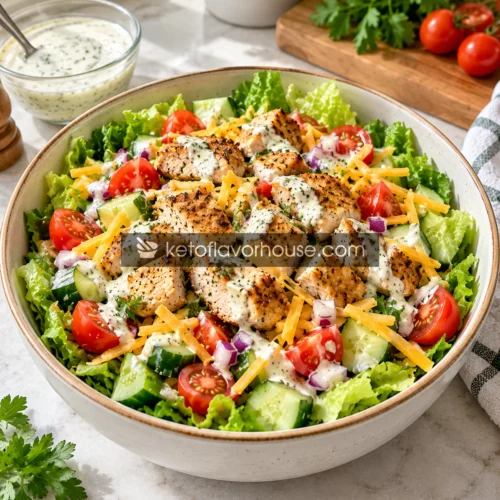
Weight Watchers Creamy High-Protein Chicken Salad Bowls (Easy & Low-Point)

Ingredients
For the chicken
- 1½ pounds 680 g boneless, skinless chicken breast
- 1 teaspoon olive oil
- 1 teaspoon garlic powder
- 1 teaspoon paprika
- ½ teaspoon onion powder
- ½ teaspoon dried oregano
- ½ teaspoon black pepper
- ½ teaspoon salt or to taste
- 1 tablespoon lemon juice
For the salad
- 8 cups chopped romaine lettuce
- 1 cup diced cucumber
- 1 cup cherry tomatoes halved
- ½ cup finely diced red onion
- ¼ cup shredded reduced-fat cheddar cheese optional
For the dressing
- ½ cup plain nonfat Greek yogurt
- 2 tablespoons light mayonnaise
- 1 tablespoon Dijon mustard
- 1 tablespoon lemon juice
- 1 teaspoon honey optional
- ½ teaspoon garlic powder
- ¼ teaspoon black pepper
- 1 –2 tablespoons water as needed
Instructions
- Pat the chicken dry and cut it into evenly sized pieces. Toss with olive oil, garlic powder, paprika, onion powder, oregano, black pepper, salt, and lemon juice.
- Heat a large skillet over medium-high heat. Cook the chicken in a single layer, turning as needed, for approximately 6–10 minutes or until it reaches 165°F (74°C) internally. Cook in batches if necessary.
- Transfer the chicken to a clean plate and allow it to rest briefly.
- Wash and dry the romaine. Chop the lettuce, dice the cucumber and onion, and halve the tomatoes.
- Whisk together the Greek yogurt, light mayonnaise, Dijon mustard, lemon juice, optional honey, garlic powder, and black pepper. Add water gradually until the dressing reaches your preferred consistency.
- Divide the lettuce, cucumber, tomatoes, and onion among four bowls. Top with equal portions of chicken and the optional cheddar.
- Drizzle each bowl with one-quarter of the dressing and serve immediately, or keep the components separate for meal prep.