This post may contains Amazon affiliate and other affiliate links. If you make a purchase through these links, I may earn a small commission at no extra cost to you. Your support helps me continue to provide quality content. I only recommend products I personally trust and believe will add value to your experience. For more details, please visit my Privacy Policy.
Estimated SmartPoints: approximately 3–4 per serving, based on 8 servings. This is an independent estimate, not an official WW calculation. Verify the complete recipe in your current WW app before publishing a final Points value.
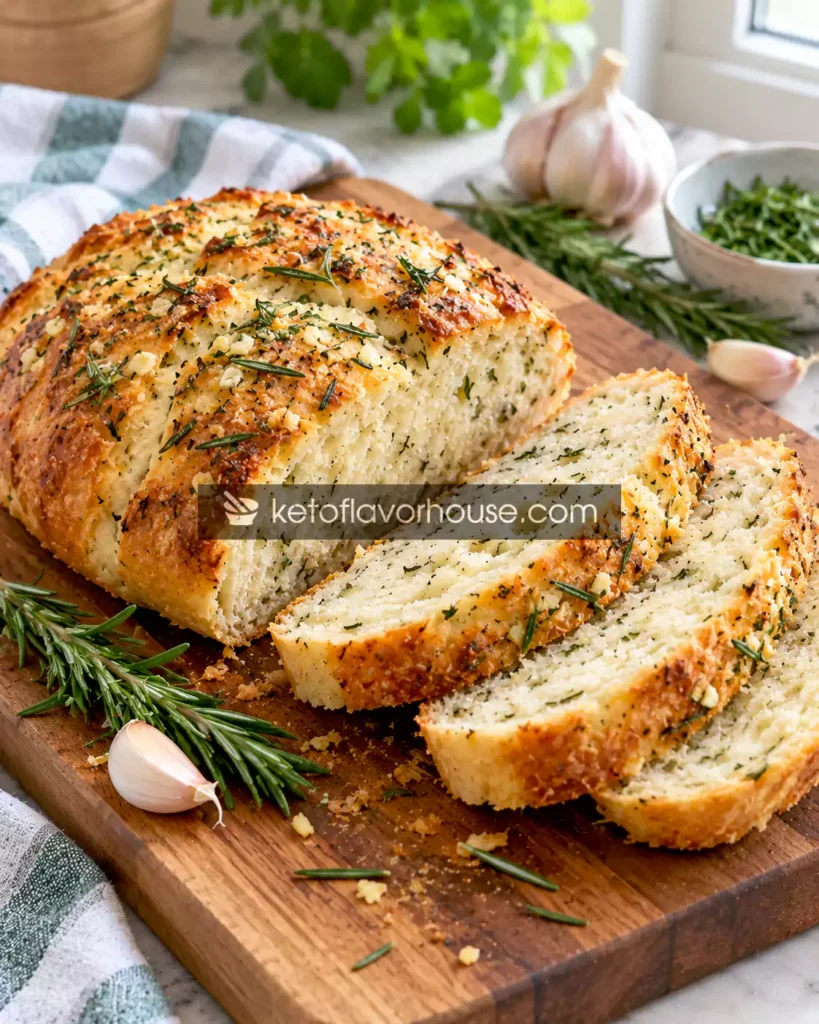
There is something especially comforting about homemade rosemary garlic bread. The aroma of garlic, the earthy fragrance of rosemary, and the sight of a golden crust coming out of the oven can make even a simple weeknight dinner feel a little more special. This Weight Watchers Rosemary Garlic Bread is designed for readers who want that homemade, savory flavor without adding butter or oil directly to the dough.
Instead of a traditional yeast dough, this version uses all-purpose flour, plain nonfat Greek yogurt, and baking powder. That means there is no yeast to activate and no long rising period to plan around. You mix the ingredients, shape the dough, and bake it until the outside is golden and the center is cooked through. The texture is rustic and tender rather than identical to a traditional airy yeast loaf, but it is a convenient option when you want fresh bread without a complicated process.
For readers following Weight Watchers, the key is to enjoy a measured portion and account for the ingredients honestly. Flour contributes most of the carbohydrates and is an important factor in the Points calculation, while Greek yogurt adds moisture and protein. Fresh garlic and rosemary bring plenty of flavor without requiring a heavy topping. Serve a slice beside vegetable soup, a crisp salad, grilled chicken, or eggs for a satisfying meal that fits your own eating plan.
Why You’ll Love This Weight Watchers Rosemary Garlic Bread
The appeal of this bread starts with its flavor. Rosemary gives it a distinctive herbal aroma, while garlic brings a savory note that works with everything from roasted vegetables to a simple bowl of soup. Because the herbs are mixed directly into the dough, each slice has flavor throughout rather than relying on a topping added after baking.
The method is also approachable. There is no need to knead the dough for an extended period or wait for it to double in size. Baking powder supplies the lift, and Greek yogurt helps the mixture come together. You can make the dough on an ordinary afternoon and have warm bread ready in under an hour, depending on your oven and the shape of your loaf.
For meal planning, the recipe makes eight portions. That makes it easier to divide the loaf consistently and enter the full ingredient list into your WW app. The recipe does not become automatically low-point simply because it is homemade, but controlling the amount of flour and avoiding unmeasured butter or oil can make your tracking more straightforward.
Why This Bread Deserves a Place on Your Table
Herby & Savory
Rosemary and garlic season the dough itself, so the bread has flavor in every bite without depending on a rich spread.
No Yeast Needed
Baking powder gives this quick bread lift, avoiding yeast activation and a lengthy proofing period.
Everyday Ingredients
Flour, plain nonfat Greek yogurt, garlic, rosemary, and baking staples make up the simple ingredient list.
Easy to Portion
Eight equal servings give you a consistent starting point for nutrition estimates and personal Points tracking.
A Useful Side Dish
Pair a slice with soup, salad, eggs, or lean protein instead of building the meal around bread alone.
Easy to Customize
Adjust the garlic, change the herbs, or add a little cheese while recalculating the nutrition of any modified recipe.
What Makes This Recipe Different?
Traditional garlic bread often starts with a loaf of bread and adds butter, oil, cheese, or a garlic spread. This recipe takes a different route: the garlic and rosemary are incorporated into a yogurt-based quick dough, so there is no separate buttery topping to measure.
That changes both the method and the texture. Expect a compact, rustic loaf with a tender center and a golden exterior, not a classic baguette with large air pockets. The yogurt provides moisture, but the dough still needs careful handling to avoid becoming dense.
A few small details make a noticeable difference:
- Measure the flour accurately. Too much flour can make the loaf dry and heavy.
- Use thick Greek yogurt. Thin yogurt can make the dough excessively wet.
- Chop the rosemary finely. Large, woody pieces can be unpleasant in a soft loaf.
- Let the bread rest before slicing. The crumb needs a little time to settle after baking.
- Count the whole recipe. Added butter, olive oil, or cheese should be included when recalculating Points.
WW SmartPoints Information
For this recipe, the working estimate is approximately 3–4 SmartPoints per serving, with eight servings per loaf. That would correspond to approximately 24–32 estimated Points for the whole recipe if the per-serving estimate is confirmed in the applicable calculator. This is a planning range, not an official WW result.
The estimate assumes the complete ingredient list below: 2 cups all-purpose flour, 1 cup plain nonfat Greek yogurt, baking powder, salt, fresh rosemary, garlic, and only a small amount of water if needed. It does not include butter, oil, or cheese added to the dough or served on top.
The flour is the ingredient most likely to have the greatest effect on the Points total. Greek yogurt contributes calories, carbohydrates, and protein, while garlic and rosemary contribute comparatively small amounts at the quantities used. The exact Points calculation still depends on the WW system available to the reader, ingredient entries, and the amount used.
WW Points Planning Dashboard
Use this as a transparent planning guide, not as an official WW calculator result.
- Enter the exact ingredient brands and amounts into your current WW app.
- Set the recipe yield to eight servings.
- Include any butter, oil, or cheese you add.
- Divide the loaf evenly and track the portion you actually eat.
WW plans and Points systems can change, and member-specific results may differ. Do not treat a generic Points estimate as a guarantee that the bread will fit a particular daily budget. The most reliable published value is the one calculated from the final tested recipe using the applicable system.
My Personal Experience With This Style of Quick Bread
When I want a savory bread to accompany dinner, I prefer a recipe that does not require planning around yeast. A yogurt-based dough is convenient because the ingredients come together in one bowl, and the rosemary and garlic can be adjusted to suit the rest of the meal. It is particularly useful when soup or a salad is already on the menu and I want something warm to serve alongside it.
The most important thing to watch is the dough’s consistency. Greek yogurt varies from brand to brand: some varieties are thick enough to create a firm dough, while others contain more moisture. I would begin by mixing the measured yogurt into the flour mixture and only add water if the dough genuinely needs it. If it feels a little tacky, lightly flour your hands rather than automatically adding more flour to the bowl.
I would also resist the temptation to cut into the loaf immediately. The crust may look ready before the center has finished setting, and a hot quick bread can compress when sliced. Giving it 10–15 minutes to rest makes serving easier. For the next batch, I would adjust the rosemary or garlic to taste, but I would keep the flour and yogurt quantities consistent until the texture is reliable. That makes it easier to reproduce the loaf and calculate a more dependable nutrition estimate.
Required Equipment
Mixing Bowl
A medium or large mixing bowl gives you enough room to combine the flour, baking powder, salt, rosemary, garlic, and yogurt without spilling ingredients over the sides. A wide bowl is especially helpful when you are folding a slightly sticky dough together.
Measuring Cups or Kitchen Scale
Accurate flour measurement is essential. If you scoop flour directly from the bag, it can become compacted, leaving you with more flour than the recipe needs. Weighing approximately 240 grams gives you a more repeatable result. If using measuring cups, fluff the flour first, spoon it into the cup, and level the top.
Measuring Spoons
Use measuring spoons for baking powder, salt, and dried herbs. Baking powder affects the loaf’s rise, while excess salt can overpower the garlic and rosemary. Small measurements matter more in a simple recipe like this because there are relatively few ingredients to balance one another.
Knife and Cutting Board
A sharp knife makes it easier to mince the garlic and finely chop the rosemary leaves. Remove the tough rosemary stems before chopping. Smaller pieces distribute more evenly and are less likely to leave a woody texture in the finished bread.
Baking Sheet or Small Loaf Pan
A parchment-lined baking sheet works for a rustic round or oval loaf. A small loaf pan gives the dough a more uniform shape, but the center may take longer to cook if the dough is packed deeply into the pan. Avoid using a pan so small that the dough forms a thick, tightly packed mass.
Parchment Paper and Cooling Rack
Parchment helps prevent sticking and makes transferring the loaf easier. A cooling rack allows air to circulate around the bottom after baking, reducing trapped steam and helping the crust retain some of its texture.
Ingredients and Substitutions
The recipe uses a short list of everyday ingredients, but each one plays a particular role. Since the flour and yogurt make up most of the dough, changes to either ingredient can affect the final texture and nutritional calculation.
All-Purpose Flour — 2 Cups (About 240 g)
Flour supplies the structure and most of the carbohydrates. It absorbs moisture from the yogurt and forms the base of the dough. For the most predictable texture, measure it by weight where possible.
You can replace a portion with whole-wheat flour for a nuttier flavor and more fiber. Start by replacing about one-quarter of the all-purpose flour rather than changing the entire quantity. Whole-wheat flour absorbs moisture differently, so the dough may need a small adjustment. Do not assume that the swap will lower WW Points; recalculate the complete recipe.
Plain Nonfat Greek Yogurt — 1 Cup (About 245 g)
Greek yogurt adds moisture and protein and helps bind the dough without adding butter. Use plain, unsweetened yogurt rather than a flavored variety. A thick consistency is best because a watery yogurt may make the dough difficult to shape.
Low-fat Greek yogurt can be tested, but it may change the calories, fat, and Points. Regular plain yogurt may also work, although you might need less liquid or a slightly different amount of flour. Make one adjustment at a time so you can identify what affects the texture.
Baking Powder — 2 Teaspoons
Baking powder provides the lift in this yeast-free recipe. Mix it thoroughly with the flour before adding the wet ingredients. If it is old or has absorbed moisture, the loaf may rise poorly and turn out dense.
Do not substitute baking soda in the same quantity. Baking soda works differently and generally needs an appropriate acidic ingredient and a different measurement.
Salt — ½ Teaspoon
Salt sharpens the savory flavor and balances the herbal notes. If you are monitoring sodium, you can test a smaller quantity, although the bread may taste flatter. Remember that the sodium in baking powder also contributes to the overall total.
Fresh Rosemary — 2 Tablespoons, Finely Chopped
Rosemary provides the signature flavor. Its pine-like, earthy aroma pairs especially well with garlic and roasted foods. Remove the woody stems and chop the leaves finely so they do not interrupt the soft crumb.
If using dried rosemary, start with approximately 2 teaspoons. Dried herbs are more concentrated by volume, so using the full fresh-herb quantity can overpower the bread.
Garlic — 3 Cloves, Finely Minced
Fresh garlic gives the dough a savory aroma. Mince it finely so the flavor spreads evenly rather than forming concentrated pockets. For a milder loaf, use two cloves; for a stronger garlic flavor, use four.
Garlic powder is an alternative when fresh garlic is unavailable. Begin with a modest amount and adjust to taste. The flavor will be less fresh and more evenly dispersed.
Water — 1–2 Tablespoons, Only If Needed
Water is not automatically required. Add it a teaspoon at a time only if the dough is too dry to come together. The amount depends on the flour measurement and yogurt consistency. Adding too much can make the dough sticky and difficult to shape.
Cooking Spray — Only If Needed
A light coating can help prevent sticking if your baking surface requires it. The nutritional effect depends on the product and amount used. If you spray generously or add oil directly to the dough, include that ingredient when recalculating the nutrition and Points.
How Substitutions Affect Texture and Nutrition
Changing ingredients is not just a matter of changing the Points number. Flour affects the dough’s structure, water absorption, and final crumb. Yogurt affects moisture and tenderness. Cheese changes flavor and adds fat and protein, while oil can make the bread richer but also changes the energy content.
If your main goal is a lower-Points result, the most practical first step is to keep the base recipe consistent and avoid unmeasured additions. Do not replace ingredients with unfamiliar alternatives solely because they sound healthier. Test the change, note the result, and calculate the recipe using the exact amounts you actually use.
How to Make Weight Watchers Rosemary Garlic Bread
Step 1: Preheat the Oven and Prepare the Pan
Heat the oven to 375°F (190°C). Line a baking sheet with parchment paper, or prepare a small loaf pan according to its material and your usual baking method.
Preheating matters because baking powder starts reacting after it is mixed with moisture. You want the shaped dough to enter a properly heated oven rather than sit on the counter while the oven gradually warms. Keep the baking surface ready before you begin mixing.
Step 2: Chop the Garlic and Rosemary
Mince the garlic cloves finely and chop the rosemary leaves. Discard the thick stems. If you are using dried rosemary, crush it lightly between your fingers to help release its aroma.
The pieces should be small enough to distribute through the dough. You do not need to turn the garlic into a paste; just avoid large chunks that could create sharp pockets of flavor.
Step 3: Mix the Dry Ingredients
Add the flour, baking powder, and salt to a large bowl. Stir them together thoroughly, then mix in the rosemary.
Distributing the baking powder before adding yogurt helps the bread rise more evenly. If the leavening is concentrated in one area, the loaf can develop uneven pockets or an unpleasant taste. A quick, thorough stir is enough.
Step 4: Add the Yogurt and Garlic
Add the Greek yogurt and minced garlic. Use a sturdy spoon or spatula to bring the mixture together. It may look shaggy at first; keep mixing gently until most of the dry flour has been incorporated.
If the dough is crumbly and refuses to hold together, add water one teaspoon at a time. Stop as soon as it becomes a soft, slightly tacky dough. If it is very sticky, lightly flour your hands and work surface before adding more flour to the dough itself.
Step 5: Shape the Dough
Transfer the dough to a lightly floured surface. Bring it together gently and shape it into a small round or oval loaf. Avoid prolonged kneading because this recipe does not require the gluten development associated with traditional yeast bread.
Transfer the loaf to the prepared baking sheet. If you prefer a loaf-pan shape, gently press the dough into the pan without compacting it excessively. Keep the thickness reasonably even so the center cooks at a similar rate to the outer edges.
Step 6: Bake Until Golden and Cooked Through
Bake for approximately 30–40 minutes, checking the loaf toward the beginning of that range. The actual time depends on the loaf’s thickness, the pan, and the accuracy of your oven.
The crust should become golden and feel firm. A skewer inserted into the center should not come out coated with wet dough. For a more reliable check, an instant-read thermometer should register approximately 200–205°F (93–96°C) in the center.
If the outside becomes dark before the middle is cooked, cover the top loosely with foil and continue baking. Avoid increasing the oven temperature to speed up the process, because that can darken the outside without properly cooking the center.
Step 7: Cool and Slice
Transfer the loaf to a cooling rack and let it rest for 10–15 minutes before slicing. This pause helps the crumb settle and reduces the chance of compressing the interior with the knife.
Use a serrated knife and cut the loaf into eight equal portions. If you cut larger slices, each serving contains a greater share of the recipe’s ingredients, so your nutrition and Points per portion will change.
From Mixing Bowl to Golden Loaf
Mix
Combine the flour, baking powder, salt, rosemary, yogurt, and garlic. The dough should come together without being overly wet.
Shape
Bring the dough together gently and form an evenly thick round or oval loaf on parchment.
Bake
Bake at 375°F for about 30–40 minutes, checking the center before removing the loaf.
Rest & Slice
Cool for 10–15 minutes, then use a serrated knife to divide the loaf into eight portions.
Common Mistakes to Avoid
Adding Too Much Flour to Sticky Dough
Greek yogurt dough can feel different from conventional bread dough, especially if you are used to kneading yeast bread. A little tackiness is normal. Adding several extra tablespoons of flour can make the loaf dense and dry.
Instead, lightly flour your hands and work surface. If the dough is genuinely crumbly, add a small amount of water. Make adjustments gradually so you do not swing from a dry dough to a wet one.
Using Baking Powder That Has Lost Its Strength
Because there is no yeast in this recipe, baking powder is responsible for the rise. If it is old or has been stored in a humid cupboard, the bread may not rise as expected.
Check the freshness of the baking powder and keep it tightly sealed in a dry place. Also make sure it is distributed throughout the flour before the yogurt is added.
Leaving Large Pieces of Garlic or Rosemary
Large pieces of garlic can create intense pockets of flavor, while woody rosemary stems can interrupt the texture. Mince the garlic and finely chop the rosemary leaves. If using dried rosemary, crush it before mixing it into the dough.
Baking Only by Color
A golden crust is a useful sign, but it does not prove that the center is cooked. A thick loaf can brown on the outside while remaining gummy inside.
Check the center with a skewer or thermometer. If the crust is already dark, cover it loosely with foil and continue baking until the interior is done.
Cutting the Bread While It Is Hot
The interior is delicate immediately after baking. Slicing too soon can compress the crumb and make it appear wet or undercooked. Give the loaf 10–15 minutes to rest before cutting.
Guessing the Portion Size
A small slice and a thick wedge do not represent the same fraction of the recipe. Divide the loaf into eight equal portions, or weigh the whole cooled loaf and divide its weight by eight if you need consistent serving sizes.
Pro Tips for the Best Results
- Weigh the flour. Approximately 240 grams is a more repeatable starting point than an imprecisely packed measuring cup.
- Use thick, plain Greek yogurt. Avoid sweetened or flavored varieties, and check the label if you are calculating nutrition.
- Mix gently. Stop once the dough comes together. Excessive kneading can make the bread tougher.
- Keep the loaf evenly thick. A uniform shape helps the center bake at a similar rate to the edges.
- Let the oven preheat fully. Put the loaf into a properly heated oven for more consistent results.
- Use a thermometer if available. It is a more dependable way to check the center than judging color alone.
- Keep additions measured. Butter, olive oil, cheese, and spreads can change the Points of the serving. Count them rather than treating them as insignificant extras.
- Slice before freezing. Individual portions are easier to thaw and help you keep serving sizes consistent.
If you are making this bread for the first time, resist changing several ingredients at once. Start with the stated quantities, note how the dough behaves, and adjust the moisture only when necessary. Once you have a loaf with a texture you like, you can test different herbs or flour combinations while keeping track of what changed.
WW-Specific Nutrition and Meal-Planning Strategy
The goal of a WW-friendly meal is not to eliminate every food that contains carbohydrates. It is to make choices that fit your own Points budget and leave room for foods you enjoy. A measured slice of homemade bread can be part of that approach, especially when the rest of the meal supplies protein, vegetables, and fiber.
This rosemary garlic loaf is primarily a carbohydrate-containing side dish. Greek yogurt contributes some protein, but it does not transform the bread into a high-protein food. If you want a more filling meal, pair it with grilled chicken, eggs, beans, or another protein source that suits your plan.
Vegetables can add volume, color, and fiber to the meal. Try a leafy salad with cucumber and tomatoes, roasted broccoli, sautéed mushrooms, or a bowl of vegetable soup. These sides complement the garlic and rosemary without requiring a rich sauce.
Portion awareness is particularly useful with homemade bread because loaf slices can vary considerably. If you cut eight equal servings, you have a consistent starting point for your calculation. If you cut the loaf into six large slices instead, each portion contains more of the ingredients and should be tracked accordingly.
A few practical guidelines can help:
- Enter the entire ingredient list into your current WW app rather than relying on a generic bread entry.
- Use the exact yogurt and flour quantities in the version you actually bake.
- Include any oil, butter, cheese, or spread you add.
- Recalculate the recipe if you change the ingredients or serving count.
- Do not assume a particular ingredient is zero Points for every member; eligibility depends on the applicable plan.
- Remember that Points and calories are different measures, and neither number alone guarantees a particular weight-loss result.
Your daily Points budget is personal. Use the bread as one part of a balanced meal rather than treating a specific estimated value as permission to ignore the rest of the meal’s ingredients.
Variations You Can Try
Parmesan Rosemary Garlic Bread
For a richer, more savory loaf, mix a small measured amount of finely grated Parmesan into the dough. Parmesan complements rosemary and garlic particularly well, but it also changes the fat, protein, sodium, calories, and Points. Recalculate the full recipe with the amount of cheese you use.
Whole-Wheat Rosemary Garlic Bread
Replace about one-quarter of the all-purpose flour with whole-wheat flour. This creates a nuttier flavor and may increase fiber, but the loaf can become denser and may need a small moisture adjustment. Avoid replacing all the flour at once until you know how the dough behaves.
Black Pepper and Rosemary Bread
Add freshly ground black pepper for a gentle, savory warmth. It pairs well with the rosemary and is a simple flavor variation that does not require a substantial topping.
Italian Herb and Garlic Bread
Use a blend of rosemary, oregano, and thyme. Keep the total quantity moderate so the herbs complement one another instead of overpowering the dough. Dried herbs have a concentrated flavor, so begin with small amounts.
Extra-Garlic Bread
Use four cloves instead of three if you prefer a stronger garlic taste. Mince them finely and distribute them well. The nutrition change from this small addition is likely to be modest, but use your actual ingredient quantities for a final calculation.
A Crispier Slice
If you prefer a more pronounced crust, toast individual slices in a toaster oven or warm oven just before serving. This is a practical way to refresh leftover bread without adding oil or butter. The texture will be crispier, but reheating does not meaningfully reduce the recipe’s Points when the ingredients and portion remain unchanged.
Serving Ideas
Rosemary garlic bread works best as a supporting part of a meal. Its savory flavor complements simple dishes, and a slice can add a satisfying bread element without needing a heavy spread.
Four Ways to Serve Rosemary Garlic Bread
For a family meal, place the sliced bread on a board and serve it alongside the main dish. You can add fresh rosemary as a simple garnish, but you do not need a generous butter coating to make it look appealing.
For meal prep, consider freezing individual slices so you can take out only what you need. That is more practical than thawing the whole loaf when you want a single portion.
Optional Additions
- Fresh parsley: Adds a mild herbal note and a little color.
- Red pepper flakes: Provide a gentle heat that works with the garlic.
- Parmesan: Adds savory depth but increases the nutritional contribution and may increase Points.
- Olive oil for dipping: Creates a classic pairing, but measure it if you are tracking Points closely.
- A yogurt-based dip: Can complement the herbs. Check the ingredients and serving size rather than assuming every yogurt dip is low-point.
Treat toppings as separate additions when calculating the recipe. If you publish nutrition information for the plain bread, make clear that it does not include butter, oil, cheese, or dips served alongside it.
Storage Recommendations
Let the bread cool completely before storing it. Sealing a warm loaf traps steam, which can create condensation and soften the crust. Once cool, place it in an airtight container or bag.
For best quality, use the bread within about two days when stored at room temperature in a cool, dry environment. If your kitchen is particularly hot or humid, freezing is a better option for longer storage. Discard the bread if you notice mold, an unusual smell, or other signs of spoilage.
To freeze the loaf, slice it after cooling and place parchment between slices if you want to separate them easily. Transfer the portions to a freezer-safe bag or container, remove excess air, and label the date. For best quality, aim to use frozen portions within two to three months.
You can thaw a slice at room temperature or warm it from frozen in a toaster oven. The microwave is convenient, but it softens the crust. A short period in a warm oven or toaster oven will usually give the slice a more appealing texture.
Reheating the same ingredients does not normally change the recipe’s Points in a meaningful way. However, adding butter or oil after reheating changes the nutrition and Points of what you eat. If you change the recipe before freezing, calculate the altered ingredients rather than using the original estimate.
Storage Timeline & Serving Quality
Rest on a cooling rack before sealing. This reduces trapped steam and helps prevent a damp crust.
Keep the cooled loaf in an airtight container in a cool, dry environment. Use freezing for longer storage.
Use a toaster oven or warm oven to refresh the crust. The microwave is quicker but produces a softer texture.
Freeze cooled slices in a freezer-safe container, with parchment between portions if needed. Thaw or reheat only what you plan to eat.
Frequently Asked Questions
Is Weight Watchers Rosemary Garlic Bread suitable for a WW plan?
It can fit into a WW eating plan when you account for the serving size and calculate the recipe using the Points system applicable to your membership. The flour contributes most of the carbohydrates, so homemade bread should not automatically be treated as low-point. Enter the complete recipe into your current app and use the result that applies to your plan.
How can I make this bread lower in Points?
Begin by keeping the dough free of unmeasured butter, oil, and cheese. Measure the flour carefully, divide the loaf into eight equal portions, and calculate the ingredients you actually use. Changing flour or yogurt can affect both the texture and the Points, so do not assume a substitution reduces the total without recalculating the recipe.
Can I use dried rosemary instead of fresh rosemary?
Yes. Start with approximately 2 teaspoons of dried rosemary in place of 2 tablespoons of fresh rosemary. Dried herbs are more concentrated, and crushing them lightly helps release their aroma. If you prefer a more subtle flavor, begin with a smaller amount and adjust the next time you bake.
Can I prepare the bread ahead of time?
Yes. You can bake it ahead, let it cool completely, and store it in an airtight container. For best quality, use it within about two days at room temperature in a cool, dry environment. If you want to keep it longer, freeze individual slices and reheat them when needed.
Can I freeze rosemary garlic bread?
Yes. Once the loaf has cooled, slice it and place the slices in a freezer-safe bag or container. Separate them with parchment if you want to remove individual portions easily. For best quality, use the frozen bread within two to three months. Reheat slices in a toaster oven or warm oven for a crisper surface.
Why did my bread turn out dense?
A dense loaf can result from too much flour, ineffective baking powder, excessive handling, or a loaf that is too thick to bake evenly. Weighing the flour, checking the freshness of the baking powder, and mixing the dough only until it comes together are good first steps. Also confirm that the center is fully cooked before removing the loaf from the oven.
Will my WW app show the same Points as this recipe?
Not necessarily. The estimate here is independent and is not an official WW result. Your app may use a different Points system or account-specific settings, and ingredient brands or quantities can change the calculation. Enter the exact recipe and serving count into your current app, especially after making substitutions.
Nutritional Breakdown Per Serving
The following estimates are based on one-eighth of the loaf, using approximately 240 grams of all-purpose flour, 245 grams of plain nonfat Greek yogurt, and the listed herbs and seasonings. They are approximate and can vary with ingredient brands, actual measurements, and the amount of water used.
| Nutrient | Estimated amount per serving |
|---|---|
| Calories | About 130 |
| Protein | About 6 g |
| Fat | About 1 g |
| Total carbohydrates | About 24 g |
| Fiber | About 1 g |
| Net carbohydrates | About 23 g |
| Sugar | About 1–2 g |
| Sodium | About 300–400 mg |
| Estimated SmartPoints | Approximately 3–4; verify in your WW app |
Net carbohydrates are calculated as total carbohydrates minus fiber. Net carbohydrates and calories are not substitutes for a WW Points calculation.
Nutrition Snapshot
Approximate values for one of eight servings.
Estimates only. Ingredient labels and actual measurements may change the results. The Points value must be checked separately in the applicable WW calculator.
Recipe Snapshot
- Prep Time: 10–15 minutes
- Cook Time: 30–40 minutes
- Total Time: Approximately 45–55 minutes
- Course: Bread, Side Dish
- Cuisine: American-inspired
- Servings: 8
- Calories per Serving: Approximately 130
- Estimated SmartPoints per Serving: Approximately 3–4; verify in your current WW app
Closing Note
This rosemary garlic quick bread is a straightforward way to bring homemade savory bread to the table without yeast or a long rise. Measure the ingredients carefully, handle the dough gently, and allow the loaf to rest before slicing. For WW tracking, use the final ingredient quantities and your current app rather than relying on a generic Points estimate.
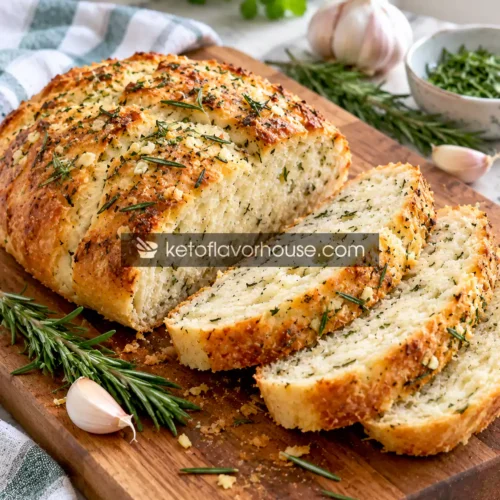
Weight Watchers Rosemary Garlic Bread Recipe

Ingredients
- 2 cups about 240 g all-purpose flour
- 1 cup about 245 g plain nonfat Greek yogurt
- 2 teaspoons baking powder
- ½ teaspoon salt
- 2 tablespoons finely chopped fresh rosemary
- 3 garlic cloves finely minced
- 1 –2 tablespoons water only if needed
- Cooking spray for the baking surface if needed
Instructions
- Preheat the oven to 375°F (190°C). Line a baking sheet with parchment paper or prepare a small loaf pan.
- In a large bowl, combine the flour, baking powder, and salt. Stir in the chopped rosemary.
- Add the Greek yogurt and minced garlic. Mix gently until a rough dough forms.
- If the dough is too dry to come together, add water one teaspoon at a time until it is soft and slightly tacky.
- Transfer the dough to a lightly floured surface. Gently shape it into a small round or oval loaf without kneading excessively.
- Place the loaf on the prepared baking surface and bake for 30–40 minutes, until golden and cooked through. The center should reach approximately 200–205°F (93–96°C).
- Let the bread rest for 10–15 minutes before slicing into eight equal portions.