This post may contains Amazon affiliate and other affiliate links. If you make a purchase through these links, I may earn a small commission at no extra cost to you. Your support helps me continue to provide quality content. I only recommend products I personally trust and believe will add value to your experience. For more details, please visit my Privacy Policy.
Estimated SmartPoints: approximately 2–4 per serving · Makes 4 servings
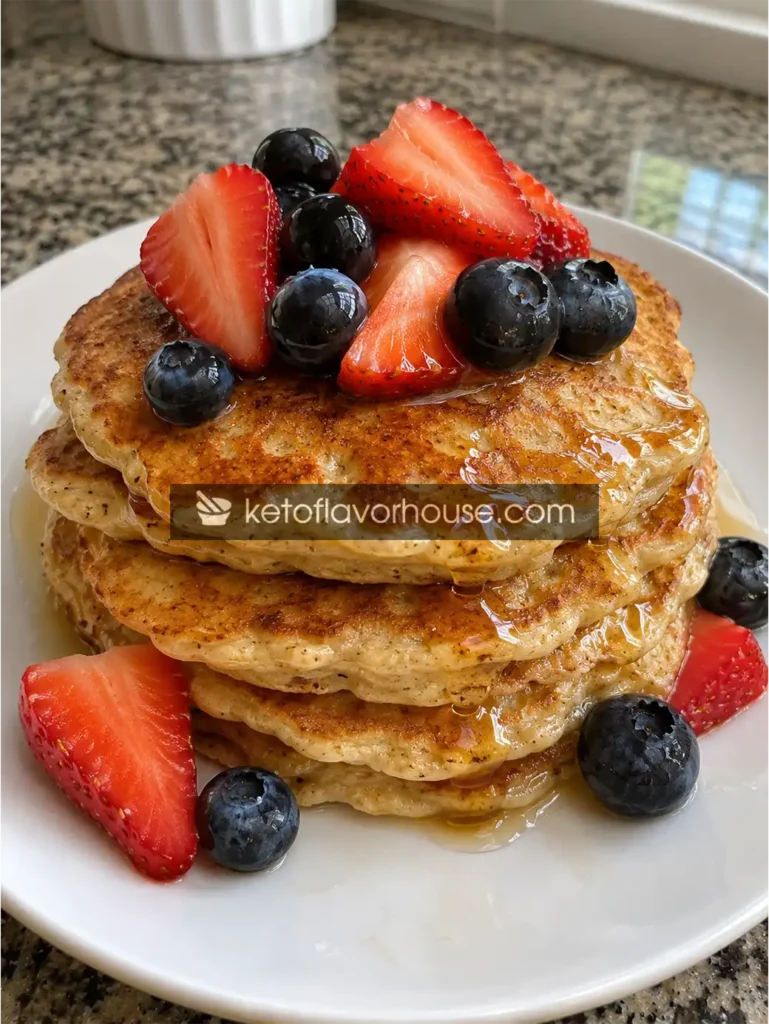
These Weight Watchers Oat Pancakes are a simple way to enjoy a warm, satisfying pancake breakfast without relying on traditional all-purpose flour. Made with rolled oats, eggs, plain nonfat Greek yogurt, and a little milk, they cook into tender, lightly golden pancakes with a soft center and a gentle oat flavor.
The batter is easy to prepare in a blender, and the ingredients are everyday breakfast staples. Greek yogurt adds moisture and protein, while the oats provide the structure that replaces regular flour. A little cinnamon and vanilla make the pancakes taste comforting without needing much added sugar.
The recipe below makes eight small pancakes, with two pancakes per serving. The estimated SmartPoints are approximately 2–4 per serving, but this is an independent planning estimate, not an official WW calculation. Oats are an important Points contributor, and your personal result will depend on your current WW plan, food settings, and the exact products used.
Why You’ll Love These Weight Watchers Oat Pancakes
A short ingredient list, a blender-friendly batter, and a soft, lightly sweet pancake texture.
A flour-free pancake option
These pancakes use rolled oats instead of all-purpose flour. Blending the oats breaks them down into a fine meal, which creates a smoother batter and a more familiar pancake shape. The texture is a little heartier than a classic diner pancake, but it should still be soft and tender when cooked properly.
Greek yogurt helps the texture
Plain nonfat Greek yogurt gives the batter moisture and a slight tang. It also contributes protein. Because oats absorb liquid as they sit, the yogurt helps create a batter that is thick enough to hold its shape but still easy to spoon into the skillet.
You can prepare the batter quickly
There is no need to whisk together separate dry and wet ingredients. Add the ingredients to a blender, blend until smooth, rest the batter briefly, and cook. The short resting period is useful because it allows the oats to absorb some of the liquid before the pancakes hit the pan.
The toppings are flexible
Fresh strawberries, blueberries, sliced banana, cinnamon, and a measured amount of syrup all work well. Keep in mind that toppings can change the calories and Points considerably. The recipe’s estimate applies to the pancakes themselves, not a generous pour of syrup or a large spoonful of nut butter.
WW SmartPoints Information
This recipe makes 4 servings, with 2 small pancakes per serving. The full batch contains 1 cup of rolled oats, 2 eggs, Greek yogurt, milk, and small amounts of flavoring and leavening.
| Estimate | Amount |
|---|---|
| Estimated SmartPoints per serving | 2–4 |
| Estimated SmartPoints for whole recipe | 8–16 |
| Servings | 4 |
| Pancakes per serving | 2 |
| Estimated calories per serving | About 170–190 |
| Estimated protein per serving | About 11–13 g |
The Points range is deliberately presented as an estimate. Oats are the main ingredient to check in your WW app. Eggs and plain nonfat Greek yogurt may be treated differently depending on the member’s plan and settings, and the milk choice also matters. This is not an official WW calculation or a guarantee that any ingredient is ZeroPoint for every member.
For the most reliable result, enter the exact oat brand, yogurt, milk, and serving count into your current WW app. If you add fruit, syrup, chocolate chips, or nut butter, include those toppings in your tracking.
My Notes on Making Oat Pancakes
The most important detail with oat pancakes is the batter consistency. Oats absorb liquid differently from all-purpose flour, so the mixture can look thinner immediately after blending and then become thicker after resting. That is why I recommend letting it sit for about five minutes before cooking. It gives the oats time to hydrate and makes it easier to judge whether you need another splash of milk.
I would also keep these pancakes fairly small. Oat-based batter is more delicate than traditional flour batter, especially before the first side has cooked through. Small pancakes are easier to flip, cook more evenly, and are less likely to break. If the batter seems too thick after resting, add milk one tablespoon at a time rather than pouring in a large amount at once.
For serving, I like the idea of keeping the pancakes simple and adding fresh berries on top. A little cinnamon and a small amount of sugar-free syrup can give you that familiar pancake breakfast feeling. If you prefer a more filling breakfast, serve them with an egg or additional plain Greek yogurt, and track those additions separately.
Required Equipment
Blender
A blender turns the rolled oats into a fine flour-like texture and mixes the batter evenly. A standard countertop blender works well. If you use a smaller personal blender, you may need to stop and scrape down the sides once to make sure no large oat pieces remain.
Measuring cups and spoons
Accurate measurements are important because oats absorb liquid and affect the final texture. Measure the oats before blending, and use level measurements for the baking powder, cinnamon, and vanilla.
Nonstick skillet or griddle
A good nonstick surface makes flipping easier and reduces the need for added oil. A wide skillet lets you cook two or three small pancakes at a time without crowding them.
Flexible spatula
A thin, flexible spatula can slide under the pancakes without tearing their edges. Wait until the surface looks mostly set and small bubbles have appeared before flipping.
Mixing bowl
A small bowl is useful if you want to whisk the batter by hand after grinding the oats separately. It is also handy for resting the batter before cooking.
Ingredients and Substitutions
This recipe uses a short list of ingredients. Each one has a job: the oats provide structure, eggs bind the mixture, Greek yogurt adds moisture, and milk adjusts the consistency.
- 1 cup (90 g) old-fashioned rolled oats: These replace ordinary flour and provide the pancake structure. Blending them creates a finer texture. Quick oats can also work, although they may absorb liquid differently. Avoid steel-cut oats because they will not blend into the same smooth batter without a different preparation method.
- 2 large eggs: Eggs bind the batter and help the pancakes set as they cook. They also contribute protein and richness. I would not remove both yolks without adjusting the recipe because the texture and moisture will change.
- ½ cup (120 g) plain nonfat Greek yogurt: Yogurt adds moisture, a slight tang, and protein. Use plain yogurt rather than a sweetened flavored variety so you can control the sweetness. Regular plain yogurt is thinner and may require less milk.
- ½ cup (120 ml) unsweetened almond milk: This loosens the batter so it can be poured or spooned into the skillet. Unsweetened dairy milk is also suitable, but it changes the nutrition and potentially the Points estimate.
- 1 teaspoon baking powder: This gives the pancakes a little lift. Check that it is fresh; old baking powder can produce flat, dense pancakes.
- 1 teaspoon vanilla extract: Vanilla adds a familiar pancake aroma and rounds out the flavor.
- ½ teaspoon ground cinnamon: Cinnamon gives the pancakes warmth without needing much added sugar.
- 1–2 teaspoons granulated zero-calorie sweetener, optional: Use this only if you prefer a sweeter pancake. The nutrition and Points impact depend on the sweetener and its formulation. You can leave it out and add sweetness through fruit or a measured topping.
- A small pinch of salt: Salt balances the flavor and keeps the pancakes from tasting flat.
- Cooking spray, as needed: Use a light coating to prevent sticking. If you use oil or butter instead, measure it and include it in your calculation.
Ingredient Anatomy and Smart Swaps
The best way to customize these pancakes is to change one ingredient at a time. Oats are the main structural ingredient, so replacing them with another flour may require a different amount of liquid. The table below explains the most practical options.
| Original ingredient | Possible alternative | What to expect |
|---|---|---|
| Rolled oats | Certified gluten-free rolled oats | Similar texture and structure; useful for readers avoiding gluten, provided all other ingredients are also suitable. |
| Nonfat Greek yogurt | Plain regular yogurt | Thinner batter and less protein in many products; reduce the milk if needed. |
| Unsweetened almond milk | Skim or low-fat dairy milk | Adds a more familiar dairy flavor and usually more protein; recalculate the nutrition and Points. |
| Granulated sweetener | No added sweetener | A less sweet pancake; fresh fruit or a measured topping can provide sweetness at serving time. |
| Cooking spray | Measured oil | Can improve browning, but adds fat and calories. Enter the amount actually used. |
Can I use quick oats?
Yes. Quick oats are a practical substitute, and they blend easily. They may absorb liquid faster than old-fashioned rolled oats, so the batter can become thicker during its resting period. Add a tablespoon of milk if it becomes difficult to spoon into the skillet. The nutrition and Points should be checked using the exact oat product.
Can I use dairy milk?
Yes. Skim milk or low-fat milk can replace unsweetened almond milk. Dairy milk usually contributes more protein, but it also has a different calorie and carbohydrate profile. Use the same starting quantity, then adjust the batter only if needed.
Can I make these pancakes without Greek yogurt?
You can, but the texture will change. Greek yogurt contributes thickness, moisture, and protein. If you leave it out, you will need another ingredient to provide moisture and body, and the recipe will need to be recalculated. Replacing it with extra milk alone will likely create a thinner batter and less tender pancakes.
Can I make them sweeter?
Yes. Add the optional sweetener to the batter, or keep the pancakes lightly sweet and use fruit on top. I prefer the second approach because it lets each person control the sweetness and the amount of syrup. Honey, maple syrup, and regular sugar all contribute calories and may increase Points, so measure them rather than pouring freely.
How to Make Weight Watchers Oat Pancakes
The batter comes together quickly, but a few small details make a big difference. Blend the oats finely, allow the mixture to rest, and cook over moderate heat. Oat pancakes need enough time to set before flipping.
Step 1: Blend the oats
Add the rolled oats to a blender and process until they resemble a fine flour. Stop and check the bottom and sides of the blender. If larger oat flakes remain, blend again briefly.
A fine texture helps the batter cook more evenly and prevents the finished pancakes from feeling too coarse. You do not need to buy oat flour for this recipe; rolled oats can be blended at home.
Step 2: Add the wet ingredients
Add the eggs, Greek yogurt, almond milk, vanilla, and optional sweetener to the blender. Add the baking powder, cinnamon, and salt.
Blend until the mixture looks smooth and evenly combined. Avoid blending for an unnecessarily long time once the batter is smooth. The mixture should be thick but spoonable, similar to a traditional pancake batter.
Step 3: Rest the batter
Pour the batter into a bowl and let it rest for about five minutes. This allows the oats to absorb some of the liquid and helps the mixture thicken.
Check the consistency after resting. If it is too thick to spoon easily, add milk one tablespoon at a time. If it is very thin, give it another minute to thicken before adding anything else. Avoid adding extra oats immediately, because they need time to absorb moisture.
Step 4: Heat the skillet
Place a nonstick skillet or griddle over medium-low to medium heat. Lightly coat the surface with cooking spray.
Do not use very high heat. Oat pancakes can brown on the outside before the centers have time to set. A moderate temperature gives the batter time to cook through while developing a light golden surface.
Step 5: Cook the pancakes
Spoon about ¼ cup of batter per pancake into the skillet. Leave space between pancakes so you can slide a spatula underneath them.
Cook for approximately 2–3 minutes on the first side. Look for small bubbles around the edges and a surface that appears less wet. The underside should be lightly golden before you flip.
If the pancake spreads too much, the batter may be too thin. Let the remaining batter rest a little longer or adjust it with a small amount of ground oats.
Step 6: Flip and finish cooking
Slide a flexible spatula underneath the pancake and flip it gently. Cook the second side for approximately 1–2 minutes, until the center is set and both sides are golden.
Transfer the cooked pancakes to a plate. If you are cooking several batches, keep them warm in a low oven while you finish the remaining batter. Avoid stacking them tightly while steaming hot, because trapped steam can soften the surfaces.
Step 7: Serve
Divide the batch into four servings of two small pancakes each. Add fresh berries, cinnamon, or a measured amount of syrup. Serve while warm for the softest texture.
Step-by-Step Visual Guide
Common Mistakes to Avoid
Blending the oats too coarsely
Large oat pieces can make the pancakes uneven and slightly gritty. Blend the oats until they look like fine flour before adding the wet ingredients. If your blender leaves a few larger pieces, pulse again and check the bottom of the jar.
Skipping the resting time
The batter changes as the oats absorb liquid. If you pour it into the skillet immediately, the first pancakes may spread more than the later ones. A five-minute rest gives the batter a more consistent texture and makes portioning easier.
Making the pancakes too large
Large oat pancakes are harder to flip because they are more delicate than traditional flour pancakes. Use about ¼ cup of batter for each pancake. Smaller rounds cook more evenly and are less likely to tear.
Cooking over high heat
A very hot skillet can brown the outside before the center has set. Use medium-low to medium heat and give the first side enough time to develop a golden surface. If the pancakes darken too quickly, lower the heat.
Flipping too early
The pancakes need time to set. If the top is still very wet and the edges are not beginning to look firm, wait a little longer. Slide the spatula underneath gently rather than forcing it.
Adding too much milk
A thin batter spreads quickly and can produce flat pancakes. Add milk gradually after the resting period, one tablespoon at a time. The batter should fall from a spoon slowly rather than run like a drink.
Pro Tips for the Best Results
- Use old-fashioned rolled oats: They are easy to blend and provide a dependable starting point for the batter.
- Blend before adding the wet ingredients: This helps prevent large oat pieces from hiding in the mixture.
- Rest the batter: Give the oats time to absorb the milk and yogurt.
- Keep the pancakes small: Smaller rounds are easier to flip and portion.
- Use moderate heat: Gentle cooking helps the centers set without over-browning the outside.
- Wait for the edges to look set: This is a more useful flipping cue than relying on bubbles alone.
- Use a thin spatula: Slide it fully under the pancake before turning.
- Cook in batches: Avoid crowding the pan, which makes flipping awkward and can lower the skillet temperature.
- Measure the toppings: Syrup, nut butter, honey, and chocolate chips can add up quickly.
- Keep cooked pancakes warm without trapping steam: Place them in a single layer on a baking sheet in a low oven while finishing the batch.
Troubleshooting Guide
| What happened? | Why it happened | How to fix it |
|---|---|---|
| Batter is too thick | Oats absorbed more liquid than expected | Add milk one tablespoon at a time and stir gently |
| Batter is too thin | Too much milk or insufficient resting time | Rest another few minutes; if still thin, blend in a small amount of extra oats and allow them to hydrate |
| Pancakes break when flipped | They are too large or the first side has not set | Make smaller pancakes and wait until the edges look firm |
| Pancakes brown too quickly | Skillet heat is too high | Reduce the heat and allow the pan to cool slightly |
| Pancakes are dense | Batter was too thick, baking powder was old, or pancakes were undercooked | Check the baking powder, adjust liquid carefully, and cook until the center is set |
| Pancakes taste gritty | Oats were not blended finely enough | Blend the oats more thoroughly before mixing the batter |
Weight Watchers Nutrition and Meal-Planning Strategy
Oat pancakes can be a useful breakfast option when you want something more substantial than a piece of toast but still want to keep the ingredients and portions easy to manage. The oats provide carbohydrates and fiber, while eggs and Greek yogurt contribute protein. The recipe is not carbohydrate-free, and it should not be described as a zero-carb breakfast.
Oats provide structure and fiber
Oats are the foundation of the recipe. They replace ordinary flour and give the pancakes their characteristic hearty texture. They also provide carbohydrates, some protein, and dietary fiber.
Because oats are the main dry ingredient, the amount matters. Measuring one cup for the whole batch and dividing the finished pancakes into four servings makes the recipe easier to track. If you use more oats to thicken the batter, update the recipe calculation.
Eggs help bind the batter
Eggs help hold the pancakes together and contribute protein. They also give the centers a soft, tender texture. The recipe uses two large eggs for the entire batch, so each serving receives one-half egg’s worth of the recipe’s egg contribution.
If you want to experiment with egg whites, remember that they do not behave exactly like whole eggs. They can change the moisture and texture, and the revised recipe should be recalculated rather than assuming the Points will stay the same.
Greek yogurt adds moisture and protein
Plain nonfat Greek yogurt gives the batter body and helps the pancakes stay tender. It also adds protein without requiring a large amount of extra fat. Different brands vary in thickness and nutrition, so use the product label when tracking.
Do not automatically assume that every yogurt is ZeroPoint. Eligibility depends on the current WW plan and personal settings.
Think about toppings as part of the recipe
The pancakes themselves are only one part of breakfast. Toppings can change the final nutrition and Points substantially.
Some practical choices include:
- Fresh strawberries or blueberries for fruit and color.
- A small spoonful of plain Greek yogurt for extra creaminess.
- Cinnamon for flavor without adding syrup.
- A measured amount of sugar-free syrup, checking its label.
- A small measured drizzle of regular maple syrup if you prefer the traditional flavor.
Nut butter, honey, chocolate chips, granola, and larger portions of syrup can add meaningful calories and Points. You do not have to avoid them, but measure them and include them in your tracking.
Make the serving size work for you
This recipe is portioned as two small pancakes per serving. If you prefer one larger pancake, the total amount of batter is the same, but the cooking time and flipping difficulty may increase. For easier tracking, divide the batter into eight equal pancakes and serve two at a time.
Your daily WW Points budget is personal. The best way to fit this breakfast into your plan is to calculate the recipe with your actual ingredients, then decide what toppings and sides suit the rest of your day.
Variations You Can Try
Banana Oat Pancakes
Add ½ ripe mashed banana to the batter. Banana brings natural sweetness and moisture, and it gives the pancakes a softer, slightly fruitier flavor. Because it adds carbohydrates and calories, recalculate the nutrition and Points. You may need slightly less milk because the banana adds moisture.
Blueberry Oat Pancakes
Fold ½ cup fresh or frozen blueberries into the finished batter. Fresh berries will remain more intact, while frozen berries may release more moisture and create purple streaks. The fruit changes the nutrition, so include the quantity in your recipe calculation.
Apple Cinnamon Oat Pancakes
Add ½ cup finely grated apple and increase the cinnamon slightly. The apple brings sweetness and moisture, creating a breakfast that tastes a little like apple pie. If the batter becomes loose, allow it to rest for a few more minutes before cooking.
Chocolate Oat Pancakes
Add 1 tablespoon unsweetened cocoa powder and a small amount of your preferred sweetener. The pancakes will have a deeper chocolate flavor and a slightly thicker batter. Add a tablespoon of milk if necessary. Chocolate chips are optional, but they should be measured and included in the Points calculation.
Lemon Blueberry Oat Pancakes
Add ½ teaspoon finely grated lemon zest and ½ cup blueberries. The lemon makes the flavor brighter and balances the sweetness of the fruit. Avoid adding too much lemon juice, which can make the batter thinner.
Higher-Protein Oat Pancakes
For a higher-protein variation, serve the pancakes with extra plain nonfat Greek yogurt or incorporate a small amount of unflavored protein powder. Protein powders vary in sweetness, thickness, and nutrition. Adding powder directly to the batter can make it dry or rubbery, so start with a small amount and adjust the milk gradually. Recalculate the full recipe with the exact product.
Tips for Serving and Portioning
For a simple breakfast plate, arrange two pancakes slightly overlapping and add berries to one side. A spoonful of yogurt can go on top or alongside the pancakes. Finish with cinnamon and a measured drizzle of syrup.
If you are serving a family, place the toppings in separate bowls. That way, everyone can choose their own combination without changing the base pancake recipe. It also makes it easier to track individual toppings.
For meal prep, portion the pancakes after cooking rather than storing one large stack. This makes it easier to grab the number of pancakes you need and reduces the temptation to guess the serving size.
Optional Additions
- Fresh berries: Add color, sweetness, and fiber. Include the quantity in your nutrition and Points calculation.
- Sliced banana: Gives natural sweetness and a soft texture, but contributes additional carbohydrates and calories.
- Plain Greek yogurt: Adds creaminess and protein; use the label and your plan’s settings to calculate it.
- Maple syrup: A classic pancake topping, but measure it because it contributes sugar, calories, and Points.
- Chopped nuts: Add crunch and healthy unsaturated fats, but are energy-dense and can raise Points.
- Chocolate chips: Make the pancakes more dessert-like; even a small measured amount changes the nutrition.
- Cinnamon: Adds warm flavor without needing extra syrup.
- Lemon zest: Brightens the flavor without adding much volume or sweetness.
Serving Ideas
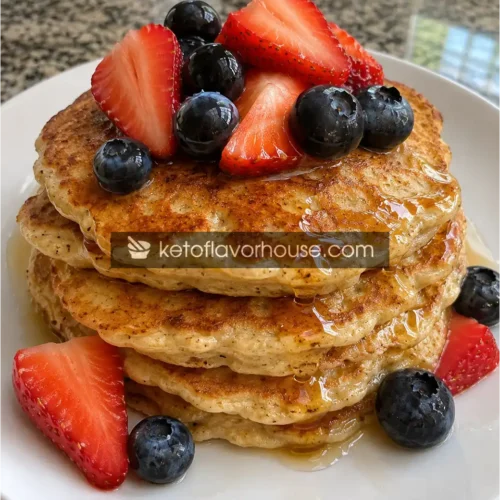
Top with strawberries and blueberries for a fresh, colorful breakfast with natural fruit sweetness.
Add a spoonful of plain Greek yogurt and cinnamon for a creamy topping that complements the oats.
Use a few banana slices and a dusting of cinnamon for a familiar, naturally sweet combination.
Pair with an egg or egg whites when you want a more substantial breakfast. Track the addition separately.
For a weekday breakfast
Make the pancakes the night before and reheat two in the morning. Add fresh berries or yogurt after warming so the toppings stay fresh.
For a relaxed weekend breakfast
Serve them on a platter with berries, sliced banana, yogurt, and syrup on the side. This gives everyone control over sweetness and portions.
For a more filling meal
Pair two pancakes with an egg or a serving of plain Greek yogurt. This adds more protein and makes the meal more substantial, although the nutrition and Points will change.
For meal prep
Cook the full batch, cool the pancakes, and refrigerate or freeze them in portions. Reheat only what you need, then add toppings just before serving.
Storage Recommendations
Oat pancakes are convenient to prepare ahead, and they generally store well when cooled and packed properly. The most important step is allowing them to cool before placing them in a sealed container. Trapping steam can make the pancakes damp and soft.
Refrigerating
Cool the pancakes on a wire rack or plate until they are no longer steaming. Place them in an airtight container with parchment paper between layers if you need to stack them. Refrigerate within two hours of cooking and use within 3–4 days.
Store fresh fruit and yogurt toppings separately. Adding them before storage can make the pancakes soggy.
Freezing
These pancakes can be frozen. Arrange cooled pancakes in a single layer on a baking sheet and freeze until firm. Transfer them to a freezer-safe bag or airtight container, separating layers with parchment paper. For best quality, use within 2–3 months.
Freezing them individually first helps prevent them from sticking together, making it easy to remove just two pancakes at a time.
Reheating
For a quick option, microwave refrigerated pancakes in short intervals until warm. For a slightly drier surface, reheat them in a nonstick skillet over low heat. Frozen pancakes can be reheated from frozen in the microwave or toaster if their thickness and shape are suitable for the appliance.
Avoid overheating. Oat pancakes can become firm or rubbery if they are heated for too long.
Storage Timeline
Frequently Asked Questions
1. Are oat pancakes good for Weight Watchers?
They can fit into a Weight Watchers meal plan, depending on the ingredients, portion size, and your personal Points budget. Oats are nutritious, but they are not automatically ZeroPoint for every WW member. This recipe uses measured quantities and makes four servings to make tracking easier. Enter the ingredients into your current WW app to confirm your personal Points value.
2. Can I make Weight Watchers Oat Pancakes without a blender?
Yes. The blender is convenient, but you can use oat flour instead. Replace the one cup of rolled oats with approximately 1 cup of oat flour by weight, ideally around 90 g. Whisk the dry ingredients separately, then combine them with the eggs, yogurt, vanilla, and milk. Let the batter rest before cooking. The exact amount of milk may need a small adjustment depending on the oat flour.
3. Why are my oat pancakes falling apart?
Oat pancakes can be more delicate than traditional flour pancakes. The most common reasons are flipping too early, making them too large, or using batter that is too thin. Let the batter rest, make smaller pancakes, and wait until the edges look set before turning them. A flexible spatula also makes a difference.
4. Can I prepare the batter the night before?
You can prepare it ahead, but the oats will continue absorbing liquid as the batter sits. This can make it considerably thicker overnight. For the most predictable texture, blend the batter shortly before cooking. If you do refrigerate it, stir it well and add a little milk before cooking if necessary. Keep it refrigerated and use it promptly.
5. Can I freeze these oat pancakes?
Yes. Let them cool completely, freeze them in a single layer until firm, and then transfer them to a freezer-safe container with parchment paper between layers. This prevents them from sticking together. Reheat the number you need rather than thawing the entire batch.
6. How can I increase the protein?
Serve the pancakes with plain Greek yogurt, or pair them with eggs or egg whites. You can also experiment with adding a small amount of protein powder to the batter, but it may make the pancakes drier or denser. Any protein powder substitution changes the nutrition and potentially the Points, so use its label when recalculating.
7. Will my WW app show the same Points estimate?
Not necessarily. The estimate in this recipe is independent and may differ from your app because WW calculations depend on the current plan, member-specific food settings, and the exact brands entered. Oats and milk are especially important to enter accurately. Use the app’s result for your own plan rather than treating the estimated range as an official WW value.
Nutritional Breakdown Per Serving
The following values are preliminary estimates for 2 pancakes, assuming the full recipe makes eight pancakes and four servings. They exclude toppings and cooking spray beyond a minimal amount.
| Nutrient | Estimated amount |
|---|---|
| Calories | 170–190 kcal |
| Protein | 11–13 g |
| Fat | 5–7 g |
| Total carbohydrates | 20–23 g |
| Fiber | 2–3 g |
| Net carbohydrates | 18–20 g |
| Sugar | 2–4 g |
| Sodium | 250–350 mg |
| Estimated SmartPoints | 2–4 |
Net carbohydrates are calculated as total carbohydrates minus fiber. They are not the same as WW Points.
Nutrition can vary according to the oat brand, yogurt, milk, egg size, sweetener, and cooking spray. These values are not laboratory-tested; calculate the complete recipe using your exact products for a more precise nutrition panel.
Recipe Snapshot
- Recipe: Weight Watchers Oat Pancakes
- Prep Time: 10 minutes
- Cook Time: 15 minutes
- Total Time: 25 minutes
- Course: Breakfast
- Cuisine: American
- Diet: Weight Watchers-Friendly, Vegetarian
- Servings: 4
- Yield: 8 small pancakes
- Serving Size: 2 pancakes
- Calories: Approximately 170–190 per serving
- Protein: Approximately 11–13 g per serving
- Estimated SmartPoints: 2–4 per serving
Closing Note
These oat pancakes are a practical breakfast when you want something warm, lightly sweet, and easy to prepare with everyday ingredients. The blender does most of the work, and the batter can be customized with fruit, cinnamon, or a little vanilla. Keep the portions consistent, measure your toppings, and use your WW app to confirm the Points for your personal plan.
Weight Watchers Oat Pancakes Recipe

Ingredients
- 1 cup 90 g old-fashioned rolled oats
- 2 large eggs
- ½ cup 120 g plain nonfat Greek yogurt
- ½ cup 120 ml unsweetened almond milk
- 1 teaspoon baking powder
- 1 teaspoon vanilla extract
- ½ teaspoon ground cinnamon
- 1 –2 teaspoons granulated zero-calorie sweetener optional
- A small pinch of salt
- Cooking spray as needed
Instructions
- Add the rolled oats to a blender and blend until they resemble fine flour.
- Add the eggs, Greek yogurt, almond milk, baking powder, vanilla, cinnamon, optional sweetener, and salt.
- Blend until smooth, then pour the batter into a bowl and let it rest for five minutes.
- Check the consistency. If the batter is too thick to spoon easily, add milk one tablespoon at a time.
- Heat a nonstick skillet over medium-low to medium heat and lightly coat it with cooking spray.
- Spoon approximately ¼ cup of batter into the skillet for each pancake.
- Cook for 2–3 minutes, until the edges begin to set and the underside is lightly golden.
- Flip carefully and cook for another 1–2 minutes, until the center is cooked through.
- Repeat with the remaining batter, then divide into four servings of two pancakes each.
- Serve warm with fresh berries, cinnamon, or a measured amount of syrup.