This post may contains Amazon affiliate and other affiliate links. If you make a purchase through these links, I may earn a small commission at no extra cost to you. Your support helps me continue to provide quality content. I only recommend products I personally trust and believe will add value to your experience. For more details, please visit my Privacy Policy.
Estimated SmartPoints: approximately 1–3 per serving, based on 6 servings. This is an independent estimate, not an officially verified WW calculation. Your result will depend on your current WW plan, broth, canned ingredients, and any toppings you add.
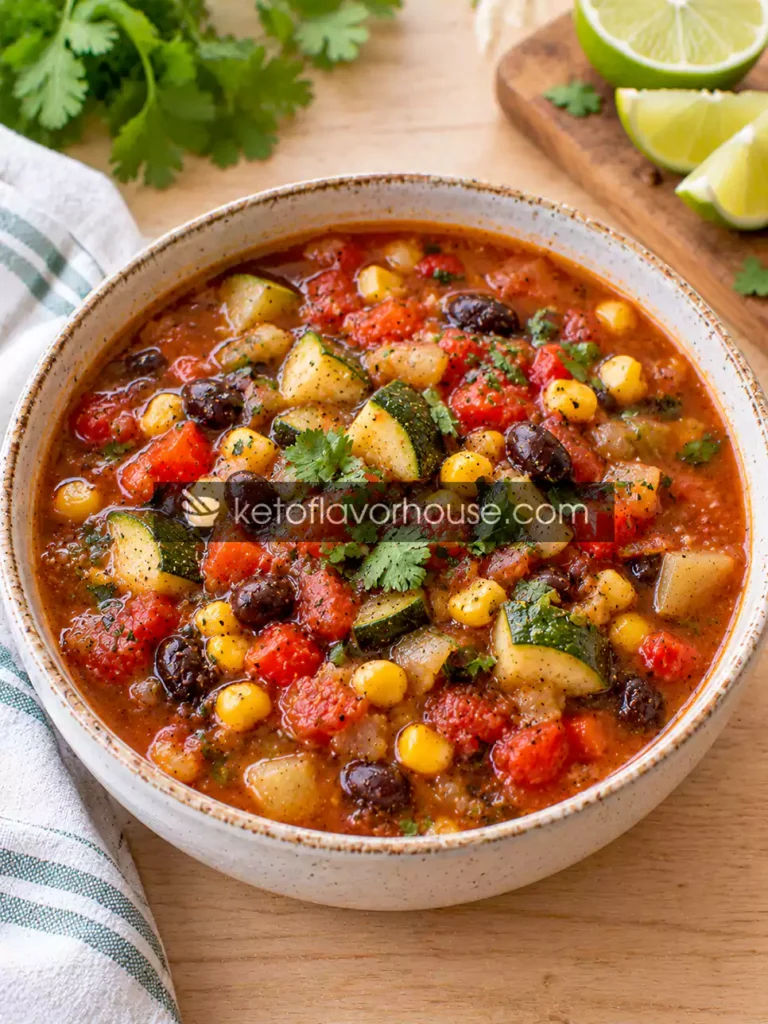
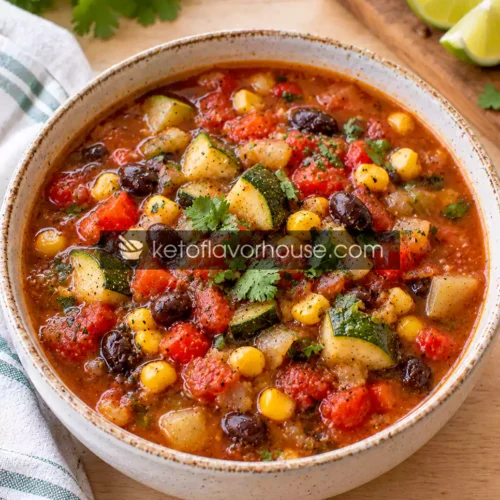
Some days call for a bowl of something warm, colorful, and comforting without the heaviness of a creamy soup. That is exactly where this Weight Watchers Southwest Vegetable Soup fits. It combines tender black beans, sweet corn, tomatoes, bell peppers, zucchini, and a lively blend of Southwest-inspired spices in a savory tomato broth. Every spoonful has a little sweetness, a little smokiness, and just enough gentle heat to make the soup feel satisfying.
I especially like the idea of a soup that can be made in one pot with everyday pantry ingredients. You can chop the vegetables while the onion and garlic soften, add the broth and seasonings, and let everything simmer until the flavors come together. The beans make the broth feel more substantial, while the corn and peppers add pops of color and sweetness. A squeeze of lime at the end brightens the entire pot.
For readers following Weight Watchers, this recipe offers a practical starting point for a lower-Points meal. It relies on vegetables, beans, tomatoes, and broth rather than cream or a large amount of oil. The exact Points value still depends on your plan and ingredients, but the recipe is easy to portion, customize, and pair with a protein-rich side when you want a more complete meal.
Why You’ll Love This Weight Watchers Southwest Vegetable Soup
Comfort food, made practical
A colorful one-pot soup
Southwest-inspired flavor
Chili powder, cumin, garlic, and tomatoes build a savory, gently smoky broth without requiring a creamy base.
Vegetable-packed
Bell pepper, zucchini, onion, tomatoes, corn, and beans give the soup varied color, texture, and flavor.
One-pot convenience
The vegetables cook in the same pot as the broth, making cleanup manageable on busy weeknights.
Easy to portion
Six portions make meal planning straightforward. Measure optional toppings separately so your WW tracking reflects what you actually eat.
The appeal of this soup goes beyond its ingredient list. It is flexible enough for different households and schedules. If you have half a zucchini in the refrigerator, a little extra bell pepper, or a few tomatoes that need using, you can often incorporate them without changing the basic cooking method.
The beans are particularly useful because they make the soup more substantial than a broth containing vegetables alone. Corn adds a gentle sweetness, and the tomatoes give the liquid body without the need for cream. Meanwhile, cumin and chili powder create a familiar Southwest-inspired flavor profile.
Here are a few practical reasons to keep this recipe in your rotation:
- One pot, less cleanup: The vegetables and broth cook together, so you do not need separate pans for different components.
- Pantry-friendly ingredients: Canned beans, canned tomatoes, frozen corn, and broth make the recipe convenient when fresh produce is limited.
- Flexible heat level: Use mild chili powder for a gentler soup or add a little cayenne for more heat.
- Suitable for batch cooking: Make a pot for dinner and refrigerate or freeze portions for another day.
- Easy to personalize: Add lean chicken, extra vegetables, or a measured topping according to your preferences and Points budget.
WW SmartPoints Information
This recipe makes 6 servings. Based on the ingredient quantities in the recipe card, an initial independent estimate is approximately 1–3 SmartPoints per serving, or around 6–18 for the entire pot under the same assumed calculation.
These are planning estimates, not verified official WW values. WW has used different Points systems over time, and the way foods are treated can depend on the member’s current plan. Beans, corn, oil, broth, and optional toppings may affect your calculation differently from the assumptions used here.
The base soup uses a small amount of olive oil and relies on vegetables, beans, tomatoes, and broth for most of its volume. The most useful approach is to enter the complete recipe into your current WW app, select six servings, and calculate any toppings separately. If you add cheese, avocado, tortilla chips, sour cream, or chicken, include those additions in the calculation.
Recipe planning dashboard
Plan your soup serving
Independent estimate only. This is not an official WW calculator, and your current plan may produce a different result.
How to Calculate Your Own Points
For the most reliable result, enter each ingredient into your WW app using the exact amount listed in the recipe. Choose the correct broth and canned products, then set the recipe yield to six servings.
If you use a different quantity of oil, swap black beans for another bean, or add toppings, update the calculation. Do not assume that every vegetable, bean, or corn product receives the same treatment under every WW plan. Your own app is the best reference for your personal Points budget.
My Cooking Notes
For a soup like this, I would start by giving the onion and bell pepper a few minutes in the pot before adding the tomatoes and broth. That small step makes a difference. The onion becomes softer and sweeter, the pepper loses its raw edge, and the kitchen begins to smell of the ingredients before the liquid even goes in. Garlic and spices need only a short time in the warm pot; cooking them briefly helps release their aroma without allowing the garlic to burn.
I would also add the zucchini later than the onion and pepper. Zucchini softens quickly, and if it simmers for too long, the pieces can lose their shape. Adding it after the broth comes to a simmer helps preserve a pleasant, tender bite. The black beans and corn are already cooked, so they mainly need time to warm through and absorb some of the seasoning.
The finishing step matters more than it might seem. A squeeze of lime just before serving brightens the tomato broth and brings the spices into focus. Without it, the soup can taste a little flat even when the seasoning is adequate. I would taste the broth before adding extra salt because canned tomatoes, broth, and beans may already contribute sodium.
For serving, I prefer a bowl with visible pieces of vegetables and beans rather than a soup that has been blended completely smooth. The variety of textures makes each spoonful interesting. If you want a creamier consistency, mash a small portion of the beans against the side of the pot and stir them back into the broth. This thickens the soup without adding cream.
Required Equipment
Large Soup Pot or Dutch Oven
A heavy-bottomed pot of about 5–6 quarts is ideal for this recipe. It gives the onion and pepper enough room to soften without steaming excessively and holds the broth, beans, corn, and vegetables comfortably once everything is added.
A smaller pot can work, but avoid filling it close to the rim. You need room to stir without splashing hot liquid. If you are doubling the recipe, use a larger stockpot and allow additional time for the soup to return to a simmer.
Cutting Board and Sharp Knife
Use a stable cutting board to dice the onion, bell pepper, and zucchini into similarly sized pieces. Even cuts help the vegetables cook at roughly the same rate. A sharp knife also makes it easier to mince the garlic finely so it distributes throughout the broth.
Keep the vegetables separate from any raw meat you may add as a variation. Wash the board and knife thoroughly before using them for cooked ingredients or garnishes.
Measuring Cups and Spoons
Measuring the oil, spices, beans, corn, and broth makes the recipe repeatable. It is particularly useful for WW tracking because a generous pour of oil or an unmeasured topping can change the final calculation.
Use the same measuring method each time you prepare the soup. For canned beans, measure them after draining and rinsing if the recipe specifies a drained quantity.
Wooden Spoon or Heat-Safe Spatula
A wooden spoon or heat-safe spatula is useful for scraping the bottom of the pot as the onion, garlic, and spices cook. This prevents the garlic and spices from sticking and helps distribute their flavor through the vegetables.
Can Opener and Colander
A can opener is needed for the tomatoes and beans if you use canned products. Drain and rinse the beans in a colander to remove the packing liquid and excess surface sodium. Allow them to drain briefly so they do not add unnecessary liquid to the pot.
Ladle and Storage Containers
A ladle makes it easier to divide the soup into reasonably even portions. Shallow, airtight containers are best for cooling and refrigerating leftovers because they help the soup cool more quickly than a large, deep pot.
Ingredients and Substitutions
This recipe makes six servings of Southwest-inspired vegetable soup. The ingredients are straightforward, but each one contributes something important to the final flavor and texture.
Olive Oil — 1 Tablespoon
Olive oil helps soften the onion and bell pepper and carries the aroma of the spices. A measured tablespoon is enough to start the vegetables cooking without making the broth greasy.
You can use another neutral cooking oil, but the nutrition will be similar if you use the same amount. A cooking spray may reduce the amount of added fat, although the quantity actually dispensed can vary. If you change the oil, enter the new amount into your WW recipe calculation rather than assuming a specific Points reduction.
Yellow Onion — 1 Medium, Diced
Onion provides a sweet, savory foundation. As it softens in the pot, its sharp raw flavor becomes milder and helps round out the acidity of the tomatoes.
A white onion works as a substitute. Red onion will also cook successfully, although its flavor may be slightly different. Use the same approximate quantity for a similar balance.
Red Bell Pepper — 1 Medium, Diced
Red bell pepper contributes sweetness, color, and a tender bite. Its flavor complements the corn and balances the earthy spices.
Orange or yellow bell pepper can be substituted. Green pepper is more assertive and less sweet, so it produces a slightly sharper flavor. The nutritional differences among peppers are generally modest for this quantity, but your final calculation should reflect the ingredients you use.
Garlic — 3 Cloves, Minced
Garlic adds the savory aroma that makes the soup taste more developed. Mince it finely so it spreads throughout the broth rather than leaving large, sharp pieces.
Fresh garlic is ideal, but a measured amount of jarred minced garlic can work. Check its label if it contains added oil or other ingredients that are not part of the original recipe.
Chili Powder — 2 Teaspoons
Chili powder supplies the main Southwest-inspired seasoning. The flavor and heat level vary by brand, so choose a blend you enjoy. Some chili powders are mild and earthy, while others contain more heat.
Do not confuse chili powder blends with pure ground cayenne pepper. Cayenne is much hotter and should be used in a much smaller quantity if substituting.
Ground Cumin — 1 Teaspoon
Cumin gives the soup a warm, earthy note that pairs naturally with black beans, corn, tomatoes, and chili powder. It is an important part of the seasoning profile.
Ground cumin is convenient for a quick weeknight recipe. If your cumin has been sitting in the cupboard for years, its aroma may be weak; a fresher jar will generally produce a more noticeable flavor.
Smoked Paprika — 1 Teaspoon
Smoked paprika adds a gentle smoky character without needing smoked meat. It works particularly well with the sweetness of corn and the acidity of tomatoes.
Regular paprika can be substituted, but the soup will lose some of that smoky note. Do not add extra smoked paprika automatically, since some varieties can become dominant when used in large amounts.
Dried Oregano — 1 Teaspoon
Oregano adds a herbal flavor that complements the tomato base. It helps connect the vegetables and spices without making the soup taste overly complex.
Dried oregano is convenient and easy to measure. If using fresh oregano, start with a larger volume because fresh herbs generally have a milder flavor by volume, then adjust to taste.
Ground Black Pepper — ½ Teaspoon
Black pepper gives the broth a little warmth. It can be adjusted at the end, after you taste the soup and assess the heat from the chili powder.
Low-Sodium Vegetable Broth — 6 Cups
Vegetable broth provides the soup’s liquid and carries the flavors of the vegetables and spices. A low-sodium variety gives you more control over the final seasoning, especially because canned tomatoes and beans can contribute salt.
Chicken broth is a possible alternative if you do not need the soup to be vegetarian. It changes the flavor slightly and may have a different sodium level. Use the nutrition label for whichever broth you choose.
Diced Tomatoes — One 14.5-Ounce Can, With Juice
Canned diced tomatoes bring acidity, color, and body to the broth. Their juice helps distribute the tomato flavor throughout the soup.
Fire-roasted diced tomatoes can add a subtle roasted flavor. If you use tomatoes with added salt or seasoning, taste the soup before adding more salt or extra spices.
Black Beans — One 15-Ounce Can, Drained and Rinsed
Black beans make the soup more substantial and provide plant-based protein, carbohydrates, and fiber. Their creamy interiors contrast with the firmer vegetables.
Drain and rinse the beans before measuring them into the pot. Pinto beans are a reasonable substitute and will create a slightly softer, earthier texture. Cannellini beans can also work, although they change the flavor profile.
Beans may receive different treatment under different WW plans. Do not assume that every canned bean product automatically has the same Points value.
Corn Kernels — 1 Cup
Corn adds sweetness and a pleasant bite that balances the chili powder and tomatoes. Frozen corn is convenient because it can go directly into the pot without thawing.
Canned corn can also be used; drain it first and check the label for added salt or sugar. The amount of corn affects the recipe’s carbohydrate content and should be included in the WW calculation.
Zucchini — 1 Medium, Diced
Zucchini adds another vegetable texture without making the broth heavy. Cut it into small, even pieces so it cooks at a similar rate throughout the pot.
Yellow summer squash can replace zucchini. You can also use additional bell pepper, but the soup will have a different texture and sweetness.
Salt — ½ Teaspoon, or to Taste
Start with a modest amount and adjust after the soup has simmered. Broth, canned tomatoes, and beans vary in sodium, so the amount needed will depend on the products you use.
If you are monitoring sodium, omit the initial salt and taste the finished soup before deciding whether it needs any.
Lime Juice — 1–2 Tablespoons
Fresh lime juice is the finishing ingredient that brightens the entire pot. It brings out the tomato flavor and balances the earthy spices.
Start with one tablespoon, stir, and taste. Add the second tablespoon if you prefer a more noticeable citrus finish. Lemon juice can substitute, although the flavor will be slightly different.
Fresh Cilantro — ¼ Cup Chopped, Optional
Cilantro adds a fresh herbal finish. If you dislike cilantro, use chopped parsley or simply leave the herbs out. The soup will still have plenty of flavor from the spices and vegetables.
Ingredient Swap Guide
Choose the right ingredient swap
| Original | Alternative | Effect on the soup |
|---|---|---|
| Olive oil, 1 tbsp | Measured cooking spray | May reduce added fat and calories, depending on the amount used. Flavor and browning may be less pronounced. |
| Black beans, 15 oz can | Pinto beans, same drained amount | Similar heartiness with a softer, earthier flavor. Nutrition and Points depend on the product and plan. |
| Vegetable broth, 6 cups | Low-sodium chicken broth | Adds a slightly different savory flavor and makes the soup non-vegetarian. Check the label for sodium and calories. |
| Fresh zucchini | Yellow squash | Similar texture and mild flavor, with little change to the cooking method. |
| Frozen corn, 1 cup | Drained canned corn, 1 cup | Similar sweetness; canned corn may contain added sodium or sugar, depending on the product. |
These are practical cooking substitutions, not exact nutrition or Points reductions. Recalculate with the ingredients and quantities you actually use.
How to Make Weight Watchers Southwest Vegetable Soup
Step 1: Prepare the Vegetables
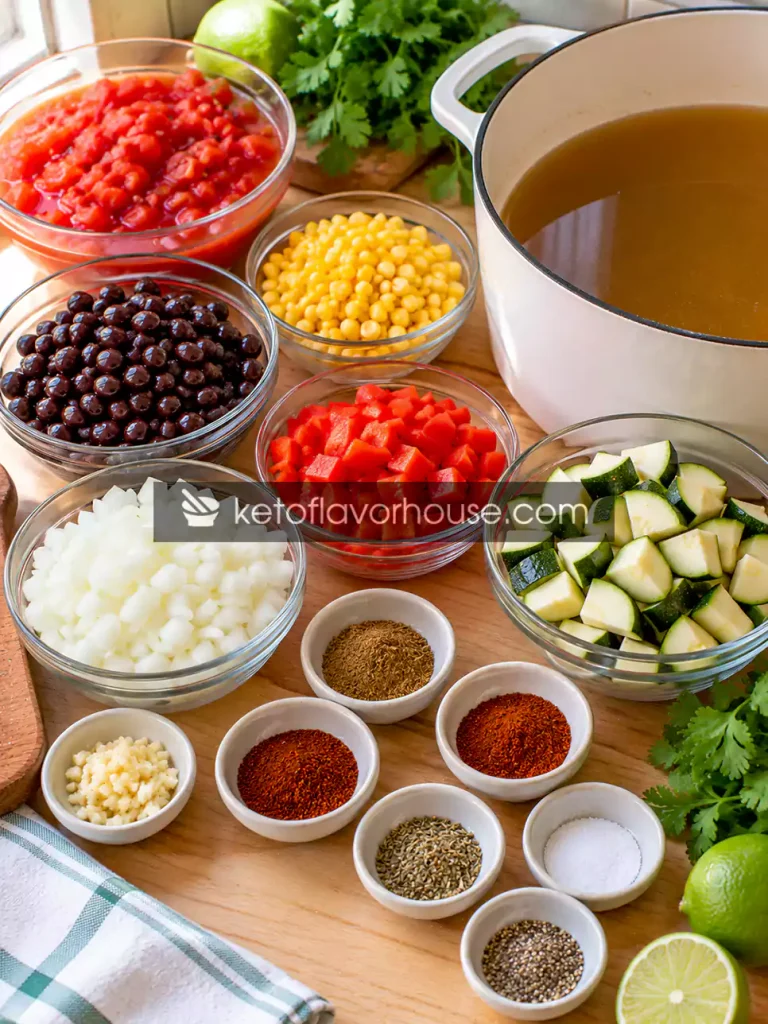
Dice the onion and bell pepper into small pieces, cut the zucchini into roughly ½-inch cubes, and mince the garlic. Drain and rinse the black beans, drain the corn if using canned, and open the diced tomatoes.
Preparing everything before you start cooking makes the process easier because the first few ingredients cook quickly. Keep the zucchini separate from the onion and pepper, since it goes into the pot later.
Step 2: Soften the Onion and Bell Pepper
Heat the olive oil in a large soup pot over medium heat. Add the diced onion and bell pepper and cook for about 4–5 minutes, stirring occasionally.
The onion should become translucent around the edges, and the bell pepper should begin to soften without turning mushy. If the vegetables start sticking, reduce the heat slightly and add a tablespoon of broth rather than pouring in extra oil.
Step 3: Add the Garlic and Spices
Stir in the minced garlic, chili powder, cumin, smoked paprika, oregano, and black pepper. Cook for about 30–60 seconds, stirring continuously.
The spices should smell fragrant, and the garlic should be aromatic without becoming brown. If the garlic darkens quickly, the pot is too hot. Add a small splash of broth to stop the spices from scorching.
This short cooking step helps the dried spices release their aroma into the oil and vegetables. It is one of the easiest ways to make a simple vegetable soup taste more developed.
Step 4: Add the Tomatoes and Broth
Pour in the diced tomatoes with their juice and the six cups of vegetable broth. Stir well, scraping the bottom of the pot to release any flavorful bits left from cooking the vegetables and spices.
Increase the heat until the broth begins to simmer. Once it starts bubbling gently, reduce the heat to medium-low. A steady simmer is preferable to a vigorous boil, which can make the vegetables break apart more quickly.
Step 5: Add the Beans and Corn
Stir in the drained black beans and corn. Let the soup simmer for approximately 8–10 minutes so the beans warm through and the corn absorbs some of the broth’s seasoning.
Because these ingredients are already cooked, they do not need a long cooking time. Taste a spoonful of broth and check whether the chili powder, cumin, and tomato flavors are balanced.
Step 6: Add the Zucchini
Add the diced zucchini and continue simmering for another 5–7 minutes, or until the pieces are tender but still hold their shape.
The zucchini should be easy to pierce with a fork without becoming soft enough to collapse. If you prefer firmer vegetables, check them after four minutes. If the pieces are larger than ½ inch, they may need a little longer.
Step 7: Adjust the Seasoning
Turn the heat to low and stir in one tablespoon of lime juice. Taste the broth before adding the optional salt.
If the soup tastes flat, a little more lime juice may help more than extra salt. If you prefer a warmer flavor, add a small pinch of chili powder. For extra heat, use a pinch of cayenne, adding it gradually.
Let the soup rest off the heat for a couple of minutes before serving. The broth should taste savory and lightly smoky, with a fresh citrus note rather than a strong sour flavor.
Step 8: Portion and Serve
Ladle the soup into six reasonably equal servings. Make sure each bowl receives a fair share of beans, corn, and vegetables rather than mostly broth.
Finish with chopped cilantro if desired. You can also offer lime wedges at the table so everyone can adjust the citrus flavor to taste. If you add cheese, avocado, tortilla strips, or sour cream, measure those toppings separately for WW tracking.
Step-by-Step Visual Guide
Follow the soup from pot to bowl
Cook onion and bell pepper in measured oil for 4–5 minutes. Look for: softened vegetables, translucent onion, and no dark or burnt edges.
Stir in garlic and dry seasonings for 30–60 seconds. Look for: a fragrant aroma without browning the garlic.
Add tomatoes, broth, beans, and corn. Simmer gently for 8–10 minutes. Look for: a red, fragrant broth with evenly distributed ingredients.
Add zucchini, cook until tender, then finish with lime juice. Look for: intact vegetable pieces and a broth that tastes savory, bright, and balanced.
Common Mistakes to Avoid
Cooking the Zucchini Too Long
Zucchini cooks much faster than onion and bell pepper. If it goes into the pot at the beginning, it may become very soft by the time the broth is ready.
The fix: Add it near the end and begin checking after four or five minutes. The pieces should be tender but still recognizable.
Burning the Garlic and Spices
Garlic and ground spices can burn quickly in a hot pot, creating a bitter flavor that carries throughout the soup.
The fix: Keep the heat at medium and stir constantly during the brief seasoning step. Add the tomatoes and broth promptly after the spices become fragrant.
Making the Soup Too Salty
Broth, canned tomatoes, and canned beans can all contain sodium. Adding salt before the soup has simmered can make it difficult to correct later.
The fix: Start with a modest amount of salt or omit it initially. Taste the finished broth and adjust only if needed.
Adding Too Much Chili Powder
Chili powder blends differ considerably in heat and flavor. A large amount can overwhelm the vegetables and make the soup taste harsh.
The fix: Start with the listed two teaspoons. Add extra gradually after the soup simmers, tasting between additions.
Serving Mostly Broth
A bowl that contains lots of liquid but very few beans or vegetables may feel less satisfying than intended.
The fix: Stir the pot before ladling and divide the solid ingredients as evenly as possible. For more consistent servings, use the same ladle and check that each bowl contains a similar mix.
Guessing the Points Value
Changing the broth, oil, beans, corn, or toppings can change the recipe’s nutrition and WW calculation.
The fix: Enter the complete ingredient list into your current WW app and divide the recipe into six servings. Calculate toppings separately if you add them at the table.
Troubleshooting Guide
What went wrong—and how to fix it
WW-Specific Nutrition and Strategy
This soup can be a useful option for someone following Weight Watchers because much of its volume comes from vegetables, tomatoes, broth, beans, and corn. It does not rely on cream, butter, or a large amount of oil to create flavor. However, a lower-Points meal is not automatically more satisfying for every person, and individual Points budgets differ.
Vegetables, Fiber, and Satiety
Black beans contribute fiber and plant-based protein, while zucchini, bell pepper, onion, and tomatoes add volume and a range of textures. Fiber can support normal digestion and may help a meal feel more filling, although individual responses vary.
The soup is not especially high in protein compared with a meal centered on chicken, fish, eggs, or another concentrated protein source. If you want to make it a more substantial main meal, consider adding cooked skinless chicken breast or serving it with a protein-rich side. Include any additions in your nutrition and Points calculations.
Portion Awareness
The recipe makes six servings, but bowl sizes vary. For consistent tracking, divide the finished soup into six equal portions after cooking. If the soup reduces significantly during simmering, the volume per serving may be smaller, but the total ingredients remain the same unless you add or remove food.
Practical Pairings for a Balanced Meal
- Serve a bowl with grilled chicken breast for additional protein.
- Add a side salad with a measured dressing for freshness and crunch.
- Pair it with a small whole-grain roll if bread fits your personal budget.
- Add a spoonful of plain Greek yogurt for a creamy contrast, checking the product and amount in your WW app.
- Use lime juice, cilantro, and measured spices to add flavor without relying on a heavy topping.
Lower-Points Flavor Strategy
The most effective starting point is to keep the oil measured and build flavor through aromatics, spices, tomatoes, and lime. You do not need to eliminate beans or corn to make a useful soup; they contribute texture and substance. Instead, make deliberate choices about the whole recipe and calculate the result with your own plan.
Variations You Can Try
Chicken Southwest Vegetable Soup
Add 2 cups cooked, shredded skinless chicken breast near the end of cooking and simmer until thoroughly heated. Chicken makes the soup more protein-rich and gives it a heartier texture. It will increase the recipe’s total nutrition and may change its Points value, so include the exact cooked chicken amount in your calculation.
Spicy Southwest Soup
Add a finely chopped jalapeño with the onion and bell pepper, or add a pinch of cayenne with the other spices. Jalapeño contributes a fresh, sharp heat, while cayenne increases heat more directly. Start small, because spice intensity varies, and add more only after tasting the simmered soup.
Extra-Vegetable Version
Add diced carrots, celery, or extra bell pepper. Carrots contribute sweetness, celery adds a savory note, and extra peppers make the broth more colorful. Firmer vegetables such as carrots should go in earlier than zucchini so they have time to soften. Recalculate if the total ingredient quantities or serving count changes.
Creamy Southwest Vegetable Soup
For a creamier texture without adding heavy cream, mash a small portion of the cooked beans against the side of the pot and stir them into the broth. This creates a thicker consistency while keeping the original ingredients. You can also stir in a measured spoonful of plain Greek yogurt after taking the soup off the heat, but the yogurt’s nutrition and Points depend on the product and amount used.
Vegetarian Protein Boost
Add extra black beans or another drained bean variety. This makes the soup more substantial and changes its texture, with more soft bean pieces throughout the broth. Beans provide protein and fiber, but the nutrition and WW treatment depend on the quantity, product, and applicable plan.
Fire-Roasted Tomato Soup
Replace the regular diced tomatoes with fire-roasted diced tomatoes of the same size. They provide a slightly deeper, roasted flavor that works well with cumin and smoked paprika. Check the label for added salt and season the finished soup only after tasting it.
Slow-Cooker Version
For a slow-cooker adaptation, combine the broth, tomatoes, beans, corn, bell pepper, onion, garlic, and spices in the cooker. For the best flavor, soften the onion and pepper in a pan first if time allows. Cook until the vegetables are tender, then add the zucchini toward the end so it does not become overly soft. Cooking times vary by appliance, so follow its guidance and verify that the soup is thoroughly heated. The same ingredient amounts generally produce a similar total nutrition profile, but calculate any changes and the final serving count.
Tips for This Recipe
Make the Flavor More Developed
Give the onion and bell pepper enough time to soften before adding the spices. That first stage helps the vegetables become sweeter and creates a better base for the broth. Blooming the spices briefly in the pot adds aroma, but do not let the garlic brown.
Balance the Acidity
Tomatoes and lime both bring acidity. If the soup tastes sharp, let it simmer a little longer and taste again before adding more lime. If it tastes flat, a small squeeze of lime may help more than extra salt.
Keep the Vegetables Recognizable
Cut the zucchini into similar-sized pieces and add it late. This keeps the texture varied rather than turning the entire soup into a soft mixture. If you prefer a thicker soup, mash a few beans rather than overcooking all the vegetables.
Make the Portions Consistent
Stir the soup before ladling so the beans and vegetables do not settle at the bottom. Divide the pot into six equal servings, especially if you are entering the recipe into your WW app.
Adjust Heat Gradually
Chili powder blends differ by brand. Start with the listed amount and taste after simmering. A small amount of cayenne or jalapeño can increase the heat, but it is easier to add spice than to correct a pot that has become too hot.
Optional Additions and Their Trade-Offs
- Cooked chicken breast: Adds protein and makes the soup more substantial. It increases the total calories and may affect Points.
- Reduced-fat shredded cheese: Adds a creamy, savory topping. The nutrition and Points depend on the brand and measured quantity.
- Avocado: Adds creaminess and unsaturated fat, but also increases calories and may contribute Points.
- Tortilla strips: Provide crunch and a familiar Southwest-style finish. They add carbohydrates, fat, and potentially sodium.
- Plain Greek yogurt: Adds a cool, creamy contrast and some protein. Check the product label and your plan’s treatment.
- Fresh cilantro and lime: Add freshness and brightness with relatively little added energy when used in modest amounts. Still include any substantial additions in the recipe calculation.
- Extra jalapeño: Increases heat without needing a creamy sauce. Adjust gradually to avoid overpowering the broth.
The base soup is flavorful without toppings, so treat these additions as optional rather than essential. If you are tracking closely, measure them and record the amount you actually eat.
Serving Ideas
Six ways to serve Southwest vegetable soup
Light lunch
Serve with a crisp green salad for a fresh contrast to the warm, spiced broth.
Protein-rich meal
Add cooked chicken breast to increase protein and make the soup more substantial.
Soup and bread
Pair with a small whole-grain roll if it fits your personal Points budget.
Fresh topping bowl
Offer lime, cilantro, and a measured portion of avocado for customizable flavor.
Meal prep
Portion into individual containers for convenient lunches during the week.
Spicy dinner
Set out jalapeño, hot sauce, and lime so each person can adjust the heat.
This soup works well as a light lunch, but it can also be part of a more substantial dinner. If you are serving a family, put the optional toppings in small bowls and let everyone customize their own portion. This approach keeps the base recipe simple and makes it easier to track any extras separately.
For meal prep, portion the soup before refrigerating it. That saves time later and makes the amount in each container more consistent. If you plan to freeze some portions, leave a little space at the top of each container for expansion.
Storage Recommendations
Refrigerating Leftovers
Allow the soup to cool briefly, then transfer it to shallow, airtight containers and refrigerate within two hours of cooking. Keep the refrigerator at 40°F (4°C) or below and use the leftovers within 3–4 days.
Shallow containers help the soup cool more quickly than leaving the entire pot on the counter. Avoid putting a large, steaming stockpot directly into an already crowded refrigerator if it will take a long time to cool. Dividing the soup into individual containers is more practical for both safe storage and meal planning.
The zucchini may soften slightly as the soup sits, and the beans may absorb some broth. This is normal. Stir the soup before reheating and add a splash of water or broth if it has thickened more than you prefer.
Freezing
This recipe freezes well because its broth, beans, tomatoes, corn, and seasonings generally tolerate freezing. The zucchini may become softer after thawing, but the soup should still be enjoyable.
Cool the soup promptly, divide it into freezer-safe containers, and leave a little space at the top for expansion. Label each container with the date and freeze. For best quality, use within approximately 2–3 months.
Thaw frozen portions in the refrigerator overnight when possible. You can also reheat a frozen portion directly in a saucepan over low to medium heat, stirring frequently and adding a little water or broth as needed.
Reheating
Reheat only the portion you plan to eat. Warm it in a saucepan over medium heat, stirring occasionally, until it reaches 165°F (74°C). If using a microwave, cover the bowl loosely, stir partway through, and make sure the soup is heated evenly.
Reheating the same ingredients does not materially change the original recipe’s Points calculation. However, adding cheese, avocado, oil, or other toppings changes what you consume and should be tracked separately.
Batch Preparation
If you plan to make this soup regularly, chop the onion and bell pepper ahead of time and store them covered in the refrigerator. You can also measure the dry spices into a small container. For the freshest texture, cut the zucchini shortly before cooking.
Another option is to prepare the full soup on the weekend and divide it into six portions. Keep the portions you will eat over the next few days refrigerated and freeze the rest. This gives you ready-to-heat meals without needing to cook a new pot every day.
Storage Timeline
Store it safely and keep the texture
Cool and portion
Divide into shallow containers and refrigerate within two hours. Avoid leaving the full pot at room temperature for an extended period.
Refrigerate
Keep covered at 40°F (4°C) or below. Stir before reheating and add broth if needed.
Freeze for quality
Use freezer-safe containers, leave expansion space, and label the date. Zucchini may soften after thawing.
Reheat thoroughly
Heat leftovers to 165°F (74°C), stirring for even heating. Add fresh lime or cilantro after warming.
Frequently Asked Questions
1. Can I make Weight Watchers Southwest Vegetable Soup ahead of time?
Yes. The soup can be prepared in advance and refrigerated in individual portions. The flavors often taste well blended after resting overnight, although the zucchini may soften further. Reheat each serving thoroughly and add fresh lime juice or cilantro at the end if you want to refresh the flavor.
2. Can I use fresh tomatoes instead of canned tomatoes?
Yes. Use roughly the same volume of chopped ripe tomatoes, allowing for differences in moisture and flavor. Fresh tomatoes may produce a lighter broth than canned tomatoes, especially if they are not fully ripe. Simmer until the tomatoes soften and release their juices, then taste and adjust the seasoning.
3. How can I make the soup spicier?
Add a finely chopped jalapeño with the onion and bell pepper, or add a small pinch of cayenne with the other spices. Taste after simmering before adding more. If you make the soup too spicy, a little extra broth and additional vegetables can help dilute the heat, but the revised recipe should be recalculated for nutrition and Points.
4. Can I add chicken to increase the protein?
Absolutely. Stir in cooked, shredded skinless chicken breast near the end of cooking and simmer until it is thoroughly heated. This creates a heartier soup with more protein. Add the exact amount of cooked chicken to your ingredient list and recalculate the nutrition and Points for the full recipe.
5. Is this soup suitable for freezing?
Yes. The broth, beans, corn, and tomatoes freeze well. The zucchini can become softer after thawing, but it will still work in the soup. Freeze cooled portions in suitable containers, thaw in the refrigerator when possible, and reheat thoroughly. For best quality, use frozen portions within approximately 2–3 months.
6. How can I lower the Points value?
Start by measuring the olive oil and checking the nutrition labels on the broth and canned ingredients. You can use a suitable cooking spray instead of oil, but the flavor and browning may change. Be careful not to assume that beans or corn are automatically zero Points for every WW member; calculate the exact recipe in your current app.
7. Will my WW app show the same Points value as this article?
Not necessarily. The 1–3 SmartPoints estimate is an independent planning estimate rather than an official WW result. Your current plan, product details, and personal settings may produce a different value. Enter the exact ingredients and six-serving yield into your app to obtain the most relevant calculation for you.
Nutritional Breakdown Per Serving
The following figures are preliminary estimates for one-sixth of the recipe. Actual values depend on the broth, canned products, vegetable sizes, and the amount of oil used. They should be recalculated using the exact ingredients before publication as a verified nutrition label.
| Nutrient | Estimated amount per serving |
|---|---|
| Calories | 150–190 kcal |
| Protein | 6–8 g |
| Total fat | 3–5 g |
| Total carbohydrates | 25–32 g |
| Fiber | 6–9 g |
| Net carbohydrates | 18–25 g |
| Sugar | 6–9 g |
| Sodium | 350–650 mg |
| Estimated SmartPoints | Approximately 1–3, unverified |
Net carbohydrates are calculated as total carbohydrates minus fiber. This is a nutritional calculation, not a substitute for WW Points. Sodium can vary significantly with the broth and canned ingredients, so choose low-sodium products and adjust salt after tasting if you want more control.
Nutrition Dashboard
Recipe Snapshot
- Prep Time: 15 minutes
- Cook Time: 25 minutes
- Total Time: 40 minutes
- Course: Soup, lunch, or dinner
- Cuisine: Southwest-inspired American
- Servings: 6
- Calories per Serving: Approximately 150–190 kcal
- Estimated SmartPoints per Serving: Approximately 1–3, not officially verified
Closing note: The best part of this soup is how much flavor you can build from everyday vegetables, beans, tomatoes, and a thoughtful combination of spices. Keep the oil measured, add the zucchini near the end, and finish with fresh lime juice for a brighter broth. For WW tracking, verify the complete recipe in your current app rather than relying on an unverified Points estimate.
Weight Watchers Southwest Vegetable Soup Recipe

Ingredients
- 1 tablespoon olive oil
- 1 medium yellow onion diced
- 1 medium red bell pepper diced
- 3 garlic cloves minced
- 2 teaspoons chili powder
- 1 teaspoon ground cumin
- 1 teaspoon smoked paprika
- 1 teaspoon dried oregano
- ½ teaspoon ground black pepper
- 6 cups low-sodium vegetable broth
- 1 can 14.5 ounces diced tomatoes, with juice
- 1 can 15 ounces black beans, drained and rinsed
- 1 cup corn kernels frozen or drained canned
- 1 medium zucchini diced
- ½ teaspoon salt or to taste
- 1 –2 tablespoons fresh lime juice
- ¼ cup chopped fresh cilantro optional
Instructions
- Heat the olive oil in a large soup pot over medium heat.
- Add the diced onion and bell pepper. Cook for 4–5 minutes, stirring occasionally, until softened.
- Add the garlic, chili powder, cumin, smoked paprika, oregano, and black pepper. Stir continuously for 30–60 seconds until fragrant.
- Add the vegetable broth and diced tomatoes with their juice. Stir, bring to a gentle simmer, and reduce the heat to medium-low.
- Stir in the drained black beans and corn. Simmer for 8–10 minutes.
- Add the diced zucchini and simmer for another 5–7 minutes, until tender but not mushy.
- Taste the broth and add salt if needed. Stir in one tablespoon of lime juice, adding the second tablespoon if desired.
- Remove from the heat and stir in the optional cilantro. Divide into six equal portions and serve warm.