This post may contains Amazon affiliate and other affiliate links. If you make a purchase through these links, I may earn a small commission at no extra cost to you. Your support helps me continue to provide quality content. I only recommend products I personally trust and believe will add value to your experience. For more details, please visit my Privacy Policy.
When you’re craving something sweet but want to make choices that leave you feeling good, a homemade pumpkin treat can be a lovely place to start. These Healthy Anti-Inflammatory Pumpkin Bars bring together the comforting flavor of pumpkin, warming cinnamon, fragrant ginger, and nourishing ingredients for a soft, tender dessert that feels right at home with a cup of tea or coffee.
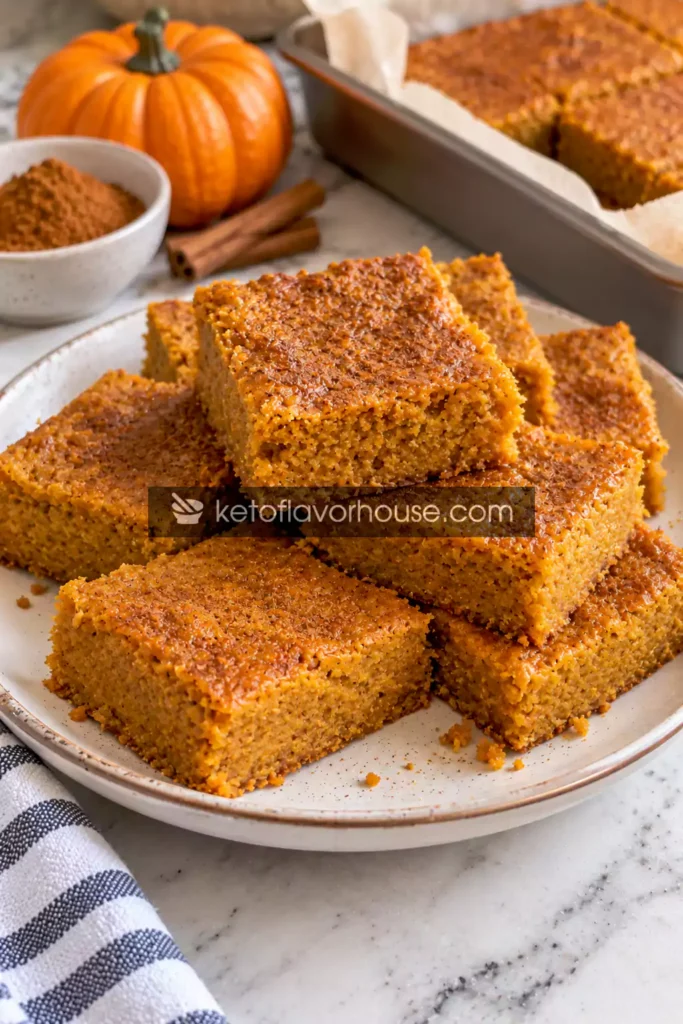
Pumpkin bars are usually associated with sugary frosting, refined flour, and rich desserts. This version takes a more balanced approach, using pumpkin purée, almond flour, eggs, extra-virgin olive oil, and a modest amount of maple syrup. The result is a moist, gently sweet pumpkin bar with a delicate crumb and a warm spice flavor that doesn’t need a thick layer of frosting to feel satisfying.
What makes this recipe especially appealing is how naturally it fits into an anti-inflammatory eating pattern. Pumpkin provides beta-carotene, almonds contribute vitamin E and unsaturated fats, and spices such as cinnamon and ginger add flavor along with beneficial plant compounds. No single dessert can prevent or treat inflammation, but choosing minimally processed ingredients and enjoying a variety of nutrient-rich foods can be part of a balanced approach to eating.
These bars are also practical. You can mix the batter in one bowl, bake it in a square pan, and portion it into individual servings for the week. They work as an afternoon snack, a simple breakfast alongside yogurt, or a cozy dessert after dinner. If you enjoy pumpkin recipes but don’t want something overly sweet or heavy, these healthy pumpkin bars are worth adding to your baking rotation.
One note before you begin: this is a healthy, anti-inflammatory-inspired recipe, not a strict keto recipe. It contains maple syrup and pumpkin, both of which contribute carbohydrates. If you’re following a ketogenic diet, see the lower-carb variation later in the article.
Healthy Anti-Inflammatory Pumpkin Bars
Soft pumpkin bars with almond flour, warming spices, and a lightly sweetened, tender crumb.
Why You’ll Love These Healthy Anti-Inflammatory Pumpkin Bars
There is something comforting about the combination of pumpkin and warming spices. The aroma that develops in the oven makes an ordinary kitchen feel a little cozier, and the finished bars are tender enough to enjoy without complicated toppings or decorations.
Here are a few reasons to make them:
- 🎃 Pumpkin-rich flavor: Plain pumpkin purée provides natural color, moisture, and a gentle earthy sweetness.
- 🌿 Plant-forward ingredients: Almond flour, pumpkin, olive oil, and spices contribute a range of nutrients and plant compounds.
- 🥜 Naturally gluten-free ingredients: Almond flour replaces wheat flour, making the base suitable for a gluten-free diet when all other ingredients are certified or verified gluten-free.
- 🍂 Warm, comforting spices: Cinnamon and ginger add depth without requiring extra sugar.
- 🍯 Moderately sweet: A measured amount of maple syrup gives the bars sweetness without making them taste like frosting-heavy cake.
- 👩🍳 Beginner-friendly preparation: The batter comes together in one bowl, and the oven does most of the work.
- 🥣 Meal-prep friendly: Cut the cooled batch into portions and refrigerate them for easy snacks throughout the week.
- 🧡 Flexible serving options: Enjoy a bar on its own, with plain Greek yogurt, or alongside your favorite warm drink.
- 🌰 A satisfying texture: Almond flour and eggs create a tender crumb, while pumpkin helps keep the bars moist.
- ✨ Easy to customize: You can add nuts, seeds, or extra spices if you don’t mind changing the basic ingredient list.
A more balanced approach to a sweet craving
A healthy dessert doesn’t have to taste like a compromise. The key is to build flavor from several ingredients instead of relying on sugar alone. Pumpkin brings its own subtle sweetness, cinnamon contributes warmth, and ginger adds a gentle, peppery note. Almond flour gives the bars a rich, nutty background that works particularly well with the spices.
These bars are still a dessert, and that is perfectly fine. A balanced eating pattern can include enjoyable foods as well as meals built around vegetables, fruit, protein sources, whole grains, and healthy fats. The goal isn’t to make every snack perform a health function; it’s to choose ingredients thoughtfully and enjoy the result.
Convenient for busy weeks
Once baked and cooled, the bars are easy to portion. You don’t need to assemble individual desserts every day, and you can serve them straight from the refrigerator or let a portion come closer to room temperature before eating.
That convenience makes them useful for people who like to plan snacks ahead. Pair a bar with plain Greek yogurt for a more protein-rich snack, or serve it after a meal when you want a small sweet finish. If you need a strict low-carb option, use the alternative sweetener and ingredient adjustments discussed later rather than assuming the original recipe is keto.
What Makes These Pumpkin Bars Anti-Inflammatory-Inspired?
The phrase anti-inflammatory eating generally refers to an overall dietary pattern that emphasizes a variety of vegetables, fruits, nuts, seeds, legumes, whole grains when appropriate, and unsaturated fats. It is not a special diet that depends on one ingredient, and it does not mean a particular food can treat a medical condition.
This recipe draws on several ingredients commonly included in that style of eating.
Pumpkin purée supplies beta-carotene, which the body can convert into vitamin A. Vitamin A is important for normal vision, immune function, and the maintenance of healthy tissues. Pumpkin also contributes fiber and gives the bars their characteristic color.
Almond flour provides vitamin E, magnesium, some protein, and unsaturated fats. Vitamin E acts as an antioxidant in the body, helping protect cells from oxidative damage. Almond flour also creates a tender texture without wheat flour.
Extra-virgin olive oil supplies predominantly monounsaturated fat and contains phenolic compounds. It is a useful alternative to some saturated-fat-rich baking ingredients, although the nutritional effect depends on the complete recipe and what the rest of your diet looks like.
Cinnamon and ginger provide concentrated flavor along with naturally occurring plant compounds. They allow you to make a dessert that tastes aromatic and satisfying without adding large amounts of sweetener.
The important distinction is that these ingredients contribute nutrients to a broader eating pattern; the bars themselves are not a treatment for inflammation, bloating, fatigue, or any other symptom. If those symptoms persist, dietary changes should not replace appropriate medical advice.
A colorful mix of everyday ingredients
Pumpkin
Provides beta-carotene, fiber, moisture, and natural orange color.
Almond flour
Contributes vitamin E, magnesium, unsaturated fats, and a tender crumb.
Olive oil
Adds moisture and predominantly monounsaturated fat.
Cinnamon & ginger
Bring aromatic plant compounds and layered flavor without relying on extra sugar.
These ingredients can contribute to a varied, nutrient-rich diet. The recipe is not intended to diagnose, prevent, or treat inflammation or disease.
My Personal Kitchen Notes
For this recipe, the most useful thing to remember is that pumpkin bars made with almond flour have a different texture from bars made with wheat flour. Almond flour doesn’t form the same gluten network, so the batter is softer and the finished bars can be more delicate when hot.
That is why I recommend waiting before slicing. When the pan first comes out of the oven, the center may look soft even when the bars are nearly done. A toothpick inserted in the middle should come out without wet batter, although a few moist crumbs are fine. After cooling, the crumb becomes easier to cut cleanly.
Another detail worth watching is the pumpkin purée. It should be plain, not pumpkin pie filling. Pie filling may contain added sugar and spices, which would change both the flavor balance and the nutrition estimate. If you’re using homemade pumpkin purée, make sure it isn’t unusually watery.
The spices also deserve a little attention. Cinnamon gives the bars a familiar warmth, while ginger brings a subtle brightness. Too much ginger can make the flavor sharp, so measure it rather than pouring it directly from the jar.
These are practical recipe-development observations rather than a claim of personal testing. For your own kitchen, use the visual cues in the method and make small adjustments only after you’ve seen how your oven and ingredients behave.
Required Equipment
8-Inch Square Baking Pan
An 8-inch square pan creates bars with a useful thickness. A larger pan will make the batter shallower and may shorten the baking time; a smaller pan will create thicker bars that need longer in the oven.
Line the pan with parchment paper, leaving a little overhang on two sides. Once the bars have cooled, you can lift the entire slab out before slicing. This makes it easier to create neat portions without scraping the bottom of the pan.
Large Mixing Bowl
A large bowl gives you enough room to combine the wet ingredients before adding the almond flour. You don’t need an electric mixer for this recipe. A sturdy whisk and spatula are sufficient, and mixing by hand makes it easier to stop as soon as the batter is uniform.
Whisk
A whisk helps combine the eggs, pumpkin purée, olive oil, maple syrup, and vanilla. Breaking up the eggs before adding the dry ingredients promotes an even crumb and reduces the chance of streaks in the finished bars.
Flexible Silicone Spatula
Use a spatula to fold the almond flour and spices into the wet ingredients. It also helps scrape the bowl so you don’t leave a thick layer of batter behind. Avoid vigorous mixing once the dry ingredients are incorporated; just combine until no dry pockets remain.
Measuring Cups and Kitchen Scale
Almond flour is particularly easy to overmeasure when packed into a measuring cup. For the most repeatable result, use the weight listed in the ingredient section. If you measure by volume, spoon the flour into the cup and level it rather than pressing it down.
Toothpick or Thin Cake Tester
A toothpick helps you check whether the center has finished baking. Insert it into the middle of the pan, not near an edge that may cook faster. It should come out without wet batter. A few moist crumbs are acceptable for a tender pumpkin bar.
Sharp Knife and Cooling Rack
Allow the slab to cool before lifting it out and cutting it. A sharp knife creates cleaner edges, while a cooling rack helps heat escape from the pan. Wipe the knife between cuts if you want tidy, bakery-style squares.
Ingredients & Substitutions
This version makes nine pumpkin bars. The ingredient quantities are designed for an 8-inch square pan, producing bars that are soft and moist rather than thin and crisp.
Ingredients
- 1 cup (about 112 g) superfine blanched almond flour
- 1 cup (245 g) plain pumpkin purée
- 2 large eggs
- 3 tablespoons (45 ml) extra-virgin olive oil
- 3 tablespoons (45 ml) pure maple syrup
- 1 teaspoon ground cinnamon
- ½ teaspoon ground ginger
- 1 teaspoon vanilla extract
- 1 teaspoon baking powder
- ¼ teaspoon fine salt
Almond Flour
Almond flour gives the bars a tender, moist crumb and a subtle nutty flavor. It is naturally gluten-free and contributes vitamin E, magnesium, protein, fiber, and unsaturated fats. Superfine blanched almond flour generally produces a smoother texture than coarse almond meal.
You can substitute almond meal, but the bars may have a more noticeable grainy texture and slightly darker appearance. Coconut flour is not a direct substitute because it absorbs much more liquid. Using it would require a different formula and likely additional eggs or liquid.
Pumpkin Purée
Plain pumpkin purée supplies moisture, color, and the main flavor. It also contributes beta-carotene and fiber. Use canned 100% pumpkin or smooth homemade purée with a similar consistency.
If your homemade purée is watery, drain excess liquid before measuring. Replacing pumpkin with mashed sweet potato will create a sweeter, denser bar with a different carbohydrate profile. Butternut squash purée may work similarly, though the flavor and moisture can differ.
Eggs
Eggs help bind the batter and provide structure as the bars bake. They also contribute protein, choline, and other nutrients. Use large eggs at room temperature if convenient, as they combine more easily with the other ingredients.
For an egg-free version, a flaxseed mixture may help bind the batter, but the bars will likely be denser and more fragile. Because almond flour and pumpkin already create a moist mixture, replacing eggs requires testing rather than assuming a simple one-for-one swap will work.
Extra-Virgin Olive Oil
Olive oil keeps the bars moist and contributes predominantly monounsaturated fat. Its mild fruitiness can complement pumpkin and warm spices. Use a fresh oil with a flavor you enjoy.
Avocado oil is a suitable alternative with a more neutral flavor. Melted coconut oil can also work, although it may firm up more noticeably when the bars are chilled and can contribute a mild coconut note. Substituting butter changes the saturated-fat profile and makes the recipe no longer dairy-free if that matters to you.
Pure Maple Syrup
Maple syrup supplies sweetness and helps balance the earthy flavor of pumpkin. It is still an added sugar, even though it is a natural sweetener, and contributes carbohydrates to the recipe.
For a lower-sugar variation, you can use a suitable granulated or liquid alternative sweetener according to its conversion instructions. Allulose may work, but the sweetness, browning, and moisture can differ. If you’re following keto, calculate the nutrition using the exact replacement rather than assuming the original macros still apply.
Cinnamon
Cinnamon adds warmth and makes the pumpkin flavor feel fuller. It contains naturally occurring plant compounds and provides flavor without needing additional sweetener.
You can use a pumpkin pie spice blend instead, but check whether it contains added sugar. If you substitute a blend, begin with about 1½ teaspoons and adjust to taste in a future batch.
Ground Ginger
Ginger adds a slightly peppery, bright flavor that balances the sweetness. It is also a source of naturally occurring plant compounds, but the small amount used here should be understood primarily as a seasoning.
You can omit it if you prefer a milder flavor or replace it with a smaller amount of nutmeg. Fresh ginger is more pungent and adds moisture, so it is not a direct equivalent by volume.
Vanilla Extract
Vanilla rounds out the pumpkin and spices with a familiar dessert aroma. Pure vanilla extract is ideal, but a suitable vanilla flavoring can work. The flavor may vary by product, and some preparations contain added sugar.
Baking Powder
Baking powder provides lift and helps keep the bars from becoming too dense. Check the label if you need a gluten-free product, since formulations can vary. Baking soda is not a direct one-for-one substitute because it needs sufficient acidity to react appropriately.
Fine Salt
A small amount of salt balances the sweetness and brings out the pumpkin and spice flavors. If your baking powder or other ingredients contain significant sodium, you can adjust the salt slightly. Omitting it entirely may leave the flavor flatter.
How to Make Healthy Anti-Inflammatory Pumpkin Bars
The method is straightforward: prepare the pan, combine the wet ingredients, add the dry ingredients, and bake until the center is set. The key to a good result is controlling moisture and allowing the bars to cool before slicing.
Step 1: Preheat the Oven and Prepare the Pan
Preheat your oven to 350°F (177°C). Line an 8-inch square baking pan with parchment paper, leaving enough overhang to lift the finished bars out later.
Make sure the oven has reached temperature before the pan goes in. If the oven is still warming, the bars may bake unevenly. A light-colored metal pan is a useful choice because it generally heats more predictably than a very dark pan, which can brown the edges faster.
Step 2: Combine the Wet Ingredients
In a large mixing bowl, whisk together the pumpkin purée, eggs, olive oil, maple syrup, and vanilla extract.
Whisk until the mixture looks smooth and evenly colored. You shouldn’t see streaks of egg white or pools of oil. The mixture will be orange and relatively loose at this stage, which is normal.
If the olive oil has a strong peppery flavor, it may be noticeable in the finished bars. A mild extra-virgin olive oil is a good choice when you want the pumpkin and cinnamon to remain the dominant flavors.
Step 3: Mix the Dry Ingredients Separately
In a second bowl, combine the almond flour, cinnamon, ginger, baking powder, and salt. Stir thoroughly so the baking powder and spices are distributed throughout the flour.
This small extra step helps prevent concentrated pockets of spice or baking powder. It also makes it easier to incorporate the dry ingredients without overmixing the batter.
If your almond flour contains large clumps, break them up with a fork or whisk. There is no need to sift it unless it is particularly coarse or lumpy.
Step 4: Combine the Wet and Dry Mixtures
Add the dry ingredients to the pumpkin mixture. Use a silicone spatula to fold everything together until no dry flour remains.
The batter should be thick but spreadable. It won’t look like wheat-flour cake batter, and it may feel slightly heavier because almond flour behaves differently from conventional flour. Avoid adding extra almond flour simply because the batter looks moist; pumpkin is meant to provide tenderness.
Scrape the bottom and sides of the bowl to catch any flour that hasn’t been incorporated. Stop mixing once the batter is uniform. Excessive stirring is unnecessary and can make the process harder without improving the result.
Step 5: Spread the Batter Evenly
Transfer the batter to the prepared pan. Use the spatula to spread it into the corners and smooth the top.
Try to keep the thickness consistent across the pan. If one side is much thicker, it may need more time to cook while the thinner side becomes dry. Tap the pan gently against the counter once or twice to settle large air pockets.
The surface doesn’t need to be perfectly smooth. A few natural spatula marks are fine and will disappear somewhat during baking.
Step 6: Bake Until the Center Is Set
Bake for 25–30 minutes, checking near the end of the range. The edges should look set, the center should no longer appear wet, and a toothpick inserted into the middle should come out without wet batter.
If the toothpick has a few moist crumbs, the bars may be ready. If it comes out coated in liquid batter, give them another 3–5 minutes and check again.
Avoid leaving them in the oven until the edges are very dark. Almond flour can brown differently from wheat flour, and pumpkin bars are supposed to remain moist. Your oven, pan material, and exact ingredient moisture can all affect the final baking time.
Step 7: Cool Completely Before Slicing
Remove the pan from the oven and place it on a heat-safe surface. Let the bars cool in the pan for at least 30 minutes, then use the parchment overhang to lift the slab onto a cooling rack if it is firm enough.
For the cleanest cuts, wait until the bars are completely cool. If you slice while they’re warm, the center may compress and stick to the knife. A sharp knife wiped clean between cuts will produce more even squares.
Step 8: Portion and Serve
Cut the cooled slab into nine equal bars. Serve them plain or pair them with a spoonful of plain Greek yogurt, a few chopped walnuts, or a light dusting of cinnamon.
The bars are meant to be softly textured and gently sweet. They do not need frosting to taste complete. If you prefer a sweeter dessert, add a small topping when serving rather than changing the whole batch immediately.
From pumpkin batter to tender bars
Prepare
Heat the oven to 350°F and line an 8-inch square pan.
Whisk wet
Combine pumpkin, eggs, olive oil, maple syrup, and vanilla.
Mix dry
Combine almond flour, spices, baking powder, and salt.
Fold
Mix wet and dry ingredients until no dry flour remains.
Bake
Bake 25–30 minutes, checking that the center is set.
Cool & cut
Cool fully before lifting from the pan and cutting into nine bars.
Common Mistakes to Avoid
Using pumpkin pie filling
Pumpkin pie filling may contain added sugar, spices, and other ingredients. It can make the bars sweeter and alter their moisture level, which changes the recipe’s intended flavor and nutrition.
Fix: Use plain pumpkin purée and check the label before measuring.
Overmeasuring almond flour
Packing almond flour into a cup can add much more than the recipe needs. That may produce bars that are dry, dense, or crumbly.
Fix: Weigh the flour if possible. Otherwise, spoon it loosely into a measuring cup and level the top.
Overmixing the batter
Once the dry ingredients are incorporated, further vigorous mixing offers little benefit. It can make it harder to judge the batter’s consistency and may introduce excess air.
Fix: Fold until no dry pockets remain, then stop.
Baking for too long
The edges can become dry before the center reaches the right texture. Almond flour also browns differently from wheat flour, so color alone isn’t a reliable indicator of doneness.
Fix: Begin checking at 25 minutes. Look for a set center and a toothpick without wet batter.
Slicing while warm
Warm bars are more fragile and can compress under a knife, leaving messy edges.
Fix: Cool them completely before cutting. If you’re preparing them ahead, chilling the cooled slab briefly can make portioning easier.
Adding too much sweetener
Maple syrup contributes both sweetness and moisture. Increasing it can make the batter looser and increase carbohydrates and calories.
Fix: Follow the stated quantity for the first batch. If you want sweeter bars, try a suitable topping or adjust the sweetener in a later batch.
Assuming the recipe is keto
Almond flour is relatively low in carbohydrates compared with wheat flour, but pumpkin and maple syrup still contribute carbohydrates.
Fix: Calculate the nutrition from your actual ingredients. For a keto adaptation, replace the maple syrup with an appropriate low-carb sweetener and reassess the texture and carbohydrate count.
Pro Tips for the Best Results
- Use room-temperature eggs. They tend to blend more evenly with the pumpkin and oil.
- Choose mild olive oil. A strongly flavored oil can overpower the pumpkin and cinnamon.
- Measure the pumpkin carefully. Extra moisture may change the center’s texture and baking time.
- Mix the spices into the dry ingredients. This distributes their flavor more evenly.
- Line the pan with parchment. The overhang makes it easier to lift the cooled bars without breaking them.
- Check the center, not just the edges. The edges usually set first, so use a toothpick in the middle to judge doneness.
- Cool before portioning. This improves the texture and helps the bars hold together.
- Add toppings at serving time. Yogurt, chopped nuts, or seeds are easier to portion and won’t soften the whole batch during storage.
- Keep your changes small. If you’re adjusting the sweetness or spice level, change one thing at a time so you can identify what affects the result.
Anti-Inflammatory Benefits of Pumpkin
Pumpkin is the main ingredient that gives these bars their color, moisture, and characteristic flavor. It also contributes nutrients that make it a useful addition to a varied eating pattern.
Beta-Carotene and Vitamin A
Pumpkin contains beta-carotene, a plant pigment responsible for its orange color. The body can convert beta-carotene into vitamin A, which supports normal vision, immune function, and the maintenance of healthy skin and other tissues.
The amount of beta-carotene in pumpkin can vary depending on the variety and preparation. Including pumpkin in your diet is one way to enjoy a range of colorful plant foods, rather than relying on a single ingredient for nutritional benefits.
Fiber and Digestive Health
Pumpkin provides dietary fiber, although the amount in each bar depends on the recipe and serving size. Fiber contributes to normal digestive function and can help meals and snacks feel more satisfying.
Almond flour contributes additional fiber. However, individual tolerance varies, and a sudden increase in fiber may cause discomfort for some people. If you are sensitive to certain foods, start with a portion that suits you and pay attention to how you feel.
Plant Compounds and Antioxidants
Pumpkin and almonds contain naturally occurring compounds that contribute to their nutritional value. Almonds provide vitamin E, while pumpkin provides carotenoids. These nutrients are part of the broader dietary pattern associated with eating a variety of minimally processed foods.
Cinnamon and ginger add more plant compounds, although the amounts in a dessert are modest. Their main role in this recipe is to provide flavor without depending on excessive sweetness.
Unsaturated Fats From Almonds and Olive Oil
Almond flour and olive oil contribute unsaturated fats. Replacing some saturated-fat-rich ingredients with unsaturated fat sources can be useful within an overall balanced eating pattern.
That doesn’t make these bars a low-calorie food. Almond flour and oil are energy-dense, so portion size still matters if you’re monitoring energy intake.
A Realistic View of Anti-Inflammatory Eating
No single food, spice, or dessert can guarantee lower inflammation. The more useful approach is to focus on your overall dietary pattern, including a variety of vegetables, fruits, nuts, seeds, appropriate protein sources, and unsaturated fats.
These pumpkin bars can fit into that approach as an enjoyable dessert or snack. They are not a replacement for medical care, and they should not be presented as a remedy for bloating, fatigue, or inflammatory conditions.
Variations You Can Try
The original recipe is gluten-free when prepared with suitable ingredients, but it is not dairy-free by definition if you add dairy toppings. The variations below explain how to adapt the bars while keeping their texture and nutritional differences in mind.
Dairy-Free Pumpkin Bars
The base recipe contains no dairy ingredients, so it is already dairy-free when you use suitable ingredient labels and avoid dairy toppings. If you add yogurt or cream cheese for serving, choose a suitable plant-based alternative if needed.
Plant-based yogurt can vary considerably in protein, fat, and added sugar. Check the label rather than assuming all alternatives provide the same nutritional profile.
Gluten-Free Pumpkin Bars
Almond flour is naturally gluten-free, making it a useful alternative to wheat flour. Verify that your baking powder, vanilla, and any spice blends are suitable if you need to avoid gluten strictly, especially when cross-contact is a concern.
Higher-Protein Pumpkin Bars
Serve a bar with plain Greek yogurt, or add a spoonful of high-protein yogurt as a topping. This is the simplest way to make the snack more protein-rich without changing the baking formula.
You can experiment with adding a small amount of unflavored protein powder, but this changes the recipe and can make the bars drier. Protein powder absorbs moisture differently depending on its formulation, so you may need to adjust the liquid and test a small batch.
Lower-Carb Pumpkin Bars
Replace the maple syrup with a suitable low-carb sweetener, such as allulose, using the product’s sweetness guidance. The bars may brown differently and could have a slightly different moisture level.
Pumpkin still contributes carbohydrates, so the result is not automatically carb-free. Recalculate the nutrition using the precise quantities and labels, especially if you follow a strict ketogenic eating plan.
Extra-Spiced Pumpkin Bars
Increase the cinnamon slightly or add a small amount of nutmeg or pumpkin pie spice. Warm spices can deepen the pumpkin flavor without requiring additional maple syrup. Add spices gradually, since too much ginger or nutmeg can overpower the more delicate flavors.
Pumpkin Bars With Walnuts or Pecans
Fold in a small amount of chopped walnuts or pecans. They add crunch and a richer nutty flavor, along with additional fats, fiber, and calories. Nuts can make the bars slightly more fragile, so chop them finely and avoid adding too much.
Seed-Topped Pumpkin Bars
Sprinkle pumpkin seeds over the batter before baking. They provide a pleasant crunch and contribute minerals, protein, and unsaturated fats. The seeds add texture without requiring a frosting or glaze.
Mini Pumpkin Bites
Divide the batter into a lined mini-muffin pan instead of an 8-inch square pan. The smaller portions will bake more quickly, so begin checking them earlier than the original bars. The exact timing depends on the size of the cavities and the amount of batter in each one.
Pumpkin Breakfast Squares
Serve the bars with plain Greek yogurt, berries, or another protein-rich accompaniment. This creates a more substantial breakfast than eating a bar alone. The original recipe remains a lightly sweetened baked snack, so the accompanying foods determine much of the meal’s protein and overall nutritional balance.
Tips for This Recipe
Preparation is simple, but a few habits can make the finished bars more consistent.
- Check your almond flour before measuring. Fine, fresh almond flour generally produces a more even crumb than coarse meal.
- Use a pan with the correct dimensions. An 8-inch square pan gives the intended thickness. A different pan may change the baking time.
- Spread the batter to the corners. Even thickness helps the bars bake uniformly.
- Don’t chase a dry toothpick. A few moist crumbs are acceptable; wet batter means the center needs more time.
- Let the pan cool before lifting the slab. If the bars feel fragile, leave them in the pan longer.
- Use a sharp knife. Clean the blade between cuts to avoid dragging the soft crumb.
- Portion before storing. Cutting the cooled slab into nine bars makes it easy to grab a serving without repeatedly handling the entire batch.
- Store toppings separately. Yogurt, cream cheese, and fresh fruit can add moisture, so add them shortly before serving.
- Keep the original recipe and keto variation separate. They have different sweeteners and nutritional values, so label them clearly if you make both.
Optional Additions
The following additions can make the bars more interesting, but they will change the original ingredient list and may change the nutritional values.
Chopped walnuts: Add crunch and a slightly earthy flavor. They provide unsaturated fats, some protein, and fiber.
Pumpkin seeds: Sprinkle them on top before baking for a crunchy finish. They add texture and useful nutrients, although the quantity determines their contribution to the overall recipe.
Ground flaxseed: A small amount can add fiber and a mild nutty flavor. It also absorbs moisture, so too much may make the bars denser or drier.
Chia seeds: These add fiber and texture. They absorb liquid, so start with a small amount and avoid changing several ingredients at once.
Fresh ginger: Finely grated ginger provides a brighter, more pungent flavor than ground ginger. It also adds moisture, so use a modest quantity.
Cinnamon and extra vanilla: These are simple ways to deepen the aroma without introducing a heavy topping.
Plain Greek yogurt: A spoonful alongside the bars adds protein and a cool, tangy contrast. Choose an unsweetened version if you’re trying to limit added sugar.
A small drizzle of nut butter: Almond or peanut butter complements pumpkin and adds richness. Measure it because even a small drizzle increases the calories and fat.
Dark chocolate pieces: A few pieces create a more dessert-like variation. Dark chocolate contains cocoa compounds, but it also contributes calories and may contain added sugar. Include it in the nutrition calculation.
Serving Ideas
As an Afternoon Snack
Serve one bar with unsweetened tea or coffee. The cinnamon and ginger provide enough flavor that the bars don’t need a sweet glaze or frosting.
With Greek Yogurt for Breakfast
Pair a bar with plain Greek yogurt and a few berries for a more balanced breakfast. The yogurt adds protein, while the fruit provides additional flavor and nutrients. If you’re tracking carbohydrates, include the fruit and yogurt in the calculation.
As a Simple Dessert
Enjoy a bar after lunch or dinner, either at room temperature or slightly chilled. The soft texture makes it a comfortable alternative to a heavily frosted cake when you want a smaller dessert.
With a Warm Drink
These bars pair naturally with coffee, black tea, or a warm unsweetened milk alternative. Their gently spiced flavor complements a warm drink without requiring additional sweetness.
For Meal Prep
Portion the cooled bars into individual containers so they’re ready to take to work or enjoy at home. Keep toppings separate until serving, especially yogurt or fresh fruit, which can make the bars soggy.
As Part of a Wellness-Focused Menu
Pair the bars with meals built around vegetables, suitable protein sources, legumes or whole grains when appropriate, and unsaturated fats. For more ideas on KetoFlavorHouse, you can link this recipe to related anti-inflammatory meals, healthy dinners, low-carb sides, and high-protein recipes that actually exist on your site.
These bars are a snack or dessert, not a substitute for a balanced meal. The accompanying foods should provide the protein, fiber, and other nutrients you need across the day.
Storage Recommendations
Refrigerator Storage
Allow the bars to cool completely, then place them in an airtight container and refrigerate. For best quality, aim to use them within 4–5 days.
If you stack the bars, separate the layers with parchment paper. This helps prevent sticking and makes it easier to remove one portion at a time.
Freezer Storage
These bars can be frozen. Cut them into individual portions, wrap or separate them with parchment, and place them in a freezer-safe container. For best quality, use within about 2 months.
Thaw a portion overnight in the refrigerator or let it thaw while covered. The texture may be slightly different after freezing, but portioning the bars before freezing makes it easier to take out only what you need.
Reheating
You can enjoy the bars cold or at room temperature. If you prefer them warm, heat an individual portion briefly in the microwave. Use short intervals and stop as soon as it is warmed through; excessive heating can dry the edges or make the center too soft.
If the bars are frozen, thaw them before reheating for more even results.
Make-Ahead Preparation
Bake the bars a day ahead if you want them ready for the week. Once completely cooled, slice and refrigerate them in individual portions. Add yogurt, seeds, or nut butter when serving rather than before storage.
Do not seal the bars while they’re still warm, because trapped steam can cause condensation and soften the surface. Refrigerate promptly once cool, and discard any food that has been stored improperly or shows signs of spoilage.
Pumpkin bar storage guide
Cool completely
Let the slab cool before slicing and sealing it in a container.
4–5 days
Keep in an airtight container and separate layers with parchment.
Best within 2 months
Freeze portions separately so you can thaw only what you need.
Warm gently
Briefly microwave a portion if desired; avoid overheating the soft crumb.
Frequently Asked Questions
Are these pumpkin bars anti-inflammatory?
They are made with ingredients that can fit into an anti-inflammatory eating pattern, including pumpkin, almonds, olive oil, cinnamon, and ginger. These ingredients provide nutrients and plant compounds, but the bars themselves are not a treatment for inflammation or a medical condition.
Are Healthy Anti-Inflammatory Pumpkin Bars keto-friendly?
The original recipe is not strictly keto because it contains maple syrup and pumpkin, both of which contribute carbohydrates. For a lower-carb version, replace the maple syrup with an appropriate low-carb sweetener and calculate the nutrition from the exact ingredients used. Almond flour alone does not make a recipe keto.
Can I make these pumpkin bars dairy-free?
Yes. The base recipe contains no dairy ingredients. Use suitable labels for all packaged ingredients, and choose a dairy-free accompaniment if you serve the bars with yogurt or another topping.
Can I use regular flour instead of almond flour?
Regular wheat flour will change the recipe’s texture and nutritional profile, so it is not a direct substitution without testing. Almond flour has a different fat and moisture content and does not form the same gluten structure as wheat flour. If you want to use wheat flour, use a recipe developed specifically for it.
How do I know when the pumpkin bars are done?
The edges should be set and the center should no longer look wet. Insert a toothpick into the middle; it should come out without wet batter, although a few moist crumbs are fine. The bars will continue to settle as they cool.
Can I freeze anti-inflammatory pumpkin bars?
Yes. Cool the bars completely, cut them into portions, and freeze them in a sealed container with parchment between layers. For best quality, use them within about two months. Thaw in the refrigerator or while covered at room temperature.
Can I make these bars without maple syrup?
You can experiment with an appropriate alternative sweetener, but the sweetness, moisture, and browning may change. A liquid sweetener contributes moisture as well as sweetness, so a granulated or concentrated replacement may not behave identically. Test the substitution carefully and recalculate the nutrition.
Are these pumpkin bars high in protein?
They provide some protein from eggs and almond flour, but they are not a particularly high-protein dessert. Pair a bar with plain Greek yogurt or another protein-rich food if you want a more substantial snack.
Nutritional Breakdown Per Serving
The following values are estimates for one bar, assuming the recipe makes nine equal portions.
| Nutrient | Estimated amount per bar |
|---|---|
| Calories | 160 kcal |
| Protein | 4.5 g |
| Total fat | 12.5 g |
| Total carbohydrates | 10.5 g |
| Dietary fiber | 2.5 g |
| Net carbohydrates | 8 g |
These numbers are approximate and should be recalculated from the actual products you use. Almond flour brands vary in fat, fiber, and calories, and maple syrup contributes carbohydrates. The final values can also vary with the size of the eggs and the exact weight of each ingredient.
Net carbohydrates are calculated by subtracting dietary fiber from total carbohydrates. In this estimate, 10.5 grams of total carbohydrates minus 2.5 grams of fiber equals approximately 8 grams of net carbohydrates per bar.
Important: These bars are not a strict keto recipe as written. If you make the lower-carb variation, calculate its nutrition separately rather than reusing the figures above.
Per bar · Batch of 9
Approximate values for the almond flour, pumpkin, egg, olive oil, and maple syrup recipe.
Estimates only. Verify all values with your actual ingredient labels before publishing the nutrition panel.
Recipe Snapshot
- Recipe Name: Healthy Anti-Inflammatory Pumpkin Bars
- Prep Time: 10 minutes
- Cook Time: 25–30 minutes
- Cooling Time: Approximately 30 minutes or until completely cool
- Total Time: Approximately 65–70 minutes, including cooling
- Course: Dessert / Snack
- Cuisine: American-inspired
- Servings: 9 bars
- Calories: Approximately 160 per bar
- Protein: Approximately 4.5 g per bar
- Total Carbohydrates: Approximately 10.5 g per bar
- Net Carbohydrates: Approximately 8 g per bar
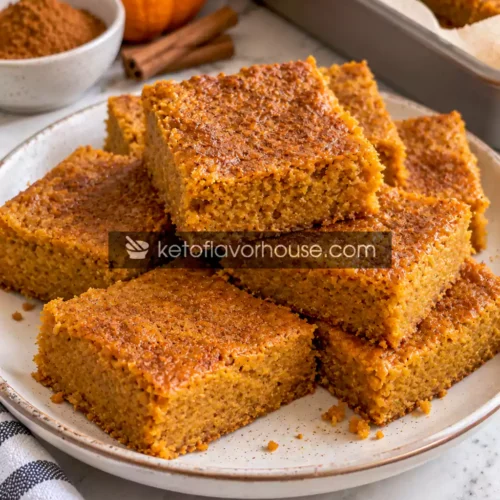
Healthy Anti-Inflammatory Pumpkin Bars Recipe

Ingredients
- 1 cup 112 g superfine blanched almond flour
- 1 cup 245 g plain pumpkin purée
- 2 large eggs
- 3 tablespoons 45 ml extra-virgin olive oil
- 3 tablespoons 45 ml pure maple syrup
- 1 teaspoon ground cinnamon
- ½ teaspoon ground ginger
- 1 teaspoon vanilla extract
- 1 teaspoon baking powder
- ¼ teaspoon fine salt
Instructions
- Preheat the oven to 350°F (177°C). Line an 8-inch square baking pan with parchment paper, leaving an overhang for easy removal.
- In a large bowl, whisk together the pumpkin purée, eggs, olive oil, maple syrup, and vanilla extract until smooth.
- In a separate bowl, combine the almond flour, cinnamon, ginger, baking powder, and salt.
- Add the dry ingredients to the wet ingredients and fold gently with a spatula until no dry flour remains.
- Transfer the batter to the prepared pan and spread it evenly into the corners.
- Bake for 25–30 minutes, checking near the end of the baking time. The edges should be set and a toothpick inserted into the center should come out without wet batter.
- Remove the pan from the oven and let the bars cool for at least 30 minutes. Allow them to cool completely before lifting them from the pan and slicing.
- Cut into nine equal bars and serve plain or with a small spoonful of plain Greek yogurt.